
The Art of Aquascaping with Shells: Designing Functional Beauty

Welcome to Aquarium Mastery!
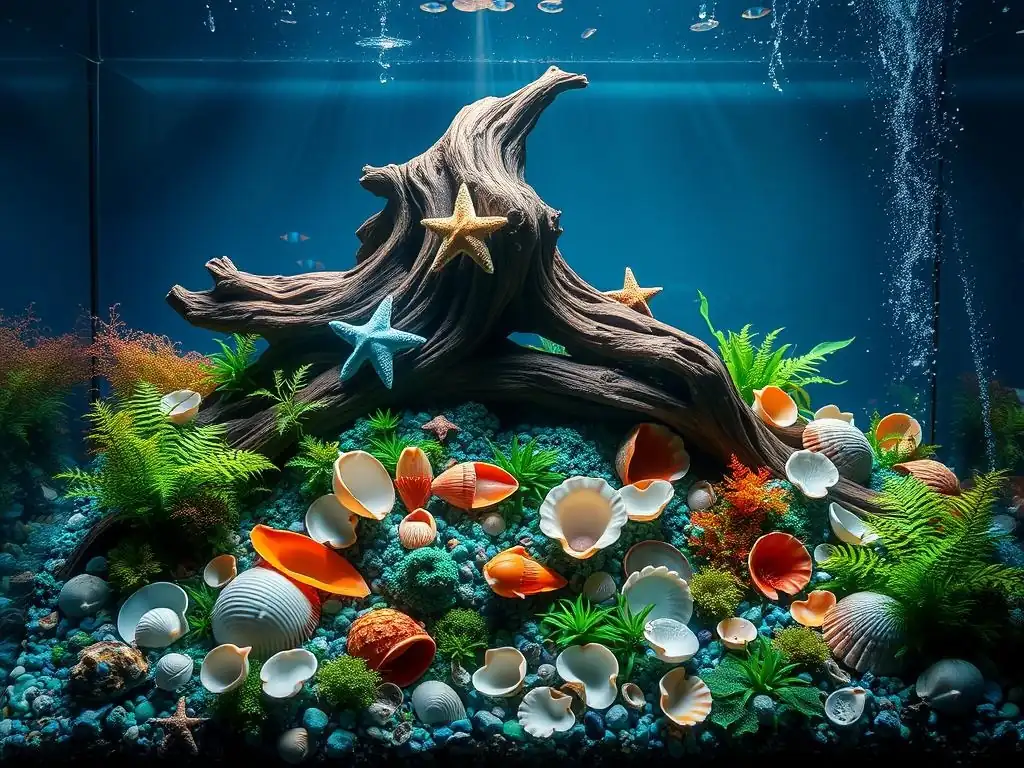
Ever wondered how to transform your freshwater aquarium into a stunning underwater landscape using the natural elegance of shells? The secret lies in understanding how to blend functionality with aesthetic appeal. Dive into our article on Shells aquascaping design tips and unlock the potential to create a breathtaking aquatic environment for your freshwater fish. Ready to craft a masterpiece that's both beautiful and beneficial? Let's get started!
- Introduction to Shell Aquascaping for Tanganyikan Cichlids
-
Frequently Asked Questions
- How can shells be used effectively in aquascaping design?
- What types of shells are safe to use in a freshwater aquarium?
- Can shells be incorporated into both freshwater and saltwater aquariums?
- What are some potential drawbacks of using shells in aquascaping?
- Where can I find suitable shells for my aquascape design?
- Final Reflection: Embracing Nature's Sculptures in Our Aquariums
- Dive Deeper: Create Your Own Shell-Inspired Underwater Paradise!
Introduction to Shell Aquascaping for Tanganyikan Cichlids
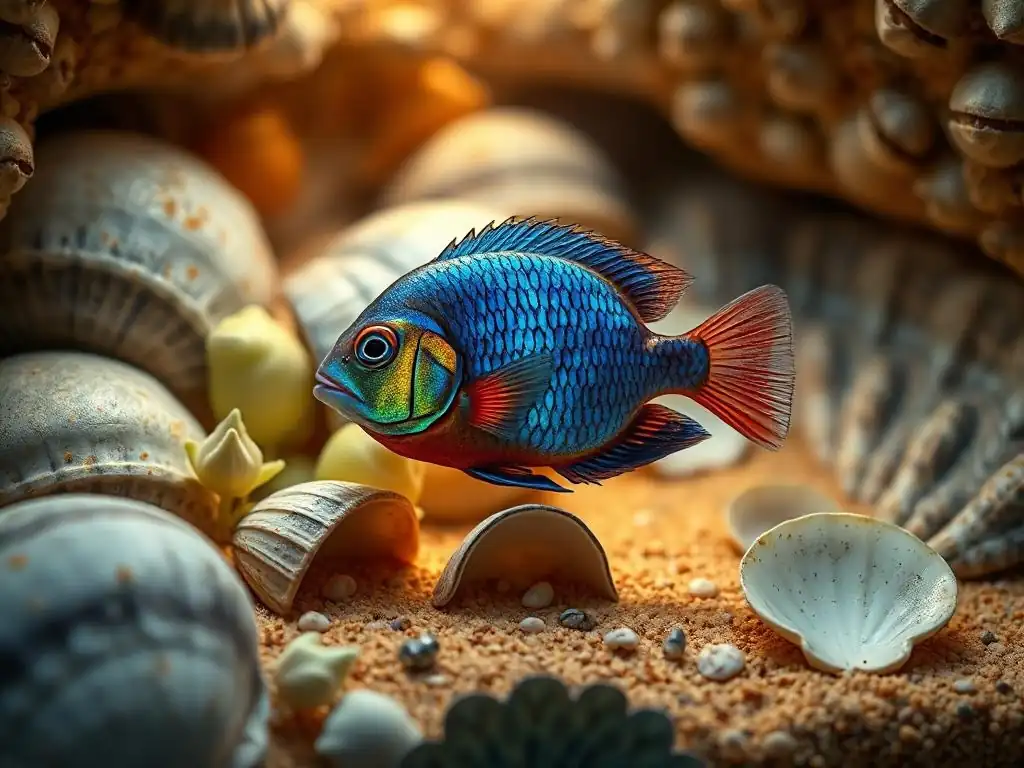
Understanding Shell Dwellers and Their Habitat Needs
Lake Tanganyika, a vast and ancient rift lake in East Africa, is renowned for its incredible biodiversity, particularly its cichlid species. Among these, the "shell dwellers" stand out due to their unique reliance on discarded snail shells for survival.
Species such as Neolamprologus multifasciatus, Lamprologus ocellatus, and Lamprologus brevis exemplify this fascinating adaptation, utilizing empty shells as their primary shelter, breeding grounds, and territorial markers. In their natural habitat, these fish primarily inhabit vast sandy plains where the shells of the endemic Neothauma tanganyicense snails accumulate in immense quantities, sometimes reaching hundreds per square meter, forming a crucial part of the lake's benthic ecosystem.
These specialized cichlids exhibit distinct behaviors tied to their shell homes. They meticulously excavate the sand around and beneath the shells, creating burrows and tunnels that offer protection from predators and strong currents. Males often collect multiple shells to establish a territory, while females typically choose a single shell for spawning and raising their fry.
This intrinsic connection to shells makes it imperative for aquarists to replicate this environment, not just for aesthetic appeal but for the health, well-being, and successful breeding of these captivating fish. Understanding these natural behaviors is the first step in applying effective shells aquascaping design tips.
The Aesthetic and Functional Benefits of Shell Aquascaping
Implementing shells aquascaping design tips offers a dual advantage for both the aquarist and the aquarium inhabitants: it creates a visually captivating display while providing essential functional elements. A well-executed shell aquascape authentically replicates a natural biotope, allowing observers to witness behaviors like shell-stacking, sand-sifting, and intricate territorial disputes that are rarely seen in other aquarium setups. The stark contrast of white or light-colored shells against a dark sand substrate can create a striking, minimalist aesthetic that highlights the fish themselves, turning the aquarium into a living piece of art.
Beyond aesthetics, the functional benefits are paramount for shell dwellers. Providing an abundance of suitable shells drastically reduces inter-species aggression by offering numerous retreats and clearly defined territories, which is crucial for species like Neolamprologus multifasciatus that form large colonies. For instance, in a 20-gallon long tank, a colony of 20-30 N. multifasciatus can thrive with 30-50 appropriately sized shells, ensuring each individual or breeding pair has multiple options for shelter. This provision of secure breeding sites inside the shells significantly increases breeding success rates and fry survival, making shell aquascaping an indispensable aspect of responsible shell dweller husbandry.
Frequently Asked Questions
How can shells be used effectively in aquascaping design?
Shells can be used to create natural-looking habitats, provide shelter for fish, and add unique textures to your aquarium. Consider the shell's size, shape, and potential impact on water chemistry.
What types of shells are safe to use in a freshwater aquarium?
Choose shells that are inert and won't significantly alter water parameters. Avoid shells that might leach calcium carbonate rapidly, raising the pH. Research each shell type before adding it.
Can shells be incorporated into both freshwater and saltwater aquariums?
Yes, but you must select shell types appropriate for the specific water chemistry of each environment. Some shells are more suited for alkaline saltwater conditions.
What are some potential drawbacks of using shells in aquascaping?
Some shells can increase the pH and hardness of the water, which may not be suitable for all fish species. Ensure proper water testing and adjust accordingly.
Where can I find suitable shells for my aquascape design?
Reliable sources include reputable aquarium stores, online retailers specializing in aquarium supplies, and sometimes even beachcombing (with careful cleaning and preparation).
Final Reflection: Embracing Nature's Sculptures in Our Aquariums
The journey through the art of aquascaping with shells reveals more than just design tips; it highlights the profound connection between aesthetics and functionality within our aquatic ecosystems. The enduring appeal of shells in aquariums lies in their ability to transform a simple tank into a vibrant, self-sustaining microcosm, mirroring the beauty and complexity of natural underwater environments. This is not merely decoration; it's about creating a balanced habitat that supports life and inspires awe.
This practice, blending artistry with ecological awareness, continues to shape how we perceive and interact with our aquariums. The subtle elegance of a carefully placed shell, the way it provides shelter and contributes to the water's chemistry, speaks volumes about the interconnectedness of all things. The best and most beautiful things in the world cannot be seen or even touched - they must be felt with the heart.
- Helen Keller. This quote resonates deeply when considering the unseen benefits that shells bring to an aquascape, fostering a thriving environment that transcends mere visual appeal.
As you contemplate your own aquascaping journey, consider the transformative power of shells. Let their natural beauty guide your design, and let their functional benefits inspire a deeper appreciation for the delicate balance of life within your aquarium. Embrace the art of aquascaping with shells, not just as a hobby, but as a mindful practice that connects you to the wonders of the underwater world and encourages a more sustainable approach to aquarium keeping.
Dive Deeper: Create Your Own Shell-Inspired Underwater Paradise!
Thanks for exploring the art of aquascaping with shells! We hope you've discovered the potential for creating both functional and beautiful aquarium environments. Now, it's time to bring that inspiration to life!
Here are a few ways to get started:
- Plan and Design Your Shellscape: Sketch out your dream aquascape, considering shell placement, plant pairings, and the overall aesthetic you want to achieve.
- Explore Local Shells: Take a trip to a nearby beach or coastline (if accessible) to ethically gather some shells, ensuring you understand and comply with any environmental regulations.
- Share Your Vision: Post your shellscape design ideas or photos of shells you have gathered on Aquarium Mastery’s forum and get feedback from fellow aquascaping enthusiasts.
Ready to transform your aquarium into a stunning shell-filled masterpiece? Share your initial design ideas in the comments below!