
The Ultimate Guide to Freshwater Aquarium Shrimp: Care, Types & Breeding

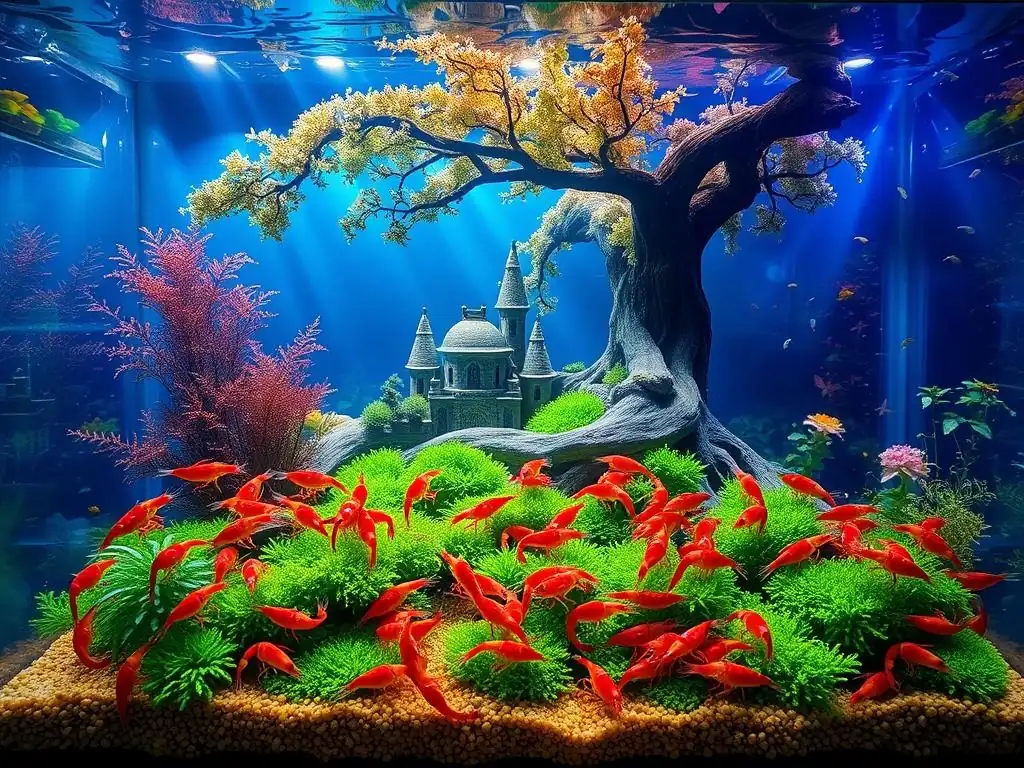
Welcome to Aquarium Mastery, your ultimate resource for diving deep into the captivating world of aquariums!
Ever been mesmerized by the tiny, vibrant inhabitants of a freshwater aquarium? Imagine creating a thriving ecosystem where colorful shrimp flourish. Our latest article, "The Ultimate Guide to Freshwater Aquarium Shrimp: Care, Types & Breeding," unveils the secrets to successful shrimp keeping. Curious to learn how to provide the perfect environment for these fascinating creatures? Let's explore the incredible world of freshwater shrimp together!
- Common Freshwater Shrimp Diseases and Problems
-
Frequently Asked Questions
- What are the most popular types of freshwater aquarium shrimp for beginners?
- What are the key water parameters to maintain for healthy freshwater shrimp?
- What type of food should I feed my freshwater aquarium shrimp?
- How can I successfully breed freshwater shrimp in my aquarium?
- What are some common signs of illness in freshwater aquarium shrimp and how can I treat them?
- Final Reflection: The Vibrant Ecosystem Within
- Dive Deeper: Start Your Shrimp-Filled Adventure!
Common Freshwater Shrimp Diseases and Problems
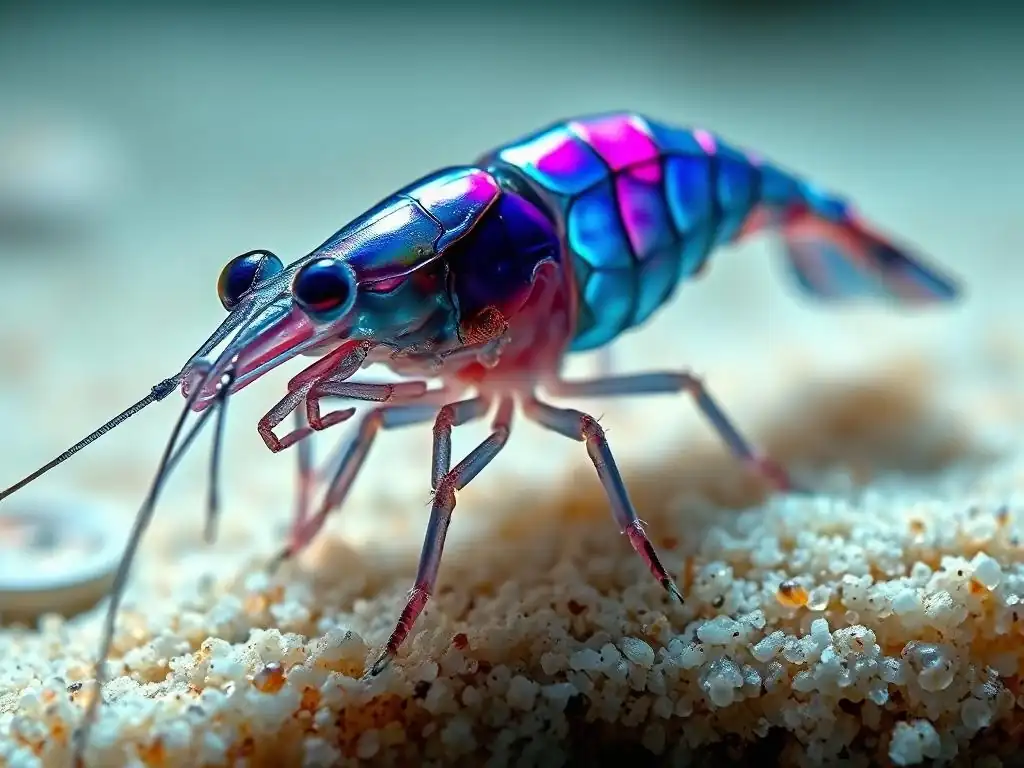
Identifying Signs of Illness in Shrimp
Observing your freshwater shrimp closely is the first and most critical step in identifying potential health issues. Healthy shrimp are typically active, constantly grazing on surfaces, and display vibrant coloration consistent with their type. Any deviation from this normal behavior, such as lethargy, erratic swimming, or a significant reduction in feeding, should immediately raise a red flag for any dedicated freshwater shrimp care guide enthusiast.
Other tell-tale signs include changes in coloration, becoming unusually pale or developing opaque patches on their bodies. A common sign of distress or illness is a shrimp that spends an excessive amount of time at the water surface or clinging to the filter intake, indicating poor water quality or low oxygen levels. Furthermore, a shrimp that is hunched over or struggling to move its legs could be experiencing a molting complication or a more serious underlying condition.
Common Shrimp Diseases: Prevention and Treatment
Preventing diseases is paramount in freshwater shrimp keeping, as treatment options can be limited or stressful for these delicate invertebrates. The cornerstone of disease prevention lies in maintaining consistently excellent water quality, providing a stable environment, and offering a balanced diet. A proactive approach, as detailed in any thorough freshwater shrimp care guide, significantly reduces the likelihood of outbreaks and ensures the long-term health of your colony.
Regular water testing for parameters such as ammonia, nitrite, nitrate, pH, and GH (General Hardness) is essential, as fluctuating or unhealthy levels are often the primary stressors that weaken shrimp immune systems. Quarantining new shrimp or plants for a period of at least two to three weeks before introducing them to the main tank is another vital preventative measure, helping to avoid the introduction of pathogens or parasites.
Bacterial Infections in Freshwater Shrimp
Bacterial infections in freshwater shrimp often manifest as opaque, milky-white areas within the shrimp's muscle tissue, particularly noticeable in the tail section, or a general loss of color and appetite. These infections are frequently secondary to poor water conditions, stress, or physical injury, which compromise the shrimp's natural defenses. For instance, a sudden spike in nitrates above 20 ppm can severely stress shrimp, making them highly susceptible.
While specific treatments can be challenging and often require broad-spectrum antibiotics, which should be used with extreme caution due to their potential harm to beneficial bacteria in the filter, prevention remains the best strategy. Ensuring stable water parameters, avoiding overfeeding, and maintaining a clean substrate are crucial. In severe cases, some hobbyists might attempt a short-term salt dip (e.g., 1-2 teaspoons of aquarium salt per gallon for a few minutes), but this is a high-stress treatment and not always effective for internal bacterial issues.
Fungal Infections Affecting Shrimp
Fungal infections typically appear as cotton-like or fuzzy growths on the shrimp's exoskeleton, appendages, or gills. A common culprit is Saprolegnia, a water mold that thrives in tanks with decaying organic matter and fluctuating temperatures. Shrimp with fungal infections may become lethargic and less active, and the visible fungal growth can impede their movement or respiration.
Preventing fungal infections involves maintaining pristine water quality, ensuring good water circulation to prevent stagnant areas, and promptly removing any dead plant matter or uneaten food. Treatment often involves using specific antifungal medications available for aquariums, but it's crucial to select products safe for invertebrates. Some aquarists report limited success with methylene blue dips, but the efficacy varies, and it can stain tank components.
Parasites and Their Impact on Shrimp Health
Freshwater shrimp can be affected by various parasites, which may be external or internal. External parasites like Vorticella appear as small, white, fuzzy tufts, often around the rostrum (nose) or gills, causing irritation and potentially hindering respiration. Another common external pest is Scutariella japonica, a small, white, worm-like organism that attaches to the shrimp's head or antennae, causing discomfort and potentially impacting molting.
Internal parasites are less visible but can cause lethargy, emaciation, and abnormal fecal matter. Prevention for all parasites includes rigorous quarantining of new shrimp for several weeks and careful inspection before introduction. For external parasites, targeted treatments such as No-Planaria (fenbendazole-based) or specific antiparasitics can be effective, but always verify their safety for shrimp. For instance, fenbendazole effectively eliminates Scutariella japonica without harming shrimp, making it a valuable tool in a comprehensive freshwater shrimp care guide.
Dealing with Molting Problems in Shrimp
Molting is a critical biological process for shrimp, allowing them to grow and replace their old exoskeleton. However, it is also a vulnerable time, and molting problems are a common cause of death in freshwater shrimp. A shrimp struggling to molt may appear stuck in its old shell, often with a white ring around its body where the old and new shells haven't separated properly. Such issues are frequently indicative of mineral deficiencies or unstable water parameters.
The primary cause of molting issues is often insufficient calcium and magnesium in the water, which are essential for building a new, healthy exoskeleton. A General Hardness (GH) level that is too low (e.g., below 4 dGH for Neocaridina shrimp) can lead to soft or incomplete molts. Sudden changes in water temperature or pH can also induce stress and lead to failed molts.
Ensuring a stable GH of 6-8 dGH for Neocaridina and 4-6 dGH for Caridina is vital. Supplementing with mineral additives like Salty Shrimp GH/KH+ or similar products, which provide the necessary calcium and magnesium, can significantly reduce molting problems and is a key component of successful freshwater shrimp care guide practices.
Frequently Asked Questions
What are the most popular types of freshwater aquarium shrimp for beginners?
Popular beginner-friendly options include Red Cherry Shrimp, Amano Shrimp, and Ghost Shrimp. These are relatively hardy and easy to care for, making them a great starting point.
What are the key water parameters to maintain for healthy freshwater shrimp?
Maintaining stable water parameters is crucial. pH levels should be between 6.5 and 7.5, and ammonia and nitrite levels must be at zero. Regular water changes are also vital.
What type of food should I feed my freshwater aquarium shrimp?
Shrimp are omnivores and will eat algae, biofilm, and leftover food. Supplement their diet with shrimp-specific food or algae wafers. Avoid overfeeding to prevent water quality issues.
How can I successfully breed freshwater shrimp in my aquarium?
Provide a safe and stable environment with plenty of hiding places. Maintain optimal water parameters and offer a nutritious diet to encourage breeding. Remove any predatory fish.
What are some common signs of illness in freshwater aquarium shrimp and how can I treat them?
Signs of illness include lethargy, loss of color, and unusual behavior. Identify the cause (e.g., poor water quality, parasites) and treat accordingly with appropriate medications or by improving water conditions.
Final Reflection: The Vibrant Ecosystem Within
The journey into the world of freshwater aquarium shrimp, as we've explored, is more than just keeping tiny crustaceans; it's about cultivating a miniature, thriving ecosystem within the confines of glass. The principles of responsible care, understanding diverse species, and fostering successful breeding are not merely guidelines, but rather a testament to our ability to connect with and nurture the delicate balance of the natural world, even in our own homes.
The allure of these colorful creatures extends beyond their aesthetic appeal; they offer a tangible connection to the intricacies of aquatic life. My own fascination with these shrimp began with a single, curious Cherry Shrimp, and it has since blossomed into a deep appreciation for the interconnectedness of all living things within an aquarium. In nature, nothing exists alone.
- Rachel Carson. This quote perfectly encapsulates the essence of shrimp keeping, reminding us that each element, from water parameters to plant life, plays a vital role in the shrimp's well-being and the overall health of the aquarium.
Now, as you embark on your own shrimp-keeping adventure, I encourage you to embrace the role of caretaker and observer. Let the vibrant colors and fascinating behaviors of these tiny creatures inspire you to learn more about the delicate ecosystems that surround us, both within our aquariums and beyond. Consider how your actions, even on a small scale, can contribute to a greater understanding and appreciation for the beauty and fragility of life.
Dive Deeper: Start Your Shrimp-Filled Adventure!
Thank you for exploring the captivating world of freshwater aquarium shrimp! We hope this guide has equipped you with the knowledge to create a thriving shrimp habitat. Now, let's turn that knowledge into action!
Here are a few things you can do right now:
- Plan your dream shrimp tank! Use the information you've gained to choose the right shrimp species, tank size, and decorations.
- Share this guide with fellow aquarium enthusiasts. Spread the shrimp love!
- Explore other articles on Aquarium Mastery to expand your aquarium knowledge beyond shrimp.
What’s the first step you'll take to bring these tiny aquatic gems into your home aquarium?