
Can Different Types of Freshwater Shrimp Live Together? Compatibility Guide

Welcome to Aquarium Mastery!
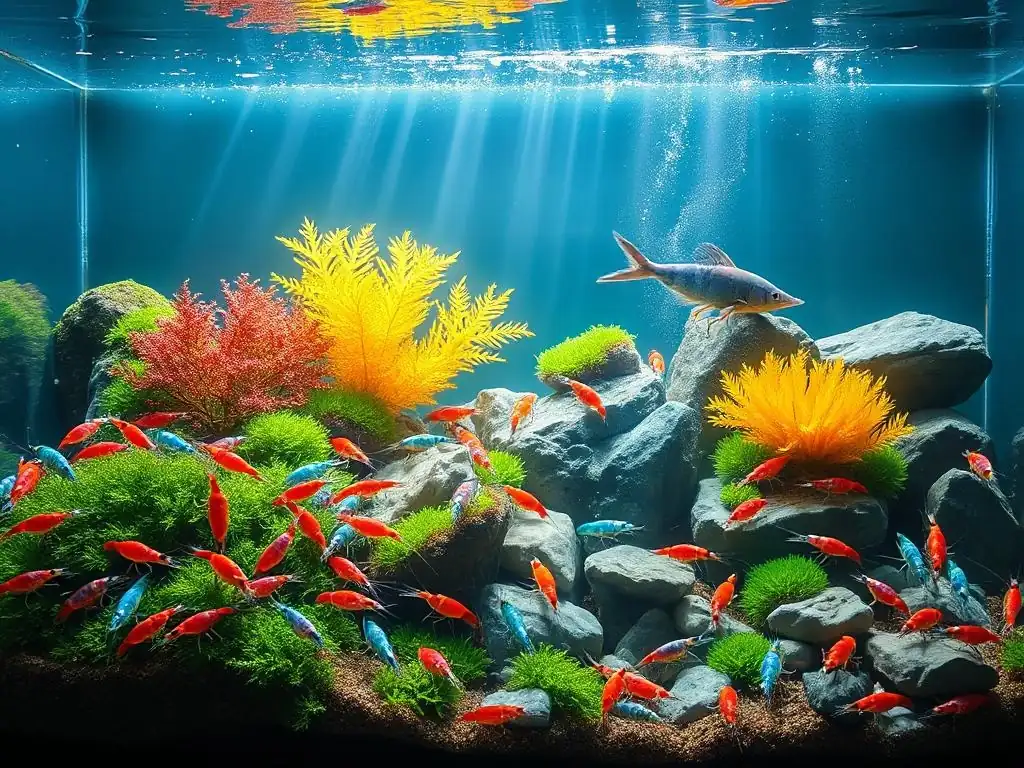
Ever wondered if those colorful freshwater shrimp you've been eyeing can actually live together peacefully? Dive in and unlock the secrets to a thriving shrimp community with our comprehensive Freshwater Shrimp Compatibility Guide. Discover which species make perfect tank mates and which pairings to avoid, ensuring a vibrant and harmonious underwater world. Let's explore the fascinating lives of these little invertebrates and create the perfect shrimp paradise!
- Understanding Freshwater Shrimp Compatibility for a Thriving Aquarium
- Why Freshwater Shrimp Compatibility Matters in Your Aquarium
- Key Factors Affecting Freshwater Shrimp Compatibility
- Compatible Freshwater Shrimp Species for Community Tanks
- Incompatible Freshwater Shrimp Species: Avoiding Potential Problems
- Creating a Compatible Freshwater Shrimp Tank Setup
- Troubleshooting Compatibility Issues in Your Shrimp Tank
- Advanced Considerations for Shrimp Compatibility
- Conclusion: Achieving a Harmonious Freshwater Shrimp Community
-
Frequently Asked Questions
- Can I keep Neocaridina shrimp (like Cherry Shrimp) with Caridina shrimp (like Crystal Red Shrimp)?
- What are some of the most compatible Neocaridina shrimp species?
- Are Amano Shrimp compatible with other types of freshwater shrimp?
- What should I consider before introducing different shrimp species to my aquarium?
- What are some signs that my shrimp are not compatible or that the tank environment is unsuitable?
- Final Reflection: Navigating the Shrimp Harmony
- Unleash a Vibrant Shrimp Paradise!
Understanding Freshwater Shrimp Compatibility for a Thriving Aquarium
Achieving a harmonious and thriving freshwater aquarium often hinges on understanding the intricate dynamics of its inhabitants. For aquarists fascinated by the vibrant colors and diligent scavenging of freshwater shrimp, compatibility is not merely a suggestion but a cornerstone of successful tank management. This comprehensive freshwater shrimp compatibility guide delves into the nuances of cohabitation, ensuring that your delicate crustaceans not only survive but truly flourish.
The goal is to create an ecosystem where all shrimp species can coexist peacefully, reproduce successfully if desired, and display their natural behaviors without stress. This requires careful consideration of various factors, from genetic makeup to environmental needs, all contributing to the long-term health and stability of your aquatic community.
Why Freshwater Shrimp Compatibility Matters in Your Aquarium
Preventing Crossbreeding and Hybridization in Shrimp Tanks
One of the primary concerns when mixing different types of freshwater shrimp is the risk of crossbreeding, particularly among species within the same genus. For instance, all common color variations of Neocaridina davidi (such as Red Cherry, Blue Dream, Yellow Goldenback, and Green Jade shrimp) are genetically the same species and will readily interbreed. When these different color morphs crossbreed, their offspring often revert to a "wild-type" appearance, typically a dull brownish or clear coloration, losing the distinct, vibrant hues that aquarists prize.
This hybridization can be particularly frustrating for breeders or hobbyists aiming to maintain specific genetic lines and pure color strains. Over generations, a mixed Neocaridina tank will gradually lose its distinct populations, resulting in a homogenous group of less colorful shrimp. Similarly, various Caridina cantonensis varieties like Crystal Red Shrimp (CRS) and Crystal Black Shrimp (CBS) will also interbreed, producing offspring with mixed patterns or less desirable grades.
Minimizing Aggression and Competition Among Shrimp Species
While most dwarf freshwater shrimp are inherently peaceful and non-aggressive, certain conditions or species can lead to competition and stress. Larger or more robust shrimp, such as Amano shrimp ( Caridina multidentata), while generally benign, can sometimes outcompete smaller dwarf shrimp like Neocaridina or Caridina cantonensis for food, especially during targeted feeding sessions. This can leave the smaller or shyer individuals underfed and stressed.
In rare cases, particularly with insufficient space or resources, even peaceful shrimp might exhibit territoriality or competition for prime foraging spots. Overcrowding can exacerbate this, leading to reduced feeding opportunities, stunted growth, and increased susceptibility to disease for the less dominant individuals. A well-planned freshwater shrimp compatibility guide aims to prevent such scenarios, fostering a calm environment.
Maintaining Optimal Water Parameters for Diverse Shrimp
Perhaps the most critical factor in freshwater shrimp compatibility is the varying water parameter requirements of different species. Neocaridina shrimp are generally hardy and tolerant of a wider range of parameters, typically thriving in slightly harder, alkaline water with a pH between 6.5 and 8.0, GH (General Hardness) of 6-10 dGH, and KH (Carbonate Hardness) of 0-10 dKH. Their ideal temperature range is usually 68-78°F (20-25.5°C).
In stark contrast, Caridina cantonensis species, such as Crystal Red Shrimp and Crystal Black Shrimp, are far more sensitive and require very specific, soft, acidic water conditions. Their preferred parameters are often a pH between 5.8 and 7.2 (with many preferring 6.0-6.8), GH of 4-6 dGH, and KH of 0-1 dKH, with temperatures ideally between 68-74°F (20-23.5°C). Attempting to house species with such disparate needs in a single tank often results in chronic stress, molting issues, and premature death for the species whose requirements are not met.
Key Factors Affecting Freshwater Shrimp Compatibility
Shrimp Species Temperament and Behavior
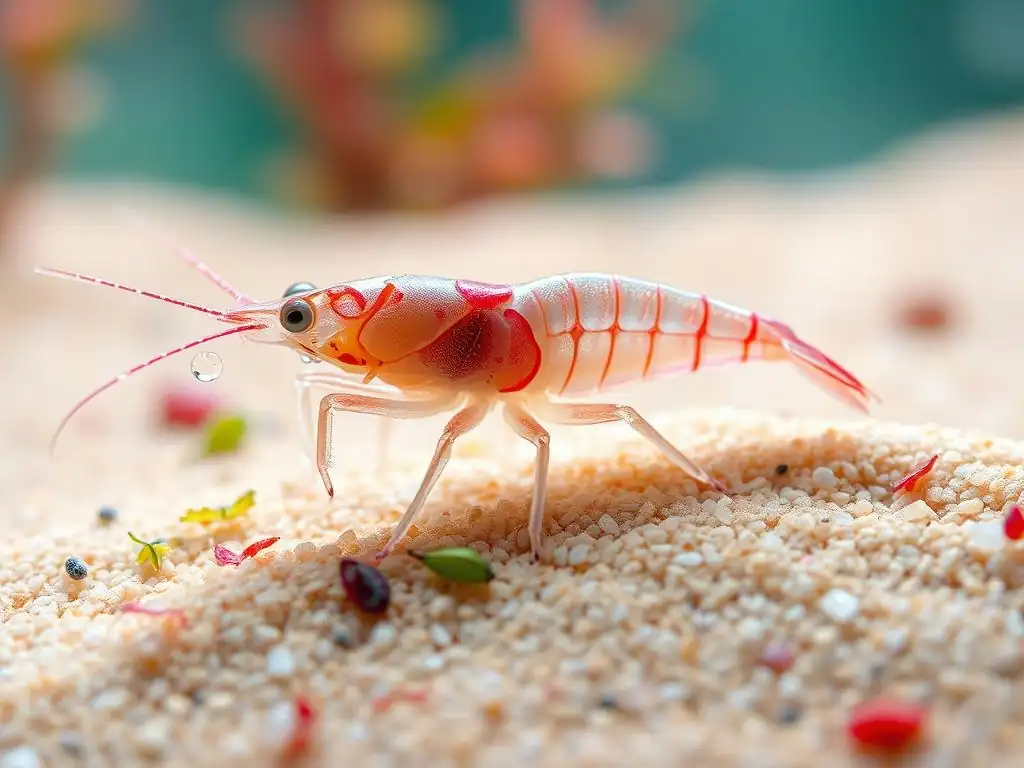
The general temperament of freshwater shrimp species is a primary consideration for compatibility. Most popular dwarf shrimp, including Neocaridina and Caridina cantonensis, are peaceful scavengers that spend their time grazing on biofilm, algae, and detritus. They pose no threat to each other or to suitable fish tank mates. However, some less common or misidentified shrimp species, particularly those from the Macrobrachium genus (often mistakenly sold as "Ghost Shrimp" or "Glass Shrimp"), can be predatory.
These predatory Macrobrachium species can grow larger than dwarf shrimp, sometimes reaching 2-3 inches, and possess long, strong claws capable of catching and consuming smaller shrimp, fish fry, or even small, slow-moving adult fish. Always verify the scientific name of any shrimp before introducing it to a community tank to ensure it aligns with a positive freshwater shrimp compatibility guide.
Water Parameter Requirements: pH, Temperature, and Hardness
As detailed previously, water parameters are paramount. Neocaridina shrimp, like the Red Cherry Shrimp, flourish in moderately hard water. For example, a pH of 7.2-7.6, GH of 8-12 dGH, and KH of 4-8 dKH are often ideal for robust health and prolific breeding. They can tolerate a broader range, but consistent parameters within this range are best.
Conversely, Caridina cantonensis shrimp, such as Crystal Red or Black Shrimp, demand soft, acidic water conditions. A pH of 6.0-6.8, GH of 4-6 dGH, and KH of 0-1 dKH are critical for their survival and breeding. Attempting to keep Caridina cantonensis in water parameters suitable for Neocaridina will lead to severe molting problems, weakened immune systems, and significantly reduced lifespans, making them incompatible choices for a single tank.
Tank Size and Available Hiding Places for Shrimp Safety
Adequate tank size is crucial for preventing overcrowding and reducing stress, even among generally peaceful shrimp. While a 5-gallon tank can house a small, single-species colony, a 10-gallon tank is often considered the minimum for a thriving dwarf shrimp colony, and larger tanks (e.g., 15-20 gallons) are highly recommended for mixed-species setups or larger colonies. More space allows for greater water volume stability and more surface area for biofilm and algae growth.
Beyond sheer volume, the availability of hiding places is vital. Dense live plants (like Java moss, Anubias, Bucephalandra), driftwood, cholla wood, rock caves, and ceramic shrimp tubes provide essential shelter. These hiding spots offer refuge during the vulnerable molting process, protection from potential predators (even peaceful fish), and areas for shy or stressed shrimp to retreat, ensuring their safety and well-being within the community.
Dietary Needs and Food Competition Among Different Shrimp
Most freshwater dwarf shrimp are primarily omnivorous scavengers, feeding on biofilm, algae, and detritus that naturally accumulate in the aquarium. However, supplemental feeding is often necessary, especially in heavily stocked tanks. While their basic dietary needs are similar, differences in feeding speed and size can lead to competition.
Larger shrimp, such as Amano shrimp, are generally faster and more assertive eaters than smaller Neocaridina or Caridina species. If food is simply dropped in one spot, the larger or more dominant shrimp may consume the majority, leaving insufficient food for the others. To prevent this, it's essential to distribute food widely across the tank or use multiple feeding points. Offering a variety of foods, including algae wafers, protein pellets, and blanched vegetables, can also help ensure all individuals receive adequate nutrition.
Compatible Freshwater Shrimp Species for Community Tanks
Neocaridina davidi (Cherry Shrimp) Compatibility
Neocaridina davidi, commonly known as Cherry Shrimp (and their various color morphs like Blue Dream, Yellow, Green Jade, etc. ), are among the most popular and beginner-friendly freshwater shrimp. They are renowned for their hardiness, adaptability to a wide range of water parameters, and prolific breeding. Growing to about 1 inch (2.5 cm) in size, they are active grazers, constantly sifting through substrate and plants, making them excellent members of a clean-up crew.
Their peaceful nature and relatively robust health make them ideal candidates for many community aquariums, provided tank mates are chosen carefully. They are less sensitive to minor fluctuations in water chemistry compared to their Caridina cousins, contributing to their widespread appeal and making them a staple in any freshwater shrimp compatibility guide.
Cherry Shrimp with Other Neocaridina Shrimp Varieties
As previously mentioned, all color varieties of Neocaridina davidi are the same species and will readily interbreed. This means a Red Cherry Shrimp can breed with a Blue Dream Shrimp, and their offspring will typically be a mix of dull, wild-type colors rather than maintaining the vibrant parental hues. While they are perfectly compatible in terms of water parameters and temperament, their genetic compatibility leads to a loss of distinct color forms.
Therefore, if an aquarist wishes to maintain specific color strains for breeding or aesthetic purposes, it is highly recommended to keep only one Neocaridina davidi color morph per tank. However, if the goal is simply a lively and active shrimp tank without concern for pure genetic lines, mixing different Neocaridina varieties poses no health or aggression issues.
Cherry Shrimp with Peaceful Fish Species
Cherry Shrimp can successfully cohabit with a variety of small, peaceful fish species that do not view them as prey. Ideal fish tank mates include Otocinclus catfish (Oto cats), which are excellent algae eaters and too small to harm adult shrimp, and various small schooling tetras such as Ember Tetras, Neon Tetras, or Green Neon Tetras, though caution should be exercised with shrimp fry. Pygmy Corydoras and small Rasboras (e.g., Chili Rasboras, Harlequin Rasboras) are also generally safe choices.
It is crucial to provide ample hiding places in a heavily planted tank to protect shrimp, especially newly molted individuals and fry. Even seemingly peaceful fish can opportunistically prey on shrimp fry. Avoid any fish with a mouth large enough to swallow an adult shrimp, or those known for nipping, aggression, or predatory behavior.
Caridina cantonensis (Crystal Shrimp) Compatibility
Caridina cantonensis encompasses a range of highly prized dwarf shrimp, including the striking Crystal Red Shrimp (CRS) and Crystal Black Shrimp (CBS), as well as their more advanced variants like Taiwan Bees (e.g., King Kong, Panda, Red Wine). These shrimp are celebrated for their intricate patterns and vibrant coloration but are significantly more delicate and demanding regarding water parameters compared to Neocaridina species. They typically grow to about 1 inch (2.5 cm).
Their sensitivity to water conditions and generally slower breeding rates make them more challenging for novice aquarists. They thrive in very specific, soft, and acidic water, often requiring the use of active buffering substrates and remineralized RO/DI water to maintain stability. This specialized care is a key point in any freshwater shrimp compatibility guide featuring these species.
Crystal Shrimp and Their Sensitivity to Water Conditions
The specific water parameters for Crystal Shrimp are critical for their survival and health. They ideally require a pH between 5.8 and 7.2 (many successful breeders aim for 6.0-6.8), a GH of 4-6 dGH, and a KH of 0-1 dKH. The Total Dissolved Solids (TDS) should generally be between 100-200 ppm, and the temperature maintained consistently between 68-74°F (20-23.5°C).
Any significant fluctuation outside these narrow ranges can lead to severe stress, molting difficulties, and ultimately, death. This extreme sensitivity is the primary reason why Caridina cantonensis are generally considered incompatible with Neocaridina species, as their preferred water parameters are fundamentally different and cannot be optimally met in a single tank.
Suitable Tank Mates for Crystal Red Shrimp and Crystal Black Shrimp
Given their delicate nature and specific water requirements, Crystal Red and Crystal Black Shrimp are best kept in species-only tanks. This provides the most stable and ideal environment for their health and breeding success. If an aquarist wishes to mix Caridina species, it should only be with other varieties of Caridina cantonensis (e.g., Taiwan Bees, Pintos) that share identical water parameter needs. Be aware that these varieties will also interbreed, creating mixed offspring.
If fish tank mates are absolutely desired, only the smallest, most peaceful, and non-predatory nano fish that also prefer soft, acidic water should be considered. Examples include Otocinclus catfish, small Boraras species (e.g., Chili Rasboras, Dwarf Rasboras), or certain very tiny, peaceful Endler's Livebearers. Even with these, the risk to shrimp fry remains high, making a species-only tank the preferred and most successful setup.
Amano Shrimp (Caridina multidentata) Compatibility
Amano Shrimp are highly regarded for their exceptional algae-eating capabilities and are a staple in many planted aquariums. They are significantly larger than dwarf shrimp, often reaching up to 2 inches (5 cm) in length, and are generally robust and long-lived. Unlike Neocaridina or Caridina cantonensis, Amano shrimp larvae require brackish water to develop, meaning they will not reproduce spontaneously in a typical freshwater aquarium, which is a major advantage for aquarists who want algae control without an exploding shrimp population.
They are known for their peaceful demeanor and can tolerate a wider range of water parameters than Crystal Shrimp, often overlapping with Neocaridina parameters (pH 6.0-8.0, GH 5-15 dGH, KH 3-10 dKH, temperature 70-80°F or 21-27°C). This makes them a flexible and highly compatible option in a comprehensive freshwater shrimp compatibility guide.
Amano Shrimp as Algae Eaters and Their Role in the Aquarium
Amano shrimp are arguably the most effective algae eaters among aquarium invertebrates. They readily consume a wide variety of algae, including stubborn hair algae, which many other clean-up crew members ignore. Their constant foraging activity helps keep tanks pristine, reducing the need for manual algae removal and contributing to a healthier overall ecosystem.
Their voracious appetite and diligent work ethic make them an invaluable addition to virtually any freshwater community tank, provided tank mates are not predatory. A few Amano shrimp can make a noticeable difference in algae control within a matter of days or weeks, making them a popular and practical choice for aquarists.
Amano Shrimp and Their Size Considerations in a Community Tank
Despite their larger size, Amano shrimp are not aggressive towards other shrimp or peaceful fish. However, their size means they can sometimes outcompete smaller dwarf shrimp for food, especially during targeted feeding. It's important to ensure that smaller, shyer shrimp still get their share by distributing food widely or using multiple feeding points.
They are generally safe with adult dwarf shrimp and most peaceful community fish. While they might occasionally appear to "bully" smaller shrimp away from food, direct harm is extremely rare. Due to their robust nature and similar water parameter tolerances, Amano shrimp are often considered highly compatible tank mates for Neocaridina species, forming an effective and harmonious cleaning crew.
Incompatible Freshwater Shrimp Species: Avoiding Potential Problems
Aggressive Shrimp Species to Avoid
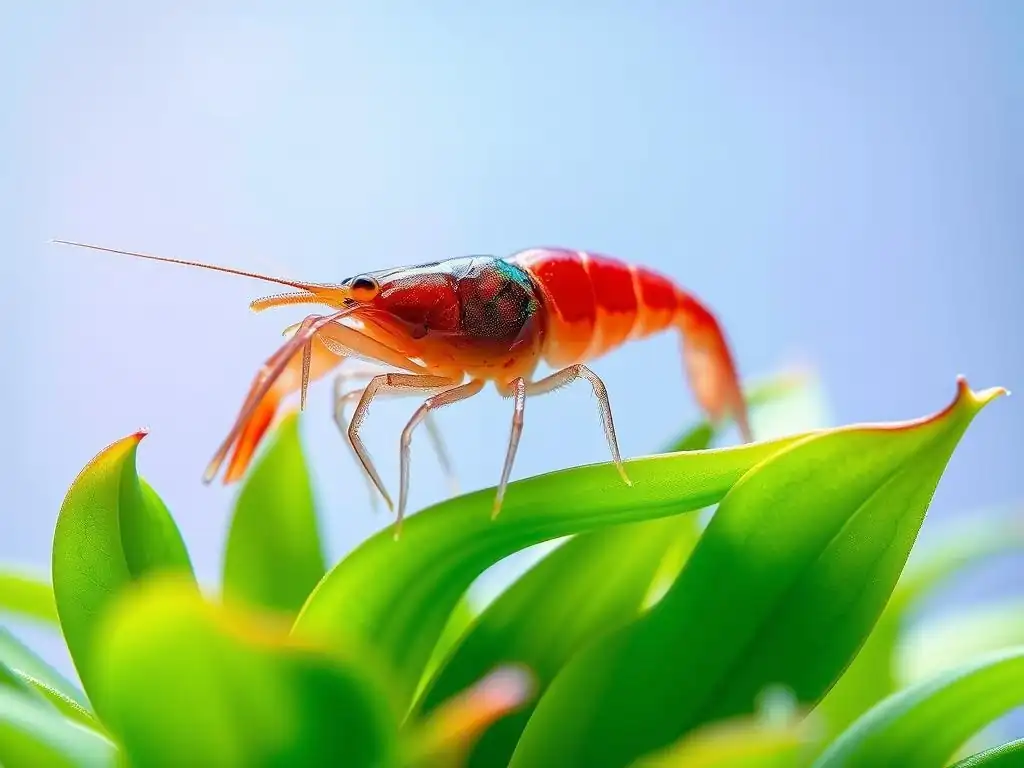
While the vast majority of commonly kept freshwater aquarium shrimp are peaceful, there are specific species and misidentifications to be wary of that are not suitable for a dwarf shrimp community. The primary offenders are certain species from the Macrobrachium genus, often incorrectly sold as "Ghost Shrimp" or "Glass Shrimp." While the true Ghost Shrimp ( Palaemonetes paludosus) is generally peaceful, many feeder shrimp are actually Macrobrachium lanchesteri or similar predatory species.
These predatory Macrobrachium shrimp possess long, powerful claws and can grow quite large. They will actively hunt and consume smaller dwarf shrimp, fish fry, and even small, slow-moving adult fish. Always verify the scientific name of any "Ghost Shrimp" before introducing it to a tank with other small invertebrates or fish. Their presence can devastate a dwarf shrimp colony, making them a significant "do not mix" in any freshwater shrimp compatibility guide.
Shrimp Species with Vastly Different Water Parameter Needs
The most common and critical incompatibility arises from attempting to house Neocaridina shrimp with Caridina cantonensis (Crystal, Bee, Taiwan Bee shrimp) in the same tank. As detailed earlier, Neocaridina prefer harder, more alkaline water (e.g., pH 7.0-8.0, GH 6-10), while Caridina cantonensis demand soft, acidic water (e.g., pH 5.8-7.2, GH 4-6).
It is practically impossible to maintain water parameters that optimally suit both groups simultaneously. Attempting to compromise will inevitably lead to chronic stress, weakened immune systems, and premature death for one or both types of shrimp. For instance, Neocaridina in overly soft, acidic water may suffer from poor shell development and lethargy, while Caridina cantonensis in hard, alkaline water will experience severe molting issues, organ failure, and a significantly shortened lifespan. This fundamental difference in requirements makes them strictly incompatible for cohabitation.
Predatory Fish That Prey on Shrimp
Many popular aquarium fish, even some considered "community" fish, are unsuitable tank mates for dwarf shrimp due to their predatory nature. Any fish with a mouth large enough to swallow a shrimp, or a known predatory instinct, should be avoided. This includes most cichlids (even dwarf species like Apistogramma, which will readily consume shrimp), larger Gouramis, most Barbs (e.g., Tiger Barbs, Cherry Barbs can nip), larger Tetras (e.g., Black Skirt Tetras, Serpae Tetras), and Bettas (their temperament varies, but many are opportunistic predators).
Even if a fish doesn't actively hunt, it might opportunistically consume shrimp, especially vulnerable molted shrimp or tiny fry. The rule of thumb is: if a shrimp can fit in the fish's mouth, it will eventually become food. For the safety and successful breeding of your shrimp, it is best to stick to very small, peaceful nano fish or maintain a species-only shrimp tank. This is a critical warning in any freshwater shrimp compatibility guide.
Creating a Compatible Freshwater Shrimp Tank Setup
Choosing the Right Tank Size for Multiple Shrimp Species
When planning a freshwater shrimp community tank, tank size plays a crucial role in ensuring compatibility and overall health. While a 5-gallon tank can sustain a small colony of a single dwarf shrimp species, housing multiple compatible species or a larger colony necessitates a bigger aquarium. A 10-gallon tank is generally considered the minimum for a mixed dwarf shrimp setup, providing more stable water parameters and greater foraging area.
For optimal space and to further reduce any potential for competition, tanks of 15 gallons or larger, such as a 20-gallon long, are highly recommended. Larger tanks offer more surface area for the growth of biofilm and algae, which are primary food sources for shrimp, and also allow for better distribution of supplemental foods, ensuring all individuals receive adequate nutrition.
Providing Ample Hiding Places and Plant Cover for Shrimp
A heavily planted aquarium is paramount for the well-being of freshwater shrimp, especially in a community setting. Live plants like Java moss, Christmas moss, Anubias, Bucephalandra, and various stem plants offer excellent hiding spots, foraging surfaces, and contribute to water quality by absorbing nitrates. Mosses are particularly beneficial as they trap detritus and provide a safe, intricate haven for molting shrimp and vulnerable fry.
Beyond live plants, incorporate other forms of physical cover such as driftwood, cholla wood, rock caves, and ceramic shrimp tubes. These elements not only offer essential shelter from potential tank mates (even peaceful ones) but also provide additional surface area for biofilm growth. Hiding places are critical during the molting process, when shrimp are most vulnerable, ensuring they can shed their exoskeletons undisturbed.
Maintaining Stable Water Parameters for All Shrimp
Consistency in water parameters is non-negotiable for a thriving shrimp tank. Regular, small water changes (e.g., 10-20% weekly) with dechlorinated water that closely matches the tank's existing parameters are crucial. Rapid fluctuations in pH, temperature, or hardness can cause significant stress, molting issues, and even death, particularly for sensitive species like Caridina.
Utilize a reliable liquid test kit to consistently monitor key parameters such as pH, GH, KH, ammonia, nitrite, and nitrate. If you are keeping Caridina species, an active buffering substrate (like ADA Aquasoil) and remineralized RO/DI water are often necessary to achieve and maintain their specific soft, acidic conditions. For Neocaridina, ensuring stable parameters within their tolerant range will promote robust health and prolific breeding, underpinning the success of any freshwater shrimp compatibility guide.
Implementing a Proper Feeding Schedule to Prevent Competition
While shrimp constantly graze on biofilm, supplemental feeding is typically required to support a healthy colony, especially in tanks with multiple species. To prevent competition, distribute food widely across the tank rather than in a single pile. This ensures that all shrimp, including smaller or shyer individuals, have equal access to food. For an established colony, feeding once every 2-3 days is often sufficient, adjusting the frequency and amount based on population size and observable consumption.
Offer a variety of high-quality, shrimp-specific foods that sink and do not rapidly dissolve, such as algae wafers, protein pellets, and specialized mineral supplements. Blanched vegetables like zucchini or spinach can also be offered periodically. Always remove any uneaten food after a few hours to prevent water quality degradation, which can lead to bacterial blooms and other issues detrimental to shrimp health.
Troubleshooting Compatibility Issues in Your Shrimp Tank
Identifying Signs of Stress or Aggression in Shrimp
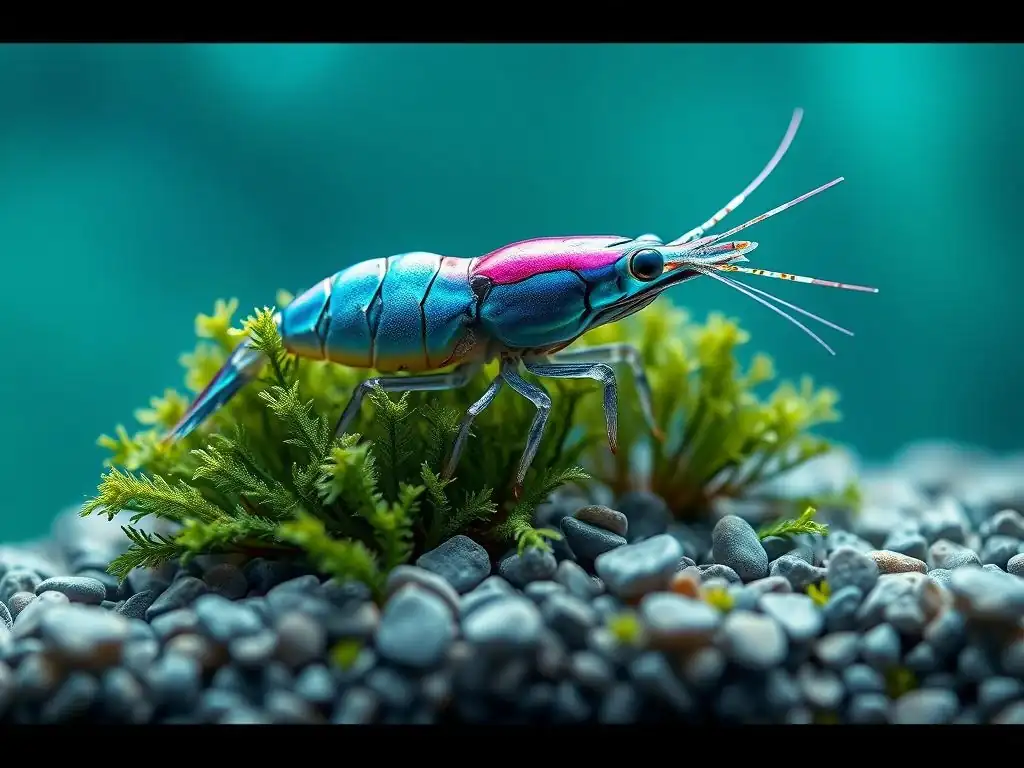
Early detection of stress or aggression is crucial for maintaining a healthy shrimp tank. Signs of stress in shrimp include lethargy, excessive hiding (even when not molting), dull or faded coloration, refusal to eat, erratic swimming, and frequent failed molts (often indicated by a "white ring of death" where the exoskeleton fails to separate properly). While direct aggression among dwarf shrimp is rare, competition might manifest as chasing during feeding times or one shrimp consistently dominating a food source.
These symptoms indicate that something in the environment or the mix of tank mates is causing distress. For instance, if Caridina shrimp are showing signs of stress, the primary suspect is often unstable or incorrect water parameters. If Neocaridina are hiding excessively, it might point to overly large or aggressive fish, or simply a lack of sufficient hiding places in the aquarium.
Separating Incompatible Shrimp Species
If you identify clear signs of incompatibility, such as persistent stress, aggression, or the inability to meet the distinct water parameter needs of different species, separation is the most effective and humane solution. This may involve setting up a dedicated "species-only" tank for one of the shrimp types or, if space does not permit, rehoming one of the species to an appropriate environment.
Attempting to force truly incompatible species to coexist will almost invariably lead to chronic stress, poor health, and eventual loss of shrimp. Prioritizing the specific needs of each species by providing them with an environment where they can truly thrive is far more beneficial than trying to maintain a problematic mixed-species tank. This is a key action point in any practical freshwater shrimp compatibility guide.
Adjusting Water Parameters for Optimal Shrimp Health
When stress or health issues are traced back to suboptimal water parameters, gradual and careful adjustment is paramount. For sensitive Caridina species, this might involve transitioning to using RO/DI water remineralized with specific products (like Salty Shrimp GH+) and potentially incorporating an active buffering substrate to maintain low pH and KH. For Neocaridina, ensuring consistent GH, KH, and pH within their tolerant range is important, often achieved through regular water changes with appropriately conditioned tap water.
It is vital to emphasize that rapid changes in water parameters are highly detrimental to shrimp, causing osmotic shock. Any adjustments should be made slowly, over several days or even weeks. For example, when introducing new shrimp, drip acclimation over 1-3 hours is essential. For existing tanks, very small, frequent water changes can incrementally shift parameters. Consistent monitoring with accurate test kits is indispensable throughout this process to ensure the well-being of your shrimp.
Advanced Considerations for Shrimp Compatibility
Breeding Considerations: Preventing Unwanted Hybridization
For aquarists interested in breeding specific color forms or genetic lines of freshwater shrimp, understanding and preventing unwanted hybridization is an advanced but crucial aspect of compatibility. As established, all Neocaridina davidi color morphs will interbreed, resulting in offspring that revert to wild-type coloration. Similarly, various Caridina cantonensis varieties (e.g., Crystal Red, Crystal Black, Taiwan Bee shrimp) will also interbreed among themselves.
Therefore, to maintain pure genetic lines and distinct color forms, it is essential to keep only one cross-compatible species or variety per tank. For example, a dedicated tank for high-grade Red Cherry Shrimp should not house Blue Dream Shrimp if the goal is to preserve the unique characteristics of each line. Careful planning and isolation are key for successful selective breeding.
Maintaining Genetic Diversity in Shrimp Colonies
While avoiding hybridization is important for specific lines, maintaining genetic diversity within a colony is also a significant long-term consideration. Prolonged inbreeding within a small, isolated colony can lead to weaker genetic lines over time, potentially resulting in reduced fertility, smaller adult size, increased susceptibility to disease, and overall decreased vigor.
To counteract the negative effects of inbreeding, advanced aquarists may occasionally introduce a few new, healthy shrimp from a different, reputable source (e.g., another breeder) to diversify the gene pool. This practice, often referred to as "outcrossing," helps to refresh the genetic makeup of the colony, promoting stronger, healthier, and more prolific generations. This nuanced approach adds depth to a comprehensive freshwater shrimp compatibility guide.
Introducing New Shrimp to an Established Tank
The introduction of new shrimp to an established tank requires careful attention to prevent stress and the potential introduction of diseases. Proper acclimation is paramount, especially for sensitive Caridina species. Drip acclimation is the highly recommended method: slowly adding tank water to the shrimp's transport water over a period of 1-3 hours. This gradual process allows the shrimp to slowly adjust to the new tank's water parameters (pH, temperature, GH, KH, TDS), minimizing osmotic shock.
Furthermore, a quarantine period for new shrimp is a best practice, if feasible. Housing new arrivals in a separate, dedicated quarantine tank for 2-4 weeks allows for observation for any signs of disease, parasites, or other issues before they are introduced to the main display tank. This proactive measure significantly reduces the risk of introducing pathogens that could harm your established, healthy shrimp colony, ensuring long-term success.
Conclusion: Achieving a Harmonious Freshwater Shrimp Community
Creating a thriving freshwater shrimp community is a rewarding endeavor that requires careful planning, a deep understanding of species-specific needs, and consistent maintenance. By prioritizing compatibility factors such as preventing unwanted crossbreeding, minimizing competition, and, most importantly, matching water parameter requirements, aquarists can build a stable and vibrant aquatic ecosystem.
Whether you choose the hardy Neocaridina or the delicate Caridina, a well-researched freshwater shrimp compatibility guide is your roadmap to success. With the right tank setup, appropriate tank mates, and diligent care, your shrimp will not only survive but truly flourish, displaying their fascinating behaviors and contributing to the beauty and health of your aquarium for years to come.
Frequently Asked Questions
Can I keep Neocaridina shrimp (like Cherry Shrimp) with Caridina shrimp (like Crystal Red Shrimp)?
Generally, no. While it might sometimes work, these species have different water parameter requirements. Neocaridina are more forgiving, while Caridina need very specific, stable conditions for survival and breeding.
What are some of the most compatible Neocaridina shrimp species?
Many Neocaridina species, such as Cherry Shrimp, Yellow Shrimp, and Blue Dream Shrimp, can be kept together. However, be aware that they will likely interbreed, potentially resulting in less vibrant offspring.
Are Amano Shrimp compatible with other types of freshwater shrimp?
Yes, Amano Shrimp are usually very compatible with other Neocaridina and even some Caridina shrimp. They are peaceful and efficient algae eaters, but they won't interbreed with other commonly kept shrimp.
What should I consider before introducing different shrimp species to my aquarium?
Research the specific water parameter requirements for each shrimp species. Ensure your tank is fully cycled and stable before adding any shrimp, and provide plenty of hiding places.
What are some signs that my shrimp are not compatible or that the tank environment is unsuitable?
Signs of incompatibility or poor water conditions include excessive hiding, lack of appetite, molting problems, and ultimately, shrimp deaths. Regularly test your water and observe your shrimp's behavior.
The insights shared in this guide, focusing on freshwater shrimp compatibility, are more crucial than ever in today's rapidly growing aquascaping hobby. As more enthusiasts embrace the beauty and complexity of shrimp-keeping, understanding the delicate balance within these miniature ecosystems becomes paramount to ensuring the health and happiness of our aquatic companions. A thriving shrimp tank is a testament to responsible aquarism, and this guide serves as a stepping stone towards achieving that harmony.
This exploration of shrimp compatibility has profoundly shaped, and continues to shape, the aquascaping landscape. It highlights the importance of informed decision-making and ethical practices in keeping these fascinating creatures. The success of a shrimp tank isn't just about aesthetics; it's about creating a sustainable and thriving environment for all its inhabitants. The greatness of a nation and its moral progress can be judged by the way its animals are treated.
- Mahatma Gandhi. This quote, though broad, resonates deeply with the responsibility we bear as caretakers of these delicate aquatic lives.
Now, armed with this knowledge, I invite you to reflect on your own aquascaping journey. Consider how you can apply these principles of compatibility to create a more balanced and enriching environment for your shrimp. Let this guide be more than just a resource; let it be a catalyst for responsible and compassionate shrimp-keeping, ensuring a vibrant and thriving future for these captivating creatures.
Unleash a Vibrant Shrimp Paradise!
Thanks for diving into the fascinating world of freshwater shrimp compatibility! We hope you've gained valuable insights to create a thriving ecosystem. Now, let's turn that knowledge into action!
- Carefully evaluate your tank size and water parameters before introducing new shrimp species to ensure a harmonious environment.
- Share this guide with fellow aquarists and spark a conversation about their experiences with shrimp compatibility!
- Research less common, peaceful shrimp species to add unique biodiversity to your aquarium.
What are some unique challenges you've faced (or anticipate facing) when keeping different shrimp species together, and how do you plan to overcome them?