
The Science of Shrimplets: Ensuring Survival from Egg to Miniature Adult

Welcome to Aquarium Mastery, your ultimate guide to thriving aquatic ecosystems!
Ever wondered about the delicate dance of life within a shrimp egg? Dive into the fascinating world of invertebrates and unlock the secrets to successfully nurturing new generations with our comprehensive guide on Shrimp Egg Incubation Tips. Learn how to transform tiny eggs into vibrant shrimplets and ensure their survival, creating a flourishing shrimp colony. Are you ready to master the art of shrimplet care?
- Cherry Shrimp Breeding: From Egg to Juvenile
- Understanding Cherry Shrimp Egg Incubation
- Optimizing Water Parameters for Egg Development
- Nutritional Needs of Berried Shrimp and Developing Eggs
- Providing a Safe Environment for Shrimp Eggs
- Cherry Shrimp Egg Incubation: A Step-by-Step Approach
- Post-Hatch Care: Nurturing Newborn Shrimplets
- Troubleshooting Common Incubation Problems
- Ensuring Long-Term Shrimplet Health
-
Frequently Asked Questions
- How long does it typically take for shrimp eggs to hatch?
- What water parameters are crucial for successful shrimp egg incubation?
- What is the best way to provide aeration during shrimp egg incubation?
- Do I need to feed the shrimp eggs before they hatch?
- How can I prevent fungal infections or diseases from affecting the shrimp eggs?
- Final Reflection: Nurturing the Future, One Shrimplet at a Time
- Nurture Your Own Tiny Ecosystem!
Cherry Shrimp Breeding: From Egg to Juvenile
Understanding Cherry Shrimp Egg Incubation
The Importance of Successful Hatching for Shrimp Keepers
Successful hatching is the cornerstone of a thriving cherry shrimp colony, offering both immense satisfaction and practical benefits for shrimp keepers. When conditions are optimal, a single berried female can produce 20-30 viable shrimplets, significantly boosting the population. This natural population growth reduces the need for frequent purchases, contributing to the hobbyist's long-term enjoyment and potentially providing excess stock for trade or sale. However, suboptimal conditions can lead to high shrimplet mortality, making the mastery of shrimp egg incubation tips a critical skill.
Beyond population numbers, successful hatching indicates a healthy, balanced aquarium ecosystem. It signifies that water parameters are stable, food sources are adequate, and the environment is stress-free for the delicate breeding process. A consistent track record of successful hatches, perhaps yielding 100 or more new individuals within a 3-4 month period from multiple females, directly reflects the aquarist's proficiency in maintaining ideal conditions, ensuring the genetic continuity and vibrancy of their cherry shrimp colony.
Identifying Healthy Eggs: Color and Development Stages
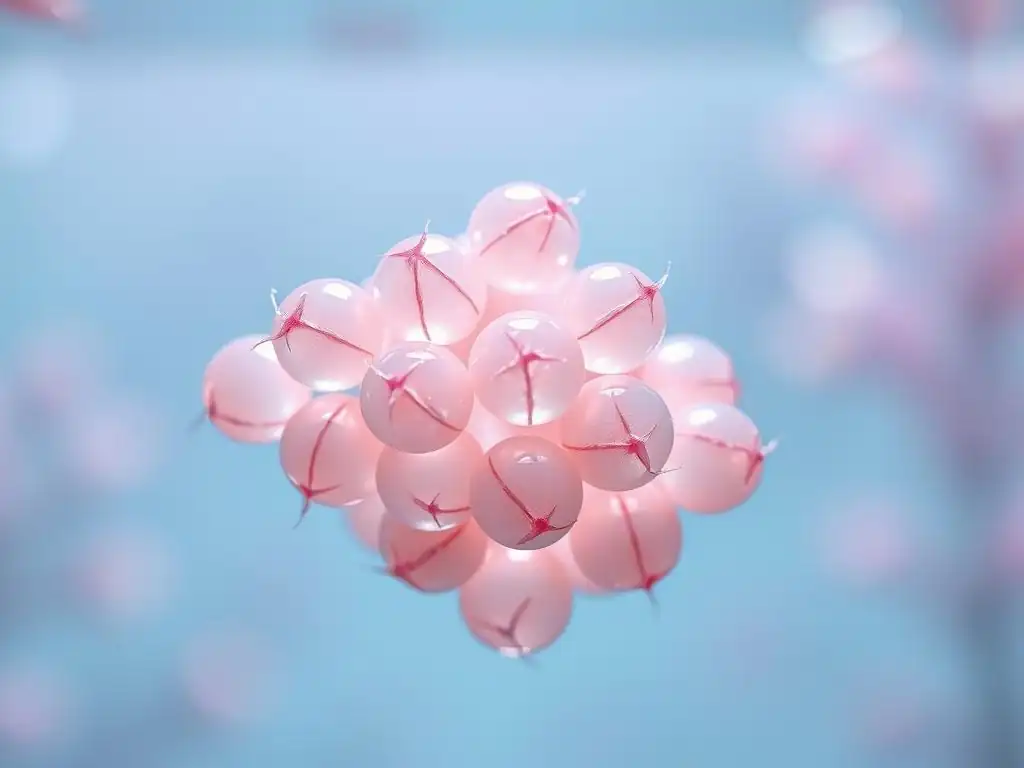
Identifying healthy cherry shrimp eggs is a crucial shrimp egg incubation tip for monitoring the breeding process. Initially, freshly laid eggs are typically a vibrant green or yellow, tightly clustered and meticulously fanned by the female under her pleopods. These eggs should appear plump, uniform in size, and firmly attached, indicating successful fertilization and proper care by the mother shrimp. Any eggs that appear unusually pale, discolored, or detached from the pleopods may be unfertilized or unhealthy.
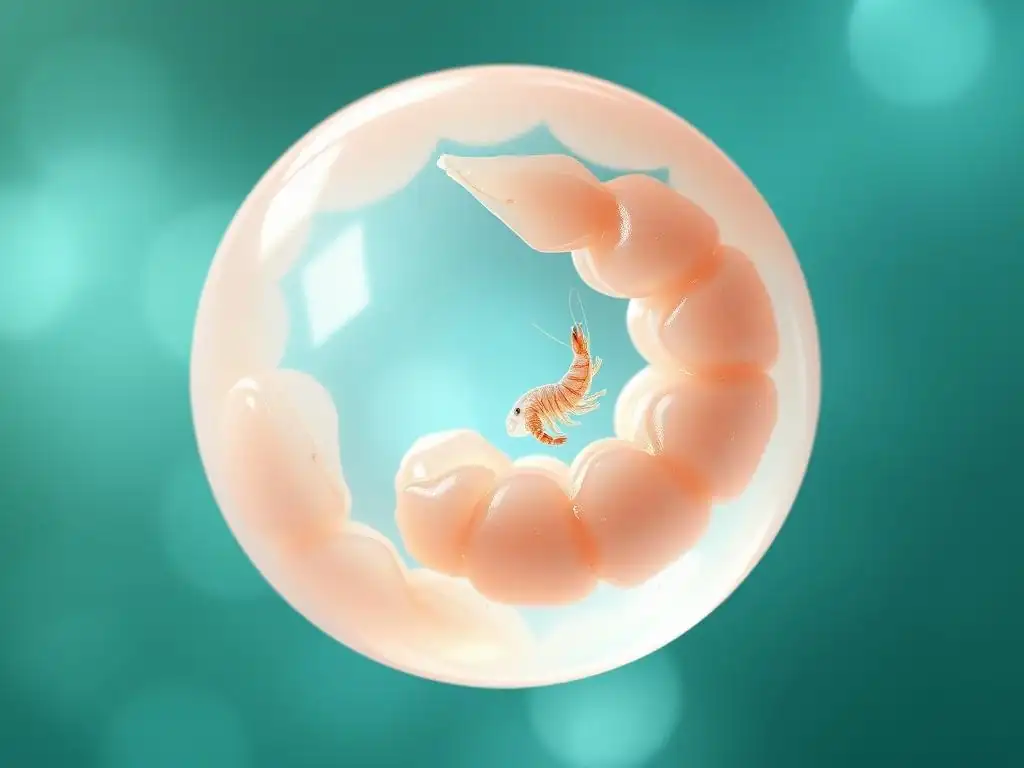
As development progresses, distinct changes become visible. Around days 7-10, small black dots, which are the developing eyes of the shrimplets, become discernible within the eggs. By days 18-20, the eggs may become more translucent, allowing a clearer view of the miniature shrimplets curled inside. Hatching typically occurs between days 25-30, depending primarily on water temperature. Eggs that develop a fuzzy, white appearance indicate a fungal infection, often a sign of unfertilized or non-viable eggs, which should be monitored closely as they can spread if not addressed.
Optimizing Water Parameters for Egg Development
Water Temperature: Impact on Hatching Time
Water temperature plays a pivotal role in the metabolic rate of developing cherry shrimp eggs, directly influencing their hatching time. The optimal temperature range for Cherry Shrimp (Neocaridina davidi) breeding and egg development is generally between 72-78°F (22-25.5°C). Within this range, eggs typically hatch within 25-30 days. Maintaining a consistent temperature is more critical than hitting an exact number, as sudden fluctuations can stress the berried female and the developing embryos.
Deviation from this ideal range can have significant consequences. At lower temperatures, such as 68°F (20°C), egg development can slow considerably, extending the hatching period to 35-40 days or even longer. This prolonged development increases the risk of fungal infections or the eggs failing to hatch altogether.
Conversely, temperatures consistently above 80°F (26.5°C) can accelerate development to as little as 20 days, but this often comes at the cost of increased stress for the berried female, potentially leading to premature egg dropping and higher mortality rates for the newly hatched shrimplets due to faster metabolism and reduced dissolved oxygen. Precise temperature control is a fundamental shrimp egg incubation tip.
Maintaining GH and KH for Shell Development
General Hardness (GH) and Carbonate Hardness (KH) are two critical water parameters for the successful development of cherry shrimp eggs and the overall health of the colony. GH measures the concentration of dissolved mineral ions, primarily calcium and magnesium, which are essential building blocks for the shrimplet's exoskeleton. Adequate GH ensures that shrimplets can form strong shells while developing inside the egg and successfully molt once hatched. KH, or alkalinity, acts as a buffer, stabilizing the water's pH and preventing drastic, harmful fluctuations.
For optimal cherry shrimp egg development, a GH of 6-8 dGH (approximately 100-140 ppm) and a KH of 3-5 dKH (approximately 50-90 ppm) are generally recommended. Insufficient GH can lead to developmental deformities or molting issues, as the shrimplets lack the necessary minerals to form their outer shells. Similarly, an unstable KH can result in pH crashes or spikes, which are highly detrimental to the delicate eggs and newly hatched shrimplets, making parameter stability a cornerstone of effective shrimp egg incubation tips.
The Significance of pH for Shrimp Health
The pH level of the aquarium water, which indicates its acidity or alkalinity, holds significant importance for the health of cherry shrimp and the viability of their eggs. Cherry shrimp generally thrive in slightly alkaline to neutral water, with an ideal pH range of 6.8-7.8. While this range offers some flexibility, the stability of the pH is far more crucial than maintaining an exact number within it. Rapid or extreme pH swings can be incredibly stressful and even fatal for shrimp, including those carrying eggs.
Even minor pH fluctuations can cause osmotic shock, disrupting the delicate internal balance of the shrimp and their developing embryos. For instance, a sudden drop in pH from 7.5 to 6.5 within a few hours can be devastating. Maintaining a consistent pH, often supported by adequate KH levels that buffer the water, ensures that the biochemical processes within the eggs proceed without interruption. This stability is a paramount shrimp egg incubation tip, directly impacting hatching success and shrimplet survival.
Ammonia, Nitrite, and Nitrate: Maintaining a Healthy Environment
Maintaining pristine water quality, particularly concerning nitrogenous waste products, is non-negotiable for successful cherry shrimp egg incubation. Ammonia (NH3/NH4+) and nitrite (NO2-) are highly toxic to shrimp at any detectable concentration, even parts per billion. These compounds cause immediate stress, damage gills, and lead to organ failure, resulting in death for both adult shrimp and developing eggs. A fully cycled aquarium filter is essential to convert these harmful substances into less toxic nitrates.
While nitrates (NO3-) are less toxic than ammonia and nitrite, high levels can still be detrimental. For breeding tanks, nitrate levels should ideally be kept below 10 ppm, and certainly no higher than 20 ppm. Elevated nitrates can stress shrimp, inhibit growth, and reduce the viability of eggs. Regular, small water changes (e.g., 10-15% weekly) and sufficient live plants help to keep nitrate levels in check, ensuring a healthy environment for the sensitive eggs and shrimplets. This diligent water management is a critical aspect of effective shrimp egg incubation tips.
Nutritional Needs of Berried Shrimp and Developing Eggs
Feeding Berried Shrimp: A Balanced Diet
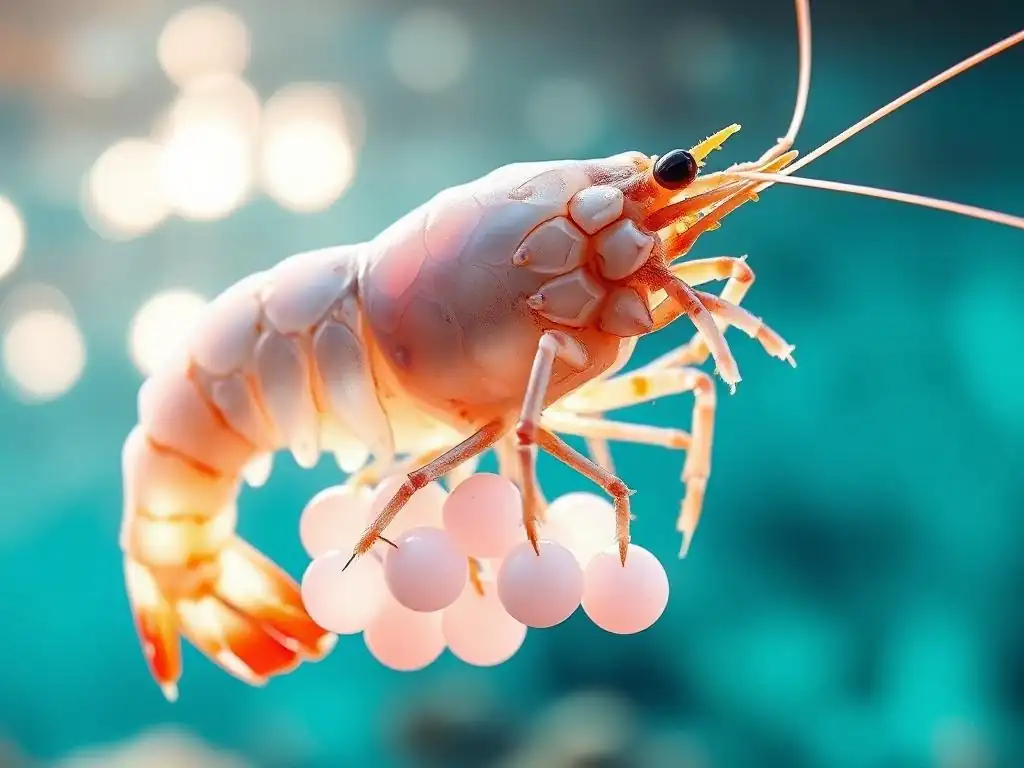
A berried female cherry shrimp, carrying a clutch of developing eggs, requires increased energy and specific nutrients to sustain herself and provide for her offspring. A balanced and varied diet is crucial to ensure the eggs are healthy and robust, with sufficient yolk reserves to support the embryonic shrimplets. High-quality shrimp-specific pellets, which often contain spirulina and other beneficial ingredients, should form the base of their diet. Supplementing with blanched vegetables like spinach, zucchini, or kale provides essential vitamins and fiber.
Occasional protein sources, such as spirulina flakes, dried nettle, or even a tiny amount of bloodworms (if carefully managed to avoid overfeeding), can further enhance the nutritional intake of berried females. For instance, a diet rich in spirulina provides essential amino acids and carotenoids, which not only support the female's health during this demanding period but also contribute to the vibrant coloration and overall robustness of the developing eggs, directly influencing the success of shrimp egg incubation tips.
Supplements: Calcium and Minerals for Egg Quality
Calcium and other trace minerals are indispensable for the successful development of cherry shrimp eggs and the subsequent health of the shrimplets. Calcium is a primary component of the shrimplet's exoskeleton, which begins to form while they are still inside the egg. Magnesium is also vital, participating in various metabolic functions and enzyme activities necessary for healthy growth. Without adequate mineral availability, eggs may fail to develop properly, or shrimplets may experience molting issues after hatching.
While General Hardness (GH) provides a measure of overall mineral content, specific supplementation can ensure optimal levels, particularly in naturally soft water. Options include adding a small piece of cuttlebone (boiled and cooled to remove any impurities) to the tank, which provides a slow, steady release of calcium. Commercial liquid mineral supplements designed for invertebrates can also be used to precisely adjust mineral levels. For example, maintaining a GH of 6-8 dGH directly supports the calcium needs of developing eggs, reinforcing a key shrimp egg incubation tip for strong shrimplet development.
Avoiding Overfeeding: Preventing Water Quality Issues
While providing adequate nutrition to berried shrimp is important, overfeeding poses a significant threat to water quality and, consequently, to the health of the eggs and the entire colony. Excess food that goes uneaten quickly decomposes, releasing ammonia and nitrites, which are highly toxic to shrimp. It also contributes to a rapid increase in nitrates and can foster the growth of harmful bacteria, planaria, or other pests that compete for resources or pose a direct threat to shrimplets.
To prevent these issues, feed sparingly, offering only what the shrimp can consume within 1-2 hours. Any uneaten food should be promptly removed from the tank to prevent water fouling. For a typical colony of 30-50 cherry shrimp, a small sinking pellet (e.g., a 1/4 inch disc) or a tiny pinch of powdered food every other day might be sufficient, depending on the tank's bioload and the amount of natural biofilm available. This cautious approach to feeding is a fundamental shrimp egg incubation tip that supports a healthy, stable environment.
Providing a Safe Environment for Shrimp Eggs
Substrate: Providing Surface Area for Biofilm
While the substrate does not directly interact with the eggs carried by a berried female, it plays a crucial indirect role in providing a safe and nourishing environment for newly hatched shrimplets. A well-chosen substrate offers an extensive surface area for the colonization of beneficial bacteria, which form a nutrient-rich biofilm. This biofilm, composed of bacteria, algae, and microscopic organisms, is the primary and most accessible food source for newly hatched shrimplets, especially in their first few days of life.
Inert substrates like fine gravel, specialized shrimp soils (e.g., ADA Amazonia, Fluval Stratum), or even bare bottom tanks with plenty of hardscape can be effective. Shrimp-specific soils often have properties that buffer pH and provide essential minerals, further contributing to water stability. A textured substrate also offers numerous tiny nooks and crannies, providing immediate hiding spots for vulnerable shrimplets, thereby enhancing their survival rates. This strategic substrate selection is a vital shrimp egg incubation tip for shrimplet sustenance.
Plant Life: Shelter and Food Source for Shrimplets
Live plants are indispensable for a successful cherry shrimp breeding setup, serving as both vital shelter and a continuous food source for newly hatched shrimplets. Densely planted areas, particularly those featuring mosses (such as Java Moss, Christmas Moss, or Fissidens) and fine-leaved plants (like Guppy Grass or Hornwort), offer countless hiding spots where vulnerable shrimplets can escape predation from adult shrimp or other tank inhabitants. This physical protection significantly increases their survival rates.
Beyond providing shelter, plants accumulate biofilm, detritus, and micro-organisms on their surfaces, creating a natural, self-sustaining buffet for shrimplets. This constant availability of food reduces the need for supplemental feeding in the immediate post-hatch period, which in turn helps maintain pristine water quality. For instance, a 10-gallon tank heavily planted with two to three golf-ball sized portions of various mosses can support dozens of shrimplets through their initial, most vulnerable stages, making plant selection a critical shrimp egg incubation tip.
Minimizing Stress: Tank Mates and Water Changes
Minimizing stress for berried cherry shrimp is paramount for successful egg incubation. Stress, whether from aggressive tank mates, poor water quality, or sudden environmental changes, can lead to the female prematurely dropping her eggs or failing to carry them to term. The delicate nature of the eggs makes them highly susceptible to any adverse conditions experienced by the mother.
For optimal shrimp egg incubation tips and shrimplet survival, a species-only tank is highly recommended. If tank mates are desired, they must be extremely peaceful and non-predatory, such as Otocinclus catfish, small Nerite snails, or tiny schooling fish like Ember Tetras that do not typically bother shrimplets. Additionally, water changes should be performed slowly and gently, perhaps using a drip method, to avoid shocking the shrimp. Consistent, stable parameters, achieved through regular monitoring and careful maintenance, are fundamental to creating a stress-free environment conducive to successful breeding.
Cherry Shrimp Egg Incubation: A Step-by-Step Approach
Preparing the Tank: A Shrimp-Safe Environment
Preparing a shrimp-safe environment is the foundational step for successful cherry shrimp egg incubation. This involves ensuring the aquarium is fully cycled, meaning beneficial bacteria are established to process ammonia and nitrite. Water parameters must be stable and within the ideal range for cherry shrimp: GH 6-8 dGH, KH 3-5 dKH, pH 6.8-7.8, and a consistent temperature of 72-78°F (22-25.5°C). The tank should ideally be dedicated to shrimp only or house only very peaceful, non-predatory tank mates.
Crucially, the filtration system must be shrimplet-safe. A sponge filter is highly recommended as it prevents tiny shrimplets from being sucked into the intake, while still providing excellent biological filtration. Abundant live plants, especially mosses like Java Moss, are essential for providing shelter and a natural food source (biofilm) for the newly hatched shrimplets. Furthermore, ensure no copper-containing medications or fertilizers are used, as copper is highly toxic to shrimp, making this comprehensive preparation a vital shrimp egg incubation tip.
Monitoring Water Parameters: Regular Testing
Consistent and accurate monitoring of water parameters is a non-negotiable shrimp egg incubation tip. Regular testing with a reliable liquid test kit for ammonia, nitrite, nitrate, pH, GH, and KH is essential. For a new breeding tank, daily checks for the first few weeks are advisable. Once stable, testing 2-3 times per week is generally sufficient. It is important to note that while adults can tolerate minor fluctuations, developing eggs and newly hatched shrimplets are extremely sensitive to any sudden changes.
The goal of monitoring is to maintain stability, not just to hit specific numbers. Even if parameters are within the ideal range, rapid shifts can cause significant stress. For example, a pH swing of 0.5 units in a single day can be detrimental. Regular testing allows for early detection of any drifts, enabling prompt, gentle corrective actions, such as a small water change or mineral supplementation, before they impact the delicate eggs and shrimplets.
Observing Berried Shrimp: Signs of Hatching
Observing berried cherry shrimp is an exciting and informative part of the shrimp egg incubation process. A female shrimp is "berried" when she carries eggs under her pleopods (swimmerets). Initially, the eggs will be a distinct green or yellow. As the eggs mature, typically around 18-20 days into the 25-30 day incubation period, you will begin to see tiny black dots within each egg – these are the developing eyes of the shrimplets. The eggs may also become more translucent as they near hatching.
Just before hatching, the female may become more reclusive, spending more time hidden among plants or décor. She might also fan her pleopods more frequently to ensure adequate oxygen flow to the eggs. The actual hatching process often occurs over a few hours, typically at night. You might notice the female is no longer berried, and tiny, almost transparent shrimplets, only about 1-2mm long, will begin to appear, darting around the tank, especially among the mosses. The presence of tiny, empty egg casings (exuviae) also confirms successful hatching, validating your shrimp egg incubation tips.
Protecting Shrimplets: Sponge Filters and Safe Tank Mates
Protecting newly hatched shrimplets is paramount for ensuring their survival and is a critical shrimp egg incubation tip. Their minuscule size makes them incredibly vulnerable to predation and mechanical dangers within the aquarium. The most important mechanical protection is the use of a sponge filter. Standard power filters or hang-on-back filters can easily suck in and kill shrimplets, even those with intake sponges, unless the sponge is extremely fine. A dedicated air-driven sponge filter provides gentle filtration while being completely shrimplet-safe.
Regarding tank mates, for maximum shrimplet survival, a species-only tank is ideal. Even seemingly peaceful fish like small tetras or rasboras can opportunistically prey on shrimplets. If a community tank is unavoidable, choose only micro-species like Otocinclus catfish or small snails (e.g., Nerite or Ramshorn snails) that pose no threat. Regularly check filter intakes and ensure no gaps exist where shrimplets could get trapped, creating a truly secure environment for your delicate newborns.
Post-Hatch Care: Nurturing Newborn Shrimplets
Initial Feeding: Biofilm and Powdered Foods
Newly hatched cherry shrimplets are incredibly small, often less than 2mm, and their initial feeding strategy is crucial for their survival. In a mature, well-established aquarium, their primary food source is the naturally occurring biofilm, algae, and microscopic organisms that coat surfaces like plants, substrate, and tank walls. This is why abundant live plants, especially mosses, are so beneficial – they provide extensive surface area for biofilm growth, offering a constant, accessible food supply.
While biofilm is their main diet, supplemental feeding can significantly increase survival rates, especially in newer tanks or for larger broods. Specialized powdered shrimplet foods, spirulina powder, or finely crushed high-quality shrimp pellets can be used sparingly. For example, a tiny pinch (the size of a pinhead) of powdered food once a day, or every other day, is often sufficient for a small colony. Overfeeding must be avoided as it quickly fouls the water, which is highly detrimental to sensitive shrimplets, making careful feeding a key shrimp egg incubation tip.
Maintaining Water Quality: Gentle Water Changes
Maintaining pristine water quality is even more critical for newborn shrimplets than for adult shrimp, as they are exceptionally sensitive to changes and pollutants. While regular water changes are necessary to remove nitrates and replenish minerals, they must be performed with extreme gentleness to avoid shocking the delicate shrimplets. Sudden shifts in temperature, pH, or mineral content can cause osmotic shock, leading to stress, illness, or death.
Perform small, frequent water changes, such as 10% twice a week, rather than larger, less frequent ones. The new water should be dechlorinated and precisely temperature-matched to the tank water. Using a slow drip method, where new water is slowly dripped into the tank over 1-2 hours via an airline tube, is highly recommended. This gradual introduction allows shrimplets to acclimate to any subtle differences without stress, reinforcing the importance of meticulous water management as a core shrimp egg incubation tip for post-hatch success.
Monitoring Growth: Ensuring Healthy Development
Monitoring the growth and development of newborn shrimplets is an important aspect of post-hatch care, allowing aquarists to assess the effectiveness of their shrimp egg incubation tips. Healthy shrimplets will grow rapidly, molting frequently as they increase in size. They should be active, constantly foraging on surfaces, and gradually developing the coloration characteristic of their variety. Within the first 2-4 weeks, they will become noticeably larger and less transparent, resembling miniature versions of the adult shrimp.
Signs of unhealthy development include slow growth, lethargy, an opaque or cloudy appearance, or a failure to develop proper coloration. These symptoms can indicate underlying issues such as poor water quality (e.g., high nitrates, unstable pH), insufficient food, or the presence of disease. Regular observation allows for early intervention; for example, if growth is stunted, a small, gentle water change or a slight increase in supplemental feeding might be necessary. Consistent healthy growth is the ultimate indicator of successful breeding and care.
Troubleshooting Common Incubation Problems
Addressing Unfertilized Eggs: Identifying and Preventing Issues
Unfertilized cherry shrimp eggs are a common issue in breeding, and identifying them early is a key shrimp egg incubation tip. These eggs typically appear opaque white or yellowish, lacking the clear, vibrant color of fertilized eggs. They often do not develop eye spots and may eventually develop a fuzzy white fungal growth. A berried female might also prematurely drop a clutch of unfertilized eggs, sometimes within days of becoming berried.
To prevent unfertilized eggs, ensure an adequate male-to-female ratio in your breeding colony; a ratio of 2-3 males for every 5-6 females generally maximizes fertilization chances. Optimal water parameters and a stress-free environment also encourage successful mating. If a female consistently produces unfertilized eggs despite a good male presence, it might indicate a deficiency in her diet or a general lack of vigor in the colony, prompting a review of overall tank conditions and feeding practices.
Dealing with Egg Loss: Identifying Potential Causes
Egg loss, where a berried female drops her eggs prematurely, is a disheartening but not uncommon problem in cherry shrimp breeding. Several factors can contribute to this issue. One of the most prevalent causes is stress, which can be induced by aggressive tank mates, poor water quality (e.g., ammonia or nitrite spikes, high nitrates), or rapid, drastic changes in water parameters (e.g., sudden temperature or pH swings during a water change). Unfertilized eggs are also often dropped.
Another common reason for egg loss is a difficult or failed molt. If a female is unable to successfully shed her old exoskeleton, she may drop her eggs in the process. Nutritional deficiencies, particularly a lack of calcium or other essential minerals, can also weaken the female's ability to hold onto her eggs securely. Addressing these potential causes—ensuring stable parameters, providing a balanced diet, and minimizing stress—is crucial for improving the success rate of your shrimp egg incubation tips.
Managing Fungal Infections: Prevention and Treatment
Fungal infections on cherry shrimp eggs manifest as fuzzy, white growths that spread across the egg clutch, often starting on unfertilized or non-viable eggs. Once an egg is infected, it is typically no longer viable, and the fungus can quickly spread to healthy eggs if not addressed. This is a significant concern for shrimp egg incubation tips.
Prevention is the most effective strategy against fungal infections. Maintaining pristine water quality, characterized by zero ammonia and nitrite, very low nitrates (below 10 ppm), and stable parameters, is paramount. Adequate water circulation around the eggs, often facilitated by the female's fanning, also helps prevent fungal spores from settling and growing.
Promptly removing any deceased shrimp or unfertilized, dropped eggs from the tank can limit the fungal food source. Direct treatment for eggs still attached to a female is generally not recommended, as most antifungal medications are harmful to shrimp. For dropped eggs in a separate container, some hobbyists attempt very diluted methylene blue dips, but success is limited.
Ensuring Long-Term Shrimplet Health
Gradual Acclimation to New Tanks
Ensuring the long-term health of shrimplets often involves moving them to new tanks, either for population management, culling, or selling. Gradual acclimation is an absolutely critical shrimp egg incubation tip for this process, as shrimplets are exceptionally delicate and highly susceptible to osmotic shock from sudden changes in water parameters. Even if the new tank's parameters appear similar, subtle differences in pH, temperature, or mineral content can be fatal if not introduced slowly.
The drip acclimation method is highly recommended. This involves slowly dripping water from the new tank into the shrimplet's transport container over an extended period, typically 1-2 hours. Using an airline tube with a knot or control valve to maintain a slow drip rate (e.g., 1-2 drops per second) allows the shrimplets to gradually adjust to the new environment. This gentle approach minimizes stress and significantly increases their survival rate when transitioning to a new home.
Preventing Diseases and Parasites
Preventing diseases and parasites is fundamental to ensuring the long-term health and vitality of your cherry shrimp colony, including the shrimplets. The most effective strategy is strict biosecurity: quarantine all new plants, fish, and invertebrates for a minimum of 2-4 weeks in a separate tank before introducing them to your main shrimp tank. This practice helps prevent the introduction of common shrimp ailments like Vorticella, Scutariella japonica, or bacterial infections.
Beyond quarantine, maintaining optimal water quality and a balanced diet are the best defenses. Overfeeding and inconsistent water parameters stress shrimp, weakening their immune systems and making them more susceptible to pathogens. Regular observation of your shrimplets and adults for any signs of lethargy, unusual growths, discoloration, or erratic behavior allows for early detection and potential intervention. A clean, stable environment, supported by effective shrimp egg incubation tips, is the strongest shield against disease.
Maintaining a Balanced Ecosystem
Maintaining a balanced ecosystem is the ultimate goal for ensuring the long-term health and flourishing of your cherry shrimp colony, from egg to adult. A truly balanced aquarium is a miniature, self-sustaining environment where beneficial bacteria process waste, algae provide natural food sources, and micro-organisms contribute to the overall stability and health of the inhabitants. This ecosystem provides continuous sustenance and a stable environment crucial for shrimplets.
To foster such an ecosystem, avoid over-cleaning your tank, as this can disrupt beneficial bacterial colonies on surfaces and remove valuable biofilm. Allow for some natural algae growth on surfaces, as it's a key food source. Consider adding beneficial bacteria starters periodically, especially after major tank disturbances. A mature tank, typically 3-6 months old, with established plant life and a healthy bacterial population, provides the most stable and nourishing environment for shrimplets to thrive, completing the cycle of comprehensive shrimp egg incubation tips and long-term care.
Frequently Asked Questions
How long does it typically take for shrimp eggs to hatch?
The incubation period for shrimp eggs varies depending on the species and water temperature. Generally, it takes anywhere from two weeks to a month for the eggs to hatch.
What water parameters are crucial for successful shrimp egg incubation?
Maintaining stable water parameters is critical. Key factors include consistent temperature, appropriate pH levels, and low ammonia/nitrite levels to support healthy development.
What is the best way to provide aeration during shrimp egg incubation?
Gentle aeration is essential to prevent the eggs from suffocating. A sponge filter or air stone on a low setting provides sufficient oxygenation without disrupting the eggs too much.
Do I need to feed the shrimp eggs before they hatch?
No, you do not need to feed the eggs themselves. However, after hatching, shrimplets require microscopic food such as infusoria or commercially available shrimplet food.
How can I prevent fungal infections or diseases from affecting the shrimp eggs?
Maintaining pristine water quality is the best preventative measure. Regular small water changes and ensuring good tank hygiene help prevent fungal and bacterial issues.
Final Reflection: Nurturing the Future, One Shrimplet at a Time
The journey from a microscopic egg to a thriving shrimplet is a delicate dance of science and care, and understanding the nuances of shrimp egg incubation is more crucial now than ever. As aquaculture continues to grow in importance for global food security, optimizing shrimplet survival rates becomes paramount, not just for commercial success, but for the sustainable future of our food systems.
This exploration into the science of shrimplets has profoundly underscored the interconnectedness of life and the importance of meticulous observation. Witnessing the fragility and resilience of these tiny creatures has instilled a deeper appreciation for the complexities of aquatic ecosystems. The care of one life improves all life.
This sentiment resonates deeply when considering the impact of successful shrimp egg incubation on biodiversity and the livelihoods of those who depend on it.
Now, armed with these insights into shrimp egg incubation, I invite you to reflect on the power of knowledge and its potential to foster positive change. Consider how even the smallest actions, like meticulously controlling water parameters or providing optimal nutrition, can have a monumental impact on the survival of a species. Let us all strive to be responsible stewards of our planet, nurturing the future, one shrimplet at a time.
Nurture Your Own Tiny Ecosystem!
Thanks for diving into the fascinating world of shrimplets! We hope you've gained a newfound appreciation for the delicate science behind their early survival. Now, let's turn that knowledge into action.
- Embark on a shrimplet survival experiment! Dedicate a small, stable aquarium to raising a group of shrimplets and meticulously track their growth and survival rates. Document your process with regular pictures or videos.
- Share your shrimplet insights! Engage with other aquarium enthusiasts on forums or social media to share your experiences, challenges, and tips for raising healthy shrimplets.
- Explore the diet! Research and experiment with different food sources beyond commercially available shrimplet food. What new types of algae could you encourage and what supplements would you like to introduce?
Ready to document your shrimplet journey and share your progress?