
Don't Cook Your Fish! Aquarium Heater Safety Features You Can't Ignore (Top Models Reviewed)

Welcome to Aquarium Mastery! Ever worried about turning your beloved aquarium into a fishy fondue? Dive in to discover the essential aquarium heater safety features you absolutely must know before you even think about plugging one in. We'll explore critical safeguards and even review top models, ensuring your aquatic friends stay cozy, not cooked! Ready to keep your tank temperature perfect and safe? Let's get started!
- Aquarium Heater Safety: Protecting Your Aquatic Pets (Top Models Reviewed)
- The Importance of Aquarium Heater Safety
- Key Aquarium Heater Safety Features
- Top Aquarium Heaters with Advanced Safety Features: Model Reviews
- Maintaining Aquarium Heater Safety: Best Practices
- Troubleshooting Common Heater Problems & Safety Concerns
- Choosing the Right Aquarium Heater: Safety and Suitability
- Conclusion: Ensuring a Safe and Comfortable Environment
-
Frequently Asked Questions
- What are the most important aquarium heater safety features I should look for when buying a new heater?
- Why is it important to choose an aquarium heater with a shatter-resistant casing, especially for larger tanks?
- How does an automatic shut-off function protect my fish from overheating?
- What's the difference between a built-in thermometer and a separate thermometer, and which is more reliable for aquarium heater safety?
- Are there any regular maintenance checks I should perform to ensure my aquarium heater is working safely and efficiently?
- Final Reflection: Ensuring Aquatic Harmony
- Safeguard Your Aquatic Friends: Dive Deeper into Heater Safety!
Aquarium Heater Safety: Protecting Your Aquatic Pets (Top Models Reviewed)
The Importance of Aquarium Heater Safety
Why Heater Safety is Paramount for a Healthy Aquarium
Maintaining a stable and appropriate water temperature is one of the most critical factors for the health and well-being of aquatic life. Fish, invertebrates, and live plants are poikilothermic, meaning their body temperature is regulated by their environment. Even slight fluctuations in temperature can cause significant stress, weaken their immune systems, and make them susceptible to diseases like Ich (white spot disease) or fin rot. A reliable heater with robust aquarium heater safety features is therefore not just a convenience, but an essential life-support system.
Beyond preventing disease, consistent warmth ensures that metabolic processes in your aquatic inhabitants function optimally. For instance, tropical fish thrive within specific temperature ranges, often between 24-28°C (75-82°F). Deviations outside this range, even by just a few degrees for an extended period, can lead to lethargy, loss of appetite, and ultimately, organ failure. Investing in heaters equipped with advanced aquarium heater safety features protects your entire aquatic ecosystem, safeguarding your investment in livestock and maintaining a thriving environment.
Risks of Malfunctioning Heaters: Overheating and Electrical Hazards
A malfunctioning aquarium heater poses severe threats to your tank's inhabitants. Overheating is perhaps the most immediate and devastating danger. If a heater's thermostat fails in the "on" position, it can rapidly raise water temperatures to lethal levels, essentially "cooking" your fish. Temperatures exceeding 32°C (90°F) for prolonged periods can cause severe cellular damage, oxygen depletion (as warmer water holds less dissolved oxygen), and thermal shock, leading to widespread fish mortality within hours. This highlights why reliable aquarium heater safety features are non-negotiable.
Electrical hazards are another grave concern. Faulty wiring, cracked glass, or improper sealing can lead to electrical current leaking into the water, potentially shocking fish or even the aquarist. While modern heaters are designed with safety in mind, older or cheaper models might lack adequate insulation or grounding.
A short circuit could trip your home's breaker, but more dangerously, it could send a continuous low-level current into the tank, causing chronic stress, suppressed immunity, or even direct electrocution for your aquatic pets. Ensuring your heater has proper safety mechanisms and is regularly inspected is paramount for preventing these potentially fatal incidents.
Key Aquarium Heater Safety Features
Automatic Shut-Off: Preventing Overheating
One of the most vital aquarium heater safety features is the automatic shut-off mechanism. This feature acts as a failsafe, preventing the heater from continuously operating if it detects an unsafe temperature. Typically, if the water temperature exceeds a pre-set maximum (e.g., 30°C or 86°F), the heater will automatically power down, cutting off the heat supply. This is a critical safeguard against thermostat malfunctions that could otherwise lead to a catastrophic temperature spike, protecting your fish from thermal shock and death.
This protective feature is often integrated with a highly sensitive thermistor or sensor that constantly monitors the water temperature. Should the sensor detect an anomaly, such as the water getting too hot despite the set temperature, the automatic shut-off engages. Some advanced models even provide a visual or audible alert to notify the aquarist of the overheating situation, allowing for prompt intervention. This robust layer of protection is fundamental in preventing what could easily become a "fish stew" scenario, making it a top priority when considering aquarium heater safety features.
Overheat Protection: A Critical Safety Mechanism
Overheat protection, while similar to automatic shut-off, often refers to a more generalized system designed to prevent the heater itself from becoming dangerously hot, regardless of water temperature. This can involve internal thermal fuses or circuits that trip if the heating element's temperature exceeds a safe threshold, even if it's operating out of water (which can happen during water changes or if the heater is accidentally exposed). This specific aquarium heater safety feature guards against the risk of the heater melting its components or even igniting, which, while rare, is a severe fire hazard.
Many modern heaters incorporate a failsafe that prevents them from turning on if they are not fully submerged, or if they are exposed to air during operation. This prevents dry-burning, a common cause of heater failure and potential hazard. For instance, some heaters will display an error code or simply refuse to heat if they detect they are not adequately submerged. This proactive overheat protection extends the lifespan of the heater and, more importantly, adds another layer of crucial aquarium heater safety features to prevent equipment damage and potential harm to your home.
Submersible vs. Non-Submersible: Safety Considerations
The distinction between submersible and non-submersible heaters significantly impacts their safety profile and usage. Submersible heaters are designed to be fully immersed in water, allowing for more even heat distribution and often incorporating features like shatter-resistant glass. Their full submersion also means they are less prone to dry-burning if the water level drops slightly, provided they have adequate overheat protection. The majority of modern aquarium heater safety features are built around a fully submersible design, making them generally safer and more efficient for most setups.
Non-submersible heaters, often older models or those designed for specific applications, are typically placed on the aquarium rim with only the heating element immersed. This design carries a higher risk of accidental dry-burning if the water level drops too low, as the exposed glass can shatter or the element can overheat. They also offer less precise temperature control and uneven heat distribution. While some aquarists still use them, for optimal aquarium heater safety features and reliability, fully submersible heaters with integrated safety mechanisms are overwhelmingly recommended for their superior performance and reduced risk of failure.
Shatter-Resistant Construction: Minimizing Breakage Risk
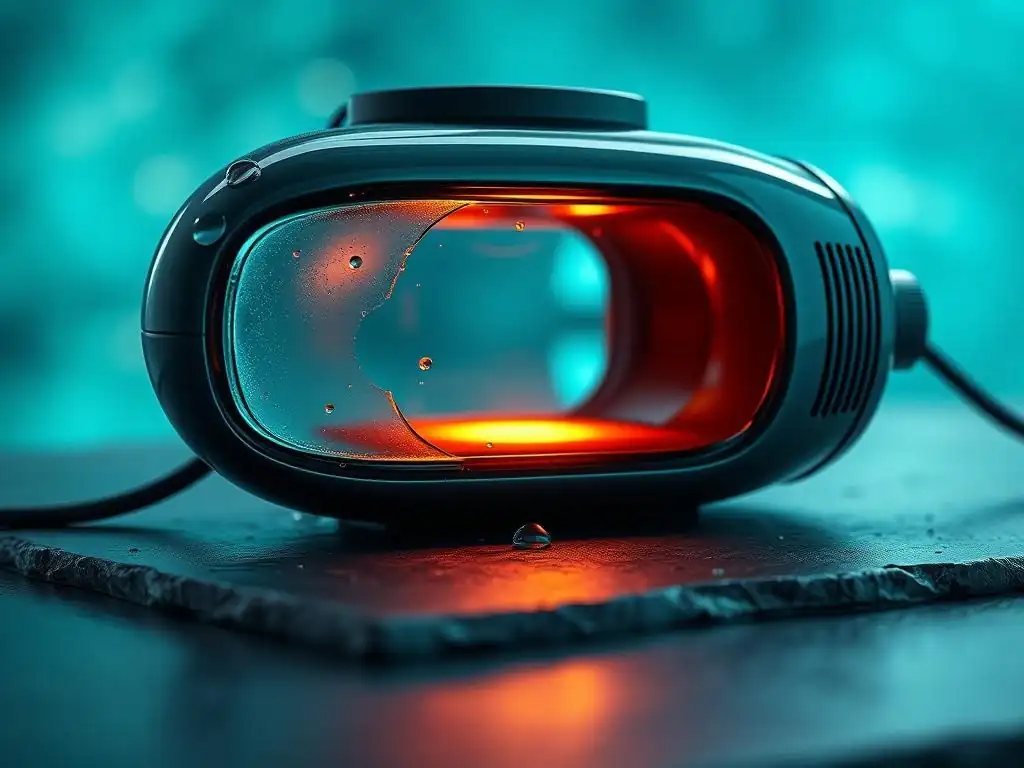
A common vulnerability for aquarium heaters, especially those made of glass, is the risk of shattering. This can occur due to accidental knocks, rapid temperature changes (e.g., taking a hot heater out of the water and exposing it to cold air, or vice versa), or simply material fatigue over time. When a heater shatters, it not only ceases to function but can also expose live electrical components to the water, creating a severe electrocution hazard for both fish and humans. Therefore, shatter-resistant construction is a vital component of robust aquarium heater safety features.
Many leading manufacturers now use high-quality, thermal-shock-resistant quartz glass or specialized plastics for their heater casings. Quartz glass, for example, is far more resilient to temperature fluctuations and impacts than standard glass, significantly reducing the likelihood of breakage. Some heaters even feature a protective cage or guard around the heating element to further shield it from accidental damage. This enhanced durability ensures that the heater remains intact and functional, preventing dangerous electrical exposure and maintaining the crucial temperature stability required for a healthy aquatic environment.
Temperature Control Accuracy: Maintaining a Stable Environment
Precise temperature control is a fundamental aquarium heater safety feature, as even minor temperature fluctuations can be detrimental to sensitive aquatic species. An accurate thermostat ensures that the heater maintains the water at the exact desired temperature, typically within a very narrow margin, such as ±0.5°C (±1°F). Inaccurate heaters can lead to constant temperature swings, stressing fish and making them more susceptible to disease outbreaks. For instance, a heater that consistently overshoots or undershoots the target temperature by a few degrees can cause significant physiological stress over time.
High-quality heaters achieve this accuracy through advanced electronic thermostats and sensitive temperature probes. These components work together to constantly monitor the water temperature and adjust the heating output accordingly, ensuring a stable thermal environment. Some models feature external controllers for even greater precision and ease of adjustment, often with digital displays showing the current water temperature in real-time. This level of temperature control accuracy is not just about comfort; it's a critical aquarium heater safety feature that directly impacts the long-term health and vitality of your aquatic pets, preventing the hidden dangers of thermal instability.
Top Aquarium Heaters with Advanced Safety Features: Model Reviews
Fluval E Series Electronic Heater: Safety and Performance Review
The Fluval E Series Electronic Heater is renowned for its advanced digital display and sophisticated aquarium heater safety features, making it a popular choice among serious aquarists. Available in various wattages suitable for tanks from 15 to 380 liters, it features an LCD display that shows both the set temperature and the real-time water temperature, often with a color-coded alert system. For instance, a blue display indicates the water is too cold, green is ideal, and red signifies overheating. This immediate visual feedback is a significant safety advantage, allowing aquarists to react quickly to any thermal anomalies.
Beyond its intuitive display, the Fluval E Series boasts several integrated safety mechanisms. It includes an automatic shut-off feature that activates if the water temperature exceeds 30°C (86°F), preventing dangerous overheating. The heater also incorporates a low-water shut-off, which cuts power if the heater is exposed to air, protecting against dry-burning and potential shattering. Its shatter-resistant glass construction further enhances its durability and safety profile, ensuring a robust and reliable heating solution for diverse aquarium setups.
Automatic Shut-Off and Overheat Protection in the Fluval E Series
The Fluval E Series is engineered with a multi-pronged approach to automatic shut-off and overheat protection, making it a leader in aquarium heater safety features. Its primary safeguard is the integrated micro-processor controlled thermostat that constantly monitors water temperature.
If the temperature deviates more than a pre-set margin (typically 1-2 degrees Celsius) above the desired setting, or if it reaches a critical high point like 30°C (86°F), the heater's power supply is immediately cut off. This prevents thermal runaway, a condition where a faulty thermostat could continuously heat the water to lethal temperatures, safeguarding sensitive fish species from fatal heat stress.
Furthermore, the Fluval E Series incorporates a robust dry-run protection system. This specific overheat protection mechanism detects when the heating element is no longer fully submerged in water, which can occur during water changes or due to evaporation. Upon detection, the heater automatically powers down to prevent the heating element from overheating and potentially shattering or causing a fire hazard. This dual layer of protection—from both excessive water temperature and external exposure—underscores the Fluval E Series' commitment to comprehensive aquarium heater safety features, providing peace of mind for aquarists.
Temperature Stability and Accuracy of the Fluval E Series
The Fluval E Series is highly regarded for its exceptional temperature stability and accuracy, critical elements for maintaining a healthy aquatic environment. Its advanced electronic thermostat and precision temperature sensor work in tandem to maintain the water temperature within a remarkably tight range, often cited as ±0.25°C (±0.5°F) of the set point. This high degree of accuracy minimizes temperature fluctuations, which are known stressors for many fish and invertebrates. For example, delicate species like Discus or certain shrimp thrive only when temperature swings are kept to an absolute minimum, making this heater an ideal choice for their care.
This precise regulation is further enhanced by the heater's ability to distribute heat evenly throughout the water column, thanks to its fully submersible design. The heater actively adjusts its power output to compensate for ambient room temperature changes or heat loss from the tank, ensuring the internal aquarium temperature remains constant.
The real-time temperature display on the LCD screen allows aquarists to verify this stability instantly, eliminating the guesswork often associated with traditional heaters. This combination of accuracy and stability makes the Fluval E Series a benchmark for reliable aquarium heater safety features, ensuring optimal conditions for your aquatic pets.
Aqueon Pro Adjustable Heater: Prioritizing Safety and Reliability
The Aqueon Pro Adjustable Heater series is a popular choice for aquarists seeking a durable and reliable heating solution with strong emphasis on safety. Available in a wide range of wattages, from 50W to 300W, to accommodate various tank sizes, these heaters are known for their robust construction. A key selling point of the Aqueon Pro is its shatter-resistant design, which significantly reduces the risk of breakage from accidental impacts or thermal shock, a common concern with traditional glass heaters. This durability contributes directly to its standing among top aquarium heater safety features.
Beyond its physical resilience, the Aqueon Pro heater includes an automatic safety shut-off feature that activates if the heater is not fully submerged or if it detects an overheating condition. This prevents dry-burning and minimizes the risk of damage to the heater or, more importantly, to the aquarium and its inhabitants. The heater's simple, straightforward design makes it easy to set and maintain, appealing to both novice and experienced aquarists looking for dependable performance without overly complex features. Its reputation for longevity and consistent operation further solidifies its position as a reliable option for crucial aquarium heater safety features.
Shatter-Resistant Design and Submersible Safety of the Aqueon Pro
The Aqueon Pro Adjustable Heater truly excels in its physical durability, featuring a shatter-resistant design that sets it apart from many standard glass heaters. Constructed from strong, high-impact thermal plastic, it is engineered to withstand accidental knocks, drops, and the stresses of routine aquarium maintenance without cracking or breaking.
This robust casing not only protects the internal heating element but also significantly reduces the risk of electrical exposure to the water, a critical aspect of aquarium heater safety features. Unlike glass heaters that can easily shatter if removed while hot or subjected to sudden temperature changes, the Aqueon Pro maintains its integrity, ensuring continuous safe operation.
Furthermore, the Aqueon Pro is designed to be fully submersible, which is a fundamental component of its overall safety. This allows for optimal heat transfer and placement flexibility within the tank. Crucially, it incorporates an automatic safety shut-off that activates if the heater is exposed to air during operation.
This dry-run protection prevents the unit from overheating and potentially melting or causing a fire hazard if the water level drops. This combination of a virtually unbreakable exterior and intelligent submersible safety mechanisms makes the Aqueon Pro a highly reliable choice focused on comprehensive aquarium heater safety features, minimizing common heater-related accidents.
Advanced Temperature Control System of the Aqueon Pro
The Aqueon Pro Adjustable Heater is equipped with a sophisticated electronic thermostat that ensures precise and stable temperature control, a cornerstone of effective aquarium heater safety features. This system allows aquarists to set the desired temperature with a simple dial, and the heater's internal sensor then diligently maintains that temperature within a tight tolerance, typically within ±0.5°C (±1°F). This accuracy is vital for the health of sensitive fish and invertebrates, as consistent temperatures prevent stress and reduce susceptibility to diseases. The heater intelligently adjusts its heating cycles to prevent rapid temperature swings, ensuring a stable thermal environment.
Its internal thermostat is factory-calibrated to provide reliable readings, reducing the need for constant manual adjustments. While it doesn't feature a digital display like some premium models, its consistent performance is well-documented by aquarists. The heater's design ensures even heat distribution throughout the tank, preventing localized hot spots that could harm inhabitants. This dependable and accurate temperature regulation, combined with its robust build, underscores the Aqueon Pro's commitment to delivering essential aquarium heater safety features, providing a secure and comfortable habitat for your aquatic pets.
Hygger Smart Aquarium Heater: Combining Safety with Energy Efficiency
The Hygger Smart Aquarium Heater stands out for its innovative blend of advanced aquarium heater safety features, energy efficiency, and smart control. Available for various tank sizes up to 500 liters, this heater typically features an external temperature controller with a digital display, allowing for precise temperature adjustments and real-time monitoring without submerging your hands. This separation of the control unit from the heating element enhances safety by keeping electrical components outside the water, minimizing potential hazards during adjustments.
A significant draw of the Hygger Smart Heater is its focus on energy conservation, often employing a "smart" heating algorithm that only activates when necessary, potentially reducing power consumption by up to 20-30% compared to traditional models. This efficiency doesn't compromise safety; the heater incorporates multiple protective measures, including an automatic shut-off for overheating and dry-burning, and a durable, explosion-proof quartz glass tube. Its user-friendly interface and comprehensive safety protocols make it an appealing option for aquarists prioritizing both eco-friendliness and robust aquarium heater safety features.
Energy-Saving Features and Safety Mechanisms in the Hygger Smart Heater
The Hygger Smart Aquarium Heater integrates several cutting-edge energy-saving features while upholding high standards of aquarium heater safety features. Its "smart" heating algorithm is a prime example; instead of continuously heating, the system intelligently monitors the water temperature and cycles the heating element only as needed to maintain the set point. This optimized power usage can lead to noticeable reductions in electricity consumption, with user reports often indicating savings of 15-25% on heating costs compared to less efficient models. This energy efficiency is achieved without compromising the precise temperature control essential for aquatic life.
In terms of safety, the Hygger Smart Heater is equipped with multiple layers of protection. It features an automatic shut-off that triggers if the water temperature exceeds a pre-set limit (e.g., 34°C or 93°F), preventing any risk of "cooking" your fish. Furthermore, it includes a sophisticated dry-burning protection system that immediately cuts power if the heating element is exposed to air, safeguarding against damage to the heater and potential fire hazards.
The use of a durable, explosion-proof quartz glass tube further enhances its physical safety, making it resistant to thermal shock and accidental impacts. These combined energy-saving and robust safety mechanisms make the Hygger Smart Heater a compelling choice for modern aquariums.
Precise Temperature Regulation for Sensitive Fish Species with the Hygger Smart Heater
The Hygger Smart Aquarium Heater excels in providing precise temperature regulation, a critical aspect of aquarium heater safety features, especially for sensitive fish species. Its external controller features a clear digital display that allows aquarists to set the desired temperature with accuracy, often down to 0.5°C or 1°F increments.
The highly sensitive temperature probe, typically located near the heating element, constantly monitors the water, ensuring that the heater maintains the set temperature within a very narrow tolerance, often reported as ±0.5°C (±1°F). This consistent stability is paramount for species like Discus, cardinal tetras, or delicate shrimp, which are highly susceptible to stress from even minor temperature fluctuations.
The external control also allows for easy calibration and adjustment without disturbing the tank's inhabitants or risking electrical contact with the water, further enhancing its safety profile. Should the temperature deviate significantly from the set point, the digital display often flashes an alert, providing immediate notification to the aquarist. This proactive temperature management, combined with its robust construction and multiple safety cut-offs, ensures that the Hygger Smart Heater creates an exceptionally stable and safe thermal environment, promoting the long-term health and vitality of even the most demanding aquatic pets.
Maintaining Aquarium Heater Safety: Best Practices
Regularly Inspecting Your Heater for Damage
Regular inspection is a cornerstone of maintaining optimal aquarium heater safety features and preventing potential hazards. At least once a month, or during routine water changes, carefully examine your heater for any signs of physical damage. Look for cracks in the glass or plastic casing, frayed or exposed electrical cords, discolored spots on the heating element, or any signs of water ingress into the internal components. Even a hairline crack can compromise the heater's integrity and lead to dangerous electrical leaks into the water.
If you observe any damage, no matter how minor, the heater should be immediately unplugged and replaced. Do not attempt to repair a damaged heater, as this can be extremely dangerous and typically voids any warranty. Additionally, check for mineral buildup or algae growth on the heater's surface, which can reduce its efficiency and potentially lead to localized overheating. Gently clean the heater with an aquarium-safe brush or cloth, ensuring it is unplugged and cooled before handling. This proactive approach significantly enhances aquarium heater safety features and prolongs the lifespan of your equipment.
Calibrating Your Aquarium Thermometer for Accurate Readings
An accurate thermometer is just as crucial as the heater itself for maintaining aquarium heater safety features. Without a reliable thermometer, you cannot be certain that your heater is maintaining the correct temperature, even if it has advanced internal thermostats. It's recommended to have at least two thermometers in your tank, or one primary thermometer that is regularly calibrated against a known accurate standard. Digital thermometers are generally more precise than analog ones, often within ±0.1°C (±0.2°F).
To calibrate, you can use a high-quality laboratory thermometer as a reference, or simply compare readings between two different aquarium thermometers. If there's a significant discrepancy (more than 0.5°C or 1°F), consider replacing the less accurate thermometer. Some advanced heaters allow for direct calibration of their internal temperature sensors, which should be done according to the manufacturer's instructions. Regular calibration ensures that your heater's safety features are responding to actual water temperatures, preventing both underheating and dangerous overheating conditions that could harm your aquatic life.
Proper Heater Placement Within the Aquarium
Proper placement of your aquarium heater is vital for both efficiency and maintaining optimal aquarium heater safety features. The goal is to ensure even heat distribution throughout the tank and to prevent localized hot spots. Heaters should generally be placed in an area with good water flow, such as near the output of a filter or powerhead. This helps to quickly disperse the heated water, ensuring the entire tank reaches the target temperature uniformly. Placing it in a stagnant area can lead to cold spots in other parts of the tank, stressing fish.
Avoid placing the heater directly against the tank glass or substrate, as this can create excessive localized heat and potentially damage the glass or burn burrowing fish. Ensure the heater is fully submerged according to the manufacturer's guidelines; for most modern submersible heaters, this means the entire unit, including the top cap, should be underwater. During water changes, always unplug the heater at least 15-20 minutes before draining water to ensure it cools down, preventing dry-burning and potential shattering. Following these placement guidelines significantly enhances the effectiveness and safety of your heating system.
Avoiding Mistakes That Can Compromise Heater Safety
Several common mistakes can inadvertently compromise the effectiveness of your aquarium heater safety features. Firstly, never operate a heater out of water or plug it in before it is fully submerged and has had a few minutes to acclimate to the water temperature. Dry-burning is a leading cause of heater failure and can shatter the unit or cause a fire.
Secondly, avoid purchasing undersized heaters for your tank; an undersized heater will struggle to maintain temperature, constantly running at maximum capacity, which can shorten its lifespan and increase the risk of failure. Always opt for a heater with adequate wattage for your tank volume and ambient room temperature.
Another mistake is neglecting regular maintenance and inspections. As mentioned, physical damage or mineral buildup can severely impair a heater's function and safety. Additionally, never use a heater that shows signs of rust, corrosion, or a flickering indicator light, as these are often indicators of internal damage or electrical issues.
Lastly, avoid using extension cords or power strips that are not rated for aquarium use or do not have proper ground fault circuit interrupter (GFCI) protection. These simple precautions are crucial for maximizing the effectiveness of your aquarium heater safety features and ensuring a secure environment for your aquatic pets.
Troubleshooting Common Heater Problems & Safety Concerns
What to Do If Your Heater Malfunctions
Discovering a heater malfunction requires immediate and careful action to protect your aquatic inhabitants and ensure aquarium heater safety features are not compromised. The first step is always to unplug the heater from the power source. This prevents any further heating, potential electrical hazards, or additional damage to the unit. Next, check for obvious signs of malfunction: Is the indicator light on? Is the glass cracked? Is the cord damaged? Do not touch the heater directly if you suspect an electrical leak; use a non-conductive tool if necessary.
Once the heater is safely disconnected, assess the tank's temperature. If it's too cold, consider temporary solutions like increasing the room temperature or using a backup heater if available. If it's too hot, perform small, gradual water changes with cooler (but not cold) water to slowly bring the temperature down, avoiding thermal shock to your fish. Document the malfunction (e.g., date, symptoms) and contact the manufacturer if the heater is under warranty. Never attempt to repair a faulty heater yourself; replacement is almost always the safest and most reliable solution to maintain critical aquarium heater safety features.
Recognizing Signs of Overheating and How to Respond
Recognizing the signs of overheating in your aquarium is crucial for prompt intervention and relies heavily on the proper function of your aquarium heater safety features. The most obvious sign is an abnormally high water temperature reading on your thermometer, typically above 30°C (86°F) for most tropical setups. Fish will often exhibit distress: rapid gill movement (gasping at the surface due to reduced dissolved oxygen in warmer water), erratic swimming, lethargy, or loss of color. In severe cases, they may even appear to be "cooked" or have cloudy eyes and deteriorating fins.
If you suspect overheating, immediately unplug the heater. Do not perform a large, sudden cold water change, as this can cause severe thermal shock and kill your fish. Instead, perform small, frequent water changes (e.g., 10-15% every 15-30 minutes) using water that is slightly cooler than the current tank temperature, gradually reducing the overall temperature. You can also temporarily float sealed bags of ice in the tank, ensuring the ice doesn't directly contact the water.
Increasing surface agitation with an air stone or filter output can also help by promoting oxygen exchange. Continuous monitoring of the temperature is essential until it stabilizes at a safe level. These actions are vital to mitigate the risks when aquarium heater safety features are compromised.
Addressing Temperature Fluctuations and Heater Instability
Temperature fluctuations and heater instability can be a subtle yet persistent threat to your aquarium, even if the heater's core aquarium heater safety features are present. Erratic temperature swings, where the water temperature repeatedly rises and falls by more than 1-2°C (2-4°F) over a short period, indicate an issue. Possible causes include an undersized heater struggling to maintain temperature, a faulty thermostat, poor water circulation around the heater, or significant ambient room temperature changes. Fish exhibiting stress, fin clamping, or increased susceptibility to disease might be reacting to these fluctuations.
To address instability, first verify your thermometer's accuracy. If it's reliable, consider increasing the heater's wattage if it's struggling to maintain the set temperature consistently, especially in colder rooms or larger tanks. Ensure the heater is placed in an area with good water flow to distribute heat evenly.
If the heater is old, or if its indicator light constantly cycles on and off rapidly without maintaining a stable temperature, the thermostat may be failing, and replacement is advisable. Investing in a heater with precise electronic controls and robust aquarium heater safety features can significantly mitigate these issues, providing the stable environment your aquatic pets need to thrive.
Choosing the Right Aquarium Heater: Safety and Suitability
Selecting a Heater Based on Tank Size and Fish Species
Choosing the correct heater wattage is paramount for both effectiveness and maintaining optimal aquarium heater safety features. A general rule of thumb is 1 to 2 watts per liter (or 3 to 5 watts per gallon) of water. For example, a 100-liter (25-gallon) tank typically requires a 100W to 150W heater. Undersizing a heater forces it to work continuously at maximum capacity, shortening its lifespan and increasing the risk of failure, while oversizing can lead to rapid temperature spikes if the thermostat malfunctions.
Beyond tank volume, consider the specific temperature requirements of your fish species. Tropical fish generally require temperatures between 24-28°C (75-82°F), while some specialized species like Discus thrive at higher temperatures (28-30°C or 82-86°F), demanding a heater with precise control and robust aquarium heater safety features. Goldfish and other coldwater species, conversely, do not typically require a heater unless ambient temperatures drop below 18°C (65°F). Always research the ideal temperature range for all your tank inhabitants to ensure you select a heater that can reliably provide their specific needs.
Considering Climate and Ambient Room Temperature
The ambient room temperature and your local climate play a significant role in determining the appropriate heater wattage and the importance of specific aquarium heater safety features. If your aquarium is located in a consistently warm climate or a heated room (e.g., above 20°C or 68°F), you might be able to get by with a heater on the lower end of the wattage recommendations. However, if your room temperature frequently drops, especially during winter nights or in unheated basements, you'll need a more powerful heater to compensate for greater heat loss.
For tanks in particularly cold environments, or those experiencing significant daily temperature swings, consider using two smaller heaters instead of one large one. This provides a redundancy safety measure: if one heater fails, the other can still provide some heat, preventing a catastrophic temperature drop. It also allows for more even heat distribution. Always factor in the potential for extreme temperature drops in your home when selecting a heater, prioritizing models with strong aquarium heater safety features like automatic shut-off and shatter resistance, as they will be working harder to maintain stability.
Investing in Quality: Prioritizing Safety Over Price
When it comes to aquarium heaters, compromising on quality to save a few dollars can have devastating consequences for your aquatic pets and even your home. Cheap, unbranded heaters often lack robust aquarium heater safety features, such as reliable thermostats, shatter-resistant construction, or effective overheat protection. These budget models are more prone to malfunctions, leading to dangerous overheating, electrical leaks, or premature failure. The cost of replacing dead fish or repairing water damage far outweighs the initial savings on a low-quality heater.
Investing in a reputable brand with a proven track record for reliability and incorporating advanced aquarium heater safety features is a wise decision. Look for heaters from established manufacturers that offer warranties and have positive reviews regarding their safety mechanisms and temperature accuracy. While they may have a higher upfront cost, the peace of mind knowing your aquatic environment is protected by dependable technology is invaluable. Prioritizing safety and durability ensures a stable, healthy habitat for your fish and prevents costly, heartbreaking accidents in the long run.
Conclusion: Ensuring a Safe and Comfortable Environment
Ensuring the safety of your aquarium's heating system is not merely a recommendation; it is an absolute necessity for the health and longevity of your aquatic pets. As we've explored, the risks associated with malfunctioning heaters, from lethal overheating to dangerous electrical hazards, underscore the critical importance of robust aquarium heater safety features. From automatic shut-off mechanisms and shatter-resistant construction to precise temperature control and dry-run protection, modern heaters offer an array of safeguards designed to prevent catastrophic failures.
By understanding these essential safety features, selecting high-quality models like the Fluval E Series, Aqueon Pro, or Hygger Smart Heater, and diligently following best practices for installation and maintenance, aquarists can create a stable, comfortable, and, most importantly, safe environment. Regularly inspecting your heater, calibrating your thermometer, and knowing how to respond to malfunctions are all vital components of a proactive approach to heater safety. Ultimately, prioritizing advanced aquarium heater safety features in your equipment choices and maintenance routines is the most effective way to protect your cherished aquatic inhabitants and ensure a thriving, worry-free aquarium experience.
Frequently Asked Questions
What are the most important aquarium heater safety features I should look for when buying a new heater?
The most crucial are automatic shut-off in case of overheating or running dry, and a durable, shatter-resistant build to prevent electrical hazards. Consider also a temperature controller for precise adjustments.
Why is it important to choose an aquarium heater with a shatter-resistant casing, especially for larger tanks?
A broken heater in a large tank can release harmful chemicals and create a dangerous electrical shock hazard. A shatter-resistant casing minimizes these risks, protecting both your fish and you.
How does an automatic shut-off function protect my fish from overheating?
An automatic shut-off detects when the water temperature exceeds a safe threshold, or if the heater is exposed to air. It immediately cuts power to prevent the water from becoming dangerously hot, saving your fish.
What's the difference between a built-in thermometer and a separate thermometer, and which is more reliable for aquarium heater safety?
A separate thermometer is generally more reliable, as built-in thermometers can be inaccurate due to their proximity to the heating element. Monitor your tank with a calibrated separate thermometer for accurate readings.
Are there any regular maintenance checks I should perform to ensure my aquarium heater is working safely and efficiently?
Regularly inspect the heater for cracks or damage, and ensure the automatic shut-off is functioning correctly. Also, check the water temperature frequently to confirm the heater is maintaining the desired level and not malfunctioning.
Final Reflection: Ensuring Aquatic Harmony
The information presented throughout this article underscores the critical importance of prioritizing safety when selecting aquarium heaters. In a world increasingly aware of animal welfare and responsible pet ownership, understanding and implementing these safety features is not just a recommendation, but a fundamental responsibility for any aquarist. Neglecting these precautions can lead to devastating consequences, transforming a peaceful aquatic haven into a dangerous environment.
This topic has profoundly influenced the aquarium hobby, shifting the focus from simply maintaining water temperature to actively safeguarding the lives within. The awareness surrounding aquarium heater safety has grown exponentially, leading to innovations in design and technology. The best way to predict the future is to create it.
This quote perfectly encapsulates the proactive approach we must take in ensuring the well-being of our aquatic companions, constantly seeking improvements and prioritizing safety above all else.
Now, as you consider the information shared, I encourage you to reflect on your own aquarium setup. Are you confident in the safety measures you've implemented? Are you equipped with the knowledge to identify potential risks? Take the time to reassess, upgrade where necessary, and commit to creating a truly safe and thriving environment for your aquatic friends. Their lives depend on it.
Safeguard Your Aquatic Friends: Dive Deeper into Heater Safety!
Thanks for taking the time to learn about aquarium heater safety! We hope you found the information valuable in protecting your finned companions. Now, let's put that knowledge into action.
Here are some things you can do right now:
- Inspect your aquarium heater immediately for any signs of damage or malfunction. This is the most important step you can take.
- Explore additional safety features for your aquarium setup, such as using a temperature controller for extra protection.
- Share this article with other aquarium hobbyists to help them keep their fish safe and healthy!
What specific safety precaution will you implement in your aquarium setup this week to ensure your fish are swimming in a safe environment?