
The Definitive Angelfish Care Guide: Tank Setup, Diet & Water Parameters

Welcome to Aquarium Mastery!
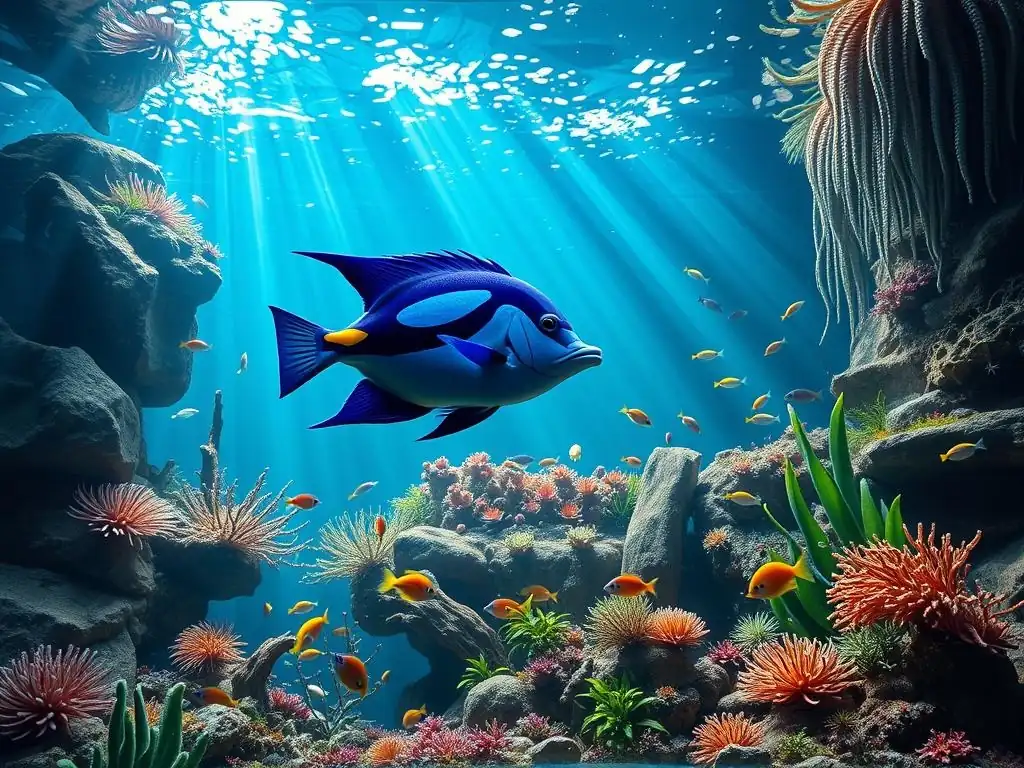
Ever wondered how to create the perfect underwater paradise for your graceful Angelfish? Setting up the ideal tank environment is crucial, and we're diving deep into everything you need to know about Angelfish care tank setup right here. Get ready to unlock the secrets to thriving Angelfish – let's explore!
- Introduction to Angelfish Care for Aquarium Enthusiasts
- Angelfish Tank Setup: Creating the Ideal Environment
- Angelfish Water Parameters: Maintaining a Healthy Aquatic Environment
- Angelfish Diet and Nutrition: Feeding Your Angelfish Properly
- Angelfish Tank Mates: Choosing Compatible Species
- Angelfish Health and Disease Prevention
- Angelfish Breeding: A Guide to Successful Spawning
- Advanced Angelfish Care Techniques
- Conclusion: Mastering Angelfish Care for a Thriving Aquarium.
- Frequently Asked Questions
- Final Reflection: The Grace of Angelfish in Our Aquariums
- Transform Your Tank: Nurture Your Angelfish Today!
Introduction to Angelfish Care for Aquarium Enthusiasts
Why Angelfish are a Popular Freshwater Choice
Angelfish, scientifically known as Pterophyllum scalare, are among the most iconic and beloved freshwater fish in the aquarium hobby. Their distinctive disc-shaped bodies, flowing fins, and elegant swimming patterns make them a visually stunning addition to any community tank.
Originating from the Amazon River basin in South America, these cichlids are admired for their graceful demeanor and the wide array of color morphs and fin variations developed through selective breeding, including marble, koi, zebra, and veil tail varieties. Their relatively long lifespan, often reaching 5 to 10 years with proper Angelfish care tank setup, also contributes to their enduring popularity among aquarists.
Beyond their aesthetic appeal, Angelfish offer a captivating insight into fish behavior, exhibiting complex social interactions and, when mature, strong parental instincts during breeding. They can grow quite large, typically reaching 6 inches in height and 8 inches in length, requiring substantial vertical space in their aquarium. Their generally peaceful nature, especially when kept in appropriate groups and with suitable tank mates, makes them an excellent centerpiece fish for a well-maintained freshwater display.
Understanding the Basics of Angelfish Keeping
Successful Angelfish keeping hinges on a fundamental understanding of their specific environmental and dietary needs. As cichlids, they possess a unique blend of intelligence and territoriality that requires careful consideration when planning a community aquarium. While generally docile, they can exhibit aggression, particularly towards smaller fish or during breeding periods, underscoring the importance of proper Angelfish care tank setup and tank mate selection.
The cornerstone of healthy Angelfish is pristine water quality and stable parameters. They are highly sensitive to fluctuations in temperature, pH, and nitrogenous compounds, making consistent monitoring and regular maintenance indispensable. A balanced diet, rich in protein and varied to mimic their natural foraging habits, is also crucial for their vibrant coloration, robust health, and active behavior. Mastering these basics will pave the way for a thriving Angelfish aquarium.
Angelfish Tank Setup: Creating the Ideal Environment
Choosing the Right Size Tank for Angelfish: 55 Gallons for a Pair, 75+ for a Group
Selecting the appropriate tank size is paramount for the long-term health and well-being of Angelfish, largely due to their unique body shape and potential for growth. A minimum tank size of 55 gallons (approximately 48" L x 13" W x 21" H) is recommended for a single pair of adult Angelfish. This volume provides ample swimming space and the necessary vertical height for their tall fins to develop fully without being cramped. Insufficient space can lead to stunted growth, increased stress, and heightened aggression, particularly between a breeding pair or within a group.
For a small group of 4-6 Angelfish, a tank of 75 gallons (approximately 48" L x 18" W x 21" H) or larger is highly advisable. Keeping Angelfish in a larger group helps to diffuse aggression, as their territorial instincts are spread among multiple individuals rather than being concentrated on one or two.
Larger tanks also offer more stable water parameters due to increased dilution of waste products, which is a critical aspect of effective Angelfish care tank setup. While juveniles can temporarily thrive in smaller tanks, they will quickly outgrow them, necessitating an upgrade to prevent health issues and behavioral problems.
Essential Equipment for an Angelfish Aquarium
Setting up an Angelfish aquarium requires specific equipment to maintain optimal water quality and temperature, which are critical for their health and longevity. Beyond the tank itself, proper filtration, heating, and lighting are non-negotiable components for a successful Angelfish care tank setup. Each piece of equipment plays a vital role in replicating and maintaining an environment conducive to these elegant fish.
Investing in reliable and appropriately sized equipment from the outset can prevent many common aquarium problems, such as disease outbreaks and water quality issues. This foundational setup ensures that the Angelfish have a stable and stress-free habitat, allowing them to display their natural beauty and behavior.
Filtration Systems for Angelfish Tanks: Canister Filters, Sponge Filters
Effective filtration is the backbone of any healthy Angelfish aquarium, crucial for removing physical debris, toxic nitrogenous compounds, and maintaining water clarity. For tanks 55 gallons and larger, canister filters are often the preferred choice due to their superior capacity for mechanical, biological, and chemical filtration.
Models like the Fluval 307/407 or Eheim Classic 350 are excellent options for a 55-75 gallon tank, capable of processing tank water multiple times per hour and providing extensive surface area for beneficial bacteria to colonize, converting harmful ammonia and nitrite into less toxic nitrate. Their enclosed design also makes them relatively quiet and efficient, contributing significantly to a stable and clean environment for Angelfish care tank setup.
Sponge filters, while less powerful than canister filters, serve as an invaluable secondary or primary filtration system in specific scenarios. They are particularly beneficial in breeding tanks or fry grow-out tanks due to their gentle water flow, which prevents small fry from being sucked in, and their large surface area for biological filtration. For a 20-gallon breeding tank, a simple air-driven sponge filter is often sufficient. In larger community tanks, a sponge filter can act as an excellent supplemental biological filter, providing redundancy and additional bacterial colonization sites, thereby enhancing overall water quality and stability.
Heaters and Thermometers: Maintaining Optimal Water Temperature
Maintaining a stable and appropriate water temperature is critical for the metabolic processes and overall health of Angelfish, as they originate from warm tropical waters. The ideal temperature range for Angelfish is between 76-82°F (24-28°C). A high-quality, submersible aquarium heater with an adjustable thermostat is essential to consistently maintain this range. For a 55-gallon tank, a 200-300 watt heater is generally recommended, ensuring it has enough power to heat the volume effectively without significant fluctuations. Many aquarists opt for two smaller heaters in larger tanks to provide redundancy and more even heat distribution.
An accurate thermometer is equally important for monitoring the water temperature. Digital thermometers with external displays or classic glass thermometers placed inside the tank are reliable options. Regular temperature checks are crucial because even slight deviations from the ideal range can stress Angelfish, making them more susceptible to diseases like Ich. Consistent temperature is a key component of successful Angelfish care tank setup.
Lighting for Angelfish: Standard Aquarium Lighting, LED Options
Lighting in an Angelfish aquarium serves multiple purposes: it enhances the aesthetic appeal of the fish and their habitat, supports the growth of live plants, and helps establish a natural day/night cycle. Angelfish generally prefer moderate lighting conditions, as their natural habitats in the Amazon are often shaded by dense vegetation. Overly bright lighting can cause stress and encourage algae growth. Standard aquarium lighting, such as fluorescent T5 or T8 bulbs, can provide adequate illumination for both fish viewing and the growth of low to moderate light plants.
LED lighting systems have become increasingly popular for Angelfish care tank setup due to their energy efficiency, long lifespan, and customizable features. Many LED fixtures offer adjustable intensity and spectrums, allowing aquarists to create specific lighting conditions, such as a "moonlight" effect or a spectrum optimized for plant photosynthesis. When choosing LED lighting, consider models that allow for dimming or offer a timer function to simulate sunrise and sunset, which can reduce stress on the fish and contribute to a more natural environment.
Angelfish Tank Decor: Providing Shelter and Enrichment
Thoughtful tank decor is not only about aesthetics but also about providing a functional and enriching environment for Angelfish. These fish benefit greatly from structures that offer hiding spots, break up lines of sight, and define territories, which can significantly reduce stress and aggression within the tank. The right decor mimics their natural habitat and encourages natural behaviors.
When selecting decor, prioritize smooth, non-abrasive materials to prevent damage to their delicate fins. Avoid anything with sharp edges or rough textures that could snag or tear their flowing fins. Ultimately, well-planned decor contributes to both the visual appeal of the aquarium and the psychological well-being of its Angelfish inhabitants.
Substrate Selection: Gravel, Sand, or Bare Bottom
The choice of substrate in an Angelfish aquarium can influence both the tank's aesthetics and its ease of maintenance. Medium-sized gravel, typically 2-3mm in diameter, is a common and versatile choice. It provides a good anchor for live plants and allows for easy cleaning with a gravel vacuum, as fish waste tends to settle on top or within the upper layers. However, care must be taken to regularly clean the gravel to prevent the buildup of detritus, which can degrade water quality.
Fine sand is another popular option, offering a more natural look and being softer on the barbels of bottom-dwelling tank mates like Corydoras. While sand can be aesthetically pleasing and beneficial for certain fish behaviors, it requires different cleaning methods, such as gently stirring the top layer to release trapped debris, as waste tends to sit on the surface.
A bare-bottom tank, without any substrate, is often preferred in breeding setups or quarantine tanks due to its unparalleled ease of cleaning and hygiene. While it may not offer the most natural look, it significantly simplifies waste removal and disease management, making it a pragmatic choice for specific Angelfish care tank setup scenarios.
Plants for Angelfish Aquariums: Amazon Swords, Vallisneria, Anubias
Live plants are an invaluable addition to an Angelfish aquarium, providing natural filtration, oxygenation, and essential cover that mimics their native Amazonian habitat. Tall, broad-leafed plants are particularly beneficial as they offer vertical hiding spots and potential spawning sites. Amazon Swords ( Echinodorus species) are excellent choices due to their large, sturdy leaves that provide ample cover and a sense of security for Angelfish. They are robust plants that thrive in moderate lighting and benefit from nutrient-rich substrate or root tabs.
Vallisneria species, such as Vallisneria spiralis or Vallisneria americana, are also highly recommended. Their long, ribbon-like leaves grow tall, creating a dense backdrop that Angelfish appreciate for refuge and exploration. Anubias ( Anubias barteri and its varieties) are another hardy option. These low-light plants can be attached to driftwood or rocks, providing excellent resting spots and visual breaks without requiring substrate planting. Incorporating a variety of these plants creates a lush, natural environment that not only enhances the tank's beauty but also significantly contributes to the Angelfish's well-being and a successful Angelfish care tank setup.
Driftwood and Rocks: Creating a Natural Habitat
Driftwood and rocks are essential elements in creating a natural and enriching habitat for Angelfish, replicating the submerged roots and rocky outcrops found in their native Amazonian rivers. Driftwood provides excellent hiding spots and territories, which are crucial for reducing stress and aggression, especially in a group of Angelfish.
As driftwood slowly releases tannins into the water, it can slightly lower the pH and create a subtle "blackwater" effect, which is beneficial for Angelfish and enhances their natural coloration. Before adding driftwood, it should be thoroughly soaked or boiled to remove excess tannins and prevent unwanted discoloration of the tank water.
Smooth, inert rocks, such as slate, river rock, or lava rock, can be used to create caves, crevices, and tiered landscapes, offering additional hiding places and visual barriers. When selecting rocks for your Angelfish care tank setup, ensure they are non-porous and will not alter water chemistry by leaching minerals. Always arrange driftwood and rocks securely to prevent them from toppling over and harming the fish or damaging the tank. These hardscape elements contribute significantly to the structural complexity of the aquarium, promoting natural behaviors and a sense of security for your Angelfish.
Angelfish Water Parameters: Maintaining a Healthy Aquatic Environment
Understanding Water Chemistry for Angelfish
Maintaining precise and stable water chemistry is the single most critical factor in the long-term health and vitality of Angelfish. These fish are highly sensitive to fluctuations in their environment, and even minor inconsistencies can lead to stress, weakened immune systems, and susceptibility to disease. Unlike some more robust species, Angelfish thrive in specific conditions that mimic their natural South American habitats.
A thorough understanding of key water parameters—pH, ammonia, nitrite, and nitrate—and how to manage them is fundamental. Regular monitoring and proactive adjustments are necessary to ensure the water remains within the optimal range, directly impacting the fish's growth, coloration, and overall longevity. This proactive approach to water chemistry is foundational to any successful Angelfish care tank setup.
Ideal pH Levels for Angelfish
The ideal pH range for Angelfish is generally between 6.0 and 7.5, with many aquarists aiming for a slightly acidic to neutral range of 6.5 to 7.0 for optimal health and comfort. While wild Angelfish typically inhabit waters with a lower pH (often 5.5-6.5), most tank-bred varieties have adapted to a broader range. However, consistency is far more important than hitting an exact number. Sudden or drastic shifts in pH can be incredibly stressful and even fatal for Angelfish, leading to pH shock.
To maintain stable pH, it's crucial to understand your tap water's characteristics. If your tap water is significantly outside the ideal range, you may need to use buffering agents or consider mixing it with reverse osmosis (RO) or distilled water. Testing your water regularly with a reliable kit, such as the API Freshwater Master Test Kit, allows you to monitor pH and make gradual adjustments if necessary. Avoiding large water changes with significantly different pH water is a key aspect of preventing stress in your Angelfish care tank setup.
Ammonia, Nitrite, and Nitrate: The Nitrogen Cycle Explained
Understanding the nitrogen cycle is paramount for maintaining a healthy Angelfish aquarium. Ammonia (NH3/NH4+) is produced by fish waste, uneaten food, and decaying plant matter, and is highly toxic to fish, even at low concentrations. In a properly cycled aquarium, beneficial bacteria (Nitrosomonas) convert ammonia into nitrite (NO2-), which is also highly toxic. Ideally, ammonia levels should always be 0 ppm.
Subsequently, another group of beneficial bacteria (Nitrobacter) converts nitrite into nitrate (NO3-), a much less toxic compound. While nitrates are less harmful, they can still accumulate to dangerous levels if not managed. For Angelfish, nitrate levels should ideally be kept below 20 ppm, and preferably under 10 ppm, to prevent long-term stress and health issues. Regular water changes and effective filtration are the primary methods for controlling nitrate buildup. Consistent monitoring of all three parameters using an aquarium test kit is essential for ensuring the stability and safety of your Angelfish care tank setup.
Water Changes: Frequency and Importance for Angelfish Health
Regular water changes are arguably the most critical aspect of maintaining pristine water quality and ensuring the long-term health of Angelfish. They serve to remove accumulated nitrates, phosphates, and other dissolved organic compounds that filtration alone cannot eliminate. For a well-stocked Angelfish tank, performing a 25-30% water change weekly is a generally accepted best practice. In heavily stocked tanks or those with larger Angelfish, more frequent or larger water changes (e.g., 50% weekly) may be necessary to keep nitrate levels consistently below 20 ppm.
The importance of water changes cannot be overstated; they replenish essential trace minerals, dilute harmful substances, and maintain the overall chemical balance of the aquarium. When performing water changes, always use a reliable dechlorinator to neutralize chlorine and chloramines present in tap water, as these chemicals are toxic to fish and beneficial bacteria. Additionally, ensure the replacement water is temperature-matched to the aquarium water to prevent temperature shock, which can severely stress Angelfish and compromise their immune system. This consistent maintenance routine is fundamental to a thriving Angelfish care tank setup.
Testing Your Aquarium Water: API Master Test Kit
Regular and accurate water testing is indispensable for monitoring the health of your Angelfish aquarium and proactively addressing any potential issues before they become critical. The API Freshwater Master Test Kit is widely recommended by hobbyists and professionals alike due to its comprehensive nature and reliability. This liquid-based test kit provides accurate readings for the four most critical water parameters: pH, Ammonia, Nitrite, and Nitrate. Unlike test strips, liquid test kits offer a higher degree of precision, which is crucial for sensitive fish like Angelfish.
Performing these tests weekly, or even bi-weekly, allows you to track trends in your water chemistry and identify imbalances early. For instance, a sudden spike in ammonia or nitrite indicates a problem with the nitrogen cycle, often due to overfeeding, inadequate filtration, or an uncycled tank. High nitrates signal the need for more frequent or larger water changes. Consistent testing empowers you to make informed decisions about your tank's maintenance, ensuring that the water parameters remain within the optimal range for your Angelfish and are a cornerstone of effective Angelfish care tank setup.
Angelfish Diet and Nutrition: Feeding Your Angelfish Properly
What Do Angelfish Eat in the Wild?
In their natural habitats within the Amazon River basin, Angelfish are opportunistic omnivores, with a diet primarily consisting of small invertebrates. Their natural diet includes a variety of small crustaceans, such as copepods and cladocerans, as well as insect larvae (like mosquito larvae) and various types of worms. They also consume some plant matter, particularly algae and detritus, though this constitutes a smaller portion of their intake. Their narrow, disc-shaped bodies and pointed snouts are well-adapted for navigating through dense vegetation and submerged roots, allowing them to skillfully pick off small organisms.
This varied diet provides them with a balanced intake of proteins, fats, and essential nutrients necessary for their growth, vibrant coloration, and overall health. Understanding their natural feeding habits is crucial for replicating a balanced diet in captivity, which supports their immune system and promotes longevity. A diverse diet is a key component of comprehensive Angelfish care tank setup.
Recommended Foods for Angelfish in Captivity
To ensure the best health, growth, and coloration for Angelfish in a home aquarium, a varied and high-quality diet is essential. Relying solely on one type of food can lead to nutritional deficiencies over time. A balanced diet should incorporate a mix of staple foods, supplemented with frozen and occasional live foods to replicate their natural foraging behaviors and provide a broad spectrum of nutrients.
This diverse feeding strategy not only provides complete nutrition but also keeps the fish engaged and stimulated. By offering a variety of textures and flavors, you can ensure your Angelfish remain enthusiastic eaters and receive all the necessary components for a thriving life in their Angelfish care tank setup.
High-Quality Flake Foods: TetraMin Tropical Flakes, Omega One Flakes
High-quality flake foods should form the cornerstone of an Angelfish's daily diet in captivity. These provide a convenient and nutritionally complete base, packed with essential vitamins, minerals, and proteins. Brands like TetraMin Tropical Flakes and Omega One Flakes are highly recommended due to their balanced formulations, which typically include a protein content ranging from 40-45% and incorporate ingredients like fish meal, shrimp meal, and various plant derivatives.
These staple flakes are designed to be easily digestible and provide the necessary energy and nutrients for daily activities and growth. It's important to choose flakes that are specifically formulated for tropical fish to ensure they meet the dietary needs of Angelfish. While flakes are a convenient primary food source, they should always be supplemented with other food types to offer a more varied and enriching diet, crucial for comprehensive Angelfish care tank setup.
Frozen Foods: Brine Shrimp, Bloodworms, Mysis Shrimp
Frozen foods are an excellent way to supplement the Angelfish's diet, providing a boost of protein, vitamins, and natural pigments that enhance their coloration and overall vitality. These foods are highly palatable and can stimulate a strong feeding response. Frozen brine shrimp are a popular choice, offering good nutritional value and being readily accepted by most Angelfish. They are particularly useful for conditioning fish for breeding or as a regular treat.
Bloodworms are another highly nutritious frozen food, rich in protein and iron, making them ideal for promoting robust growth and vibrant colors. Mysis shrimp, with their high fatty acid profile, are also an excellent addition to the diet, providing a diverse array of nutrients. When feeding frozen foods, it's crucial to thaw them thoroughly in a small amount of tank water before adding them to the aquarium. This prevents digestive upset and ensures the food is at a safe temperature for consumption. Offering frozen foods 2-3 times per week significantly enriches the diet in your Angelfish care tank setup.
Live Foods: Blackworms, Daphnia
Live foods, while requiring more careful handling and sourcing, offer unparalleled nutritional benefits and stimulate natural hunting behaviors in Angelfish. They are particularly valuable for conditioning breeding pairs, encouraging spawning, and providing a highly palatable and digestible food source. Blackworms, for instance, are rich in protein and fat, making them an excellent choice for promoting rapid growth and enhancing the vigor of Angelfish. They are readily consumed and provide a natural foraging experience.
Daphnia, small freshwater crustaceans, are another beneficial live food. They are known for their ability to act as a natural laxative, helping to clear the digestive tracts of fish. Daphnia are also a good source of protein and can be particularly useful for conditioning smaller Angelfish or fry. When feeding live foods, it's crucial to source them from reputable suppliers to minimize the risk of introducing diseases or parasites into your Angelfish care tank setup. Live foods should be offered sparingly, perhaps once or twice a week, as a supplement rather than a primary diet.
Feeding Schedule and Portion Control
Establishing a consistent feeding schedule and practicing strict portion control are vital for the health of your Angelfish and the overall water quality of your aquarium. Angelfish should be fed 2-3 times a day, offering small amounts that can be entirely consumed within 2-3 minutes. This frequency ensures they receive a steady supply of nutrients throughout the day without overwhelming their digestive system.
Overfeeding is a common mistake in aquarium keeping and can lead to several serious issues. Excess food will decompose in the tank, rapidly polluting the water by increasing ammonia, nitrite, and nitrate levels, which are highly toxic to Angelfish. It can also lead to digestive problems in the fish, such as bloating and fatty liver disease.
By observing your fish during feeding, you can quickly learn the appropriate amount of food they consume. If any food remains after a few minutes, you are feeding too much. Adhering to this feeding strategy is a fundamental part of maintaining a healthy Angelfish care tank setup.
Angelfish Tank Mates: Choosing Compatible Species
Best Angelfish Tank Mates: Corydoras Catfish, Tetras, Plecos
Choosing compatible tank mates is crucial for a harmonious Angelfish community aquarium. While Angelfish are generally peaceful, they can be semi-aggressive, especially as they mature or during breeding. The best tank mates are those that are similarly sized, peaceful, and do not have a tendency to nip fins. Bottom-dwelling species are often excellent choices as they occupy a different water column, minimizing direct competition and territorial disputes.
- Corydoras Catfish: These peaceful, armored catfish are ideal tank mates. They are bottom-dwellers, sifting through the substrate for uneaten food, and their small size (typically 2-3 inches) and schooling behavior make them a non-threatening presence. Species like Corydoras julii or panda corys are popular choices that thrive in groups of 6 or more.
- Tetras (Larger Varieties): While some smaller tetras can be fin-nippers or become prey for adult Angelfish, larger, more robust tetras are excellent companions. Congo Tetras, Black Skirt Tetras, Lemon Tetras, and Diamond Tetras are good examples. These species grow large enough (2-3 inches) to not be considered food and are generally peaceful, schooling fish that add vibrant activity to the middle water column.
- Plecos (Bristlenose Plecos): Bristlenose Plecos ( Ancistrus spp.) are fantastic algae eaters and remain relatively small (4-5 inches) compared to common plecos, making them suitable for a 55-gallon or larger Angelfish care tank setup. They are peaceful, bottom-dwelling, and contribute to keeping the tank clean without bothering the Angelfish.
Fish to Avoid Keeping with Angelfish: Tiger Barbs, Red Tail Sharks, Fin-Nipping Species
Selecting incompatible tank mates can lead to significant stress, fin damage, and even death for your Angelfish. Certain species are notorious for their aggressive behavior or their tendency to nip the long, flowing fins of Angelfish, which can result in severe injury, infection, and a weakened immune system. It is crucial to avoid any fish that exhibit these characteristics.
- Tiger Barbs: These fish are infamous for their fin-nipping behavior. Their energetic and boisterous nature, combined with their tendency to nip at long, flowing fins, makes them highly unsuitable tank mates for Angelfish. They will relentlessly harass and damage the delicate fins of Angelfish, leading to stress and susceptibility to fin rot.
- Red Tail Sharks: While visually striking, Red Tail Sharks can be very territorial and aggressive, especially in smaller tanks or when housed with fish of similar body shapes. They are known to chase and harass other fish, including Angelfish, leading to significant stress and potential injury.
- Fin-Nipping Species (General): Beyond specific examples, any fish known for fin-nipping, such as certain species of Danios or some smaller Barbs, should be avoided. Angelfish rely on their long fins for balance and swimming, and damage to these fins can severely impair their mobility and overall health. Careful research into the temperament and habits of any potential tank mate is essential for a peaceful and healthy Angelfish care tank setup.
Angelfish Health and Disease Prevention
Common Angelfish Diseases: Ich, Fin Rot, Hexamita
Despite diligent Angelfish care tank setup and maintenance, fish can occasionally fall ill. Recognizing common diseases and their symptoms early is crucial for successful treatment and preventing widespread outbreaks in the aquarium. Angelfish are susceptible to a range of common freshwater fish diseases, many of which are stress-related or triggered by poor water quality.
- Ich (Ichthyophthirius multifiliis): Often called "white spot disease," Ich is a highly contagious parasitic infection. Symptoms include small, white spots resembling salt grains scattered across the body and fins, clamped fins, rapid breathing, and scratching against decor. It's often triggered by sudden temperature fluctuations or stress from poor water quality.
- Fin Rot: This bacterial infection manifests as frayed, tattered, or discolored fins, often with a white or reddish edge. It's usually a secondary infection, meaning it occurs when fish are stressed or injured, often due to poor water quality, overcrowding, or fin nipping by tank mates. If left untreated, it can erode the fin entirely and spread to the body.
- Hexamita (Spironucleus vortens): This internal flagellate parasite is often associated with "Hole-in-the-Head" disease, particularly in cichlids. Symptoms include stringy white feces, lethargy, loss of appetite, and in advanced stages, pitting or lesions on the head and lateral line. It's often linked to poor nutrition, chronic stress, or inadequate water quality.
Recognizing Symptoms of Illness in Angelfish
Early detection of illness is key to successful treatment and preventing the spread of disease in your Angelfish aquarium. Healthy Angelfish are typically active, alert, and exhibit vibrant coloration. Any deviation from their normal appearance or behavior should be a cause for concern and prompt further investigation.
Common symptoms to look out for include clamped fins (held close to the body), lethargy or unusual inactivity, loss of appetite, and hiding more frequently than usual. Other signs might include abnormal swimming patterns, such as darting, spiraling, or difficulty maintaining buoyancy. Visible physical changes like white spots, fuzzy growths, discolored patches, frayed fins, bulging eyes, or swollen bodies are clear indicators of a problem. Observing these symptoms early allows for prompt intervention, which is vital for the recovery of your Angelfish and the overall health of your Angelfish care tank setup.
Quarantine Procedures for New Angelfish
Implementing a strict quarantine procedure for all new Angelfish, or any new fish, before introducing them to your main display tank is a non-negotiable step for disease prevention. A dedicated quarantine tank, even a small 10-20 gallon setup with a heater, sponge filter, and basic decor, can save your entire aquarium from devastating disease outbreaks. The recommended quarantine period is typically 2-4 weeks.
During this time, closely observe the new fish for any signs of illness, such as those mentioned above. This period allows any latent diseases to manifest, preventing them from infecting your established fish. You can also proactively treat the fish for common parasites, such as Ich, during this time. If any symptoms appear, you can treat the isolated fish without exposing your entire main tank to medication. This proactive approach significantly reduces the risk of introducing pathogens and is a fundamental aspect of responsible Angelfish care tank setup.
Medications and Treatments for Angelfish Diseases: Malachite Green, Metronidazole
When Angelfish fall ill, appropriate and timely medication can often lead to a full recovery. It's crucial to correctly identify the disease before administering treatment, as different medications target specific pathogens. Always follow the manufacturer's dosage instructions precisely and remove carbon filtration during treatment, as carbon can absorb medications, rendering them ineffective.
- Malachite Green: This is a common and effective medication used to treat external parasitic infections, most notably Ich (white spot disease), as well as some fungal infections. It is often found in combination with formalin in many commercial Ich treatments. When using malachite green, be aware that it can stain silicone and other tank components. Ensure thorough water changes after the treatment cycle is complete to remove residual medication.
- Metronidazole: This antibiotic is highly effective against internal parasitic infections, such as Hexamita (which causes Hole-in-the-Head disease), and some anaerobic bacterial infections. It can be administered by dissolving it directly into the tank water or, more effectively, by soaking it into food to ensure internal ingestion. Due to its effectiveness against internal flagellates, it's often a go-to for Angelfish exhibiting stringy white feces or wasting away. Always complete the full course of treatment, even if symptoms improve, to prevent recurrence and ensure a complete eradication of the pathogen in your Angelfish care tank setup.
Angelfish Breeding: A Guide to Successful Spawning
Creating a Breeding Environment for Angelfish
Successful Angelfish breeding requires a dedicated setup that encourages spawning and provides a safe environment for eggs and fry. A separate breeding tank, typically 20-30 gallons (tall rather than long) is ideal, allowing the pair to focus on reproduction without the stress of a community tank. The water parameters should be optimized: slightly softer water (GH 5-10 dGH) and slightly acidic pH (6.0-6.5) can encourage spawning, along with a slightly elevated temperature of 80-82°F (26-28°C).
Provide a suitable spawning surface, such as a piece of slate positioned vertically, a broad-leafed plant like an Amazon Sword, or a PVC pipe. Gentle filtration, like an air-driven sponge filter, is crucial to maintain water quality without creating strong currents that could dislodge eggs or harm fry. Dim lighting and minimal disturbances will also help reduce stress and increase the likelihood of successful spawning in your Angelfish care tank setup.
Identifying Male and Female Angelfish
Distinguishing between male and female Angelfish can be challenging, especially when they are young or not in breeding condition, as there are no definitive external sexual dimorphisms. However, subtle differences become more apparent as they mature and during spawning. Males often develop a more prominent nuchal hump (a slight bump on their forehead) and tend to be slightly larger and more robust than females.
The most reliable way to differentiate sexes is by observing their breeding tubes (genital papillae) during spawning. The male's papilla will be smaller and more pointed, while the female's will be larger, blunter, and more rounded, designed for depositing eggs. Observing pairs engaging in courtship behavior, such as cleaning a spawning site together, is also a strong indicator that you have a male and female. Patience and keen observation are key to sexing Angelfish in a Angelfish care tank setup.
Spawning Behavior and Egg Care
Once a bonded pair of Angelfish is in a suitable breeding environment, they will begin courtship rituals. This typically involves synchronized swimming, fin displays, and aggressively defending their chosen spawning site, which they meticulously clean. The female will then begin to lay rows of adhesive eggs, usually hundreds, on the vertical surface, while the male follows closely behind, fertilizing them. This process can last for an hour or more, resulting in a neat cluster of eggs.
After spawning, both parents typically exhibit strong parental care, taking turns fanning the eggs with their fins to ensure oxygenation and prevent fungal growth. They will also meticulously pick off any unfertilized or fungused eggs. The eggs usually hatch within 2-3 days, depending on temperature. If the parents are stressed, inexperienced, or the water quality is poor, they may consume the eggs. Many breeders choose to remove the eggs or the parents shortly after spawning to ensure a higher survival rate for the fry, a crucial step in advanced Angelfish care tank setup.
Raising Angelfish Fry: Baby Brine Shrimp, Microworms, Frequent Water Changes
Raising Angelfish fry is a rewarding but demanding process that requires meticulous care, especially concerning diet and water quality. Once the eggs hatch (typically 2-3 days post-spawning), the fry will remain attached to the spawning surface for another 4-7 days, absorbing their yolk sacs. Once they become free-swimming, they need immediate access to appropriate first foods.
- Baby Brine Shrimp: Newly hatched baby brine shrimp are the gold standard first food for Angelfish fry. They are highly nutritious and small enough for the tiny fry to consume. It's crucial to hatch them fresh daily to ensure maximum nutritional value.
- Microworms: These tiny nematodes can serve as an alternative or supplementary first food, especially if baby brine shrimp are unavailable or the fry are particularly small.
- Frequent Water Changes: Fry are extremely sensitive to water quality. Daily, small water changes (10-20%) are absolutely critical to remove waste and maintain pristine conditions. This prevents the buildup of nitrates, which can stunt growth or be fatal. As the fry grow, their diet can gradually transition to finely crushed flake foods and frozen daphnia or bloodworms. This intensive care is essential for successful Angelfish care tank setup for breeding.
Advanced Angelfish Care Techniques
Dealing with Aggression in Angelfish
While Angelfish are generally considered semi-aggressive, aggression can become a significant issue, particularly in smaller tanks, during breeding, or when certain individuals establish dominance. Dealing with aggression requires a multi-faceted approach to ensure a peaceful environment. One effective strategy is to keep Angelfish in groups of 5-6 or more, especially if you have a large enough tank (75 gallons+). This "dilution effect" spreads out aggression among multiple individuals, preventing any single fish from being constantly harassed.
Providing ample hiding spots and visual barriers with dense planting, driftwood, and rocks can also significantly reduce aggression by allowing subordinate fish to retreat and break line of sight. If a specific Angelfish becomes overly aggressive, persistently chasing or nipping others, it may need to be temporarily isolated in a separate tank. In severe cases, permanent removal of the aggressive individual from the main display tank may be necessary to ensure the well-being of the other inhabitants. Understanding and addressing aggression is a crucial aspect of advanced Angelfish care tank setup.
Optimizing Water Quality for Show Angelfish
For aquarists aiming to raise show-quality Angelfish, optimizing water quality goes beyond basic maintenance; it becomes an obsessive pursuit. Show Angelfish require exceptionally pristine and stable water parameters to achieve their full growth potential, vibrant coloration, and flawless fin development. This means maintaining nitrates consistently below 10 ppm, ideally closer to 0 ppm, and ensuring ammonia and nitrite are undetectable.
To achieve this, daily small water changes (e.g., 10-15%) are often implemented, rather than larger weekly changes. This constant replenishment of fresh water minimizes the accumulation of waste products and replenishes trace minerals. Over-specifying filtration with oversized canister filters, which provide extensive mechanical and biological filtration, is also common. Coupled with a high-quality, protein-rich diet, these meticulous water quality practices are paramount for developing the robust health and impressive aesthetics demanded of show-quality Angelfish, reflecting the pinnacle of Angelfish care tank setup.
Veil Tail Angelfish: Fin Care and Water Quality
Veil Tail Angelfish, with their extraordinarily long and flowing fins, are particularly susceptible to fin damage and bacterial infections like fin rot. Their delicate fins can easily be snagged on rough decor, nipped by incompatible tank mates, or succumb to bacterial decay in suboptimal water conditions. Therefore, specific considerations for fin care and water quality are essential when keeping these elegant varieties.
To prevent fin damage, ensure all tank decor, including driftwood and rocks, has smooth edges and no sharp points. Avoid any tank mates known for fin-nipping, such as Tiger Barbs or certain types of Danios. Most importantly, impeccable water quality is paramount.
Any elevation in ammonia, nitrite, or nitrate can quickly lead to fin rot in Veil Tail Angelfish. Frequent water changes, robust filtration, and consistent water parameter monitoring are non-negotiable. Regular observation of their fins for any signs of fraying, discoloration, or tears allows for immediate intervention, preventing minor issues from escalating into serious health problems for these majestic fish in your Angelfish care tank setup.
Conclusion: Mastering Angelfish Care for a Thriving Aquarium.
Frequently Asked Questions
How big of a tank do Angelfish need?
Angelfish require a tall tank due to their vertical body shape. A minimum of 20 gallons for a single angelfish and 55 gallons for a pair is recommended.
What are the ideal water parameters for Angelfish?
Angelfish thrive in slightly acidic water with a pH of 6.0-7.0. The ideal temperature range is 78-84°F (25-29°C), and water hardness should be moderate.
What should I feed my Angelfish?
Angelfish are omnivores and need a varied diet. Offer them a combination of high-quality flake food, frozen foods like bloodworms and brine shrimp, and occasional vegetable matter.
What tank mates are suitable for Angelfish?
Good tank mates include peaceful community fish of similar size, such as tetras, rasboras, and corydoras catfish. Avoid fin-nipping fish like tiger barbs. Also, avoid keeping them with very small fish that they might eat.
How often should I perform water changes in an Angelfish tank?
Regular water changes are crucial for maintaining water quality. Perform a 25-50% water change every 1-2 weeks, depending on the tank size and bioload.
Final Reflection: The Grace of Angelfish in Our Aquariums
The journey of keeping angelfish, as we've explored in this guide, is more than just setting up a tank; it's about creating a thriving ecosystem that mirrors their natural habitat. Understanding and meticulously recreating the ideal environment is paramount to their well-being and displays the true beauty of these majestic fish. The principles of proper tank setup, diet, and water parameters are not merely suggestions, but essential pillars for responsible angelfish keeping, ensuring they flourish and bring joy to our homes.
This intricate dance of care profoundly impacts the aquascaping hobby, pushing us to become more attentive and knowledgeable aquarists. The dedication required to maintain a healthy angelfish tank fosters a deeper appreciation for the delicate balance of aquatic life and the responsibility we bear as custodians. In their eyes, I see a reflection of my own commitment to creating a world where beauty and responsibility coexist.
This quote encapsulates the profound connection we can forge with these creatures when we dedicate ourselves to their well-being.
As you embark on, or continue, your angelfish keeping journey, remember that the knowledge shared here is a foundation upon which to build. Let the principles of meticulous tank setup, balanced diet, and pristine water parameters guide your actions. Embrace the challenge, celebrate the successes, and continuously learn and adapt. Your dedication will not only ensure the health and happiness of your angelfish, but also enrich your own life with the quiet beauty and profound satisfaction that comes from nurturing life in your own home.
Transform Your Tank: Nurture Your Angelfish Today!
Thanks for diving deep into the world of angelfish care! We hope this guide has provided you with the knowledge to create a thriving environment for these majestic fish. Now, let's translate that knowledge into action!
- Dive into Action: Start Planning your Angelfish Tank Setup.: Begin by sketching out your ideal tank layout, considering the specific needs of angelfish regarding space, plants, and hiding spots.
- Explore further: Share this guide with fellow aquarium enthusiasts to spread the joy of successful angelfish keeping.
- Join the community: Visit aquariummastery.com's forum and share your angelfish care journey or ask questions to help others!
What specific plant combination are you considering to create the perfect angelfish sanctuary?