
Oscar Fish Water Parameters: The Precise Key to a Happy, Healthy Fish

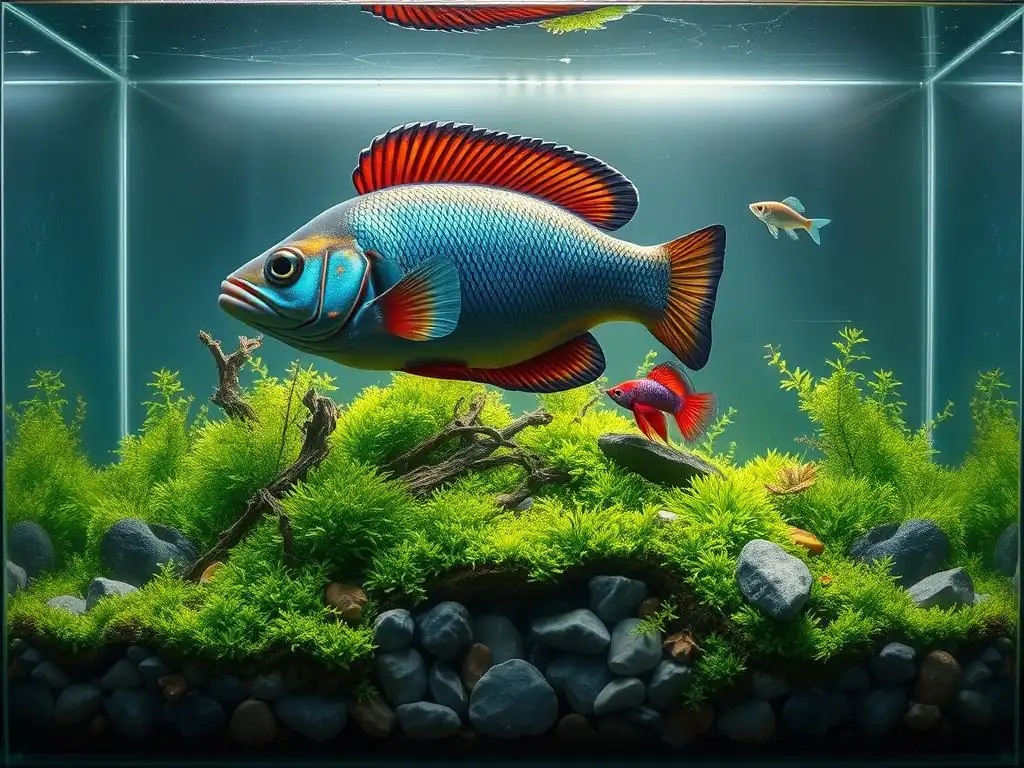
Welcome to Aquarium Mastery!
Ever wondered if your Oscar's water is just right? Oscar fish water parameters are the secret to a thriving, vibrant fish. Dive in and unlock the precise key to a happy, healthy Oscar – because a little knowledge goes a long way in creating the perfect aquatic paradise! Ready to learn more?
- Understanding Oscar Fish Water Quality: A Comprehensive Guide
- Ideal Oscar Fish Water Parameters: A Detailed Breakdown
- Setting Up Your Oscar Fish Tank for Optimal Water Quality
- Regular Water Testing and Maintenance for Oscar Fish
- The Impact of Tank Mates on Oscar Fish Water Parameters
- Advanced Techniques for Maintaining Pristine Water Quality
- Troubleshooting Common Water Quality Problems in Oscar Fish Aquariums
- Conclusion: Mastering Oscar Fish Water Parameters for a Thriving Aquarium
-
Frequently Asked Questions
- What are the ideal temperature ranges for Oscar fish water parameters?
- What are the recommended pH levels for Oscar fish aquariums?
- What is the importance of ammonia and nitrite levels in an Oscar fish tank?
- How often should I perform water changes in an Oscar fish aquarium, considering water parameters?
- What other water parameters, besides temperature and pH, are important for Oscar fish?
- Final Reflection: The Delicate Balance of Life
- Unlock Your Oscar's Full Potential!
Understanding Oscar Fish Water Quality: A Comprehensive Guide
The Impact of Unstable Water Conditions on Oscar Fish
Unstable Oscar fish water parameters can have a devastating impact on the health and longevity of these magnificent cichlids. Fluctuations in temperature, pH, or the presence of harmful nitrogen compounds directly stress the fish's physiological systems.
This chronic stress weakens their immune response, making them highly susceptible to a range of common aquarium diseases, including Ich (white spot disease), fin rot, and the notoriously difficult-to-treat Hole-in-the-Head disease. For instance, fish exposed to consistently fluctuating water conditions are estimated to be at least three to five times more prone to contracting these types of infections compared to those kept in stable environments.
Beyond disease susceptibility, unstable Oscar fish water parameters can lead to direct physical harm. Rapid shifts in pH, for example, can cause chemical burns to the fish's delicate gills and skin, impairing their ability to breathe and regulate their internal salt balance (osmoregulation). Similarly, even low levels of ammonia or nitrite, if persistent, will cause irreversible gill damage over time, severely limiting oxygen uptake and leading to chronic lethargy and stunted growth. A single significant ammonia spike, even if temporary, can result in irreversible organ damage, reducing an Oscar's potential lifespan by several years.
Preventing Oscar Fish Diseases Through Optimal Water Chemistry
Maintaining optimal Oscar fish water parameters is the cornerstone of disease prevention and overall fish well-being. When water chemistry is stable and within the ideal ranges, the Oscar's immune system functions at its peak, allowing it to naturally fend off common pathogens that might otherwise cause illness. This proactive approach significantly reduces the need for medicinal treatments, which can themselves be stressful for the fish and disruptive to the beneficial bacterial colonies in the aquarium. For example, consistent maintenance of ideal pH and ammonia-free conditions can reduce the incidence of bacterial infections like fin rot by up to 70%.
Preventing diseases through precise water management also extends to supporting the fish's natural protective barriers. A healthy Oscar, living in pristine water, will develop a robust slime coat, which acts as a first line of defense against external parasites and bacteria. Conversely, poor water quality erodes this protective layer, leaving the fish vulnerable. By ensuring the correct Oscar fish water parameters are consistently met, aquarists can create an environment where their fish not only survive but truly thrive, exhibiting vibrant coloration, active behavior, and a strong appetite, all indicators of excellent health.
Ideal Oscar Fish Water Parameters: A Detailed Breakdown
Temperature Requirements for Oscar Fish
Oscar fish, being tropical cichlids originating from South America, require stable and warm water temperatures to maintain their metabolic functions and overall health. The ideal temperature range for Oscar fish is generally between 74°F and 81°F (23°C to 27°C). Maintaining consistency within this range is far more critical than hitting an exact number, as rapid temperature fluctuations can induce severe stress, suppress the immune system, and make the fish highly susceptible to diseases like Ich. A sudden drop of even 3-5°F (1.5-2.5°C) can be enough to trigger an Ich outbreak, especially if the fish is already stressed.
To ensure stable temperature, a high-quality, appropriately sized aquarium heater with a reliable thermostat is essential for any Oscar fish setup. For larger tanks commonly used for Oscars (75 gallons or more), it's often beneficial to use two smaller heaters rather than one large one. This provides redundancy in case one fails and helps distribute heat more evenly throughout the tank, preventing cold spots. Regularly checking the thermometer to verify the heater's accuracy and ensuring the heater is functioning correctly is a vital part of maintaining optimal Oscar fish water parameters.
pH Level for Oscar Fish: Maintaining the Right Acidity
The pH level, which measures the acidity or alkalinity of the water, is a critical component of Oscar fish water parameters. Oscars generally thrive in slightly acidic to neutral water, with an ideal pH range of 6.5 to 7.5. While they can tolerate a small deviation outside this range, stability is paramount.
Rapid or significant pH swings, often referred to as pH crashes or bounces, are far more detrimental than a slightly less-than-ideal but stable pH. For example, a pH fluctuation of more than 0.5 units within a 24-hour period can cause severe stress, acidosis, or alkalosis in the fish, leading to organ damage and potentially death.
To maintain a stable pH for Oscar fish, it's important to understand your source water's natural pH and buffering capacity (KH). Relying on chemicals to constantly adjust pH is generally discouraged, as it can lead to instability. Instead, focus on practices that naturally support the desired range, such as regular water changes with conditioned water that matches the target pH, using inert substrates, and ensuring adequate buffering capacity. Some aquarists might use reverse osmosis (RO) water and remineralize it to achieve precise Oscar fish water parameters, especially if their tap water is unsuitable.
Ammonia, Nitrite, and Nitrate Levels: The Nitrogen Cycle and Oscar Fish
Understanding the Nitrogen Cycle in an Oscar Fish Tank
The nitrogen cycle is the fundamental biological process that maintains safe Oscar fish water parameters by converting toxic waste products into less harmful substances. This cycle begins with ammonia (NH3/NH4+), which is produced from fish waste, uneaten food, and decaying organic matter. Ammonia is highly toxic to fish, even at very low concentrations. Specialized beneficial bacteria, primarily Nitrosomonas species, colonize the filter media and substrate, converting ammonia into nitrite (NO2-), which is also highly toxic.
Subsequently, another group of beneficial bacteria, mainly Nitrobacter species, convert nitrite into nitrate (NO3-). Nitrate is significantly less toxic to fish than ammonia or nitrite, but high concentrations can still cause chronic stress and health issues. A properly established nitrogen cycle, often referred to as a "cycled" tank, means these bacterial colonies are robust enough to process the waste produced by the fish efficiently. In a well-cycled tank, ammonia and nitrite levels should always read zero parts per million (ppm), indicating effective processing of nitrogenous waste.
How to Test for Ammonia, Nitrite, and Nitrate
Accurate and regular testing of ammonia, nitrite, and nitrate levels is non-negotiable for maintaining optimal Oscar fish water parameters. Liquid-based test kits are highly recommended over test strips, as they provide significantly greater accuracy and reliability. These kits typically involve taking a water sample, adding specific reagents, and comparing the resulting color change to a provided chart. For instance, reputable liquid test kits are generally 5 to 10 times more precise than test strips for detecting these critical compounds, offering readings with a resolution of 0.25 ppm or better.
It is crucial to test for ammonia and nitrite daily during the initial cycling phase of a new tank until both consistently read 0 ppm. Once the tank is established, weekly testing for all three parameters (ammonia, nitrite, and nitrate) is recommended. Any new fish additions, changes in feeding habits, or signs of fish distress should prompt immediate retesting. Understanding how to accurately interpret these test results allows aquarists to take prompt corrective action, preventing the accumulation of harmful toxins and preserving the health of their Oscar fish.
Maintaining Safe Nitrate Levels in an Oscar Fish Aquarium
While nitrates are the least toxic end-product of the nitrogen cycle, their accumulation can still negatively impact Oscar fish health if levels become too high. For Oscar fish, it is generally recommended to keep nitrate levels below 20 parts per million (ppm), with ideal levels often below 10 ppm. Chronic exposure to high nitrate concentrations (e.g., consistently above 40 ppm) can lead to suppressed immune systems, stunted growth, faded coloration, and increased susceptibility to disease. Some studies suggest that continuous exposure to nitrate levels exceeding 40 ppm can reduce an Oscar's lifespan by 15-20%.
The primary method for controlling nitrate levels in an Oscar fish aquarium is through regular partial water changes. These changes physically remove nitrate-laden water and replace it with fresh, conditioned water. The frequency and volume of water changes depend on the tank's bioload; a tank with a single large Oscar might require a 25-30% weekly water change, while a tank with multiple Oscars or tank mates might need 50% weekly changes. Additionally, incorporating live plants can help absorb nitrates, and avoiding overfeeding will reduce the initial production of nitrogenous waste, contributing to stable Oscar fish water parameters.
Water Hardness (GH and KH) Considerations for Oscar Fish
Water hardness, specifically General Hardness (GH) and Carbonate Hardness (KH), also plays a role in maintaining ideal Oscar fish water parameters. GH measures the concentration of dissolved mineral salts, primarily calcium and magnesium, which contribute to the overall hardness of the water. For Oscar fish, a moderate GH range of 7-12 dGH (degrees of General Hardness), equivalent to approximately 125-215 ppm, is generally suitable. While Oscars are relatively adaptable, extreme hardness or softness can cause osmoregulation issues over time.
Carbonate Hardness (KH), also known as alkalinity, measures the concentration of bicarbonates and carbonates, which act as buffers against pH fluctuations. A stable KH level is crucial for preventing dangerous pH crashes. For Oscar fish, a KH range of 3-8 dKH (approximately 50-140 ppm) is recommended. If KH drops too low, typically below 3 dKH, the water loses its buffering capacity, making it vulnerable to rapid and potentially fatal pH swings. Regular testing of both GH and KH, especially KH, helps ensure the water's stability and contributes significantly to stable Oscar fish water parameters.
Setting Up Your Oscar Fish Tank for Optimal Water Quality
Choosing the Right Substrate for a Healthy Aquarium Environment
The choice of substrate is an important consideration for maintaining optimal Oscar fish water parameters, impacting both water quality and the fish's well-being. Fine gravel or sand are generally the best choices for Oscar aquariums. These substrates are inert, meaning they won't significantly alter water chemistry, and their smooth texture prevents injury to an Oscar's delicate barbels or fins as they forage.
Avoid sharp or very coarse gravel, which can cause abrasions. A depth of 2-3 inches of substrate is usually sufficient, providing ample surface area for beneficial bacteria to colonize without becoming a deep anaerobic zone that can produce harmful gases.
Beyond preventing injury, the substrate plays a crucial role in biological filtration. The vast surface area of the substrate provides an excellent habitat for nitrifying bacteria, which are essential for processing ammonia and nitrite in the nitrogen cycle. While the main biological filtration typically occurs in the aquarium filter, a healthy substrate can contribute significantly, potentially supporting 20-30% of the tank's overall biological filtration capacity. Regular gravel vacuuming during water changes is necessary to remove trapped detritus and uneaten food, preventing it from decomposing and negatively impacting Oscar fish water parameters.
Selecting Filtration Systems for Oscar Fish: Mechanical, Chemical, and Biological
Oscar fish are notorious for producing a significant amount of waste, making robust and efficient filtration absolutely essential for maintaining pristine Oscar fish water parameters. A comprehensive filtration system should incorporate three types of filtration: mechanical, chemical, and biological. Mechanical filtration physically removes particulate matter like uneaten food and fish waste, preventing it from decomposing and polluting the water. Chemical filtration uses media like activated carbon or specialized resins to remove dissolved organic compounds, odors, and discolouration.
However, the most critical component for Oscar fish is biological filtration. This relies on beneficial bacteria to break down toxic ammonia and nitrite into less harmful nitrates, as discussed in the nitrogen cycle. Given their heavy bioload, it is highly recommended to "over-filter" an Oscar tank. This often means choosing a filter system rated for a tank volume 2-3 times larger than your actual aquarium. For example, a filter rated for a 100-gallon tank might be ideal for a 55-gallon Oscar tank, ensuring it can effectively handle the waste produced and maintain stable Oscar fish water parameters.
The Importance of a Robust Biological Filter
A robust biological filter is the backbone of any healthy Oscar fish aquarium, directly responsible for maintaining safe Oscar fish water parameters by managing the nitrogen cycle. This component of the filtration system provides an expansive surface area for the colonization of nitrifying bacteria, which tirelessly convert highly toxic ammonia and nitrite into much less harmful nitrate. Without a strong biological filter, ammonia and nitrite would quickly accumulate to lethal levels, causing severe stress and ultimately death for the Oscar fish.
To cultivate a robust biological filter, it is crucial to properly cycle the tank before introducing Oscar fish and to ensure a continuous supply of oxygenated water to the filter media. Biological filter media, such as ceramic rings, bio-balls, or specialized sponges, are designed with intricate porous structures to maximize surface area for bacterial growth.
It's imperative never to clean biological media with unconditioned tap water, as chlorine and chloramine will kill these essential bacteria, leading to a "mini-cycle" and a dangerous spike in ammonia and nitrite. A well-established biological filter can process up to 90% of the nitrogenous waste in a well-maintained tank.
Choosing the Right Filter Media for Oscar Fish Tanks
Selecting the appropriate filter media is crucial for optimizing the performance of your filtration system and maintaining ideal Oscar fish water parameters. A combination of mechanical, chemical, and biological media is typically recommended. For mechanical filtration, coarse sponges, filter floss, or fine filter pads are excellent choices, effectively trapping large and small particulate matter. These should be rinsed or replaced regularly, typically weekly or bi-weekly, depending on the bioload, to prevent trapped debris from decomposing.
For chemical filtration, activated carbon is a popular choice for removing odors, discolouration, and some dissolved organic pollutants. However, activated carbon becomes saturated over time and should be replaced every 3-4 weeks to remain effective; otherwise, it can leach trapped pollutants back into the water. Other chemical media like Purigen or specialized ammonia/nitrate removers can also be used.
For biological filtration, highly porous media such as ceramic rings, bio-balls, or sintered glass are ideal, providing vast surface areas for beneficial bacteria. These biological media should only be rinsed gently in old tank water during maintenance to preserve the bacterial colonies essential for stable Oscar fish water parameters.
The Role of Aeration in Maintaining Water Quality
Adequate aeration is a fundamental aspect of maintaining optimal Oscar fish water parameters, directly impacting both the fish's health and the efficiency of the biological filtration system. Oxygen is vital for the respiration of Oscar fish; insufficient dissolved oxygen levels can lead to severe stress, labored breathing, and even death. Symptoms of low oxygen include rapid gill movement, gasping at the water surface, and lethargy. Water with good surface agitation can hold 7-8 mg/L of dissolved oxygen at optimal temperatures, which is ideal for Oscars.
Furthermore, the beneficial bacteria responsible for the nitrogen cycle (converting ammonia to nitrite and nitrite to nitrate) are aerobic, meaning they require oxygen to function effectively. Without sufficient oxygen, these bacterial colonies will diminish, leading to a breakdown in the nitrogen cycle and a dangerous accumulation of toxins. Methods to ensure proper aeration include using an air stone connected to an air pump, positioning filter outputs to create surface agitation, or employing powerheads to circulate water. Ensuring proper aeration complements robust filtration, contributing significantly to stable Oscar fish water parameters.
Regular Water Testing and Maintenance for Oscar Fish
How Often Should You Test Your Oscar Fish Tank Water?
Regular water testing is the primary tool for monitoring Oscar fish water parameters and catching potential issues before they escalate. For a newly set up tank undergoing the cycling process, daily testing for ammonia and nitrite is crucial until both consistently read 0 ppm. Once the tank is established and fully cycled, a weekly testing schedule is generally recommended for ammonia, nitrite, and nitrate. This routine allows aquarists to track the nitrogen cycle's efficiency and identify any accumulating nitrates that need to be removed via water changes.
Beyond the nitrogen cycle parameters, pH should also be tested weekly to ensure stability within the ideal range of 6.5-7.5. Water hardness (GH and especially KH) can be tested monthly, or more frequently if pH instability is observed, as KH directly influences pH buffering capacity. Any time new fish are added, significant changes are made to the tank, or if Oscar fish show signs of distress or illness, immediate retesting of all critical Oscar fish water parameters is warranted. Consistent weekly testing helps detect potential issues up to 80% faster than bi-weekly testing, allowing for timely intervention.
Performing Partial Water Changes: The Key to Long-Term Stability
Partial water changes are arguably the most critical maintenance task for maintaining optimal Oscar fish water parameters and overall aquarium health. They serve multiple vital functions: primarily, removing accumulated nitrates, which are the end-product of the nitrogen cycle and cannot be processed further by beneficial bacteria. They also replenish essential trace elements that are consumed by fish and plants, and help restore the water's buffering capacity (KH), preventing pH crashes. For Oscar fish, due to their significant bioload, frequent and substantial water changes are essential.
A general guideline for Oscar fish tanks is to perform a 25-50% partial water change weekly or bi-weekly, depending on the tank's size, bioload, and nitrate test results. For instance, a 30-40% weekly water change can often keep nitrates consistently below 20 ppm in a well-stocked Oscar tank. Always ensure the new water is dechlorinated or dechloraminated and temperature-matched to the aquarium water to minimize stress on the fish. Neglecting water changes leads to a gradual decline in Oscar fish water parameters, resulting in chronic stress, disease, and a reduced lifespan for your fish.
Step-by-Step Guide to Performing a Water Change
Performing a partial water change is a straightforward yet crucial process for maintaining ideal Oscar fish water parameters. First, gather your supplies: a clean bucket, an aquarium siphon (gravel vacuum), a thermometer, and a high-quality water conditioner. Begin by turning off any heaters and filters to prevent them from running dry. Use the gravel vacuum to siphon water from the tank, paying special attention to vacuuming the substrate thoroughly to remove trapped detritus and uneaten food. Aim to remove 25-50% of the tank's water volume, depending on your maintenance schedule and nitrate levels.
Once the desired amount of water is removed, prepare the new water. Fill your clean bucket with tap water, ensuring its temperature closely matches that of the aquarium water; matching within 2°F (1°C) minimizes temperature shock for the fish. Add the appropriate dose of water conditioner to neutralize chlorine, chloramine, and heavy metals. Slowly pour the conditioned, temperature-matched water back into the aquarium, taking care not to disturb the substrate or stress the fish. Finally, restart your filters and heaters. This routine helps ensure stable Oscar fish water parameters and a healthy environment.
Choosing the Right Water Conditioner for Oscar Fish
Choosing the right water conditioner is a non-negotiable step in maintaining optimal Oscar fish water parameters, particularly when performing water changes with tap water. Municipal tap water typically contains chlorine and/or chloramine, both of which are highly toxic to fish and beneficial bacteria. Chlorine, even at low concentrations (e.g., 1-3 ppm in most municipal supplies), can cause severe gill damage and be lethal to fish. Chloramine, a more stable compound of chlorine and ammonia, is even more problematic as it releases both chlorine and ammonia when it breaks down.
A high-quality water conditioner will instantly neutralize chlorine and chloramine, making tap water safe for your Oscar fish. Many conditioners also include ingredients that detoxify heavy metals, which can be present in tap water, and provide a protective slime coat enhancer, which helps reduce stress and protect the fish from abrasions. Always follow the manufacturer's dosing instructions precisely. Using a reliable water conditioner every time you add tap water to your Oscar tank is fundamental to preventing immediate harm and supporting the long-term stability of Oscar fish water parameters.
Addressing Common Water Quality Issues in Oscar Fish Tanks
Dealing with Ammonia Spikes
Ammonia spikes are one of the most dangerous water quality issues an Oscar fish keeper can face, as ammonia is highly toxic even at low concentrations. An ammonia level as low as 0.25 ppm can cause gill damage in Oscar fish, and higher levels can quickly be fatal. If a test kit reveals any detectable ammonia, immediate action is required. The first and most critical step is to perform a large partial water change, typically 50-75%, to dilute the ammonia concentration rapidly. Ensure the new water is temperature-matched and thoroughly conditioned.
After the water change, use an ammonia-detoxifying product that temporarily neutralizes ammonia without removing it, giving your biological filter time to catch up. Identify the cause of the spike: common culprits include overfeeding, a dead fish decaying in the tank, a filter malfunction (e.g., power outage killing beneficial bacteria), or adding too many fish at once. Reduce feeding immediately and monitor Oscar fish water parameters closely with daily testing until ammonia consistently reads 0 ppm again. Addressing the root cause is essential to prevent recurrence.
Combating High Nitrate Levels
While less acutely toxic than ammonia or nitrite, persistently high nitrate levels (above 20 ppm, and especially above 40 ppm) can cause chronic stress, suppress the immune system, and lead to stunted growth and faded coloration in Oscar fish. If your nitrate test kit indicates high levels, the most effective immediate solution is to increase the frequency and volume of your partial water changes. Instead of a weekly 30% change, consider performing two 30-40% changes per week or a single 50% change.
Beyond water changes, evaluate your tank management practices. Reduce feeding amounts to minimize organic waste production, and ensure all uneaten food is promptly removed. Consider adding fast-growing live plants, such as Anacharis or Hornwort, which actively absorb nitrates from the water as a nutrient source, helping to maintain optimal Oscar fish water parameters. Ensure your filter media is not clogged, which can impede water flow and reduce the efficiency of nitrate removal. Regular gravel vacuuming to remove decaying organic matter also contributes significantly to keeping nitrates in check.
Stabilizing pH Fluctuations
pH fluctuations can be highly stressful and harmful to Oscar fish, even more so than a stable pH slightly outside the ideal range. The most common cause of pH instability is low carbonate hardness (KH), which is the water's buffering capacity. If your KH is below 3 dKH, your water has very little ability to resist changes in pH, making it susceptible to sudden drops (pH crashes) or swings. A pH swing of more than 0.5 units within a short period can be very detrimental.
To stabilize pH, focus on increasing KH rather than directly adjusting pH with chemicals, which can often lead to further instability. You can gradually increase KH by using a buffering product specifically designed for aquariums, adding crushed coral or aragonite to your substrate or filter (though this will also increase GH), or using a remineralizer if you are using RO water. Regular water changes with conditioned water that has a stable KH will also help.
Avoid overfeeding and decaying organic matter, as these can lower pH. A stable pH, even if slightly outside the ideal 6.5-7.5 range (e.g., consistently 6.0 or 8.0), is generally less harmful than rapid, unpredictable fluctuations for Oscar fish water parameters.
The Impact of Tank Mates on Oscar Fish Water Parameters
Choosing Compatible Tank Mates that Won't Disrupt Water Quality
When selecting tank mates for Oscar fish, compatibility extends beyond temperament to include shared water parameter requirements. Choosing fish that thrive in similar Oscar fish water parameters (temperature, pH, and hardness) is crucial to avoid stressing any inhabitants.
Introducing fish that require vastly different conditions, such as very soft, acidic water or very hard, alkaline water, will necessitate compromises that can negatively impact the health of all residents. For example, a common pleco or a Silver Dollar fish are often good choices as they tolerate similar conditions and contribute to the bioload in a manageable way relative to their size.
Beyond shared water chemistry needs, compatible tank mates should also be able to handle the significant bioload produced by Oscars without overwhelming the filtration system. Fish that are excessively messy or produce large amounts of waste relative to their size can rapidly degrade Oscar fish water parameters. For instance, adding overly large or numerous tank mates can increase the overall bioload by 30-50%, accelerating the accumulation of nitrates and making it harder to maintain pristine conditions, necessitating more frequent and larger water changes.
Overcrowding and its Effect on Water Chemistry
Overcrowding is a primary culprit behind rapidly deteriorating Oscar fish water parameters and a leading cause of stress and disease in an aquarium. When too many fish inhabit a given volume of water, the amount of waste produced quickly overwhelms the biological filtration system's capacity. This leads to a dangerous accumulation of ammonia and nitrite, and a rapid rise in nitrate levels, even with regular maintenance. An Oscar fish alone requires a minimum of 75 gallons, with an additional 20-30 gallons for each additional compatible tank mate, to ensure adequate space and manageable bioload.
Beyond the direct impact on nitrogenous waste, overcrowding also depletes dissolved oxygen levels faster, creating a stressful environment where fish are more susceptible to illness. The constant stress from limited space and poor water quality suppresses the Oscar's immune system, making them highly vulnerable to various health issues. To maintain stable Oscar fish water parameters and promote the long-term health of your fish, adhere strictly to appropriate stocking levels for your tank size, prioritizing quality of life over quantity of fish.
Advanced Techniques for Maintaining Pristine Water Quality
Using a Sump Filter for Enhanced Filtration
For serious Oscar fish keepers, especially those with very large tanks or multiple Oscars, a sump filter represents an advanced and highly effective method for maintaining pristine Oscar fish water parameters. A sump is essentially a secondary tank, typically located below the main display tank, that houses filtration media, heaters, protein skimmers (for saltwater, though some freshwater versions exist), and other equipment. Water flows from the main tank into the sump, is filtered, and then pumped back up.
The primary advantage of a sump is its significantly larger volume for filter media compared to hang-on-back or canister filters. This allows for massive amounts of biological media, greatly enhancing the tank's capacity to process ammonia and nitrite. A sump can also increase the total system water volume by 10-30%, providing greater water stability and diluting waste products more effectively. Furthermore, sumps make maintenance easier and keep unsightly equipment out of the display tank, contributing to both superior water quality and aesthetic appeal for Oscar fish water parameters.
Considering a UV Sterilizer for Water Clarity
A UV (ultraviolet) sterilizer is an advanced piece of equipment that can significantly enhance water clarity and improve Oscar fish water parameters by eliminating free-floating microorganisms. Water passes through a chamber containing a UV lamp, which emits germicidal UV-C light. This light damages the DNA of single-celled algae, bacteria, viruses, and free-floating parasites (like Ich in its free-swimming stage), preventing them from reproducing and effectively killing them.
The benefit of a UV sterilizer is that it targets pathogens in the water column without affecting the beneficial bacteria residing in the filter media or on surfaces within the tank. This leads to clearer water by controlling green water algae blooms and reduces the spread of waterborne diseases. A properly sized UV sterilizer can eliminate up to 99% of free-floating algae and pathogenic bacteria within 24-48 hours, contributing to a healthier environment and more stable Oscar fish water parameters by reducing the overall pathogen load in the water.
Troubleshooting Common Water Quality Problems in Oscar Fish Aquariums
Cloudy Water and its Causes
Cloudy water is a common issue that can plague Oscar fish aquariums, indicating a disruption in Oscar fish water parameters. The type of cloudiness often points to its cause. A milky white or hazy cloudiness is typically a bacterial bloom, common in newly set up tanks during the cycling process (new tank syndrome) or in established tanks experiencing an ammonia or nitrite spike due to overfeeding, a dead fish, or filter malfunction. This occurs when heterotrophic bacteria, which break down organic waste, rapidly multiply.
Another cause of cloudy water can be a green tint, which indicates a free-floating algae bloom, often triggered by excess light and high nutrient levels (nitrates, phosphates). Fine particulate matter, such as substrate dust or detritus stirred up by the fish, can also cause cloudiness if the mechanical filtration is inadequate or saturated. Addressing the root cause—whether it's managing the nitrogen cycle, reducing light and nutrients, or improving mechanical filtration—is key to restoring crystal-clear Oscar fish water parameters.
Algae Blooms and How to Control Them
Algae blooms are a frequent nuisance in Oscar fish aquariums and are a clear indicator of an imbalance in Oscar fish water parameters, specifically an excess of nutrients and/or light. Green water (free-floating algae) is perhaps the most common and makes the tank appear uniformly green. Other types include brown diatom algae (often in new tanks), hair algae, and green spot algae. The primary causes are high nitrate and phosphate levels from fish waste and uneaten food, combined with excessive or prolonged lighting.
Controlling algae involves addressing these underlying factors. First, increase the frequency and volume of partial water changes to reduce nutrient levels. Ensure you are not overfeeding your Oscar fish. Reduce the duration of your aquarium lights, typically to 8-10 hours per day; reducing light from 12 hours to 8 hours can significantly curb algae growth within 1-2 weeks. Consider adding live plants, which compete with algae for nutrients. In severe cases, a UV sterilizer can rapidly clear green water, but without addressing the nutrient imbalance, the algae will return.
High Phosphate Levels and Solutions
High phosphate levels, while not directly toxic to Oscar fish at typical aquarium concentrations, are a significant contributor to rampant algae growth and can indicate poor Oscar fish water parameters. Phosphates enter the aquarium primarily through fish food (which often contains phosphate binders), tap water, and the decomposition of organic matter like uneaten food and fish waste. Levels above 0.5 ppm can trigger noticeable algae blooms, making the tank unsightly and potentially outcompeting beneficial bacteria for resources.
To address high phosphates, first, perform larger and more frequent partial water changes using a siphon to thoroughly clean the substrate and remove decaying organic matter. Test your tap water for phosphates; if it's high, consider using reverse osmosis (RO) water, which is free of phosphates, and then remineralizing it for your Oscar fish. Reduce the amount of food fed to your fish and ensure all uneaten food is promptly removed. Finally, use a chemical phosphate-removing media in your filter, which effectively binds phosphates and removes them from the water column, helping to stabilize Oscar fish water parameters.
Low Oxygen Levels and Solutions
Low oxygen levels are a critical and potentially life-threatening problem for Oscar fish, directly impacting their well-being and indicating poor Oscar fish water parameters. Oscars, like all fish, require dissolved oxygen in the water for respiration. Symptoms of low oxygen include rapid gill movement, gasping at the water surface, lethargy, and loss of appetite. Common causes include high water temperatures (warmer water holds less oxygen), poor surface agitation, overcrowding, and a large amount of decaying organic matter (which consumes oxygen). Oxygen levels below 4 mg/L are dangerous for Oscar fish and require immediate action.
To address low oxygen, first, ensure adequate surface agitation in your tank. This is where most gas exchange occurs. Position your filter outputs to ripple the water surface, or add an air stone connected to an air pump. If the temperature is high, gradually lower it to the optimal range (74-81°F). Perform a partial water change to dilute pollutants and introduce fresh, oxygenated water. Reduce feeding temporarily and remove any visible decaying matter. Ensuring proper aeration is a fundamental aspect of maintaining healthy Oscar fish water parameters.
Conclusion: Mastering Oscar Fish Water Parameters for a Thriving Aquarium
Frequently Asked Questions
What are the ideal temperature ranges for Oscar fish water parameters?
The ideal temperature for Oscar fish is generally between 72°F and 77°F (22°C - 25°C). Maintaining a stable temperature is crucial for their health and prevents stress-related illnesses.
What are the recommended pH levels for Oscar fish aquariums?
Oscar fish thrive in slightly acidic to neutral water. The recommended pH range is 6.0 to 7.5. Consistent monitoring and adjustments are vital for their well-being.
What is the importance of ammonia and nitrite levels in an Oscar fish tank?
Ammonia and nitrite should ideally be at 0 ppm (parts per million). Elevated levels are toxic to Oscar fish and indicate a problem with the biological filtration in your tank.
How often should I perform water changes in an Oscar fish aquarium, considering water parameters?
Regular water changes are essential. Aim for 25-50% water changes weekly, depending on your tank size and bioload, to maintain optimal water quality and prevent the buildup of nitrates.
What other water parameters, besides temperature and pH, are important for Oscar fish?
Maintaining a KH (carbonate hardness) between 4-8 dKH (70-140 ppm) and a GH (general hardness) between 5-12 dGH (90-215 ppm) are also important. These parameters affect water stability and the fish's ability to osmoregulate.
Final Reflection: The Delicate Balance of Life
The information presented throughout this article underscores the critical importance of understanding and maintaining precise Oscar fish water parameters for their overall well-being. In a world increasingly focused on instant gratification, the commitment required to create and sustain a thriving aquatic environment serves as a powerful reminder of the dedication needed to nurture any living creature. Neglecting these essential parameters is not just a matter of poor fishkeeping; it's a failure to respect the delicate balance of life within our care.
This journey into the specifics of pH, temperature, ammonia, and nitrates has hopefully illuminated the profound impact these invisible factors have on the health and happiness of our finned companions. My own experiences with Oscar fish have taught me that patience and meticulous attention to detail are paramount to success. The best aquarium is not just a container of water, but a microcosm of a larger ecosystem, reflecting the interconnectedness of all living things.
This quote perfectly encapsulates the responsibility we assume when we bring an Oscar fish into our homes.
Now, I invite you to reflect on the lessons learned here. Consider how the principles of careful observation, consistent maintenance, and a deep understanding of environmental needs can be applied not only to Oscar fishkeeping, but also to other aspects of your life. Strive to create environments, both literal and metaphorical, where life can flourish, and remember that even the smallest actions can have a profound impact on the well-being of those around you.
Unlock Your Oscar's Full Potential!
Thank you for diving deep into the world of Oscar fish water parameters! We hope you now feel empowered with the knowledge to create the perfect aquatic environment for your finned friend. Now, let's put that knowledge into action!
- Immediately test your Oscar's aquarium water. Knowing your current parameters is the crucial first step!
- Explore advanced filtration methods. Consider adding a refugium or upgrading to a canister filter for crystal-clear water.
- Share your water testing experiences and tips in the comments below! Let's build a thriving Oscar community together.
What surprising water parameter fluctuations have you encountered with your Oscar, and how did you overcome them?