
Choosing the Perfect Betta Tank: Size Does Matter!

Welcome to Aquarium Mastery!
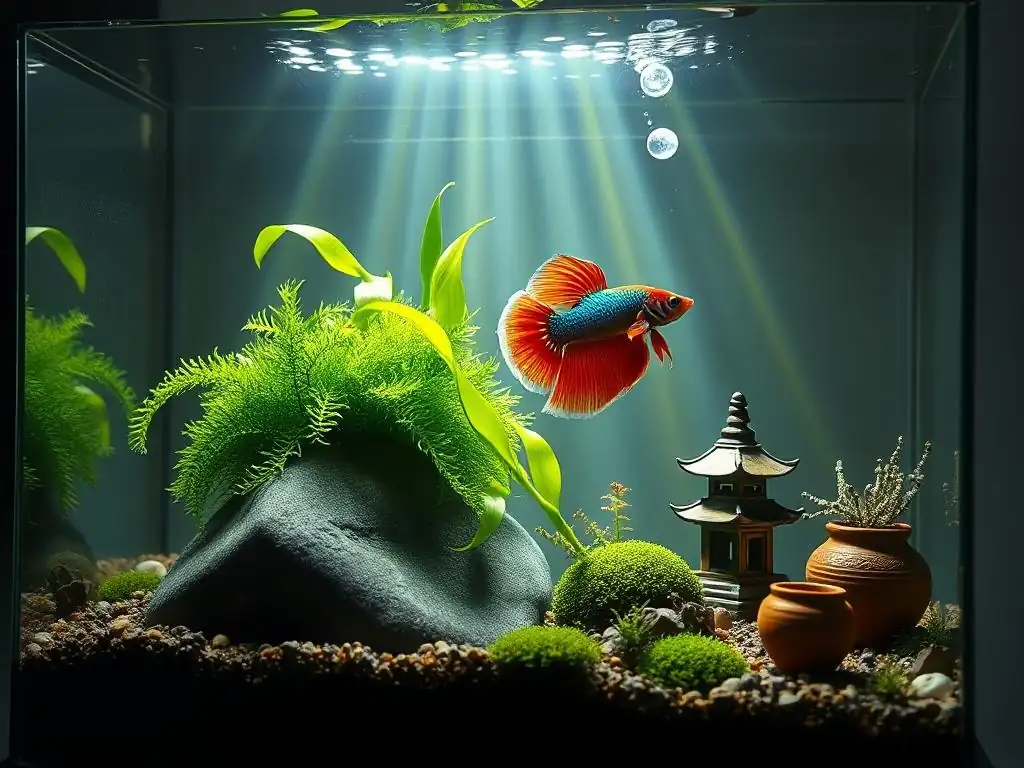
Ever wondered if your betta's castle is really big enough? Dive into our guide on Small Betta Tank Setup and discover the secrets to creating the perfect, thriving habitat for your finned friend. Is bigger always better? Let's explore the ideal dimensions and essential elements for a happy and healthy betta. Get ready to unlock the art of responsible betta keeping!
- Why Betta Tank Size is Crucial for a Healthy Betta Fish
- Recommended Betta Tank Sizes: A Comprehensive Guide
- Setting Up Your Betta Tank: Essentials for a Happy Betta
- Setting Up Your Betta Tank: Step-by-Step Guide
- Beyond Size: Other Important Betta Tank Considerations
- Troubleshooting Common Betta Tank Issues
- Advanced Betta Keeping: Optimizing Your Betta's Life
-
Frequently Asked Questions
- How small is too small for a betta tank setup?
- What is the ideal size for a small betta tank setup?
- What factors should I consider when choosing a small betta tank setup?
- What kind of filtration is recommended for a small betta tank setup?
- Can I keep other fish with a betta in a small betta tank setup?
- Final Reflection: The Tiny Ecosystem, A Big Responsibility
- Unveil Your Betta's Dream Home!
Why Betta Tank Size is Crucial for a Healthy Betta Fish
Understanding Betta Fish Natural Habitat and Needs
Betta fish, scientifically known as Betta splendens, originate from the shallow, slow-moving waters of Southeast Asia, particularly in Thailand, Vietnam, and Cambodia. Their natural habitats include rice paddies, flood plains, and canals. While these environments are often shallow and can experience periods of drought, they are vast in terms of surface area, allowing bettas to establish territories, forage for food, and escape from predators or rivals. This widespread, interconnected system provides ample space for movement and exploration, a stark contrast to the cramped conditions they are often subjected to in captivity.
Their unique labyrinth organ allows them to breathe atmospheric oxygen, which is an adaptation to low-oxygen water conditions prevalent in their natural, often stagnant, environments. However, this ability does not mean they thrive in small, uncycled containers. Instead, it enables them to survive in challenging conditions, not necessarily to flourish. A proper understanding of their natural inclination for space and stable water parameters is fundamental to providing a suitable small betta tank setup that truly supports their well-being.
The Myth of the Betta in a Vase: Debunking Small Tank Myths
One of the most persistent and damaging myths in the aquarium hobby is that betta fish can thrive in tiny vases, bowls, or even flowerpots. This misconception often stems from their ability to tolerate poor conditions for a short period due to their labyrinth organ, leading many to believe they are perfectly content in minimal spaces.
Unfortunately, this belief is far from the truth and leads to significant suffering for these vibrant fish. A common image of a betta in a small vase, often with a plant growing out of the top, is purely for aesthetic appeal to humans and provides no benefit, only harm, to the fish.
Such minuscule environments, often less than a gallon, offer no room for proper filtration, heating, or stable water parameters. They quickly accumulate toxic ammonia and nitrite from fish waste, leading to a polluted environment that burns the fish's gills and fins. This severely compromises the betta's immune system, making it highly susceptible to diseases. Debunking the "betta in a vase" myth is crucial for responsible fish keeping and understanding why a true small betta tank setup still requires adequate volume.
Impact of Small Tanks on Betta Fish Health and Well-being
Housing a betta in an inappropriately small tank has severe negative impacts on its health and overall well-being. Physiologically, the rapid buildup of ammonia and nitrite in small water volumes leads to chemical burns on the fins and gills, manifesting as fin rot and gill inflammation. The constant stress from poor water quality, lack of space, and unstable temperatures suppresses their immune system, making them highly vulnerable to various bacterial, fungal, and parasitic infections like Ich (white spot disease). Stunted growth, faded colors, and lethargy are also common signs of a betta suffering in a confined, unhealthy environment.
Beyond physical ailments, their psychological well-being is also compromised. Bettas are intelligent and curious fish that require environmental enrichment. In a tiny tank, they have no room to explore, establish territory, or engage in natural behaviors like flaring or nest building. This lack of stimulation leads to boredom, stress, and even self-mutilation, such as fin biting. Providing a spacious and properly outfitted small betta tank setup is not just about survival; it's about allowing your betta to thrive, exhibit its natural behaviors, and live a long, vibrant life.
Recommended Betta Tank Sizes: A Comprehensive Guide
Minimum Betta Tank Size: What Experts Recommend
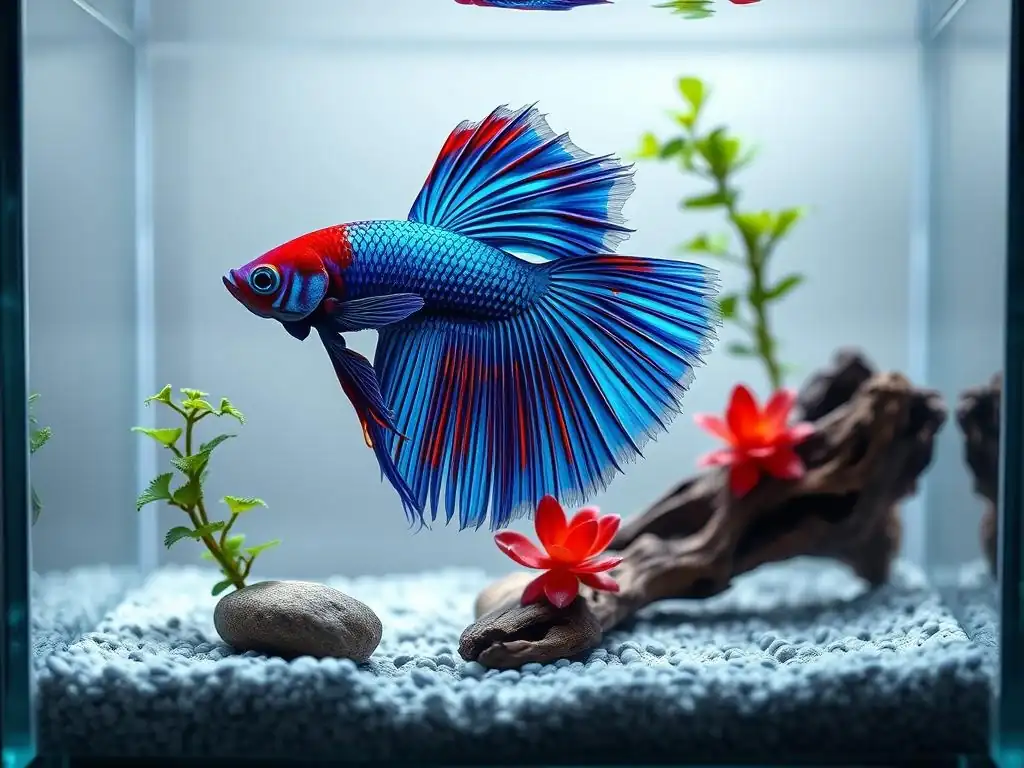
For a single betta fish, the widely accepted minimum tank size recommended by experienced aquarists and veterinary professionals is 5 gallons (approximately 19 liters). While some may argue that a 2.5-gallon tank can house a betta, it is generally considered inadequate for long-term health and stability. A 5-gallon tank provides sufficient water volume to dilute waste products more effectively, preventing rapid spikes in ammonia and nitrite, which are toxic to fish. This larger volume also allows for more stable water temperatures, which is crucial for a tropical fish like the betta.
Furthermore, a 5-gallon tank offers enough space for proper filtration, a heater, and essential decor like plants and hiding spots without feeling overly cluttered. It allows the betta adequate room to swim, explore, and display natural behaviors. Attempting a small betta tank setup below this size often leads to chronic stress, disease, and a significantly shortened lifespan for your fish, making the initial cost savings negligible compared to the long-term health issues.
Ideal Betta Tank Size for Optimal Health and Activity
While 5 gallons is the minimum, an ideal tank size for a single betta fish is 10 gallons (approximately 38 liters) or larger. A 10-gallon tank offers even greater stability in water parameters, as the larger volume provides a more robust buffer against fluctuations in temperature and water chemistry. This increased stability significantly reduces stress on the fish and makes maintenance routines like water changes less critical in terms of immediate impact, though they remain essential.
The extra space in a 10-gallon tank allows for more elaborate aquascaping, including a wider variety of live plants and decor, creating a truly stimulating and naturalistic environment for your betta. It also provides ample room for the betta to swim freely, engage in exploratory behaviors, and even build larger, more elaborate bubble nests. For those considering a small betta tank setup that prioritizes the fish's long-term well-being and vibrant display, a 10-gallon aquarium is a superior choice that promotes optimal health and activity.
Considerations for Longfin Betta Varieties and Tank Size
Longfin betta varieties, such as Halfmoon, Crowntail, and Veiltail, possess magnificent, flowing fins that are a hallmark of their beauty. However, these elaborate fins can also be a hindrance in smaller or overly turbulent environments. In tanks smaller than 5 gallons, long-finned bettas often struggle to swim efficiently, leading to exhaustion and stress. Their fins can also get easily snagged on sharp decor or gravel, leading to tears and fin rot, especially in poor water conditions.
While a 5-gallon tank is generally acceptable, some aquarists recommend a 10-gallon tank as ideal for longfin varieties. The increased space allows them to maneuver more easily without constantly bumping into tank walls or decor. Furthermore, a larger tank often facilitates a more stable environment with less water current, which is beneficial for these fish as strong currents can make swimming difficult and damage their delicate fins. When planning your small betta tank setup for a longfin variety, prioritize smooth decor and consider the additional swimming space a 10-gallon tank offers to protect their beautiful, yet fragile, fins.
Setting Up Your Betta Tank: Essentials for a Happy Betta
Essential Equipment for a Betta Tank Setup
Setting up a proper betta tank requires more than just the tank itself. Key equipment includes a reliable heater, a low-flow filter, and a thermometer. Betta fish are tropical and thrive in water temperatures between 78-82°F (25.5-27.8°C). A submersible, thermostatically controlled heater, typically 25 watts for a 5-gallon tank or 50 watts for a 10-gallon tank, is essential to maintain this stable temperature. Without a heater, temperature fluctuations can stress the fish and weaken its immune system.
Filtration is equally crucial to maintain water quality. For a small betta tank setup (5-10 gallons), a sponge filter or a small hang-on-back (HOB) filter with a baffled outflow (to reduce current) is ideal. These filters provide both mechanical and biological filtration without creating strong currents that can stress bettas. Additionally, a reliable liquid-based water test kit is indispensable for monitoring ammonia, nitrite, and nitrate levels, ensuring the water remains safe for your fish. Other necessities include a thermometer, a gravel vacuum for cleaning, and a water conditioner to neutralize chlorine and chloramines in tap water.
Substrate, Decor, and Plant Choices for Betta Tanks
The choice of substrate, decor, and plants plays a significant role in creating a comfortable and stimulating environment for your betta. For substrate, fine gravel or sand are excellent choices, as they are gentle on your betta's delicate fins and provide a good base for live plants. Avoid coarse or sharp-edged gravel that could injure your fish. Decor should prioritize safety and enrichment; smooth rocks, driftwood, and ceramic caves offer excellent hiding spots and exploration opportunities. Ensure all decor has no sharp edges or rough surfaces that could tear fins.
Live plants are highly recommended for a betta tank. They not only enhance the aesthetic appeal but also provide natural hiding spots, resting places, and help with water quality by absorbing nitrates. Excellent choices for a small betta tank setup include Anubias, Java Fern, Amazon Swords, and Cryptocoryne species, which are relatively easy to care for and adaptable to various lighting conditions.
If live plants are not feasible, opt for silk plants over plastic ones, as plastic plants often have sharp edges that can damage a betta's fins. Indian Almond leaves (catappa leaves) can also be added; they release beneficial tannins that mimic a betta's natural habitat and possess mild antiseptic properties.
Maintaining Optimal Water Parameters in Betta Tanks
Maintaining optimal water parameters is paramount for a betta's health and longevity. The ideal temperature range, as mentioned, is 78-82°F (25.5-27.8°C). The pH level should ideally be between 6.5 and 7.5, which is slightly acidic to neutral. More importantly than a specific pH number, consistency is key; sudden pH swings are more harmful than a stable pH slightly outside this range.
The most critical parameters to monitor are ammonia, nitrite, and nitrate. Ammonia and nitrite should always be at 0 parts per million (ppm). These are highly toxic compounds that build up from fish waste and uneaten food.
Nitrate, the end product of the nitrogen cycle, should be kept below 20 ppm through regular water changes. Using a liquid-based test kit weekly will help you monitor these levels accurately. Proper filtration, responsible feeding, and consistent water changes are the pillars of maintaining these optimal water parameters in any small betta tank setup, ensuring a healthy and stress-free environment for your fish.
Setting Up Your Betta Tank: Step-by-Step Guide
Planning Your Betta Tank Layout
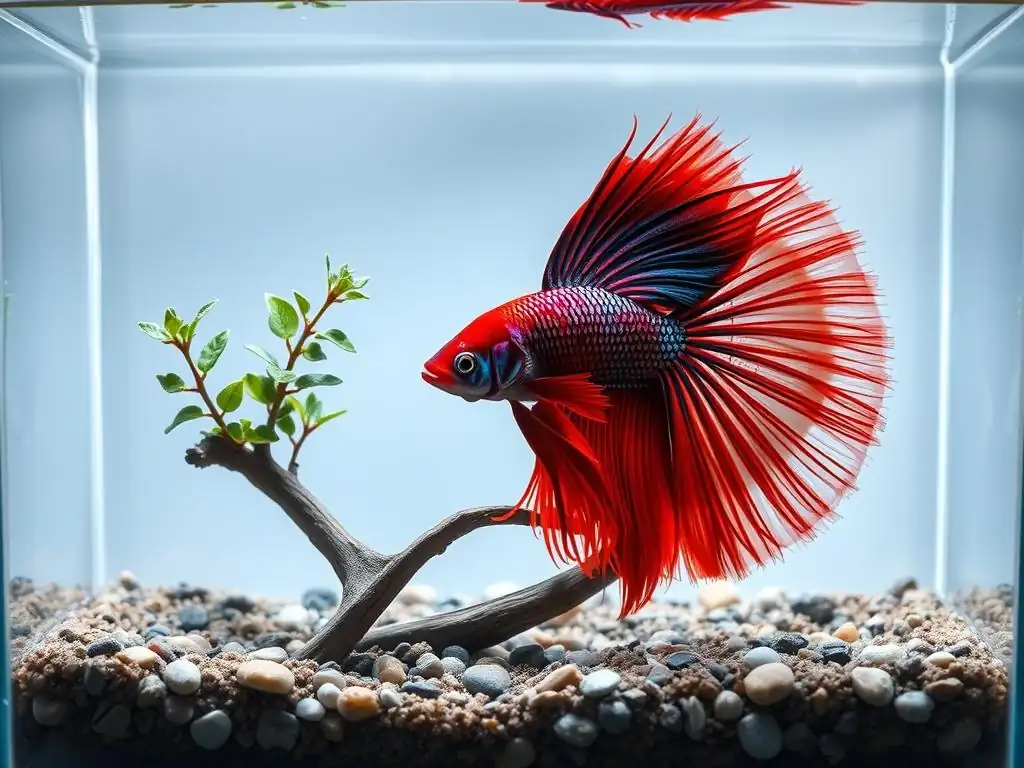
Before adding water or equipment, take time to plan your betta tank layout. Consider the size and shape of your aquarium (e.g., a standard 5-gallon or 10-gallon tank) and how you want to arrange your substrate, decor, and plants. A good layout provides ample open swimming space, particularly at the front, while also offering plenty of hiding spots and resting places among plants or decor. Bettas appreciate visual barriers and places to retreat, which reduces stress.
Think about the placement of your heater and filter. The heater should be fully submerged and placed where water can circulate around it efficiently. The filter intake should be clear of obstructions, and the outflow should be directed to minimize strong currents, perhaps by baffling it with a sponge or a piece of plastic. Sketching your ideas on paper can help visualize the final setup and ensure all necessary equipment fits comfortably without overcrowding the tank. A well-planned small betta tank setup is both aesthetically pleasing and highly functional for your fish.
Cycling Your Betta Tank: A Crucial First Step
Cycling your aquarium is arguably the most critical step before introducing any fish. This process establishes the beneficial bacteria colonies that convert toxic ammonia (from fish waste and uneaten food) into less harmful nitrate. This is known as the nitrogen cycle. The most recommended method is "fishless cycling," where you add an ammonia source (like pure ammonia solution or fish food) to the tank to feed the bacteria, allowing the cycle to establish without endangering a fish.
During fishless cycling, you'll observe ammonia levels rise, then nitrite levels rise as ammonia is converted, and finally, nitrate levels will appear as nitrite is converted. Ammonia and nitrite should eventually drop to 0 ppm. This process typically takes 4-6 weeks but can vary. Patience is key; introducing your betta before the tank is fully cycled will expose it to lethal levels of toxins, leading to "new tank syndrome" and likely death. Ensure your small betta tank setup is fully cycled by consistently testing water parameters before your betta moves in.
Introducing Your Betta Fish to its New Home
Once your betta tank is fully cycled and all parameters are stable, it's time to introduce your new fish. The goal is to acclimate your betta to its new water parameters slowly to avoid shock. Start by floating the sealed bag containing your betta in the tank for 15-20 minutes.
This equalizes the water temperature. Next, open the bag and, using a clean cup, slowly add small amounts of your tank water to the bag over another 30-60 minutes, roughly doubling the volume of water in the bag. This gradual process helps the fish adjust to the tank's pH and hardness.
After acclimation, gently net your betta out of the bag and release it into the tank. Avoid pouring the bag water directly into your aquarium, as it may contain undesirable pathogens or high levels of ammonia. Turn off the aquarium lights for the first few hours after introduction to help reduce stress. Observe your betta for the next few days, ensuring it explores its new home, eats normally, and shows no signs of stress. A calm and careful introduction ensures a positive start for your betta in its perfectly prepared small betta tank setup.
Beyond Size: Other Important Betta Tank Considerations
Water Quality and Filtration for Betta Fish
While tank size provides the foundation for stable water, maintaining excellent water quality through effective filtration and routine care is paramount. For betta fish, a low-flow filter is essential. Sponge filters are highly recommended for small betta tank setups (5-10 gallons) as they provide excellent biological filtration and gentle water movement. Hang-on-back (HOB) filters can also be used, but their outflow may need to be baffled with a pre-filter sponge or a plastic bottle cut-out to reduce the current, which can stress bettas and impede their long fins.
Beyond mechanical removal of debris, biological filtration, facilitated by beneficial bacteria in the filter media and substrate, is crucial for converting toxic ammonia and nitrite into less harmful nitrate. Regular water testing (at least once a week) for ammonia, nitrite, and nitrate levels is non-negotiable. Even in a perfectly sized tank, poor water quality due to inadequate filtration or irregular maintenance will inevitably lead to health issues for your betta.
Temperature Control: Maintaining the Ideal Betta Environment
Betta fish are tropical species that require a stable and warm water temperature to thrive. The ideal temperature range for bettas is between 78-82°F (25.5-27.8°C). Fluctuations outside this range, especially sudden drops, can significantly stress your fish, weaken its immune system, and make it susceptible to common diseases like Ich. A reliable, thermostatically controlled submersible heater is a non-negotiable piece of equipment for any betta tank, regardless of its small betta tank setup designation.
It is crucial to use a thermometer to monitor the water temperature daily, ensuring the heater is functioning correctly and maintaining a consistent temperature. Placing the heater near the filter outflow can help distribute the warmed water evenly throughout the tank. Avoid placing the tank in direct sunlight or near air conditioning vents, as these can cause undesirable temperature swings. Consistent temperature control is a cornerstone of betta health and vitality.
Tank Mates for Betta Fish: Compatibility and Considerations
While bettas are often solitary and can thrive alone, some aquarists consider tank mates for larger betta setups (typically 10 gallons or more). However, compatibility is highly variable and depends on the individual betta's temperament. Male bettas are almost universally aggressive towards other male bettas and should never be housed together. Female bettas can sometimes live in sororities, but this requires a very large, heavily planted tank (20+ gallons) and careful management, which is not suitable for a small betta tank setup.
If considering tank mates for a single male betta in a 10-gallon tank, choose peaceful, fast-moving, and non-fin-nipping species that occupy different parts of the water column. Examples of potentially compatible tank mates include small schooling fish like Harlequin Rasboras or Neon Tetras (in groups of 6+), or bottom dwellers like Corydoras catfish (in groups of 3+). Snails (like Nerite snails) or Amano shrimp can also be good additions for algae control. Always have a backup plan (e.g., a separate tank) in case your betta proves too aggressive, as individual temperaments vary wildly.
Troubleshooting Common Betta Tank Issues
Algae Control in Betta Aquariums
Algae growth is a common issue in aquariums, including small betta tank setups. While a small amount of algae can be natural, excessive growth indicates an imbalance in the tank. The primary causes of algae blooms are over-lighting (too much light or leaving lights on too long) and excess nutrients (from overfeeding or infrequent water changes). Green spot algae, brown diatom algae, and hair algae are some common types.
To control algae, first, ensure your tank lights are on for no more than 6-8 hours per day. Reduce feeding portions to prevent uneaten food from decomposing and adding nutrients. Increase the frequency or volume of water changes if nitrates are consistently high. Adding live plants can also help, as they compete with algae for nutrients. Manual removal with an algae scraper during weekly maintenance is also effective. Avoid relying on chemical algaecides, which can be harsh on fish and beneficial bacteria.
Water Changes and Maintenance Schedules for Betta Tanks
Regular water changes are fundamental to maintaining pristine water quality and are especially crucial in a small betta tank setup where pollutants can concentrate quickly. For a 5-10 gallon betta tank, a weekly water change of 25-30% of the tank's volume is generally recommended. This routine helps remove nitrates, replenish essential minerals, and keep the water fresh.
Beyond water changes, a consistent maintenance schedule should include:
- Daily: Observe your betta for any changes in behavior or appearance. Check the water temperature.
- Weekly: Perform the 25-30% water change using a gravel vacuum to remove detritus from the substrate. Test water parameters (ammonia, nitrite, nitrate, pH). Wipe down the inside of the glass to remove algae.
- Monthly/Bi-monthly: Clean filter media gently in old tank water (never tap water, which contains chlorine that kills beneficial bacteria). Avoid replacing all filter media at once to preserve beneficial bacteria.
Consistency in this schedule is key to preventing water quality issues and ensuring your betta's long-term health.
Recognizing and Treating Common Betta Fish Diseases
Early recognition and prompt treatment of diseases are vital for a betta's survival. Common betta diseases often stem from poor water quality, stress, or inadequate tank conditions.
- Fin Rot: Characterized by frayed, ragged, or disintegrating fins, often with white or black edges. Usually caused by poor water quality and bacterial infection. Treatment involves daily small water changes and, in severe cases, antibiotics.
- Ich (White Spot Disease): Appears as small, white spots resembling salt grains on the body and fins. It's a parasitic infection, often triggered by stress or sudden temperature changes. Treatment involves slowly raising the tank temperature to 82-84°F (28-29°C) and using an Ich-specific medication.
- Dropsy: A severe internal bacterial infection where the fish's body swells due to fluid retention, causing scales to protrude (pinecone appearance). Often a symptom of organ failure, prognosis is usually poor. Prevention through pristine water quality is best.
Always quarantine new fish and plants, and maintain optimal tank conditions to minimize the risk of disease. If your betta shows symptoms, identify the issue quickly and consult reliable resources like AquariumMastery.com for specific treatment protocols.
Advanced Betta Keeping: Optimizing Your Betta's Life
Creating a Stimulating Environment for Your Betta
Beyond just meeting basic needs, advanced betta keeping focuses on enriching your fish's life. Bettas are intelligent and curious, and a stimulating environment prevents boredom and promotes natural behaviors. Regular rotation of decor, adding new plants, or rearranging existing ones can provide novelties for your betta to explore. Incorporating elements like floating logs or leaves provides natural resting spots and encourages surface exploration.
You can also engage your betta with brief "mirror time" sessions (a few minutes daily) where they flare at their reflection, providing a form of exercise and territorial display. Target feeding, where you offer food directly to your betta using tweezers, can also be a bonding experience. Some bettas can even be trained to follow fingers or swim through hoops. A well-designed small betta tank setup (5 gallons or more) with varied decor and enrichment opportunities contributes significantly to your betta's mental and physical health.
Breeding Betta Fish in a Dedicated Tank
Breeding betta fish is an advanced aspect of the hobby that requires significant commitment, knowledge, and a dedicated setup. It is not recommended for beginners. A separate breeding tank, typically 10-20 gallons, is essential, as the process involves conditioning the male and female, introducing them, managing the spawning, and then raising the fry. The male betta builds a bubble nest, and after spawning, he guards the eggs and fry, requiring the female to be removed to prevent aggression.
Water parameters for breeding are specific, often requiring slightly softer, acidic water and a stable temperature around 80°F (26.7°C). Raising betta fry is particularly challenging, as they are microscopic initially and require specialized foods like infusoria and newly hatched brine shrimp. This complex process demands meticulous attention to water quality, feeding, and separation of the fry as they grow to prevent aggression. Attempting to breed in a typical small betta tank setup is impractical and detrimental to the fish involved.
The Importance of Observation in Betta Care
One of the most valuable skills for any aquarist, especially those keeping bettas, is consistent and keen observation. Daily observation of your betta's behavior, appetite, fin condition, and color can provide early warnings of potential problems. A healthy betta is typically active, curious, and displays vibrant colors, with fins held gracefully. Any deviation from this normal behavior – such as lethargy, clamping fins, faded colors, refusal to eat, or unusual spots/growths – should prompt immediate investigation.
Early detection of issues, whether it's a slight increase in ammonia or the first signs of fin rot, allows for prompt intervention, often preventing minor problems from escalating into severe, life-threatening conditions. Understanding your individual betta's personality and habits is crucial; what might be normal for one fish could be a sign of distress for another. Regular, mindful observation complements all other aspects of betta care, from maintaining a proper small betta tank setup to ensuring optimal water parameters.
Frequently Asked Questions
How small is too small for a betta tank setup?
A tank under 5 gallons is generally considered too small. Betta fish need enough space to swim, explore, and establish territory. Anything smaller can cause stress and health problems.
What is the ideal size for a small betta tank setup?
Ideally, a 5-gallon tank is the minimum recommended size. However, a 10-gallon tank or larger is even better, providing more space and stable water parameters.
What factors should I consider when choosing a small betta tank setup?
Consider the tank's footprint (how much space it occupies), its filtration system, and the heating capabilities (betta fish need warm water).
What kind of filtration is recommended for a small betta tank setup?
A gentle sponge filter or a hang-on-back filter with adjustable flow is ideal. Strong currents can stress betta fish, so choose something that provides adequate filtration without creating excessive water movement.
Can I keep other fish with a betta in a small betta tank setup?
Generally, it's not recommended to keep other fish in a small betta tank setup. Betta fish can be aggressive, and a smaller tank offers limited space to escape. Tank mates are best suited for larger aquariums.
Final Reflection: The Tiny Ecosystem, A Big Responsibility
The information we've explored regarding small betta tank setups is more crucial now than ever, as the popularity of these vibrant fish continues to rise. Understanding the vital role tank size plays in a betta's well-being is not just about aesthetics; it's about providing a humane and enriching environment for a living creature. Choosing the right tank is the first, and arguably most important, step in responsible betta ownership.
This journey into the world of betta care has highlighted the profound impact our choices have on these delicate creatures. The seemingly simple act of selecting a tank size reverberates through every aspect of a betta's life, influencing its health, behavior, and overall happiness. The greatness of a nation and its moral progress can be judged by the way its animals are treated.
- Mahatma Gandhi. This sentiment, though often applied to larger animals, holds equal weight when considering the care of even the smallest of our aquatic companions.
Now, armed with this knowledge, I urge you to reflect on your own approach to betta care, or perhaps even consider welcoming one of these magnificent fish into your life responsibly. Let's move beyond the outdated notion of bettas thriving in tiny bowls and embrace a future where every betta enjoys the space and enrichment it deserves. Choose wisely, choose compassionately, and choose to create a thriving ecosystem, no matter how small.
Unveil Your Betta's Dream Home!
Thanks for exploring the world of Betta bliss with us! We hope you've gained a clear understanding of why tank size is crucial for a happy and healthy Betta. Now, let's turn that knowledge into action.
- Commit to upgrading: If your Betta is in anything smaller than 5 gallons, prioritize a tank upgrade as soon as possible. Your finned friend will thank you with vibrant colors and an active life!
- Dive deeper: Explore different tank setups! Experiment with live plants, caves, and gentle filtration systems to create a stimulating environment.
- Share the wisdom: Spread the word! Help other Betta keepers understand the importance of proper tank size by sharing this article with your friends and fellow enthusiasts.
What specific enrichment item are you most excited to add to your Betta's upgraded tank?