
Tiger Barb Water Parameters: Achieving Optimal Conditions for Health and Vibrancy


Welcome to Aquarium Mastery!
Ever wondered if your Tiger Barbs are truly thriving? Dive into the vibrant world of these captivating fish and discover the secrets to unlocking their full potential. In this article, we'll explore the ideal water parameters for your Tiger Barbs, ensuring a happy, healthy, and stunning display. Ready to create the perfect aquatic haven? Let's get started!
- Understanding the Importance of Water Quality for Tiger Barbs
-
Ideal Water Parameters for Tiger Barbs: A Detailed Guide
- Optimal Water Temperature for Tiger Barbs: Keeping Them Comfortable
- pH Level for Tiger Barbs: Maintaining Stability
- Water Hardness (GH) for Tiger Barbs: The Importance of Mineral Content
- Ammonia and Nitrite Levels: Maintaining Zero Tolerance
- Nitrate Levels for Tiger Barbs: Safe Ranges and Management
- Setting Up Your Aquarium for Tiger Barbs: Creating the Perfect Environment
- Maintaining Optimal Water Parameters for Tiger Barbs: A Proactive Approach
- Troubleshooting Water Quality Issues in Your Tiger Barb Tank
- The Relationship Between Water Parameters and Tiger Barb Breeding
- Conclusion: Ensuring a Thriving Tiger Barb Aquarium Through Optimal Water Quality
-
Frequently Asked Questions
- What are the ideal temperature ranges for a Tiger Barb aquarium?
- What is the recommended pH level for Tiger Barb water?
- What are the optimal water hardness levels (dGH) for Tiger Barbs?
- How often should I perform water changes for a Tiger Barb tank?
- What are the acceptable levels of ammonia, nitrite, and nitrate in a Tiger Barb aquarium?
- Final Reflection: Cultivating Vibrant Life
- Unleash the Vibrant Potential of Your Tiger Barbs!
Understanding the Importance of Water Quality for Tiger Barbs
Why Water Parameters Matter for Tiger Barb Health
Maintaining precise and stable water parameters is paramount for the health and longevity of Tiger Barbs. These active, schooling fish thrive in specific environmental conditions that directly influence their metabolic processes, immune system function, and overall vitality. When water parameters deviate from their ideal range, Tiger Barbs experience physiological stress, making them susceptible to disease, stunting, and reduced lifespan. For instance, consistent optimal Tiger Barb water parameters ensure proper osmotic regulation, allowing the fish to maintain the correct balance of salts and fluids within their bodies.
Furthermore, correct water quality directly impacts the efficiency of a Tiger Barb's respiratory system. Water that is too acidic or too alkaline can damage gill tissue, impairing oxygen uptake and carbon dioxide release. Similarly, the presence of even trace amounts of toxic compounds like ammonia can cause severe gill burns and internal organ damage. Therefore, understanding and diligently managing the Tiger Barb ideal water parameters is not merely a recommendation but a fundamental requirement for responsible aquarists aiming for a thriving and vibrant school of these popular cyprinids.
Impact of Poor Water Quality on Tiger Barbs: Signs and Symptoms
Poor water quality can manifest in various visible signs and symptoms in Tiger Barbs, indicating severe stress or illness. One of the most common indicators is lethargy or listlessness, where the fish appear less active than usual, often resting on the bottom or near the surface. Other physical signs include clamped fins, where the fins are held close to the body, and a noticeable loss of the vibrant orange and black coloration, replaced by a duller, faded appearance. Stress spots, which are often darker or more pronounced patches on the body, can also emerge.
Beyond these general signs, specific water parameter issues cause distinct problems. Elevated ammonia and nitrite levels, for example, often lead to rapid gill movements, gasping at the surface, and inflamed or reddish gills due to chemical burns.
Prolonged exposure to sub-optimal Tiger Barb water parameters, such as incorrect pH or extreme water hardness, can weaken their immune system, making them highly vulnerable to common aquarium diseases like Ich (white spot disease), fin rot, and fungal infections. In severe cases of acute toxicity, sudden and unexplained fish deaths can occur, often pointing directly to a catastrophic failure in maintaining proper water quality.
Ideal Water Parameters for Tiger Barbs: A Detailed Guide
Optimal Water Temperature for Tiger Barbs: Keeping Them Comfortable
The optimal water temperature for Tiger Barbs is a crucial factor in their well-being, influencing their metabolism, activity levels, and immune response. These fish thrive in a tropical environment, with an ideal temperature range of 74-79°F (23-26°C). Maintaining temperatures within this specific range ensures that their metabolic processes operate efficiently, allowing for proper digestion, growth, and immune function. Fluctuations outside this range can lead to significant stress.
Temperatures consistently below 74°F (23°C) can cause Tiger Barbs to become sluggish, reduce their appetite, and make them more susceptible to common cold-water diseases like Ich. Conversely, temperatures consistently above 79°F (26°C) can increase their metabolism to an unhealthy degree, leading to shorter lifespans, and can also reduce the dissolved oxygen content in the water, causing respiratory distress. Therefore, a reliable aquarium heater with a thermostat is essential to consistently maintain these optimal Tiger Barb water parameters.
pH Level for Tiger Barbs: Maintaining Stability
The pH level, which measures the acidity or alkalinity of the water, is another critical component of Tiger Barb ideal water parameters. Tiger Barbs prefer slightly acidic to neutral water, with an optimal pH range of 6.0 to 7.5. Many aquarists find that a pH of 6.5 to 7.0 is particularly suitable, mimicking their natural habitat conditions. While hitting an exact number within this range is beneficial, stability is often more important than the precise pH value itself.
Rapid fluctuations in pH, even within the acceptable range, can cause severe pH shock, leading to stress, erratic swimming, and potential fatalities. For example, a sudden drop from pH 7.5 to 6.0 can be devastating. The pH also influences the toxicity of ammonia; at higher pH levels (above 7.0), ammonia is more toxic in its un-ionized form, making precise control of this parameter even more vital. Regular monitoring and gradual adjustments are key to maintaining a stable and healthy pH for your Tiger Barbs.
Water Hardness (GH) for Tiger Barbs: The Importance of Mineral Content
Water hardness, specifically General Hardness (GH), refers to the concentration of dissolved mineral ions, primarily calcium and magnesium, in the water. For Tiger Barbs, the ideal GH range is generally considered to be 5-12 dGH (degrees of General Hardness), which translates to approximately 89-214 ppm (parts per million). This range provides the necessary minerals for their physiological functions, including osmotic regulation, which is vital for maintaining the balance of fluids in their bodies.
Water that is too soft (low GH) can lead to osmotic stress, as the fish struggle to regulate water absorption and excretion. Conversely, extremely hard water (high GH) can also cause stress and may not be conducive to their long-term health, potentially impacting their ability to absorb essential nutrients. While Tiger Barbs are relatively adaptable regarding water hardness, maintaining GH within the recommended boundaries contributes significantly to their overall resilience and vibrancy, ensuring they thrive in their aquatic environment.
Ammonia and Nitrite Levels: Maintaining Zero Tolerance
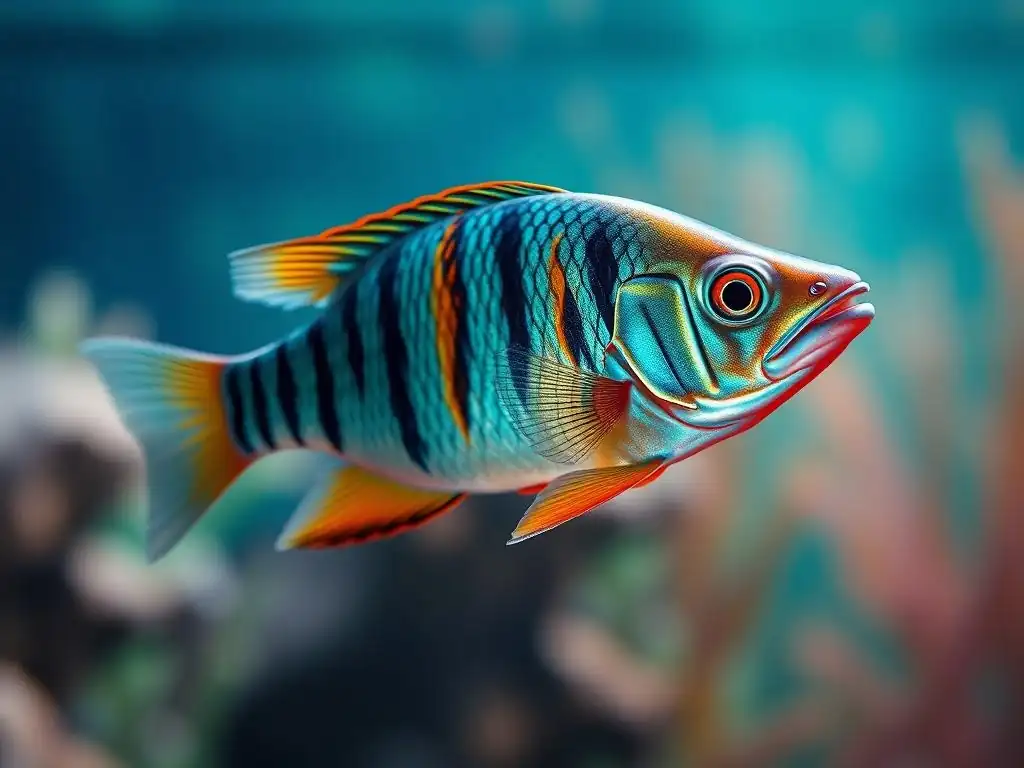
Ammonia (NH3/NH4+) and nitrite (NO2-) are highly toxic compounds that must be kept at zero parts per million (0 ppm) in any healthy aquarium, especially one housing active fish like Tiger Barbs. These substances are produced through the decomposition of fish waste, uneaten food, and decaying plant matter. In a properly cycled aquarium, beneficial bacteria convert ammonia into less harmful nitrite, and then nitrite into even less harmful nitrate, a process known as the nitrogen cycle.
Even trace amounts of ammonia or nitrite can cause severe damage to a Tiger Barb's gills, leading to respiratory distress, internal organ damage, and ultimately death. Symptoms of ammonia or nitrite poisoning include gasping at the surface, red or inflamed gills, lethargy, and a loss of appetite. Therefore, establishing and maintaining a robust biological filter and routinely testing for these parameters are non-negotiable aspects of ensuring optimal Tiger Barb water parameters and preventing fatal poisoning.
Nitrate Levels for Tiger Barbs: Safe Ranges and Management
Nitrate (NO3-) is the final product of the nitrogen cycle and, while significantly less toxic than ammonia or nitrite, can still be detrimental to Tiger Barbs in high concentrations. For the health of Tiger Barbs, nitrate levels should ideally be kept below 20 parts per million (ppm), with many experienced aquarists aiming for levels below 10 ppm for optimal conditions. Higher concentrations of nitrates can lead to chronic stress, weakened immune systems, stunted growth, and increased susceptibility to disease.
Managing nitrate levels primarily involves regular partial water changes, which dilute and remove accumulated nitrates from the aquarium. For instance, a weekly 25-30% water change is often sufficient to keep nitrates in check in a moderately stocked tank. Incorporating live aquatic plants can also help, as they absorb nitrates as a nutrient source, further contributing to maintaining pristine Tiger Barb water parameters and a healthier environment for your fish.
Setting Up Your Aquarium for Tiger Barbs: Creating the Perfect Environment
Tank Size Considerations for Tiger Barbs: Space for an Active School
When setting up an aquarium for Tiger Barbs, tank size is a critical consideration due to their active, schooling nature and potential for nipping. For a healthy school of 6-8 Tiger Barbs, a minimum tank size of 20 gallons (approximately 75 liters) is recommended. This provides sufficient swimming space and helps dilute waste products, contributing to more stable water parameters. However, a 30-gallon (113-liter) or even 55-gallon (208-liter) tank is preferable, especially if you plan to keep a larger school (10+ individuals) or include other tank mates.
Larger tanks offer several advantages for Tiger Barbs. They provide more room for the fish to establish territories and reduce aggression, as well as allowing for a greater dilution of waste, making it easier to maintain consistent Tiger Barb ideal water parameters. The increased water volume also provides greater stability against rapid temperature or pH fluctuations, which can be stressful for these fish.
Filtration for Tiger Barb Aquariums: Essential for Water Quality
Effective filtration is absolutely essential for maintaining the pristine water quality that Tiger Barbs require. A robust filtration system performs three primary functions: mechanical, biological, and chemical filtration. Mechanical filtration physically removes particulate matter like uneaten food and fish waste, preventing it from breaking down and polluting the water. Biological filtration, arguably the most crucial, provides a surface area for beneficial bacteria to colonize, which are responsible for the vital nitrogen cycle, converting toxic ammonia and nitrite into safer nitrates.
Chemical filtration, often using activated carbon, removes dissolved impurities, odors, and discoloration from the water. For Tiger Barbs, a filter capable of handling a significant bioload is necessary due to their active nature and the waste they produce. An under-filtered tank will quickly lead to poor Tiger Barb water parameters, resulting in stress and disease for the inhabitants.
Choosing the Right Filter for Tiger Barbs
When selecting a filter for a Tiger Barb aquarium, both Hang-on-Back (HOB) filters and canister filters are excellent choices, depending on the tank size and desired level of filtration. For tanks up to 40 gallons, a high-quality HOB filter, often rated for tanks larger than your actual volume, can provide sufficient mechanical and biological filtration. These filters are easy to maintain and offer good flow.
For larger tanks (40 gallons and up) or for aquarists seeking superior filtration and less frequent maintenance, a canister filter is highly recommended. Canister filters offer significantly more media volume for biological filtration, produce stronger flow, and can be customized with various chemical media. Regardless of the type chosen, ensure the filter's flow rate is adequate for your tank size, typically turning over the tank volume at least 4-6 times per hour, to maintain optimal Tiger Barb water parameters.
Substrate and Decorations: Creating a Natural Habitat
Creating a natural and stimulating habitat is important for the well-being of Tiger Barbs, complementing the maintenance of their ideal water parameters. A fine gravel or sand substrate is suitable, as Tiger Barbs do not typically dig, but a darker substrate can help bring out their vibrant coloration. The inclusion of live plants is highly beneficial; not only do they provide essential hiding spots and territories for these sometimes-nippy fish, but they also contribute to water quality by absorbing nitrates and providing oxygen.
Good plant choices include Java Fern, Anubias species, Amazon Swords, and various Cryptocoryne species. Additionally, incorporating driftwood and smooth rocks can enhance the natural aesthetic and provide further visual barriers and hiding places. While Tiger Barbs need open swimming areas, a moderately planted tank with strategically placed decorations reduces stress and aggression, leading to healthier, more colorful fish.
Lighting Requirements for Tiger Barbs: Enhancing Coloration
The lighting requirements for a Tiger Barb aquarium are generally moderate and are often dictated more by the needs of any live plants than by the fish themselves. Tiger Barbs do not require specialized lighting to thrive; standard aquarium LED or fluorescent lights are perfectly adequate. The primary purpose of lighting for these fish is to establish a natural day/night cycle and to allow for observation of their vibrant patterns and colors.
Typically, providing 8-10 hours of light per day is sufficient. This duration also helps to prevent excessive algae growth, which can be a common issue with prolonged or intense lighting. While specific lighting can enhance the Tiger Barb's coloration, ensuring stable and optimal Tiger Barb water parameters will have a far greater impact on their overall health and the intensity of their natural hues.
Maintaining Optimal Water Parameters for Tiger Barbs: A Proactive Approach
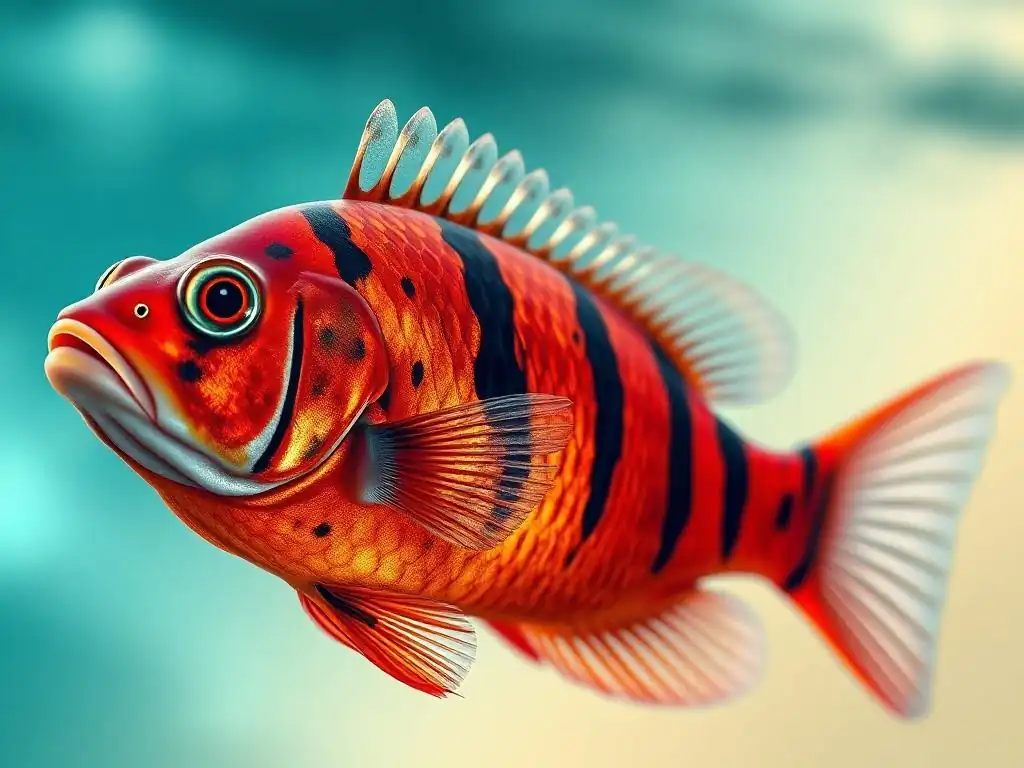
Regular Water Changes: The Cornerstone of a Healthy Aquarium
Regular partial water changes are arguably the most critical ongoing maintenance task for ensuring the long-term health and vibrancy of your Tiger Barbs. While a robust filtration system handles the nitrogen cycle, it primarily converts ammonia and nitrite into nitrate. Nitrates, while less toxic, accumulate over time and can become harmful in high concentrations. Water changes are the most effective method for physically removing accumulated nitrates and other dissolved organic compounds that filters cannot eliminate.
Beyond nitrate removal, water changes replenish essential trace minerals that are naturally depleted over time and help to maintain stable pH and hardness levels. By consistently performing water changes, aquarists proactively prevent the buildup of toxins and ensure that the Tiger Barb ideal water parameters remain within their optimal range, significantly reducing stress and the risk of disease.
How Often to Perform Water Changes for Tiger Barbs
The frequency and volume of water changes for a Tiger Barb aquarium depend on several factors, including tank size, stocking density, feeding habits, and the efficiency of your filtration system. As a general guideline, a weekly water change of 25-30% of the tank's total volume is highly recommended for most established Tiger Barb setups. For example, in a 20-gallon tank, this would mean changing 5-6 gallons of water weekly.
In heavily stocked tanks, or if water tests consistently show elevated nitrate levels (above 20 ppm), more frequent or larger water changes might be necessary, perhaps 30-40% twice a week. Conversely, a very lightly stocked, heavily planted tank might tolerate slightly less frequent changes. However, consistency is key; establishing a routine for water changes is far more beneficial than sporadic large changes, as it maintains more stable Tiger Barb water parameters.
Proper Water Change Techniques for Tiger Barb Tanks
Performing water changes correctly is crucial to avoid stressing your Tiger Barbs. First, always use a gravel vacuum to siphon out the old water. This allows you to simultaneously remove detritus and uneaten food from the substrate, which contributes to overall water quality. When refilling the tank, ensure the new water is dechlorinated or treated with a suitable water conditioner to neutralize chlorine and chloramines, which are highly toxic to fish.
Crucially, the temperature of the new water should closely match that of the aquarium water (within 1-2 degrees Fahrenheit or 0.5-1 degree Celsius) to prevent temperature shock, which can severely stress Tiger Barbs. Add the new water slowly to avoid disturbing the substrate excessively or creating strong currents that can agitate the fish. By following these steps, you minimize stress and maintain optimal Tiger Barb water parameters throughout the process.
Water Testing: Monitoring Your Aquarium's Health
Regular water testing is an indispensable practice for any aquarist aiming to maintain a healthy Tiger Barb aquarium. While visual inspection of your fish and tank can provide some clues, only accurate water tests can reveal the precise levels of critical parameters that are invisible to the naked eye. Consistent testing allows you to detect potential problems early, before they escalate into serious health issues for your Tiger Barbs.
It is recommended to test for ammonia, nitrite, nitrate, pH, and possibly General Hardness (GH) and Carbonate Hardness (KH) on a regular basis, especially during the initial cycling phase of a new tank and then weekly or bi-weekly once the tank is established. This proactive monitoring ensures that the Tiger Barb ideal water parameters are consistently met, providing peace of mind and a stable environment for your fish.
Recommended Water Testing Kits for Tiger Barb Aquariums
For accurate and reliable water testing, liquid reagent test kits are strongly recommended over test strips for Tiger Barb aquariums. While test strips offer convenience, their accuracy can be highly variable and prone to misinterpretation. A comprehensive liquid test kit, such as the API Freshwater Master Test Kit, typically includes tests for ammonia, nitrite, nitrate, and pH, which are the most critical parameters for daily monitoring.
For a more complete understanding of your water chemistry, especially if you are experiencing pH stability issues, investing in separate liquid tests for General Hardness (GH) and Carbonate Hardness (KH) is also advisable. KH is particularly important as it measures the buffering capacity of the water, influencing pH stability. Using high-quality test kits ensures you have precise data to make informed decisions about adjusting and maintaining optimal Tiger Barb water parameters.
Adjusting Water Parameters: Safe and Effective Methods
When water tests indicate that parameters are outside the ideal range for Tiger Barbs, adjustments may be necessary. However, it is crucial to make these changes slowly and gradually to avoid shocking the fish. Rapid shifts in pH, temperature, or hardness can be more detrimental than slightly suboptimal but stable conditions. Patience and precision are key when modifying Tiger Barb water parameters.
Always re-test the water after making any adjustments to confirm the desired effect and to ensure no unintended consequences have occurred. Small, incremental changes over several hours or days are far safer than large, sudden alterations, allowing your Tiger Barbs time to acclimate to the new conditions without undue stress.
Safely Lowering pH in a Tiger Barb Tank
If your Tiger Barb tank's pH is consistently above the ideal range (e.g., above 7.5), there are several safe methods to gradually lower it. One natural approach is to incorporate driftwood into the aquarium, which slowly releases tannins that can slightly acidify the water over time. Peat moss, either placed in a filter bag within the filter or directly in the tank (though it can discolor the water), is another effective natural option.
For more precise control, using Reverse Osmosis (RO) or deionized (DI) water, mixed with your tap water, can significantly lower both pH and hardness. However, this requires careful monitoring and replenishment of essential minerals. Chemical pH-lowering products are available, but they should be used with extreme caution and only as a last resort, as they can cause rapid and potentially dangerous pH swings if not applied precisely. Always aim for gradual adjustments to maintain stable Tiger Barb ideal water parameters.
Safely Raising pH in a Tiger Barb Tank
If the pH in your Tiger Barb tank is consistently too low (e.g., below 6.0), several methods can be employed to safely raise it. One common and relatively stable method is to add crushed coral or aragonite to the substrate or filter media. These calcium carbonate-based materials slowly dissolve, releasing carbonates that increase both pH and carbonate hardness (KH), thus buffering the water and stabilizing the pH.
For more immediate but temporary adjustments, a very small amount of baking soda (sodium bicarbonate) can be dissolved in water and slowly added to the tank. However, this method should be used with extreme caution and in very small increments, as baking soda can cause rapid and significant pH spikes if overdosed. The goal is always to make gradual changes to avoid shocking your Tiger Barbs, ensuring their water parameters remain stable and within their preferred range.
Adjusting Water Hardness for Tiger Barbs
Adjusting water hardness (GH) for Tiger Barbs, like pH, requires a gradual approach. If your water is too soft (below 5 dGH), you can increase hardness by adding mineral supplements specifically designed for freshwater aquariums, or by incorporating crushed coral or aragonite into the substrate or filter. These materials slowly dissolve, releasing calcium and magnesium ions that contribute to GH and often also increase KH and pH.
Conversely, if your water is too hard (above 12 dGH), reducing hardness can be achieved by mixing your tap water with Reverse Osmosis (RO) or deionized (DI) water. These purified water sources have virtually no dissolved minerals, allowing you to dilute your tap water to achieve the desired hardness level. Rainwater, if collected cleanly and free from pollutants, can also be used, but RO/DI water offers more consistent purity. Always re-test after adjustments to confirm the desired Tiger Barb water parameters.
Avoiding Common Water Quality Mistakes with Tiger Barbs
Many common water quality mistakes can be easily avoided with proper knowledge and diligence, ensuring optimal Tiger Barb water parameters. One of the most frequent errors is overfeeding, which leads to uneaten food decaying and rapidly deteriorating water quality, causing spikes in ammonia and nitrite. Another significant mistake is overcrowding the tank; too many fish produce excessive waste, overwhelming the filtration system and making it impossible to maintain healthy parameters.
Insufficient filtration or neglected filter maintenance also compromises water quality. Filters need regular cleaning and media replacement to function effectively. Lastly, skipping regular water changes or failing to test the water consistently are critical oversights. By being mindful of feeding habits, stocking levels, filtration, and committing to a consistent maintenance schedule, aquarists can proactively prevent most water quality issues and ensure a thriving environment for their Tiger Barbs.
Troubleshooting Water Quality Issues in Your Tiger Barb Tank
Cloudy Water in a Tiger Barb Aquarium: Causes and Solutions
Cloudy water in a Tiger Barb aquarium is a common issue that typically indicates an underlying water quality problem. The cloudiness can stem from several sources. A milky or hazy appearance often points to a bacterial bloom, common in newly set up tanks undergoing the nitrogen cycle (new tank syndrome) or in established tanks experiencing a sudden ammonia/nitrite spike due to overfeeding or filter malfunction. Green cloudy water, on the other hand, usually signifies an algal bloom, often caused by excessive light or high nutrient levels (nitrates/phosphates).
Other causes include suspended detritus from insufficient mechanical filtration or disturbed substrate. To address cloudy water, first test your Tiger Barb water parameters (ammonia, nitrite, nitrate). For bacterial blooms, ensure proper cycling and reduce feeding; a partial water change (25-30%) can help. For algae blooms, reduce lighting duration to 8-10 hours, increase water changes, and consider adding live plants. Ensure your filter is clean and adequately sized for your tank, and avoid overfeeding to prevent future occurrences.
Algae Blooms: Controlling Algae Growth in a Tiger Barb Tank
Algae blooms, characterized by green water, green film on surfaces, or unsightly hair-like growths, are a common nuisance in aquariums and often signal an imbalance in Tiger Barb water parameters. The primary causes of excessive algae growth are usually too much light (either too intense or too long a duration, exceeding 8-10 hours per day) and an abundance of nutrients, particularly nitrates and phosphates. High nitrate levels, which result from fish waste and uneaten food, serve as a prime food source for algae.
To control algae, first ensure you are conducting regular partial water changes (e.g., 25-30% weekly) to keep nitrate levels below 20 ppm. Reduce the duration of your aquarium lighting, and consider using a timer for consistency. Introducing live plants can also help, as they compete with algae for nutrients. Manual removal of algae during tank cleaning and ensuring you are not overfeeding your Tiger Barbs are also essential steps in preventing and managing these unsightly blooms.
Unexplained Fish Deaths: Investigating Water Quality Problems
Unexplained fish deaths in a Tiger Barb tank are a serious concern and almost always warrant an immediate and thorough investigation into water quality. The first and most critical step is to perform a full suite of water tests: ammonia, nitrite, nitrate, pH, and temperature. Spikes in ammonia or nitrite are often the culprits behind sudden fatalities, as these compounds are highly toxic and can cause rapid organ failure. Extreme pH fluctuations or temperatures outside the optimal range can also induce fatal shock.
If water parameters appear normal, consider other factors such as disease (look for physical signs on remaining fish), bullying or aggression within the school (though less common with proper stocking and tank size for Tiger Barbs), or the introduction of new, unquarantined fish that might have brought pathogens. However, statistically, poor or fluctuating water quality remains the leading cause of unexplained fish deaths in home aquariums, making immediate water testing paramount to identify and rectify the issue.
The Relationship Between Water Parameters and Tiger Barb Breeding
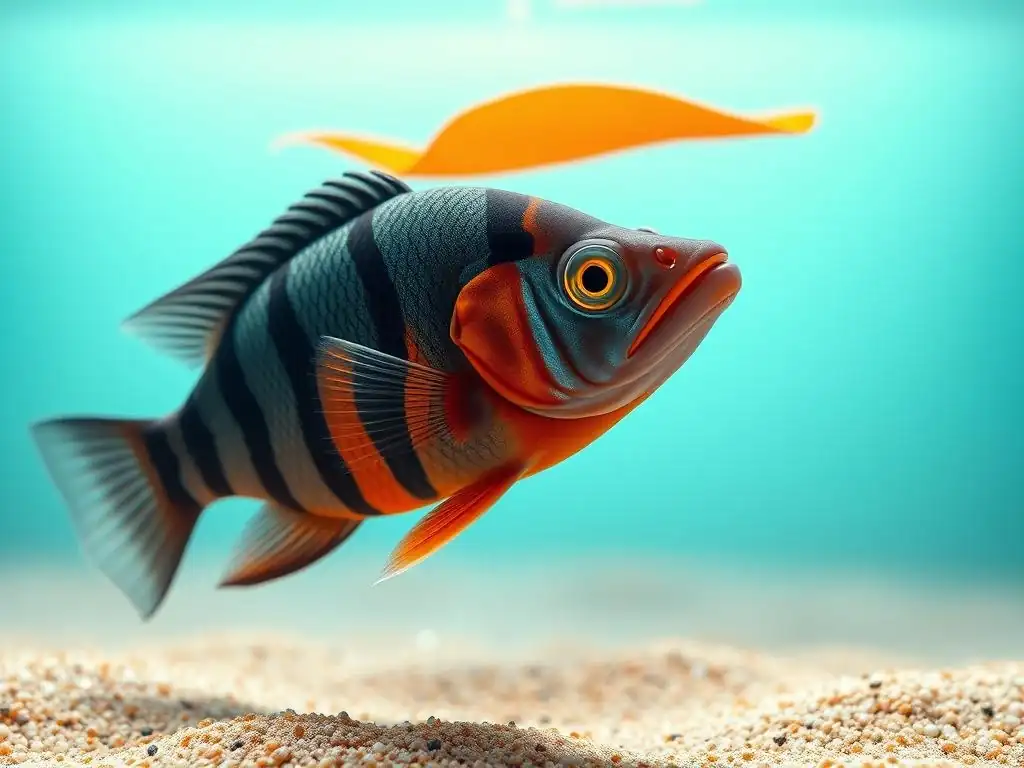
Optimizing Water Conditions for Tiger Barb Spawning
Optimizing water conditions plays a significant role in encouraging Tiger Barbs to spawn, as specific Tiger Barb ideal water parameters can act as a trigger for breeding behavior. While Tiger Barbs can sometimes spawn in general community tank conditions, dedicated breeding setups often fine-tune parameters to maximize success. A slightly softer and more acidic water profile is generally preferred for spawning, typically with a pH between 6.0 and 6.5 and a General Hardness (GH) ranging from 4-8 dGH (71-142 ppm).
Additionally, a slight increase in water temperature to the upper end of their optimal range, around 78-80°F (25.5-26.5°C), often stimulates breeding activity. Providing plenty of fine-leaved plants, such as Java Moss or spawning mops, is crucial as Tiger Barbs are egg scatterers and will deposit their adhesive eggs among the foliage. These specific water conditions, combined with proper conditioning of the breeding pair or group, significantly increase the likelihood of successful Tiger Barb spawning.
Post-Spawning Water Quality Management for Tiger Barb Fry
After Tiger Barbs have spawned, managing the water quality for the delicate fry becomes even more critical than for the adult fish. Tiger Barb eggs typically hatch within 24-36 hours, and the fry are incredibly tiny and sensitive to environmental changes. It is paramount to remove the adult fish promptly after spawning, as they will readily consume their own eggs and fry. The fry tank should maintain the same pristine water parameters that encouraged spawning, specifically very low nitrates and zero ammonia and nitrite.
Due to their minuscule size and inability to tolerate strong currents, filtration for fry tanks should be gentle, with sponge filters being an ideal choice. Water changes for fry must be very small and frequent, perhaps 10% daily or every other day, using a slow drip method to avoid shocking them. This meticulous attention to water parameters is essential to ensure the survival and healthy development of the vulnerable Tiger Barb fry.
Conclusion: Ensuring a Thriving Tiger Barb Aquarium Through Optimal Water Quality
Achieving and maintaining optimal water quality is the cornerstone of a successful Tiger Barb aquarium. These vibrant, active fish thrive when their specific water parameters—temperature, pH, hardness, and nitrogenous waste levels—are consistently kept within ideal ranges. From the recommended temperature of 74-79°F (23-26°C) to the critical zero tolerance for ammonia and nitrite, every parameter plays a vital role in their health, coloration, and longevity.
By understanding the impact of each parameter, diligently performing regular water testing and changes, and making gradual, informed adjustments, aquarists can create a stable and pristine environment. This proactive approach not only prevents common ailments and stress but also allows Tiger Barbs to display their natural behaviors and stunning beauty. Ultimately, mastering Tiger Barb ideal water parameters is the key to ensuring a thriving, vibrant, and rewarding aquatic experience.
Frequently Asked Questions
What are the ideal temperature ranges for a Tiger Barb aquarium?
Tiger Barbs thrive in water temperatures between 72°F and 78°F (22°C to 26°C). Maintaining a stable temperature within this range is crucial for their overall health and vibrancy.
What is the recommended pH level for Tiger Barb water?
The ideal pH for Tiger Barbs is slightly acidic to neutral, ranging from 6.0 to 7.0. Consistent monitoring and adjustments are important to prevent stress and disease.
What are the optimal water hardness levels (dGH) for Tiger Barbs?
Tiger Barbs prefer moderately soft to slightly hard water, with a dGH range of 4 to 10. Maintaining stable water hardness is key to their long-term well-being and coloration.
How often should I perform water changes for a Tiger Barb tank?
Regular water changes are essential for maintaining water quality. Aim for 25-50% water changes every 1-2 weeks to remove accumulated nitrates and replenish essential minerals.
What are the acceptable levels of ammonia, nitrite, and nitrate in a Tiger Barb aquarium?
Ammonia and nitrite levels should always be at 0 ppm (parts per million). Nitrate levels should be kept below 20 ppm through regular water changes and a well-established biological filter to prevent harmful effects.
Final Reflection: Cultivating Vibrant Life
The journey to understanding and replicating Tiger Barb ideal water parameters is more than just a scientific exercise; it's an act of stewardship. By meticulously crafting the aquatic environment, we directly influence the health, vibrancy, and overall well-being of these captivating creatures, demonstrating a profound respect for the delicate balance of nature within our own homes.
This dedication to optimal conditions extends beyond the aquarium walls. It reflects a broader commitment to understanding and respecting the needs of living beings, fostering empathy and responsibility in our interactions with the natural world. The greatness of a nation and its moral progress can be judged by the way its animals are treated.
- Mahatma Gandhi. This quote resonates deeply, reminding us that our actions, even within the confines of a fish tank, speak volumes about our values.
Now, consider the power you hold to create a thriving ecosystem. Armed with the knowledge of ideal water parameters, you have the opportunity to not only maintain healthy Tiger Barbs but also to deepen your connection with the natural world. Embrace this responsibility, experiment with care, and witness the transformative power of creating an environment where life flourishes. Let the vibrant energy of your Tiger Barbs inspire you to cultivate similar conditions of growth and well-being in all aspects of your life.
Unleash the Vibrant Potential of Your Tiger Barbs!
Thank you for diving into the world of tiger barbs with us! We hope this article provided you with valuable insights into creating the perfect aquatic environment for these dazzling fish. Now, it's time to take action and ensure your tiger barbs thrive.
Here are a few steps you can take to elevate their well-being:
- Test your aquarium water parameters today and compare them against the recommended ranges for tiger barbs. This is the single most important step!
- Explore natural methods to stabilize your pH and KH levels for a long-term, healthy aquarium ecosystem.
- Share your experiences and water testing results in our community forum to help other tiger barb enthusiasts.
What specific parameter are you most eager to fine-tune for your tiger barbs, and why?