
Reef Tank Chill: Maintaining Stable Low Temps for Coral Health (Chiller Guide & Reviews)

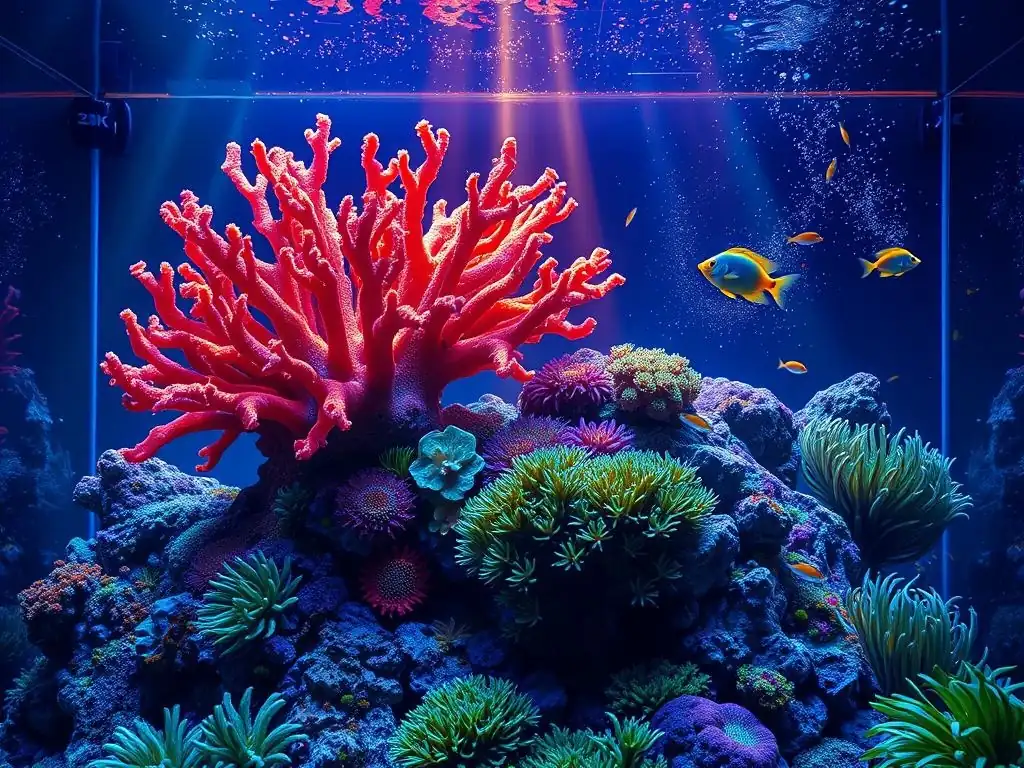
Welcome to Aquarium Mastery! Ever wondered if your reef tank's perfect paradise is teetering on the edge of a temperature tumble? Dive in and discover the secrets to maintaining stable low temperatures for thriving corals! Unravel the mysteries of reef tank chill, explore our chiller guide, and find the perfect solution to keep your underwater world flourishing. Intrigued? Your coral's health depends on it – let's explore!
- Reef Tank Temperature Control: Maintaining Stability for Coral Health (Chiller Guide & Reviews)
- Why Stable Reef Tank Temperature is Crucial for Coral Health
- Reef Tank Chillers: Your Solution to Overheating
- Choosing the Right Reef Tank Chiller: A Buyer's Guide
- Top Reef Tank Chiller Reviews: Our Expert Picks
- Maintaining Your Reef Tank Chiller for Optimal Performance
- Alternatives to Reef Tank Chillers: Exploring Cooling Options
- Achieving Stable Temperatures: A Holistic Approach
- Reef Tank Temperature: Preventing Issues and Promoting Growth
-
Frequently Asked Questions
- What is the ideal temperature range for a reef tank, and why is it so important?
- Why is low temperature so critical for reef tank health, especially in the context of coral bleaching?
- What are the best methods for achieving and maintaining a stable low temperature in a reef tank, especially during warmer months?
- What are some common signs that my reef tank is overheating, and what immediate actions should I take?
- How do I choose the right chiller for my reef tank, considering factors like tank size and climate?
- Final Reflection: The Delicate Balance of Reef Life
- Dive Deeper: Supercharge Your Reef Tank's Potential!
Reef Tank Temperature Control: Maintaining Stability for Coral Health (Chiller Guide & Reviews)
Why Stable Reef Tank Temperature is Crucial for Coral Health
The Impact of High Water Temperatures on Coral
High water temperatures exert significant physiological stress on corals, impacting their metabolic processes and overall health. When the water temperature in a reef tank rises above the optimal range, corals experience an increased metabolic rate, which can deplete their energy reserves faster than they can be replenished. Even a seemingly small increase of 2-3°F (approximately 1-1.5°C) above the coral's preferred maximum can lead to cellular dysfunction within days, compromising their ability to grow and repair themselves. Maintaining a consistent reef tank low temperature is paramount to preventing this stress.
Furthermore, elevated temperatures can directly inhibit the calcification process, which is how corals build their essential calcium carbonate skeletons. Studies have shown that sustained temperatures just a few degrees above the norm can reduce calcification rates by 20-30% in sensitive species like Acropora. This weakened skeletal structure makes corals more vulnerable to physical damage and disease. Therefore, ensuring a stable reef tank low temperature environment is not just about survival, but about promoting robust growth and structural integrity for the entire coral colony.
Understanding Coral Bleaching and its Connection to Temperature
Coral bleaching is a dramatic and often fatal response to environmental stress, with high water temperatures being the primary trigger. It occurs when corals expel the symbiotic algae, known as zooxanthellae, that live within their tissues. These zooxanthellae are crucial, providing up to 90% of the coral's energy through photosynthesis, and also giving corals their vibrant colors. Without them, the coral's white skeleton becomes visible, hence the term "bleaching."
The consequences of bleaching are severe; deprived of their primary energy source, bleached corals begin to starve and become highly susceptible to diseases. While corals can sometimes recover from mild, short-term bleaching events if temperatures return to normal quickly, prolonged or severe bleaching often leads to coral death.
For instance, major marine heatwaves have caused widespread bleaching events globally, with some areas of the Great Barrier Reef experiencing over 90% coral mortality in certain sections following consecutive thermal stress events. Preventing such thermal stress through a consistent reef tank low temperature is vital for the long-term survival and health of an aquarium's coral inhabitants.
Optimal Temperature Range for Reef Tank Stability
Maintaining an optimal and highly stable temperature range is fundamental for a thriving reef aquarium. The generally accepted ideal temperature range for most common reef-building corals, including popular SPS (Small Polyp Stony) and LPS (Large Polyp Stony) corals, typically falls between 76°F and 82°F (24.4°C to 27.8°C). However, stability within this range is arguably more critical than hitting a specific number.
Rapid temperature swings, even within the optimal range, can induce significant stress on corals and other invertebrates. A deviation of more than 1°F (0.5°C) within a 24-hour period can be enough to trigger a stress response in sensitive species.
While the 76-82°F range serves as a good guideline, some aquarists find that maintaining a reef tank low temperature closer to the 76-78°F mark can be particularly beneficial for certain SPS corals, promoting denser growth and vibrant coloration. Conversely, some LPS corals might tolerate the higher end of the spectrum better.
The key is to select a specific temperature within this ideal window and then maintain it with minimal fluctuation. Consistent temperature control not only prevents stress and bleaching but also supports the optimal functioning of biological filtration and overall water chemistry, contributing to a more stable and resilient reef ecosystem.
Reef Tank Chillers: Your Solution to Overheating
What is a Reef Tank Chiller and How Does it Work?
A reef tank chiller is a specialized piece of aquarium equipment designed to actively cool the water in your marine aquarium, maintaining a stable reef tank low temperature. Unlike heaters, which add heat, chillers remove it, preventing the water from overheating due to powerful lighting, pumps, or ambient room temperatures. Most modern reef tank chillers operate on a principle similar to a refrigerator or air conditioner, utilizing a vapor-compression refrigeration cycle. This cycle involves a refrigerant that absorbs heat from the aquarium water, then compresses and releases that heat into the surrounding air.
The typical chiller setup involves an inlet and an outlet for water flow. Water is pumped from the aquarium or sump into the chiller's heat exchanger, where the refrigerant absorbs the heat. The cooled water is then returned to the tank.
This continuous circulation ensures that the entire water volume is gradually brought down to and maintained at the desired reef tank low temperature. Many chillers come equipped with integrated thermostats and temperature probes, allowing aquarists to set a precise target temperature, and the unit will automatically cycle on and off to maintain that set point, providing precise control over the aquarium's thermal environment.
Benefits of Using a Chiller in Your Reef Aquarium
The primary benefit of using a chiller in a reef aquarium is the precise and consistent maintenance of a stable reef tank low temperature, which is crucial for coral health. In many home environments, especially during warmer months or in tanks with high-intensity lighting and powerful pumps, water temperatures can easily climb above the critical threshold of 82°F (27.8°C). A chiller prevents these dangerous temperature spikes, safeguarding corals from thermal stress and the devastating effects of bleaching. This proactive temperature management significantly reduces the risk of coral loss and promotes a more robust and resilient ecosystem.
Beyond preventing overheating, a chiller offers unparalleled stability, which is often overlooked but equally important. Daily temperature fluctuations, even within acceptable ranges, can stress corals and other sensitive invertebrates. A well-sized chiller ensures that the water temperature remains within a tight +/- 0.5°F (0.28°C) window, regardless of external factors like room temperature changes or equipment heat output.
This consistent reef tank low temperature environment allows corals to allocate their energy towards growth, coloration, and reproduction, rather than constantly adapting to fluctuating conditions. For serious reef aquarists, a chiller is an investment in the long-term health and vibrancy of their aquatic display.
Different Types of Reef Tank Chillers: A Comparison
The market offers several types of reef tank chillers, each with distinct operational principles, advantages, and disadvantages. Understanding these differences is key to selecting the most appropriate unit for your specific aquarium needs and space constraints. The two main categories are thermoelectric chillers and compressor-based chillers, with variations like inline units offering different installation options. Each type is designed to help maintain a stable reef tank low temperature, but they achieve it through different means and with varying levels of efficiency and capacity.
Thermoelectric Chillers: Pros and Cons
Thermoelectric chillers, often referred to as Peltier chillers, operate using the Peltier effect, where a temperature difference is created by applying a voltage across a junction of two different conductors. These units typically do not use refrigerants and are known for their compact size and quiet operation. Their main advantage lies in their small footprint, making them suitable for nano or smaller reef tanks, generally up to 30-50 gallons, where space is at a premium. They are also relatively affordable upfront compared to compressor-based models, and their lack of moving parts (beyond a fan) can imply fewer mechanical failures.
However, thermoelectric chillers have significant limitations when it comes to cooling capacity and efficiency. They are much less powerful than compressor-based units and struggle to cool larger tanks or achieve significant temperature drops, especially in warmer ambient conditions. Their energy efficiency is generally lower, meaning they consume more power to achieve a given amount of cooling. For maintaining a consistent reef tank low temperature in anything but the smallest aquariums, their performance can be underwhelming, often leading to them running continuously and still struggling to keep up with heat loads.
Compressor-Based Chillers: Pros and Cons
Compressor-based chillers are the most common and effective type of cooling unit for reef aquariums, especially for tanks over 50 gallons. They function much like a household refrigerator or air conditioner, using a refrigerant that undergoes compression and expansion cycles to absorb heat from the aquarium water and dissipate it into the air.
Their primary advantages are their high cooling capacity, rapid temperature pull-down capabilities, and superior energy efficiency compared to thermoelectric models. These chillers can effectively maintain a precise reef tank low temperature even in large systems or in very warm environments, often cycling on and off as needed to conserve energy.
On the downside, compressor-based chillers are typically larger, heavier, and more expensive upfront than thermoelectric units. They also produce some operational noise due to the compressor and cooling fan, although many modern units are designed to be relatively quiet. Installation can be more involved, often requiring plumbing with a dedicated pump. Despite these drawbacks, for most medium to large reef tanks, a compressor-based chiller is the only reliable solution for consistent and effective temperature management, providing the robust performance needed to protect valuable coral colonies.
Inline Chillers: Space-Saving Options
Inline chillers refer to a specific configuration of chillers, almost exclusively compressor-based, where the unit is designed to be plumbed directly into the aquarium's return line or a dedicated closed-loop system. Water flows from the tank or sump, through the chiller unit, and then back to the tank. This design is highly popular because it eliminates the need for the chiller to be submerged or to have external coils, leading to a cleaner, more integrated setup within the aquarium stand or equipment area. This allows for a more space-saving installation compared to drop-in or external probe-based units.
The primary benefit of inline chillers is their neat integration and efficient cooling. They typically come with robust internal heat exchangers that maximize contact with the refrigerant, ensuring efficient heat transfer to maintain a stable reef tank low temperature. They are also less prone to issues like corrosion of submerged components, as only the plumbing lines are in contact with the water. While they still require adequate ventilation for heat dissipation, their compact, self-contained nature makes them a favorite among aquarists looking for a streamlined and effective cooling solution for their reef systems.
Choosing the Right Reef Tank Chiller: A Buyer's Guide
Determining the Correct Chiller Size for Your Tank
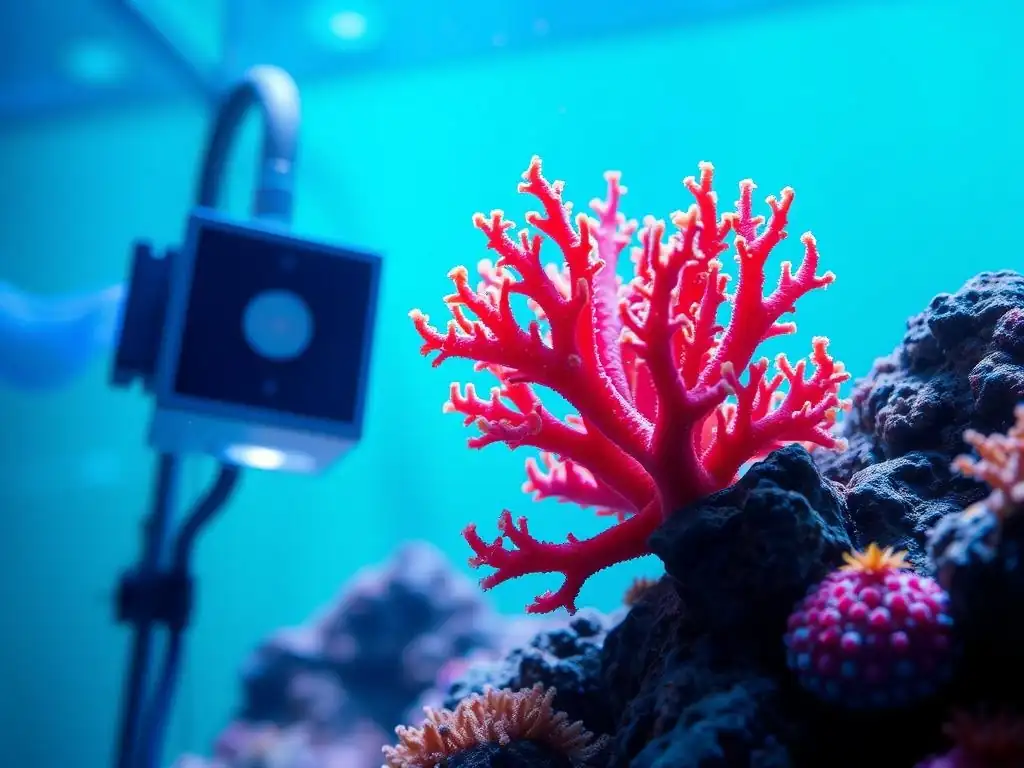
Selecting the correctly sized reef tank chiller is arguably the most critical step in ensuring effective temperature control and maintaining a stable reef tank low temperature. An undersized chiller will struggle to keep up with the heat load, leading to continuous operation, higher energy bills, and ultimately, an unstable temperature.
An oversized chiller, while effective, might cycle on and off too frequently, potentially leading to minor temperature swings and possibly reducing its lifespan. The "correct" size isn't just about tank volume; it also considers ambient room temperature, the heat output from lighting (especially metal halides or older LEDs), pumps, and powerheads, and the desired temperature drop.
A common rule of thumb is to calculate the total water volume of your display tank plus your sump. Chiller manufacturers typically rate their units in terms of "horsepower" (HP) or by the maximum tank volume they can cool effectively, often with a specified temperature drop (e.g., cooling a 100-gallon tank by 10°F).
For instance, a 1/10 HP chiller might be suitable for a 50-75 gallon tank, while a 1/4 HP unit could handle 120-180 gallons. If your tank has very powerful lighting (e.g., 600W of T5s or metal halides) or if your room temperature frequently exceeds 80°F (26.7°C), it's often prudent to size up by one increment to ensure the chiller can consistently maintain your desired reef tank low temperature without overworking.
Key Features to Look for in a Reef Tank Chiller
When investing in a reef tank chiller, several key features should be carefully considered beyond just cooling capacity. These features directly impact the chiller's performance, energy efficiency, noise level, and overall reliability, all of which contribute to its effectiveness in maintaining a consistent reef tank low temperature. Prioritizing these aspects will ensure you select a unit that not only cools your tank but does so efficiently and without becoming a nuisance.
Temperature Control Accuracy
The ability of a reef tank chiller to maintain a precise and stable temperature is paramount for coral health. Look for units that offer a high degree of temperature control accuracy, ideally within +/- 0.5°F (0.28°C) or even +/- 0.2°F (0.1°C) of your set point. This precision is typically achieved through a high-quality digital thermostat and a reliable temperature probe.
Some advanced chillers also feature micro-computer control, which allows for finer adjustments and more stable temperature maintenance, preventing sudden swings that can stress sensitive corals. A chiller that consistently maintains your desired reef tank low temperature without significant fluctuations is a cornerstone of a healthy reef.
Energy Efficiency
Given that chillers can be one of the most energy-intensive pieces of aquarium equipment, their energy efficiency is a crucial consideration for long-term operating costs. Look for chillers that boast high efficiency ratings, often indicated by their wattage consumption relative to their cooling capacity. Models with titanium heat exchangers are generally more efficient at transferring heat.
Additionally, chillers that cycle on and off precisely and only when needed, rather than running continuously, will consume less power. Investing in an energy-efficient model might have a higher upfront cost, but the savings on your electricity bill over several years can be substantial, making it a wise long-term decision for maintaining your reef tank low temperature.
Noise Level
The operational noise of a reef tank chiller can be a significant factor, especially if your aquarium is located in a living area. Chillers contain compressors and cooling fans, both of which generate sound. Manufacturers often provide noise ratings in decibels (dB).
Look for units advertised as "quiet" or "low-noise," typically below 50 dB, if noise is a concern. While no chiller will be completely silent, some modern designs incorporate advanced dampening technologies and quieter components to minimize sound output. Reading user reviews for real-world noise experiences can be very helpful, as a constantly humming chiller can detract from the peaceful enjoyment of your reef tank low temperature environment.
Reliability and Durability
A reef tank chiller is a significant investment, and its reliability and durability are essential for continuous, worry-free operation. Look for models from reputable manufacturers known for producing high-quality aquarium equipment. Key indicators of durability include the use of corrosion-resistant materials, particularly for the heat exchanger (titanium is highly preferred for saltwater applications), and robust compressor designs.
A strong warranty (e.g., 2-5 years on the compressor) can also be a good indicator of a manufacturer's confidence in their product's longevity. A durable chiller means fewer breakdowns and consistent maintenance of your desired reef tank low temperature, protecting your valuable livestock.
Reef Tank Chiller Placement and Installation Tips
Proper placement and installation are critical for maximizing the efficiency and lifespan of your reef tank chiller while ensuring it effectively maintains a stable reef tank low temperature. Incorrect setup can lead to reduced cooling capacity, increased energy consumption, and premature failure. Thoughtful planning before installation can save time and prevent potential headaches down the line.
Firstly, ensure the chiller is placed in a well-ventilated area. Chillers dissipate heat into the surrounding air, so they require adequate airflow around all sides, particularly where the fan exhaust and air intake vents are located. Placing a chiller inside a cramped, enclosed cabinet without proper ventilation will cause it to overheat, reduce its cooling efficiency, and potentially shorten its lifespan.
It's often recommended to leave at least 6-12 inches of clearance around the unit. Secondly, consider the plumbing. Most chillers require an external pump to circulate water through them.
Ensure the pump is appropriately sized for the chiller's flow rate requirements, as an underpowered pump will reduce cooling efficiency, and an overpowered one could damage the unit or cause excessive noise. Use appropriately sized tubing (typically 1/2" or 3/4" ID) and secure all connections with hose clamps to prevent leaks. Finally, position the chiller as close to the sump or tank as practical to minimize plumbing runs, which reduces head pressure on the pump and improves overall efficiency in maintaining a consistent reef tank low temperature.
Top Reef Tank Chiller Reviews: Our Expert Picks
Aqua Logic Delta Star Chiller: Detailed Review and Performance Analysis
The Aqua Logic Delta Star series represents a premium choice in reef tank chillers, renowned for its robust construction, exceptional reliability, and powerful cooling capabilities. These chillers are built with commercial-grade components, including a durable titanium heat exchanger, making them highly resistant to corrosion in saltwater environments. Available in a wide range of sizes, from 1/6 HP suitable for smaller systems to 1 HP and larger for massive aquariums, the Delta Star units are designed to handle significant heat loads and provide rapid pull-down of water temperature.
In terms of performance, the Aqua Logic Delta Star chillers consistently deliver precise temperature control, often maintaining the set reef tank low temperature within a narrow 0.1-0.2°F margin. Users frequently report their ability to quickly cool down tanks and then efficiently maintain that temperature with minimal cycling.
While they tend to be on the higher end of the price spectrum, their energy efficiency and long lifespan often offset the initial investment. Noise levels are generally moderate for their cooling capacity, and the overall build quality inspires confidence, making them a top-tier choice for serious aquarists seeking long-term, reliable temperature management for their valuable reef systems.
TECO TK-500 Chiller: Detailed Review and Performance Analysis
The TECO TK-500 Chiller is a popular choice among reef aquarists for its combination of sleek design, integrated features, and solid cooling performance, particularly for medium-sized tanks up to approximately 130 gallons. This unit stands out with its innovative "Teca-Connect" system, which often includes a built-in heater and UV sterilizer (depending on the model variant), offering an all-in-one temperature control solution. The TK-500 features a durable titanium heat exchanger and a user-friendly digital thermostat for precise temperature settings.
Performance-wise, the TK-500 is highly effective at maintaining a stable reef tank low temperature. It boasts a good cooling capacity for its footprint, capable of dropping water temperatures by several degrees within a few hours for a 100-gallon system. Users appreciate its relatively compact size and modern aesthetics. While the noise level is noticeable when the compressor engages, it is generally considered acceptable for most home environments. The integrated features, especially the heater, provide a convenient solution for maintaining consistent thermal stability year-round, making the TECO TK-500 a versatile and reliable option for many reef keepers.
JBJ Arctica Titanium Chiller: Detailed Review and Performance Analysis
The JBJ Arctica Titanium Chiller series has long been a staple in the reef aquarium hobby, revered for its robust construction, efficient cooling, and a reputation for long-term reliability. These chillers are specifically designed for saltwater use, featuring a high-quality titanium heat exchanger that is highly resistant to corrosion, ensuring durability and efficient heat transfer over years of operation. Available in various sizes, from 1/10 HP for smaller tanks to 1 HP for very large systems, the Arctica chillers cater to a wide range of aquarium volumes.
In terms of performance, the JBJ Arctica chillers are known for their consistent and precise temperature control. They are capable of quickly pulling down the water temperature and then maintaining the set reef tank low temperature with minimal fluctuations, often within +/- 0.5°F. Their energy efficiency is generally good, and while the compressor does produce some noise, it is typically within acceptable levels for a home environment. The solid build quality and proven track record make the JBJ Arctica a highly trusted choice for reef aquarists who prioritize reliability and effective temperature management to protect their sensitive coral inhabitants.
Comparison Table: Top Chiller Models at a Glance
| Chiller Model | Typical Tank Size (Gallons) | Horsepower (HP) | Heat Exchanger Material | Noteworthy Features | Pros | Cons |
|---|---|---|---|---|---|---|
| Aqua Logic Delta Star | 50 - 500+ | 1/6 - 1+ | Titanium | Commercial-grade components, precise control | Exceptional reliability, powerful cooling, very precise temperature maintenance | Higher price point, potentially larger footprint, moderate noise |
| TECO TK-500 | 50 - 130 | 1/8 | Titanium | Integrated heater/UV (select models), digital display | All-in-one solution, sleek design, good performance for size, user-friendly | Noise can be noticeable, limited capacity for very large tanks, higher cost if all features not needed |
| JBJ Arctica Titanium | 40 - 300+ | 1/10 - 1 | Titanium | Durable construction, proven reliability | Highly reliable, efficient cooling, good temperature stability, wide range of sizes | Moderate noise, somewhat basic controls compared to more advanced units |
Maintaining Your Reef Tank Chiller for Optimal Performance
Regular Chiller Cleaning and Maintenance Procedures
Regular cleaning and maintenance are crucial for ensuring your reef tank chiller operates at peak efficiency, maintains a consistent reef tank low temperature, and has a long lifespan. Neglecting these procedures can lead to reduced cooling capacity, increased energy consumption, and potential breakdowns. The good news is that most chiller maintenance tasks are straightforward and can be incorporated into your routine aquarium upkeep.
The most frequent task involves cleaning the air filter and condenser coils. Much like an air conditioner, chillers pull in ambient air to dissipate heat, and this air often contains dust, pet hair, and other debris that can clog the cooling fins. A clogged filter or dusty coils severely impede heat exchange, forcing the compressor to work harder and less efficiently. It is recommended to clean the air filter monthly, either by rinsing it with water or vacuuming it.
The condenser coils, visible behind the filter, should be gently brushed or vacuumed every few months to remove accumulated dust. Additionally, periodically check all plumbing connections for any signs of leaks or wear and ensure the water flow through the chiller remains unobstructed. Regularly performing these simple steps will significantly contribute to the chiller's ability to consistently maintain your desired reef tank low temperature.
Troubleshooting Common Chiller Issues
Even with regular maintenance, reef tank chillers can occasionally encounter issues. Knowing how to troubleshoot common problems can help you quickly diagnose and resolve them, minimizing downtime and ensuring your reef tank low temperature remains stable. Many issues are minor and can be fixed without professional assistance.
One common problem is the chiller running continuously but not cooling effectively. This often points to a clogged air filter or dirty condenser coils, as mentioned previously. Another possibility is insufficient water flow; check your pump for blockages or ensure it's adequately sized for the chiller's flow rate requirements.
If the chiller cycles on and off too frequently, it might be oversized for the tank, or the temperature probe might be improperly placed or faulty. Ensure the probe is positioned in an area with good water flow and away from direct light or powerhead output.
If the chiller doesn't turn on at all, first check the power supply, circuit breaker, and the chiller's internal fuse. If these basic checks don't resolve the issue, and the chiller is still not maintaining your reef tank low temperature, it might indicate a more serious internal component failure, such as a faulty thermostat, compressor, or refrigerant leak, which would require professional repair or replacement.
Extending the Lifespan of Your Reef Tank Chiller
Extending the lifespan of your reef tank chiller not only protects your investment but also ensures consistent and reliable temperature control for your sensitive reef inhabitants. While regular cleaning and maintenance are fundamental, several other practices can significantly contribute to the longevity of the unit and its ability to maintain a stable reef tank low temperature for years to come.
Firstly, ensure the chiller is installed in an environment with stable room temperatures and good ventilation. Extreme ambient heat forces the chiller to work harder, reducing its efficiency and accelerating wear on components. Secondly, never run the chiller dry or without adequate water flow.
Running the pump without water or with severely restricted flow can damage the internal components, particularly the heat exchanger and pump (if integrated). Always ensure proper plumbing and water levels in your sump. Thirdly, avoid frequent power cycling.
While the chiller's thermostat will naturally turn it on and off, avoid manually unplugging and replugging it repeatedly, as this can stress the compressor. Finally, consider using a good quality surge protector to shield the chiller from electrical spikes that could damage its sensitive electronics. By following these guidelines, you can significantly prolong the operational life of your chiller and ensure it continues to provide a crucial reef tank low temperature environment.
Alternatives to Reef Tank Chillers: Exploring Cooling Options
Aquarium Fans: A Budget-Friendly Solution?
Aquarium fans offer a budget-friendly and relatively simple solution for cooling down a reef tank, primarily through evaporative cooling. By blowing air across the water surface, fans accelerate the natural process of evaporation, which in turn removes heat from the water. This method can effectively lower the water temperature by a few degrees, typically 2-4°F (1-2°C), depending on the ambient humidity and fan strength. They are easy to install, often simply clipping onto the rim of the tank or sump, and consume very little power compared to a dedicated chiller.
While fans can be a viable option for small tanks or for temporary relief during mild heat spikes, they come with significant limitations. Their cooling capacity is directly tied to the rate of evaporation; thus, in high-humidity environments, their effectiveness is greatly reduced. More importantly, increased evaporation necessitates more frequent top-offs to maintain stable salinity and water levels.
This can become burdensome for larger tanks and introduces the risk of salinity swings if not managed meticulously. For maintaining a precise and consistent reef tank low temperature, especially in tanks with sensitive corals, fans often fall short due to their limited cooling power and the associated evaporation issues.
Evaporative Cooling: Effectiveness and Limitations
Evaporative cooling is the fundamental principle behind how aquarium fans reduce water temperature. It works on the premise that when water changes from a liquid to a gas (evaporates), it absorbs latent heat from its surroundings, thereby cooling the remaining liquid. This natural process is always occurring in an open-top aquarium, but fans amplify it by increasing air movement across the water surface, facilitating more rapid evaporation and thus more significant heat removal. This method is most effective in environments with low humidity, where the air can readily absorb more moisture.
However, the effectiveness of evaporative cooling is inherently limited by several factors. As humidity increases, the air's capacity to absorb more water vapor decreases, significantly reducing the cooling potential. In humid climates, evaporative cooling may only offer a marginal temperature drop, perhaps 1-2°F.
Furthermore, the increased evaporation rate demands frequent replenishment of freshwater to maintain stable salinity, often requiring an auto top-off (ATO) system. Without consistent top-offs, salinity can dangerously fluctuate, stressing corals and other inhabitants. While a useful supplementary cooling method or a temporary fix, evaporative cooling alone is generally insufficient for consistently maintaining a precise reef tank low temperature in most established reef aquariums, especially those with high heat loads.
Deep Water Changes: A Temporary Temperature Fix
Performing a deep water change using cooler, pre-mixed saltwater can offer a temporary solution to reduce reef tank temperatures during a heat spike. By replacing a significant portion of the warm aquarium water with cooler water, the overall temperature of the tank can be brought down quickly. For instance, replacing 25-30% of a 100-gallon tank's water with water that is 5°F cooler can effectively reduce the tank's temperature by approximately 1-1.5°F. This method can provide immediate relief to stressed corals and is a strategy often employed in emergencies when other cooling methods are unavailable or insufficient.
However, relying on deep water changes as a primary temperature control method comes with significant limitations and risks. Firstly, it is a labor-intensive and time-consuming process, not a sustainable daily solution for maintaining a consistent reef tank low temperature. Secondly, introducing a large volume of water with a different temperature can itself cause a temperature shock to sensitive inhabitants if the difference is too great or if the change is done too rapidly.
While beneficial for bringing down nitrates and replenishing trace elements, frequent large water changes solely for temperature control are not practical or advisable for long-term stability. This method should be considered an emergency measure rather than a routine strategy for managing aquarium temperature.
Achieving Stable Temperatures: A Holistic Approach
Integrating a Chiller with Your Reef Tank Controller
Integrating a reef tank chiller with a comprehensive aquarium controller is the pinnacle of stable temperature management for a reef aquarium. While most chillers come with their own built-in thermostats, a dedicated aquarium controller offers superior precision, advanced programming capabilities, and the ability to monitor and control multiple parameters simultaneously. This integration allows for a more sophisticated approach to maintaining a consistent reef tank low temperature, often within a tighter tolerance than the chiller's standalone thermostat.
When connected to a controller, the chiller's power is routed through a controllable outlet. The controller's high-precision temperature probe, typically more accurate than a standard chiller probe, then dictates when the chiller should turn on and off. This setup allows for setting tighter temperature differentials (e.g., chiller turns on at 78.2°F and off at 78.0°F) and incorporating safety measures, such as alarms for high or low temperatures.
Some advanced controllers can even log temperature data over time, allowing aquarists to identify trends and fine-tune their cooling strategy. This holistic approach ensures optimal conditions for coral health by providing unparalleled stability and responsiveness in maintaining the desired reef tank low temperature.
Monitoring Water Temperature with Reliable Thermometers
Accurate and consistent monitoring of water temperature is non-negotiable for any reef aquarist aiming to maintain a stable reef tank low temperature. Even with a chiller in place, reliable thermometers are essential for verifying the chiller's performance, detecting potential malfunctions, and ensuring the actual water temperature aligns with the desired set point. Relying solely on the chiller's built-in display can be risky, as internal probes can sometimes drift or provide inaccurate readings.
It is highly recommended to use at least two independent thermometers placed in different areas of the aquarium – for example, one in the display tank and one in the sump. This provides a cross-reference and helps identify any potential temperature stratification within the system. High-quality digital thermometers with external probes are generally preferred for their accuracy and ease of reading.
Calibrating these thermometers periodically, if possible, against a known accurate standard can further enhance their reliability. Consistent monitoring allows aquarists to quickly identify any deviations from the target reef tank low temperature, enabling prompt corrective action before stress impacts sensitive corals.
Balancing Temperature with Other Water Parameters
Maintaining a stable reef tank low temperature is crucial, but it's part of a larger ecosystem where all water parameters interact. Achieving optimal coral health requires a holistic approach that balances temperature with other critical parameters such as salinity, alkalinity, calcium, magnesium, and pH. A change in one parameter can often influence others, and understanding these interdependencies is key to long-term success.
For instance, higher temperatures can slightly increase the solubility of calcium carbonate, potentially affecting alkalinity and calcium levels, which are vital for coral calcification. Conversely, the increased evaporation driven by cooling methods like fans can lead to salinity creep if not meticulously managed with an auto top-off system. pH can also be subtly influenced by temperature and the tank's carbon dioxide levels.
Therefore, while a chiller provides excellent control over reef tank low temperature, it's imperative to regularly test and adjust other water parameters to ensure they remain within their optimal ranges. A stable thermal environment provides the foundation, but consistent chemical balance ensures corals can truly thrive, grow, and display their vibrant colors.
Reef Tank Temperature: Preventing Issues and Promoting Growth
Recognizing Signs of Temperature Stress in Coral
Early recognition of temperature stress in corals is crucial for timely intervention and preventing irreversible damage. While coral bleaching (turning white) is the most obvious and severe sign of prolonged high-temperature stress, there are subtler indicators that can appear beforehand. Observing these signs allows aquarists to adjust their reef tank low temperature strategy before significant harm occurs.
One of the initial signs of temperature stress can be a dulling of coral coloration, even before full bleaching. This might manifest as a loss of vibrancy or a slight browning. Corals might also exhibit reduced polyp extension or withdrawal, appearing "unhappy" or shrunken, especially during periods when they would normally be fully expanded.
Some SPS corals might show tissue recession from their bases or tips. Increased mucus production can also be a stress response. If multiple corals in your tank begin to show these symptoms, and your temperature has been at the higher end of the range or fluctuating, it's a strong indicator that your reef tank low temperature needs immediate attention and stabilization to prevent further decline and potential mortality.
Adjusting Chiller Settings for Specific Coral Species
While a general optimal temperature range of 76-82°F (24.4-27.8°C) applies to most reef corals, fine-tuning your chiller settings for specific coral species can further optimize their health, growth, and coloration. Different types of corals have evolved in slightly varied thermal niches in the wild, and replicating these preferences in the aquarium can lead to superior results. This nuanced approach helps maintain a reef tank low temperature perfectly tailored to your tank's inhabitants.
For example, many Small Polyp Stony (SPS) corals, such as Acropora and Montipora, often thrive at the lower end of the spectrum, typically between 76-78°F (24.4-25.6°C). Maintaining this slightly cooler reef tank low temperature can promote denser growth, better coloration, and reduce the risk of RTN (Rapid Tissue Necrosis) or STN (Slow Tissue Necrosis). On the other hand, some Large Polyp Stony (LPS) corals, like Duncanopsammia or Euphyllia, might be more tolerant of temperatures up to 80-81°F (26.7-27.2°C).
If your tank is dominated by a particular type of coral, research their specific thermal preferences and adjust your chiller's set point accordingly. The goal is to find a stable temperature that caters to the majority or most sensitive inhabitants, ensuring their long-term well-being.
Long-Term Benefits of Maintaining Consistent Temperatures
The long-term benefits of consistently maintaining a stable reef tank low temperature extend far beyond simply preventing bleaching; they form the bedrock of a thriving, resilient, and visually stunning reef aquarium. This unwavering thermal stability minimizes chronic stress on corals and other invertebrates, allowing them to allocate their energy resources towards vital biological processes rather than merely surviving.
Over months and years, consistent temperatures lead to significantly improved coral growth rates, as calcification processes can proceed uninterrupted. Corals exhibit more vibrant and stable coloration because their symbiotic zooxanthellae are less stressed and function optimally. Disease resistance is also enhanced, as healthy, unstressed corals are far better equipped to fend off pathogens.
Furthermore, consistent temperatures contribute to the overall stability of the entire reef ecosystem, including beneficial bacteria in the biological filter, which also perform optimally within a specific thermal range. Ultimately, a diligently maintained reef tank low temperature translates into a more beautiful, healthier, and robust aquarium that will bring joy and satisfaction to the aquarist for many years.
Frequently Asked Questions
What is the ideal temperature range for a reef tank, and why is it so important?
The ideal temperature for most reef tanks is between 76°F and 82°F. Maintaining this range is crucial because temperature fluctuations can stress corals, leading to bleaching and disease. Stable temperatures promote optimal coral growth and vibrant coloration.
Why is low temperature so critical for reef tank health, especially in the context of coral bleaching?
High temperatures are a primary trigger for coral bleaching. Keeping temperatures consistently low within the ideal range helps prevent corals from expelling their symbiotic algae (zooxanthellae), which is the cause of bleaching. Stable, lower temperatures support the overall health and resilience of the reef ecosystem.
What are the best methods for achieving and maintaining a stable low temperature in a reef tank, especially during warmer months?
The most effective method is using a reef tank chiller, which actively cools the water. Other strategies include using fans to increase evaporation and ensuring adequate ventilation around the tank to prevent heat buildup.
What are some common signs that my reef tank is overheating, and what immediate actions should I take?
Signs of overheating include coral bleaching, increased algae growth, and fish gasping at the surface. Immediately reduce lighting intensity, increase surface agitation, and consider adding ice packs (in a sealed bag) to the sump while you investigate and implement a more permanent cooling solution.
How do I choose the right chiller for my reef tank, considering factors like tank size and climate?
Select a chiller based on your tank volume and ambient temperature. A chiller that's too small won't be effective, while one that's too large can be inefficient. Consult chiller sizing charts and reviews to find a model with the appropriate cooling capacity for your specific needs.
Final Reflection: The Delicate Balance of Reef Life
The intricate dance of life within a reef aquarium hinges on a multitude of factors, but as we've explored, maintaining a stable, low temperature is undeniably paramount. The delicate ecosystems we strive to recreate in our homes are incredibly sensitive, and even slight fluctuations can have devastating consequences. Understanding and implementing effective cooling solutions is not just about keeping our corals alive; it's about fostering thriving, vibrant underwater worlds.
This journey into reef tank temperature control has underscored the profound responsibility we bear as aquarists. It's a constant reminder that we are stewards of these miniature ecosystems, and our actions directly impact their well-being. The pursuit of the perfect reef tank is a continuous learning process, demanding patience, diligence, and a deep respect for the life we are entrusted to care for. In the end, we will conserve only what we love; we will love only what we understand; and we will understand only what we are taught.
- Baba Dioum. This quote perfectly encapsulates the spirit of reef keeping: understanding leads to love, and love compels us to protect.
Now, armed with the knowledge of chiller options and temperature management techniques, I encourage you to reflect on your own reef keeping practices. Are you truly providing the stable, low temperature environment your corals need to flourish? Take the time to assess your current setup, consider the recommendations outlined in this guide, and commit to creating a reef tank where life not only survives, but thrives. The beauty and wonder of a healthy reef are well worth the effort.
Dive Deeper: Supercharge Your Reef Tank's Potential!
Thank you for exploring the vital role of temperature control in reef tank ecosystems! You've unlocked insights into chiller selection and maintenance for optimal coral health. Now, let’s turn that knowledge into action and elevate your reefing game.
Here are a few things you can do right now:
- Calculate your tank's precise BTU needs using our exclusive online calculator (available on AquariumMastery.com) to ensure you select the perfect chiller size and maximize energy efficiency.
- Explore alternative cooling methods! Experiment with aquarium fans and strategically placed ice bottles to fine-tune your tank's temperature regulation while reducing reliance on a chiller.
- Share your own chiller setup success stories (and challenges!) in the Aquarium Mastery community forum. Let's learn from each other's experiences!
What unexpected benefits have you observed in your reef tank since implementing better temperature control?