
Overfeeding Your Catfish: Dangers and How to Avoid Them

Welcome to Aquarium Mastery!
Ever wondered if you're unintentionally harming your whiskered friend? Our article dives deep into the often-overlooked dangers of Catfish overfeeding problems solution. Discover the subtle signs, potential health complications, and, most importantly, how to ensure your bottom-dweller thrives. Ready to unlock the secrets to a healthy, happy catfish? Let's dive in!
- Understanding Catfish Dietary Needs for Optimal Health
- The Dangers of Overfeeding Catfish in Your Aquarium
- Identifying Catfish Overfeeding Problems in Your Aquarium
- Catfish Overfeeding Problems Solution: Practical Strategies
- Preventing Overfeeding: Proactive Measures for a Healthy Aquarium
- Choosing the Right Foods to Prevent Overfeeding Issues
- Catfish Feeding Guide: Preventing Overfeeding by Species
- Addressing Existing Overfeeding Problems: A Step-by-Step Guide
- Maintaining a Healthy Aquarium Ecosystem: Long-Term Prevention of Overfeeding
- Frequently Asked Questions
- Final Reflection: Protecting Our Aquatic Companions
- Unlock Your Catfish's Full Potential!
Understanding Catfish Dietary Needs for Optimal Health
The Unique Nutritional Requirements of Different Catfish Species
Catfish, a diverse group of freshwater fish, exhibit a wide range of dietary preferences that are crucial to understand for their optimal health and to prevent catfish overfeeding problems solution scenarios. For instance, many Pleco species (e.g., Bristlenose Plecos, Common Plecos) are primarily herbivorous, relying heavily on algae and plant matter, with some even needing to rasp on driftwood for lignins. Their digestive systems are adapted for high-fiber diets, and excessive protein can lead to severe health issues.
In contrast, Corydoras catfish are omnivorous scavengers, thriving on a mix of plant matter, small invertebrates, and detritus found on the substrate. Otocinclus catfish are almost exclusively algivores, feeding on diatoms and soft algae films. Recognizing these specific needs is the first step in tailoring a diet that supports their natural behaviors and prevents the common pitfalls associated with overfeeding, which often stems from a misunderstanding of their true dietary requirements.
How Much Food Does Your Catfish Really Need?
Determining the correct food quantity for your catfish is paramount to avoiding overfeeding. Unlike many top-dwelling fish that readily consume food from the surface, most catfish are bottom dwellers and often feed more slowly, typically at night. A common guideline is to provide only as much food as your catfish can consume within 5 to 10 minutes. For nocturnal species like many Plecos, feeding just before lights out is ideal, allowing them to forage without competition from more active daytime fish.
It's often safer to underfeed slightly than to overfeed. Excess food not only goes to waste but also rapidly degrades water quality, setting the stage for serious catfish overfeeding problems solution issues. Factors such as the catfish's size, age, activity level, and the presence of other tank inhabitants (which may compete for food) all influence the precise amount required. Regular observation of your fish's body condition and feeding habits is essential for fine-tuning their diet.
The Dangers of Overfeeding Catfish in Your Aquarium
Water Quality Degradation: A Direct Result of Overfeeding
Overfeeding is a primary culprit behind deteriorating water quality in aquariums, directly leading to catfish overfeeding problems solution needs. Uneaten food quickly decomposes, releasing a cascade of harmful compounds into the water. This process begins with the breakdown of organic matter into ammonia, which is highly toxic to fish, even in small concentrations. The beneficial bacteria in the aquarium's biological filter convert ammonia into nitrite, another equally dangerous compound.
While nitrite is eventually converted into less toxic nitrate, excessive overfeeding can overwhelm the biological filter, leading to persistent high levels of ammonia and nitrite. Even elevated nitrates, though less immediately lethal, can stress fish, suppress their immune systems, and contribute to other long-term health problems. A tank with poor water quality due to overfeeding becomes a breeding ground for stress-related illnesses and significantly reduces the lifespan of its inhabitants.
Increased Risk of Algae Blooms Due to Excess Nutrients
A direct consequence of water quality degradation from overfeeding is the proliferation of unsightly and problematic algae blooms. The decaying uneaten food and fish waste release a surplus of nitrates and phosphates, which act as primary fertilizers for various types of algae, including green spot algae, hair algae, and even nuisance black beard algae. These excess nutrients create an ideal environment for rapid algae growth, turning a clear aquarium into a murky, green, or otherwise discolored mess.
Beyond the aesthetic concerns, severe algae blooms can pose a threat to the aquarium ecosystem. During the night, algae consume oxygen, potentially depleting the water's oxygen levels to dangerous lows, especially in heavily planted tanks or those with high bioloads. This oxygen depletion can stress fish, leading to gasping at the surface and, in severe cases, suffocation. Addressing this requires a comprehensive catfish overfeeding problems solution that includes nutrient control.
Catfish Health Problems Caused by Overeating
Obesity in Catfish: Symptoms and Consequences
Just like humans, catfish can suffer from obesity when overfed, leading to significant health complications. Symptoms of an obese catfish often include a noticeably bulging belly, a general lethargy, reduced swimming activity, and sometimes even a loss of their natural coloration. For instance, a Pleco that becomes too fat may struggle to move effectively or even float awkwardly.
The consequences of obesity in catfish are severe and often irreversible. Excess fat can accumulate around internal organs, leading to fatty liver disease, kidney failure, and other organ damage. This internal stress significantly shortens their lifespan and makes them more susceptible to other illnesses. A lean, active catfish is a healthy catfish, underscoring the importance of precise feeding to avoid this common catfish overfeeding problems solution.
Digestive Issues and Bloat in Overfed Catfish
Overfeeding, especially with inappropriate foods, frequently leads to digestive issues and bloat in catfish. When fish consume more food than their digestive system can process efficiently, the food can ferment in their gut, producing excessive gas. This gas accumulation causes the fish's abdomen to swell, a condition known as bloat. Symptoms include a distended belly, difficulty swimming or maintaining buoyancy, and sometimes stringy, white feces indicating intestinal distress.
For herbivorous species like many Plecos, a diet too rich in protein and low in fiber can be particularly detrimental, as their digestive tracts are not designed to process such dense nutrients. This can lead to severe constipation, intestinal blockages, and ultimately, fatal bloat. Understanding and preventing these internal issues is a critical aspect of any effective catfish overfeeding problems solution.
Increased Susceptibility to Diseases in Overfed Environments
The combination of poor water quality and internal stress from overeating significantly weakens a catfish's immune system, making them highly susceptible to various diseases. Fish living in tanks with elevated ammonia, nitrite, or nitrate levels are constantly under stress, which compromises their natural defenses against pathogens. For example, a common bacterial infection like fin rot or columnaris often strikes fish that are stressed by suboptimal water conditions.
Furthermore, an overfed catfish with a compromised digestive system is less able to fight off internal parasites or bacterial infections. This creates a vicious cycle where overfeeding leads to poor water and poor health, which in turn makes the fish vulnerable to a range of illnesses, from fungal infections to parasitic infestations. Addressing the root cause – overfeeding – is therefore a crucial catfish overfeeding problems solution for maintaining a robust and disease-resistant aquarium population.
Identifying Catfish Overfeeding Problems in Your Aquarium
Recognizing the Signs of Overfeeding in Your Catfish
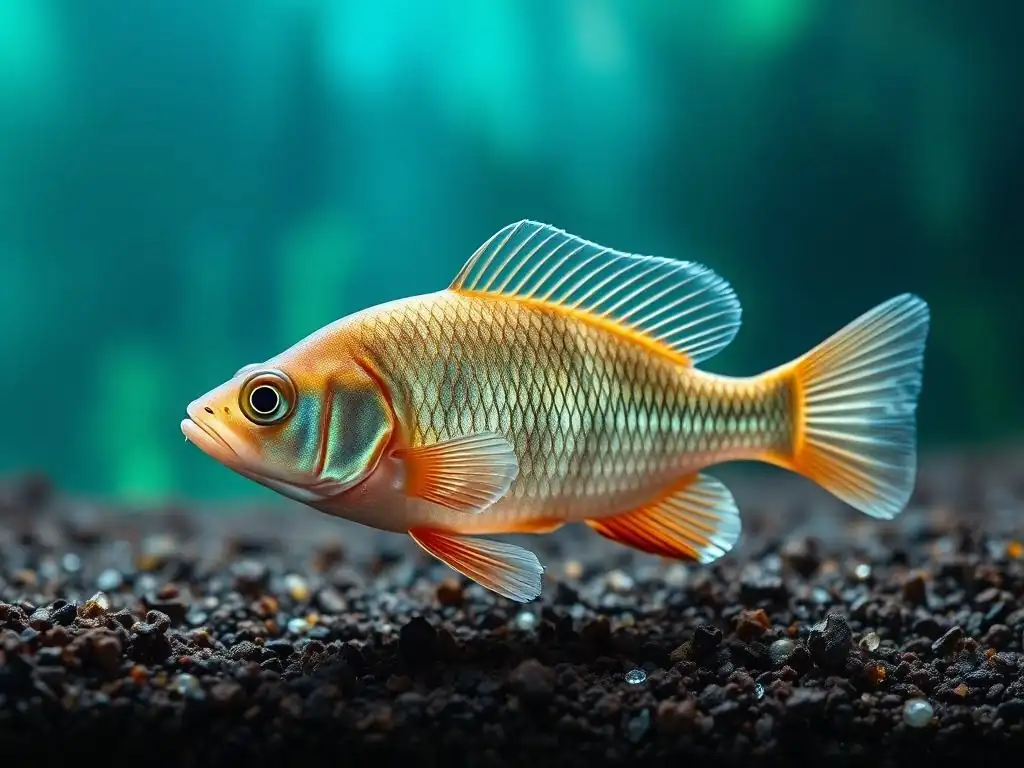
Observing your catfish closely for behavioral and physical changes is key to identifying overfeeding. One of the most common signs is lethargy; an overfed catfish might become less active, spending more time hiding or remaining still. Paradoxically, an overfed fish might also exhibit a reduced appetite, refusing food even when offered, as their digestive system is already overwhelmed. Physical signs can include a noticeably distended or bloated belly, especially in species like Corydoras, or faded coloration due to stress.
In some cases, the presence of stringy, white feces can indicate internal digestive distress, often a result of an inappropriate diet or excessive food intake. While these signs can also point to other health issues, when combined with other indicators of overfeeding, they strongly suggest the need for a catfish overfeeding problems solution. Consistent observation helps differentiate between normal behavior and signs of distress.
Observing Uneaten Food and Detritus Accumulation
The most direct and undeniable sign of overfeeding is the presence of uneaten food lingering on the substrate or floating in the water column long after feeding. If food remains visible after 5 to 10 minutes (or longer for slow-eating, nocturnal species), you are almost certainly providing too much. This excess food quickly begins to decompose, forming a layer of unsightly detritus and mulm on the gravel or sand.
Beyond visible food, a general accumulation of dark, murky debris on the substrate, especially in low-flow areas, is a strong indicator of an excessive organic load, often from overfeeding. This detritus not only looks unappealing but also serves as a continuous source of ammonia and nitrate as it breaks down, necessitating an immediate catfish overfeeding problems solution to prevent severe water quality issues.
Monitoring Water Parameters for Imbalances
Regular and accurate testing of your aquarium's water parameters is indispensable for detecting catfish overfeeding problems solution early. Elevated levels of ammonia (ideally 0 ppm) and nitrite (ideally 0 ppm) are immediate red flags, indicating that the biological filter is overwhelmed, often by an excessive organic load from overfeeding. Even if ammonia and nitrite are zero, consistently high nitrate levels (above 20-40 ppm, depending on the species and planting) suggest an accumulation of organic waste that the filter cannot fully process out of the system without water changes.
Additionally, a sudden or consistent drop in pH can occur as decaying organic matter acidifies the water. Using a reliable liquid test kit for ammonia, nitrite, nitrate, and pH at least once a week provides objective data that can confirm suspicions of overfeeding and guide your efforts to restore a healthy aquatic environment.
Catfish Overfeeding Problems Solution: Practical Strategies
Calculating the Right Amount of Food for Your Catfish
The most effective catfish overfeeding problems solution begins with precisely calculating the correct amount of food. Start by offering a very small portion, roughly what your catfish can consume within 5 to 10 minutes. For nocturnal species like many Plecos, this might mean dropping a single algae wafer just before the lights go out. For smaller, active scavengers like Corydoras, a few small sinking pellets are usually sufficient.
Observe closely how quickly the food is consumed. If there's any left after the designated time, reduce the portion next time. It's always better to slightly underfeed than to overfeed, as fish can go without food for a day or two without harm, whereas overfeeding can lead to rapid deterioration of water quality. Adjust portions based on the catfish's size, the number of fish in the tank, and their activity levels.
Establishing a Consistent Feeding Schedule
Establishing a consistent feeding schedule is a simple yet powerful catfish overfeeding problems solution. For most adult catfish, feeding once daily, or even every other day, is often sufficient. Juveniles or rapidly growing fish may require more frequent, smaller meals. Feeding at the same time each day (e.g., just before lights out for nocturnal species) helps regulate their metabolism and prevents them from gorging when food is eventually offered.
Consistency also allows you to better observe their feeding habits and determine if your portions are appropriate. If your catfish appear to be frantically searching for food or are unusually active around feeding time, you might need to slightly increase their portion. Conversely, if they ignore food or leave much behind, it's a clear sign to reduce the amount.
Choosing High-Quality Catfish Food
The quality of food plays a significant role in preventing catfish overfeeding problems solution. Low-quality foods often contain excessive fillers, artificial colors, and ingredients that are not easily digestible by fish. These fillers contribute to more waste and can directly cause digestive issues, even if the quantity fed is seemingly appropriate. Opt for reputable brands that produce species-specific foods.
High-quality catfish foods are formulated with appropriate protein, fiber, and nutrient profiles tailored to the specific dietary needs of various catfish species. For instance, a quality algae wafer for Plecos will have a high fiber content, while a sinking pellet for Corydoras will offer a balanced mix of proteins and plant matter. Better digestibility means less waste, cleaner water, and healthier fish.
Implementing a Varied Diet for Optimal Nutrition
Just like humans, catfish benefit from a varied diet to ensure they receive a full spectrum of nutrients and to prevent boredom. Relying on a single type of food, even a high-quality one, can lead to nutritional deficiencies over time. A comprehensive catfish overfeeding problems solution includes offering a mix of sinking pellets, wafers, frozen foods, and fresh vegetables.
For herbivorous catfish like Plecos, supplementing algae wafers with blanched zucchini, cucumber slices, or shelled peas provides essential vitamins and fiber. Omnivorous catfish like Corydoras can benefit from occasional treats of frozen bloodworms or brine shrimp in addition to their staple pellets. This varied approach not only enhances their health and vitality but also mimics their natural foraging behaviors, making for more engaged and robust fish.
Preventing Overfeeding: Proactive Measures for a Healthy Aquarium
Regular Water Changes to Mitigate Overfeeding Effects
Regular water changes are a cornerstone of maintaining a healthy aquarium and are crucial in any catfish overfeeding problems solution strategy. Even with careful feeding, organic waste will accumulate over time. Performing weekly partial water changes (typically 20-30% of the tank volume) helps dilute and remove accumulated nitrates, phosphates, and other dissolved organic compounds that contribute to poor water quality and algae growth.
For tanks that have experienced overfeeding or have a high bioload, more frequent or larger water changes may be necessary initially to bring parameters back into safe ranges. Always use dechlorinated water that matches the temperature of your aquarium water to avoid shocking your fish. Consistent water changes are vital for maintaining a stable, healthy environment for your catfish.
Efficient Filtration Systems for Nutrient Removal
An efficient and appropriately sized filtration system is a key component in preventing catfish overfeeding problems solution by effectively managing waste. A robust filter should incorporate three types of filtration: mechanical, biological, and chemical. Mechanical filtration (e.g., sponges, filter floss) physically removes particulate matter like uneaten food and detritus, preventing it from breaking down.
Biological filtration, provided by media like ceramic rings or bio-balls, houses beneficial bacteria that convert toxic ammonia and nitrite into less harmful nitrate. Chemical filtration, such as activated carbon or specialized resins, removes dissolved organic compounds, odors, and certain pollutants that contribute to water cloudiness and nutrient buildup. Ensuring your filter is clean and functioning optimally is essential for maintaining pristine water quality.
Introducing Algae Eaters to Control Algae Growth
While not a direct catfish overfeeding problems solution for the fish themselves, introducing compatible algae-eating species can be a supplementary measure to control algae growth fueled by excess nutrients from overfeeding. Certain species of snails (e.g., Nerite snails) or other small, peaceful algae-eating fish (e.g., Otocinclus catfish, if not already the primary catfish species) can help keep algae in check.
It's important to choose species that are suitable for your tank size and existing fish population and to understand that they are not a substitute for proper feeding and maintenance. They can assist in consuming the algae that results from overfeeding, but they cannot address the underlying water quality issues or the health problems of the overfed catfish themselves.
Regularly Test Your Water Parameters
Regular testing of your aquarium's water parameters is a non-negotiable proactive measure for preventing and addressing catfish overfeeding problems solution. Using a reliable liquid test kit to monitor ammonia, nitrite, nitrate, and pH levels at least once a week provides an objective snapshot of your tank's health. Consistent readings of 0 ppm ammonia and nitrite, along with nitrates below 20-40 ppm (depending on tank setup and species), indicate a healthy, stable environment.
If tests reveal elevated levels, particularly of ammonia or nitrite, it's a clear signal that something is amiss, often due to overfeeding or an overwhelmed biological filter. Regular testing allows for early detection of imbalances, enabling you to take corrective action – such as reducing food portions or increasing water changes – before minor issues escalate into major crises.
Choosing the Right Foods to Prevent Overfeeding Issues
Sinking Pellets vs. Wafers: The Best Options for Catfish
For most catfish, which are bottom dwellers, sinking foods are essential to ensure they receive adequate nutrition and to prevent catfish overfeeding problems solution. Floating flakes or pellets designed for surface feeders will often be consumed by other tank inhabitants before they reach the substrate, leaving your catfish hungry and encouraging you to add more food, leading to overfeeding for the entire tank.
Sinking pellets are generally denser and are suitable for larger catfish or those that consume food quickly. Sinking wafers, often softer and disc-shaped, are excellent for smaller species or those that rasp their food, like many Plecos. Ensure the food reaches the bottom before other fish can devour it; sometimes, targeting the food near a catfish's hiding spot or feeding after lights out can help.
Understanding Protein and Fiber Content in Catfish Food
Understanding the specific protein and fiber requirements of your catfish species is crucial for selecting the right food and preventing catfish overfeeding problems solution. Herbivorous catfish, such as many Pleco species and Otocinclus, require a diet very high in fiber (e.g., 20-30% or more) and relatively low in protein (e.g., 10-20%). Feeding them foods too rich in protein can lead to severe digestive issues, including bloat and fatty liver disease.
Conversely, omnivorous or carnivorous catfish, such as Corydoras or Pictus Catfish, need a more balanced diet with higher protein content (e.g., 30-45%). Always read food labels carefully to ensure the nutritional profile aligns with your catfish's natural diet. Providing species-appropriate nutrition is fundamental to their long-term health and vitality.
Supplementing Your Catfish Diet with Vegetables
Supplementing your catfish's diet with fresh vegetables is an excellent way to provide essential vitamins, minerals, and fiber, particularly for herbivorous species, and can be a component of a comprehensive catfish overfeeding problems solution. Blanched zucchini slices, cucumber, shelled peas, and spinach are popular and highly beneficial options. Blanching softens the vegetables, making them easier for catfish to consume and helping them sink.
Attach vegetables to an aquarium clip or weigh them down to ensure they reach the bottom. Always remove any uneaten vegetable matter within 24 hours to prevent it from decaying and fouling the water. This supplementation not only enhances their nutrition but also provides enrichment, mimicking natural foraging behaviors and contributing to a more robust and healthy fish.
Catfish Feeding Guide: Preventing Overfeeding by Species
Feeding Plecos and Algae Eaters: A Specialized Approach
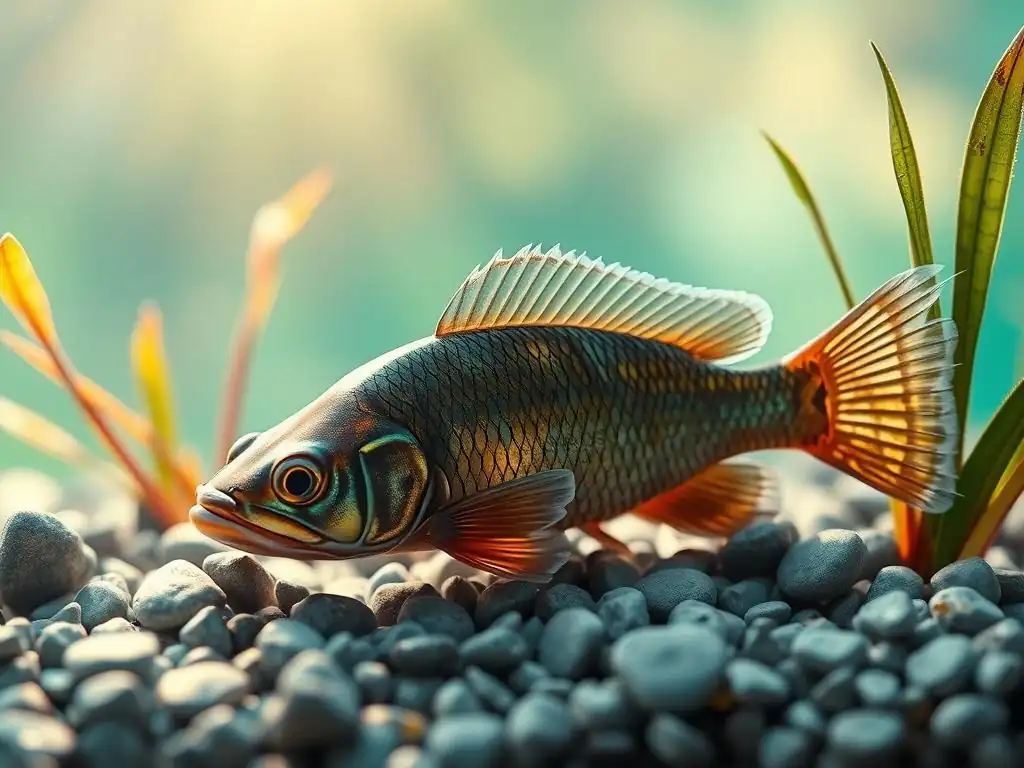
Plecos and other dedicated algae eaters, such as Bristlenose Plecos, are primarily herbivorous and require a specialized diet to prevent catfish overfeeding problems solution. Their main diet should consist of high-quality algae wafers or sinking pellets specifically formulated for herbivorous bottom feeders, rich in vegetable matter and fiber. For instance, a mature Common Pleco might consume 1-2 large algae wafers daily, while a smaller Bristlenose might need only half a wafer.
Supplement their diet regularly with blanched fresh vegetables like zucchini slices, cucumber, or green beans. Many Pleco species also benefit from having a piece of bogwood in the aquarium to rasp on, as it provides essential lignins and aids in digestion. Feed them primarily at night, as most Plecos are nocturnal, ensuring the food reaches them without being consumed by other tank inhabitants.
Feeding Corydoras Catfish: Bottom-Dwelling Scavengers
Corydoras catfish are highly popular, peaceful bottom dwellers that are omnivorous scavengers. To avoid catfish overfeeding problems solution with Corydoras, their diet should consist of small, sinking pellets or wafers specifically designed for bottom feeders. These should be small enough for their mouths and sink quickly to prevent other fish from eating them. A group of six adult Corydoras might need 4-6 small pellets daily.
Supplement their staple diet with occasional offerings of frozen or freeze-dried foods like bloodworms, brine shrimp, or daphnia. Ensure the food reaches the substrate where they can easily find and consume it. Corydoras are constantly sifting through the substrate, so a clean substrate (achieved through regular gravel vacuuming) is also important for their health and feeding efficiency.
Feeding Otocinclus Catfish: Dedicated Algae Consumers
Otocinclus catfish are small, dedicated algae consumers and require a careful feeding approach to prevent catfish overfeeding problems solution, especially since they are easily outcompeted for food. In a well-established, mature aquarium with a steady supply of natural algae, they might require minimal supplementation. However, in newer tanks or those with limited algae growth, they need specific feeding.
Their diet should primarily consist of spirulina wafers or blanched soft vegetables like zucchini, cucumber, or spinach. Offer very small pieces, as they are tiny fish. Ensure the food reaches them by placing it in a quiet part of the tank or feeding after lights out. It's crucial to observe their belly condition; a rounded belly indicates they are well-fed, while a sunken belly suggests underfeeding.
Addressing Existing Overfeeding Problems: A Step-by-Step Guide
Reducing Food Portions Gradually
If you suspect or have confirmed catfish overfeeding problems solution in your aquarium, the first and most crucial step is to immediately reduce food portions. Do not stop feeding entirely, as this can stress fish, but cut back significantly, perhaps by 50% for a few days. For example, if you were feeding two algae wafers, reduce to one, or even half, depending on the severity of the issue and the size of your catfish.
Observe your catfish's behavior and the water parameters closely during this adjustment period. The goal is to provide just enough food to sustain them without contributing to further waste. Gradually increase the portion only if necessary, always aiming for minimal uneaten food. This controlled reduction helps normalize their digestive system and reduces the organic load in the tank.
Cleaning the Substrate to Remove Excess Waste
Excess food and detritus accumulate rapidly on the substrate, acting as a continuous source of pollution. A vital step in addressing catfish overfeeding problems solution is to thoroughly clean the substrate using an aquarium gravel vacuum. This tool allows you to siphon out uneaten food, fish waste, and other decaying organic matter embedded in the gravel or sand.
Perform a deep clean, focusing on areas where food typically settles or where detritus is visible. For tanks with severe overfeeding issues, this might need to be done daily or every other day initially, alongside partial water changes, until the water parameters stabilize and visible waste is minimized. A clean substrate is fundamental to breaking the cycle of poor water quality.
Performing More Frequent Water Changes Initially
When dealing with existing catfish overfeeding problems solution and resulting poor water quality (e.g., elevated ammonia, nitrite, or nitrate), increasing the frequency and possibly the volume of water changes is paramount. Instead of weekly 20-30% changes, you might need to perform daily or every-other-day partial water changes (e.g., 25-30%) until ammonia and nitrite levels return to 0 ppm and nitrates are significantly reduced.
These frequent water changes rapidly dilute accumulated toxins and remove dissolved organic compounds from the water column, providing immediate relief to stressed fish. Always ensure the new water is dechlorinated and temperature-matched to avoid further stress. This aggressive approach helps to quickly restore a healthier environment for your catfish.
Monitor Catfish Health Closely During Adjustment
During the period of addressing catfish overfeeding problems solution, close and consistent monitoring of your catfish's health is essential. Look for signs of improvement, such as increased activity, improved coloration, clearer eyes, and a reduction in any bloating or abnormal swelling. Conversely, watch for any signs of continued stress or the onset of disease, which might indicate that the water parameters are still not stable or that the fish's immune system is compromised.
Observe their appetite and how they react to the reduced food portions. Are they still showing interest in food, or are they completely refusing it? This ongoing observation allows you to make informed adjustments to your feeding schedule and water change regimen, ensuring that your catfish overfeeding problems solution strategy is effective and tailored to the specific needs of your fish.
Maintaining a Healthy Aquarium Ecosystem: Long-Term Prevention of Overfeeding
Balancing the Bioload in Your Aquarium
A fundamental long-term catfish overfeeding problems solution is to maintain a balanced bioload within your aquarium. The bioload refers to the total amount of living organisms (fish, plants, snails, etc.) and their waste products in the tank. Overcrowding is a common mistake that inherently leads to high waste production, making it difficult for even efficient filtration systems to cope, and naturally exacerbating any overfeeding issues.
A general guideline is to allow at least 1 inch of adult fish per gallon of water, though this varies greatly by species (e.g., a large Pleco needs much more than a small Tetra). Ensure your filtration system is appropriately sized for your tank's bioload. A balanced bioload means that your biological filter can effectively process the waste produced, reducing the likelihood of water quality issues even if minor overfeeding occurs occasionally.
Observing Catfish Behavior and Adjusting Feeding Accordingly
Continuous observation of your catfish's behavior is the most dynamic and effective long-term catfish overfeeding problems solution. Pay close attention to how quickly they consume their food. If food is consistently left uneaten on the substrate after 5-10 minutes, it's a clear signal to reduce the portion. Conversely, if your catfish appear overly frantic or constantly search for food, a slight increase might be warranted.
Observe their body condition: do they look lean and active, or are they sluggish with a bulging belly? Are they exhibiting natural behaviors, or are they hiding excessively? These subtle cues provide invaluable feedback on whether your feeding regimen is appropriate. Adjust your feeding schedule and portions based on these observations, rather than strictly adhering to a fixed schedule.
Document Your Feeding Habits and Observations
For a truly effective and sustainable catfish overfeeding problems solution, consider documenting your feeding habits and observations. Keep a simple log or journal where you note:
- The date and time of feeding.
- The type and exact amount of food given (e.g., "1/2 algae wafer," "3 sinking pellets").
- Any uneaten food observed after a set time.
- Water parameter readings (ammonia, nitrite, nitrate, pH).
- Any changes in your catfish's behavior, appearance, or health.
This documentation allows you to identify patterns over time, such as which foods are preferred, how much food truly leads to clean consumption, and how feeding impacts your water parameters. It provides an objective record that helps you fine-tune your feeding strategy, making it easier to prevent future overfeeding problems and maintain a thriving aquarium ecosystem.
Frequently Asked Questions
What are the signs of catfish overfeeding?
Signs can include a bloated belly, lethargy, and food remaining uneaten at the bottom of the tank. This can also lead to poor water quality.
Why is overfeeding particularly dangerous for catfish?
Catfish are often bottom feeders, so uneaten food accumulates quickly, leading to ammonia spikes and bacterial blooms, which are harmful.
How often should I feed my catfish?
Generally, feeding catfish once a day or even every other day is sufficient. Observe their feeding behavior and adjust accordingly.
What type of food is best to avoid overfeeding problems?
Choose high-quality sinking pellets or wafers specifically designed for catfish. Avoid overfeeding with flake food, which disperses easily.
How can I improve water quality if I suspect overfeeding is occurring?
Perform a partial water change, vacuum the substrate thoroughly, and consider adding beneficial bacteria to help break down excess waste.
Final Reflection: Protecting Our Aquatic Companions
The dangers of overfeeding catfish, as we've explored, are not merely hypothetical; they represent a very real and preventable threat to the health and well-being of these fascinating creatures. Understanding the specific needs of your catfish and implementing responsible feeding practices is crucial, not just for their individual survival, but for the overall health of your aquarium ecosystem. Ignoring these principles can lead to a cascade of problems, impacting water quality and the lives of other inhabitants.
The impact of responsible pet ownership, especially when it comes to aquatic life, extends far beyond the confines of our tanks. It reflects our commitment to understanding and respecting the delicate balance of nature, even in miniature. The choices we make regarding our pets' care are a direct reflection of our values. The greatness of a nation and its moral progress can be judged by the way its animals are treated.
- Mahatma Gandhi. This quote, though broad, resonates deeply when considering the responsibility we undertake when bringing an animal into our lives, be it a dog, a cat, or a catfish.
Now, armed with the knowledge of catfish overfeeding problems and their solutions, I invite you to reflect on your own practices. Are you truly providing your catfish with the optimal environment for a long and healthy life? Take the time to reassess your feeding schedule, observe your catfish's behavior, and adjust your approach accordingly. By embracing mindful pet ownership, you can ensure that your aquatic companions thrive and bring joy to your life for years to come.
Unlock Your Catfish's Full Potential!
Thanks for diving into the world of catfish nutrition with us! We hope you've gained valuable insights into keeping your whiskered friends healthy and thriving. Now, let's put that knowledge into action!
Here are some ways you can take your catfish care to the next level:
- Implement a Weekly Feeding Schedule: Establish a consistent routine to prevent overfeeding and maintain optimal water quality. This is the single most important step!
- Share your feeding success stories (or challenges!) on the Aquarium Mastery forum. Let's learn from each other.
- Research one new catfish species to consider for your next aquarium addition. Who knows, you might discover your dream fish!
What unique feeding technique have you found works best for your catfish? Share your secrets in the comments below!