
The Enigmatic Black Orchid Betta: Beauty in Darkness

Welcome to Aquarium Mastery!
Intrigued by the allure of the underwater world? Prepare to be captivated! Ever wondered about the secrets to keeping the stunning Black Orchid Betta thriving? Dive in and discover everything you need to know about their unique care requirements, from tank setup to optimal health, and unlock the secrets to enjoying these beauties for years to come. Let's explore the darkness together, shall we?
- Understanding the Black Orchid Betta: An Introduction
- Black Orchid Betta Care: Essential Guidelines
- Black Orchid Betta Health: Preventing and Treating Common Issues
- Black Orchid Betta Breeding: A Challenging Endeavor
- Black Orchid Betta Tank Mates: Compatibility and Considerations
- Enhancing the Black Orchid Betta's Color: Tips and Tricks
- Black Orchid Betta: A Rewarding Aquarium Experience.
-
Frequently Asked Questions
- How difficult is it to care for a Black Orchid Betta compared to other Betta varieties?
- What are the key water parameters I need to monitor for optimal Black Orchid Betta care?
- What type of tank setup is best suited for a Black Orchid Betta?
- What should I feed my Black Orchid Betta to ensure its health and vibrant color?
- What are some common health issues that Black Orchid Bettas are prone to, and how can I prevent them?
- Final Reflection: Embracing the Darkness, Cultivating Beauty
- Unleash Your Inner Aquarist: Start Your Black Orchid Journey Today!
Understanding the Black Orchid Betta: An Introduction
What is a Black Orchid Betta? Defining the Breed
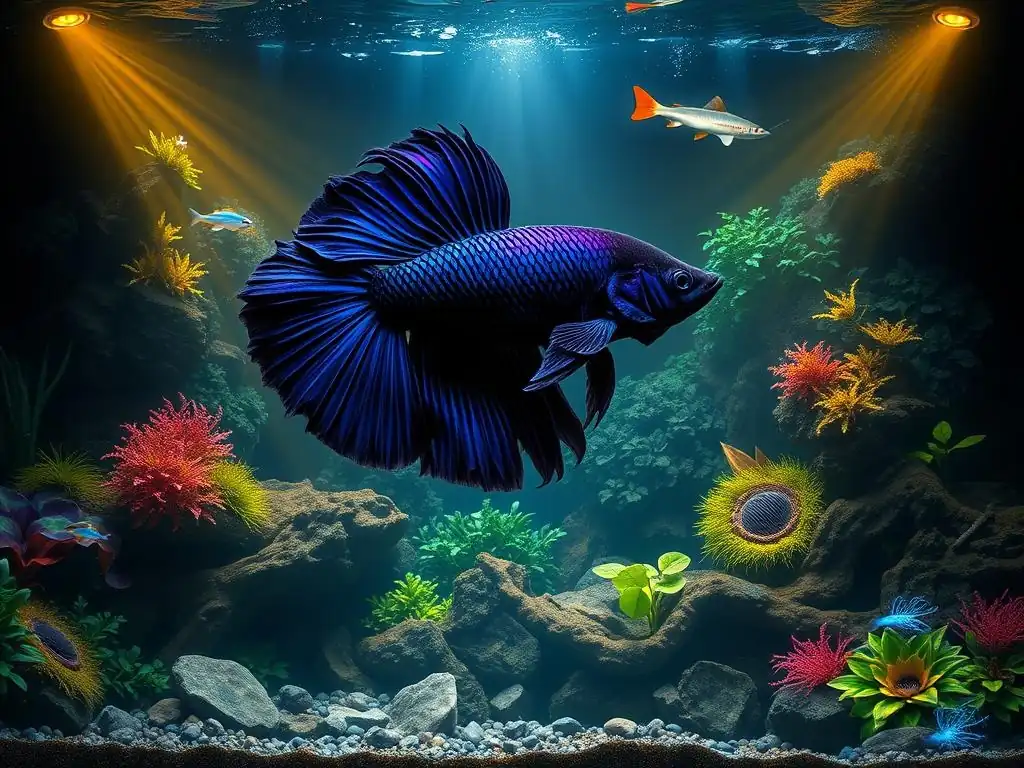
The Black Orchid Betta is a highly sought-after variant of Betta splendens, renowned for its incredibly deep, iridescent black body complemented by shimmering blue, green, or purple metallic scales. This striking coloration is not a uniform black but rather a complex mosaic of dark hues that catch the light, creating a dynamic, almost ethereal appearance reminiscent of dark orchid petals. Originating from selective breeding programs, primarily in Thailand, these fish represent years of dedicated aquarists' efforts to enhance specific genetic traits.
Distinct from solid black bettas, the Black Orchid possesses a unique genetic makeup that produces its characteristic "orchid petal" pattern. This pattern typically manifests as a dark base color overlaid with vibrant, often metallic, scales that highlight the intricate finnage. While other black betta types like the Black Samurai or Black Dragon exist, the Black Orchid is distinguished by this specific iridescent scale arrangement, making it a truly unique specimen within the diverse world of Betta varieties.
The Allure of Dark Beauty: Why Choose a Black Orchid Betta?
The primary appeal of the Black Orchid Betta lies in its dramatic aesthetic. Its profound dark coloration provides a stunning contrast against lighter substrates, vibrant green plants, or natural driftwood, transforming the aquarium into a living work of art. The way its iridescent scales shimmer and shift colors under various lighting conditions makes it a captivating centerpiece, offering a visual spectacle that sets it apart from more common red or blue betta varieties.
Beyond its undeniable beauty, choosing a Black Orchid Betta offers a uniquely rewarding experience for aquarists. While demanding specific conditions for optimal health and vibrancy, the successful execution of proper Black orchid betta care results in a thriving, magnificent creature. These fish are also known for their distinct personalities, often interacting with their owners and exploring their environment with curiosity, adding a layer of engagement that goes beyond mere visual appeal.
Black Orchid Betta Care: Essential Guidelines
Setting Up the Ideal Black Orchid Betta Tank
Tank Size Recommendations for Black Orchid Bettas
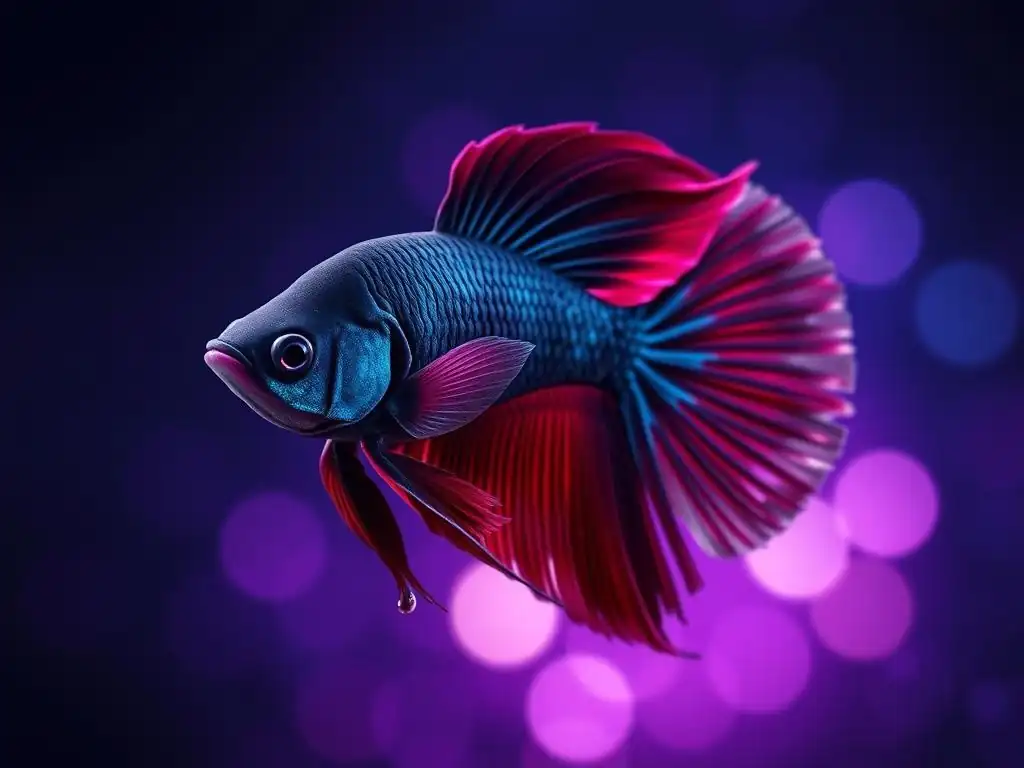
For a single Black Orchid Betta, a minimum tank size of 5 gallons (approximately 19 liters) is highly recommended. This volume provides sufficient space for swimming and helps maintain stable water parameters, which is crucial for the fish's well-being. Unlike smaller bowls or decorative vases, a 5-gallon tank allows for proper filtration and heating, significantly reducing stress on the fish and preventing common health issues associated with cramped or unstable environments.
Opting for a larger tank, such as 10 gallons (approximately 38 liters) or more, offers even greater benefits for comprehensive Black orchid betta care. Larger tanks provide enhanced water volume, which inherently leads to more stable water chemistry and temperature. This stability reduces the frequency of intensive maintenance tasks like deep cleaning and allows for more diverse aquascaping, including live plants and decor, which enrich the betta's environment and promote natural behaviors.
Essential Tank Equipment for Black Orchid Betta Health
A reliable heater is paramount for maintaining the ideal temperature range of 78-82°F (25.5-27.8°C) for Black Orchid Bettas. A submersible, adjustable heater with a built-in thermostat ensures consistent warmth, preventing temperature fluctuations that can stress the fish. Alongside the heater, a precise thermometer is essential for accurate monitoring, allowing aquarists to verify that the water temperature remains within the optimal range.
Filtration is another critical component of effective Black orchid betta care. Given their long, delicate fins and preference for calm waters, a low-flow filter is ideal. Sponge filters are excellent choices, providing gentle mechanical and biological filtration without creating strong currents. Alternatively, a hang-on-back (HOB) filter can be used if its outflow is baffled or redirected to minimize water disturbance. Additionally, low to moderate LED lighting enhances the betta's colors and supports live plant growth, while a fine gravel or sand substrate and ample hiding spots (caves, driftwood, live plants like Anubias or Java Fern) provide security and enrichment.
Creating a Blackwater Biotope for Black Orchid Bettas
Creating a blackwater biotope mimics the natural habitat of bettas found in Southeast Asia, which are typically slow-moving waters stained by tannins from decaying organic matter. This setup offers significant benefits for Black Orchid Bettas, including naturally soft, slightly acidic water, reduced stress due to subdued lighting, and the release of humic substances that possess mild antibacterial and antifungal properties. These conditions are conducive to vibrant coloration and overall robust health.
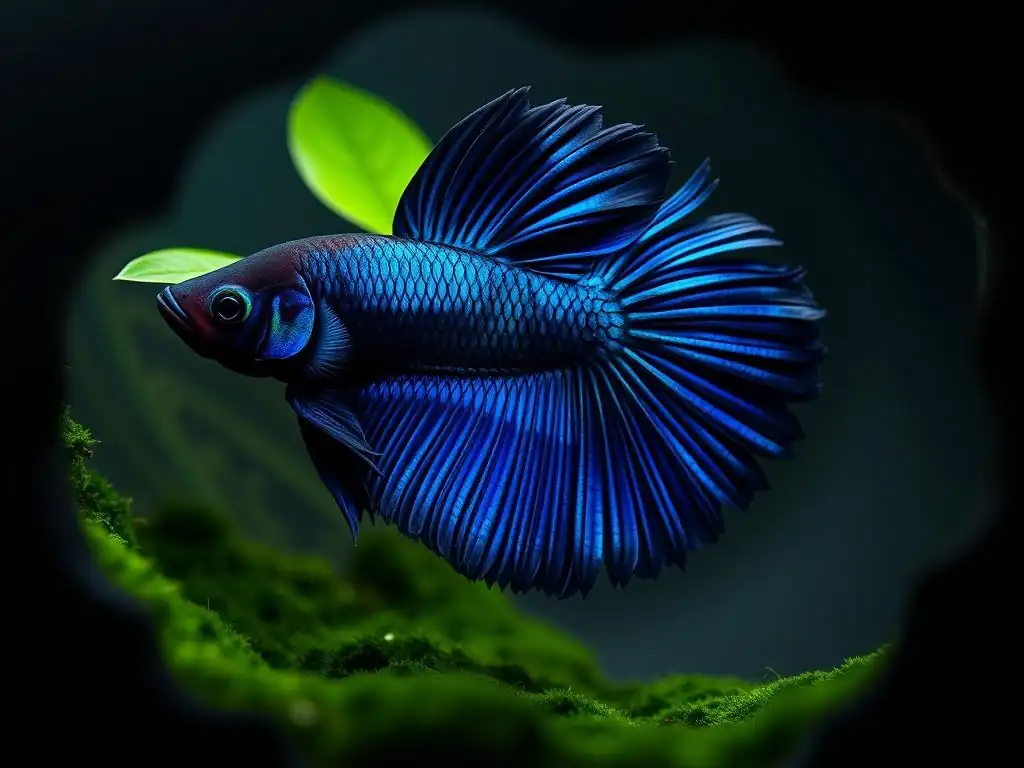
To establish a blackwater biotope, introduce botanicals such as Indian Almond Leaves (IALs), alder cones, or specific types of driftwood (e.g., Malaysian or Mopani wood) into the tank. These materials gradually release tannins, imparting a tea-colored tint to the water. It's crucial to introduce these elements gradually and monitor water parameters closely to ensure the desired pH and hardness are achieved without drastic changes. This specialized environment is a cornerstone of advanced Black orchid betta care, providing a truly authentic and beneficial living space for your fish.
Black Orchid Betta Water Parameters: Maintaining Optimal Conditions
Ideal Temperature for Black Orchid Bettas
Maintaining a stable water temperature between 78-82°F (25.5-27.8°C) is absolutely vital for the health and longevity of Black Orchid Bettas. Within this range, their metabolism functions optimally, digestion is efficient, and their immune system remains strong. Consistent temperature is key; even minor fluctuations can cause significant stress, making the fish susceptible to various diseases, including Ich and Fin Rot.
Temperatures outside this ideal range can have detrimental effects. If the water is too cold, bettas become lethargic, their appetite diminishes, and their immune response is weakened, making them prone to infections. Conversely, overly warm water can accelerate their metabolism, potentially shortening their lifespan, and may increase aggression. Therefore, precise temperature control, managed with a reliable heater and thermometer, is a fundamental aspect of effective Black orchid betta care.
pH Levels and Water Hardness for Black Orchid Betta Health
Black Orchid Bettas thrive in water that is slightly acidic to neutral, with an ideal pH range of 6.0-7.5. While they can tolerate a slightly wider range, maintaining consistency is far more important than hitting a precise number. Extreme pH values, whether too high or too low, can cause severe stress and damage to their sensitive gills and internal organs, leading to long-term health complications.
In terms of water hardness, Black Orchid Bettas prefer soft to moderately hard water. A general hardness (GH) of 3-8 dGH (50-140 ppm) and a carbonate hardness (KH) of 3-5 dKH (50-90 ppm) are considered optimal. Soft water with adequate buffering capacity (KH) helps prevent drastic pH swings. Regular testing of these parameters is crucial, and methods like using reverse osmosis (RO) water mixed with tap water or specific buffering agents can help achieve and maintain these conditions, underpinning thorough Black orchid betta care.
Regular Water Changes: A Key to Black Orchid Betta Wellbeing
Regular water changes are arguably the most critical aspect of maintaining a healthy environment for Black Orchid Bettas. For a 5-10 gallon tank, a weekly water change of 25-30% is generally recommended. This routine practice removes accumulated nitrates, phosphates, and other harmful toxins that build up over time from fish waste and uneaten food, which filtration alone cannot completely eliminate.
The importance of consistent water changes cannot be overstated. They prevent the buildup of ammonia and nitrite – both highly toxic to fish – and keep nitrate levels low, preventing chronic stress and weakened immunity. Always ensure that the replacement water is dechlorinated and temperature-matched to the tank water to avoid shocking the fish. Adhering to a diligent water change schedule is a non-negotiable component of superior Black orchid betta care and is the best defense against many common fish ailments.
Black Orchid Betta Feeding: Diet and Nutrition
What Do Black Orchid Bettas Eat?
Black Orchid Bettas are carnivores, primarily insectivores in their natural habitat, meaning their diet should be rich in animal protein. A high-quality betta pellet or flake specifically formulated for bettas should form the staple of their diet. These commercial foods are designed to provide a balanced array of essential nutrients, vitamins, and minerals necessary for their growth, energy, and vibrant coloration.
To ensure a complete and varied diet, it is essential to supplement their staple pellets with freeze-dried or frozen foods. Excellent choices include bloodworms, brine shrimp, and daphnia. Offering a rotation of these different protein sources ensures that your Black Orchid Betta receives all necessary amino acids and micronutrients, promoting robust health and enhancing their natural deep, iridescent colors, which is a key part of comprehensive Black orchid betta care.
Recommended Feeding Schedule for Black Orchid Bettas
For optimal health and to prevent digestive issues, Black Orchid Bettas should be fed 1-2 times per day. The amount of food provided should be small – only what they can consume completely within 2-3 minutes. Overfeeding is a common mistake among aquarists and can lead to serious problems, including bloat, constipation, and, more significantly, a rapid decline in water quality due to uneaten food decaying in the tank.
To aid digestion and prevent potential gastrointestinal issues like bloat, it is highly recommended to include one fasting day per week. During this day, no food is offered, allowing their digestive system to clear. This simple yet effective practice significantly contributes to the long-term well-being and vitality of your fish, making it an important, often overlooked, aspect of proper Black orchid betta care.
Live Food Options for Black Orchid Bettas
Incorporating live foods into the Black Orchid Betta's diet offers numerous benefits, closely mimicking their natural feeding behaviors and providing excellent nutritional value. Live brine shrimp, daphnia, and small cultured worms like grindal worms are excellent choices. These foods not only provide concentrated protein but also offer mental stimulation and enrichment as the betta actively hunts, which can enhance their vigor and color intensity.
While live foods are highly beneficial, certain precautions must be taken. Always source live foods from reputable suppliers to minimize the risk of introducing parasites or diseases into your aquarium. Furthermore, live foods should serve as a supplement to their primary diet, not the sole food source, as relying exclusively on one type of live food might lead to nutritional deficiencies if not varied properly.
Black Orchid Betta Health: Preventing and Treating Common Issues
Common Black Orchid Betta Diseases: Identification and Treatment
Fin Rot in Black Orchid Bettas: Causes and Solutions
Fin Rot is a common bacterial infection in Black Orchid Bettas, characterized by the fraying, discoloration, or disintegration of their fins. It often starts at the edges and progresses inwards. The primary causes are poor water quality (high ammonia, nitrite, or nitrate levels), chronic stress, physical injury to the fins, or an underlying weakened immune system.
Treatment for Fin Rot typically involves immediate improvements in water quality. Daily small water changes (25-30%) with dechlorinated, temperature-matched water are crucial. If the infection is mild, improved water conditions alone can facilitate healing. In more severe cases, antibacterial medications like Maracyn or Furan-2, specifically formulated for aquarium use, may be necessary. Consistent and excellent Black orchid betta care through pristine water conditions is the most effective preventative measure.
Ich (White Spot Disease) in Black Orchid Bettas: Treatment Options
Ich, or White Spot Disease, is a highly contagious parasitic infection identifiable by the appearance of small, white spots resembling salt grains scattered across the fish's body and fins. This parasite, Ichthyophthirius multifiliis, often emerges when fish are stressed due to sudden temperature changes, poor water quality, or the introduction of new, unquarantined fish.
To treat Ich, the tank temperature should be gradually raised to 82-84°F (28-29°C) over 24-48 hours, as warmer water accelerates the parasite's life cycle, making it more vulnerable to treatment. Adding aquarium salt (1 teaspoon per gallon, dissolved first) can also be beneficial. For severe infestations, Ich-specific medications containing malachite green or formalin can be used, following product instructions carefully. Thorough vacuuming of the substrate is also important to remove dormant cysts.
Velvet Disease in Black Orchid Bettas: Prevention and Cure
Velvet Disease, caused by a dinoflagellate parasite ( Oodinium species), appears as a fine, golden or rust-colored dust-like coating on the Black Orchid Betta's body, often accompanied by clamped fins, rapid gill movement, lethargy, and rubbing against tank decor. The parasite is photosynthetic, making the fish appear dull or dusty.
Treatment involves turning off the tank lights to inhibit the parasite's photosynthesis and gradually increasing the water temperature to 82-84°F (28-29°C). Copper-based medications or acriflavine are effective treatments for Velvet. It's crucial to treat the entire tank as the parasite is highly contagious. Prevention hinges on rigorous Black orchid betta care practices, including stable water parameters, proper nutrition, and quarantining all new fish for at least two weeks before introduction to the main tank.
Maintaining Black Orchid Betta Health Through Proper Care
Observing Your Black Orchid Betta for Signs of Illness
Daily observation of your Black Orchid Betta is paramount for early detection of potential health issues. Take a few minutes each day to watch their behavior, swimming patterns, and physical appearance. Look for any deviations from their normal routine, such as lethargy, erratic swimming, loss of appetite, changes in coloration, clamped fins, or labored breathing. Early identification of symptoms significantly increases the chances of successful treatment.
Specific signs that warrant immediate attention include fading or dull colors, which can indicate stress or disease; fins that are torn, clamped, or have white edges; abnormal spots, growths, or fuzzy patches on the body; a bloated belly; or the fish rubbing excessively against tank decorations. Any of these indicators suggest a potential problem and should prompt immediate checks of water parameters and consideration of appropriate interventions, underscoring the importance of vigilant Black orchid betta care.
Quarantine Tank Setup for Sick Black Orchid Bettas
Setting up a dedicated quarantine tank is a proactive and essential practice for responsible Black orchid betta care, especially when dealing with sick fish or introducing new ones. A simple 2.5 to 5-gallon tank is sufficient for this purpose. It should be equipped with a heater to maintain stable temperatures, a small sponge filter for gentle filtration, and a thermometer. Substrate or complex decorations are not necessary, as they can complicate cleaning and medication absorption.
When a Black Orchid Betta shows signs of illness, transfer it to the quarantine tank. This prevents the potential spread of disease to other inhabitants in the main aquarium and allows for focused treatment without affecting the primary tank's beneficial bacteria or other fish. After treatment, ensure the fish has fully recovered and appears healthy for several days before carefully reintroducing it to the main display tank. This isolation strategy is a cornerstone of effective disease management.
Black Orchid Betta Breeding: A Challenging Endeavor
Preparing for Black Orchid Betta Breeding
Setting Up a Breeding Tank for Black Orchid Bettas
For successful breeding of Black Orchid Bettas, a dedicated breeding tank is essential, typically 10-20 gallons (38-76 liters) in size. Crucially, the water level should be lowered to about 4-6 inches (10-15 cm). This shallower depth makes it significantly easier for the male to build and maintain his bubble nest, as well as retrieve any eggs that fall during spawning.
The breeding tank should be equipped with a reliable heater, set to a slightly higher temperature of 80-82°F (27-28°C), which encourages spawning. A gentle sponge filter is ideal to maintain water quality without disturbing the bubble nest. Floating plants, such as Salvinia or frogbit, or even a simple styrofoam cup cut in half, provide an anchor for the male's bubble nest. Substrate is typically avoided for ease of cleaning and egg retrieval.
Identifying Male and Female Black Orchid Bettas
Distinguishing between male and female Black Orchid Bettas is crucial for breeding. Males are generally larger, boast more vibrant and intense coloration, and possess significantly longer and more elaborate fins, particularly the dorsal, caudal (tail), and anal fins. When agitated or flaring, a male will also display a prominent "beard," which is the extended gill membrane beneath his operculum.
Female Black Orchid Bettas, while still beautiful, are typically smaller in stature and have shorter, less flowing fins compared to males. Although their coloration can be striking, it is often less intense. The most definitive characteristic of a female is the presence of a small, white "egg spot" or ovipositor located between her ventral fins. This spot becomes more pronounced when she is gravid and ready to spawn.
The Black Orchid Betta Breeding Process
Spawning and Egg Care in Black Orchid Bettas
Once conditioned, the male and female Black Orchid Bettas are introduced to the breeding tank. The male will typically begin building a bubble nest, often beneath a floating plant or cup. When the female is ready, she will display vertical "breeding bars" on her body. Spawning involves the male embracing the female in a "nuptial embrace," during which eggs and sperm are released. The male then meticulously collects the fertilized eggs and places them into the bubble nest.
After spawning is complete, it is critical to carefully remove the female from the breeding tank. Her presence can stress the male, and she may consume the eggs. The male will then diligently guard the bubble nest, tending to the eggs and retrieving any that fall until the fry hatch, which typically occurs within 24-48 hours depending on temperature, and become free-swimming, usually around 2-3 days post-hatch.
Raising Black Orchid Betta Fry: From Hatching to Independence
Once the Black Orchid Betta fry hatch, they will initially feed on their yolk sac for the first 2-3 days. As soon as they become free-swimming and start darting around the tank, the male betta should be carefully removed to prevent him from potentially consuming the fry. At this stage, the fry are incredibly tiny and require microscopic food. Infusoria or liquid fry food is ideal for their first week of free-swimming.
After approximately 1-2 weeks, as the fry grow slightly larger, their diet can be transitioned to microworms or newly hatched brine shrimp, which provide excellent nutrition for their rapid growth. Daily small water changes using an air line tube to gently siphon debris are essential to maintain pristine water quality.
As the fry continue to grow, typically around 4-6 weeks, they will need to be separated to prevent aggression among males, or moved to progressively larger tanks to accommodate their size and prevent stunting. This intensive rearing process is the most demanding aspect of Black orchid betta care in a breeding context.
Black Orchid Betta Tank Mates: Compatibility and Considerations
Choosing Suitable Tank Mates for Black Orchid Bettas
Peaceful Fish Species Compatible with Black Orchid Bettas
When considering tank mates for Black Orchid Bettas, the general rule is to avoid any fish with long, flowing fins, bright colors, or known fin-nipping tendencies, as these can provoke aggression from the betta. Instead, focus on small, peaceful, and fast-moving species that occupy different levels of the water column and will not compete directly for food or territory.
Excellent choices for compatible tank mates include small schooling fish like Pygmy Corydoras catfish, which are bottom dwellers, or Otocinclus catfish, known for their algae-eating habits. Small rasboras, such as Harlequin Rasboras, or certain small schooling tetras like Neon Tetras (though some bettas may view them as potential prey) can also work. Always introduce tank mates to a sufficiently sized tank (10 gallons or more) and monitor initial interactions closely for any signs of stress or aggression.
Avoiding Aggressive Tank Mates for Black Orchid Bettas
Certain fish species are entirely unsuitable as tank mates for Black Orchid Bettas due to their aggressive nature or tendency to provoke the betta. Absolutely never house two male bettas together, as they will fight, often to the death. While female betta sororities can be attempted, they require very specific setups and are not recommended for beginners.
Furthermore, avoid large or aggressive cichlids, which can easily overpower and injure a betta. Fin-nipping species like Tiger Barbs are also problematic, as they will relentlessly nip at the betta's delicate fins, causing stress and injury. When it comes to invertebrates, larger shrimp like Amano shrimp or snails (e.g., Nerite snails) can sometimes coexist, but smaller ornamental shrimp (like Cherry shrimp) are often perceived as food. Caution and individual betta personality assessment are always advised.
Maintaining a Peaceful Community Tank with Black Orchid Bettas
Successfully maintaining a peaceful community tank with Black Orchid Bettas requires careful planning and continuous observation. Providing ample space is crucial; a 10-gallon tank is generally too small for a community setup, with 20 gallons or more being recommended to allow all inhabitants sufficient territory and reduce potential disputes. Incorporating plenty of hiding spots, such as caves, dense plant cover, and driftwood, gives all fish places to retreat and feel secure.
Continuous observation of interactions between the Black Orchid Betta and its tank mates is paramount. Look for signs of stress, such as clamped fins, hiding excessively, or chasing. If any tank mate shows consistent aggression towards the betta, or if the betta appears overly stressed, it is essential to remove the incompatible fish promptly. A well-balanced community tank with a Black Orchid Betta requires diligent Black orchid betta care and attention to the individual dynamics of all fish involved.
Enhancing the Black Orchid Betta's Color: Tips and Tricks
Diet and Coloration in Black Orchid Bettas
The vibrancy and depth of a Black Orchid Betta's coloration are significantly influenced by its diet. A high-quality, protein-rich diet is essential for bringing out their best hues. Many premium betta pellets are formulated with color-enhancing ingredients such as spirulina, astaxanthin, and other natural carotenoids. These pigments are directly absorbed by the fish and deposited in their scales, intensifying their natural blues, greens, and purples.
Regularly supplementing their staple diet with live or frozen foods like bloodworms, brine shrimp, and daphnia further boosts color intensity. These natural food sources are packed with nutrients and pigments that contribute to the deep, iridescent qualities characteristic of the Black Orchid Betta. A varied and nutritious diet not only enhances their aesthetic appeal but also contributes to their overall health and vitality.
Lighting and Background for Optimal Black Orchid Betta Display
The right lighting and background can dramatically enhance the visual appeal of a Black Orchid Betta. Moderate lighting, rather than overly bright illumination, is often best. Excessive brightness can stress bettas and wash out their colors. LED lights with adjustable spectrums allow aquarists to fine-tune the light, bringing out the subtle iridescence and deep tones without overwhelming the fish.
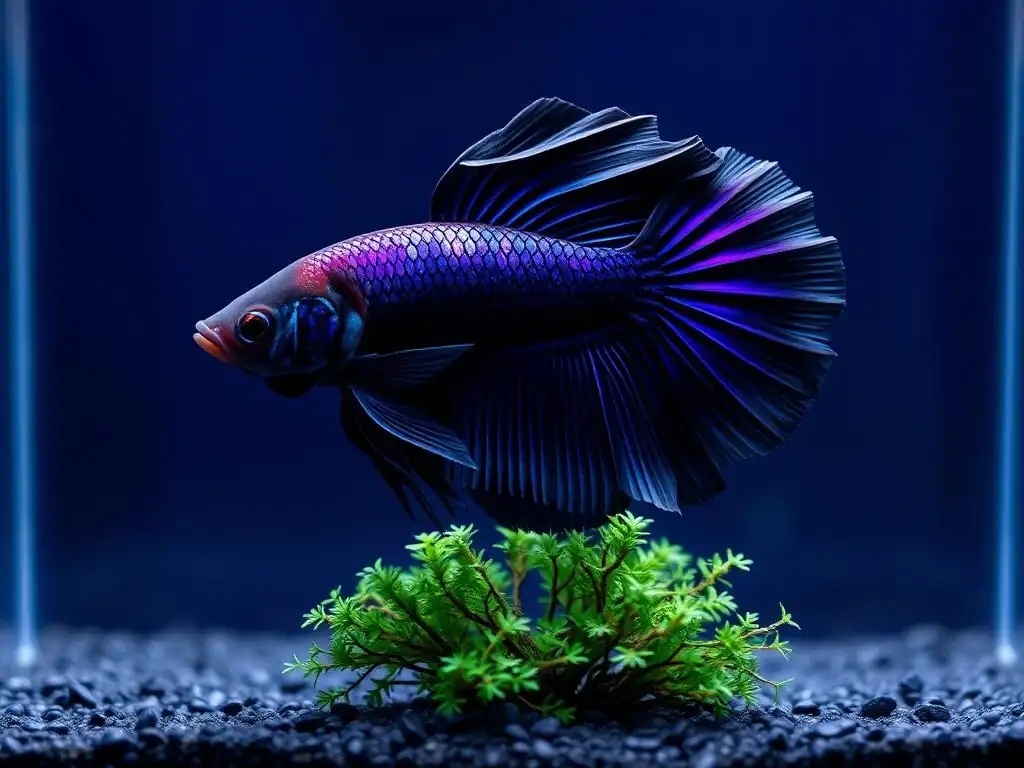
A dark background, such as black or deep blue, behind the aquarium creates a stark and effective contrast that makes the Black Orchid Betta's dark body and shimmering scales truly pop. This simple visual trick makes their unique coloration stand out against the backdrop, drawing the eye to their intricate patterns and iridescent sheen. This thoughtful presentation is a simple yet impactful way to showcase the results of dedicated Black orchid betta care.
Black Orchid Betta: A Rewarding Aquarium Experience.
Frequently Asked Questions
How difficult is it to care for a Black Orchid Betta compared to other Betta varieties?
Black Orchid Bettas require similar care to other Betta splendens varieties. However, their long fins can make them slightly more susceptible to fin rot, so maintaining pristine water quality is crucial.
What are the key water parameters I need to monitor for optimal Black Orchid Betta care?
Maintaining a stable environment is vital. Aim for a temperature between 78-82°F, a pH of 6.5-7.5, and zero ammonia and nitrite. Regular water changes are also essential.
What type of tank setup is best suited for a Black Orchid Betta?
A minimum of 5 gallons is recommended, with plenty of hiding places like plants and caves. Avoid sharp decorations that could damage their delicate fins.
What should I feed my Black Orchid Betta to ensure its health and vibrant color?
A high-quality Betta pellet or flake food should form the base of their diet. Supplement with live or frozen foods like bloodworms and daphnia for optimal health and color enhancement.
What are some common health issues that Black Orchid Bettas are prone to, and how can I prevent them?
Fin rot, ich, and velvet are common issues. Preventing these involves maintaining excellent water quality, providing a stress-free environment, and quarantining new fish before introducing them to the main tank.
Final Reflection: Embracing the Darkness, Cultivating Beauty
The journey into understanding the Black Orchid Betta, as we've explored, is more than just mastering Black Orchid Betta care. It's about appreciating the unique beauty found in what might initially seem like simple darkness, and recognizing the dedication required to nurture such delicate life. This understanding resonates deeply in a world often quick to overlook the subtle and the demanding.
The allure of the Black Orchid Betta, with its velvety fins and mysterious sheen, has undeniably captivated aquarists worldwide. My own fascination with these creatures stems from their embodiment of resilience and quiet strength. The beauty of the natural world lies in the details, often hidden in plain sight.
This quote perfectly encapsulates the Black Orchid Betta's appeal, reminding us to look beyond the surface and appreciate the intricate beauty that exists even in the darkest corners.
Now, armed with knowledge and a deeper appreciation for the Black Orchid Betta, I encourage you to reflect on the lessons learned. Consider how the dedication required for their care mirrors the commitment needed to cultivate beauty and understanding in all aspects of your life. Embrace the challenge, nurture the delicate, and discover the profound rewards that come from appreciating the beauty in darkness.
Unleash Your Inner Aquarist: Start Your Black Orchid Journey Today!
Thanks for diving into the captivating world of Black Orchid Bettas! We hope you've found inspiration in their unique beauty and are excited to create an aquatic haven for these stunning fish. Now it's time to translate that inspiration into action.
Here are a few steps you can take to deepen your understanding and appreciation:
- Commit to researching the specific needs of Black Orchid Bettas. A thriving environment is key to unlocking their full potential and vibrant colors.
- Explore local aquarium societies or online forums to connect with other Betta enthusiasts and share your experiences. You might even uncover hidden gems of knowledge!
- Consider documenting your journey with photos and videos. Capturing the growth and transformation of your Black Orchid Betta can be incredibly rewarding.
What unique aquascaping idea will you bring to life for your own Black Orchid Betta?