
Can Bettas Live in a Community Tank? The Truth About Tank Mates

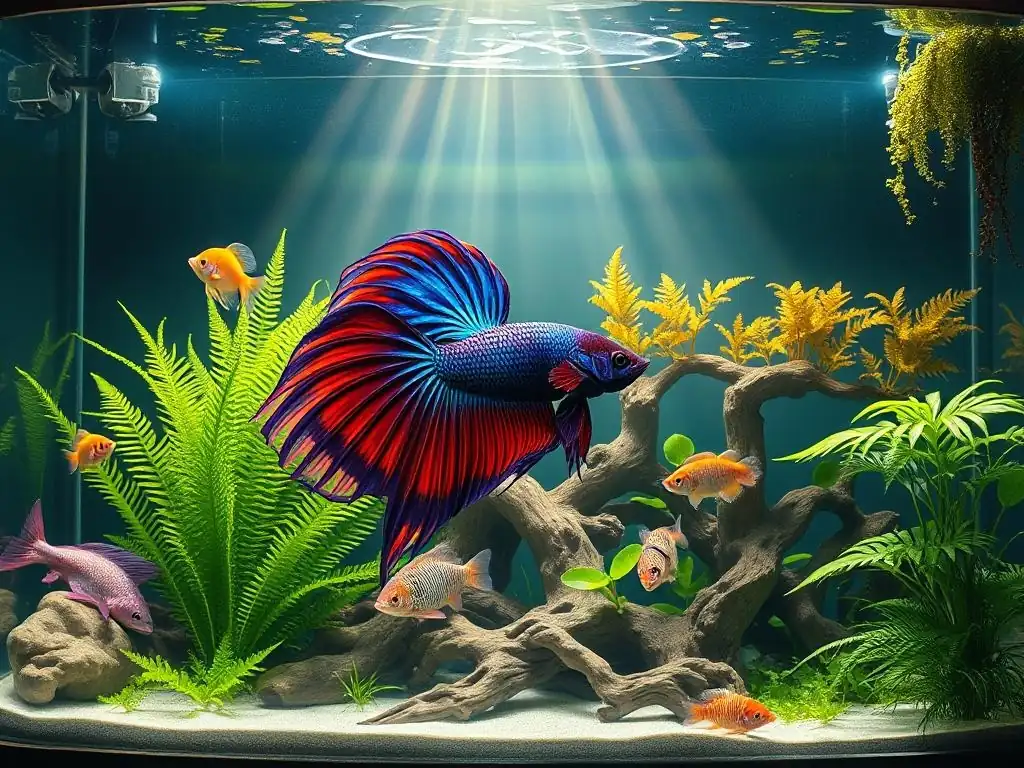
Welcome to Aquarium Mastery!
Ever wondered if those vibrant, flowing fins of a Betta could truly share a peaceful home with other fish? The answer might surprise you. Dive into our guide, " Can Bettas Live in a Community Tank? The Truth About Tank Mates," and discover the secrets to creating a harmonious freshwater aquarium where your Betta thrives. Get ready to unlock the potential for a stunning and balanced aquatic ecosystem!
- Understanding Betta Fish Temperament for Community Tanks
- Choosing the Right Community Tank Mates for Bettas
- Setting Up a Betta-Friendly Community Tank
- Introducing Bettas to a Community Tank: A Step-by-Step Guide
- Managing Aggression in a Betta Community Tank
- The Pros and Cons of Keeping Bettas in a Community Tank
- Alternative Options: Single Betta Tanks vs. Community Setups
- Common Mistakes to Avoid When Housing Bettas with Tank Mates
- Success Stories: Examples of Thriving Betta Community Tanks
- Frequently Asked Questions
- Final Reflection: Navigating the Betta Community
- Unlock the Secrets to a Thriving Betta Community!
Understanding Betta Fish Temperament for Community Tanks
Why Bettas are Often Considered Solitary Fish
Betta fish, scientifically known as Betta splendens, are frequently regarded as solitary creatures due to their natural territorial behaviors. In their native habitats of shallow, slow-moving waters like rice paddies and floodplains in Southeast Asia, male bettas fiercely defend their personal territories from other males. This instinctual aggression is a survival mechanism, ensuring access to resources and breeding opportunities. The common practice of keeping a single male betta in a small tank, often seen in pet stores, reinforces this perception of them being solitary, leading many new aquarists to believe they cannot coexist with other fish.
However, this solitary reputation is primarily directed at interactions between male bettas, which will almost always fight to the death if housed together. While they are indeed highly territorial, their aggression is typically less pronounced towards fish species that do not resemble them, do not possess long, flowing fins, or do not occupy the same water column. The "fighting fish" moniker, while accurate for male-on-male encounters, doesn't fully capture the nuanced aspects of their potential for a betta community tank, as their behavior can vary significantly depending on the tank environment and the chosen tank mates.
The Aggression Factor: Male vs. Female Bettas in Community Settings
The level of aggression in Bettas varies significantly between sexes and even among individuals. Male Bettas are notoriously more aggressive, especially towards other males, making it virtually impossible to house two males together safely. Their vibrant colors and long, flowing fins are often seen as a challenge by other males, triggering intense territorial disputes. When considering a male Betta for a community tank, the primary concern is their potential to bully or harm tank mates, particularly those with similar appearances or long fins, which can be perceived as rival Bettas.
Female Bettas, while generally less aggressive than males, can still exhibit territorial behavior. They are sometimes kept in "sorority" tanks, where multiple females are housed together, typically in groups of five or more in a spacious tank (e.g., 20 gallons or larger). Even in sororities, a strict hierarchy forms, and nipping or chasing can occur, requiring careful observation and ample hiding spots. For a mixed-sex community tank, a single female Betta might be a more suitable choice than a male, as their aggression is often less pronounced, making them more adaptable to a diverse group of peaceful fish species.
Individual Betta Personalities: Not All Bettas Are Created Equal
A crucial, yet often overlooked, aspect of keeping Bettas in a community tank is their individual personality. Just like humans, each Betta fish possesses a unique temperament. Some Bettas are naturally more docile and tolerant of other fish, while others exhibit high levels of aggression from a young age. It is not uncommon to find a Betta that completely ignores its tank mates, peacefully coexisting, while another from the same batch might relentlessly chase and nip at any fish that crosses its path. This variability makes a "one-size-fits-all" approach to Betta community tank mates challenging.
Observing a Betta's behavior in a temporary setup or in the pet store (if possible) can offer clues about its potential temperament. A Betta that flares constantly at everything, including reflections or shadows, might be a poor candidate for a community tank. Conversely, a Betta that appears calm and unreactive to its surroundings might be more adaptable. Ultimately, success with Bettas and community tank mates often hinges on selecting a Betta with a naturally peaceful disposition, as even the best environment cannot completely mitigate an inherently aggressive individual.
Choosing the Right Community Tank Mates for Bettas
Ideal Tank Size for a Betta Community Tank
The tank size is paramount when considering Bettas and community tank mates. A small tank, such as a 5 or 10-gallon setup, is generally insufficient for a Betta community, as it provides too little space for the Betta to establish a territory without constantly encountering other fish. This limited space significantly increases stress levels and the likelihood of aggression. For a successful Betta community tank, a minimum size of 20 gallons (specifically a 20-gallon long to maximize swimming space) is highly recommended.
A 20-gallon long tank, measuring approximately 30 inches in length, offers ample horizontal swimming space, allowing the Betta to claim a territory without infringing on the space of its tank mates. This increased volume also helps maintain more stable water parameters, which is crucial for the health of all inhabitants. For larger groups of peaceful fish or if you plan to house a female Betta sorority, a 30-gallon or even 40-gallon tank would be even more beneficial, providing greater flexibility in stocking and further reducing potential conflicts among Bettas and community tank mates.
Peaceful Fish Species Compatible with Bettas
When selecting Betta community tank mates, the primary criteria are peaceful temperament, appropriate size, and a lack of fin-nipping tendencies. Fish that are too small might be seen as prey, while overly large or boisterous fish can intimidate or stress the Betta. The goal is to find species that occupy different areas of the water column, have short fins, and are not brightly colored in a way that might mimic another Betta.
Ember Tetras: Small, Peaceful Schooling Fish
Ember Tetras ( Hyphessobrycon amandae) are an excellent choice for a Betta community tank due to their small size and peaceful nature. These tiny fish typically grow to only about 0.8 inches (2 cm) in length, making them too small to be perceived as a threat by most Bettas, yet large enough not to be considered food. They are schooling fish, meaning they thrive in groups of at least 6-8, which also helps to diffuse any potential aggression from the Betta, as the Betta's attention is spread across the group rather than focused on a single individual.
Their subtle orange coloration is not flashy enough to provoke a Betta, and they tend to occupy the middle water column, often staying out of the Betta's primary swimming areas. A 20-gallon tank can comfortably house a Betta and a school of 10-12 Ember Tetras.
Corydoras Catfish: Bottom Dwellers that Coexist with Bettas
Corydoras catfish are highly recommended as Betta community tank mates because they are peaceful, robust, and primarily inhabit the bottom of the tank, rarely interacting directly with the Betta. Species like Panda Corys ( Corydoras panda), Pygmy Corys ( Corydoras pygmaeus), or Bronze Corys ( Corydoras aeneus) are excellent options, typically growing between 1 to 2.5 inches. They are social fish and should be kept in groups of at least 6 individuals to feel secure and exhibit natural behaviors.
Corydoras spend their time sifting through the substrate for food, providing an interesting dynamic to the tank without challenging the Betta's territory. Ensure the tank has a soft, sand substrate to protect their delicate barbels.
Nerite Snails: Peaceful Algae Eaters
For those looking for non-fish Betta community tank mates, Nerite Snails ( Neritina natalensis) are an ideal choice. These snails are excellent algae eaters, helping to keep the tank clean, and are completely peaceful. They come in various patterns and colors, such as Tiger, Zebra, and Horned Nerites, typically reaching about 1 inch in diameter.
Bettas generally ignore snails, as they pose no threat and do not compete for swimming space. Unlike some other snail species, Nerite Snails do not reproduce rapidly in freshwater, preventing overpopulation issues. They are hardy and can thrive in the same water parameters suitable for Bettas, making them a low-maintenance, beneficial addition to a Betta community setup.
Fish to Avoid as Betta Tank Mates
Not all fish are suitable Betta community tank mates, and introducing incompatible species can lead to stress, injury, or even death for the Betta or its tank mates. Understanding which fish to avoid is as crucial as knowing which ones are compatible.
Fin-Nipping Fish: A Threat to Betta Fins
Fin-nipping fish are perhaps the most dangerous Betta community tank mates. Bettas possess long, flowing fins that are particularly vulnerable to nipping. Species notorious for this behavior include Tiger Barbs ( Puntigrus tetrazona), Serpae Tetras ( Hyphessobrycon eques), and some larger varieties of Danios.
These fish often perceive the Betta's elaborate fins as a target, leading to severe damage, stress, and secondary infections for the Betta. Even seemingly peaceful fin-nippers, when kept in insufficient numbers or an inappropriately sized tank, can resort to this behavior. A Betta with damaged fins becomes more susceptible to disease and may experience chronic stress, significantly reducing its quality of life.
Aggressive Fish that will Bully Bettas
Introducing aggressive fish into a Betta community tank is a recipe for disaster. While Bettas themselves can be aggressive, they are often outmatched by larger, more boisterous species. Cichlids, such as Convict Cichlids ( Amatitlania nigrofasciata) or African Cichlids, are highly territorial and will relentlessly bully, chase, and potentially kill a Betta. Even some larger Gouramis, which are related to Bettas, can exhibit similar territorial aggression and may view the Betta as a rival. These aggressive species will dominate the tank, preventing the Betta from feeding properly, causing immense stress, and ultimately leading to the Betta's decline.
Fish with Similar Appearances to Bettas
Fish that closely resemble Bettas, particularly those with long, flowing fins or vibrant colors, should be avoided as Betta community tank mates. The Betta may perceive these fish as rival males, triggering severe aggression. Examples include other Gourami species (e.g., Dwarf Gouramis, Honey Gouramis), which share a similar body shape and anabantoid characteristics.
Even some male Guppies ( Poecilia reticulata) with elaborate tail fins can provoke a male Betta's territorial instincts. While some aquarists have success with certain Gourami species in very large, heavily planted tanks, the risk of aggression is significant. It is generally safer to choose tank mates with distinctly different body shapes, fin types, and coloration to minimize the chances of a Betta perceiving them as a threat.
Setting Up a Betta-Friendly Community Tank
Creating a Stress-Free Environment for Bettas
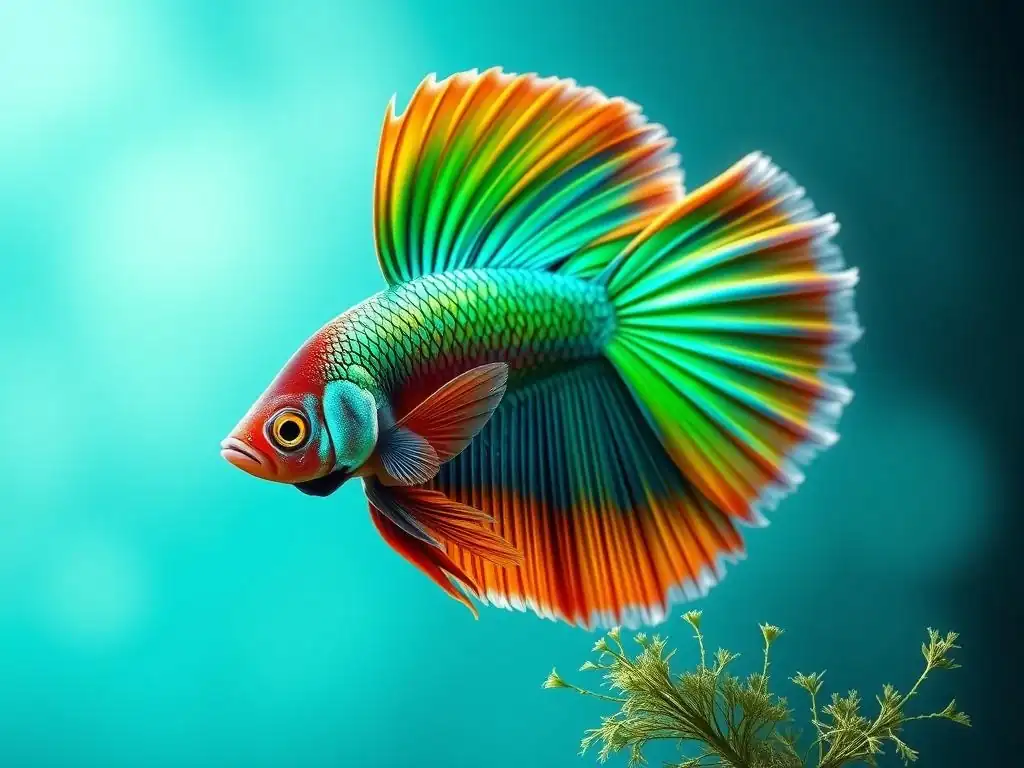
Establishing a stress-free environment is crucial for a successful Betta community tank. Bettas thrive in calm, stable conditions. This means minimizing strong water currents, which can exhaust their long fins and make swimming difficult. Filters with powerful outflows should be baffled or directed towards the tank wall to disperse the flow.
Lighting should also be moderate; excessively bright lights can stress Bettas, which prefer dimmer conditions. Providing areas of shade, perhaps with floating plants or tall, dense foliage, can help them feel secure. A well-designed tank provides a sense of security and reduces the likelihood of aggression, allowing Bettas and community tank mates to coexist more peacefully.
Another aspect of a stress-free environment is a stable water temperature. Bettas prefer temperatures between 76-82°F (24-28°C). Maintaining this consistent temperature with a reliable heater is vital, as temperature fluctuations can cause stress and weaken their immune system, making them susceptible to diseases like Ich or fin rot. Ensuring minimal sudden movements or loud noises around the tank also contributes to a calm atmosphere. A calm Betta is far more likely to be a peaceful resident in a community setting, highlighting the importance of thoughtful environmental design.
Planted Tanks: Providing Shelter and Hiding Places
Heavily planted tanks are exceptionally beneficial for Betta community tanks. Plants, whether live or high-quality silk, provide essential shelter and hiding places, which are critical for reducing stress and aggression among Bettas and community tank mates. Dense vegetation creates visual barriers, breaking up lines of sight and allowing the Betta to establish its territory without constant visual contact with other fish. This reduces the likelihood of chasing and nipping, as the Betta feels more secure and its tank mates have places to retreat if needed.
Live plants, such as Java Fern ( Microsorum pteropus), Anubias species ( Anubias barteri), and Hornwort ( Ceratophyllum demersum), are particularly effective. They not only offer excellent cover but also contribute to water quality by absorbing nitrates and providing natural foraging grounds.
Floating plants like Frogbit ( Limnobium laevigatum) or Dwarf Water Lettuce ( Pistia stratiotes) are also excellent, as they dim the light, which Bettas appreciate, and offer additional surface cover. The more complex the aquascape, with driftwood, rocks, and various plant heights, the more secure all inhabitants will feel, fostering a harmonious environment for Bettas and community tank mates.
Water Parameters: Maintaining Optimal Conditions for Bettas and Tank Mates
Maintaining optimal and stable water parameters is paramount for the health and longevity of Bettas and community tank mates. Bettas thrive in warm, slightly acidic to neutral water. The ideal temperature range is 76-82°F (24-28°C). A consistent temperature is crucial, as fluctuations can stress fish and lead to illness. The pH level should ideally be between 6.5 and 7.5, and water hardness (GH) between 3-12 dGH (50-200 ppm). These parameters generally suit most compatible tropical fish species, making it easier to select appropriate tank mates.
Regular testing of water parameters is essential. Ammonia and nitrite levels should always be at 0 ppm, as even small amounts are highly toxic to fish. Nitrate levels should be kept below 20 ppm through regular water changes and effective filtration. High nitrate levels can lead to chronic stress and weaken the fish's immune system. Consistent monitoring with a reliable test kit ensures that the aquatic environment remains healthy and supportive for all Betta community tank mates, preventing disease outbreaks and promoting overall well-being.
Filtration and Water Changes in a Betta Community Tank
Effective filtration and consistent water changes are non-negotiable for a thriving Betta community tank. A good filtration system, typically a hang-on-back (HOB) filter or a sponge filter, is necessary to remove physical debris and perform biological filtration, converting harmful ammonia and nitrites into less toxic nitrates. However, as Bettas prefer low-flow environments, it's crucial to choose a filter with adjustable flow or to baffle the outflow of a stronger filter to prevent excessive current that could stress the Betta's long fins. Sponge filters are particularly gentle and effective for Betta tanks.
Beyond filtration, regular water changes are the cornerstone of maintaining pristine water quality. A weekly water change of 25-30% of the tank volume is generally recommended for a Betta community tank, depending on the stocking density and feeding habits. This practice removes accumulated nitrates, replenishes essential minerals, and helps maintain stable pH and hardness levels. Always use a dechlorinator when adding new water to neutralize chlorine and chloramines, which are toxic to fish. Diligent water maintenance ensures a healthy environment, reducing stress and the risk of disease for Bettas and community tank mates, allowing them to thrive.
Introducing Bettas to a Community Tank: A Step-by-Step Guide
Quarantining New Fish Before Adding Them to the Community Tank
Quarantining new fish is a critical step before introducing them to an established Betta community tank. This preventative measure helps protect your existing fish from potential diseases or parasites that new arrivals might carry. A separate quarantine tank, typically a 5 to 10-gallon tank with a heater, sponge filter, and a few hiding spots, should be set up for this purpose. New fish should remain in quarantine for a minimum of 2-4 weeks.
During the quarantine period, closely observe the new fish for any signs of illness, such as white spots (Ich), clamped fins, lethargy, loss of appetite, or abnormal growths. If any symptoms appear, treat the fish in the quarantine tank, preventing the disease from spreading to your main Betta community tank. This precautionary step significantly reduces the risk of introducing pathogens that could devastate your established ecosystem, safeguarding the health of your Bettas and community tank mates.
Gradual Acclimation: Minimizing Stress During Introduction
Once new fish have successfully completed their quarantine period and are deemed healthy, gradual acclimation is essential to minimize stress during their introduction to the Betta community tank. The "drip acclimation" method is highly recommended, as it slowly equalizes the water parameters (temperature, pH, hardness) between the quarantine tank (or transport bag) and the main display tank. This process typically involves placing the new fish in a small container with their original water, then slowly dripping water from the main tank into the container over an hour or more, gradually mixing the two water sources.
During acclimation, it's advisable to dim the lights in the main tank to reduce stress on all inhabitants. Once the water parameters have equalized, gently net the new fish and release them into the community tank, discarding the old water from the container. Avoid simply dumping the fish and their water into the tank, as this can shock them and introduce potentially harmful water from their previous environment. A slow, careful introduction helps the new Betta community tank mates adjust to their new home with minimal physiological stress.
Observing Betta Behavior After Introduction
After introducing the Betta to its new community tank, or adding new tank mates to an existing Betta setup, continuous and diligent observation is paramount. For the first few hours, and especially over the next 24-48 hours, closely monitor the Betta's behavior and its interactions with the new inhabitants. Look for signs of aggression from the Betta, such as flaring, chasing, or nipping at the fins of its tank mates. Conversely, observe if the Betta is being bullied or stressed by other fish, indicated by clamped fins, hiding excessively, or rapid breathing.
Also, pay attention to the feeding habits. Ensure the Betta is eating normally and not being outcompeted for food by its new tank mates. Early detection of problems allows for prompt intervention, such as rearranging decor to break up lines of sight, adding more hiding spots, or, in severe cases, removing the aggressive or bullied fish. Consistent observation is key to ensuring a harmonious environment for Bettas and community tank mates, allowing you to address any issues before they escalate.
Managing Aggression in a Betta Community Tank
Signs of Aggression: Recognizing Problems Early
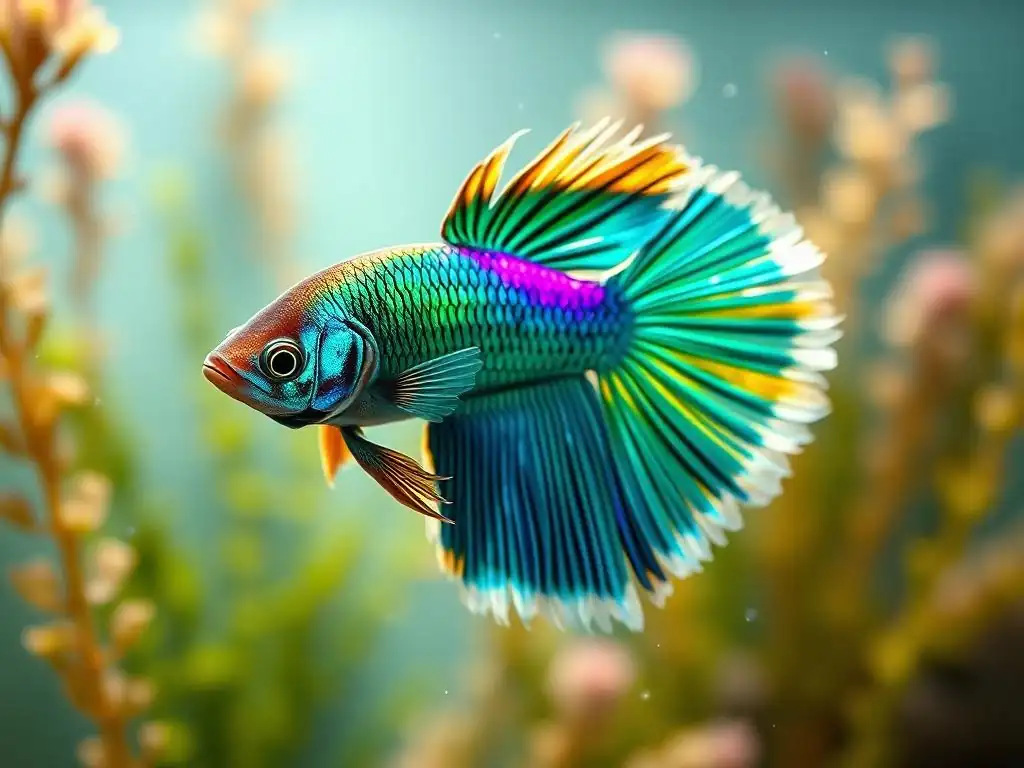
Recognizing early signs of aggression is crucial for maintaining a peaceful Betta community tank. While some initial curiosity or minor chasing is normal as fish establish territories, persistent or escalating aggression requires intervention. Key indicators of aggression from a Betta include frequent flaring (displaying gills and fins), relentless chasing of tank mates, nipped or torn fins on other fish, and the Betta itself constantly hiding or showing signs of stress like clamped fins and faded colors. Conversely, if the Betta is being bullied, it may show similar stress signs, become lethargic, or refuse to eat.
Observing the overall dynamics of the tank is also important. Are other fish constantly huddled together, avoiding certain areas, or exhibiting rapid, jerky movements? These could be signs of a dominant Betta causing stress. Early detection of these behaviors allows for timely adjustments to the tank environment or fish population, preventing serious injury or chronic stress among your Bettas and community tank mates. Ignoring these signals can lead to severe health issues or even fatalities for the less dominant fish.
Solutions for Aggression: Re-arranging the Tank, Adding More Plants
If aggression becomes an issue in your Betta community tank, several solutions can be implemented before resorting to separation. One effective strategy is to re-arrange the tank decor. By moving plants, driftwood, and rocks, you disrupt the Betta's established territory, forcing it to re-evaluate its surroundings. This can often reset the dynamic and reduce territorial disputes. Adding more plants, especially tall, dense species like Amazon Swords or Anubias, creates additional visual barriers and hiding spots. These provide refuge for bullied fish and break up lines of sight, making it harder for the Betta to relentlessly chase its tank mates.
Increasing the number of dither fish (peaceful schooling fish like Ember Tetras or Rasboras) can also help, provided the tank size allows for it. A larger school can diffuse aggression, as the Betta's attention is spread across more targets, reducing focused bullying on a single individual. Ensuring adequate feeding, with food distributed widely, can also prevent aggression stemming from competition for resources. These proactive measures can often mitigate aggressive tendencies, allowing Bettas and community tank mates to coexist more peacefully.
Separating Aggressive Bettas: When to Remove a Betta from the Community
Despite best efforts, there are instances where separating an aggressive Betta from the community tank becomes necessary. This is the last resort when all other solutions, such as rearranging decor or adding more hiding spots, have failed to curb the Betta's aggression. The primary indicators that separation is needed include persistent and severe fin nipping resulting in significant injury to tank mates, constant bullying that causes chronic stress and illness in other fish, or if the Betta itself is showing signs of extreme stress or injury from its own aggression (e.g., constantly flaring to the point of exhaustion).
If a Betta is causing harm to its tank mates, or if its presence is leading to a consistently stressed environment for the entire community, it's time to move the Betta to a dedicated single Betta tank, ideally 5 gallons or larger. This ensures the safety and well-being of all fish involved.
While it might be disappointing to remove a Betta from a community setup, prioritizing the health and harmony of your aquatic ecosystem is paramount. A single Betta tank can still provide a rich and fulfilling experience, allowing the Betta to live a stress-free life without the need for constant vigilance over Bettas and community tank mates.
The Pros and Cons of Keeping Bettas in a Community Tank
Advantages of a Betta Community Aquarium
Keeping Bettas in a community aquarium offers several appealing advantages for aquarists. Firstly, it provides a much more dynamic and interesting display than a single Betta tank. Observing the interactions between different species, watching schooling fish move in unison, and seeing the Betta explore a larger, more complex environment can be highly rewarding. This setup allows for a greater diversity of aquatic life, including various fish species, snails, and even shrimp (though shrimp can be risky Betta community tank mates).
Secondly, a larger community tank often provides more stable water parameters due due to its increased water volume, which can be beneficial for the Betta's overall health compared to smaller, less stable setups. The presence of dither fish can also make the Betta feel more secure, as they indicate a safe environment. For a peaceful Betta, a community tank can stimulate natural behaviors and provide a richer, more engaging existence, making the hobby even more enjoyable for the aquarist.
Disadvantages and Potential Challenges
Despite the advantages, housing Bettas and community tank mates comes with significant disadvantages and potential challenges that aquarists must be prepared for. The primary concern is the inherent aggression of Bettas. Even with careful selection of tank mates and ample space, there's always a risk that the Betta will become aggressive, leading to stress, injury, or death for other fish. This requires constant vigilance and readiness to intervene, which can be demanding for the aquarist.
Another challenge is the increased risk of disease transmission. With more fish in the tank, the chances of introducing pathogens increase, and an illness can spread rapidly through the community. Furthermore, maintaining optimal water parameters becomes more complex with a higher bioload, requiring more diligent testing and consistent water changes.
If the community tank mates are not chosen carefully, or if the tank is overcrowded, the Betta may experience chronic stress, leading to a weakened immune system and a shorter lifespan. The potential for failure and the need for constant monitoring make Betta community tanks a more advanced undertaking than keeping a single Betta.
Alternative Options: Single Betta Tanks vs. Community Setups
Exploring the Benefits of a Dedicated Betta Tank
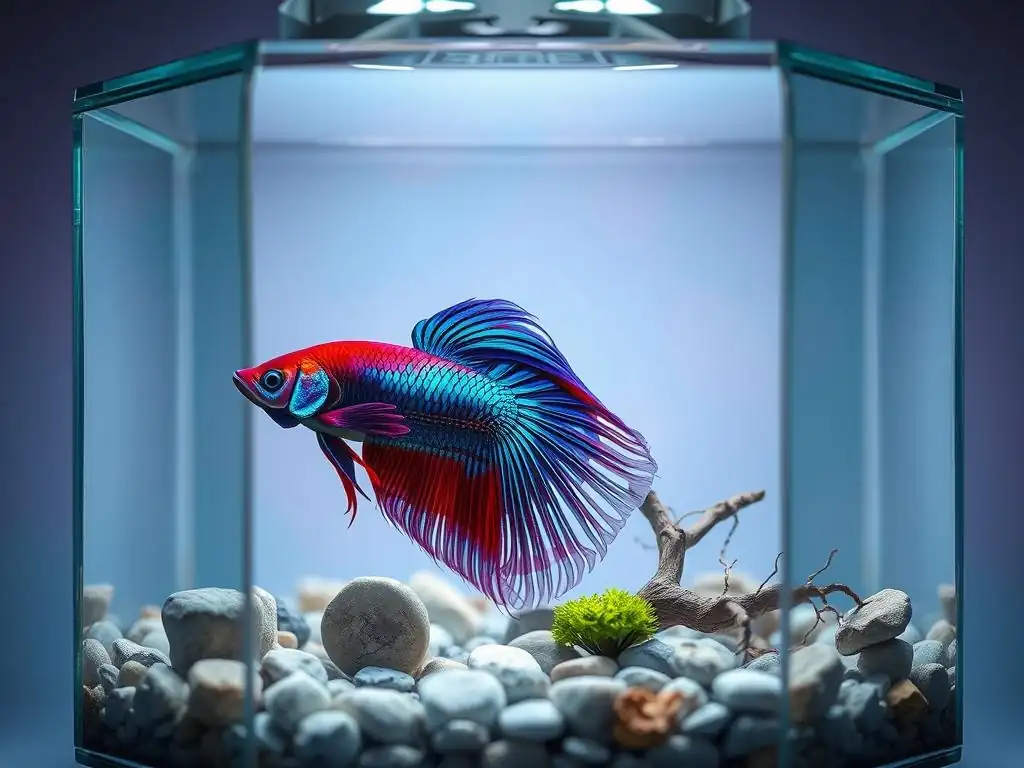
For many aquarists, especially beginners or those seeking a simpler, lower-maintenance setup, a dedicated single Betta tank offers numerous benefits. The most significant advantage is the elimination of aggression concerns. A Betta housed alone in a properly sized tank (minimum 5 gallons) will not experience stress from territorial disputes or fin nipping, leading to a calmer, healthier fish. This allows the Betta to display its natural behaviors without the constant need to assert dominance or hide from bullies.
Maintenance is generally simpler in a single Betta tank. With a lower bioload, water parameters are often easier to keep stable, and less frequent water changes may be required compared to a densely stocked community tank. The focus shifts entirely to the Betta's individual needs, allowing the owner to observe its unique personality and ensure its optimal well-being without the complexities of managing multiple species. For those who prioritize the individual Betta's comfort and longevity above a diverse display, a dedicated single Betta tank is an excellent and often superior choice.
Considerations for Choosing Between a Single and Community Tank for Your Betta
The decision between a single Betta tank and a Betta community tank depends on several factors, including your experience level, available space, commitment to monitoring, and individual Betta personality. For novice aquarists, starting with a single Betta tank is often recommended. It provides a less complex introduction to fish keeping, allowing you to master basic care before tackling the intricacies of a community setup. A 5 to 10-gallon tank for a single Betta is far more manageable than a 20-gallon or larger community tank.
If you have ample space (20 gallons or more), are committed to diligent water testing and maintenance, and are prepared for the possibility of aggression requiring intervention, a Betta community tank can be a rewarding challenge. However, it's crucial to acknowledge that not all Bettas are suited for community living, regardless of the setup. Some individuals are simply too aggressive. Therefore, careful observation of your Betta's temperament is vital. Ultimately, the best choice prioritizes the Betta's well-being and aligns with your capacity to provide a suitable and stable environment for Bettas and community tank mates.
Common Mistakes to Avoid When Housing Bettas with Tank Mates
Overcrowding the Tank: The Number One Mistake
Overcrowding is arguably the most common and detrimental mistake when attempting to house Bettas with tank mates. A cramped environment inevitably leads to increased stress, heightened aggression, and poor water quality. In an overcrowded tank, the Betta has insufficient space to establish a territory, leading to constant encounters and potential confrontations with tank mates. This perpetual stress can weaken the Betta's immune system, making it susceptible to diseases, and often results in fin nipping or bullying.
Beyond behavioral issues, overcrowding dramatically increases the bioload, leading to rapid accumulation of ammonia, nitrite, and nitrate. Even with diligent filtration, water parameters can quickly become toxic, causing gill damage, organ failure, and ultimately death for all inhabitants. A common misconception, the "one inch of fish per gallon" rule, is severely flawed and should never be applied to Betta community tanks; instead, research the specific space and schooling needs of each species. Always err on the side of under-stocking rather than over-stocking to ensure a healthy and harmonious environment for Bettas and community tank mates.
Neglecting Water Quality: A Recipe for Disaster
Neglecting water quality is a recipe for disaster in any aquarium, but it's particularly critical in a Betta community tank due to the increased bioload and the Betta's sensitivity to poor conditions. Ammonia and nitrite, byproducts of fish waste and decaying food, are highly toxic and can quickly accumulate if filtration is inadequate or water changes are neglected. Even low levels of these compounds cause gill damage, respiratory distress, and immune suppression, making fish vulnerable to infections. High nitrate levels, while less acutely toxic, lead to chronic stress and can cause dull coloration, lethargy, and fin rot.
Consistent water testing with a reliable kit (for ammonia, nitrite, and nitrate) is non-negotiable. A weekly water change of 25-30% is typically necessary to dilute nitrates and replenish essential minerals. Failing to maintain pristine water conditions will inevitably lead to a cascade of health problems, including fin rot, bacterial infections, and parasitic outbreaks, ultimately undermining the success of housing Bettas and community tank mates. Clean water is the foundation of a healthy aquatic ecosystem.
Ignoring Betta Behavior: Failing to Recognize Stress Signals
One of the most critical mistakes an aquarist can make is ignoring the subtle (or not-so-subtle) behavioral cues from their Betta and its tank mates. Bettas, like all fish, communicate their well-being through their actions and appearance.
Failing to recognize signs of stress, aggression, or illness can lead to escalating problems and irreversible harm. A Betta that is constantly hiding, has clamped fins, is refusing food, showing faded colors, or is rubbing against decor is likely stressed or ill. Conversely, a Betta that is relentlessly chasing, flaring, or nipping at its tank mates is exhibiting aggression that needs to be addressed.
Early intervention is key. If you notice signs of stress or aggression, it's crucial to investigate the cause and take corrective action immediately, whether it's adjusting water parameters, adding more hiding spots, or considering separating fish. Dismissing these signals as "normal" or "just settling in" can have dire consequences for the Betta and the entire community. A vigilant aquarist who understands and responds to the nuances of Betta behavior is far more likely to achieve a thriving environment for Bettas and community tank mates.
Success Stories: Examples of Thriving Betta Community Tanks
A 20-Gallon Planted Community Tank with a Peaceful Betta and Ember Tetras
One notable success story involves a 20-gallon long community tank that housed a remarkably peaceful male Betta with a vibrant school of Ember Tetras. The tank was heavily planted with a mix of Java Fern, Anubias attached to driftwood, and a dense carpet of Dwarf Hairgrass. Floating plants like Frogbit covered about 25% of the surface, providing shaded areas.
The filtration was handled by a sponge filter, ensuring a gentle flow, and the temperature was maintained at a steady 78°F (25.5°C). The Betta, named "Blue," was introduced after the tank had been established for over two months and was found to have a docile temperament during initial observation in a smaller tank.
Blue coexisted harmoniously with a school of 15 Ember Tetras. The Tetras, being small and non-fin nipping, largely ignored Blue, and he, in turn, showed no aggression towards them. They primarily occupied the middle water column, while Blue often patrolled the upper and mid-levels or rested among the plant leaves. Regular weekly 25% water changes kept nitrates below 10 ppm, and the tank maintained stable parameters of pH 7.0 and GH 8 dGH. This setup demonstrated that with careful planning, appropriate tank mates, and a Betta with a calm disposition, a thriving Betta community tank is entirely achievable.
A 29-Gallon Community Tank with Corydoras, Nerite Snails, and a Calm Betta
Another successful Betta community tank was a 29-gallon setup featuring a serene female Betta, a group of Corydoras catfish, and several Nerite Snails. The tank had a soft sand substrate, which was ideal for the Corydoras' delicate barbels, along with several pieces of driftwood and smooth river stones providing additional decor and hiding spots. Lush growth of Cryptocoryne species and Amazon Swords created dense areas of cover. A hang-on-back filter with a pre-filter sponge on the intake and a baffle on the outflow ensured gentle water movement, and the temperature was kept at 77°F (25°C).
The female Betta, "Ruby," was introduced after spending a month in a quarantine tank, during which her calm demeanor was evident. She shared her home with a group of eight Panda Corydoras and three Tiger Nerite Snails. The Corydoras spent their time sifting through the sand at the bottom, while the snails diligently cleaned algae from the glass and decor.
Ruby showed no interest in her bottom-dwelling tank mates, and they, in turn, were oblivious to her presence. This tank showcased how selecting fish that occupy different niches within the water column and ensuring ample space and hiding places can lead to a peaceful cohabitation for Bettas and community tank mates.
Frequently Asked Questions
Can Bettas really live in a community tank?
Yes, Bettas can live in community tanks, but it requires careful planning and consideration. Success depends on choosing compatible tank mates and providing an appropriate environment.
What kind of tank mates are best for Bettas?
Ideal tank mates are generally peaceful, non-nippy fish that won't compete with the Betta for food or territory. Good choices include small schooling fish like Ember Tetras or Harlequin Rasboras, and bottom dwellers such as Corydoras Catfish.
What tank size is recommended for a Betta community tank?
A larger tank is crucial. A minimum of 20 gallons is recommended to provide enough space for the Betta to establish its territory and for other fish to avoid conflicts. Larger is always better.
What should I avoid when selecting Betta tank mates?
Avoid brightly colored or long-finned fish that might be mistaken for another Betta and trigger aggression. Also, avoid fin-nipping species like Tiger Barbs or Serpae Tetras as they can stress the Betta.
How do I introduce a Betta to a community tank?
Introduce the Betta last after the other fish have settled in. Monitor the Betta's behavior closely for any signs of stress or aggression. Observation is key for a successful transition.
Okay, here's a final reflection you can use for your article "Can Bettas Live in a Community Tank? The Truth About Tank Mates," formatted as requested:
The question of whether Bettas and community tank mates can coexist is more than just a matter of aquarium setup; it reflects our broader understanding of animal welfare and responsible pet ownership. As we've explored the nuances of betta behavior and the compatibility of various tank mates, it's clear that success hinges on careful research, meticulous planning, and a commitment to providing a thriving environment for all inhabitants.
This exploration has highlighted the delicate balance within a community tank and the profound impact our choices have on the lives of these creatures. The responsibility we bear as aquarists extends beyond simply providing food and water; it demands empathy, observation, and a willingness to adapt our approach based on the individual needs of our fish. The greatness of a nation and its moral progress can be judged by the way its animals are treated.
- Mahatma Gandhi. This quote resonates deeply when considering the ethical implications of keeping bettas in community tanks.
Ultimately, the decision to introduce tank mates to a betta's environment should be driven by a genuine desire to enhance their well-being, not simply to create a visually appealing display. Consider the knowledge you've gained here, and let it guide you in creating a harmonious and enriching aquatic world. Take the time to observe, learn, and adapt, and you'll not only create a beautiful aquarium but also contribute to a more compassionate understanding of these fascinating creatures.
Unlock the Secrets to a Thriving Betta Community!
Thank you for diving deep into the world of betta compatibility! We hope you now feel empowered to make informed decisions about your finned friend's future. Ready to take the next step?
Here's how you can ensure a harmonious aquarium:
- Carefully observe your betta's temperament. Dedicate at least one hour to watching their behavior and identify any aggressive tendencies before introducing any tank mates.
- Research and select appropriate tank mates that are known to be peaceful and avoid competing with the betta. Consider species like Corydoras catfish or snails.
- Share your Betta community tank dreams with other aquarium enthusiasts on social media and invite feedback on your planned setup!
What peaceful companion are you considering adding to your betta's underwater world, and why do you think they'd be a good match?