
How Often Do Platies Breed? Understanding Their Reproductive Cycle

Welcome to Aquarium Mastery!
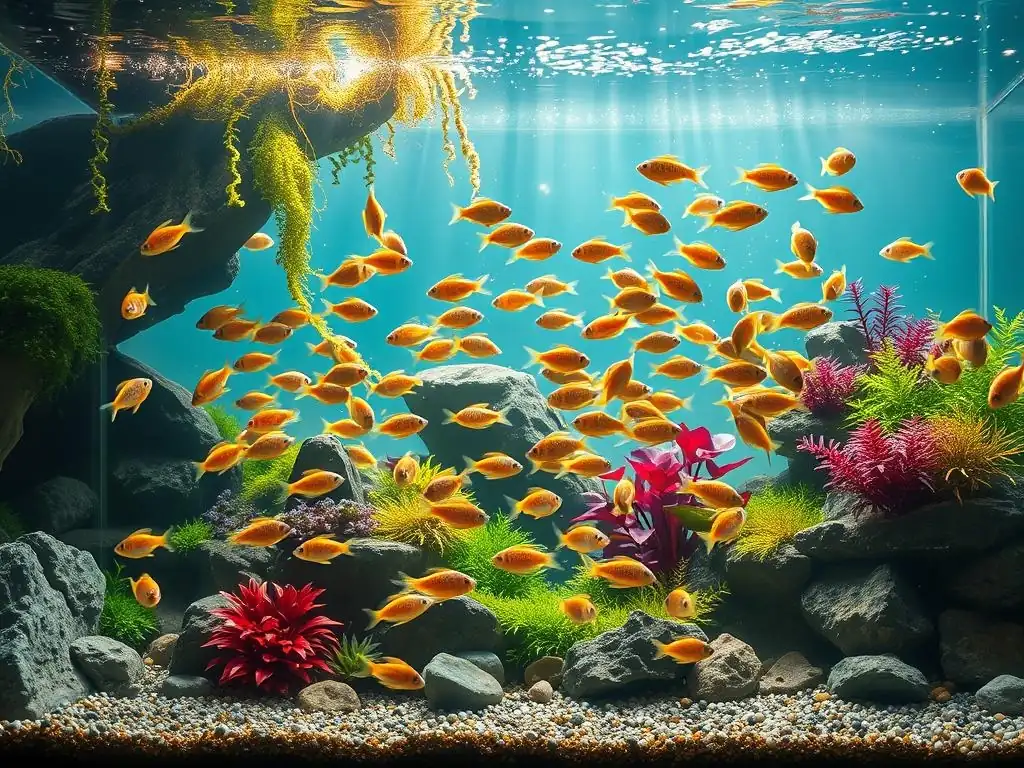
Ever wondered just how often your vibrant Platies might be adding to your underwater family? Dive in! This article explores the fascinating world of Platy breeding frequency and timing, unlocking the secrets to understanding their reproductive cycle and ensuring a thriving aquarium ecosystem. Discover what influences their breeding habits and get ready to witness the miracle of life unfold in your freshwater haven. Read on to learn more!
- Breeding Livebearers: A Guide to Successful Reproduction
- Understanding Livebearer Reproduction: Key Factors and Considerations
- Livebearer Breeding Basics: Essential Elements for Success
- Livebearer Gestation Period: What to Expect During Pregnancy
- Livebearer Breeding Frequency: Factors Influencing Reproductive Rate
- Post-Partum Care: Maximizing Fry Survival Rates
- Common Problems in Livebearer Breeding and Solutions
- Optimizing Livebearer Breeding: Advanced Techniques
- Conclusion: Mastering Livebearer Breeding for a Thriving Aquarium
- Frequently Asked Questions
- Final Reflection: The Enduring Cycle of Life
- Ignite Your Platy Passion: Unveil the Secrets to Thriving Fry!
Breeding Livebearers: A Guide to Successful Reproduction
Understanding Livebearer Reproduction: Key Factors and Considerations
Livebearers, a popular group of freshwater fish including guppies, mollies, swordtails, and platies, are renowned for their unique reproductive strategy: giving birth to live, free-swimming fry rather than laying eggs. This characteristic, combined with their generally peaceful temperament and vibrant colors, makes them a favorite among aquarists, from beginners to experienced breeders. Their prolific nature means that understanding their reproductive cycle is crucial for successful aquarium management and for anyone interested in the fascinating process of Platy breeding frequency and timing.
Successfully breeding livebearers, particularly platies, hinges on several key factors. These include maintaining optimal water parameters, providing a nutritious diet, ensuring a stress-free environment, and understanding the specific needs of pregnant females and their fry. By paying close attention to these elements, aquarists can not only witness the miracle of birth but also contribute to a thriving and sustainable population of these beautiful fish within their home aquariums.
Livebearer Breeding Basics: Essential Elements for Success
Identifying Male and Female Livebearers
Distinguishing between male and female livebearers, particularly platies, is relatively straightforward due to distinct anatomical differences. The most prominent feature is the anal fin: in males, this fin is modified into a slender, rod-like organ called a gonopodium, which is used for internal fertilization. This specialized structure is easily visible and serves as a definitive indicator of a male Platy.
Female platies, on the other hand, possess a fan-shaped anal fin that is broad and rounded, lacking the distinct gonopodium of the male. Additionally, mature female platies are typically larger and more robust than their male counterparts. Observing these characteristics allows aquarists to accurately sex their platies, a fundamental step in understanding and managing Platy breeding frequency and timing.
Optimal Water Parameters for Livebearer Breeding and Fry Survival
Maintaining stable and appropriate water parameters is paramount for successful livebearer breeding and the robust survival of fry. Platies thrive in slightly alkaline to neutral water with a pH range of 7.0 to 8.0, and moderately hard water with a general hardness (GH) between 10 to 25 dGH. Consistency in these parameters minimizes stress, which is a significant factor affecting the health and reproductive success of breeding platies.
Temperature also plays a crucial role in Platy breeding frequency and timing. An optimal temperature range of 72-78°F (22-26°C) is generally recommended for breeding platies. While warmer temperatures within this range can slightly accelerate the gestation period, maintaining a stable temperature prevents undue stress on pregnant females and newly born fry, ensuring a healthier breeding cycle and improved survival rates.
Setting Up a Breeding Tank for Livebearers: Ensuring a Safe Environment
For aquarists keen on maximizing fry survival, setting up a dedicated breeding tank can be highly beneficial. A 10-gallon (approximately 38-liter) tank is often sufficient for a small group of platies (e.g., one male and two or three females) and provides adequate space for fry. The tank should be equipped with a gentle filter, such as a sponge filter, to prevent delicate fry from being sucked in and to maintain water quality without creating strong currents.
Crucially, a breeding tank for livebearers must offer ample hiding spots for the newborn fry to escape predation from adult fish, including their own parents. Dense live plants like Java moss, hornwort, or guppy grass are excellent choices, providing both shelter and micro-organisms for fry to graze on. Alternatively, commercially available breeding boxes or nets can be used to isolate the pregnant female just before birth, ensuring the safety of the fry immediately after they are born.
Livebearer Gestation Period: What to Expect During Pregnancy
Recognizing Signs of Pregnancy in Female Livebearers
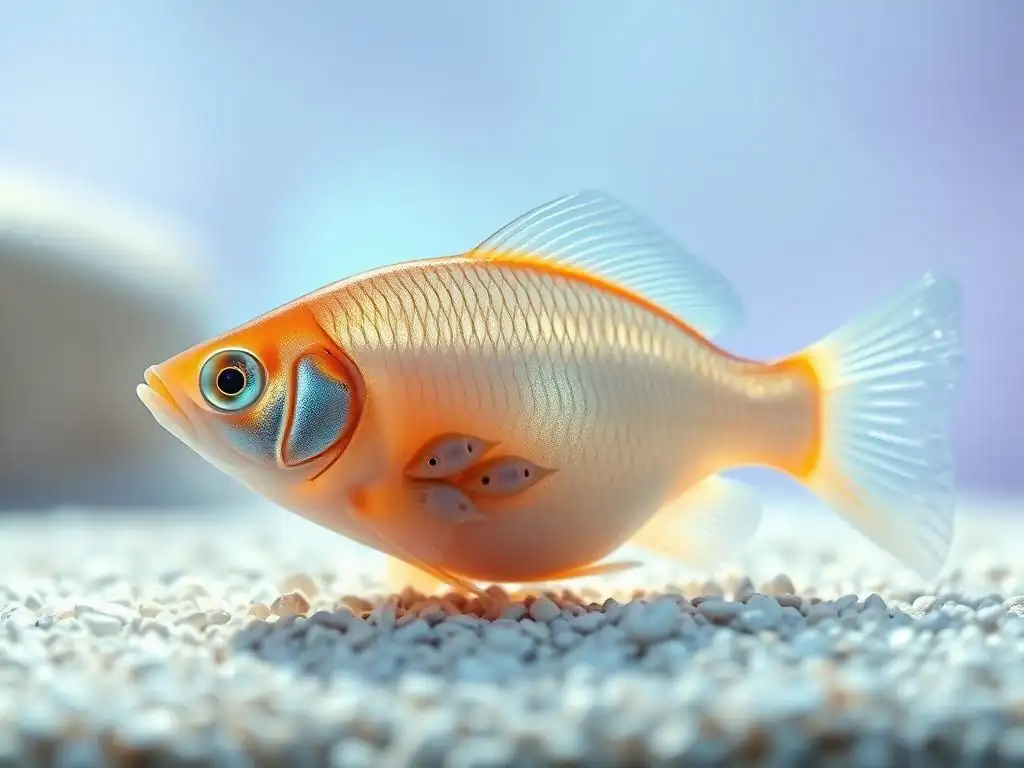
Identifying a pregnant female livebearer, such as a Platy, becomes relatively easy once you know what to look for. One of the most common indicators is the development of a "gravid spot," a dark triangular or circular area that appears near the anal fin. This spot becomes more pronounced as the eggs develop and the fry grow inside, particularly noticeable in lighter-colored Platy varieties due to the visibility of the fry's eyes through the stretched skin.
Beyond the gravid spot, a pregnant female Platy's abdomen will gradually swell, transforming from a streamlined shape to a noticeably rounder, sometimes almost "boxy" appearance as she approaches delivery. Behavioral changes may also be observed, such as increased hiding, reduced appetite, or more frequent resting near the heater or at the bottom of the tank. Observing these signs helps aquarists anticipate the birth and prepare for the arrival of new fry, directly impacting the effective management of Platy breeding frequency and timing.
Livebearer Gestation Timeline: Species-Specific Examples
The gestation period for livebearers varies slightly among species, but for Platies (Xiphophorus maculatus), it typically ranges from 28 to 30 days. This means that, under optimal conditions, a female Platy can give birth roughly once a month. This relatively short and consistent gestation period contributes to the high Platy breeding frequency and timing observed in well-maintained aquariums.
Environmental factors, such as water temperature and stress levels, can influence this timeline. For instance, slightly warmer water (within the optimal range of 72-78°F or 22-26°C) may marginally shorten the gestation period, while cooler temperatures or significant stress can prolong it or even lead to complications. Understanding this Platy breeding frequency and timing allows aquarists to predict births and plan for fry care more effectively.
Caring for Pregnant Livebearers: Diet and Tank Conditions
Proper care for pregnant livebearers is crucial for the health of both the mother and her developing fry. A high-quality, varied diet rich in protein is essential during this period. Offer a mix of flake food, live or frozen brine shrimp, daphnia, and bloodworms to ensure she receives all necessary nutrients for gestation and subsequent recovery. Supplementing with vegetable matter, such as blanched spirulina flakes or algae wafers, also aids digestion and overall health.
Maintaining stable and pristine water conditions is equally important. Any sudden fluctuations in temperature, pH, or ammonia/nitrite levels can cause significant stress, potentially leading to premature births, stillbirths, or a weakened mother. Regular, small water changes (e.g., 20% weekly) help keep parameters stable and reduce the buildup of toxins, ensuring a healthy environment for the pregnant Platy and contributing positively to the Platy breeding frequency and timing.
Livebearer Breeding Frequency: Factors Influencing Reproductive Rate
The Impact of Age and Health on Breeding Capabilities
The age and overall health of livebearers significantly influence their breeding capabilities and the consistency of their reproductive cycles. Platies typically reach sexual maturity around 4-6 months of age and can begin breeding shortly thereafter. Their peak breeding years usually span from about 6 months to 1.5-2 years, during which they are most prolific and produce the largest, healthiest broods. As platies age beyond this period, their breeding frequency may gradually decrease, and the number of fry per brood might decline.
Beyond age, the general health of the fish is paramount. Platies that are well-fed, kept in a clean and stable environment, and free from disease will exhibit a much higher Platy breeding frequency and timing compared to those under stress or suffering from ailments. A robust immune system and proper nutrition directly translate into stronger reproductive organs, more viable eggs, and healthier fry, ensuring a consistent and successful breeding program.
How Temperature Affects Livebearer Breeding Cycles
Water temperature plays a direct and measurable role in regulating the Platy breeding frequency and timing. Within their optimal range of 72-78°F (22-26°C), warmer temperatures tend to accelerate the metabolic rate of platies, which in turn can shorten their gestation period. For instance, a female Platy kept consistently at 78°F (26°C) might give birth closer to the 28-day mark, whereas one at 72°F (22°C) might take the full 30 days or slightly longer.
Conversely, temperatures below the optimal range will slow down the entire reproductive process, extending the gestation period and potentially reducing the overall Platy breeding frequency and timing. Extreme temperature fluctuations, regardless of the average, can also induce stress, leading to complications such as premature births or a complete cessation of breeding. Maintaining a steady temperature within the recommended range is therefore crucial for predictable and consistent breeding.
Diet and Nutrition's Role in Livebearer Reproduction and Fry Health
A comprehensive and balanced diet is arguably one of the most critical factors influencing a Platy's reproductive success and the health of its fry. Parents, especially the breeding females, require a diet rich in protein, essential vitamins, and minerals to develop healthy eggs and sustain the demanding process of gestation. Feeding a varied diet that includes high-quality flake foods, live or frozen foods like brine shrimp and bloodworms, and vegetable matter such as spirulina flakes, ensures all nutritional needs are met.
Inadequate nutrition can lead to a significant reduction in Platy breeding frequency and timing. Females may become less fertile, produce fewer fry, or even abort pregnancies if their bodies lack the necessary resources. Furthermore, the quality of the parents' diet directly impacts the vitality and survival rate of the fry; well-nourished parents produce robust fry with better growth rates and stronger immune systems, contributing to long-term breeding success.
The Influence of Tank Size and Population Density on Breeding
The physical environment, specifically tank size and population density, profoundly impacts Platy breeding frequency and timing. Overcrowding is a major stressor for fish, leading to increased aggression, poor water quality due to higher waste production, and suppressed immune systems. In such conditions, platies are less likely to breed consistently, and if they do, the fry survival rate will be significantly lower due to stress and predation.
Providing adequate space, typically at least a 10-gallon tank for a small breeding group (e.g., 1 male to 2-3 females) and larger tanks for multiple fish, reduces stress and allows for natural behaviors. A well-sized tank with appropriate hiding spots encourages healthy interactions and provides a more stable environment, which directly promotes consistent Platy breeding frequency and timing. Responsible stocking ensures that fish are comfortable and able to reproduce naturally.
Post-Partum Care: Maximizing Fry Survival Rates
Protecting Livebearer Fry from Predation by Adults
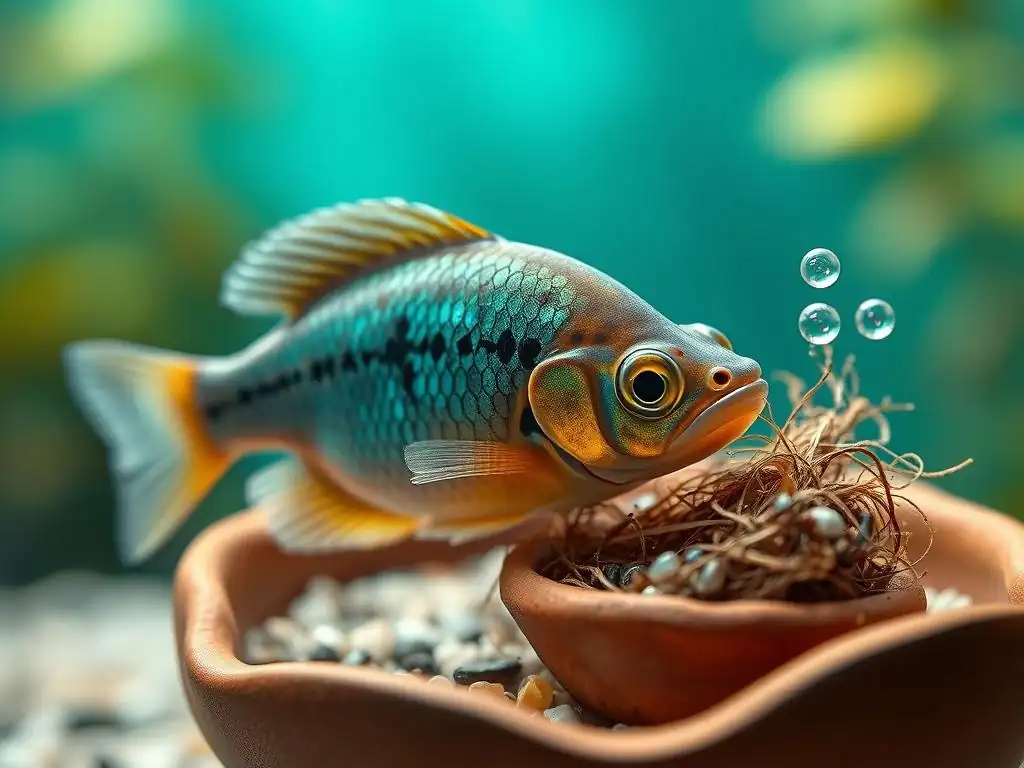
One of the primary challenges in livebearer breeding is protecting the newly born fry from predation, often by their own parents or other adult fish in the tank. Livebearer fry are born small and vulnerable, making them easy targets. To maximize their survival rates, aquarists often employ several strategies immediately after birth. One common method is to use a breeding box or net, which isolates the pregnant female just before she gives birth and then keeps the fry separate from the adults.
Alternatively, a heavily planted tank provides natural hiding spots. Dense patches of fine-leaved plants like Java moss, hornwort, or guppy grass offer excellent refuge where fry can conceal themselves until they are large enough to avoid being eaten. While this method doesn't guarantee 100% survival, it significantly increases the chances of a good number of fry making it to maturity, especially in a community tank where isolating parents isn't feasible.
Feeding Livebearer Fry: Optimal Diet for Healthy Growth
Proper nutrition is critical for the rapid growth and development of livebearer fry. Due to their small size, they require specialized foods that are easily digestible and provide high nutritional value. Newly hatched brine shrimp nauplii are an excellent choice, being highly nutritious and a natural food source that stimulates their feeding instincts. Microworms, finely crushed high-quality flake food (powdered to a dust-like consistency), and commercial liquid fry foods are also suitable options.
Fry have very high metabolic rates and small stomachs, necessitating frequent feedings – typically 3-5 small meals per day. Overfeeding should be avoided, as uneaten food can quickly foul the water, but consistent, small portions ensure they receive a continuous supply of nutrients for healthy development. This diligent feeding regimen is vital for raising robust fry and maintaining the overall health of the breeding line.
Maintaining Water Quality for Livebearer Fry: Preventing Disease
Maintaining pristine water quality is even more critical for livebearer fry than for adult fish, as their delicate systems are highly susceptible to fluctuations and pollutants. Ammonia, nitrite, and nitrate levels must be kept at near-zero concentrations to prevent stress and disease, which can decimate a brood quickly. Small, frequent water changes (e.g., 10-15% every 2-3 days) are preferable to large, infrequent ones, as they help maintain stability without causing shock.
Gentle filtration, such as a sponge filter, is ideal for fry tanks as it provides biological filtration without creating strong currents that could exhaust or harm the tiny fish. Regular siphoning of the tank bottom to remove uneaten food and waste is also essential. By prioritizing excellent water quality, aquarists can significantly reduce the risk of illness and ensure a healthy environment for the growing fry, contributing to the success of their Platy breeding frequency and timing efforts.
Common Problems in Livebearer Breeding and Solutions
Addressing Stillbirths and Premature Births in Livebearers
Stillbirths and premature births, while less common in healthy livebearer populations, can occur and are often indicative of underlying issues. Stillbirths refer to fry born dead, while premature births involve fry born underdeveloped and often unable to survive. The primary culprits behind these problems are typically stress, poor nutrition in the gravid female, or unstable water parameters. A sudden drop in temperature, a spike in ammonia, or persistent bullying can all trigger premature labor or affect the viability of the fry.
To mitigate these issues, ensure the pregnant female is housed in a calm, secure environment with stable water conditions and a high-quality, varied diet. Providing ample hiding spots and minimizing disturbances can significantly reduce stress. If stillbirths or premature births become a recurring issue, it may be necessary to re-evaluate the entire breeding setup, including water source, filtration, and the overall health of the breeding stock to support consistent Platy breeding frequency and timing.
Preventing Inbreeding and Maintaining Genetic Diversity
Given the high Platy breeding frequency and timing, inbreeding can quickly become a concern in a closed aquarium system. Continuous breeding among closely related individuals can lead to a reduction in genetic diversity, resulting in weaker fish, increased susceptibility to disease, deformities, and decreased fertility over generations. This genetic bottleneck can undermine the long-term health and vitality of your Platy population.
To prevent inbreeding, it is advisable to introduce new bloodlines into your breeding stock periodically. This can be achieved by purchasing new, unrelated platies from different sources every few generations. Culling, or selectively removing, fry that exhibit deformities or weak growth can also help maintain the overall health and vigor of the breeding line. Responsible management of genetic diversity ensures a robust and healthy population for years to come.
Managing Overpopulation: Strategies for Controlling Livebearer Breeding
The prolific nature of livebearers, particularly platies, means that overpopulation is a very common issue for aquarists. With a consistent Platy breeding frequency and timing, a single pair can quickly produce dozens, if not hundreds, of offspring, leading to overcrowded conditions. Overcrowding stresses fish, degrades water quality rapidly, and can stunt growth, making it crucial to have strategies for managing surplus fry.
One common strategy is to separate males and females once the fry are large enough to be sexed, preventing further breeding. Another option is to rehome or sell excess fish to local fish stores or other hobbyists. For community tanks, some aquarists rely on natural predation by larger, non-aggressive tank mates to control fry numbers, though this can be unpredictable. Ultimately, understanding the high Platy breeding frequency and timing necessitates a plan for managing the inevitable population growth.
Optimizing Livebearer Breeding: Advanced Techniques
Selective Breeding for Desired Traits and Colors
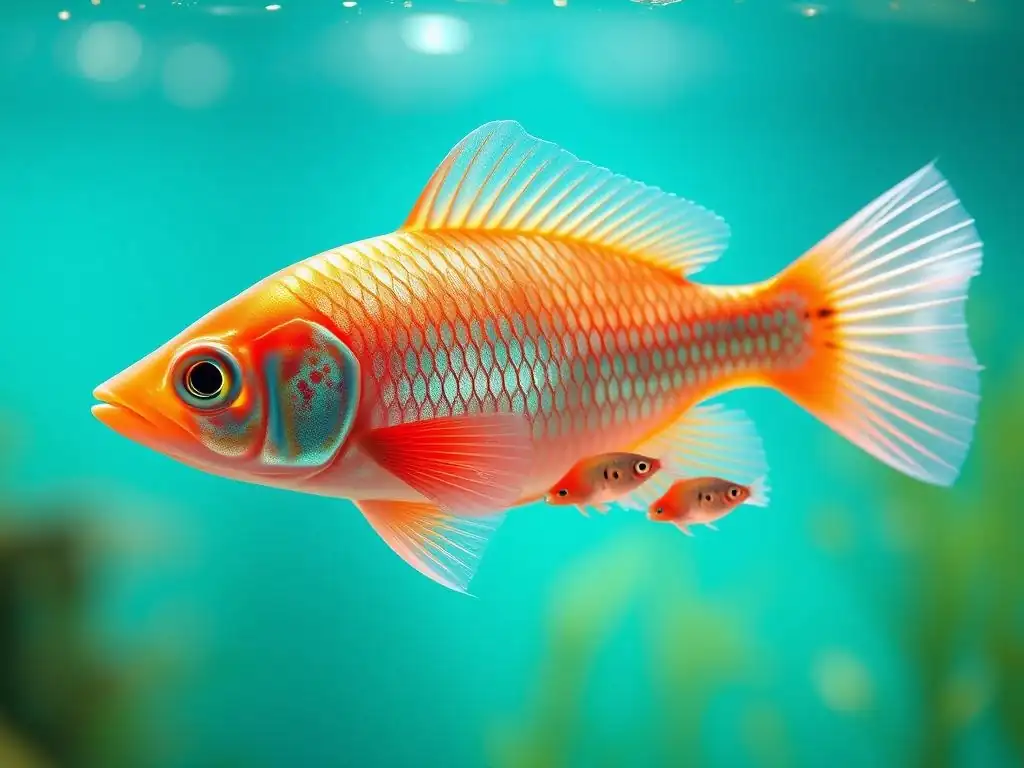
Selective breeding is an advanced technique used by aquarists to enhance specific desirable traits in their livebearer populations, such as vibrant colors, unique finnage, or improved hardiness. This involves carefully choosing parent fish that exhibit the desired characteristics and breeding them together, then continuing to select the best offspring from subsequent generations for further breeding. For example, if aiming for a specific "Mickey Mouse" Platy pattern, one would select parents with the most distinct and well-formed patterns.
This process requires patience, keen observation, and meticulous record-keeping to track lineage and trait expression. By consistently selecting for specific qualities over several generations, aquarists can develop stable lines of platies that consistently produce offspring with the desired features. This not only adds to the aesthetic appeal of the fish but also contributes to the preservation and development of unique Platy varieties.
Utilizing Plants and Decorations for Fry Protection and Tank Enrichment
Beyond their aesthetic appeal, live plants and appropriate decorations play a crucial role in optimizing livebearer breeding environments, particularly for the safety of fry. Densely planted areas, especially with fine-leaved species like Java moss (Taxiphyllum barbieri), hornwort (Ceratophyllum demersum), or guppy grass (Najas guadalupensis), provide essential hiding spots where newly born Platy fry can escape predation from adult fish. These plants also offer micro-organisms for the fry to graze on, supplementing their diet.
Furthermore, a well-decorated tank with caves, driftwood, and rocks provides enrichment for adult fish, reducing stress and promoting natural behaviors. A less stressed environment contributes to more consistent Platy breeding frequency and timing. The complex structure of a planted tank mimics natural habitats, creating a more secure and stimulating environment that benefits the overall health and reproductive success of the livebearer community.
Understanding Livebearer Genetics: Basic Principles
A fundamental understanding of basic livebearer genetics can significantly enhance a breeder's ability to predict and control the traits of their offspring. Livebearer coloration and finnage are determined by genes, which are inherited from both parents. Some traits are dominant, meaning only one copy of the gene is needed for the trait to be expressed, while others are recessive, requiring two copies. For instance, the red color in many Platy varieties often follows specific inheritance patterns.
By learning how different genes interact and are passed down, aquarists can strategically pair fish to produce offspring with specific colors, patterns, or fin shapes. This knowledge allows for more precise selective breeding, moving beyond simple observation to a more scientific approach to Platy breeding frequency and timing. While complex, even a rudimentary grasp of Punnett squares and Mendelian inheritance can empower breeders to achieve their desired outcomes more efficiently.
Conclusion: Mastering Livebearer Breeding for a Thriving Aquarium
Mastering livebearer breeding, particularly for popular species like platies, is a rewarding endeavor that offers aquarists a deeper connection to their aquatic pets. From understanding the distinct differences between male and female platies to meticulously managing water parameters and providing optimal nutrition, each step contributes to the health and prolific nature of these fascinating fish. The consistent Platy breeding frequency and timing, often resulting in monthly broods, means aquarists will frequently witness the miracle of life in their tanks.
Successfully raising Platy fry requires dedication to post-partum care, including protecting the vulnerable newborns and providing a specialized diet for their rapid growth. While challenges like managing overpopulation or preventing inbreeding may arise, proactive strategies ensure the long-term health and genetic diversity of your livebearer colony. By embracing these practices, aquarists can cultivate a thriving, vibrant aquarium ecosystem, rich with the beauty and dynamic life cycle of platies.
Frequently Asked Questions
How often do Platies breed?
Platies are known for their prolific breeding. They can breed approximately every 20-30 days, which means you could have a new batch of fry almost monthly. This frequency depends on factors like the overall health of the fish and tank conditions.
What are the key signs that my Platy is pregnant?
The most noticeable sign is a gravid spot near the anal fin, which darkens as the fry develop. Your Platy will also appear noticeably larger and rounder in the abdomen as she carries her fry. Observe for a squared-off appearance to the lower abdomen.
What water parameters are ideal for Platy breeding?
Platies thrive in a stable environment. Maintain a water temperature between 72-78°F (22-26°C), a pH level of 6.8-7.8, and ensure proper filtration to keep the water clean. Regular water changes are also important.
How many fry can a female Platy have in one birth?
A female Platy can give birth to anywhere from 20 to 80 fry in a single birth. The number of fry depends on the mother's age and size, and the overall health of the fish.
What can I do to increase the survival rate of Platy fry?
Provide plenty of hiding places for the fry, such as dense plants or a breeder box. Separate the fry from the adults, as they may be eaten. Feed them specialized fry food or crushed flakes several times a day.
Okay, here's a final reflection section you can use for your article, "How Often Do Platies Breed? Understanding Their Reproductive Cycle," designed to resonate with readers and encourage further thought, while also subtly reinforcing the article's SEO focus:
Final Reflection: The Enduring Cycle of Life
The intricacies of platy breeding, as we've explored, are a microcosm of the broader unyielding rhythm of nature. Understanding the frequency and timing of their reproductive cycle isn't just about aquarium management; it's about appreciating the delicate balance and persistent drive for continuation that permeates all living things, a truth that resonates deeply in our own lives and experiences.
This exploration of platy reproduction has, I hope, illuminated not only the practical aspects of caring for these vibrant fish, but also the profound beauty of life's processes. Observing these cycles, even in a small aquarium, reminds us of the interconnectedness of all living things and the constant renewal that shapes our world. The miracle is not to walk on water. The miracle is to walk on the green earth, dwelling deeply in the present moment and feeling truly alive.
- Thich Nhat Hanh. This quote encapsulates the essence of appreciating the simple, yet profound, cycles of life around us.
Now, as you consider the information shared, I invite you to reflect on the cycles in your own life. How can you apply the patience and understanding required for successful platy breeding to other areas of your life? Embrace the rhythm, observe the patterns, and nurture the potential for growth and renewal, both within yourself and in the world around you. Let the enduring cycle of life inspire you to cultivate your own vibrant ecosystem.
Ignite Your Platy Passion: Unveil the Secrets to Thriving Fry!
Thanks for diving deep into the fascinating world of platy breeding! We hope you’ve gained valuable insights into their reproductive cycle and how to create the perfect environment for happy, healthy fry. Now, let's put that knowledge into action!
Here are a few ways to continue your platy journey:
- Dive deep and dedicate this weekend to platy-proofing your aquarium! Create a safe haven for fry by adding more dense plants or a breeder box.
- Share your platy breeding experiences, or any helpful tip, in the comments below – let's learn from each other!
- Try a fun experiment: Document the growth of a batch of fry and share the photos on social media using #AquariumMasteryPlaties.
What exciting adventures will you embark on to nurture your platy family?