
Coral Beauty Angelfish (Centropyge bispinosa): A Hardy Dwarf Angel Profile

Welcome to Aquarium Mastery!
Ever wondered if you could really keep a stunning dwarf angelfish like the Coral Beauty happy and healthy in your reef tank? This profile dives deep into hardy dwarf angel care, specifically focusing on the Centropyge bispinosa. Discover the secrets to creating the perfect environment, ensuring a vibrant and thriving addition to your saltwater aquarium. Keep reading to unlock the key to success!
- Coral Beauty Angelfish (Centropyge bispinosa): A Comprehensive Care Guide
- Introduction to the Coral Beauty Angelfish
- Understanding the Coral Beauty: Appearance and Natural Habitat
- Coral Beauty Care: Essential Requirements
- Diet and Feeding: Ensuring Proper Nutrition
- Tank Mates: Compatibility and Aggression
- Coral Beauty Angelfish and Reef Tanks: Assessing Reef Compatibility
- Maintaining a Healthy Coral Beauty: Disease Prevention and Treatment
- Breeding Coral Beauty Angelfish: Understanding the Challenges
- Purchasing and Acclimating a Coral Beauty Angelfish
- Common Issues and Troubleshooting
- Conclusion: Is the Coral Beauty Angelfish Right for Your Aquarium?
-
Frequently Asked Questions
- What makes the Coral Beauty Angelfish a good choice for beginner reef keepers?
- What size aquarium is recommended for keeping a Coral Beauty Angelfish?
- What type of diet does a Coral Beauty Angelfish require?
- Are Coral Beauty Angelfish reef safe?
- What are some common health issues that can affect Coral Beauty Angelfish?
- Final Reflection: Embracing the Resilience of Miniature Wonders
- Dive Deeper: Transform Your Reef Tank Today!
Coral Beauty Angelfish (Centropyge bispinosa): A Comprehensive Care Guide
Introduction to the Coral Beauty Angelfish
A Popular Choice for Reef Aquariums
The Coral Beauty Angelfish, scientifically known as Centropyge bispinosa, stands out as one of the most beloved and frequently chosen dwarf angelfish species for home aquariums. Its widespread appeal stems from a captivating combination of vivid coloration, relatively manageable size, and admirable hardiness, making it an excellent candidate for both novice and experienced marine aquarists. Unlike some of its larger angelfish cousins, the Coral Beauty's modest adult size, typically reaching up to 4 inches (approximately 10 cm), allows it to thrive in more common aquarium setups, often serving as a vibrant centerpiece in a well-maintained reef or fish-only tank.
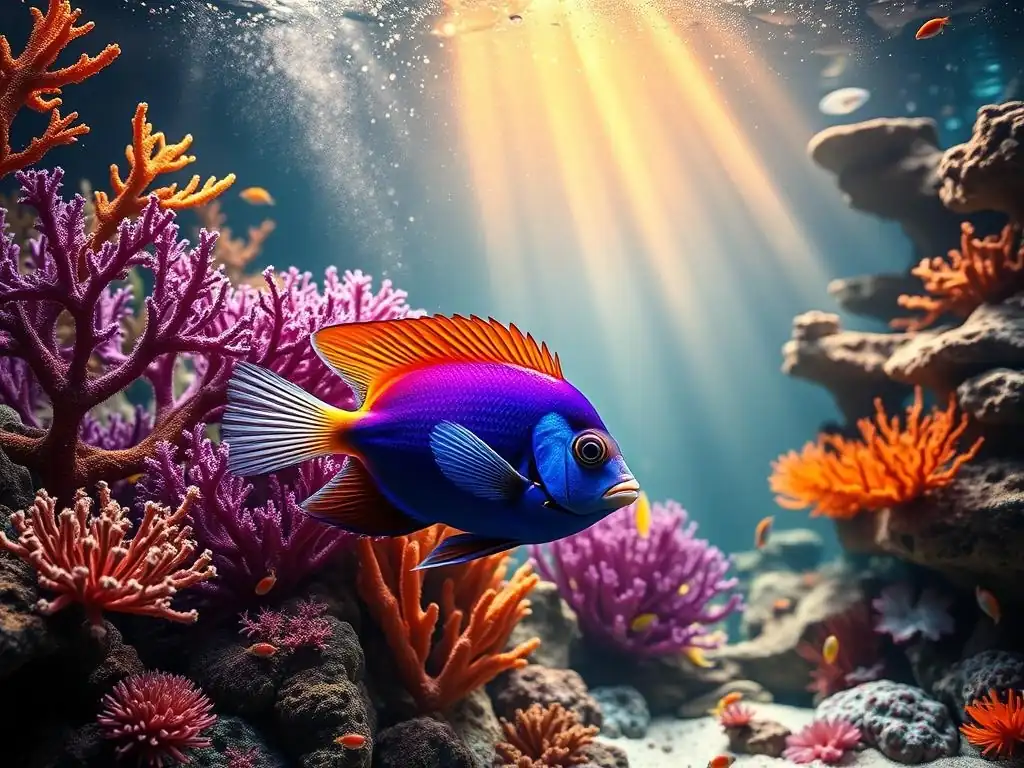
Its striking appearance, characterized by a deep sapphire blue or purple body that transitions to fiery orange, red, or yellow towards the rear fins, adds an undeniable splash of color to any aquatic display. This visual dynamism, coupled with its active swimming habits and inquisitive nature, ensures that the Coral Beauty is not just another fish but an engaging inhabitant that consistently draws the eye.
Its reputation for being a relatively robust species, tolerant of minor fluctuations in water parameters once established, further solidifies its status as a top choice for those seeking a durable and beautiful addition to their saltwater collection, proving its worth as a hardy dwarf angel.
Benefits of Keeping Dwarf Angelfish
Opting for dwarf angelfish species like the Coral Beauty offers several distinct advantages over their larger counterparts, particularly for hobbyists with space constraints or those aiming for a diverse community tank. Primarily, their smaller size translates to reduced tank size requirements; while larger angelfish often demand tanks upwards of 120-180 gallons, many dwarf angels can comfortably thrive in systems as small as 30-70 gallons, though the Coral Beauty specifically benefits from a minimum of 70 gallons for long-term health and stability. This allows aquarists to enjoy the regal beauty of angelfish without committing to massive setups.
Furthermore, dwarf angelfish generally produce a lower bioload compared to their larger relatives, which contributes to more stable water parameters and less frequent major maintenance. This aspect of hardy dwarf angel care is particularly beneficial for maintaining pristine water quality, a critical factor for the health of all marine inhabitants.
While some larger angels are notorious for being aggressive or notoriously difficult to keep in reef environments, many dwarf species, including the Coral Beauty, are considered "reef-safe with caution," presenting a viable option for mixed-reef aquariums, thereby expanding the possibilities for tank inhabitants. Their active and curious behavior also adds significant visual interest, constantly exploring rockwork and pecking at surfaces.
Understanding the Coral Beauty: Appearance and Natural Habitat
Identifying Features: Color Variations and Morphology
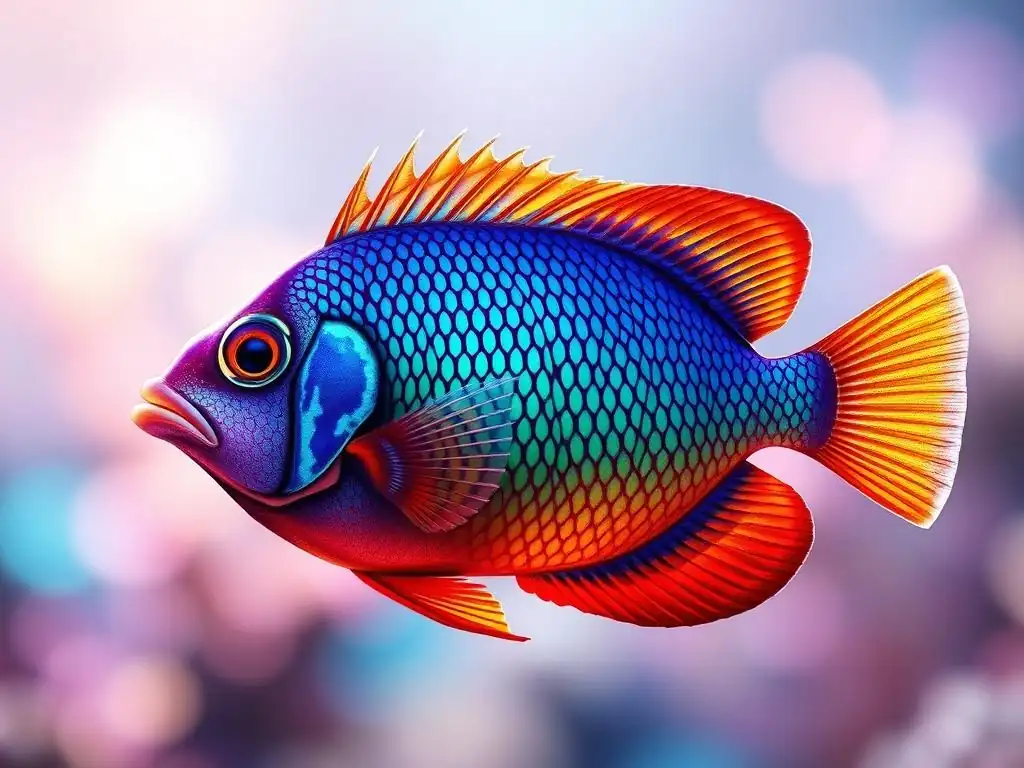
The Coral Beauty Angelfish is renowned for its stunning and variable coloration, which is its most prominent identifying feature. The anterior (front) half of its body typically displays a rich, iridescent sapphire blue or deep purple hue, which gradually transitions into a vibrant orange, red, or even yellow towards the posterior (rear) half, encompassing the dorsal, anal, and caudal fins.
This dramatic color shift is often accentuated by subtle vertical striations or mottled patterns, particularly on the blue/purple section, adding depth and complexity to its appearance. The intensity and exact shades of these colors can vary significantly depending on the fish's geographic origin, diet, and overall health, with well-fed and healthy specimens exhibiting the most brilliant coloration.
Morphologically, the Coral Beauty possesses the classic dwarf angelfish body shape: it is laterally compressed, meaning it is thin from side to side, and somewhat disc-shaped. This streamlined body allows for agile navigation through dense coral formations and rockwork in its natural habitat. Its fins are well-developed, with the dorsal and anal fins extending along a significant portion of its back and underside, culminating in a rounded caudal (tail) fin.
A distinguishing characteristic of Centropyge species, including the Coral Beauty, is the presence of a sharp spine on the preopercle (gill cover), which can be used for defense. Adults typically reach a maximum size of about 4 inches (10 cm), making them a manageable size for many home aquariums.
Natural Habitat and Distribution: The Indo-Pacific Region
The Coral Beauty Angelfish boasts an extensive natural distribution across the vast Indo-Pacific region, a testament to its adaptability and resilience in diverse marine environments. Its range stretches from the eastern coast of Africa, including the Red Sea, across the Indian Ocean to the islands of the central and western Pacific, reaching as far east as Samoa and as far north as southern Japan. This wide geographical spread contributes to the observed variations in coloration among individuals from different locales.
In its natural habitat, Centropyge bispinosa typically inhabits coral-rich lagoons, outer reef slopes, and rocky areas, preferring depths ranging from approximately 10 feet (3 meters) down to about 150 feet (45 meters). They are often found darting among the crevices and overhangs of the reef structure, where they forage for food and seek shelter from predators.
While often observed solitarily, especially when patrolling a specific territory, they can also be found in pairs or small loose groups, particularly during feeding or reproductive activities. Their natural environment is characterized by stable water parameters, abundant live rock, and a constant supply of microalgae and detritus, which forms a significant part of their diet.
Coral Beauty Care: Essential Requirements
Tank Size and Water Parameters: Creating an Ideal Environment
Providing an appropriately sized aquarium is paramount for the long-term health and well-being of a Coral Beauty Angelfish. While often listed for tanks as small as 30 gallons, a minimum tank size of 70 gallons (approximately 265 liters) is strongly recommended for a single adult specimen. This larger volume provides ample swimming space, especially given their active nature, and more importantly, contributes significantly to water parameter stability, which is crucial for any marine system. Larger tanks dilute waste products more effectively, reducing the impact of bioload and making it easier to maintain pristine conditions.
Maintaining stable and appropriate water parameters is the cornerstone of successful hardy dwarf angel care. The ideal temperature range for Coral Beauties is between 72-78°F (22-26°C). Salinity should be kept stable within a specific gravity range of 1.020-1.025, mimicking natural ocean conditions. The pH level should consistently be between 8.1 and 8.4.
Crucially, ammonia and nitrite levels must always be undetectable (0 ppm), as even trace amounts can be highly toxic to marine fish. Nitrate levels should be kept as low as possible, ideally below 20 ppm, and for reef tanks, below 10 ppm is preferred to prevent nuisance algae growth and stress on corals and fish. Regular testing with reliable kits is indispensable to monitor these parameters and ensure they remain within optimal ranges.
Maintaining Optimal Water Quality: Filtration and Water Changes
Exceptional water quality is non-negotiable for the health of a Coral Beauty Angelfish. A robust and multi-stage filtration system is essential to process waste and maintain a clean environment. This typically includes mechanical filtration (filter socks, sponges) to remove particulate matter, chemical filtration (activated carbon, GFO) to absorb dissolved organic compounds and phosphates, and biological filtration (live rock, bio-media) to convert harmful ammonia and nitrite into less toxic nitrate.
For marine aquariums, especially those housing fish, a protein skimmer is highly recommended. This device effectively removes organic waste before it breaks down, significantly reducing the bioload and improving water clarity and oxygen levels.
Beyond efficient filtration, regular water changes are a fundamental component of proper hardy dwarf angel care. Performing a 10-20% water change weekly or bi-weekly is generally advised, depending on the tank's bioload, stocking density, and the efficiency of the filtration system.
These water changes serve multiple critical functions: they dilute and remove accumulated nitrates and other dissolved pollutants that filtration alone cannot completely eliminate, and they replenish essential trace elements that are consumed by corals and invertebrates or depleted through biological processes. Using high-quality salt mix and RODI (Reverse Osmosis Deionized) water for mixing new saltwater ensures that no unwanted contaminants are introduced into the aquarium, further safeguarding the health of the Coral Beauty.
Diet and Feeding: Ensuring Proper Nutrition
Natural Diet vs. Captive Diet: Adapting Feeding Strategies
In their natural Indo-Pacific habitats, Coral Beauty Angelfish primarily subsist on a diet rich in microalgae, detritus, and various small benthic invertebrates such as copepods, amphipods, and tunicate tunics. They are constant grazers, spending a significant portion of their day pecking at live rock and coral surfaces, searching for these minute food sources. This natural feeding behavior highlights their omnivorous tendencies, with a strong emphasis on plant matter and small protein sources.
When adapting their diet for a captive environment, it's crucial to replicate this varied nutritional intake to ensure optimal health, vibrant coloration, and a strong immune system. Relying solely on a single type of food, such as dry flakes, will lead to nutritional deficiencies over time. Therefore, a comprehensive feeding strategy for hardy dwarf angel care must incorporate a diverse range of high-quality foods that cater to both their herbivorous and carnivorous needs, ensuring they receive all necessary vitamins, minerals, and essential fatty acids that might be present in their wild diet.
Recommended Foods: A Balanced Diet for Health and Color
To provide a balanced and nutritious diet for your Coral Beauty Angelfish, a variety of food types should be offered regularly. High-quality marine-specific flake and pellet foods should form the base of their diet, as these are often fortified with essential vitamins and minerals. Look for brands that list spirulina or other algae as primary ingredients. Complementing dry foods with frozen preparations is vital for enhancing their health and color. Excellent choices include:
- Frozen Mysis Shrimp: Highly nutritious and readily accepted by most marine fish.
- Frozen Brine Shrimp (Spirulina-enriched): While less nutritious than mysis, spirulina-enriched varieties provide beneficial plant matter.
- Finely Chopped Seafood: Small pieces of shrimp, squid, or clam can be offered occasionally as a protein boost.
- Marine Algae (Nori): Sheets of dried marine algae, clipped to a rock or an algae clip, are crucial for their herbivorous needs and contribute significantly to their digestive health and vibrant coloration. Offering nori several times a week mimics their natural grazing behavior.
Varying these foods throughout the week ensures a broad spectrum of nutrients. Some aquarists also soak frozen foods in liquid vitamin supplements, such as Selcon, a few minutes before feeding to further boost their nutritional intake and enhance the overall effectiveness of their hardy dwarf angel care regimen.
Feeding Schedule and Preventing Overfeeding: Maintaining Optimal Health
Establishing a consistent feeding schedule is important for the health of your Coral Beauty Angelfish. It is generally recommended to feed them two to three times per day, offering small portions each time. This approach mimics their natural grazing behavior, where they constantly pick at surfaces throughout the day. The key is to provide only what they can consume within 2-3 minutes. Any uneaten food should be promptly removed to prevent it from decaying and fouling the water.
Preventing overfeeding is a critical aspect of maintaining optimal water quality and the fish's digestive health. Overfeeding not only introduces excess nutrients into the water, leading to elevated nitrate levels and nuisance algae blooms, but it can also cause digestive issues and internal organ stress in the fish itself. A good rule of thumb is that if you find uneaten food lingering on the substrate or floating in the water after a few minutes, you are likely feeding too much.
Monitoring the fish's appetite and body condition will help you fine-tune the feeding amounts. A healthy Coral Beauty should be active, have a full belly after feeding, but not appear bloated, and maintain its vibrant coloration, all indicators of successful hardy dwarf angel care.
Tank Mates: Compatibility and Aggression
Selecting Suitable Tank Mates: Creating a Harmonious Community
When selecting tank mates for a Coral Beauty Angelfish, careful consideration of their temperament and potential for aggression is essential to create a harmonious community. Coral Beauties are generally considered semi-aggressive, particularly towards other dwarf angelfish or fish with similar body shapes and colors. However, they can coexist peacefully with a wide range of other marine species in a sufficiently sized aquarium.
Suitable tank mates often include:
- Clownfish: Many species of clownfish are good companions, as they are generally peaceful and occupy different niches in the tank.
- Gobies and Blennies: These bottom-dwelling or perching fish typically mind their own business and are not seen as a threat by the Coral Beauty.
- Certain Wrasses: Many peaceful wrasse species, such as those from the Halichoeres or Macropharyngodon genera, can make excellent tank mates, adding activity and color.
- Tang Species: Smaller to medium-sized tangs (e.g., Yellow Tang, Kole Tang) can be compatible, provided the tank is large enough to accommodate their swimming needs and the angelfish's territorial tendencies.
- Other Dwarf Angelfish (with caution): Introducing more than one Centropyge species into the same tank is generally not recommended unless the aquarium is exceptionally large (e.g., 150 gallons or more) and both fish are introduced simultaneously as juveniles, providing ample space and hiding spots to minimize conflict.
The key to successful integration lies in providing plenty of live rock and hiding places to break up sightlines and establish territories, which helps reduce aggression and stress for all inhabitants, a vital part of comprehensive hardy dwarf angel care.
Fish to Avoid: Minimizing Aggression and Competition
To minimize aggression and competition within your aquarium, certain fish species should generally be avoided as tank mates for a Coral Beauty Angelfish. Due to their semi-aggressive nature, especially when establishing territory, introducing species that might provoke them or be easily intimidated can lead to stress or injury for one or both parties.
Species to exercise caution with or avoid include:
- Very Aggressive Species: Large predatory fish like some triggerfish, large groupers, or certain aggressive puffers can view the Coral Beauty as prey or be overly dominant, leading to constant harassment.
- Other Dwarf Angelfish (in smaller tanks): As mentioned, multiple Centropyge species in tanks under 150 gallons often result in severe territorial disputes, potentially leading to the death of one or more fish. Even within the same species, introducing a second Coral Beauty is highly risky unless it's a very large, established system with plenty of hiding spots and both are introduced simultaneously.
- Very Shy or Slow-Moving Fish: Extremely timid or slow-moving fish may become stressed or outcompeted for food by the more active and sometimes boisterous Coral Beauty. Examples might include certain pipefish or very delicate seahorses.
- Fish with Similar Body Shapes/Colors: While less common, sometimes fish that too closely resemble the Coral Beauty in shape or color might trigger territorial aggression, as the angelfish perceives them as a rival.
Careful observation after introducing new tank mates is crucial. If signs of excessive aggression, fin nipping, or constant hiding are observed, intervention (such as rearranging rockwork or, in severe cases, removing a fish) may be necessary to ensure the well-being of all inhabitants, reinforcing the importance of thoughtful hardy dwarf angel care.
Coral Beauty Angelfish and Reef Tanks: Assessing Reef Compatibility
Assessing the Reef-Safe Nature: Potential for Coral Nipping
The question of whether a Coral Beauty Angelfish is "reef-safe" is a common one among aquarists, and the answer is typically "reef-safe with caution." While many individuals coexist peacefully in mixed-reef aquariums, there is an inherent risk that a Coral Beauty might nip at or consume certain corals, particularly if it is underfed, bored, or if its natural diet is not adequately supplemented. This behavior is highly individual-dependent; one Coral Beauty might ignore all corals, while another might develop a taste for specific types.
Anecdotal evidence from the marine aquarium hobby suggests that perhaps 20-30% of Coral Beauties may exhibit some degree of coral nipping. They are known to occasionally pick at stony corals (both SPS like Acropora and LPS like Euphyllia), as well as certain soft corals such as zoanthids, polyps, and even mushroom corals.
This nipping is often attributed to their natural inclination to graze on microalgae and detritus found on coral surfaces, but it can escalate to actual tissue consumption. The risk generally increases if the fish is not receiving sufficient plant matter in its diet, leading it to seek out alternative sources within the reef.
Minimizing the Risk of Coral Nipping: Strategies for Success
While there's no guaranteed method to ensure a Coral Beauty never nips corals, several strategies can significantly minimize the risk and improve the chances of successful integration into a reef tank, enhancing your overall hardy dwarf angel care approach.
- Provide a Varied and Abundant Diet: Ensure the angelfish is consistently well-fed with a diverse diet rich in spirulina, nori, and other plant-based foods, alongside meaty options. A hungry angelfish is more likely to graze on corals. Offering algae sheets regularly can satiate their grazing instinct.
- Maintain a Mature Tank: Introducing a Coral Beauty into a mature reef tank with established corals and plenty of natural algae growth on live rock can help. A tank that provides ample natural foraging opportunities might reduce the temptation to pick at corals.
- Introduce as a Juvenile: Younger angelfish tend to adapt more readily to their surroundings and may be less inclined to develop problematic behaviors if introduced to a coral-rich environment early on.
- Monitor Closely: After introduction, observe your Coral Beauty carefully for any signs of coral nipping. If you notice specific corals being targeted, you might consider moving that coral or, as a last resort, rehoming the fish if the behavior persists and causes significant damage.
- Ample Hiding Spots: A well-structured aquascape with numerous caves and crevices provides security and reduces stress, which can sometimes contribute to undesirable behaviors.
By implementing these strategies, aquarists can significantly increase the likelihood of enjoying a Coral Beauty Angelfish in their reef aquarium without major issues, making it a truly rewarding experience for those committed to thorough hardy dwarf angel care.
Maintaining a Healthy Coral Beauty: Disease Prevention and Treatment
Identifying Common Diseases: Recognizing Symptoms Early
Maintaining a healthy Coral Beauty Angelfish requires vigilance in observing their behavior and appearance for early signs of disease. Marine fish are susceptible to various common ailments, and prompt identification can be crucial for successful treatment and preventing widespread outbreaks in the aquarium.
Some of the most common diseases affecting marine angelfish include:
- Marine Ich (Cryptocaryon irritans): This is perhaps the most prevalent external parasite in marine aquaria. Symptoms include small, white spots resembling grains of salt scattered across the body and fins, rapid breathing (gilling), scratching against rocks or substrate ("flashing"), and lethargy.
- Marine Velvet (Amyloodinium ocellatum): Often mistaken for Ich, Velvet presents as a fine, dusty, yellowish-gold film on the fish's body. It is highly contagious and progresses rapidly, causing respiratory distress (heavy breathing), clamped fins, and loss of appetite.
- Bacterial Infections: These can manifest as cloudy eyes, fin rot (frayed or decaying fins), red streaks on the body, ulcers, or general lethargy and loss of appetite. They often occur as secondary infections after a parasitic infestation or due to poor water quality.
- Lymphocystis: A viral infection that causes cauliflower-like growths or white nodules on the fins or body. While unsightly, it is usually benign and self-limiting, often resolving on its own if water quality is excellent and stress is minimized.
Recognizing these symptoms early allows for timely intervention, which is critical for the recovery of the fish and the safety of other tank inhabitants, underscoring the importance of proactive hardy dwarf angel care.
Quarantine Procedures and Preventative Measures: Protecting Your Aquarium
The single most effective preventative measure against disease introduction into your main display tank is a robust quarantine procedure for all new fish, including Coral Beauties. A dedicated quarantine tank (QT) should be set up with basic filtration, a heater, and PVC pipes or simple decor for hiding spots, but no substrate or elaborate rockwork that can absorb medications.
- Quarantine Duration: New fish should be quarantined for a minimum of 4-6 weeks. This period allows for observation for any signs of disease and provides an opportunity to treat any emerging issues in isolation, preventing the spread of pathogens to your established system.
- QT Benefits: During quarantine, you can proactively treat for common parasites like Ich (e.g., with copper-based medications or hyposalinity, if appropriate for the species) without harming corals or invertebrates in your main tank. It also allows the fish to de-stress and begin feeding consistently before being introduced to a new, potentially competitive environment.
Beyond quarantine, maintaining stable and pristine water parameters (as outlined in the "Essential Requirements" section), providing a varied and nutritious diet, and minimizing stress factors (e.g., aggressive tank mates, sudden environmental changes) are crucial preventative measures. A healthy, well-fed, and unstressed Coral Beauty Angelfish has a much stronger immune system and is significantly more resilient to diseases, reinforcing the comprehensive nature of effective hardy dwarf angel care.
Breeding Coral Beauty Angelfish: Understanding the Challenges
Breeding Behavior in the Wild: Insights into Reproduction
In their natural Indo-Pacific habitat, Coral Beauty Angelfish exhibit typical Centropyge breeding behaviors, which involve pair spawning. While specific detailed observations of their wild reproductive cycle are somewhat limited due to their elusive nature in deep reef environments, it is understood that they are pelagic spawners. This means that during courtship, a male and female pair will ascend towards the water surface, releasing their eggs and sperm into the water column, where fertilization occurs. The eggs are buoyant and disperse with the currents, becoming part of the zooplankton.
The larvae that hatch from these eggs are extremely small and undergo a protracted planktonic stage, drifting in the open ocean for an extended period before settling onto the reef as tiny juveniles. This pelagic larval phase is a significant hurdle in captive breeding, as it requires highly specialized conditions to mimic the vastness and specific food sources of the open ocean, making it incredibly challenging to provide the necessary environment for larval survival and development in an aquarium setting.
Aquarium Breeding Efforts: Current Status and Future Possibilities
Breeding Coral Beauty Angelfish in a home aquarium setting is exceedingly rare and has seen very limited success. While some commercial aquaculture facilities have reported breakthroughs in breeding various Centropyge species, including occasional success with Coral Beauties, these achievements are typically the result of highly controlled environments, advanced technologies, and extensive research, not readily replicable by the average hobbyist.
The primary challenges in aquarium breeding include:
- Sexing: Coral Beauties are monomorphic, meaning there are no obvious external differences between males and females, making it difficult to establish a true pair.
- Spawning Triggers: Replicating the precise environmental cues that trigger spawning in the wild (e.g., specific lunar cycles, water currents, food availability) is difficult.
- Larval Rearing: This is the most significant hurdle. The eggs are tiny, and the larvae that hatch are even smaller, requiring microscopic food sources (rotifers, copepod nauplii) of precise size and nutritional value, which are challenging to culture in sufficient quantities. Furthermore, the sheer volume of water and specific water quality parameters needed for larval survival are hard to maintain in typical hobby setups.
Despite these difficulties, ongoing research in aquaculture continues to advance our understanding of Centropyge reproduction. Future breakthroughs may eventually make captive breeding more accessible to hobbyists, but for now, enjoying wild-caught or commercially aquacultured specimens remains the norm for hardy dwarf angel care.
Purchasing and Acclimating a Coral Beauty Angelfish
Selecting a Healthy Specimen: Identifying Signs of Health
Selecting a healthy Coral Beauty Angelfish is the first critical step towards successful hardy dwarf angel care. A thorough visual inspection and observation of its behavior in the fish store are essential. Avoid impulse buys and take your time to assess potential specimens.
Look for the following signs of health:
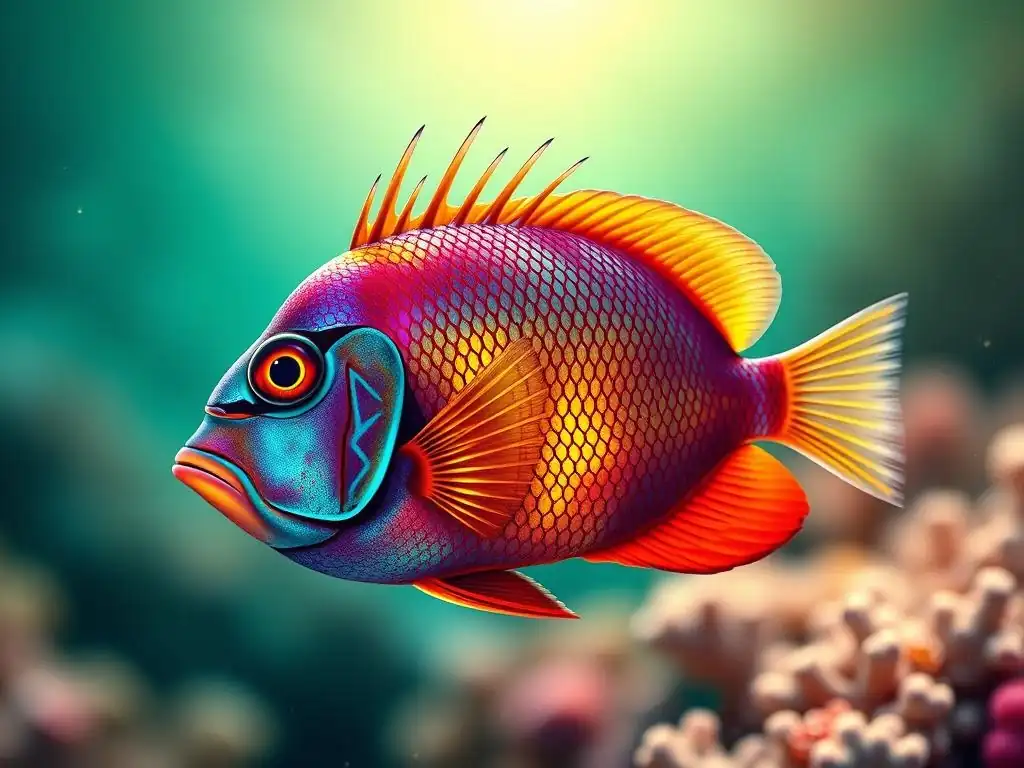
- Active and Alert: A healthy Coral Beauty should be actively swimming, exploring its environment, and exhibiting natural curiosity. Avoid fish that are lethargic, listless, or constantly hiding (unless they have just been introduced to the store tank).
- Clear Eyes: The eyes should be bright, clear, and free of any cloudiness, haziness, or film.
- Intact Fins: Fins should be fully extended, without any tears, rips, frayed edges, or signs of fin rot. Clamped fins (held close to the body) can indicate stress or disease.
- Vibrant Coloration: The fish should display its characteristic brilliant blue/purple and orange/red colors. Faded or dull coloration can be a sign of stress, poor health, or inadequate diet.
- Good Body Condition: The fish should appear plump and well-fed, not emaciated or "pinched" behind the head. A sunken belly is a clear sign of starvation or internal parasites.
- No Visible Spots or Lesions: Inspect the body and fins for any white spots (Ich), dusty film (Velvet), open sores, or unusual growths.
- Breathing Rate: Observe the gills; breathing should be steady and regular, not rapid or labored.
Spend at least 15-20 minutes observing the fish you intend to purchase. Also, check the overall health of other fish in the same tank; if other fish are sick, it's best to avoid buying from that tank.
Proper Acclimation Techniques: Minimizing Stress and Ensuring Survival
Proper acclimation is vital for minimizing stress and ensuring the survival of a new Coral Beauty Angelfish. Marine fish are highly sensitive to sudden changes in water parameters (temperature, pH, salinity), and improper acclimation can lead to shock, weakened immune systems, and increased susceptibility to disease. The drip acclimation method is highly recommended for marine fish.
Here’s a step-by-step guide for proper acclimation:
- Dim the Lights: Turn off the aquarium lights and dim the room lights before beginning the acclimation process. This reduces stress on the fish when it is eventually introduced.
- Float the Bag: Place the sealed bag containing the fish in your aquarium or quarantine tank for 15-20 minutes. This allows the water temperature in the bag to gradually equalize with the tank water.
- Prepare for Drip Acclimation: After temperature equalization, open the bag and roll down the edges to create a floatable collar. Use a clean bucket or container large enough to hold the fish and water. Carefully pour the fish and its original water into this container.
- Start the Drip: Using an air line tube, tie a loose knot in the line or use a control valve to create a slow drip from your aquarium or quarantine tank into the container with the fish. Aim for a drip rate of about 2-3 drops per second.
- Monitor Progress: Allow the drip to continue until the volume of water in the container has at least quadrupled. This process typically takes 45-60 minutes, or longer for very sensitive fish or significant parameter differences.
- Transfer the Fish: Once acclimation is complete, gently net the fish and carefully place it into your aquarium or quarantine tank. Discard the water from the shipping bag and the acclimation container; never add it to your main display tank, as it may contain pathogens or undesirable chemicals.
- Post-Acclimation: Keep the aquarium lights off for several hours after introduction to allow the fish to settle in without additional stress. Observe the fish closely over the next few days for signs of stress or disease.
This careful approach to acclimation is a cornerstone of responsible hardy dwarf angel care, setting your new fish up for success in its new home.
Common Issues and Troubleshooting
Addressing Marine Ich: Recognizing and Treating the Parasite
Marine Ich, caused by the parasite Cryptocaryon irritans, is one of the most common and frustrating ailments in saltwater aquariums. Recognizing its symptoms early is crucial for effective treatment. Typically, Marine Ich manifests as small, white spots resembling grains of salt on the fish's body, fins, and sometimes gills. Affected fish may also exhibit rapid breathing (due to gill irritation), "flashing" (rubbing against rocks or substrate to relieve itching), lethargy, clamped fins, and a loss of appetite.
Treating Marine Ich in a display tank containing corals and invertebrates is extremely challenging, as most effective medications are toxic to invertebrates. Therefore, the most recommended and safest approach is to treat the infected Coral Beauty (and any other infected fish) in a separate quarantine tank (QT).
- Copper-based Medications: Products containing copper are highly effective against Ich. Follow dosage instructions precisely, as copper can be toxic if overdosed.
- Hyposalinity: Lowering the salinity in the QT to a specific gravity of 1.008-1.010 for several weeks can disrupt the parasite's life cycle. This method requires a refractometer for precise measurement and consistent monitoring.
- Tank Transfer Method: This involves moving the fish between two bare-bottom QT tanks every 72 hours for a period of 12-15 days. This physically separates the fish from the reproducing parasite stage.
- Main Tank Fallow Period: While fish are in QT, the main display tank should be kept fish-free for 6-8 weeks. This starves the Ich parasite, as it requires a fish host to complete its life cycle, making the display tank safe for reintroduction.
Consistent monitoring and adherence to treatment protocols are vital for successful resolution of Ich and exemplify diligent hardy dwarf angel care.
Dealing with Nutritional Deficiencies: Identifying and Correcting Imbalances
Nutritional deficiencies can significantly impact the long-term health, vibrancy, and immune system of a Coral Beauty Angelfish, even if water parameters are otherwise perfect. Recognizing the signs of an imbalanced diet is key to correcting the issue before it leads to more serious health problems.
Common symptoms of nutritional deficiencies include:
- Faded Coloration: The vibrant blues, purples, and oranges may become dull or washed out.
- Lethargy and Weakness: The fish may be less active, spend more time hiding, or exhibit difficulty swimming.
- Emaciation: A noticeable thinning of the body, particularly behind the head or across the back, despite regular feeding.
- Fin Erosion or Poor Fin Quality: Fins may appear ragged, frayed, or develop holes.
- Increased Susceptibility to Disease: A weakened immune system makes the fish more vulnerable to parasitic, bacterial, and fungal infections.
- Cloudy Eyes or Poor Eye Health: Can sometimes be indicative of vitamin A deficiency.
Correcting nutritional imbalances requires a review and adjustment of the feeding strategy.
- Dietary Variety: Ensure you are offering a diverse range of high-quality foods, including marine-specific flakes and pellets, various frozen meaty foods (mysis shrimp, brine shrimp), and crucially, plenty of plant-based foods like spirulina and nori.
- Vitamin Enrichment: Soak frozen foods in liquid vitamin supplements (e.g., Selcon, Vita-Chem) before feeding. These supplements provide essential vitamins and fatty acids that may be lacking in processed foods.
- Regular Feeding: Maintain a consistent feeding schedule with multiple small meals throughout the day to ensure constant nutrient intake.
- Monitor Consumption: Ensure the Coral Beauty is actually eating the food offered and not being outcompeted by tank mates.
By proactively addressing potential nutritional gaps, aquarists can ensure their Coral Beauty Angelfish maintains its stunning beauty and robust health, a testament to comprehensive hardy dwarf angel care.
Conclusion: Is the Coral Beauty Angelfish Right for Your Aquarium?
A Summary of Coral Beauty Care Considerations
The Coral Beauty Angelfish, Centropyge bispinosa, offers a compelling blend of vibrant coloration, active behavior, and relative hardiness, making it an attractive choice for many marine aquarists. However, successful long-term care hinges on a commitment to specific environmental and dietary needs. Key considerations for providing optimal hardy dwarf angel care include providing a minimum tank size of 70 gallons to ensure ample swimming space and water stability. Maintaining pristine water quality with consistent parameters (temperature 72-78°F, salinity 1.020-1.025, pH 8.1-8.4, zero ammonia/nitrite, low nitrates) through robust filtration and regular water changes is paramount.
A diverse and balanced diet, rich in both meaty and plant-based foods like spirulina-enriched frozen preparations and nori, is essential for their health and vibrant colors, mitigating the risk of nutritional deficiencies and potential coral nipping. Careful selection of tank mates is also crucial, avoiding overly aggressive species or other dwarf angelfish in smaller setups to prevent territorial disputes.
While generally considered reef-safe with caution, individual temperament varies, and providing a well-fed environment minimizes the risk of them picking at corals. Finally, implementing strict quarantine procedures for new arrivals and promptly addressing any signs of disease are vital for preventing widespread health issues in your aquarium.
The Joys of Keeping a Coral Beauty
For the dedicated aquarist who can meet its specific care requirements, the Coral Beauty Angelfish offers immense rewards. Its striking coloration, with its iridescent blues and fiery oranges, provides a constant source of visual delight, making it a true centerpiece in any marine display. Their active and inquisitive nature ensures they are always exploring the rockwork, adding dynamic movement and engaging behavior to the aquarium. Unlike some larger, more demanding angelfish species, the Coral Beauty's manageable size and admirable resilience make the dream of keeping a captivating angelfish a reality for a broader range of hobbyists.
Witnessing a healthy, thriving Coral Beauty darting through the water, its colors shimmering under the lights, is a testament to successful hardy dwarf angel care. It's a fish that truly brings a piece of the vibrant Indo-Pacific reef into your home, offering a fulfilling and educational experience for anyone passionate about marine life. With proper husbandry, the Coral Beauty Angelfish can be a long-lived and incredibly rewarding addition, enriching your aquatic world for years to come.
Frequently Asked Questions
What makes the Coral Beauty Angelfish a good choice for beginner reef keepers?
The Coral Beauty is considered a hardy dwarf angel due to its relatively adaptable nature and ability to tolerate a wider range of water parameters compared to other angelfish. This makes it a more forgiving choice for new aquarists.
What size aquarium is recommended for keeping a Coral Beauty Angelfish?
A minimum tank size of 70 gallons is generally recommended for a single Coral Beauty Angelfish. This provides enough space for swimming and allows for the establishment of a stable reef environment.
What type of diet does a Coral Beauty Angelfish require?
Coral Beauty Angelfish require a varied diet including high-quality flake food, frozen preparations, and algae. They also benefit from having access to live rock to graze on.
Are Coral Beauty Angelfish reef safe?
While generally considered reef compatible with caution, Coral Beauty Angelfish may nip at certain corals, especially LPS (Large Polyp Stony) corals and clam mantles. Careful observation is crucial.
What are some common health issues that can affect Coral Beauty Angelfish?
Common health issues include Ich (marine white spot disease) and internal parasites. Maintaining excellent water quality and providing a varied diet are essential for preventing these problems.
Final Reflection: Embracing the Resilience of Miniature Wonders
The journey through understanding the Coral Beauty Angelfish, a true testament to the resilience found in miniature wonders, underscores a crucial point: even the smallest creatures can possess remarkable hardiness and adaptability. In a world increasingly focused on grand scales and immediate gratification, appreciating the intricate beauty and enduring strength of these dwarf angels serves as a powerful reminder of the value in observing the subtle yet profound aspects of nature.
The Coral Beauty's enduring popularity in the aquarium hobby highlights its influence on our understanding of responsible fishkeeping. This tiny fish teaches us about the importance of providing appropriate environments, understanding dietary needs, and appreciating the delicate balance of an ecosystem, even within the confines of a glass tank. In the end, we will conserve only what we love; we will love only what we understand; and we will understand only what we are taught.
- Baba Dioum. This quote perfectly encapsulates the responsibility we bear as aquarists and the ripple effect of knowledge and care.
As we conclude this exploration of the Coral Beauty Angelfish, I invite you to reflect on the lessons learned. Consider how the principles of patient observation, diligent care, and respect for the natural world can be applied not only to aquarium keeping, but also to your own life.
Embrace the beauty in the small, the strength in the resilient, and the responsibility that comes with appreciating the wonders that surround us. Let the Coral Beauty Angelfish inspire you to cultivate a deeper connection with nature and to champion the preservation of its delicate balance, one small act of care at a time.
Dive Deeper: Transform Your Reef Tank Today!
Thank you for exploring the vibrant world of the Coral Beauty Angelfish! We hope this profile has given you valuable insights into caring for this stunning fish. Now, let's take that knowledge and turn it into action.
- Start Planning! Determine if a Coral Beauty Angelfish is right for your aquarium. Consider your tank size, existing inhabitants, and current level of experience.
- Research compatible tank mates. A peaceful environment is key to a happy Coral Beauty.
- Share this article with a fellow reef enthusiast who might be considering adding a Coral Beauty to their tank!
What's one small change you can make today to better prepare your tank for a Coral Beauty Angelfish, or another beautiful reef inhabitant?