
Acropora Lighting Masterclass: PAR, Spectrum, and Photoperiod Secrets for Explosive Results

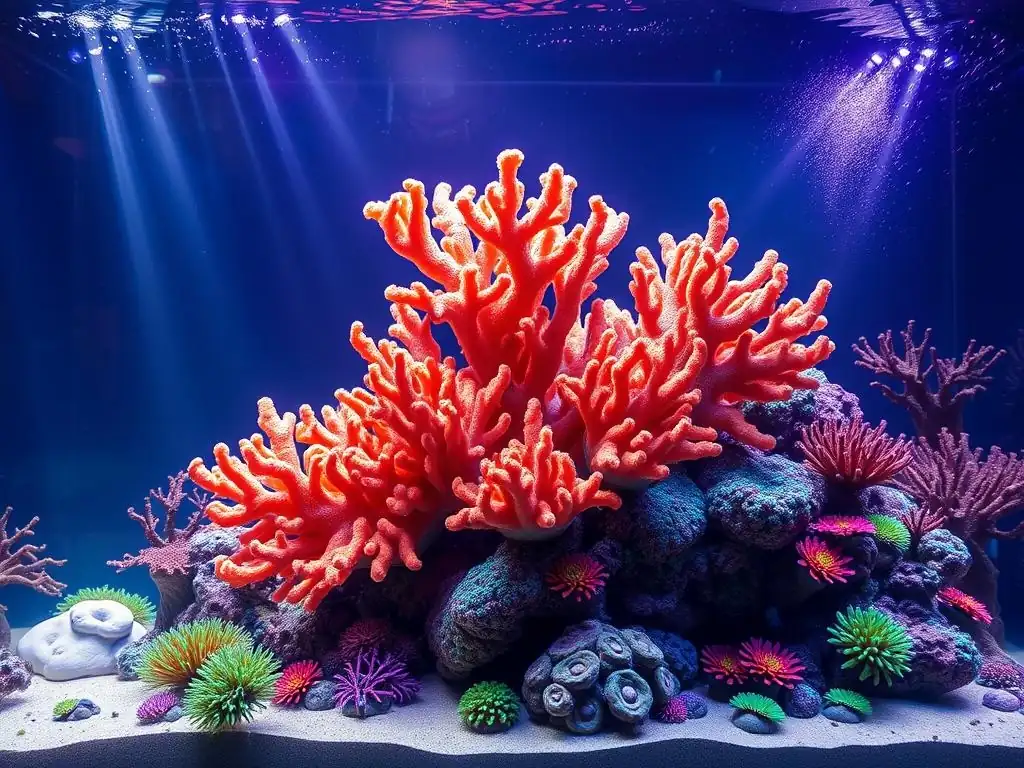
Welcome to Aquarium Mastery!
Curious about unlocking the vibrant colors and explosive growth of your Acropora coral? You've come to the right place. This Acropora coral lighting guide dives deep into the PAR, spectrum, and photoperiod secrets that separate thriving reefs from struggling ones. Are you ready to master the art of Acropora lighting and witness the spectacular results? Let's begin!
- SPS Coral Lighting: PAR, Spectrum, and Photoperiod for Optimal Growth
- Introduction to SPS Coral Lighting: Achieving Optimal Growth and Coloration
- Understanding PAR for SPS Corals: The Foundation of Photosynthesis
- Mastering the Light Spectrum for Vibrant SPS Coral Colors
- Photoperiod Optimization: Light Duration for SPS Coral Health
- Advanced SPS Coral Lighting Techniques: Fine-Tuning for Peak Performance
-
Selecting the Best Lighting System for Your SPS Coral Reef
- Comparing LED Lighting for SPS Corals: Features, Control, and Efficiency
- Evaluating T5 Lighting for SPS Corals: Considerations for Supplemental Lighting
- Considering Hybrid Lighting (LED/T5) for SPS Corals: Balancing Spectrum and Intensity
- Lighting System Recommendations Based on Tank Size, Depth, and SPS Species
- Complementary Factors: Water Chemistry and Flow in SPS Coral Lighting
- Conclusion: Achieving SPS Coral Lighting Mastery for a Thriving Reef
-
Frequently Asked Questions
- What is the ideal PAR range for Acropora corals?
- What is the optimal light spectrum for Acropora coral coloration and health?
- How long should the photoperiod be for Acropora corals in an aquarium?
- Can incorrect lighting cause Acropora corals to bleach?
- What are some common signs that my Acropora coral is not getting enough light?
- Final Reflection: Illuminating the Path to Coral Success
- Unlock Your Acropora's True Colors!
SPS Coral Lighting: PAR, Spectrum, and Photoperiod for Optimal Growth
Introduction to SPS Coral Lighting: Achieving Optimal Growth and Coloration
For aquarists aiming to cultivate a thriving reef, understanding the nuances of lighting for Small Polyp Stony (SPS) corals, particularly the delicate and vibrant Acropora species, is paramount. Unlike their more forgiving LPS or soft coral counterparts, SPS corals demand precise environmental conditions, with light being one of the most critical factors. The right illumination not only fuels their growth but also unlocks their stunning array of colors, transforming a good reef tank into an extraordinary one.
This comprehensive Acropora coral lighting guide will delve into the three pillars of effective reef lighting: Photosynthetically Active Radiation (PAR), spectral composition, and photoperiod. Mastering these elements allows hobbyists to replicate the precise light conditions found on natural coral reefs, ensuring robust growth, vibrant pigmentation, and overall health for their Acropora and other SPS corals.
Understanding PAR for SPS Corals: The Foundation of Photosynthesis
What is PAR and Why is it Critical for SPS Coral Growth?
Photosynthetically Active Radiation (PAR) refers to the specific range of the light spectrum, typically between 400 and 700 nanometers, that photosynthetic organisms, including the symbiotic zooxanthellae within corals, can utilize for photosynthesis. These microscopic algae convert light energy into sugars and oxygen, providing up to 90% of the coral's energy requirements for metabolic processes, tissue growth, and calcification (skeleton building). Consequently, PAR intensity directly dictates the rate of energy production and, by extension, the growth rate of SPS corals.
The critical nature of PAR for Acropora coral growth cannot be overstated. Insufficient PAR leads to zooxanthellae starvation, causing corals to brown out as the algae multiply in an attempt to capture more light, or even tissue recession. Conversely, excessive PAR can overwhelm the zooxanthellae, leading to oxidative stress, expulsion of the algae (bleaching), and ultimately, coral death if not addressed. Therefore, precise PAR management, as detailed in this Acropora coral lighting guide, is fundamental to maintaining healthy and rapidly growing SPS corals.
Measuring PAR in Your SPS Coral Tank: Tools and Placement
Accurate measurement of PAR in a reef aquarium is essential for optimizing light settings. The primary tool for this is a PAR meter, such as the Apogee MQ-510 or Seneye Reef. These devices measure the intensity of light in micromoles per square meter per second (µmol·m⁻²·s⁻¹). Due to the high cost of purchasing a PAR meter (often upwards of $400), many hobbyists opt to rent them from local fish stores or online communities for a reasonable fee.
When measuring PAR, it's crucial to create a detailed PAR map of your tank. This involves taking multiple readings at various depths (e.g., 6 inches, 12 inches, 18 inches from the surface) and across different locations (center, corners, under rockwork). It's also beneficial to measure directly above and slightly to the sides of your Acropora colonies to understand the light uniformity and potential shadowing. For the most accurate readings, turn off all powerheads to minimize water surface disturbance during measurement. This meticulous approach is a cornerstone of any effective Acropora coral lighting guide.
Optimal PAR Ranges for Different SPS Coral Species: A Detailed Guide
Optimal PAR ranges vary significantly depending on the specific SPS coral species and its natural habitat. For beginner-friendly SPS corals like certain Montipora species (e.g., Montipora digitata) or Seriatopora hystrix, a PAR range of 150-250 µmol·m⁻²·s⁻¹ is generally sufficient for healthy growth and coloration. However, for most Acropora species, particularly the more common captive-bred varieties such as Acropora millepora or Acropora valida, a higher intensity of 250-400 µmol·m⁻²·s⁻¹ is recommended.
For advanced, high-light demanding Acropora species, often characterized by their vibrant colors and delicate branching structures (e.g., Acropora tenuis or Acropora microclados), PAR levels between 400-600 µmol·m⁻²·s⁻¹ can be beneficial, especially for those placed higher in the tank or in deeper systems where light penetration is a concern. Some deep-water Acropora morphs, while adapted to lower overall PAR, may specifically require a higher intensity of blue light within that range.
It's important to remember that these are general guidelines, and factors like water clarity, tank depth, and individual coral acclimation will influence the ideal PAR for your specific setup, forming a vital part of your Acropora coral lighting guide.
Safely Increasing PAR: Acclimation and Monitoring
Abrupt changes in PAR can severely shock SPS corals, leading to stress, bleaching, or even rapid tissue necrosis (RTN). Therefore, when introducing new Acropora corals or upgrading your lighting system, gradual acclimation is crucial. For new corals, begin by placing them lower in the tank or in a shaded area where PAR levels are significantly reduced (e.g., 30-50% less than your tank's peak PAR). Over the next 2-4 weeks, slowly move the coral to its desired position or gradually increase light intensity using your fixture's controller, typically by 10-15% weekly.
Continuous monitoring of your Acropora corals is essential during any PAR adjustment. Observe their polyp extension: healthy corals should have good polyp extension during the light cycle. Watch for color changes: bleaching (loss of color, becoming white) indicates too much light, while browning (darkening) or loss of vibrant coloration can suggest too little light or excess nutrients. Tissue recession from the base upwards is a severe sign of stress. Patient observation and incremental adjustments are key to successful acclimation and a critical aspect of this Acropora coral lighting guide.
Mastering the Light Spectrum for Vibrant SPS Coral Colors
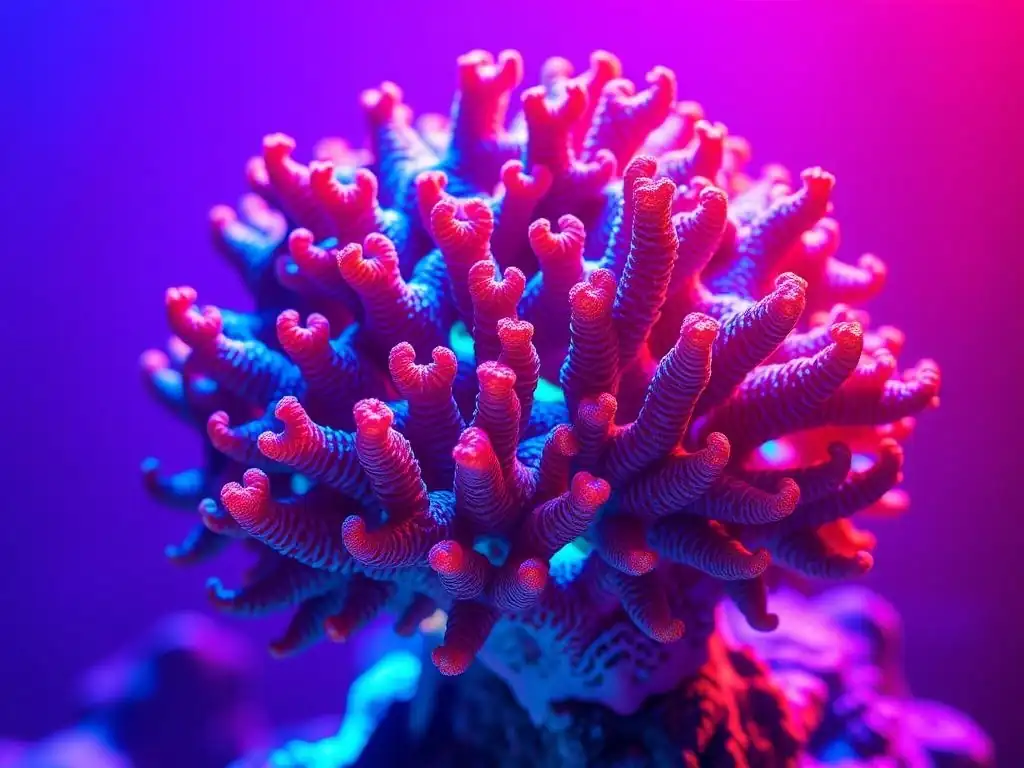
The Importance of Light Spectrum for SPS Coral Health and Pigmentation
While PAR quantifies the amount of usable light, the light spectrum, or its quality, is equally critical for SPS coral health and, notably, their stunning pigmentation. Different wavelengths within the PAR range stimulate specific photosynthetic pigments within the coral's symbiotic zooxanthellae, such as chlorophyll a and c2, ensuring efficient energy production. Beyond photosynthesis, the light spectrum profoundly influences the production of host pigments (chromoproteins and fluorescent proteins) within the coral tissue itself. These proteins are responsible for the vibrant blues, greens, reds, and purples that make Acropora so captivating.
An imbalanced spectrum, even with adequate PAR, can lead to dull coloration, sub-optimal growth, or even coral stress. For example, an excessive amount of red or green light, while part of the PAR spectrum, can disproportionately promote nuisance algae growth without significantly enhancing Acropora coloration. Conversely, a deficiency in crucial blue or violet wavelengths can hinder the development of the desired fluorescent proteins, resulting in less vibrant and less "popping" corals. A well-tuned spectral balance is a cornerstone of an effective Acropora coral lighting guide for both health and aesthetics.
Understanding Key Spectrum Wavelengths: Blue, Violet, and UV
For SPS corals, particularly Acropora, certain wavelengths are exceptionally important. Blue light (typically peaking between 450-470 nm) is paramount because it penetrates water most effectively and is the primary wavelength utilized by zooxanthellae for photosynthesis. Royal blue LEDs, often centered around 450 nm, are a staple in modern reef lighting. Violet (400-420 nm) and near-UV (380-400 nm) wavelengths, while contributing less to overall PAR, are crucial for stimulating the production of fluorescent proteins within the coral, leading to the dazzling "pop" and saturation of colors. Many Acropora species exhibit significantly enhanced coloration and fluorescence under these specific wavelengths.
Beyond their aesthetic contribution, UV-A light (320-400 nm), when properly managed, can also play a role in coral health. Some theories suggest that controlled exposure to UV-A can stimulate the production of protective pigments in corals, acting as a natural sunscreen against more damaging UV-B radiation. However, it's vital to note that excessive UV exposure can be detrimental, causing bleaching and tissue damage. A sophisticated Acropora coral lighting guide will emphasize a strong blue peak, complemented by beneficial violet and carefully controlled UV-A to maximize both health and visual appeal.
Choosing the Right Light Spectrum for SPS Corals: LED, T5, and Hybrid Options
When selecting a lighting system for SPS corals, aquarists typically choose between LED, T5 fluorescent, or hybrid setups, each offering distinct spectral characteristics. LED fixtures (e.g., EcoTech Marine Radion, Aqua Illumination Hydra) provide unparalleled control over individual color channels, allowing users to precisely tune the spectrum with strong peaks in desired wavelengths like royal blue, violet, and UV. This granularity enables highly customized spectral recipes tailored to specific coral needs and aesthetic preferences.
T5 fluorescent fixtures (e.g., ATI SunPower, Giesemann Aurora) offer a different approach. They provide a more diffuse, even spread of light, significantly reducing shadowing. The spectrum is controlled by selecting specific bulbs (e.g., ATI Blue Plus for a strong royal blue peak, Coral Plus for a balanced full spectrum, Purple Plus for red/blue enhancement).
Many advanced hobbyists find that T5s excel at blending colors and providing a consistent light field. Hybrid systems, combining LEDs and T5s, are increasingly popular for Acropora dominant tanks, marrying the intensity and spectral control of LEDs with the broad, even coverage and specific spectral peaks of T5s, often yielding superior growth and coloration—a true highlight in an advanced Acropora coral lighting guide.
Optimizing Spectrum for Specific SPS Coral Color Morphs
The fascinating diversity of Acropora corals means that different color morphs may respond optimally to subtle adjustments in the light spectrum. For instance, intensely blue or purple Acropora varieties, such as Acropora tenuis "Blueberry Shortcake" or Acropora microclados "Rainbow," often exhibit their best coloration under a higher proportion of violet and royal blue wavelengths, enhancing their fluorescent proteins. Green Acropora forms, like Acropora millepora "Green Slimer" or Acropora yongei "Green Goblin," may benefit from a broader spectrum that includes more cyan (490-500 nm) and potentially a touch of green to fully express their pigments.
Effective spectral optimization often involves experimentation. A common starting point for LEDs is a blue-heavy spectrum, perhaps a 2:1 or 3:1 ratio of blue to white, with violet and UV channels at 10-30% intensity. For T5s, a mix of 2-3 Blue Plus bulbs for every 1 Coral Plus bulb is a popular baseline. From this foundation, aquarists can gradually adjust specific channels or bulb combinations, observing the coral's response over several weeks. Patience and keen observation are key to unlocking the full color potential of your Acropora, making this a highly personalized aspect of any Acropora coral lighting guide.
Photoperiod Optimization: Light Duration for SPS Coral Health
The Impact of Photoperiod on SPS Coral Growth and Pigmentation
The photoperiod, or the duration of light exposure, is a fundamental aspect of an Acropora coral lighting guide that significantly influences the coral's physiological processes. A consistent and appropriate photoperiod allows the symbiotic zooxanthellae to efficiently photosynthesize, providing a steady energy supply for the coral. This sustained energy production is vital for consistent growth, tissue repair, and the metabolic functions that support vibrant pigmentation. An insufficient photoperiod limits energy acquisition, potentially leading to slow growth or browning, while an excessively long one can induce stress, deplete coral energy reserves, and even promote nuisance algae blooms.
Crucially, corals, like many other organisms, require a period of darkness. This dark cycle is essential for respiration, recovery from the metabolic demands of photosynthesis, and, importantly, for calcification. Studies suggest that a significant portion of calcium carbonate deposition (skeleton building) occurs during the nocturnal period. Therefore, an appropriately timed and consistent photoperiod, typically ranging from 10 to 12 hours, is not just about providing light, but also about facilitating the vital dark period for optimal Acropora health and growth.
Recommended Photoperiod Schedules for SPS Coral Tanks
For established SPS coral reef tanks, a total photoperiod of 10-12 hours is widely recommended and mimics natural reef conditions. This duration typically includes gradual ramp-up and ramp-down phases, simulating dawn and dusk. A common schedule might look like this: 1.5 hours of ramp-up (gradually increasing intensity from moonlight to full spectrum), followed by 8-9 hours of peak intensity, and then 1.5 hours of ramp-down (gradually decreasing intensity back to moonlight). This gentle transition minimizes stress on corals.
For new tanks or when introducing new Acropora corals, it's often beneficial to start with a shorter photoperiod, such as 8 hours of total light. This reduced duration helps to minimize initial stress on the corals and can also help control potential nuisance algae outbreaks in a new system. The photoperiod can then be gradually extended by 30-60 minutes per week until the desired 10-12 hour cycle is achieved. This measured approach is a key component of a successful Acropora coral lighting guide.
Gradual Photoperiod Adjustments: Acclimation Strategies for New Arrivals
When integrating new Acropora frags or colonies into an existing reef tank, careful photoperiod acclimation is as important as PAR acclimation. Even if your tank has an established lighting schedule, starting new arrivals at a lower light duration can significantly reduce their initial stress. Consider placing them in a lower-light area of the tank and setting their initial photoperiod to 7-8 hours for the first week, especially if they came from a tank with different lighting conditions.
Over the subsequent 2-4 weeks, the photoperiod for these new corals can be slowly increased. A practical strategy is to add 30 minutes to the light cycle every 3-4 days until it matches the main tank's 10-12 hour schedule. This gradual increase allows the coral's zooxanthellae to adjust to the new light conditions without being overwhelmed, promoting successful integration and minimizing the risk of bleaching or tissue loss. This thoughtful acclimation process is vital for any comprehensive Acropora coral lighting guide.
Common Photoperiod Mistakes to Avoid: Preventing Stress and Algae
Several common mistakes regarding photoperiod can negatively impact SPS corals and foster nuisance algae. One prevalent error is an excessively long photoperiod, often extending beyond 12 hours (e.g., 14+ hours). This can over-stress corals by not providing sufficient dark time for recovery and calcification, while simultaneously providing prolonged energy for undesirable algae growth. Another mistake is an inconsistent photoperiod, where lights are manually turned on and off at irregular times, disrupting the coral's natural circadian rhythm and potentially causing chronic stress.
Furthermore, it's crucial to ensure a complete dark period. Even low ambient room light or stray light from equipment can interfere with the coral's nocturnal processes. If you need to adjust your photoperiod, always do so gradually, mimicking natural seasonal changes rather than abrupt shifts. Avoiding these pitfalls and adhering to a consistent, appropriate photoperiod are fundamental principles for maintaining a healthy Acropora reef, reinforcing the importance of this Acropora coral lighting guide.
Advanced SPS Coral Lighting Techniques: Fine-Tuning for Peak Performance
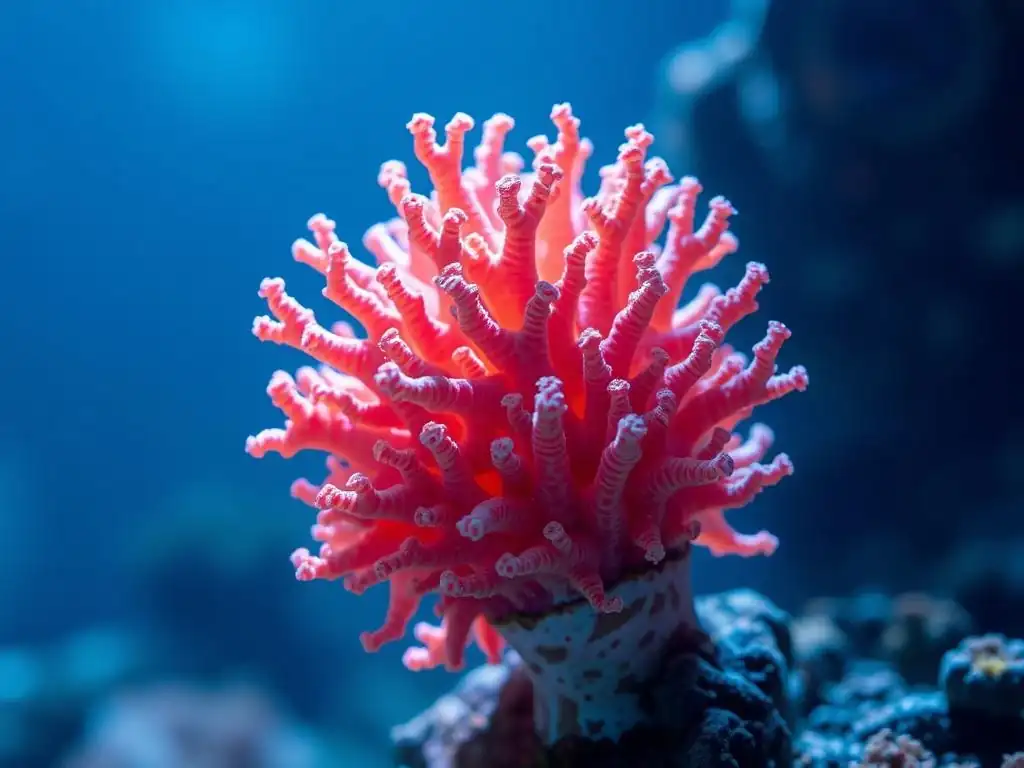
Light Acclimation for Newly Introduced SPS Coral Frags
Successful acclimation of newly introduced Acropora frags is critical to prevent shock and promote long-term health. Begin by placing new frags in an area of your tank with significantly lower PAR than your system's peak. For instance, if your established Acropora are thriving at 350-400 PAR, start new frags at 150-200 PAR. This can be achieved by positioning them lower in the tank, using temporary shading (like egg crate or screen mesh), or by leveraging your light fixture's controller to reduce intensity specifically for the acclimation period.
Over the next 4 to 8 weeks, gradually increase the PAR exposure for these frags. A safe rate is approximately 10-15% increase in intensity or a slight upward repositioning every week. Throughout this period, meticulously observe the coral for any signs of stress, such as tissue paling (bleaching), browning, or persistent lack of polyp extension. If stress signs appear, halt the increase or even slightly reduce intensity until the coral recovers. This patient, observation-driven approach is a cornerstone of an effective Acropora coral lighting guide for successful frag integration.
Utilizing Light Cycles to Enhance SPS Coral Coloration
Modern aquarium lighting controllers allow for sophisticated light cycles that go beyond simple on/off schedules, significantly enhancing SPS coral coloration. Implementing a gradual dawn-to-dusk simulation, with ramp-up and ramp-down phases lasting 1-2 hours each, reduces stress on corals and allows for natural awakening and winding down.
A midday intensity peak can mimic the sun's highest point, providing maximum PAR during the most photosynthetically active period. Additionally, incorporating a brief "actinic pop" – a period of pure blue or blue/violet light (e.g., 30-60 minutes) before the main lights turn on or after they turn off – can dramatically enhance the fluorescence and "pop" of Acropora colors, making them appear more vibrant.
Some advanced aquarists experiment with a "siesta" period, a brief reduction in light intensity or even a short dark period (1-2 hours) during the middle of the day. This aims to mimic natural cloud cover events found on reefs, which some believe can reduce heat stress, mitigate photoinhibition, and potentially promote better coloration. While the benefits of a siesta are debated, it's an advanced technique to consider, especially for tanks prone to overheating. Such fine-tuning of light cycles elevates the Acropora coral lighting guide to an art form, optimizing both health and aesthetic appeal.
Addressing Common SPS Coral Lighting Problems: Bleaching, Browning, and Tissue Necrosis
SPS corals can exhibit several signs of distress related to lighting. Bleaching, where the coral loses its color and appears white, is most commonly caused by too much PAR or an abrupt increase in light intensity. The coral expels its symbiotic zooxanthellae in response to oxidative stress.
The immediate remedy is to reduce light exposure by raising the light fixture, lowering intensity via a controller, or shading the affected coral. Browning indicates insufficient PAR, causing zooxanthellae to multiply to compensate for less light, or it can signify excess nutrients. To address browning, gradually increase PAR and ensure optimal water quality.
Tissue Necrosis, particularly Slow Tissue Necrosis (STN) or Rapid Tissue Necrosis (RTN), can also be triggered or exacerbated by severe light stress, though it's often multifactorial. STN typically progresses slowly from the base upwards, often due to chronic stress, while RTN is an acute, rapid loss of tissue. If light is suspected as a primary cause, immediately reduce intensity and verify that water flow is adequate and water chemistry is impeccable. Addressing these issues promptly is critical for the survival of your Acropora and forms a crucial troubleshooting section within any comprehensive Acropora coral lighting guide.
Troubleshooting Common SPS Coral Lighting Issues
When your Acropora corals show signs of distress that might be lighting-related, a systematic troubleshooting approach is essential. First, re-verify your PAR levels using a PAR meter. Compare your readings to the optimal ranges for the specific Acropora species you are keeping. If PAR is too low, gradually increase it; if too high, reduce it. Remember that different areas of the tank will have different PAR values.
Next, examine your light spectrum. Does it appear too white, lacking the vibrant blue and violet that Acropora thrive under? Adjust your light fixture's color channels to increase the proportion of blue, royal blue, and violet wavelengths.
Also, check your photoperiod: Is it excessively long or inconsistent? Correct the schedule to a stable 10-12 hours with smooth ramp-up/ramp-down phases. Always remember to simultaneously rule out issues with water chemistry (e.g., alkalinity swings, nutrient imbalances) and water flow, as these factors are intrinsically linked to a coral's ability to thrive under any lighting regimen, making them integral to a holistic Acropora coral lighting guide.
Selecting the Best Lighting System for Your SPS Coral Reef
Comparing LED Lighting for SPS Corals: Features, Control, and Efficiency
LED lighting has become a dominant force in reef aquariums, offering advanced features for SPS corals. Fixtures like EcoTech Marine Radions, Aqua Illumination Hydras, and Kessil AP700s provide unparalleled control over intensity and spectrum through intuitive smartphone apps. Their point-source nature creates a captivating "shimmer" effect, mimicking natural sunlight dancing on the water, and allows for targeted light placement. LEDs are highly energy-efficient, consuming less power than traditional lighting, and boast impressively long lifespans, often exceeding 50,000 hours, significantly reducing bulb replacement costs.
However, LED lighting also has considerations. Their point-source nature can create distinct light "pools" and more pronounced shadowing if not adequately diffused or if too few fixtures are used for the tank size. While the initial investment for quality LED fixtures can be higher than other options, the long-term energy savings and elimination of regular bulb replacements often make them more economical over several years. For detailed spectral control and energy efficiency, LEDs are a top choice in any modern Acropora coral lighting guide.
Evaluating T5 Lighting for SPS Corals: Considerations for Supplemental Lighting
T5 fluorescent lighting, particularly high-output (HO) T5 bulbs, has a long-standing reputation for successfully growing vibrant SPS corals. Fixtures such as ATI SunPower and Giesemann Aurora provide a broad, even light spread across the entire tank, minimizing shadowing and ensuring uniform PAR distribution. This diffuse light is often preferred for its ability to blend colors seamlessly, creating a natural, full-tank illumination. The spectrum is customized by selecting specific bulb combinations, with popular choices like ATI Blue Plus (strong royal blue), Coral Plus (balanced full spectrum), and Purple Plus (red/blue enhancement) allowing for fine-tuning.
A primary consideration for T5s is the need for regular bulb replacement, typically every 9-12 months, as their output degrades over time. This adds to ongoing costs. T5s also generate more heat than LEDs and offer less granular spectral control; you replace entire bulbs rather than adjusting individual color channels. Despite these points, their proven track record for producing stunning Acropora makes them an excellent standalone option for many tanks, and an invaluable supplemental lighting source when paired with LEDs, providing a robust solution in an Acropora coral lighting guide.
Considering Hybrid Lighting (LED/T5) for SPS Corals: Balancing Spectrum and Intensity
Hybrid lighting systems, which combine the best attributes of both LEDs and T5 fluorescents, are often considered the pinnacle of reef aquarium lighting for dedicated SPS tanks. Examples include integrated units like the ATI Hybrid Powermodule or custom setups combining separate LED pucks with T5 fixtures. The LEDs provide intense, controllable point-source light with a strong blue/violet spectrum, creating desirable shimmer and enhancing fluorescence. Simultaneously, the T5s deliver broad, even coverage, filling in any shadowed areas, ensuring comprehensive PAR distribution, and contributing a full, blended spectrum that promotes overall coral health and coloration.
This synergistic approach often yields exceptional Acropora growth rates and unparalleled coloration, providing the high PAR levels necessary while significantly reducing shadowing compared to LED-only setups. The trade-off for such superior performance typically includes a higher initial investment, slightly increased power consumption compared to LEDs alone, and the continued need for regular T5 bulb replacements. For advanced hobbyists seeking peak performance and aesthetics in their Acropora reef, a hybrid system is frequently the ultimate solution recommended in an advanced Acropora coral lighting guide.
Lighting System Recommendations Based on Tank Size, Depth, and SPS Species
The ideal lighting system for your Acropora reef depends heavily on your tank's dimensions and the specific SPS species you intend to keep. For smaller tanks (under 40 gallons) primarily housing beginner SPS or a few Acropora frags, a single high-quality LED fixture might suffice, provided it offers adequate spread. For medium-sized tanks (40-75 gallons) with a mixed SPS collection, two smaller LED fixtures, a single larger LED, or a compact T5 fixture would be more appropriate to ensure even light distribution.
For larger tanks (75+ gallons) or dedicated Acropora systems, multiple LED fixtures, a robust multi-bulb T5 fixture, or a hybrid system is almost always recommended to achieve uniform PAR across the entire footprint and depth. Tank depth is a critical factor: tanks deeper than 24 inches will require more powerful lights or additional fixtures to ensure adequate PAR reaches corals at the bottom.
Finally, consider the specific Acropora species: highly demanding species like Acropora tenuis or Acropora valida will undeniably benefit from higher PAR and a strong blue/violet spectrum, making careful system selection a cornerstone of any effective Acropora coral lighting guide.
Complementary Factors: Water Chemistry and Flow in SPS Coral Lighting
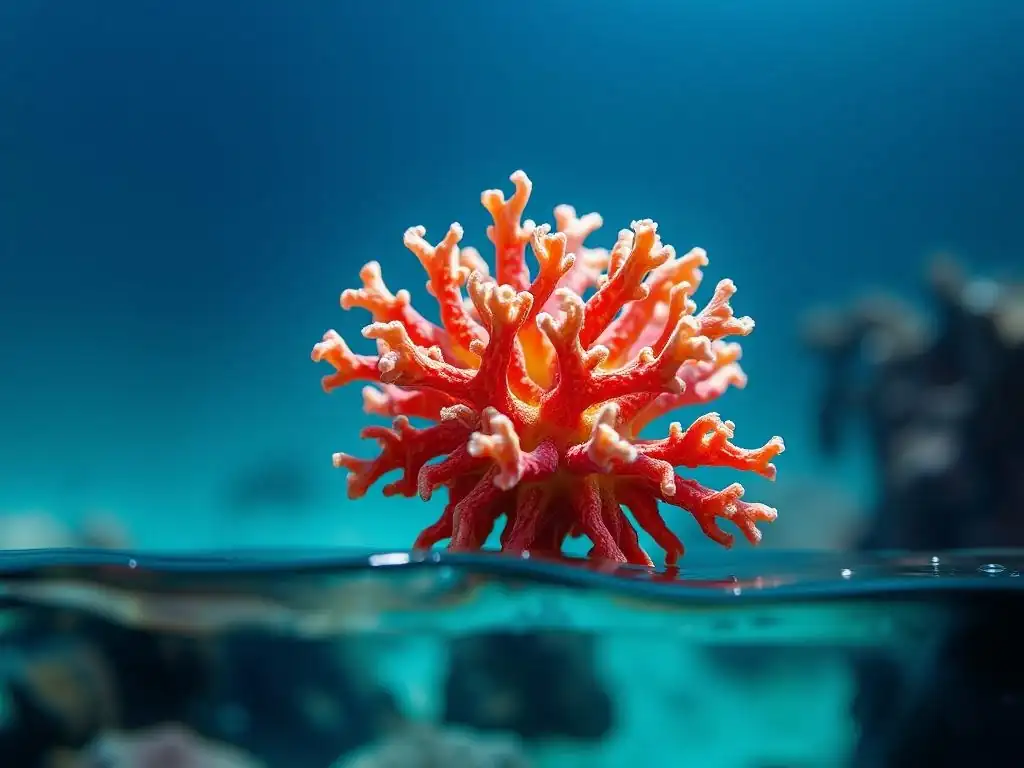
The Interplay of Lighting, Water Chemistry, and Flow in SPS Coral Health
While lighting is undeniably a primary driver for SPS coral growth and coloration, it cannot function in isolation. The success of any Acropora coral lighting guide hinges on its harmonious interplay with optimal water chemistry and robust water flow. Water chemistry provides the essential building blocks—such as calcium, alkalinity, and magnesium—that Acropora corals utilize for calcification, the process of constructing their stony skeletons. Without these fundamental elements readily available and stable, even perfect lighting will not yield explosive growth.
Similarly, strong and turbulent water flow is indispensable. It serves a dual purpose: first, it ensures the constant delivery of essential nutrients, trace elements, and dissolved oxygen to the coral polyps, which are constantly consuming them under high light. Second, it efficiently removes metabolic waste products, detritus, and excess oxygen produced by the zooxanthellae during photosynthesis. If flow is insufficient, corals can experience "dead spots" where waste accumulates, leading to tissue recession or even death, despite ideal PAR and spectrum. This intricate interconnectedness underscores that a holistic approach is vital for Acropora mastery.
Maintaining Optimal Water Parameters for SPS Coral Growth Under Intense Lighting
Under high PAR levels, Acropora corals exhibit significantly accelerated growth rates, which in turn leads to a rapid consumption of key elements like calcium and alkalinity. Therefore, maintaining stable and optimal water parameters becomes even more critical. Target ranges for a thriving Acropora reef include: Calcium (Ca) at 400-450 ppm, Alkalinity (dKH) at 7.5-8.5 dKH (with minimal daily swings, ideally no more than 0.5 dKH), and Magnesium (Mg) at 1300-1400 ppm. Consistent dosing, whether manual via two-part solutions or automated with a dosing pump, is essential to replenish these elements as they are consumed.
Furthermore, managing nutrient levels is crucial. While "zero" nitrates and phosphates were once sought after, it's now understood that trace amounts are beneficial for coral health and coloration. Aim for Nitrate (NO3) levels between 0.2-5 ppm and Phosphate (PO4) levels between 0.02-0.08 ppm. Regular testing, at least weekly, is paramount to monitor these parameters and make timely adjustments before they negatively impact your Acropora under intense lighting. This chemical stability is as vital as the light itself in any comprehensive Acropora coral lighting guide.
Ensuring Adequate Water Flow for SPS Coral Nutrient Delivery and Waste Removal
SPS corals, especially Acropora, are native to high-energy reef environments and demand correspondingly high, turbulent, and random water flow in captivity. This vigorous flow is not merely for aesthetics; it is a vital physiological requirement. It ensures the constant replenishment of essential nutrients (calcium, alkalinity, magnesium, trace elements) directly to the coral polyps, which are microscopic and cannot actively seek out food or elements. Simultaneously, it effectively sweeps away metabolic waste products, excess oxygen produced during photosynthesis, and detritus that could otherwise settle on the coral tissue and cause necrosis.
To achieve adequate flow, aim for a total tank volume turnover of 30-50 times per hour, which can be provided by multiple powerheads (e.g., EcoTech Marine Vortechs, Maxspect Gyres, or Red Sea ReefWave). Position these powerheads strategically to create chaotic, multidirectional flow patterns rather than strong, laminar currents that can stress corals or create "dead spots" behind rockwork. Proper, dynamic flow complements the intense lighting by optimizing nutrient exchange and waste removal, ensuring your Acropora can fully utilize the energy provided by your carefully chosen Acropora coral lighting guide.
Water Chemistry Parameters for Optimal SPS Coral Lighting
When Acropora corals are exposed to high PAR levels and an optimized spectrum, their metabolic rates significantly increase, leading to a higher demand for the building blocks of their skeletons. This heightened metabolic activity means that maintaining stable carbonate hardness (alkalinity) and calcium levels becomes even more critical than in lower-light systems. A diurnal swing in alkalinity of no more than 0.5 dKH is generally considered ideal to prevent stress and ensure consistent calcification. Dosing strategies should be robust enough to handle this increased consumption.
Beyond the major elements, trace elements also play a role, with some (like Potassium, Boron, and Strontium) influencing coral coloration and growth. While regular, high-quality salt mix water changes can often replenish these, some advanced aquarists choose to monitor and dose specific trace elements, especially in ULNS (Ultra Low Nutrient Systems) where natural replenishment might be limited. The synergy between precise water chemistry management and an effective Acropora coral lighting guide is what ultimately allows for a truly thriving and vibrant SPS reef.
Conclusion: Achieving SPS Coral Lighting Mastery for a Thriving Reef
Cultivating a vibrant and thriving Acropora reef is a rewarding endeavor that culminates from a deep understanding and meticulous application of key environmental factors. As this Acropora coral lighting guide has detailed, mastering light involves more than just turning on a fixture; it requires a precise balance of Photosynthetically Active Radiation (PAR) for energy, an optimized spectrum for rich coloration, and a consistent photoperiod for healthy biological rhythms. Each of these elements plays an indispensable role in the growth, health, and aesthetic appeal of your SPS corals.
However, lighting, no matter how perfectly tuned, is but one crucial piece of the intricate reefkeeping puzzle. It must work in concert with stable and optimal water chemistry, providing the essential building blocks for calcification, and robust, turbulent water flow, ensuring nutrient delivery and waste removal. Continuous learning, keen observation of your corals' responses, and a willingness to make subtle adjustments are the hallmarks of a successful aquarist. By integrating this comprehensive Acropora coral lighting guide with diligent husbandry, you will unlock the full potential of your Acropora colonies, transforming your aquarium into a breathtaking, flourishing underwater ecosystem.
Frequently Asked Questions
What is the ideal PAR range for Acropora corals?
The ideal PAR range for Acropora corals typically falls between 250-450 PAR. Providing the right PAR ensures optimal photosynthesis and growth. Exceeding this range can lead to bleaching.
What is the optimal light spectrum for Acropora coral coloration and health?
Acropora corals thrive under a spectrum that is rich in blue and actinic wavelengths. A spectrum of around 14,000K to 20,000K is generally recommended for vibrant coloration and optimal health.
How long should the photoperiod be for Acropora corals in an aquarium?
A photoperiod of 8-10 hours is generally sufficient for Acropora corals. Consistency is key, so maintaining a stable photoperiod is crucial for their well-being and growth.
Can incorrect lighting cause Acropora corals to bleach?
Yes, inadequate or excessive lighting can definitely cause Acropora corals to bleach. Bleaching occurs when the coral expels its symbiotic algae due to stress from improper lighting.
What are some common signs that my Acropora coral is not getting enough light?
Signs of insufficient light include browning of the coral, slow growth, and a lack of vibrant coloration. The coral may also appear etiolated, meaning it stretches towards the light source.
Final Reflection: Illuminating the Path to Coral Success
The journey through the intricacies of Acropora lighting, as explored in this guide, underscores a fundamental truth: understanding light is understanding life, especially within the delicate ecosystem of a reef tank. The principles of PAR, spectrum, and photoperiod are not merely technical specifications; they are the keys to unlocking vibrant growth and coloration in these demanding corals, transforming a simple aquarium into a thriving microcosm of the ocean.
This exploration has highlighted the profound impact that informed aquarists can have on the health and beauty of their reef systems. The dedication required to master Acropora lighting reflects a deeper commitment to responsible reef keeping and a genuine appreciation for the complexity of marine life. In the end, we will conserve only what we love; we will love only what we understand; and we will understand only what we are taught.
- Baba Dioum. This quote encapsulates the essence of this guide: by understanding the nuances of Acropora lighting, we cultivate a deeper love for these corals and, in turn, become better stewards of the reef.
Now, armed with this knowledge, I invite you to reflect on your own practices. Are you truly maximizing the potential of your lighting system? Are you providing your Acropora with the optimal conditions they need to flourish? Take the lessons learned here and apply them to your own reef, experiment with confidence, and witness the explosive results that await. The future of your reef, and perhaps even the future of coral conservation, lies in the hands of informed and dedicated aquarists like you.
Unlock Your Acropora's True Colors!
Thank you for diving into the world of Acropora lighting! We hope you've gained valuable insights into PAR, spectrum, and photoperiod to fuel explosive growth in your reef tank. Now, let's put that knowledge into action.
Here's how you can take your Acropora game to the next level:
- Immediately analyze your current lighting setup. Use a PAR meter to precisely measure light intensity at your Acropora's location and compare it to their specific needs. This is the most crucial step!
- Experiment with subtle spectrum adjustments. Try shifting your lighting slightly towards the blue end of the spectrum for enhanced coloration, but always monitor your corals closely for any signs of stress.
- Share your before-and-after photos! Post them on your favorite reefing forum and tag us @AquariumMastery so we can celebrate your success.
What's one small tweak you plan to make to your lighting today, based on what you've learned?