
Rhodactis Mushrooms: The Bumpy, Hairy, & Utterly Unique Soft Corals

Welcome to Aquarium Mastery!
Intrigued by the bizarre beauty of the reef? Then prepare to be captivated! These corals are not your average reef inhabitants. This guide dives deep into the world of Rhodactis mushrooms, offering essential Rhodactis coral care tips to help you nurture these fascinating creatures in your own aquarium. Get ready to unlock the secrets to keeping these bumpy, hairy, and utterly unique soft corals thriving! Ready to dive in?
- Rhodactis Mushrooms: The Bumpy, Hairy, & Utterly Unique Soft Corals - AquariumMastery.com
- Understanding Rhodactis Mushrooms: An Introduction to Fuzzy Corals
- Rhodactis Coral Care Tips: Essential Guide for Reef Aquarists
- Feeding Rhodactis Mushrooms: Enhancing Growth and Coloration
- Propagating Rhodactis Mushrooms: Expanding Your Coral Collection
- Common Problems and Solutions in Rhodactis Coral Care
- Choosing Rhodactis Varieties: Exploring Different Colors and Patterns
- Rhodactis Mushrooms and Tank Mates: Compatibility Considerations
- Conclusion: Mastering Rhodactis Coral Care for a Thriving Reef Aquarium
-
Frequently Asked Questions
- What are Rhodactis corals, and why are they unique?
- What are some essential care tips for Rhodactis corals in a saltwater aquarium?
- What water parameters are crucial for the health and growth of Rhodactis mushrooms?
- What type of lighting and water flow do Rhodactis corals prefer?
- What are some common problems that aquarists might encounter with Rhodactis corals, and how can they be addressed?
- Final Reflection: Embracing the Unconventional Beauty of Rhodactis
- Ignite Your Reef Tank: Cultivate Your Rhodactis Colony!
Rhodactis Mushrooms: The Bumpy, Hairy, & Utterly Unique Soft Corals - AquariumMastery.com
Understanding Rhodactis Mushrooms: An Introduction to Fuzzy Corals
What are Rhodactis Corals? Exploring the Mushroom Coral Family
Rhodactis corals belong to the Corallimorpharia order, commonly known as mushroom corals, and are a fascinating genus within the soft coral family. Unlike stony corals, they lack a hard, calcified skeleton, instead possessing a fleshy, disc-shaped body that attaches to live rock or substrate via a pedal disc.
Their defining characteristic is their incredible diversity in texture, ranging from smooth to densely covered in bumps, warts, or long, hair-like tentacles, giving them their distinctive "bumpy" or "hairy" appearance. These unique textures, combined with a vast array of vibrant colors including electric blues, deep reds, vivid greens, and striking purples, make them highly sought after by aquarists.
In their natural habitat, Rhodactis mushrooms are typically found in the shallow to moderate depths of tropical and subtropical oceans, particularly across the Indo-Pacific region, but also in parts of the Caribbean. They thrive in areas with stable water conditions and often colonize rocky substrates or rubble zones, forming dense mats over time. Like many corals, Rhodactis host symbiotic zooxanthellae within their tissues, which provide a significant portion of their nutritional needs through photosynthesis. However, their ability to actively capture food particles from the water column also contributes to their resilience and adaptability in a home aquarium.
Why Choose Rhodactis Mushrooms for Your Reef Tank? Unique Appeal and Benefits
Choosing Rhodactis mushrooms for your reef tank offers a multitude of benefits, not least of which is their exceptional aesthetic appeal. Their unique textures and iridescent colors can add significant visual interest and dynamic movement to any aquascape, creating focal points that draw the eye.
From the undulating folds of an Elephant Ear mushroom to the mesmerizing patterns of a "Bounce" mushroom, Rhodactis provide a distinct contrast to the more rigid forms of stony corals. Furthermore, their relatively easy care requirements make them an excellent choice for both novice and experienced aquarists looking to expand their soft coral collection without the intense demands of some SPS or LPS species.
Beyond their beauty, Rhodactis corals are renowned for their hardiness and adaptability. They are generally more forgiving of minor fluctuations in water parameters compared to more sensitive corals, making them a robust addition to a mixed reef tank. Their ability to propagate readily, either through natural budding or manual fragging, also provides hobbyists with opportunities to expand their collection, trade with other enthusiasts, or even create unique "mushroom gardens." Mastering Rhodactis coral care tips can lead to a thriving, vibrant display that enhances the overall health and biodiversity of your reef ecosystem.
Rhodactis Coral Care Tips: Essential Guide for Reef Aquarists
Optimal Water Parameters for Rhodactis Mushroom Health
Temperature, Salinity, and Alkalinity Requirements
Maintaining stable and appropriate water parameters is fundamental to successful Rhodactis coral care. For temperature, a range between 75-80°F (24-27°C) is ideal, mirroring their natural tropical environment and ensuring optimal metabolic rates for both the coral and its symbiotic zooxanthellae. Salinity should be kept consistent at 1.024-1.026 specific gravity, or 34-36 parts per thousand (ppt), which is crucial for maintaining osmotic balance and overall cellular function. Alkalinity, while less critical for Rhodactis than for calcifying corals, should still be maintained within a healthy reef range of 7-11 dKH to support the overall biological processes within the aquarium.
In addition to these primary parameters, paying attention to calcium, magnesium, nitrates, and phosphates will further support healthy Rhodactis mushroom growth. While Rhodactis do not build large calcified skeletons, calcium levels between 400-450 ppm and magnesium levels between 1300-1400 ppm contribute to the stability of the water chemistry and overall coral vitality.
Nitrates should ideally be kept below 10 ppm and phosphates below 0.03 ppm, as elevated levels of these nutrients can stress corals, encourage nuisance algae growth, and potentially lead to tissue recession or color loss. Regular testing, at least weekly or bi-weekly, is essential to monitor these parameters and make timely adjustments.
The Importance of Stable Water Conditions for Mushroom Corals
Stability is arguably more important than hitting exact target numbers when it comes to Rhodactis coral care. Sudden and drastic fluctuations in temperature, salinity, or alkalinity can induce significant stress on these soft corals, leading to symptoms such as prolonged retraction, bleaching (loss of color due to zooxanthellae expulsion), or even tissue necrosis.
For instance, a sudden drop in salinity by even 0.002 specific gravity can cause osmotic shock, impacting the coral's ability to regulate its internal water balance. Consistent stability allows the zooxanthellae to photosynthesize efficiently and the coral to allocate energy towards growth and maintenance, rather than stress recovery.
To achieve this stability, consistent water changes (e.g., 10-20% bi-weekly) with high-quality saltwater are recommended. Using an automatic top-off (ATO) system to replenish evaporated freshwater helps maintain stable salinity. If you are dosing any supplements, ensure they are added consistently and in appropriate amounts to avoid swings. A well-established biological filter and a robust clean-up crew also contribute significantly by processing waste and maintaining water quality, thereby reducing the likelihood of parameter instability. Consistent stability in water parameters is a cornerstone of effective Rhodactis coral care tips, ensuring vibrant colors and robust growth.
Lighting Requirements for Rhodactis Corals: Achieving Optimal Growth
Light Intensity and Spectrum Preferences
Rhodactis corals are generally considered low to moderate light inhabitants, thriving under less intense illumination compared to many SPS or LPS corals. An ideal PAR (Photosynthetically Active Radiation) range for most Rhodactis species is typically between 50-150 PAR. Too much light can cause them to bleach, shrivel, or retract for extended periods, as their symbiotic zooxanthellae become overwhelmed and expelled. Conversely, insufficient light can lead to drab coloration, poor extension, and stunted growth, as the zooxanthellae cannot produce enough energy to sustain the coral.
Regarding spectrum, Rhodactis mushrooms benefit from a full-spectrum light source with a strong emphasis on the blue end of the spectrum (around 450-470nm), which mimics the light penetration in their natural, shallower reef environments. Many aquarists find that a blend of cool white and blue LEDs, with a higher proportion of blue, not only supports healthy growth but also significantly enhances the vibrant greens, blues, and reds inherent in many Rhodactis varieties. It is important to observe your corals' response to lighting; if they appear stressed or discolored, adjusting intensity or placement may be necessary.
Acclimation to New Lighting Conditions
Proper acclimation to new lighting conditions is a critical Rhodactis coral care tip, especially when introducing new corals to your tank or upgrading your lighting system. Never place a new Rhodactis directly under intense light. Instead, start by placing the coral in a shaded area of the tank or on the sandbed, gradually moving it to its desired, higher-light location over a period of several weeks. This slow process allows the zooxanthellae within the coral's tissues to adjust to the new light intensity, preventing shock and bleaching.
When upgrading your lighting, it's advisable to start with a lower intensity setting (e.g., 50% of full power) and gradually increase it over 4-6 weeks. Observe your Rhodactis closely for signs of stress, such as prolonged closing, shrinking, or a noticeable paling of color. If these symptoms appear, reduce the light intensity or move the coral to a shadier spot. Patience during the acclimation phase significantly increases the chances of successful integration and long-term health for your Rhodactis mushrooms.
Water Flow and Placement for Healthy Rhodactis Mushrooms
Ideal Water Flow Rates for Mushroom Corals
Rhodactis mushrooms thrive in low to moderate, indirect water flow. Unlike SPS corals that require vigorous, turbulent flow, Rhodactis can be easily stressed or even dislodged by strong, direct currents. Excessive flow can prevent them from fully extending their polyps, hinder their ability to capture food, and may cause them to retract or even detach from their substrate. The ideal flow provides gentle movement across their surface, ensuring that detritus does not accumulate and that nutrients are delivered to their tissues without causing physical agitation.
A good strategy is to position powerheads or return pump outlets to create an indirect, broad flow pattern that gently sweeps across the Rhodactis. For instance, directing a powerhead towards the glass or a piece of rockwork can create a diffused, turbulent flow without directly blasting the coral. Signs of insufficient flow include detritus settling on the coral's surface, leading to potential tissue necrosis, or the coral appearing "slimy" due to a lack of proper waste removal. Achieving the right balance of water flow is a key component of effective Rhodactis coral care tips.
Best Placement Strategies within the Reef Aquarium
Strategic placement within the reef aquarium is crucial for the long-term health and aesthetic appeal of Rhodactis mushrooms. Given their preference for lower light and moderate flow, the sandbed or lower rockwork areas are typically ideal locations. Placing them individually or in small clusters allows them ample room to expand without encroaching on other corals. Some Rhodactis varieties, such as the Rhodactis indosinensis (Elephant Ear Mushroom), can grow quite large, reaching diameters of 8-12 inches, so ensuring sufficient space is important.
It is also vital to consider the proximity to other corals. While Rhodactis are generally peaceful, they can extend their fleshy bodies and potentially sting or irritate neighboring corals if placed too close, especially more sensitive LPS or SPS corals. Always allow adequate "buffer" space around your Rhodactis to accommodate their full extension. Avoiding placement directly under strong light sources or in the direct path of powerful water currents will help prevent stress and ensure your Rhodactis mushrooms thrive in their chosen spot.
Feeding Rhodactis Mushrooms: Enhancing Growth and Coloration
Do Rhodactis Mushrooms Need Feeding? Understanding Nutritional Needs
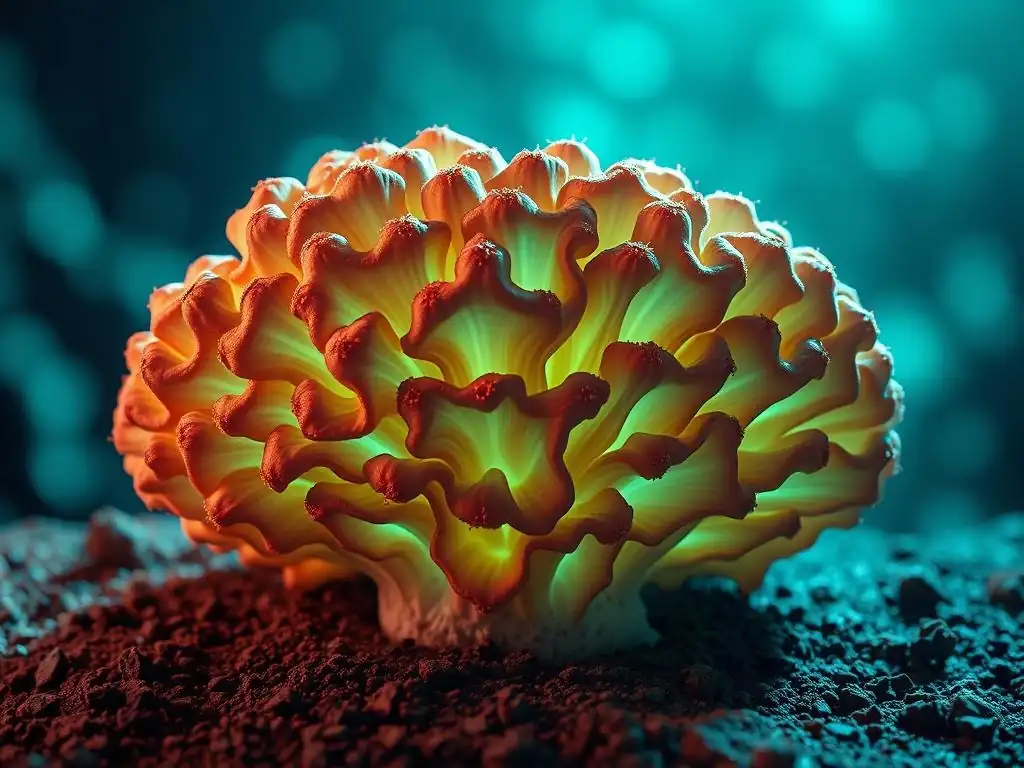
While Rhodactis mushrooms primarily derive their energy from the symbiotic zooxanthellae residing in their tissues, which convert light into food, they are also heterotrophic and capable of capturing small food particles from the water column. Therefore, supplemental feeding is not strictly necessary for their survival, especially in a well-established reef tank with a healthy fish population. However, providing targeted nutrition can significantly enhance their growth rates, intensify their coloration, and improve their overall vitality.
Larger Rhodactis species, such as the Elephant Ear mushroom, tend to benefit more noticeably from supplemental feeding due to their larger surface area and higher metabolic demands. Even smaller varieties will exhibit improved health and more robust expansion when offered appropriate foods. Think of supplemental feeding as a boost to their natural capabilities, helping them access a wider range of nutrients beyond what photosynthesis alone can provide. This proactive approach to nutrition is a valuable Rhodactis coral care tip for maximizing their potential.
Recommended Foods and Feeding Methods for Rhodactis
For optimal nutrition, Rhodactis mushrooms respond well to fine particulate foods that mimic their natural prey. Recommended foods include phytoplankton, zooplankton (like cyclop-eeze or rotifers), finely crushed high-quality flake or pellet food, and specialized coral foods designed for filter feeders. These foods provide essential amino acids, fatty acids, and other micronutrients that contribute to coral health and vibrant coloration.
When feeding, it's best to turn off circulation pumps briefly to prevent the food from being immediately dispersed throughout the tank. Use a pipette or turkey baster to gently squirt a small amount of food directly over the Rhodactis mushroom. Observe as the mushroom slowly closes or folds around the food, indicating successful capture. For smaller or more sensitive Rhodactis, a very fine suspension of food is preferable to avoid overwhelming them.
Avoiding Overfeeding: Potential Problems and Solutions
While supplemental feeding is beneficial, overfeeding can lead to significant problems in a reef aquarium. Excess food that is not consumed by the corals or other tank inhabitants will decompose, leading to a rapid increase in nitrates and phosphates. This degradation of water quality can stress all tank inhabitants, promote nuisance algae blooms, and potentially lead to bacterial issues. Overfeeding can also cause a cloudy appearance in the water and a buildup of detritus on the substrate.
To avoid these issues, feed your Rhodactis mushrooms sparingly, typically once or twice a week, or even less frequently if your tank is heavily stocked with fish that contribute to the overall nutrient load. Start with small amounts and observe how quickly the coral consumes the food. If you notice signs of overfeeding, such as persistently high nutrient levels or a cloudy tank, reduce feeding frequency and consider performing an extra water change. Ensuring efficient nutrient export through proper filtration, protein skimming, and regular maintenance is crucial to counterbalance any feeding regimen.
Propagating Rhodactis Mushrooms: Expanding Your Coral Collection
Fragging Rhodactis Mushrooms: A Step-by-Step Guide
Propagating Rhodactis mushrooms, often referred to as "fragging," is a straightforward process that allows hobbyists to expand their coral collection or share with others. Rhodactis naturally reproduce through budding or fission, but manual fragging offers more control. The simplest method involves gently detaching a small portion of the mushroom from the mother colony's base or the rock it's attached to. For larger specimens, a clean, sharp razor blade or scalpel can be used to make a precise cut through the oral disc and foot of the mushroom. Always wear gloves and eye protection when handling corals.
When cutting, ensure the fragment includes a portion of the pedal disc, as this is where the new attachment will occur. Avoid making ragged cuts, as clean incisions heal more quickly and reduce the risk of infection. For very large Rhodactis, multiple fragments can be obtained from a single specimen. It's important to work quickly and minimize the coral's out-of-water time to reduce stress. After fragging, place the mother colony and fragments back into the aquarium, ideally in an area with lower flow and light to aid in recovery.
Creating New Rhodactis Colonies: Best Practices and Techniques
Once a Rhodactis mushroom has been fragged, the next step is to encourage the fragment to attach to a new substrate, forming a new colony. Small pieces of rubble rock, frag plugs, or even a ceramic tile are suitable options. One common and effective technique is to place the frag and the chosen substrate in a small, shallow container or a mesh bag within the main display tank. The container should have gentle water flow to prevent detritus buildup but not so strong that it dislodges the frag.
The frag will typically attach within a few days to several weeks, depending on its size and the overall health of the coral. You can also use a rubber band or super glue gel (cyanoacrylate) to temporarily secure the frag to the substrate, being careful not to get glue on the coral tissue itself. Once the frag has firmly attached and shows signs of full extension and healthy coloration, it can be moved to its desired permanent location in the aquarium. Consistent water parameters and good Rhodactis coral care tips during this recovery phase are crucial for successful propagation.
Caring for Fragged Rhodactis: Ensuring Successful Growth
Caring for newly fragged Rhodactis is paramount to ensuring their successful growth and establishment. Immediately after fragging, place the fragments in an area of the tank that receives lower light and very gentle water flow. This reduced stress environment allows the coral to heal from the trauma of fragging and allocate its energy towards reattaching and recovering. Monitor the frag closely for any signs of infection, such as white patches, sliminess, or tissue recession.
Maintain pristine water quality during the healing period, as good parameters will aid in recovery and reduce susceptibility to bacterial infections. Avoid target feeding fragged corals for the first few days, as they may be too stressed to consume food and uneaten particles could foul the water. Once the frag has attached and begins to fully extend its polyp, it can be slowly acclimated to higher light and flow conditions, following the same principles as acclimating a new coral. With proper Rhodactis coral care tips, your new colonies will thrive and add to the beauty of your reef.
Common Problems and Solutions in Rhodactis Coral Care
Identifying and Treating Rhodactis Coral Diseases
Bacterial Infections and Their Symptoms
Bacterial infections can sometimes affect Rhodactis mushrooms, particularly if the coral is stressed, physically damaged, or exposed to poor water quality. Symptoms often include tissue recession, where the coral appears to be shrinking or melting away from its base. You might also observe white, necrotic patches, a slimy appearance on the coral's surface, or a general darkening of the tissue. These infections can progress rapidly if left untreated and may spread to other corals in the aquarium.
Identifying bacterial infections early is crucial for successful treatment. Stressors such as sudden parameter swings, high nitrates/phosphates, or rough handling can predispose Rhodactis to these issues. If you notice any of these symptoms, it's important to act quickly to prevent further damage or spread. Maintaining stable, pristine water conditions is the best preventative measure against bacterial infections.
Treatment Options and Preventative Measures
For treating bacterial infections in Rhodactis, an iodine-based coral dip (e.g., Lugol's solution, following manufacturer's instructions for dosage and dip time, usually 5-10 minutes) can be effective. These dips act as antiseptics and can help eliminate surface bacteria. Always perform the dip in a separate container using tank water, never in the main display. After the dip, place the coral back into the tank, ideally in a separate quarantine tank if the infection is severe or spreading.
Preventative measures are always superior to treatment. This includes maintaining consistently stable water parameters, avoiding sudden changes in temperature or salinity, and ensuring proper flow and lighting. Quarantine all new corals for at least 2-4 weeks before introducing them to your main display tank. This allows you to observe them for any signs of disease or pests and treat them in isolation, preventing the introduction of pathogens to your established reef.
Dealing with Pests Affecting Rhodactis Mushrooms
Nudibranchs and Their Impact
One of the most common and problematic pests specifically affecting Rhodactis and other mushroom corals are Phyllodesmium nudibranchs. These specialized predators are highly camouflaged, often mimicking the color and texture of the Rhodactis they prey upon, making them incredibly difficult to spot. They cause damage by consuming the coral tissue, leaving behind visible bite marks or areas of recession. A sudden decline in the health of your Rhodactis without obvious water parameter issues often points to the presence of these elusive pests.
Regular, close inspection of your Rhodactis is the best defense against nudibranchs. If detected, manual removal with tweezers or a siphon is the primary control method. Some hobbyists report success with brief freshwater dips (30-60 seconds, with extreme caution) to dislodge these pests, but this can be stressful for the coral. Introducing natural predators like certain wrasses (e.g., Six-Line Wrasse, Yellow Coris Wrasse) can sometimes help, though their efficacy varies and they may not always be reef-safe.
Effective Pest Control Strategies
Quarantine is the most effective pest control strategy for preventing Phodactis nudibranchs and other unwanted hitchhikers from entering your main display tank. A dedicated quarantine tank allows you to observe new corals for several weeks, performing dips and manual removals as needed before introduction. This significantly reduces the risk of an outbreak in your established system.
Beyond quarantine, regular visual inspections of your Rhodactis mushrooms are crucial. Use a flashlight to examine them closely, especially at night when nudibranchs might be more active. If you find one nudibranch, assume there are more, as they can reproduce rapidly. Consistent Rhodactis coral care tips, including stable water parameters and proper nutrition, keep your corals healthy and more resilient to pest infestations.
Addressing Rhodactis Coral Recession and Color Loss
Potential Causes of Recession and Color Loss
Recession (shrinking) and color loss (bleaching or fading) are common signs of stress in Rhodactis mushrooms and can be attributed to several factors. Excessive light intensity is a frequent culprit, causing the coral to expel its zooxanthellae and leading to a pale, bleached appearance. Conversely, insufficient light can also result in fading colors as the zooxanthellae struggle to photosynthesize effectively.
Poor water quality, characterized by high nitrates, phosphates, or unstable parameters, directly stresses the coral's tissues. Lack of nutrients, inadequate water flow, or physical damage from tank mates or equipment can also contribute to recession and a general decline in health.
Symptoms include the coral failing to expand fully, appearing shriveled or deflated, becoming translucent, or losing its vibrant pigmentation. For example, a normally vibrant blue Rhodactis might turn pale white or brown. Identifying the specific cause requires careful observation of the coral's environment and a thorough review of your tank's water parameters and maintenance routine.
Corrective Actions and Preventative Measures
Upon noticing recession or color loss, the first step in Rhodactis coral care is to systematically review and adjust environmental factors. Test all water parameters (temperature, salinity, alkalinity, calcium, magnesium, nitrates, phosphates) to ensure they are within optimal ranges and stable. If light is suspected, gradually reduce intensity or move the coral to a shadier spot. If insufficient light is the issue, consider moving it to a slightly brighter area. Adjust water flow to ensure it's gentle and indirect, preventing detritus accumulation without blasting the coral.
Consider supplemental feeding if the coral hasn't been fed regularly. Ensure no aggressive fish or invertebrates are nipping at the Rhodactis or that it's not being stung by neighboring corals. Regular maintenance, including consistent water changes and cleaning, will help prevent nutrient buildup. By addressing these potential stressors promptly and consistently applying sound Rhodactis coral care tips, you can often reverse recession and restore your mushrooms to their vibrant health.
Choosing Rhodactis Varieties: Exploring Different Colors and Patterns
Popular Rhodactis Mushroom Species and Their Characteristics
Rhodactis indosinensis: The Elephant Ear Mushroom
Rhodactis indosinensis, commonly known as the Elephant Ear Mushroom, is one of the most distinctive and largest members of the Rhodactis genus. It is characterized by its massive, undulating oral disc, which can grow to an impressive 8-12 inches (20-30 cm) or more in diameter, resembling an elephant's ear. Typically, these mushrooms exhibit shades of green, brown, or dull purple, often with contrasting patterns or spots. Due to their large size, Elephant Ear Mushrooms prefer lower light and very gentle water flow, as strong currents can cause them to detach or prevent full extension.
Unlike many smaller Rhodactis species, Rhodactis indosinensis is a highly efficient feeder and can consume surprisingly large prey items, including small fish or invertebrates, if given the opportunity. This voracious feeding habit contributes to their rapid growth and impressive size. When incorporating an Elephant Ear mushroom into your tank, it's crucial to provide ample space, as their expansion can shade out or physically irritate nearby corals. Their unique appearance and substantial presence make them a captivating centerpiece in a larger, soft coral-dominated reef tank.
Color Variations and Unique Features of Rhodactis Mushoom
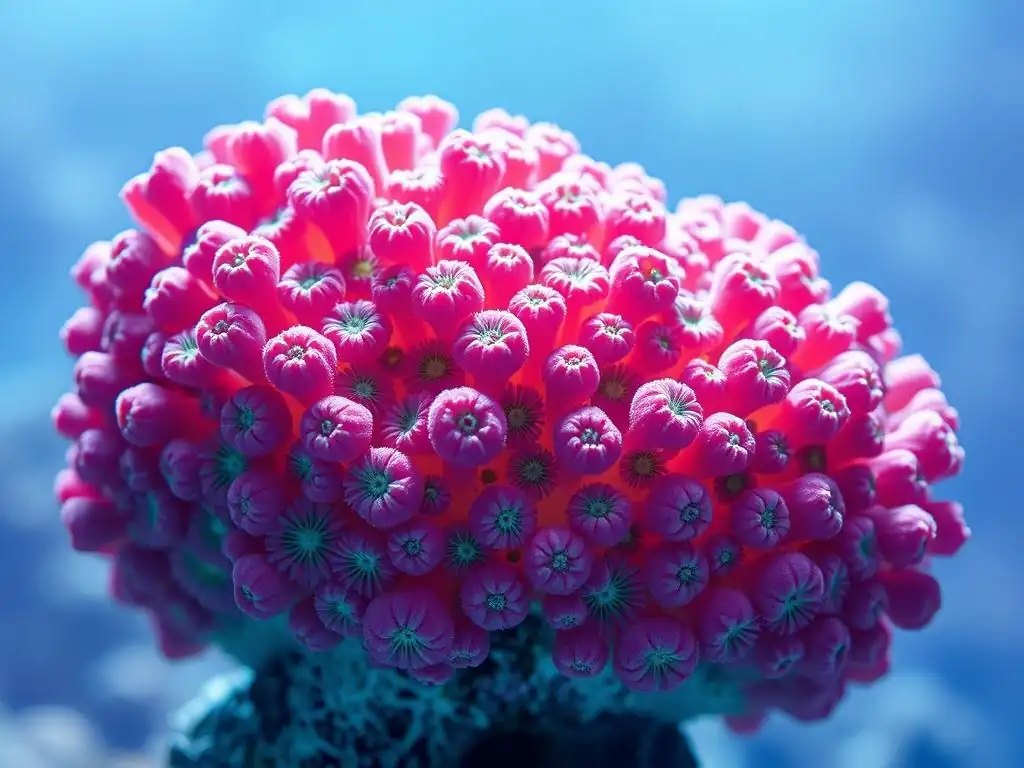
Beyond the Elephant Ear, the Rhodactis genus encompasses an astonishing array of color variations and unique textural features, making them highly collectible. "Hairy" Rhodactis are covered in dense, elongated tentacles that give them a fuzzy appearance, often in vibrant greens or blues. "Bumpy" or "Warty" Rhodactis feature raised, vesicle-like structures across their surface, creating a textured, almost alien look, with colors ranging from electric oranges to deep purples. "Frilly" varieties have highly folded or convoluted margins, adding another dimension of visual interest.
Some of the most sought-after Rhodactis include "Bounce" mushrooms, which are often a highly valued mutation of Discosoma or Rhodactis that develop large, bubble-like vesicles on their surface, often in fluorescent oranges, greens, and blues. While these command premium prices, their captivating appearance is undeniable. The coloration of Rhodactis can also be influenced by lighting, water parameters, and feeding, with optimal Rhodactis coral care tips bringing out their most intense and varied hues.
Sourcing Healthy Rhodactis Corals: What to Look For
Evaluating Coral Health Before Purchase
When purchasing Rhodactis corals, a thorough visual inspection is crucial to ensure you are acquiring a healthy specimen. Look for corals that are fully expanded, vibrant in color, and show no signs of tissue recession, tears, or white patches. The coral should be firmly attached to its frag plug or rock, indicating it is settled and healthy. Avoid corals that appear shriveled, discolored, or have any visible pests such as nudibranchs or flatworms.
Ask the vendor about the coral's history, including the parameters of the tank it came from and how long they've had it. A reputable supplier will be transparent about their husbandry practices. Healthy Rhodactis will typically react to your presence by slightly retracting, then slowly expanding again, demonstrating good responsiveness.
Reputable Suppliers and Avoiding Diseased Corals
Sourcing Rhodactis from reputable local fish stores or established online vendors is a critical Rhodactis coral care tip to minimize the risk of introducing diseased or unhealthy specimens into your aquarium. Reputable suppliers typically maintain high water quality, have robust quarantine protocols for incoming livestock, and offer guarantees on their corals. Avoid purchasing from sources that have visibly unhealthy tanks or do not seem knowledgeable about coral care.
Regardless of the source, it is highly recommended to quarantine all new coral additions in a separate tank for at least 2-4 weeks. This allows you to observe the coral for any signs of disease, pests, or stress in isolation, preventing the potential spread to your main display tank. During quarantine, you can perform prophylactic dips if desired, and ensure the coral is eating and adapting well before integrating it into your established reef ecosystem.
Rhodactis Mushrooms and Tank Mates: Compatibility Considerations
Compatible Fish and Invertebrates for a Rhodactis Reef Tank
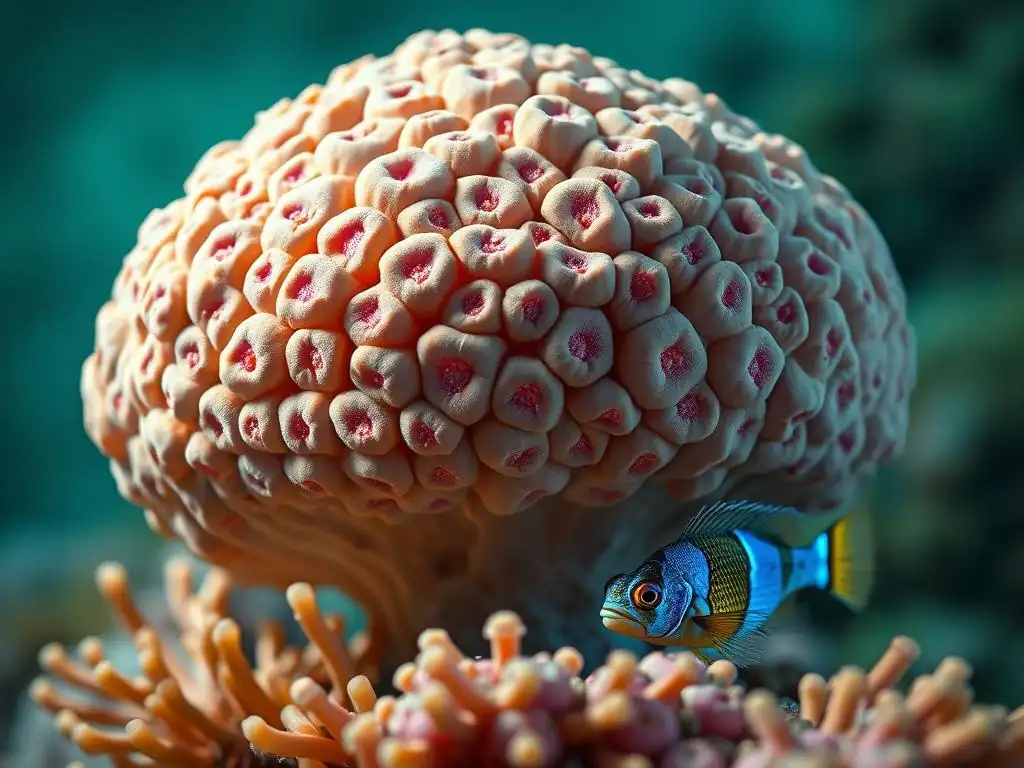
Creating a harmonious reef environment is essential for the long-term health of your Rhodactis mushrooms. Compatible fish species are generally peaceful, reef-safe inhabitants that will not nip at corals. Excellent choices include various gobies (e.g., watchman gobies, pistol shrimp gobies), clownfish, cardinalfish, and certain blennies (e.g., Lawnmower blennies, Tailspot blennies). These fish typically occupy different niches within the tank and pose no threat to Rhodactis.
Compatible invertebrates include a diverse clean-up crew of snails (e.g., Nassarius, Trochus, Turbo snails) and hermit crabs, which help keep the tank clean by consuming algae and detritus. Cleaner shrimp (e.g., Skunk Cleaner Shrimp, Peppermint Shrimp) are also excellent additions, providing both cleaning services and visual appeal without bothering corals. Maintaining a well-balanced clean-up crew is a crucial part of holistic Rhodactis coral care, as it contributes to stable water quality.
Avoiding Aggressive Tank Mates that Could Harm Rhodactis Corals
To ensure the safety and well-being of your Rhodactis mushrooms, it is vital to avoid aggressive tank mates that are known to nip at or consume soft corals. Certain angelfish species, butterflyfish, and triggerfish are notorious for their propensity to pick at corals, including Rhodactis. Even seemingly peaceful fish can sometimes develop a taste for corals if not adequately fed or if their natural diet includes similar textures.
Furthermore, care must be taken when placing Rhodactis near other corals, particularly aggressive LPS (Large Polyp Stony) corals with long, sweeping tentacles like Euphyllia (Torch, Hammer, Frogspawn) or certain Favia and Favites. These corals can inflict severe stings on Rhodactis tissue, leading to recession or necrosis. Always research the compatibility of any new tank mate, both fish and coral, before introducing them to your Rhodactis reef tank.
Maintaining a Balanced Reef Ecosystem for Rhodactis Health
The overall health and vibrancy of your Rhodactis mushrooms are intrinsically linked to the balance and stability of your entire reef ecosystem. A well-maintained tank with appropriate stocking levels, efficient filtration, and a consistent maintenance schedule creates an environment where Rhodactis can thrive. Overstocking can lead to increased nutrient loads and stress, while an understocked tank may lack the biological diversity to process waste effectively.
A balanced ecosystem also implies a harmonious community of fish, invertebrates, and corals that coexist without causing stress or damage to one another. Regular water changes, proper feeding of all inhabitants, and consistent monitoring of water parameters are fundamental practices that contribute to this balance. By creating and maintaining a healthy, balanced reef ecosystem, you provide the optimal conditions for long-term Rhodactis coral care, allowing these unique soft corals to flourish and display their full beauty.
Conclusion: Mastering Rhodactis Coral Care for a Thriving Reef Aquarium
Mastering Rhodactis coral care is a rewarding endeavor that brings unique beauty and dynamic texture to any reef aquarium. From understanding their distinct biological needs to implementing proactive maintenance strategies, the journey involves attention to detail and consistent effort. Key to their success lies in maintaining stable water parameters within optimal ranges, providing appropriate low to moderate lighting, and ensuring gentle, indirect water flow. Judicious supplemental feeding can further enhance their growth and coloration, bringing out the most vibrant hues of these captivating soft corals.
Equally important are vigilant monitoring for pests and diseases, alongside strategic placement within the aquarium to avoid aggression from tank mates. By following these comprehensive Rhodactis coral care tips, aquarists can cultivate thriving colonies that not only survive but truly flourish. The unique bumpy, hairy, and utterly distinct forms of Rhodactis mushrooms will undoubtedly become a captivating focal point, enriching your reef aquarium with their unparalleled charm and contributing to a balanced and vibrant underwater world.
Frequently Asked Questions
What are Rhodactis corals, and why are they unique?
Rhodactis corals, often called mushroom corals, are a type of soft coral. They're unique due to their varied textures and appearances, including bumpy and hairy surfaces.
What are some essential care tips for Rhodactis corals in a saltwater aquarium?
Key care tips include providing moderate lighting and water flow, maintaining stable water parameters (especially salinity and alkalinity), and target feeding them occasionally with small meaty foods.
What water parameters are crucial for the health and growth of Rhodactis mushrooms?
Maintaining stable salinity, alkalinity, and calcium levels is crucial. Regular water changes are also important to prevent the buildup of nitrates and phosphates.
What type of lighting and water flow do Rhodactis corals prefer?
Rhodactis corals generally prefer moderate lighting to prevent bleaching, and moderate water flow to help remove detritus and deliver nutrients.
What are some common problems that aquarists might encounter with Rhodactis corals, and how can they be addressed?
Common problems include bleaching due to excessive light, detachment from the substrate due to poor water quality, and predation by certain fish or invertebrates. Addressing these requires adjusting lighting, improving water quality, or removing problematic tankmates.
Final Reflection: Embracing the Unconventional Beauty of Rhodactis
The journey into the world of Rhodactis mushrooms reveals more than just practical coral care tips; it unveils a profound appreciation for the unconventional beauty that thrives within our oceans. These bumpy, hairy, and utterly unique soft corals, often overlooked in favor of more traditionally "beautiful" species, demonstrate that true wonder lies in embracing the diverse tapestry of life, a lesson deeply relevant in a world often obsessed with conformity.
This exploration of Rhodactis has undoubtedly shifted our perspective, highlighting the importance of appreciating the less-conventional forms of beauty that surround us, both in the aquarium and beyond. As the renowned marine biologist Sylvia Earle once said, Even if you never have the chance to see or touch the ocean, the ocean touches you with every breath you take, every drop of water you drink, every bite you consume. Everyone, everywhere is inextricably connected to and utterly dependent upon the existence of the sea.
This quote underscores the interconnectedness of all life and the value of understanding and protecting even the seemingly "small" or "unusual" inhabitants of our planet.
Now, armed with these insights and practical Rhodactis coral care tips, we invite you to look beyond the surface and cultivate a deeper appreciation for the unique beauty that exists in the world around you. Consider how you can foster an environment, both within your aquarium and within your own life, that celebrates diversity and allows the unconventional to flourish. Let the resilience and captivating charm of the Rhodactis mushroom serve as a constant reminder to embrace the bumpy, hairy, and utterly unique aspects of life, and to find beauty in the unexpected.
Ignite Your Reef Tank: Cultivate Your Rhodactis Colony!
Thank you for diving into the captivating world of Rhodactis mushrooms! We hope you've discovered a newfound appreciation for these uniquely textured corals. Now, let's bring that knowledge to life and take some actionable steps.
Here's how you can continue your Rhodactis journey:
- Take the Plunge: Acquire Your First Rhodactis!: Visit your local fish store or a reputable online vendor and select a Rhodactis morph that captures your imagination. Remember to research its specific needs and ensure your tank parameters are optimized.
- Join the Conversation: Share your Rhodactis insights on our forum or your favorite reefing groups. Help others learn from your experiences and ask questions.
- Try a Rhodactis frag swap. Connecting with local reef keepers can expand your collection with rare morphs, while sharing resources can help to grow the community.
What’s the first striking color or pattern you’d like to see in your Rhodactis colony, and why?