Mushroom Coral Fragging: StepbyStep for Discosoma and Rhodactis
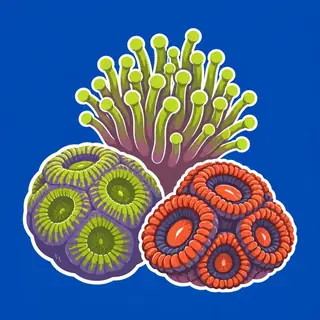
🌟 Discover the essential steps for successful Discosoma Rhodactis coral fragging with AquariumMastery.com. Learn how to safely propagate these vibrant mushrooms, ensuring…
Read article
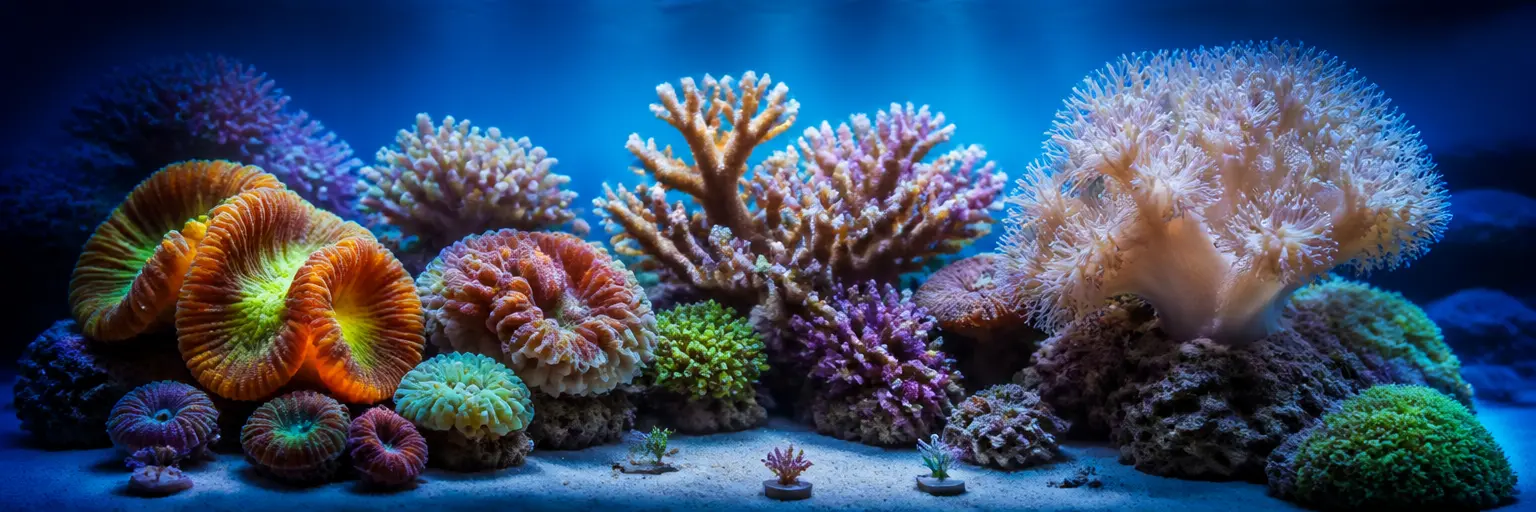
Explore coral care and reef aquarium mastery with practical guidance for selecting, placing, feeding, propagating, and maintaining thriving corals. Discover expert tips on lighting, water chemistry, flow, nutrition, fragging, and coral health—from beginner-friendly soft corals to demanding reef-building varieties. 🪸 Build a vibrant, stable saltwater aquarium with trusted profiles, troubleshooting advice, and proven techniques for long-term growth and coloration.
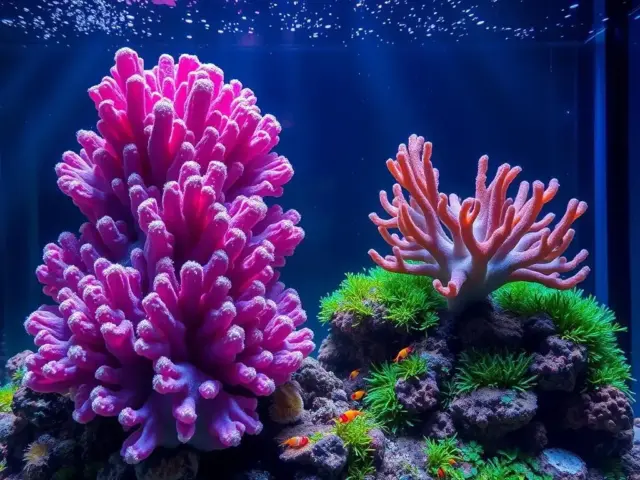
🌟 Discover the essential steps for successful Discosoma Rhodactis coral fragging with AquariumMastery.com. Learn how to safely propagate these vibrant mushrooms, ensuring…
Read article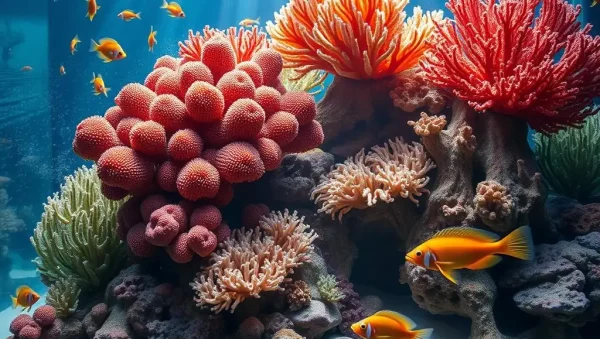
🌟 Discover the fascinating world of Rhodactis mushrooms, known for their bumpy, hairy texture. Explore essential Rhodactis coral care tips to ensure…
Read article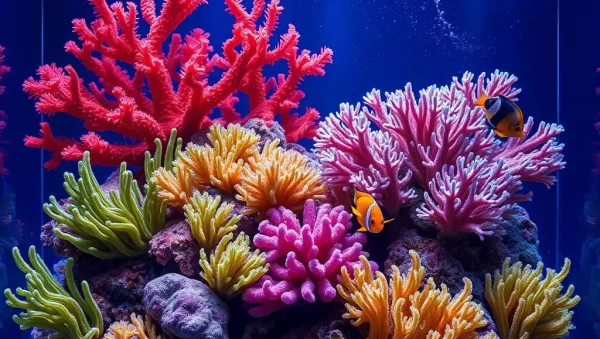
🌊 Discover the essential SPS coral care differences between Montipora and Acropora, and learn how their unique needs can create a harmonious,…
Read article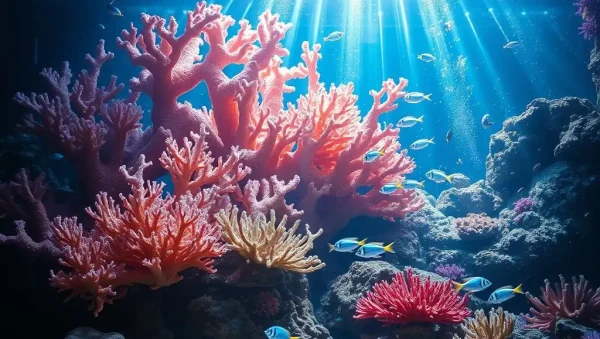
🌟 Favia coral tissue recession threatens coral health; understanding its causes and implementing targeted solutions is essential. AquariumMastery.com offers expert guidance to…
Read article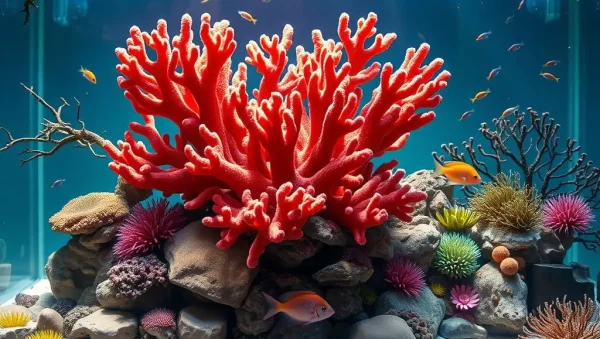
🌟 Dive into our Euphyllia coral acclimation guide and master the art of transforming your store-bought corals into stunning showstoppers. AquariumMastery.com offers…
Read article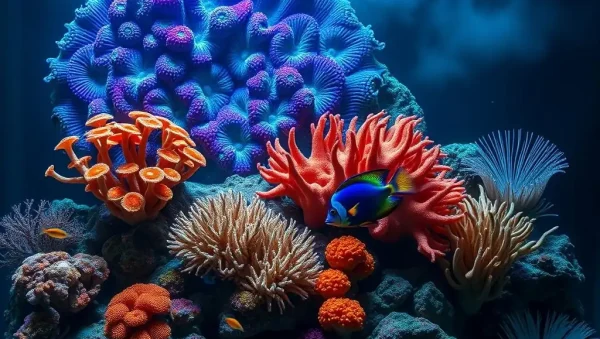
🌊 Discover which soft coral thrives best in your aquarium—Zoanthids or Mushroom Corals. AquariumMastery.com offers expert insights on choosing, caring for, and…
Read article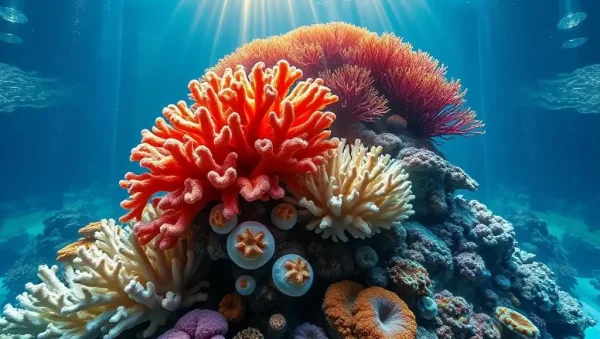
🌊 Discover the ultimate LPS coral identification guide on AquariumMastery.com, helping aquarists confidently identify and care for Euphyllia, Favia, and Acan corals…
Read article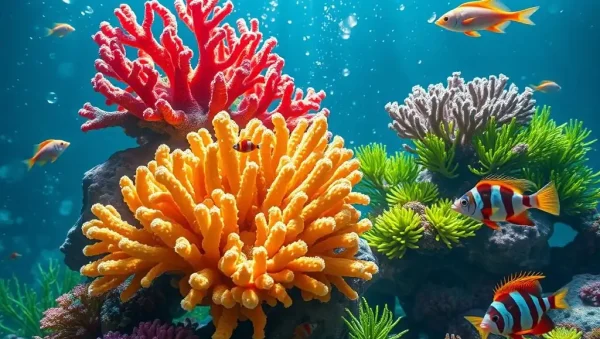
🌟 Recognizing yellowing acan coral symptoms early is crucial for maintaining vibrant, healthy tanks. Learn key signs of trouble and swift solutions…
Read article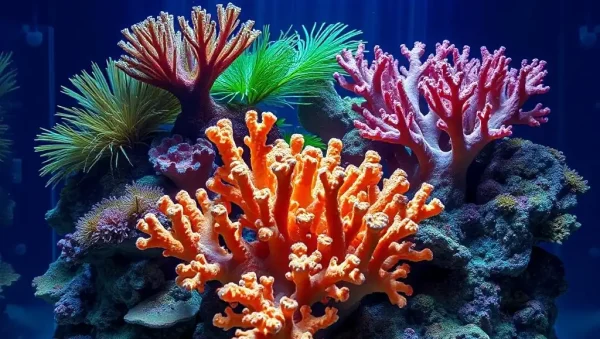
🌟 Master the art of acclimating SPS corals to intense lighting with our BurnFree transition guide. Perfect for aquarists seeking vibrant, healthy…
Read article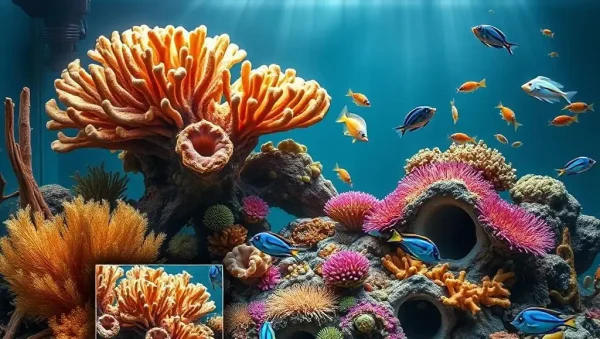
🌊 Discover essential strategies for identifying and treating mushroom coral pests and diseases. This comprehensive guide on saltwater coral pest treatment helps…
Read article
🌟 Discover the top LPS coral food choices to keep Euphyllia, Favia, and Acan corals thriving. AquariumMastery.com offers expert tips on optimal…
Read article
🌊 Discover advanced LPS coral growth techniques to enhance your reef's vibrancy and health. AquariumMastery.com offers expert guidance on optimizing water chemistry,…
Read articleExplore the Aquarium Mastery guide to coral reef aquariums, including LPS, SPS, and soft corals. This category provides practical coral profiles, reef tank care advice, placement recommendations, lighting guidance, feeding strategies, fragging techniques, and coral health troubleshooting for beginners and experienced reef keepers.
Learn how to choose compatible corals, maintain stable reef aquarium water parameters, manage lighting and flow, and identify common signs of stress, disease, bleaching, tissue loss, and pests. Whether you are building your first mixed reef or refining an advanced SPS system, these resources help you create a healthier, more sustainable saltwater aquarium.
This subcategory covers popular soft coral species, including zoanthids, mushroom corals, leather corals, pulsing Xenia, and related reef-safe varieties. Readers can expect detailed coral profiles explaining temperament, growth habits, ideal placement, lighting requirements, water flow, feeding, and compatibility with fish and invertebrates.
Guides also explain soft coral propagation and fragging, including safe handling, attachment methods, quarantine, and spacing requirements. Troubleshooting articles address shrinking polyps, poor opening, algae growth, chemical warfare, pests, and overgrowth so aquarists can maintain a balanced and attractive reef tank.
Discover practical advice for keeping LPS corals such as Euphyllia, hammer, frogspawn, torch, Favia, Favites, and Acan corals. These resources cover placement, moderate reef lighting, gentle to moderate water movement, calcium and alkalinity management, feeding schedules, and the space needed for sweeper tentacles.
Readers will also learn how to recognize and respond to common LPS health problems, including tissue recession, brown jelly disease, bleaching, damaged skeletons, and poor polyp extension. Step-by-step care guidance helps improve coral coloration, growth, feeding response, and long-term survival in both beginner and mixed reef aquariums.
This section focuses on demanding SPS corals, including Acropora, Montipora, Bird’s Nest, and Seriatopora. Articles explain advanced reef aquarium requirements such as stable alkalinity, calcium and magnesium levels, nutrient control, strong turbulent flow, high-quality LED or hybrid lighting, and careful acclimation.
Advanced aquarists can explore SPS placement, coloration, growth patterns, fragging, quarantine, and coral health diagnostics. Troubleshooting topics include paling, browning, tissue loss, burnt tips, slow growth, pests, and parameter instability, helping reef keepers build a stable environment for thriving small-polyp stony corals.
Most reef corals benefit from stable salinity around 1.025 specific gravity, a temperature near 24–27°C, consistent alkalinity, and appropriate calcium, magnesium, nitrate, and phosphate levels. Exact targets vary by aquarium style, so stability is often more important than chasing perfect numbers.
Yes. Soft corals generally tolerate low to moderate light, many LPS corals prefer moderate lighting, and SPS corals commonly require stronger, more consistent lighting. Acclimate corals gradually to new lights to reduce the risk of bleaching and tissue stress.
Placement depends on lighting, flow, aggression, and growth form. Give LPS corals space for sweeper tentacles, place SPS corals where they receive strong turbulent flow, and isolate fast-growing soft corals when necessary to prevent them from overtaking neighboring colonies.
Fragging is the process of dividing a coral colony or branch into smaller pieces called frags. Use clean, suitable tools and follow safe handling procedures. New frags should be attached securely and monitored for stress, infection, pests, and adequate flow.
Common causes include unstable salinity, temperature changes, unsuitable lighting, poor flow, pests, aggressive neighboring corals, nutrient imbalance, and contamination. Test water parameters, inspect the coral closely, review recent changes, and make corrections gradually rather than changing several conditions at once.