
Male vs. Female Black Phantom Tetras: Identifying and Appreciating Dimorphism

Welcome to Aquarium Mastery!
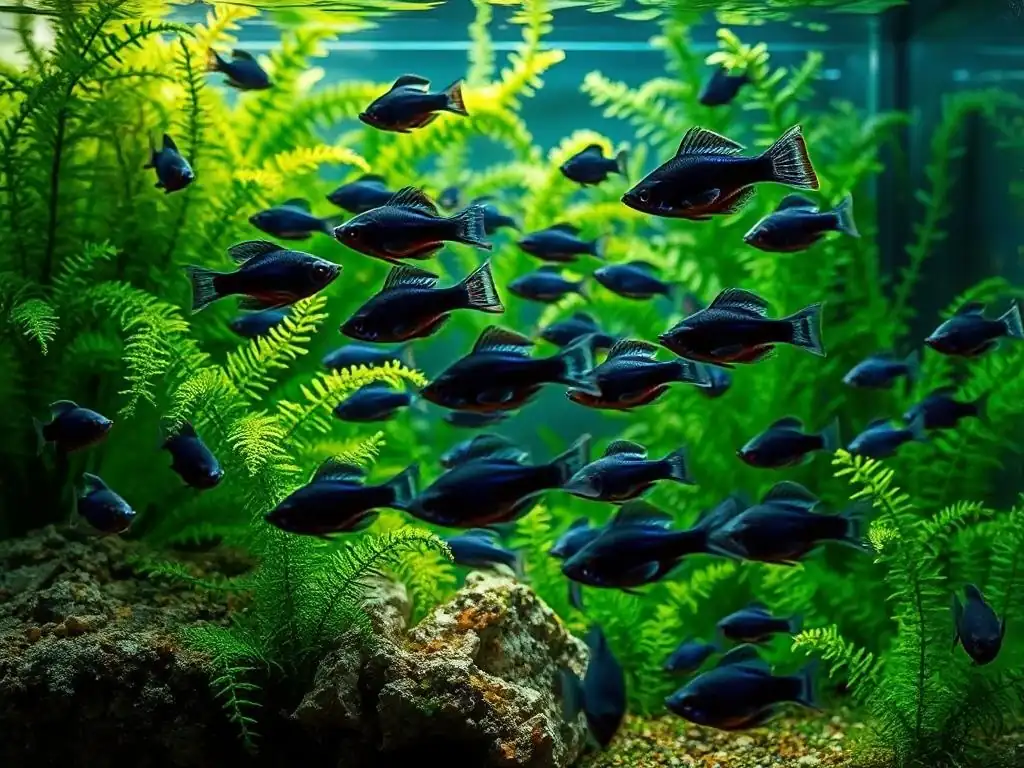
Ever wondered if that shimmering black phantom tetra darting through your tank is a male or female? Unlocking the secrets of their subtle differences – especially when it comes to size – can transform your understanding of these captivating fish. Dive in to discover everything you need to know about identifying and appreciating the dimorphism between male and female black phantom tetras, and elevate your freshwater aquarium game!
- Understanding Sexual Dimorphism in Black Phantom Tetras
- Visual Differences: Key Indicators of Male vs. Female Black Phantom Tetras
- Behavioral Cues: Observing Black Phantom Tetra Courtship and Social Interactions
- Practical Tips for Identifying Male and Female Black Phantom Tetras
- Appreciating the Differences: Why Dimorphism Matters in the Aquarium
-
Frequently Asked Questions
- How can I tell the difference between male and female Black Phantom Tetras?
- Do male and female Black Phantom Tetras have different body sizes?
- Is the body shape of male and female Black Phantom Tetras different?
- Besides fins and body shape, are there any other visual differences between male and female Black Phantom Tetras?
- Do the temperaments of male and female Black Phantom Tetras differ?
- Final Reflection: Appreciating the Nuances of Nature
- Unveil the Secrets: Become a Black Phantom Tetra Expert!
Understanding Sexual Dimorphism in Black Phantom Tetras
What is Sexual Dimorphism and Why Does it Matter for Black Phantom Tetras?
Sexual dimorphism refers to the distinct differences in appearance between males and females of the same species, extending beyond their reproductive organs. For Black Phantom Tetras ( Hyphessobrycon megalopterus), these differences are quite noticeable and play a crucial role in the aquarist's ability to properly care for and appreciate these popular freshwater fish. Understanding these variations helps in everything from successful breeding endeavors to maintaining a harmonious community tank, as it allows for accurate identification and proper management of the fish's social dynamics.
Recognizing the "Black phantom tetra differences size" and other visual cues is essential for several reasons. For instance, if an aquarist aims to breed Black Phantom Tetras, knowing how to distinguish sexes is fundamental for selecting appropriate breeding pairs and ensuring a balanced male-to-female ratio. Furthermore, in a community aquarium, observing these dimorphic traits can provide insights into their natural schooling behaviors and potential interactions, helping to prevent undue stress or aggression among tank inhabitants by ensuring suitable gender distribution.
Black Phantom Tetra Size and Shape: Initial Clues to Sexing
One of the primary indicators of sex in Black Phantom Tetras, and a key aspect of "Black phantom tetra differences size," lies in their overall size and body shape. While both sexes are relatively small, adult females typically exhibit a slightly larger and noticeably rounder or plumper body profile compared to their male counterparts. This difference becomes particularly pronounced when a female is gravid, or carrying eggs, as her abdomen will appear significantly distended.
In contrast, male Black Phantom Tetras tend to be more slender and streamlined, often appearing more elongated and less robust than females. An adult male might reach an average standard length of around 1.5 inches (approximately 3.8 cm), maintaining a sleek, torpedo-like physique. Females, on the other hand, can grow slightly larger, often reaching up to 1.75 inches (about 4.4 cm), with their increased girth contributing to their overall larger appearance, making the "Black phantom tetra differences size" a reliable initial clue for sexing.
Visual Differences: Key Indicators of Male vs. Female Black Phantom Tetras
The Fins: A Primary Sexing Feature in Black Phantom Tetras
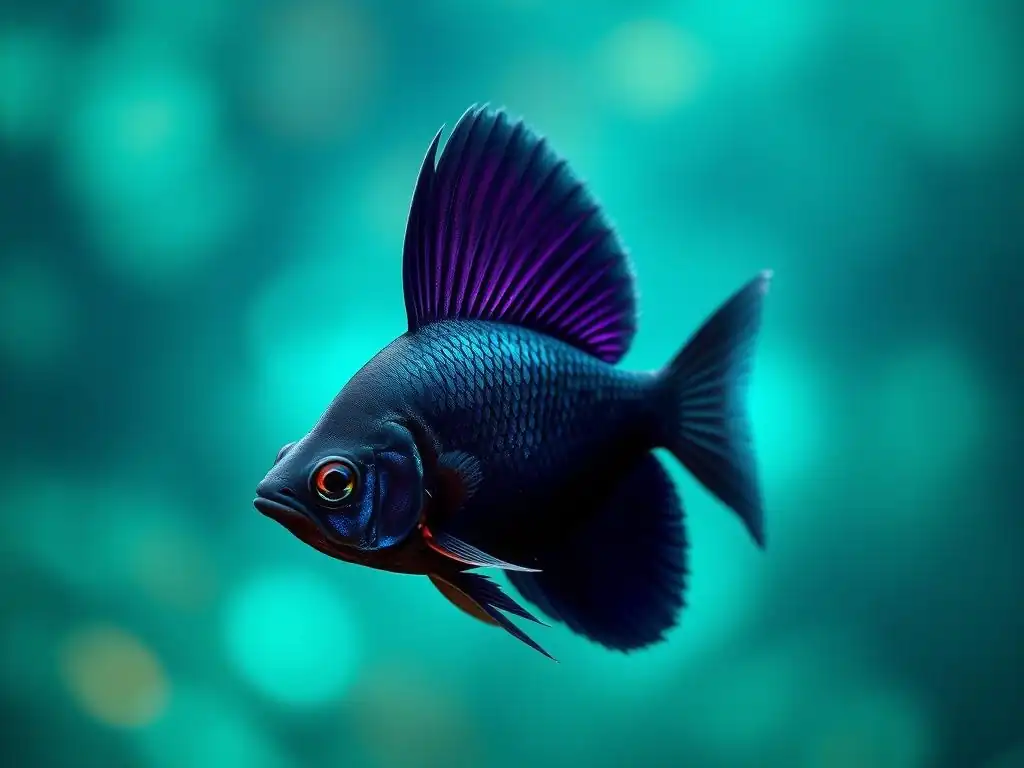
The fins of Black Phantom Tetras offer some of the most striking and reliable visual cues for distinguishing between males and females. These differences are often visible even in sub-adult specimens, becoming more pronounced as the fish mature. Paying close attention to the shape, size, and coloration of the dorsal and anal fins can provide immediate insights into a fish's sex.
Male Black Phantom Tetra Fin Characteristics
Male Black Phantom Tetras are renowned for their impressive finnage. Their dorsal fin is notably taller and more pointed than that of the female, often appearing as a distinctive, elongated black sail. This fin typically exhibits a prominent black coloration, often capped with a stark white tip, making it a highly recognizable feature. The anal fin of the male is also longer and more developed, often extending further back along the body and possessing a more angular, elongated shape with a dark edge. These elegant, flowing fins contribute significantly to the male's overall striking appearance during display.
Female Black Phantom Tetra Fin Characteristics
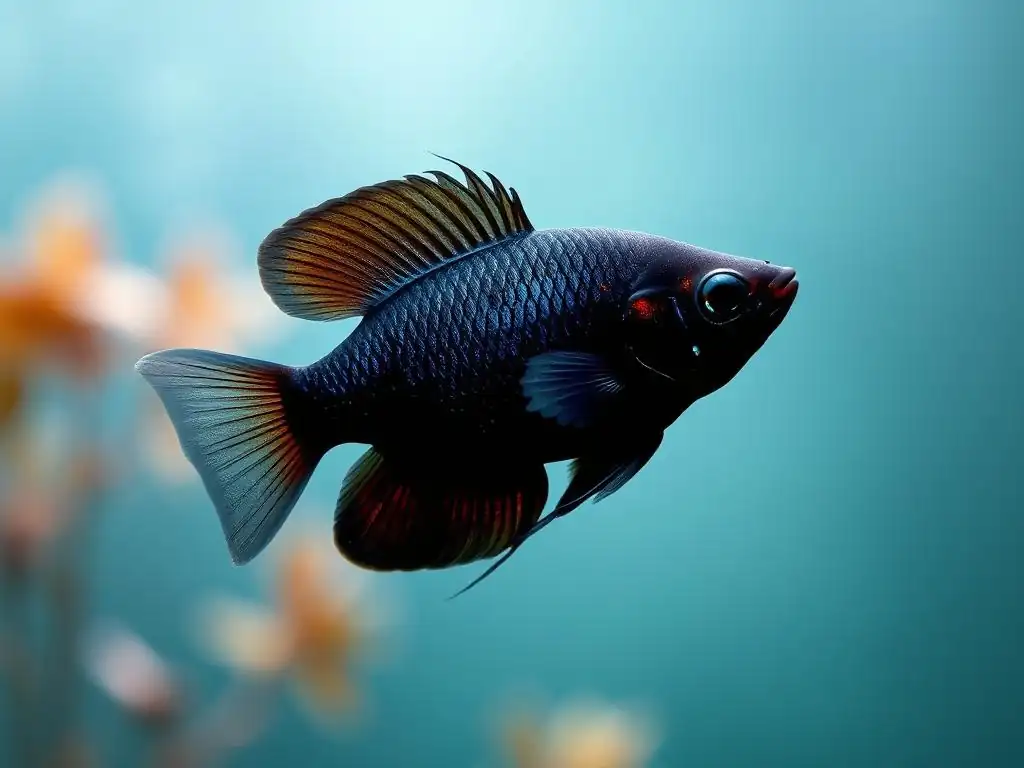
In contrast, female Black Phantom Tetras possess shorter, more rounded fins. Their dorsal fin, while still featuring a black base or edge, is distinctly shorter and more rounded than the male's, and critically, it often displays a vibrant reddish-orange hue across its main body.
This reddish coloration on the dorsal fin is a hallmark trait of the female and serves as one of the most definitive indicators of her sex. Similarly, the female's anal fin is generally shorter and less elaborate, appearing more rounded and less angular compared to the male's, often lacking the pronounced dark edging seen in males.
Analyzing the Operculum (Gill Plate): Distinguishing Males from Females
While the operculum, or gill plate, is a significant dimorphic feature in some fish species, it does not typically present a distinct and reliable difference for sexing Black Phantom Tetras. Unlike species where gill plates might be elongated, colored, or used in display, Black Phantom Tetras do not exhibit significant sexual dimorphism in the structure or appearance of their operculum itself. Therefore, aquarists should focus on other, more pronounced characteristics for accurate sex identification.
Male Black Phantom Tetra Operculum Characteristics
For male Black Phantom Tetras, the operculum generally integrates seamlessly into their overall streamlined head and body shape. There are no particular anatomical distinctions or coloration patterns on the gill plate itself that reliably differentiate them from females. The area around the operculum contributes to the male's generally more sleek and less robust head profile, but this is more a function of their overall body shape rather than a specific dimorphism of the gill cover.
Female Black Phantom Tetra Operculum Characteristics
Similarly, female Black Phantom Tetras do not show distinct dimorphism in their operculum. The gill plate area of a female will appear similar to that of a male in terms of structure and coloration. Any perception of a difference in this region often relates to the female's generally fuller body, particularly when gravid, which can make the head appear proportionally smaller or more rounded in comparison to her expanded abdomen, rather than any unique characteristic of the operculum itself.
Body Shape and Size: Subtle Black Phantom Tetra Differences
Beyond the initial observations, a more detailed look at the body shape and "Black phantom tetra differences size" provides further clarity for sexing these fish. These differences, while sometimes subtle, become more apparent with maturity and especially when females are in breeding condition, offering reliable indicators for the discerning aquarist.
Male Black Phantom Tetra Body Shape and Size
Male Black Phantom Tetras possess a distinctly more slender and torpedo-shaped body. Their profile is generally flatter from top to bottom, giving them a more streamlined and agile appearance. In terms of "Black phantom tetra differences size," males are typically the smaller of the two sexes, commonly reaching an adult length of about 1.5 inches (3.8 cm). Their sleek build is consistent, even when well-fed, and they maintain this lean physique, which is optimized for quick movements and displaying their impressive fins.
Female Black Phantom Tetra Body Shape and Size
Conversely, female Black Phantom Tetras exhibit a noticeably fuller and rounder body shape, particularly in the abdominal region. This roundness is especially pronounced when they are carrying eggs, making them appear significantly plumper than males. Regarding "Black phantom tetra differences size," females are often slightly larger overall, frequently reaching lengths of up to 1.75 inches (4.4 cm). Their deeper body and more robust build are adaptations for egg production, making their distended abdomen a clear visual cue for identification.
Coloration Differences: Black Phantom Tetra Male vs. Female
While both sexes share the characteristic prominent black shoulder spot, the overall body and fin coloration of Black Phantom Tetras provide another key set of indicators for distinguishing between males and females. These color differences are usually consistent and offer a quick visual assessment, especially when observing a group of these fish.
Male Black Phantom Tetra Color Intensity
Male Black Phantom Tetras typically display a more intense and uniform charcoal grey to black body coloration. This deep, almost velvety black hue often extends across their entire body, creating a striking contrast with their white-tipped dorsal fin. During courtship displays or when sparring with other males, their colors can become even more vibrant and pronounced, intensifying to a richer, darker shade as they show off their dominance and health. The black shoulder spot remains a vivid feature, standing out against their dark bodies.
Female Black Phantom Tetra Color Intensity
Female Black Phantom Tetras, while sharing the prominent black shoulder spot, generally exhibit a lighter, more subdued body coloration, often appearing as a smoky grey or brownish-grey. The most distinctive color difference in females lies in their fins: their dorsal, pelvic, and anal fins often possess a clear reddish-orange tint. The dorsal fin, in particular, is a strong identifier, featuring this reddish hue with a black edge or base, contrasting sharply with the male's entirely black and white-tipped dorsal fin. This reddish coloration is a reliable marker for female identification.
Beyond physical attributes, the behavior of Black Phantom Tetras can also offer valuable clues for sexing them, particularly during breeding season or within a well-established social group. Observing their interactions, especially during courtship or territorial displays, can help confirm visual identifications.
Male Black Phantom Tetra Display Behavior
Male Black Phantom Tetras are known for their distinctive display behaviors, particularly when vying for attention from females or establishing dominance among other males. They will often engage in "mock fights" or sparring, where two males will spread their fins wide, circle each other, and occasionally nip without causing significant harm. During courtship, a male will tirelessly pursue a female, flaring his fins, shimmering his body, and showcasing his intense coloration and elegant finnage to entice her. This vigorous display is a clear indication of a male's presence and his readiness to breed.
Female Black Phantom Tetra Response to Courtship
Female Black Phantom Tetras respond to male courtship displays in various ways, providing insights into their receptiveness and sex. A receptive female, particularly one that is gravid, may allow the male to approach, sometimes even joining him in a brief, side-by-side shimmy. She might also exhibit a subtle quivering or darting motion, signaling her interest. Conversely, a female not ready to spawn will typically ignore or actively avoid the male's advances, retreating into dense plant cover or swimming away quickly. Observing these interactions helps confirm a female's identity and her reproductive status.
Bubble Nesting: A Male Black Phantom Tetra Behavior
It is important to clarify a common misconception from other fish species: Black Phantom Tetras do not build bubble nests. Bubble nesting is a specific reproductive behavior seen in species like Bettas and Gouramis. Black Phantom Tetras are egg-scattering fish, meaning they release their eggs freely into the water column, typically over fine-leaved plants or spawning mops, where the eggs then fall to the substrate or adhere to vegetation.
During their spawning process, male Black Phantom Tetras will encourage the female to release eggs, often nudging and trembling beside her. The eggs are then fertilized externally as they are scattered. While they do not construct elaborate nests, the male's active participation in the spawning dance and his pursuit of the female are key behavioral indicators of his sex and reproductive intent, distinct from the bubble-nesting behavior observed in other aquarium fish.
Practical Tips for Identifying Male and Female Black Phantom Tetras
Combining Visual and Behavioral Observations for Accurate Sexing
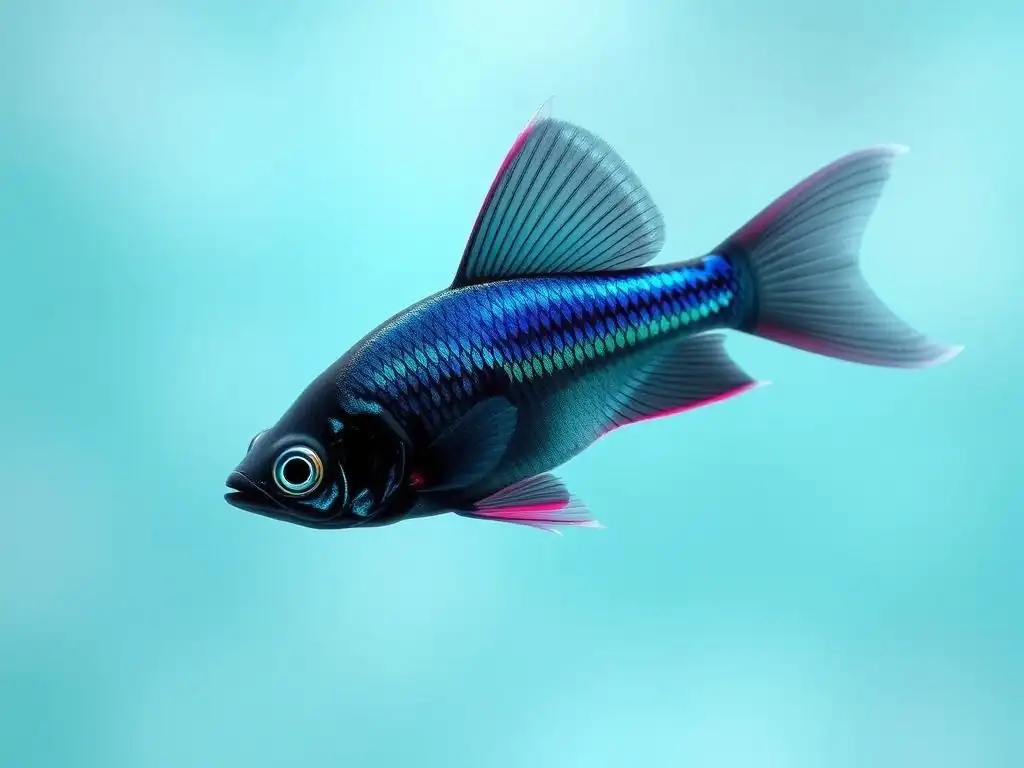
For the most accurate sex identification of Black Phantom Tetras, it is highly recommended to combine both visual and behavioral observations. No single trait should be relied upon exclusively, as individual variations can occur. By observing a group of these fish over time, especially during feeding or when they are actively interacting, aquarists can corroborate their initial visual assessments of "Black phantom tetra differences size" and fin morphology with their observed social dynamics and courtship rituals.
For instance, if you observe a fish with a notably larger, rounder body and reddish fins (visual cues), and then see it being pursued by a more slender fish with elaborate black fins (behavioral and visual cues), it strengthens the conclusion that you are indeed observing a female and a male, respectively. This holistic approach significantly increases the reliability of sexing, ensuring that breeding pairs are correctly identified and community tank dynamics are understood.
Black Phantom Tetra Juvenile Sexing: Challenges and Strategies
Sexing juvenile Black Phantom Tetras can be particularly challenging, as their secondary sexual characteristics are not fully developed until they reach a certain level of maturity. Young fish, typically under 4-6 months of age or before they reach approximately 1 inch (2.5 cm) in length, often look very similar, lacking the distinct "Black phantom tetra differences size" and fin coloration that become apparent in adults.
The best strategy for sexing juveniles is patience. Allow them to grow and mature, ideally keeping them in a larger group where natural behaviors can emerge. As they approach adulthood, usually between 6 to 8 months, the differences in fin shape, body size, and color intensity (especially the reddish hue in female dorsal fins) will become much more pronounced, making accurate identification significantly easier.
[Image/Video Guide: Visual Examples of Male and Female Differences]
While not provided within this text, visual guides featuring high-quality images or videos are incredibly valuable tools for aquarists learning to sex Black Phantom Tetras. Such resources can offer clear side-by-side comparisons of male and female specimens, highlighting the subtle nuances in "Black phantom tetra differences size," fin shape, fin coloration, and body contour that are crucial for accurate identification. Observing real-life examples can solidify understanding gleaned from textual descriptions, allowing aquarists to visually train their eyes to spot these key dimorphic traits. These supplementary visual aids are often considered indispensable for practical application of sexing knowledge.
Appreciating the Differences: Why Dimorphism Matters in the Aquarium
Breeding Black Phantom Tetras: Understanding Sex Ratios and Pair Selection
Understanding the "Black phantom tetra differences size" and other dimorphic traits is paramount for successful breeding. Black Phantom Tetras are egg scatterers, and a proper sex ratio is crucial for initiating spawning and ensuring the well-being of the breeding pair. Typically, a ratio of two to three males per female in a dedicated breeding tank is recommended, or a single male and a single female if the pair is known to be compatible and the female is ready to spawn.
Accurate sexing allows aquarists to select healthy, mature individuals, ensuring that both sexes are present in the correct proportions to encourage natural spawning behaviors. Without the ability to distinguish between males and females, breeding efforts would be largely a matter of chance, significantly reducing the likelihood of successful reproduction and the propagation of this beautiful species within the hobby.
Maintaining a Healthy Black Phantom Tetra Environment: Considering Gender
For maintaining a harmonious and healthy Black Phantom Tetra environment, appreciating gender differences extends beyond just breeding. These fish are schooling animals and thrive in groups of at least six to eight individuals. A balanced male-to-female ratio within this school can help mitigate potential aggression, particularly male-on-male sparring, which can occur if there are too many males competing for dominance or female attention.
Knowing the "Black phantom tetra differences size" and other characteristics allows aquarists to build a diverse and stable school, promoting natural behaviors and reducing stress. For example, having a good number of females can dilute the attention of assertive males, preventing any single female from being overly harassed. This thoughtful consideration of gender composition contributes significantly to the overall well-being and longevity of the entire school.
The Beauty of Diversity: Appreciating the Unique Characteristics of Male and Female Black Phantom Tetras
Ultimately, appreciating the dimorphism in Black Phantom Tetras enhances the overall enjoyment and understanding of these captivating fish. The males, with their striking black bodies and elegant, elongated fins, exude a sophisticated beauty, especially when flaring. The females, with their slightly plumper bodies and distinctive reddish-orange fin coloration, offer a warmer, equally charming aesthetic.
Observing the "Black phantom tetra differences size" and the interplay of their unique characteristics within a school adds another layer of fascination to the aquarium. It allows aquarists to witness the full spectrum of their natural beauty and behaviors, from the males' displays to the females' subtle elegance. This appreciation for the distinct attributes of each sex enriches the aquarist's experience, highlighting the incredible diversity present even within a single species.
Frequently Asked Questions
How can I tell the difference between male and female Black Phantom Tetras?
The primary difference lies in their fin coloration. Males have a more pronounced, darker black dorsal and anal fin, while females have a reddish hue to these fins.
Do male and female Black Phantom Tetras have different body sizes?
While size isn't the most reliable indicator, males tend to be slightly smaller and more slender than females, especially when females are carrying eggs. However, this difference can be subtle.
Is the body shape of male and female Black Phantom Tetras different?
Yes, females generally have a rounder body shape, particularly in the abdominal area, especially when they're ready to spawn. Males often have a more streamlined appearance.
Besides fins and body shape, are there any other visual differences between male and female Black Phantom Tetras?
Females might exhibit a slightly less intense black coloration overall compared to the males. The black color on males is usually more striking and vibrant.
Do the temperaments of male and female Black Phantom Tetras differ?
Males are typically more active and engage in more elaborate displays of courtship behavior, often chasing and displaying to females, while females appear more docile.
Final Reflection: Appreciating the Nuances of Nature
The exploration of Black Phantom Tetra dimorphism transcends mere identification; it highlights the intricate beauty hidden within the natural world, a beauty often overlooked in our fast-paced lives. Recognizing these subtle differences between male and female Black Phantoms allows us to appreciate the complexity of even the smallest creatures and underscores the importance of observation and understanding in our interactions with the environment.
This journey into the world of Black Phantom Tetras has deepened my appreciation for the delicate balance of nature and the subtle cues that reveal so much about an organism's life and role within its ecosystem. The devil is in the details,
as they say, and in this case, the details of fin shape and body size unlock a deeper understanding of these fascinating fish. This understanding extends beyond the aquarium, reminding us that every living thing, regardless of size, possesses unique characteristics worthy of our attention and respect.
Now, consider the lessons learned from observing these Black Phantom Tetras. How can you apply this newfound appreciation for detail and nuance to other areas of your life? Take a moment to observe the world around you with fresh eyes, seeking out the subtle differences that reveal the hidden stories and complexities of the world we inhabit. Embrace the beauty of the small things, and let the Black Phantom Tetra's dimorphism inspire you to look deeper and appreciate the richness of life in all its forms.
Unveil the Secrets: Become a Black Phantom Tetra Expert!
Thank you for diving into the fascinating world of Black Phantom Tetras! We hope you've gained a clearer understanding of how to distinguish between males and females and a deeper appreciation for their subtle differences. Now, let's put that knowledge into action!
Here are some things you can do right now:
- Carefully observe your own Black Phantom Tetras and see if you can correctly identify their sex. This is the best way to solidify your understanding!
- Research optimal breeding conditions for Black Phantom Tetras and consider if you can create a suitable environment to experience their fascinating breeding behaviours.
- Share this article with other aquarium enthusiasts and spark a discussion about the nuances of Black Phantom Tetra dimorphism.
What unexpected characteristic did you discover while observing your Black Phantom Tetras?