
Lighting Your Featherfin Tank: Enhancing Colors and Promoting Natural Behavior

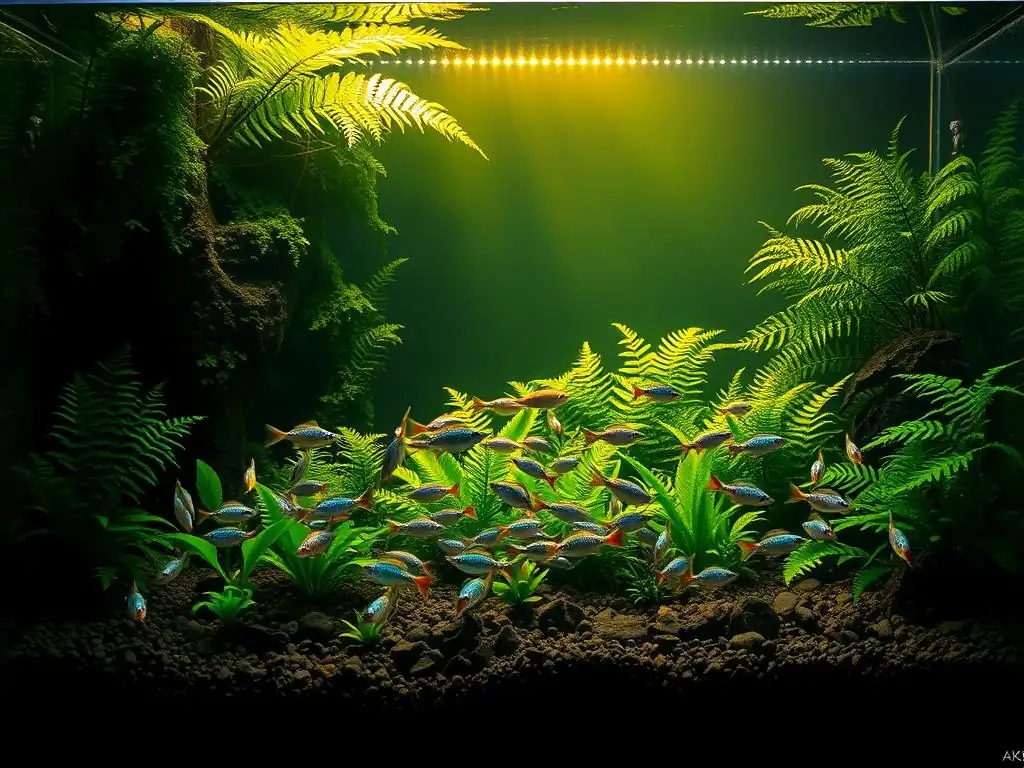
Welcome to Aquarium Mastery, where we help you unlock the secrets to a thriving underwater world!
Ever wondered how to bring out the vibrant colors of your Featherfin and encourage their natural behavior? This guide is your key. Dive in as we unravel the mysteries of Featherfin tank lighting, revealing everything you need to know to create the perfect illuminated environment for your aquatic friends. Ready to illuminate your aquarium success? Let's begin!
- Understanding Featherfin Cichlid Tank Lighting Needs
- Choosing the Right Lights for Your Featherfin Cichlid Aquarium
- The Impact of Lighting on Featherfin Cichlid Behavior and Health
- Setting Up Your Featherfin Aquarium Lighting System
- Enhancing Featherfin Colors with Aquarium Lighting
- Troubleshooting Common Lighting Issues in Featherfin Tanks
- Maintaining Your Featherfin Tank's Lighting System
-
Frequently Asked Questions
- How much light does my Featherfin Catfish tank need?
- What type of lighting is best for a Featherfin Catfish tank?
- Can I use plant lights in my Featherfin Catfish tank?
- How does lighting affect my Featherfin Catfish's behavior?
- What are some signs that my Featherfin Catfish tank lighting is incorrect?
- Final Reflection: Illuminating the Depths
- Illuminate Your Aquarium Journey!
Understanding Featherfin Cichlid Tank Lighting Needs
Why Proper Lighting Matters for Your Featherfin Cichlids
Proper Featherfin tank lighting extends far beyond mere aesthetics; it is a fundamental component of their overall health and well-being. Like all living organisms, Featherfin cichlids, such as the popular Cyprichromis leptosoma or Paracyprichromis nigripinnis, rely on consistent light cycles to regulate their circadian rhythms. This natural rhythm dictates their sleep-wake cycles, feeding patterns, and even immune system function. Inadequate or inconsistent lighting can lead to chronic stress, weakened immune responses, and an increased susceptibility to common fish diseases, diminishing the vibrancy and longevity of these captivating fish.
Furthermore, the right Featherfin aquarium lighting dramatically influences the display of their natural coloration and encourages species-specific behaviors. Featherfin cichlids are renowned for their iridescent scales, which shimmer with blues, purples, yellows, and silvers. A well-chosen lighting spectrum can make these colors truly pop, transforming your tank into a stunning display. Beyond visual appeal, consistent lighting cues are vital for encouraging natural behaviors like schooling, territorial displays, and, crucially, spawning. Without appropriate lighting, Featherfins may become reclusive, exhibit faded colors, and show reluctance to breed, impacting the full expression of their inherent beauty and vitality.
Replicating Lake Tanganyika's Natural Light Conditions for Featherfins
To truly optimize your Featherfin tank lighting, it's essential to understand the natural light conditions of their native habitat: Lake Tanganyika in East Africa. This vast, ancient rift lake is characterized by incredibly clear waters, allowing significant light penetration at the surface. However, as depth increases, light intensity diminishes rapidly, and the spectrum shifts, with red light being absorbed first, leaving a bluer overall cast. Featherfin cichlids typically inhabit the open water or rocky slopes at moderate depths, ranging from approximately 5 to 30 meters, where light is present but not overwhelmingly intense.
Translating these conditions to your home aquarium means aiming for moderate to high light intensity without causing undue stress or excessive glare. The goal is to provide sufficient illumination to mimic their natural environment while preventing the tank from appearing unnaturally bright or harsh. Crucially, maintaining a consistent photoperiod—typically 10 to 12 hours of light followed by 12 to 14 hours of darkness—is paramount. This daily cycle closely replicates the equatorial day-night rhythm of Lake Tanganyika, providing the stability and predictability that Featherfin cichlids thrive on, thereby supporting their natural behaviors and physiological processes within the Featherfin tank.
Choosing the Right Lights for Your Featherfin Cichlid Aquarium
LED Lighting: A Popular Choice for Featherfin Tanks
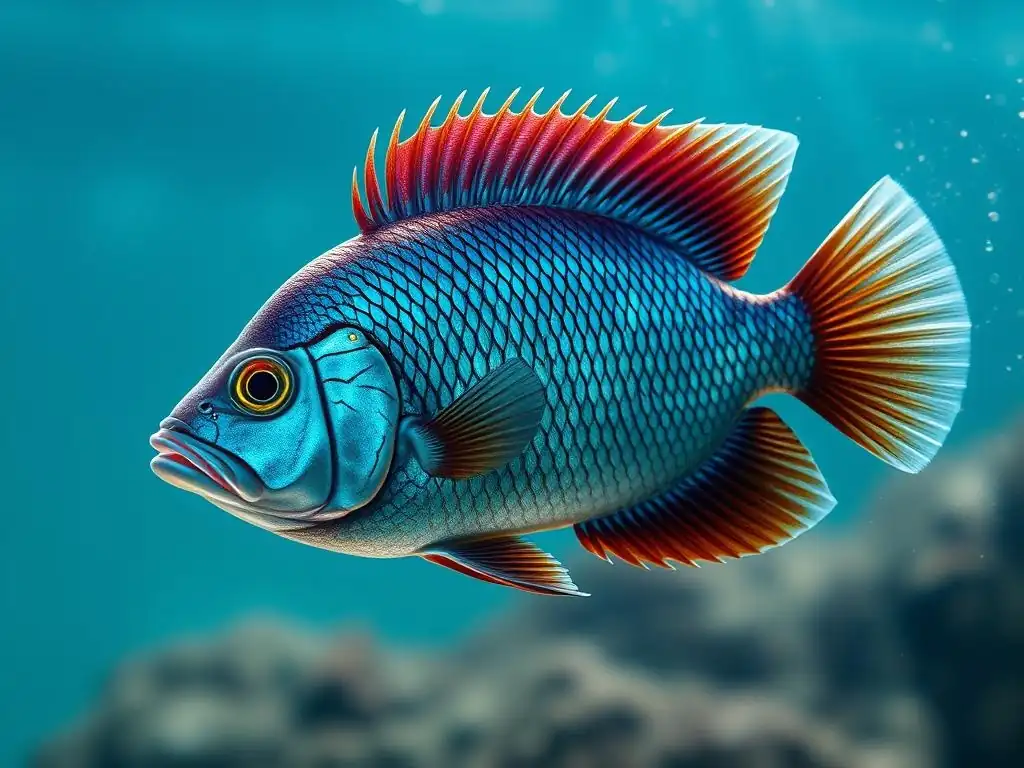
LED (Light Emitting Diode) lighting has become the gold standard for Featherfin tank lighting due to its numerous advantages over traditional fluorescent or incandescent options. LEDs are remarkably energy-efficient, consuming significantly less power than older technologies, which translates to lower electricity bills over time. Their exceptional longevity is another key benefit; many high-quality LED fixtures boast lifespans exceeding 50,000 operating hours, meaning they can last for many years before needing replacement, unlike fluorescent bulbs that often require annual changes. This durability makes them a cost-effective long-term investment for any Featherfin aquarium lighting setup.
Beyond efficiency and lifespan, modern LED Featherfin tank lighting systems offer unparalleled control over light spectrum and intensity. Many fixtures allow aquarists to adjust individual color channels (e.g., white, blue, red, green) and dim the overall output, enabling precise customization. This flexibility is particularly beneficial for Featherfin cichlids, as it allows for fine-tuning the light to enhance their specific colors or to simulate natural sunrise/sunset effects, which can reduce stress. Furthermore, LEDs produce very little heat, minimizing the risk of unwanted temperature fluctuations in the Featherfin tank, a crucial factor for maintaining stable water parameters.
Considerations for Wattage and PAR (Photosynthetically Active Radiation) in Featherfin Aquariums
When selecting Featherfin tank lighting, it's important to look beyond just wattage, which primarily indicates power consumption, and instead consider PAR (Photosynthetically Active Radiation). While PAR is most critical for planted aquariums, it also provides a good measure of the light intensity that penetrates the water column and reaches your fish. For a fish-only Featherfin tank, overly high PAR values are not necessary and can even contribute to nuisance algae growth. A general guideline for a fish-only cichlid tank might be a PAR range of 15-30 at the substrate level, providing ample illumination without being excessive.
The depth of your Featherfin tank significantly influences the wattage and PAR levels required. A deeper aquarium, such as a 24-inch tall 75-gallon Featherfin tank, will require a more powerful LED fixture to ensure adequate light reaches the bottom compared to a shallower 12-inch deep tank.
For instance, a quality 30-50 watt LED fixture with good optics might be suitable for a standard 48-inch long, 75-gallon Featherfin tank, whereas a 20-30 watt fixture could suffice for a shallower 29-gallon tank. Always refer to the manufacturer's specifications for PAR values at different depths to ensure your Featherfin tank lighting provides appropriate intensity.
Color Temperature: Selecting the Best Kelvin Range for Featherfin Viewing
Color temperature, measured in Kelvin (K), dictates the perceived "warmth" or "coolness" of the light and plays a significant role in how your Featherfin cichlids' colors are displayed. Lower Kelvin values (e.g., 3000K-4000K) produce a warmer, yellowish light, while higher values (e.g., 8000K-10000K) emit a cooler, bluer light. For Featherfin cichlids, a color temperature range of 6500K to 8000K is generally recommended as the ideal Featherfin tank lighting.
A 6500K light closely mimics natural daylight, providing a balanced spectrum that allows all the natural colors of your Featherfins to be seen accurately and vibrantly. This spectrum also promotes healthy fish behavior and is less likely to induce stress. For those who wish to enhance the stunning blue iridescence of species like Cyprichromis microlepidotus or Paracyprichromis brieni, stepping up to an 8000K or even 10000K light can make these blues pop more dramatically.
However, be cautious with excessively high Kelvin values, as they can sometimes make the tank appear unnaturally blue and may contribute to certain types of algae growth. A balanced Featherfin tank lighting approach often involves a combination of white and blue LEDs to achieve both natural viewing and color enhancement.
The Impact of Lighting on Featherfin Cichlid Behavior and Health
How Lighting Affects Featherfin Cichlid Breeding
Lighting plays a critical, yet often underestimated, role in triggering and supporting breeding behaviors in Featherfin cichlids. A stable and consistent photoperiod, typically an uninterrupted 10-12 hours of light followed by darkness, signals to the fish that environmental conditions are stable and favorable for reproduction. Irregular or insufficient Featherfin tank lighting can disrupt their natural hormonal cycles, leading to a lack of breeding interest or even complete cessation of spawning activity. Many experienced aquarists note that a consistent light cycle is as important as water quality and diet for successful Featherfin propagation.
Beyond consistency, the quality of light can also influence breeding. During courtship, male Featherfin cichlids, particularly species like Cyprichromis leptosoma, will intensify their colors to attract females. Good Featherfin aquarium lighting allows these vibrant displays to be fully appreciated by potential mates, thereby encouraging pair bonding and spawning. Some aquarists have observed that a gradual "sunrise" or "sunset" effect, achievable with dimmable LED systems, can further stimulate natural spawning behaviors, mimicking the subtle light changes in Lake Tanganyika and providing a more natural, less abrupt transition between day and night.
Reducing Stress and Encouraging Natural Behavior with Proper Lighting
The right Featherfin tank lighting is instrumental in minimizing stress and promoting the natural behaviors characteristic of these open-water cichlids. Featherfins are sensitive to their environment, and lighting that is too bright, too dim, or inconsistent can be a significant source of stress. Constant, bright illumination prevents them from experiencing a natural rest period, while sudden, jarring changes in light intensity can startle and disorient them, leading to increased hiding, clamped fins, and faded colors. A consistent, moderate light level allows Featherfins to feel secure, encouraging them to swim freely, establish territories, and interact naturally within their social structure.
When Featherfin cichlids are provided with appropriate Featherfin tank lighting, they will exhibit their full range of natural behaviors. This includes the elegant schooling patterns of Cyprichromis species, the subtle courtship dances of males displaying their impressive finnage, and confident foraging for food. Conversely, inadequate lighting can lead to lethargy, shyness, and a reluctance to feed, making them more susceptible to disease. For instance, in a well-lit 125-gallon Featherfin tank, you might observe a school of Cyprichromis leptosoma "Blue Flash" gracefully navigating the upper water column, a behavior rarely seen in poorly lit conditions.
Preventing Algae Growth in Your Featherfin Tank with Balanced Lighting
While lighting is essential for your Featherfin cichlids, it's also a primary factor in the proliferation of nuisance algae. Algae, being photosynthetic organisms, thrive on light and excess nutrients. In a Featherfin tank, which is typically fish-only and often has minimal live plants, too much light—whether in terms of intensity or duration—can quickly lead to unsightly algae blooms, such as green spot algae on the glass, brown diatoms, or even stringy green hair algae. This not only detracts from the aesthetic appeal of your Featherfin aquarium but can also indicate an imbalance in your tank's ecosystem.
To prevent algae issues, maintaining a balanced Featherfin tank lighting schedule is crucial. For most fish-only Featherfin setups, a photoperiod of 8-10 hours is generally sufficient. If you notice persistent algae growth, your first step should be to reduce the light duration by one or two hours.
For example, if you're currently running lights for 12 hours, try reducing it to 10 or even 9 hours. If using dimmable LED Featherfin tank lighting, you can also experiment with reducing the overall intensity by 10-20%. Combining this adjustment with regular water changes (e.g., 25-30% weekly) and careful feeding (to minimize excess nutrients) will significantly help in controlling algae and maintaining a pristine Featherfin tank.
Setting Up Your Featherfin Aquarium Lighting System
Mounting Options: Fixtures and Placement for Optimal Light Distribution
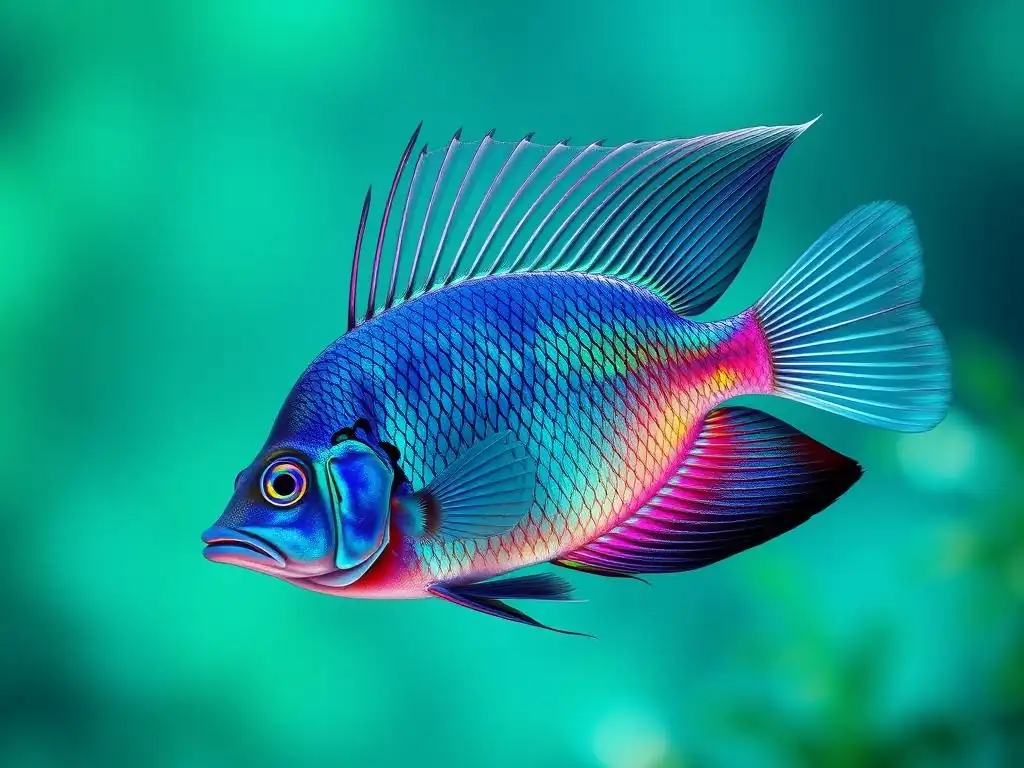
When setting up your Featherfin tank lighting system, selecting the appropriate mounting option and ensuring optimal placement are crucial for achieving even light distribution and maximizing visual appeal. The three primary mounting options include hood-mounted fixtures, which are integrated directly into the aquarium hood; suspended fixtures, which hang above the tank from the ceiling or a stand; and clip-on lights, typically used for smaller Featherfin tanks.
For larger aquariums, such as a 75-gallon or 125-gallon Featherfin tank, a fixture that spans the entire length of the tank (e.g., 48 inches) is often preferred to ensure uniform illumination from end to end, preventing dark spots.
Placement is equally important. For hood-mounted or resting fixtures, ensure they are centered over the tank to evenly distribute light across the entire water surface. Suspended Featherfin aquarium lighting offers greater flexibility, allowing you to adjust the height above the water. Raising the fixture slightly can spread the light more broadly and reduce intensity, while lowering it concentrates the light. Always consider the potential for splash and condensation, ensuring your fixture is rated for aquarium use and positioned to minimize water contact, which can prolong the life of your Featherfin tank lighting.
Implementing a Day/Night Cycle for Your Featherfin Cichlids
Establishing a consistent and predictable day/night cycle is paramount for the health and natural behavior of your Featherfin cichlids. Mimicking their natural habitat in Lake Tanganyika, where the sun rises and sets at predictable times, helps regulate their internal biological clocks. A typical Featherfin tank lighting schedule involves 10-12 hours of light followed by 12-14 hours of complete darkness. This consistent rhythm helps reduce stress, promotes healthy sleep patterns, and encourages natural activities like schooling, foraging, and breeding displays.
Advanced Featherfin tank lighting systems, particularly those with dimmable LEDs, can further enhance this natural cycle by simulating sunrise and sunset effects. Instead of an abrupt "on" and "off," these systems gradually increase light intensity at dawn and decrease it at dusk over a period of 30-60 minutes.
This gentle transition is far less jarring for the fish, reducing stress and allowing them to adjust more naturally to the changing light conditions. Observing Featherfin cichlids like Cyprichromis leptosoma slowly waking up and becoming active during a simulated sunrise is a testament to the benefits of such a sophisticated day/night cycle.
Using a Timer to Automate Your Featherfin Tank's Lighting Schedule
The most effective way to ensure a consistent day/night cycle for your Featherfin cichlids is by using an automatic timer for your Featherfin tank lighting. Relying on manual control is highly inconsistent; it's easy to forget to turn lights on or off at the same time every day, leading to erratic light exposure that can stress your fish and promote algae growth. A timer eliminates this human error, providing the precise and reliable photoperiod that Featherfins thrive on.
Setting up a timer is straightforward. Simply plug your Featherfin tank lighting fixture into the timer, and then plug the timer into a wall outlet. Digital timers offer precise minute-by-minute control, while mechanical timers are simpler but still highly effective.
Program the timer for your desired on/off times—for example, from 9:00 AM to 9:00 PM for a 12-hour light cycle. This automation ensures your Featherfin cichlids receive consistent light exposure daily, contributing significantly to their long-term health, vibrant coloration, and natural behaviors. A basic digital timer, often available for under $20, is a small investment that yields significant benefits for your Featherfin aquarium lighting setup.
Enhancing Featherfin Colors with Aquarium Lighting
Highlighting the Iridescent Blues and Yellows of Featherfin Cichlids
Featherfin cichlids are celebrated for their stunning iridescent blues, purples, and yellows, which shimmer and change with the angle of light. The right Featherfin tank lighting is crucial for making these colors truly "pop" and showcasing the full beauty of species like Cyprichromis leptosoma "Blue Flash" or Paracyprichromis nigripinnis. Without appropriate lighting, these vibrant hues can appear dull or muted, diminishing the visual impact of your Featherfin aquarium. The goal is to select a spectrum that actively enhances these specific pigmentations.
To highlight the blues and purples, Featherfin tank lighting with a stronger component in the blue spectrum is highly effective. This often translates to lights with higher Kelvin ratings (e.g., 8000K-10000K) or LED fixtures that allow you to increase the intensity of their blue diode channels. For the yellows and other warmer tones, a balanced spectrum that includes some red and green light will ensure those colors are also well-represented. A carefully selected Featherfin aquarium lighting setup can dramatically transform the appearance of your fish, making their natural iridescence a captivating focal point.
Specific Lighting Spectrums for Color Enhancement
Achieving optimal color enhancement in your Featherfin tank often involves utilizing specific lighting spectrums, particularly with advanced LED fixtures. Many modern LED Featherfin tank lighting units feature multiple channels of different colored diodes (white, blue, red, green) that can be controlled independently. This allows for fine-tuning the light output to best suit your Featherfin cichlids' coloration. For instance, blue LEDs are particularly effective at making the blues and purples of Cyprichromis species appear more vibrant due to the way they interact with the fish's reflective guanine crystals.
A common approach for Featherfin tank lighting color enhancement is to run the white LED channels at a moderate intensity (e.g., 70-80% of full power), while boosting the blue channels to a higher level (e.g., 50-60%). A small amount of red and green light (e.g., 10-20%) can be added to ensure a balanced spectrum that brings out any yellow or orange hues without overpowering the blues.
This carefully tuned spectrum not only accentuates the iridescent qualities of Featherfin cichlids but also provides a visually pleasing and natural appearance for the entire Featherfin aquarium, allowing their unique beauty to truly shine.
Troubleshooting Common Lighting Issues in Featherfin Tanks
Dealing with Algae Blooms: Adjusting Light Intensity and Duration
Algae blooms are one of the most common issues associated with imbalanced Featherfin tank lighting. If you observe an excessive growth of green, brown (diatom), or even black brush algae in your aquarium, it's often a clear indication that your Featherfin cichlids are receiving too much light, either in terms of intensity or duration. While some algae is natural, a bloom signals an imbalance that needs addressing to maintain a healthy and aesthetically pleasing Featherfin tank.
The primary solution involves adjusting your Featherfin tank lighting. First, reduce the photoperiod by 1-2 hours. For example, if your lights are on for 12 hours, try reducing it to 10 or even 9 hours.
Many aquarists find that a 9-hour light cycle is sufficient for fish-only Featherfin tanks and significantly helps in curbing algae growth. If you have dimmable LED Featherfin aquarium lighting, gradually reduce the overall intensity by 10-20%. Combine these lighting adjustments with increased water changes (e.g., 30% weekly) and reduced feeding to lower nutrient levels, which are also crucial for controlling algae in your Featherfin tank.
Addressing Fish Stress: Dimming or Changing Light Spectrum
Signs of light-induced stress in Featherfin cichlids include hiding more frequently, clamped fins, faded coloration, rapid breathing, or darting erratically around the tank. This behavior often occurs if the Featherfin tank lighting is too intense, if there are sudden and abrupt light changes, or if the spectrum is unnatural. Prolonged stress can weaken their immune system, making them more susceptible to disease.
To alleviate light-related stress, consider gradually dimming your Featherfin tank lighting if your fixture allows for it. If not, you might try raising the fixture slightly above the tank to reduce the intensity reaching the water. If the light spectrum appears overly blue or harsh, adjust it to a more natural daylight setting, typically around 6500K. Additionally, providing ample rockwork or tall decor that creates shaded areas within the Featherfin aquarium can offer your fish places to retreat and feel more secure, significantly reducing their stress levels and encouraging more natural behavior.
Troubleshooting Light Flicker and Failure
Light flicker or complete failure in your Featherfin tank lighting system can be frustrating and disruptive to your fish's environment. Flickering often indicates a loose connection, a failing component within the light fixture (like a ballast in older fluorescent systems), or, in the case of LEDs, a dying power supply or individual diodes. Complete failure means the light simply won't turn on, requiring a systematic check of the entire setup.
When troubleshooting, start by checking the simplest solutions: ensure all power cords are securely plugged into the outlet and the Featherfin tank lighting fixture, and verify that your automatic timer is functioning correctly and providing power. If using fluorescent bulbs, try replacing the bulb with a new one, as they have a limited lifespan.
For LED fixtures, inspect the power supply unit for any signs of damage or try connecting the fixture to a known good power supply if available. If the fixture is old and experiences consistent issues, it may be nearing the end of its operational life, as most LED fixtures have a lifespan of 3-7 years under continuous use, and replacement may be the most reliable solution for your Featherfin aquarium lighting.
Maintaining Your Featherfin Tank's Lighting System
Cleaning Your Aquarium Lights for Optimal Performance
Regular cleaning of your Featherfin tank lighting system is essential for maintaining optimal light output and efficiency. Over time, dust, mineral deposits from evaporating water (often referred to as "salt creep" even in freshwater tanks), and splash marks can accumulate on the light fixture, its cover, and the protective acrylic splash guard. These accumulations can significantly block light, reducing the intensity that reaches your Featherfin cichlids and diminishing the overall brilliance of your Featherfin aquarium. Furthermore, a buildup of debris can sometimes lead to overheating of the fixture, potentially shortening its lifespan.
To clean your Featherfin tank lighting, always ensure the fixture is safely unplugged from its power source and cool to the touch. Gently wipe the exterior of the fixture and any protective covers with a soft, damp cloth.
For stubborn mineral deposits, a mild solution of white vinegar on a cloth can be effective, but be extremely careful to prevent any liquid from entering the electrical components of the light. Incorporating this simple cleaning task into your routine Featherfin tank maintenance, perhaps on a monthly basis, will help ensure your Featherfin tank lighting always performs at its best, providing clear and consistent illumination for your fish.
Replacing Bulbs or LEDs: When and How
The need for replacement depends on the type of Featherfin tank lighting you use. Fluorescent bulbs (T5 or T8) have a finite lifespan, typically requiring replacement every 6-12 months. Even if they still illuminate, their spectrum degrades over time, becoming less effective for fish health and color rendition. LED fixtures, while having a much longer lifespan (often rated for 50,000 hours or more), can also experience individual diode failures or a gradual dimming over several years.
For fluorescent bulbs, ensure you purchase the correct wattage, length, and Kelvin rating to match your existing Featherfin tank lighting. Always unplug the fixture before carefully removing the old bulb and inserting the new one.
For LED fixtures, replacement usually means replacing the entire unit, unless it's a modular system designed for component replacement. It's wise to monitor the light output and how your Featherfin cichlids' colors appear; if they start to look dull, or if you notice changes in algae patterns despite consistent maintenance, it might be an indicator that your Featherfin aquarium lighting is degrading and needs attention.
Long-Term Lighting Maintenance Tips
Ensuring the longevity and consistent performance of your Featherfin tank lighting system involves more than just occasional cleaning and replacement. Consistency in your lighting schedule is paramount for the health of your Featherfin cichlids and stability of the tank environment. Always stick to your set photoperiod, and regularly monitor the light intensity and spectrum to ensure it continues to meet the needs of your fish. This proactive approach helps prevent issues before they arise.
For long-term reliability, consider using a dedicated power strip with surge protection for your Featherfin tank lighting and other aquarium equipment. This can protect your valuable electronics from power fluctuations or outages. If you use fluorescent bulbs, keeping a spare set on hand can prevent a dark tank in case of unexpected failure.
For LED users, researching potential replacement fixtures or understanding warranty terms in advance can save hassle. Documenting your optimal Featherfin tank lighting settings—duration, intensity, and spectrum—in a log can be invaluable. For example, noting that reducing light intensity by 15% successfully cleared up a green algae issue in your 100-gallon Featherfin tank provides specific, actionable data for future reference, ensuring your Featherfin aquarium lighting remains perfectly tuned.
Frequently Asked Questions
How much light does my Featherfin Catfish tank need?
Featherfin Catfish are nocturnal, so they prefer dimly lit tanks. Aim for low to moderate lighting, focusing on enhancing colors rather than high intensity.
What type of lighting is best for a Featherfin Catfish tank?
LED lighting is recommended due to its efficiency and ability to be dimmed. Look for LEDs that emit a natural color spectrum to showcase the fish's colors without causing excessive algae growth.
Can I use plant lights in my Featherfin Catfish tank?
While you can use plant lights, be mindful of the intensity. Too much light can stress your Featherfin. If you choose plant lights, ensure they are dimmable and adjust accordingly to the needs of both the plants and the fish.
How does lighting affect my Featherfin Catfish's behavior?
Bright lighting can cause stress and hinder their natural nocturnal behavior. Proper lighting will encourage natural foraging and activity during the evening and night.
What are some signs that my Featherfin Catfish tank lighting is incorrect?
Signs of incorrect lighting include excessive algae growth, a stressed or reclusive Featherfin Catfish, or a faded coloration. Adjust the intensity or duration of the light until these issues are resolved.
Final Reflection: Illuminating the Depths
The journey into optimal Featherfin tank lighting reveals more than just technical specifications; it uncovers a deeper understanding of how we can recreate and respect natural environments within our own homes. This exploration, as we've seen, is crucial not only for showcasing the vibrant colors of these fascinating fish but also for fostering their well-being and encouraging their natural behaviors.
The impact of informed aquascaping, particularly concerning lighting, extends beyond the purely aesthetic. It's about recognizing our responsibility as custodians of these creatures and striving to provide them with the best possible quality of life. This commitment to understanding and replicating natural conditions allows us to appreciate the true beauty and complexity of the aquatic world. In nature, light is the architect of life; in the aquarium, we become the architects of light.
Now, as you consider your own Featherfin tank, I invite you to reflect on the power you hold to shape its environment. Don't just illuminate your tank; illuminate your understanding. By applying the principles we've discussed, you can create not only a visually stunning display but also a thriving ecosystem where your Featherfins can truly flourish. Let your tank be a testament to your dedication and a beacon of responsible aquascaping.
Illuminate Your Aquarium Journey!
Thank you for exploring the world of Featherfin lighting with us. We hope this article has empowered you with the knowledge to create a vibrant and healthy habitat for your aquatic friends. Ready to take the next step?
Here are a few ways to bring your Featherfin tank to life:
- Implement the lighting schedule discussed to mimic natural day-night cycles and observe the positive changes in your fish's behavior and coloration.
- Explore different plant species compatible with low-light conditions and introduce one new species to enhance the aesthetic appeal of your aquarium.
- Share your experiences and lighting setup with the Aquarium Mastery community – what unique approaches have you discovered?