
Betta Sorority Tanks: A Guide to Peaceful Cohabitation

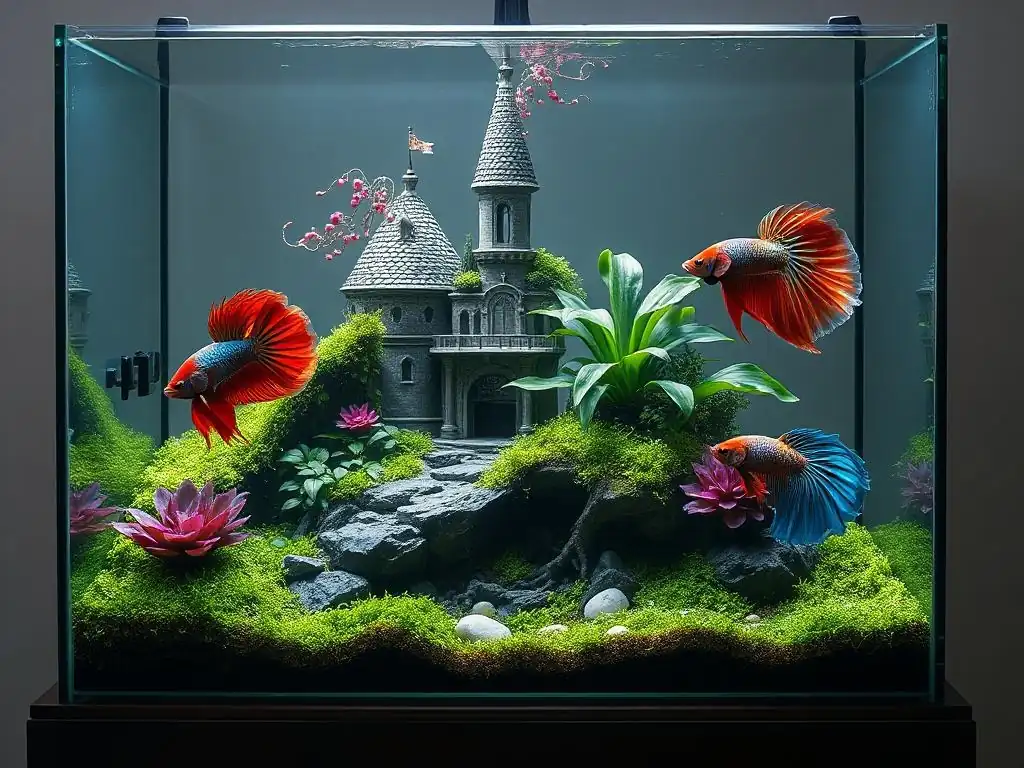
Welcome to Aquarium Mastery, your ultimate guide to thriving aquatic ecosystems! Ever wondered if you could create a peaceful community tank with a Betta? Our in-depth exploration of Betta fish peaceful tank dynamics starts right here. Dive in to discover the secrets to successful Betta sorority tanks and unlock the potential for a harmonious underwater world!
- Understanding Betta Sorority Tanks: Can Female Bettas Live Together?
- Setting Up Your Betta Sorority Tank for Success
- Selecting Your Female Bettas: Choosing Compatible Tank Mates
- Maintaining a Peaceful Betta Sorority: Care and Observation
- Troubleshooting Common Betta Sorority Issues
- Alternatives to a Betta Sorority: Peaceful Betta Tank Mates
- Conclusion: Is a Betta Sorority Right for You?
- Frequently Asked Questions
- Final Reflection: Cultivating Harmony in the Aquarium
- Dive Deeper: Unlock a Thriving Betta Sorority!
Understanding Betta Sorority Tanks: Can Female Bettas Live Together?
Defining a Betta Sorority: What It Is and Isn't
A Betta sorority, in the context of aquarium keeping, refers to a group of female Betta splendens (Siamese fighting fish) housed together in a single aquarium. Unlike their notoriously aggressive male counterparts, female Bettas can sometimes coexist peacefully, forming a social hierarchy within a well-planned environment. This setup leverages the females' generally less aggressive nature, though they still possess territorial instincts. It's crucial to understand that a sorority is not simply throwing multiple female Bettas into any tank; it requires careful planning, ample space, and a deep understanding of Betta behavior to minimize stress and aggression.
It is important to distinguish a true Betta sorority from a general community tank. While a Betta sorority can be a type of community tank, its primary focus is on the specific dynamics of multiple female Bettas living together. It isn't a free-for-all where any number of females can be kept in a small space. For instance, attempting a sorority in a tank smaller than 20 gallons often leads to disaster, resulting in severe fin nipping, stress, and even fatalities due to overcrowding and insufficient territory. A successful Betta fish peaceful tank requires meticulous attention to detail.
The Appeal and Challenges of Keeping a Female Betta Sorority
The appeal of a female Betta sorority lies in the unique opportunity to observe the social interactions and varied personalities of these beautiful fish in a single display. Aquarists are drawn to the vibrant colors and flowing fins of multiple Bettas swimming harmoniously, creating a dynamic and visually stunning centerpiece. Furthermore, a well-established sorority can be a testament to an aquarist's skill and dedication, showcasing a complex yet peaceful Betta fish tank environment. It offers a different dimension to Betta keeping beyond the solitary male setup.
However, the challenges are significant and should not be underestimated. Female Bettas, while less aggressive than males, are still semi-aggressive and can exhibit territorial behavior, especially when establishing dominance. Common issues include fin nipping, chasing, and stress-related illnesses. For example, a new female introduced without proper acclimation or in an inadequately sized tank might immediately become a target, leading to severe injuries. Maintaining a truly peaceful Betta fish tank requires constant vigilance and a readiness to intervene if aggression escalates.
Key Considerations Before Starting a Betta Sorority Tank
Before embarking on a Betta sorority, several critical factors must be thoroughly considered. Firstly, commitment to ongoing observation and potential intervention is paramount. A sorority tank is not a "set it and forget it" setup; it demands daily monitoring of fish behavior, water parameters, and overall tank health. Any signs of stress or aggression, such as clamped fins, faded colors, or constant chasing, must be addressed immediately to prevent harm.
Secondly, financial and spatial resources are crucial. A successful Betta sorority necessitates a larger tank than typical Betta setups, ideally 20 gallons or more, which means more space, more water, and potentially higher costs for equipment and maintenance. For instance, a 20-gallon long tank, often recommended for its larger footprint allowing more swimming space, can cost around $50-$70 for the tank itself, plus an additional $100-$200 for a filter, heater, lighting, and appropriate decor. This investment is essential for creating a stable and peaceful Betta fish tank.
Setting Up Your Betta Sorority Tank for Success
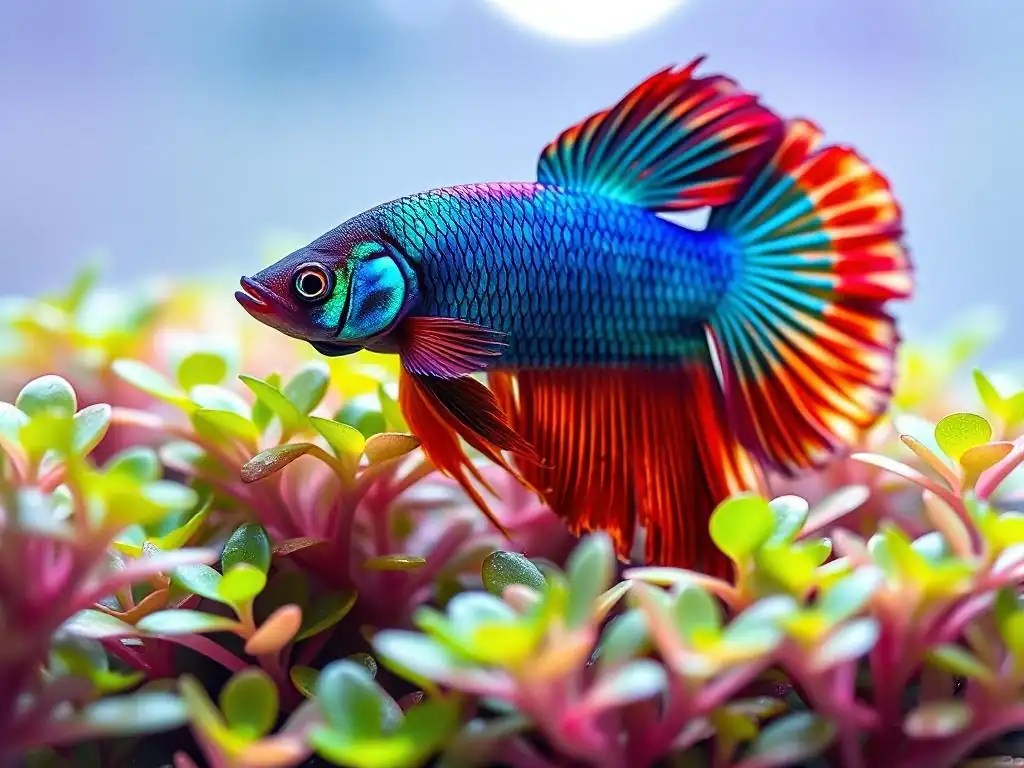
Tank Size Matters: Choosing the Right Aquarium for a Betta Sorority
The cornerstone of a successful Betta sorority is tank size. Unlike a single Betta, which can thrive in a 5-gallon tank, a sorority requires significantly more space to dilute aggression and provide ample territory for each fish. A minimum tank size of 20 gallons is widely recommended for a sorority of 4-6 female Bettas.
For larger groups, or to provide an even more expansive and peaceful Betta fish tank environment, tanks of 30 gallons or even 40 gallons are preferable. The footprint of the tank is often more important than its height; a 20-gallon long tank (30" L x 12" W x 12" H) is generally better than a 20-gallon high tank (24" L x 12" W x 16" H) because it offers more horizontal swimming and territorial space.
Insufficient tank size is the leading cause of sorority failure. In a smaller tank, such as a 10-gallon, the limited space intensifies territorial disputes, leading to constant stress, fin damage, and even fatalities among the females. For example, attempting to house five female Bettas in a 10-gallon tank would result in less than 2 gallons of water per fish, drastically increasing the likelihood of aggression and making a truly peaceful Betta fish tank impossible. The larger the tank, the more stable the water parameters tend to be, further contributing to a healthy environment.
Essential Equipment for a Peaceful Betta Tank: Filters, Heaters, and Lighting
Proper equipment is vital for maintaining a stable and healthy Betta sorority. A reliable filtration system is paramount to keep water quality pristine, handling the bio-load of multiple fish. A hang-on-back (HOB) filter or a canister filter with a gentle flow is ideal, as Bettas prefer calm water. For a 20-gallon tank, a filter rated for 30-40 gallons is often recommended to ensure sufficient biological and mechanical filtration, providing a turnover rate of 4-5 times the tank volume per hour. Avoid strong currents, which can stress Bettas due to their large fins.
Temperature stability is equally important; Bettas are tropical fish and require water temperatures between 76-82°F (24-28°C). A submersible heater with an adjustable thermostat is essential to maintain this range consistently. For a 20-gallon tank, a 100-watt heater is typically sufficient. Lighting should be appropriate for the plants you choose, if any, and provide a natural day-night cycle, generally 8-10 hours per day. Overly bright or prolonged lighting can stress Bettas and promote unwanted algae growth, hindering a peaceful Betta fish tank environment.
Creating a Safe and Enriching Environment: Decorations and Hiding Places
The strategic placement of decorations and a plethora of hiding places is crucial for mitigating aggression and promoting a peaceful Betta sorority. Each female Betta needs her own "territory" or personal space to retreat to when feeling stressed or needing a break from social interaction. This can be achieved through a dense arrangement of live plants, driftwood, rocks, and caves.
Smooth-edged decorations are important to prevent fin tears. For instance, a 20-gallon long tank could feature several large pieces of driftwood forming natural barriers, interspersed with clusters of tall plants like Amazon Swords or Vallisneria, and small ceramic caves or coconut huts.
The goal is to break up sightlines, preventing any single Betta from dominating the entire tank and allowing subordinate fish to escape the view of more dominant ones. This reduces stress and the likelihood of continuous chasing. A good rule of thumb is to have at least one more hiding spot than the number of Bettas in the tank. For a sorority of five females, providing six or more distinct hiding places significantly contributes to a more peaceful Betta fish tank, allowing each individual to feel secure and reducing overall stress levels.
The Importance of Live Plants in a Betta Sorority
Live plants are indispensable for a thriving Betta sorority, serving multiple vital functions beyond aesthetics. Firstly, they provide abundant natural hiding places and visual barriers, which are critical for reducing aggression among female Bettas. Dense planting, particularly with tall, leafy species like Java Fern, Anubias, Cryptocoryne, and various stem plants, creates a complex landscape where Bettas can establish their own territories and retreat when stressed. This natural partitioning helps to diffuse confrontations and allows subordinate fish to feel more secure.
Secondly, live plants contribute significantly to water quality by absorbing nitrates and other waste products, helping to maintain stable and healthy water parameters. This biological filtration complements mechanical filtration and is especially beneficial in a tank with multiple fish, as it helps prevent ammonia and nitrite spikes. For example, a well-planted 20-gallon sorority tank with fast-growing plants like Water Wisteria or Hornwort can process a considerable amount of fish waste, contributing to a cleaner and more stable environment that fosters a truly peaceful Betta fish tank.
Establishing Optimal Water Parameters for Betta Health
Maintaining precise and stable water parameters is non-negotiable for the health and longevity of a Betta sorority. Bettas thrive in soft to moderately hard water with a neutral to slightly acidic pH. The ideal pH range is between 6.5 and 7.5, with 7.0 often being considered optimal. Ammonia and nitrites must always be at 0 ppm (parts per million), as these are highly toxic to fish. Nitrates should be kept below 20 ppm, ideally closer to 5-10 ppm, through regular water changes and efficient filtration.
Temperature is also a critical parameter, ideally maintained between 76-82°F (24-28°C). Fluctuations in temperature can severely stress Bettas, weakening their immune systems and making them susceptible to disease. Regular testing using a reliable liquid test kit (not test strips, which can be inaccurate) is essential. For example, testing water weekly for ammonia, nitrite, and nitrate levels in a newly established sorority, and bi-weekly once the tank is mature, allows for proactive adjustments to maintain the stable, pristine conditions necessary for a peaceful Betta fish tank.
Selecting Your Female Bettas: Choosing Compatible Tank Mates
Identifying Healthy Female Bettas for Your Sorority
Selecting healthy female Bettas is a crucial first step to ensure the success and peace of your sorority. When choosing fish from a local fish store, observe them carefully before purchase. Look for Bettas that are actively swimming, alert, and responsive to their surroundings. Their fins should be fully extended, without tears, clamps, or signs of fin rot. The body should be plump and well-formed, free of any visible lumps, lesions, or white spots (ich). Vibrant, consistent coloration is also a good indicator of health; faded or patchy colors can signify stress or illness.
Avoid any fish that appear lethargic, are constantly hiding, have clamped fins, or show signs of labored breathing. For instance, a female Betta sitting listlessly at the bottom of her cup or tank, or one with frayed fins and a dull appearance, is likely stressed or ill and will not be a good candidate for the demanding environment of a sorority. Choosing healthy individuals from the outset significantly reduces the risk of disease outbreaks and promotes a more resilient and peaceful Betta fish tank.
The "Rule of Five": Minimum Number of Bettas for a Balanced Sorority
The "Rule of Five" is a widely cited guideline for establishing a Betta sorority, suggesting that a minimum of five female Bettas should be introduced simultaneously. The reasoning behind this rule is to dilute aggression. When only two or three females are kept together, aggression tends to be concentrated on one individual, often leading to severe bullying and stress. With a larger group of five or more, aggression is spread out among multiple individuals, preventing any single fish from becoming the sole target. This diffusion of aggression helps to establish a more stable social hierarchy.
While five is a minimum, many experienced aquarists recommend starting with six to eight females in a 20-gallon long tank to further enhance the diffusion of aggression and increase the chances of a truly peaceful Betta fish tank. For example, in a group of five, if one fish becomes particularly dominant, the other four might still face significant stress.
In a group of seven, the dominant fish's aggression is distributed among six others, making the impact on any single individual less severe. Always ensure your tank size can comfortably support the number of fish you introduce, providing at least 4-5 gallons per female.
Introducing New Bettas to the Sorority: A Gradual Process
Introducing new female Bettas to an existing sorority or starting a new sorority requires a careful, gradual process to minimize stress and aggression. The "lights out" method is a common and effective technique: turn off the tank lights for several hours (or even overnight) before introducing the new Bettas. This reduces visual stimulation and helps prevent immediate territorial disputes. All Bettas, new and old, should be introduced simultaneously if starting a new sorority, or new fish should be introduced to a rearranged tank if adding to an existing one.
Before adding them to the main tank, all new Bettas should be drip acclimated to the tank's water parameters over an hour or two to prevent shock. When adding to the tank, release all new fish at the same time to prevent any single fish from being targeted as an intruder. Some aquarists even suggest temporarily rearranging the tank decor just before introduction to disrupt established territories, making all fish feel equally "new" to the environment. This reset can significantly contribute to establishing a peaceful Betta fish tank from the start.
Maintaining a Peaceful Betta Sorority: Care and Observation
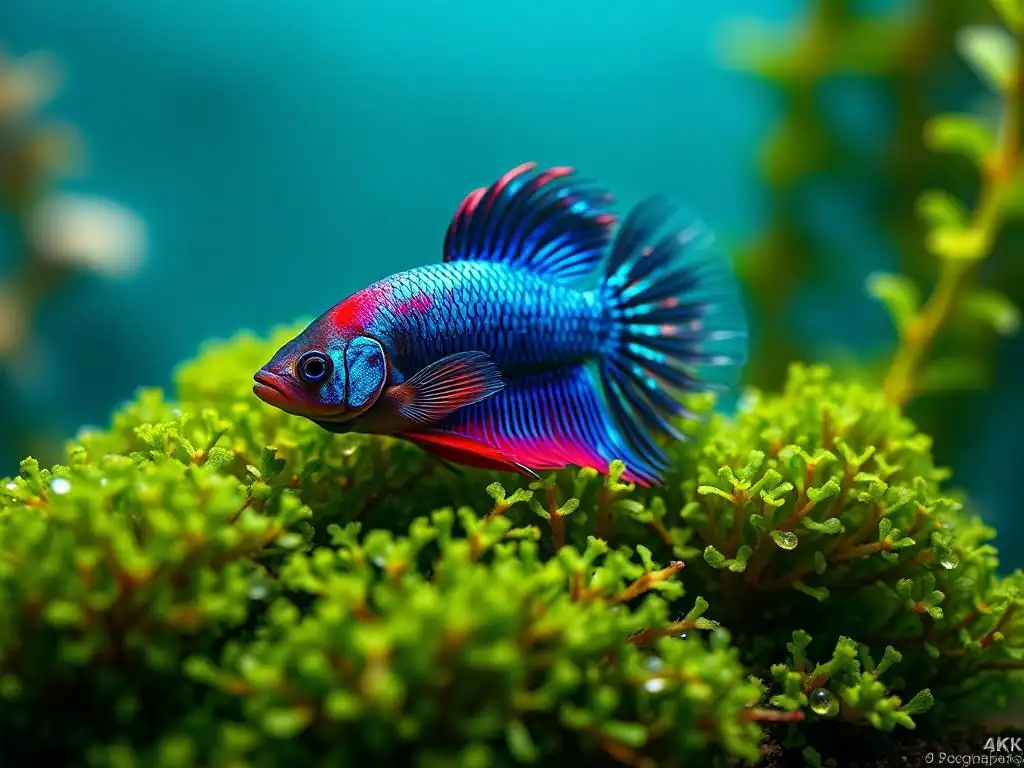
Feeding Your Betta Sorority: Diet and Nutrition
Proper feeding is crucial for the health and well-being of your Betta sorority, directly impacting their energy levels and potential for aggression. A varied diet of high-quality Betta pellets, supplemented with frozen or live foods, is ideal. Feed small amounts 1-2 times a day, only what they can consume within 2-3 minutes. Overfeeding leads to excess waste, poor water quality, and potential health issues like swim bladder disease. High-quality Betta pellets, such as those with a protein content of 35-40%, should form the staple.
Supplementing with protein-rich foods like bloodworms, brine shrimp, or daphnia 2-3 times a week provides essential nutrients and enrichment. For instance, a typical feeding schedule might involve Betta pellets in the morning and a small portion of frozen brine shrimp in the evening. Ensure all Bettas get enough food by scattering it widely or using multiple feeding points; a dominant female might otherwise hog the food, leaving others underfed. A well-fed, healthy group is more likely to maintain a peaceful Betta fish tank dynamic.
Regular Water Changes and Tank Maintenance
Regular water changes are fundamental to maintaining pristine water quality, which is critical for the health and peaceful coexistence of your Betta sorority. A weekly partial water change of 25-30% of the tank volume is generally recommended. This removes accumulated nitrates, phosphates, and other pollutants that can build up, even with good filtration. For a 20-gallon tank, this means removing 5-6 gallons of water weekly and replacing it with fresh, dechlorinated water that is temperature-matched to the tank.
Beyond water changes, routine tank maintenance includes cleaning the substrate, wiping down the glass to remove algae, and rinsing filter media in old tank water (never tap water, which can kill beneficial bacteria). For example, using a gravel vacuum during water changes helps remove uneaten food and waste from the substrate. Consistent maintenance prevents the build-up of stressors that can lead to aggression or disease, ensuring the environment remains a genuinely peaceful Betta fish tank.
Observing Betta Behavior: Identifying and Addressing Aggression
Constant observation of your Betta sorority's behavior is paramount for early detection and intervention of aggression. Spend at least 10-15 minutes daily watching their interactions. Look for signs of a stable hierarchy, where minor chasing or fin flaring is occasional and short-lived. A healthy sorority will have periods of calm, with fish exploring, resting, and interacting without constant bullying. Note which fish are dominant and which are more submissive, but ensure submissive fish are not perpetually stressed.
If you observe persistent chasing, nipping resulting in torn fins, or one fish constantly hiding or being isolated, it's a sign of escalating aggression that needs attention. For instance, if Betta A consistently chases Betta B, causing Betta B to hide and develop clamped fins, intervention is necessary. This might involve rearranging decor to break up territories, isolating the aggressor temporarily, or, in severe cases, removing a fish permanently to maintain a peaceful Betta fish tank.
Recognizing Signs of Bullying or Stress in Your Female Bettas
Recognizing the subtle and overt signs of bullying or stress in your female Bettas is crucial for preventing serious harm. Subtle signs include clamped fins, faded coloration (especially if a normally vibrant fish appears pale), hiding constantly, refusing to eat, or lethargy. These indicate chronic stress, which can severely weaken their immune system. Overt signs of bullying include torn or ragged fins, missing scales, visible bite marks, or persistent chasing where one fish is relentlessly pursued by another.
For example, if you notice one or two specific Bettas always hiding behind the filter or in a corner, only coming out quickly to grab food, they are likely being bullied. Similarly, if a female Betta's caudal fin, which was once full and flowing, now looks tattered and torn, it's a clear sign of fin nipping from tank mates. Immediate action, such as adding more hiding spots, rearranging the tank, or even temporarily isolating the bullied or bully fish, is necessary to restore a peaceful Betta fish tank environment.
Preventing and Treating Common Betta Diseases in a Sorority Setting
Preventing disease in a Betta sorority largely hinges on maintaining excellent water quality, providing a nutritious diet, and minimizing stress. Stress, often caused by poor water parameters, overcrowding, or persistent aggression, is the leading cause of weakened immune systems in fish, making them susceptible to various ailments. Regular water changes, as detailed earlier, are your first line of defense. Additionally, feeding a varied and high-quality diet boosts their immune system.
Despite best efforts, diseases can occur. Common Betta diseases include Ich (white spots), fin rot (frayed fins), and Velvet (fine, dusty gold/brown coating). If you observe any symptoms, prompt treatment is essential. For instance, if a Betta develops white spots, it's likely Ich, which can spread rapidly. Quarantining the affected fish in a separate hospital tank is often recommended to prevent spread and allow for targeted treatment without medicating the entire sorority, helping to preserve the overall health and peace of your Betta fish tank.
Troubleshooting Common Betta Sorority Issues
Dealing with Aggression and Fin Nipping
Aggression and fin nipping are the most common challenges in Betta sororities. If you observe persistent aggression, the first step is to increase hiding spots and break up sightlines by adding more plants or decor. Sometimes, simply rearranging the existing decor can disrupt established territories and reduce conflict. For example, if a dominant female has claimed a specific cave, moving it might diffuse her claim. If a specific fish is consistently the aggressor, temporary isolation in a breeder box within the main tank for 24-48 hours can sometimes "reset" their dominance behavior.
If the aggression persists and results in significant fin damage or stress to other fish, permanent removal of the aggressor or the bullied fish may be necessary. It's better to remove one or two individuals than to risk the health and lives of the entire sorority. In extreme cases, if a Betta sorority consistently fails despite all efforts, it might be that the particular group of fish is not compatible, and a different approach to a peaceful Betta fish tank, such as a single female with other species, should be considered.
Addressing Swim Bladder Disease and Other Ailments
Swim bladder disease (SBD) is a common ailment in Bettas, often caused by overfeeding, constipation, or poor water quality. Symptoms include difficulty swimming, floating upside down, or sinking to the bottom. To address SBD, first, stop feeding for 2-3 days to allow the digestive system to clear. Then, feed blanched deshelled peas (a laxative) sparingly. Ensure water parameters are pristine. For example, if a Betta is struggling to stay upright, a small, shallow hospital tank with warm, clean water can provide a less stressful environment for recovery.
Other ailments like fin rot or fungal infections are often secondary to stress or poor water quality. Treatment typically involves improving water conditions, administering appropriate medications (e.g., aquarium salt or specific antibacterial/antifungal treatments), and maintaining a stable environment. Always diagnose accurately before treating, and follow medication instructions precisely. A healthy, stable environment is the best defense against disease and contributes significantly to a peaceful Betta fish tank.
Managing Algae Growth in a Planted Betta Tank
Algae growth is a common issue in planted aquariums and can indicate an imbalance in light, nutrients, or carbon dioxide. While a small amount of algae is normal, excessive growth can be unsightly and outcompete live plants. To manage algae, first, assess your lighting schedule; reducing it to 8 hours per day can often help. Ensure you're not overfeeding, as excess nutrients contribute to algae blooms. For instance, if you see green spot algae, it might indicate insufficient phosphates, or too much light.
Introducing algae-eating invertebrates like Nerite snails or Amano shrimp can also help control mild algae issues. For example, a few Nerite snails can effectively graze on diatoms and green spot algae on glass and decor. Manual removal during water changes, such as scraping algae off the glass, is also effective. Maintaining a balance of light, CO2 (if dosing), and nutrients is key to a healthy planted tank that supports a peaceful Betta fish tank.
Alternatives to a Betta Sorority: Peaceful Betta Tank Mates
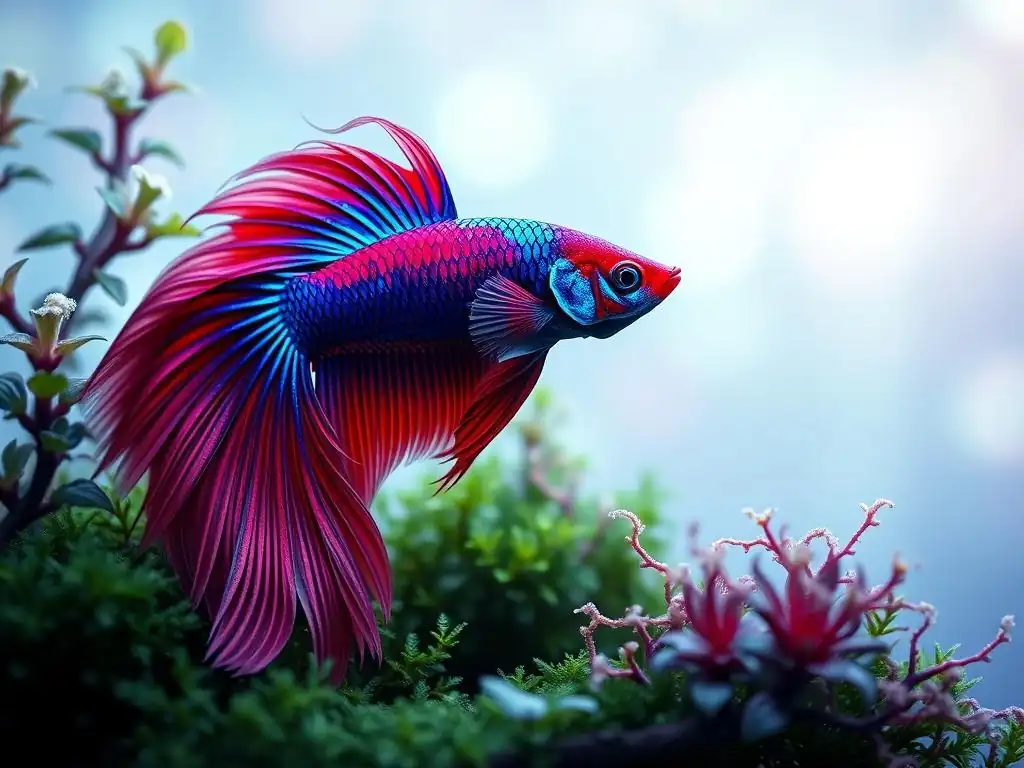
Suitable Tank Mates for a Single Female Betta
If a Betta sorority proves too challenging or is not desired, a single female Betta can still thrive in a community setting with carefully selected, peaceful tank mates. The key is to choose species that are not fin-nippers, are not overly boisterous, and have similar water parameter requirements. Ideal tank mates for a single female Betta in a 10-gallon or larger tank include small, docile schooling fish.
Good examples include:
- Pygmy Corydoras: These tiny catfish are peaceful bottom dwellers, growing to about 1 inch. A school of 6+ can coexist harmoniously with a female Betta.
- Otocinclus Catfish: Small, peaceful algae eaters, they require a well-established tank with plenty of algae or supplemental food. A group of 3-5 is suitable.
- Small Rasboras: Species like Chili Rasboras or Harlequin Rasboras are excellent choices. They are peaceful, stay relatively small, and prefer to school, creating a dynamic yet peaceful Betta fish tank. A school of 6-10 is recommended for a 10-gallon tank or larger.
Avoid species like many types of Tetras (some can be nippy), Guppies (their flashy fins can tempt Bettas), or large, aggressive fish.
Creating a Community Tank with a Single Betta Female
Creating a successful community tank with a single female Betta involves more than just selecting compatible species; it requires proper tank size, layout, and diligent observation. For a community tank with a female Betta and other species, a minimum of a 15-gallon tank is recommended, with 20 gallons or larger being ideal. This provides enough space for the Betta to have her territory while allowing other fish ample swimming room and schooling space.
The tank layout should include plenty of plants and decor to provide hiding spots for all inhabitants, reducing stress and potential conflicts. For example, a 20-gallon tank could house a female Betta, a school of 8 Harlequin Rasboras, and 6 Pygmy Corydoras. The Rasboras would occupy the mid-water column, the Corydoras the bottom, and the Betta would explore all levels, with ample places to retreat if needed. This thoughtful approach fosters a harmonious and truly peaceful Betta fish tank environment for all its inhabitants.
Conclusion: Is a Betta Sorority Right for You?
Weighing the Pros and Cons of Betta Sororities
Deciding whether a Betta sorority is right for you involves a careful evaluation of its advantages and disadvantages. On the positive side, a well-executed sorority offers a unique and visually stunning display of multiple vibrant female Bettas coexisting, showcasing their individual personalities and social dynamics. It can be a highly rewarding experience for the dedicated aquarist, providing a challenging yet fulfilling aspect of the hobby, culminating in a beautiful and peaceful Betta fish tank.
However, the cons are significant. Betta sororities require substantial commitment in terms of tank size (minimum 20 gallons), equipment, consistent maintenance, and daily observation. There is always a risk of aggression, fin nipping, and stress-related illnesses, which can lead to injury or even death for the fish involved. The initial investment in a larger tank and appropriate decor, plus the ongoing vigilance, means it's not a setup for the casual or inexperienced aquarist.
Ensuring a Thriving and Peaceful Betta Fish Tank
Ultimately, ensuring a thriving and peaceful Betta fish tank, whether it's a sorority or a community setup, hinges on diligent care and a deep understanding of Betta behavior. For a sorority, success is achieved through careful planning, starting with a sufficiently large tank (20+ gallons), providing abundant hiding places and visual barriers, selecting healthy and appropriately sized female Bettas, and introducing them simultaneously. Ongoing vigilance, including daily observation for signs of aggression or stress, prompt intervention, and meticulous water quality management, are non-negotiable.
A truly peaceful Betta fish tank, especially a sorority, is a testament to the aquarist's dedication. It requires not just setting up the tank but continuously adapting and responding to the fish's needs. If you are prepared for the commitment and challenges, a Betta sorority can be an incredibly rewarding venture, offering a captivating glimpse into the social lives of these fascinating fish.
Frequently Asked Questions
How many Betta fish should be in a Betta sorority tank?
A Betta sorority tank should ideally house a minimum of 5 Betta females. This helps to distribute aggression and prevent one fish from being bullied excessively, promoting a more stable social hierarchy.
What size tank is recommended for a Betta sorority?
A 20-gallon long tank is the absolute minimum, but a 40-gallon breeder tank is even better. More space reduces aggression and allows for plenty of hiding places.
Can you keep male Betta fish in a sorority tank?
No, you should never keep male Betta fish in a sorority tank. Male Bettas are naturally aggressive and will fight to the death, making a peaceful sorority impossible. The tank will have a high mortality rate with a male.
What kind of tank mates can live with a Betta sorority?
Good tank mates include bottom-dwelling fish like Corydoras catfish or small, peaceful schooling fish such as Neon Tetras or Ember Tetras. Avoid brightly colored or long-finned fish that might be mistaken for other Bettas.
How often should I perform water changes in a Betta sorority tank?
Regular water changes are crucial for maintaining water quality. Aim for 25-50% water changes weekly, depending on the size of the tank and the bioload, to keep the water parameters stable and healthy for your Bettas.
Final Reflection: Cultivating Harmony in the Aquarium
The principles of creating a peaceful Betta sorority tank extend far beyond the glass walls of an aquarium. Today, as we navigate increasingly complex social landscapes, the lessons learned from understanding Betta behavior – patience, careful observation, and the importance of a balanced environment – resonate deeply. The success of a Betta sorority hinges on meticulous planning and consistent maintenance, mirroring the effort required to foster harmony in any community.
This journey into the world of Betta sororities has underscored the delicate balance between individual needs and collective well-being. Witnessing these vibrant fish coexist, despite their inherent territorial instincts, highlights the potential for peaceful coexistence even amidst diversity. Peace is not merely the absence of war, but the presence of justice, of law, of order – in short, of government.
- Albert Einstein. This quote reminds us that a well-structured environment, like a carefully planned Betta tank, is crucial for maintaining peace and preventing conflict.
Now, consider the principles we've explored in creating a thriving Betta sorority: thoughtful planning, consistent care, and a deep understanding of individual needs. How can you apply these lessons to your own life, your own community? Let us all strive to cultivate environments, both within and without, where harmony and understanding can flourish, creating a world where even the most seemingly incompatible individuals can coexist peacefully.
Dive Deeper: Unlock a Thriving Betta Sorority!
Thank you for exploring the captivating world of betta sororities with us! We hope you found the insights valuable in understanding the nuances of successfully keeping these beautiful fish together. Now, it's time to take the next step and truly make a difference in the lives of your future betta community.
Here are a few things you can do right now:
- Start planning your tank setup: Research compatible tank mates and begin acquiring plants and decorations to create a stimulating and safe environment.
- Share this guide with fellow aquarium enthusiasts! Help spread awareness about responsible betta sorority keeping.
- Visit local fish stores and observe their betta selection – note which bettas seem calmer and more adaptable, and keep this in mind when the time comes to select the residents of your sorority.
What is the most creative scape idea you're considering for your betta sorority tank?