
Feeding Your Variatus Platy: A Blueprint for Health and Vibrancy

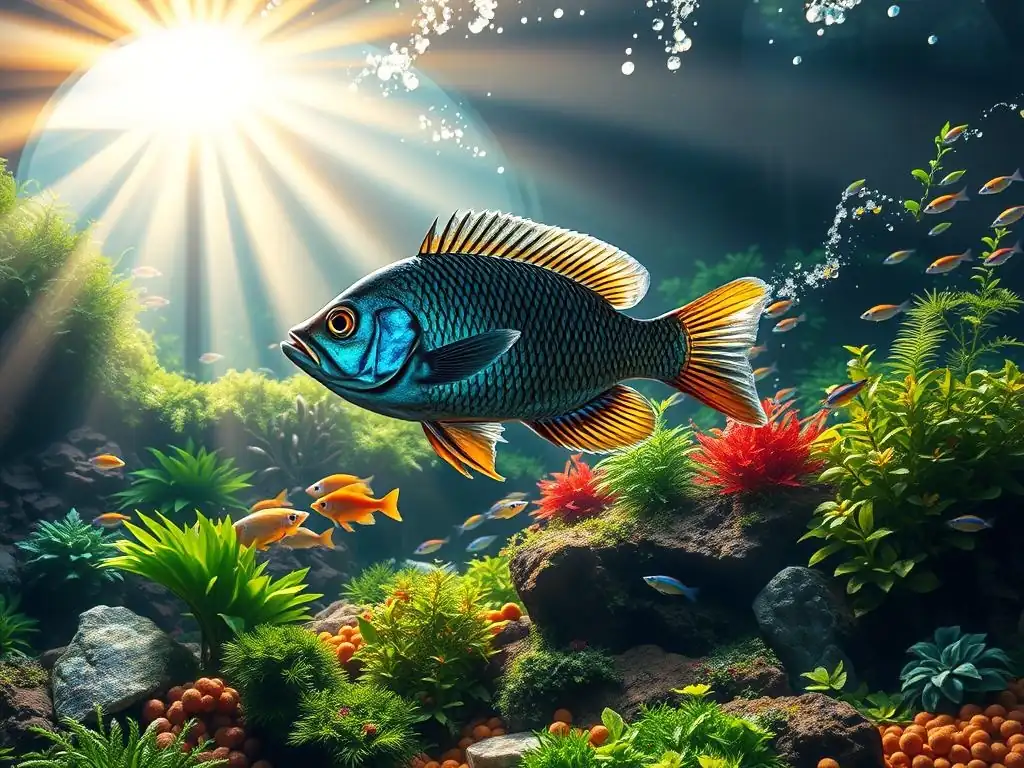
Welcome to Aquarium Mastery!
Ever wondered if you're really giving your Variatus Platy the best possible diet? Dive in! This comprehensive Variatus platy feeding guide unlocks the secrets to ensuring your colorful companions thrive. Learn how to create a feeding schedule that promotes health, vibrancy, and longevity. Ready to transform your platy's mealtimes and witness the difference? Let's get started!
- Understanding the Variatus Platy Diet: Essential Nutritional Needs
- The Ultimate Variatus Platy Feeding Guide: Choosing the Right Foods
- Establishing a Variatus Platy Feeding Schedule: Frequency and Portion Sizes
- Variatus Platy Feeding Tips and Tricks: Enhancing Color and Breeding
- Recognizing and Addressing Variatus Platy Feeding Issues: Troubleshooting Guide
- Maintaining Optimal Water Quality Through Proper Feeding Practices: The Crucial Link
- Advanced Variatus Platy Feeding Strategies: For Breeders and Show Fish
- Frequently Asked Questions
- Final Reflection: Cultivating a Vibrant Aquatic Ecosystem
- Ignite Your Platy's Sparkle!
Understanding the Variatus Platy Diet: Essential Nutritional Needs
What Do Variatus Platies Eat in the Wild? Mimicking Their Natural Food Sources
In their native habitats of Central America and Mexico, particularly in areas like the Tuxpan River basin, Variatus platies (Xiphophorus variatus) are opportunistic omnivores. Their natural diet primarily consists of a mix of plant matter, including algae and detritus, alongside small invertebrates. This includes insect larvae, tiny crustaceans like zooplankton, and even small worms found clinging to aquatic vegetation or within the substrate. This varied intake ensures they receive a broad spectrum of nutrients.
To best support your Variatus platy's health in an aquarium, it is crucial to mimic this natural diet. This means providing a balanced diet that incorporates both high-quality protein sources and significant amounts of plant-based material. A Variatus platy feeding guide should always emphasize variety, moving beyond just a single type of flake food to include supplements that reflect their wild foraging habits.
Key Nutrients for Variatus Platy Health: Protein, Fiber, and Vitamins
Protein is a cornerstone nutrient for Variatus platies, vital for growth, tissue repair, and overall metabolic function. For adult platies, a crude protein content of 35-45% in their primary diet is generally ideal, while juveniles and breeding females may benefit from slightly higher percentages, up to 50%. High-quality protein sources include fish meal, spirulina, and shrimp meal.
Fiber is equally important, aiding digestion and preventing common digestive issues like bloat. Plant-based foods, especially those rich in spirulina or blanched vegetables, provide essential fiber. Furthermore, a comprehensive Variatus platy feeding guide must highlight the role of vitamins, particularly A, D, E, and C, which are crucial for immune system strength, bone development, and maintaining vibrant coloration. For instance, Vitamin C supports immune function and wound healing, while Vitamin A is vital for vision and skin health.
Variatus Platy Nutritional Requirements: Age and Size Considerations
The nutritional needs of Variatus platies shift significantly with age and size. Variatus platy fry and juveniles require a diet exceptionally rich in protein to support their rapid growth phases. Foods with a crude protein content approaching 50% are ideal, and they should be fed smaller, more frequent meals, perhaps 3-4 times per day, to fuel their development.
As Variatus platies mature into adults, their protein requirements stabilize, and the focus shifts to a well-rounded omnivorous diet for maintenance. For breeding adults, particularly females, an increased intake of protein and healthy fats becomes important to support egg production and overall reproductive health. Senior Variatus platies may require less frequent feeding as their metabolism slows, with an emphasis on easily digestible foods.
The Ultimate Variatus Platy Feeding Guide: Choosing the Right Foods
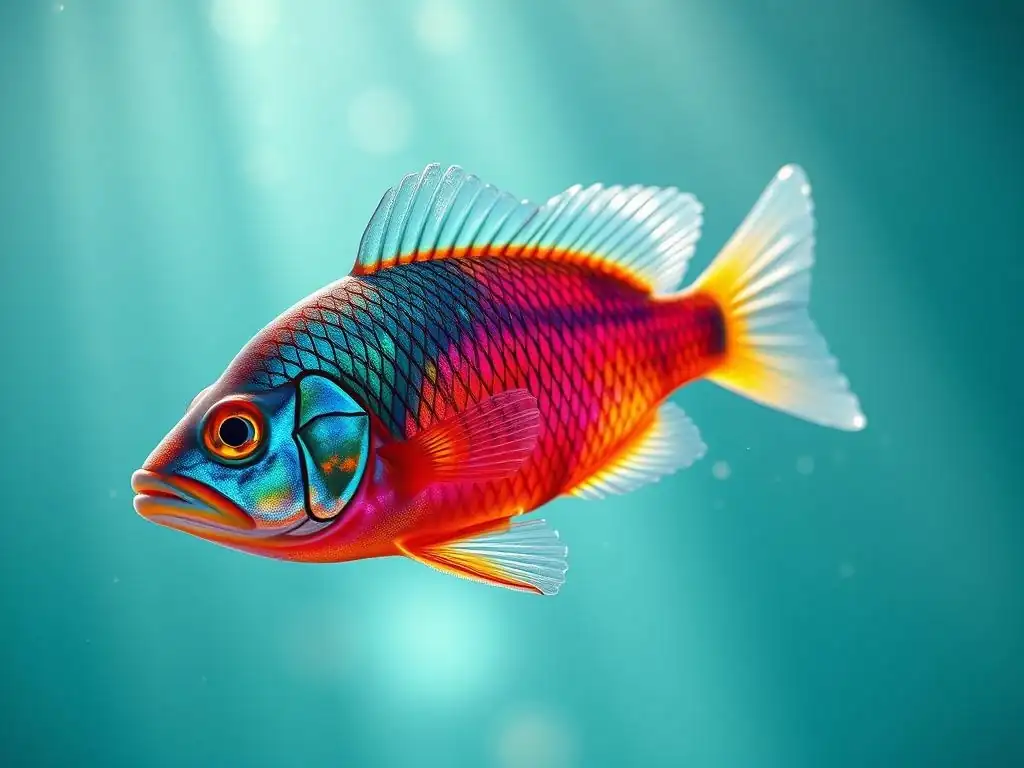
Best Commercial Foods for Variatus Platies: Flakes, Pellets, and Live Foods
Commercial foods offer a convenient and balanced foundation for any Variatus platy feeding guide. Flake foods are a popular choice, as they float on the surface, making them easily accessible for these surface and mid-water dwellers. They are generally formulated to provide a broad range of nutrients. Pellets, which are denser and often sink, can be beneficial for ensuring all fish, including shyer individuals or those that prefer different tank levels, receive adequate nutrition. Freeze-dried foods, while processed, retain much of their nutritional value and offer a good alternative to live or frozen options.
When selecting commercial foods, prioritize those specifically designed for tropical fish or livebearers, as they are formulated to meet the general nutritional needs of species like the Variatus platy. Look for foods that list high-quality protein sources as their primary ingredients and include plant-based components like spirulina or algae. A well-rounded Variatus platy feeding approach should ideally incorporate a mix of these commercial types to provide varied textures and nutrient delivery.
Analyzing Variatus Platy Food Labels: Understanding Ingredient Lists
Understanding food labels is a critical step in providing the best Variatus platy feeding guide. The first few ingredients listed on a food package are the most abundant by weight. For platies, look for high-quality protein sources such as "whole fish meal," "shrimp meal," or "spirulina" listed prominently. Avoid foods where the primary ingredients are excessive fillers like corn starch, wheat flour, or generic "animal protein products" which offer little nutritional value.
Beyond the ingredient list, pay close attention to the guaranteed analysis, which details the percentages of crude protein, crude fat, crude fiber, and moisture. For adult Variatus platies, aim for foods with 35-45% crude protein, 5-10% crude fat, and 2-5% crude fiber. A higher ash content (over 8-10%) can sometimes indicate lower quality ingredients or excessive mineral fillers, though some ash is normal and necessary for mineral content.
Top-Rated Variatus Platy Food Brands: TetraMin Tropical Flakes, Fluval Bug Bites
For a reliable Variatus platy feeding guide, several commercial brands consistently deliver quality nutrition. TetraMin Tropical Flakes are a long-standing favorite, widely available and formulated with a balanced blend of essential nutrients, including their patented "ProCare" formula designed to support fish immune systems. They are readily accepted by most platies and provide a solid dietary staple.
Another excellent choice is Fluval Bug Bites (Tropical Formula), which are gaining popularity for their high insect content, primarily black soldier fly larvae meal. This provides a natural and highly palatable protein source that aligns well with the omnivorous tendencies of Variatus platies. Other reputable brands to consider include Hikari, known for their specific livebearer formulas, and Omega One, which often uses whole, fresh ingredients.
Supplementing Your Variatus Platy's Diet: Live and Frozen Foods
While commercial foods form the base, supplementing your Variatus platy's diet with live and frozen foods is essential for providing variety, enrichment, and specific nutrient boosts. These supplements closely mimic the natural foraging experiences of platies in the wild, stimulating their natural hunting instincts and providing mental stimulation.
The benefits of incorporating live and frozen foods into your Variatus platy feeding regimen are numerous. They can significantly enhance fish coloration, improve breeding readiness, and provide a richer array of enzymes and fatty acids not always present in processed foods. This varied diet also helps prevent nutritional deficiencies and keeps your platies engaged and active.
Live Food Options for Variatus Platies: Brine Shrimp, Daphnia, and Bloodworms
Live foods are an excellent way to provide high-quality protein and stimulate natural hunting behaviors for your Variatus platies. Brine shrimp (Artemia salina) are particularly beneficial, especially for conditioning breeding fish and feeding fry due to their small size and high nutritional value. They can also be "gut-loaded" with nutrient-rich algaes to further enhance their dietary contribution.
Daphnia, commonly known as water fleas, are another superb live food option. They are small enough for most platies to consume readily and are often considered a natural laxative, aiding in digestion and preventing constipation. Bloodworms (chironomid larvae) are highly palatable and rich in protein, making them ideal for conditioning adult Variatus platies for breeding, though they should be fed sparingly due to their higher fat content.
Frozen Food Options for Variatus Platies: Nutritional Benefits and Preparation
Frozen foods offer a convenient and safe alternative to live foods, retaining most of their nutritional benefits without the hassle of culturing. Common frozen options ideal for Variatus platy feeding include frozen brine shrimp, bloodworms, daphnia, and mysis shrimp. Mysis shrimp, in particular, are rich in highly digestible proteins and fatty acids, making them excellent for promoting vibrant colors and overall vitality.
Proper preparation of frozen foods is crucial to avoid introducing contaminants or causing temperature shock. Always thaw frozen food portions in a small amount of tank water or dechlorinated water before feeding. Never add frozen food directly to the aquarium, as the sudden temperature drop can stress your fish. Only thaw the amount you plan to feed and discard any unused portion; do not refreeze thawed food.
Incorporating Plant-Based Foods: Algae Wafers and Vegetables
As omnivores with a notable herbivorous component, incorporating plant-based foods is a vital aspect of a comprehensive Variatus platy feeding guide. Plant matter provides essential fiber, aids digestion, and supplies a range of vitamins and minerals that complement protein-rich diets. It also helps replicate their natural grazing behavior.
Algae wafers, particularly those with a high spirulina content, are an excellent commercial option for ensuring your Variatus platies receive sufficient plant-based nutrition. They are particularly useful in tanks where natural algae growth is minimal. These wafers are designed to sink, allowing platies to graze on them throughout the day, which is closer to their natural feeding pattern.
Safe Vegetables for Variatus Platies: Zucchini, Spinach, and Lettuce
Many common household vegetables can be safely incorporated into your Variatus platy feeding regimen. Zucchini is a popular choice, being easily digestible and a good source of vitamins. Spinach, rich in iron and other vital nutrients, is another excellent option. When offering lettuce, opt for darker, leafy varieties like Romaine or green leaf lettuce over iceberg lettuce, which has minimal nutritional value.
Other safe vegetables include blanched peas (shelled, which are excellent for alleviating constipation) and small pieces of cucumber. Always ensure any vegetables offered are organic or thoroughly washed to remove pesticides. Avoid starchy vegetables like potatoes or anything that might be difficult for your platies to digest.
Preparing Vegetables for Your Platies: Blanching and Portion Control
Proper preparation is key when offering vegetables to your Variatus platies. Blanching involves briefly boiling the vegetable (typically for 1-2 minutes) to soften it, making it easier for your fish to consume and digest. After blanching, cool the vegetable completely under cold water before adding it to the tank. This prevents thermal shock and ensures it's safe for your fish.
Portion control is equally important. Offer only a small piece of vegetable that your platies can reasonably consume within a few hours. A good starting point is a piece no larger than a dime. Use a vegetable clip or a weighted clip to keep the vegetable submerged. Remove any uneaten vegetable matter after 12-24 hours to prevent it from decaying and negatively impacting water quality, which is crucial for a healthy Variatus platy feeding practice.
Establishing a Variatus Platy Feeding Schedule: Frequency and Portion Sizes
How Often to Feed Variatus Platies: Optimizing Growth and Preventing Overfeeding
For adult Variatus platies, feeding once or twice a day is generally sufficient to maintain optimal health and vibrancy. This frequency provides them with consistent nutrition without overwhelming their digestive system or the aquarium's filtration capacity. For Variatus platy fry and juveniles, however, their rapid growth rate demands more frequent meals; feeding 3-4 times per day is recommended to support their accelerated development.
Consistency in your Variatus platy feeding schedule is paramount. Overfeeding is one of the most common mistakes made by aquarists and can lead to serious health issues for the fish and significant water quality problems. It is always better to slightly underfeed than to overfeed, as platies can go for a day or two without food without ill effects, whereas excess food quickly fouls the water.
Determining the Right Portion Size: Avoiding Bloat and Digestive Issues
Determining the correct portion size is crucial for preventing bloat, digestive upset, and water quality degradation in your Variatus platies. A practical rule of thumb for Variatus platy feeding is to offer only the amount of food that your fish can completely consume within 2-3 minutes. Observe their eating habits closely; if food remains after this timeframe, you are likely feeding too much.
Another helpful guideline for portion size is to provide an amount of food roughly equivalent to the size of the platy's eye per feeding. This small, manageable quantity ensures that most of the food is eaten quickly, minimizing waste and preventing the fish from overstuffing themselves, which can lead to bloating and other digestive ailments.
Creating a Consistent Feeding Routine: Maintaining a Healthy Aquarium Ecosystem
Establishing a consistent Variatus platy feeding routine is vital for both the well-being of your fish and the stability of your aquarium ecosystem. Feeding your platies at roughly the same time each day helps them establish a natural rhythm, reducing stress and promoting more predictable behavior. This consistency also allows you to better monitor their appetite and identify any changes that might indicate health issues.
A regular feeding schedule, combined with appropriate portion sizes, contributes significantly to maintaining stable water parameters. When food is consumed efficiently and not left to decay, the bioload on your filtration system is reduced, helping to keep ammonia, nitrite, and nitrate levels in check. This holistic approach to Variatus platy feeding is a cornerstone of a healthy and thriving aquatic environment.
Variatus Platy Feeding Tips and Tricks: Enhancing Color and Breeding
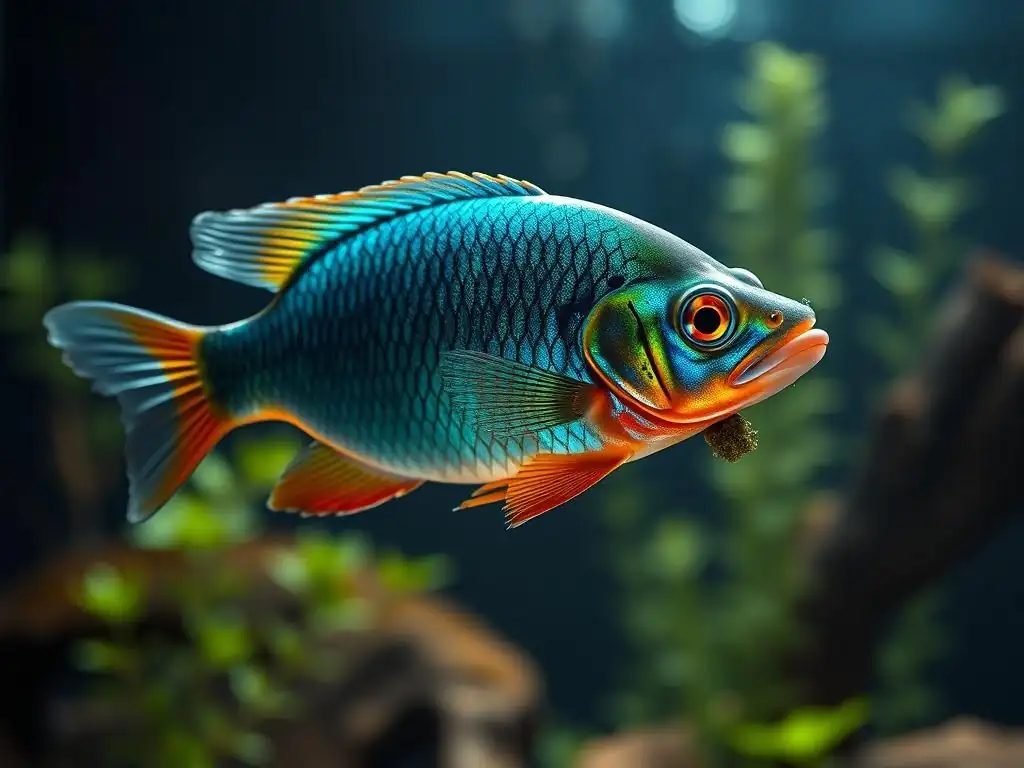
Promoting Vibrant Colors Through Diet: Astaxanthin and Spirulina
To truly bring out the stunning colors of your Variatus platies, strategic Variatus platy feeding is key. Astaxanthin, a powerful carotenoid pigment, is widely recognized for its ability to enhance red, orange, and yellow hues in fish. This natural compound is found in various marine organisms like crustaceans and certain algae, and high-quality color-enhancing fish foods often include it. Regular inclusion of astaxanthin-rich foods can significantly intensify your platy's natural coloration, transforming dull fish into dazzling specimens.
Spirulina, a blue-green algae, is another excellent dietary supplement for promoting vibrant colors. It is packed with a spectrum of carotenoids, along with essential vitamins and minerals, that not only boost pigmentation but also contribute to overall health and immune function. Many premium Variatus platy food brands incorporate spirulina for its color-enhancing and nutritional benefits, making it an easy addition to their diet.
Feeding Platies for Breeding Success: High-Protein and Nutrient-Rich Foods
For aquarists aiming to breed Variatus platies, specific Variatus platy feeding strategies can significantly increase success rates. Conditioning breeding pairs requires a diet rich in high-quality protein and essential nutrients. Incorporating live or frozen foods such as brine shrimp, bloodworms, or daphnia several times a week provides the necessary protein boost for females to develop healthy eggs and for males to be at their peak reproductive condition.
Beyond protein, ensuring a diet rich in essential fatty acids and vitamins, particularly Vitamin E, is crucial for reproductive health. Vitamin E is known to play a role in fertility and the development of robust fry. During the conditioning phase, consider feeding slightly more frequently, perhaps 3 times a day, with smaller, nutrient-dense meals to support the increased metabolic demands of reproduction.
Preventing Feeding Problems: Addressing Common Issues Like Finicky Eaters
Even with a comprehensive Variatus platy feeding guide, some fish can become finicky eaters. The first step in addressing this is offering a variety of food types. If a platy refuses flakes, try small pellets, freeze-dried options, or blanched vegetables. Sometimes, a change in texture or flavor can entice them to eat. Observing which foods are readily accepted by other tank mates can also provide clues.
Ensure optimal water quality, as poor conditions (e.g., high ammonia, nitrite, or extreme pH) can significantly suppress a fish's appetite. Test your water parameters regularly. If your finicky eater is in a community tank, observe for food competition; shyer platies may not be getting enough food. Feeding in multiple spots or using sinking foods can help. Occasionally, a 24-hour fast can stimulate appetite, but this should be done cautiously and only if the fish appears otherwise healthy.
Recognizing and Addressing Variatus Platy Feeding Issues: Troubleshooting Guide
Identifying Signs of Overfeeding in Platies: Bloating and Poor Water Quality
Overfeeding is a prevalent issue in aquarium keeping and can manifest in several ways in Variatus platies. The most direct sign is a visibly bloated or distended abdomen, indicating digestive distress from consuming too much food. Beyond the fish themselves, clear indicators of overfeeding include uneaten food accumulating on the substrate, cloudy or murky water, and a noticeable increase in algae growth due to excess nutrients.
More insidiously, overfeeding rapidly degrades water quality. The decomposition of uneaten food and increased fish waste leads to a spike in ammonia and nitrite levels, both highly toxic to fish. Chronic overfeeding can lead to fatty liver disease in platies, compromise their immune systems, and make them more susceptible to various diseases, underscoring the importance of a precise Variatus platy feeding guide.
Recognizing Signs of Underfeeding in Platies: Thin Appearance and Lethargy
While less common than overfeeding, underfeeding can also severely impact Variatus platy health. The most obvious sign of underfeeding is a thin or emaciated appearance, characterized by a sunken belly and sometimes a visible spine. Affected fish may also exhibit lethargy, reduced activity, and increased hiding behavior, as their energy reserves are depleted.
Underfed Variatus platies are significantly more susceptible to diseases due to a weakened immune system. They may fail to grow to their full potential size and, if breeding, will likely produce fewer or less viable fry. In community tanks, it's essential to observe individual fish during feeding times to ensure that shyer or smaller platies are not being outcompeted by more aggressive tank mates.
Addressing Food Competition in Community Tanks: Ensuring All Fish Get Enough to Eat
Food competition is a common challenge in community aquariums, where faster or more aggressive fish can prevent Variatus platies from getting adequate nutrition. When feeding, observe how your platies interact with other species. If some fish are monopolizing the food, you may need to implement strategies to ensure all fish get their share.
One effective method is to feed in multiple locations simultaneously, dispersing the food across the tank to reduce competition at a single point. Using a combination of floating and sinking foods can also help; for instance, flakes for surface feeders and small sinking pellets or algae wafers for platies that might be shyer or prefer mid-water/bottom feeding. In severe cases, temporarily separating the most aggressive feeders during meal times or ensuring a larger tank with ample hiding spots can alleviate stress and ensure balanced Variatus platy feeding.
Maintaining Optimal Water Quality Through Proper Feeding Practices: The Crucial Link
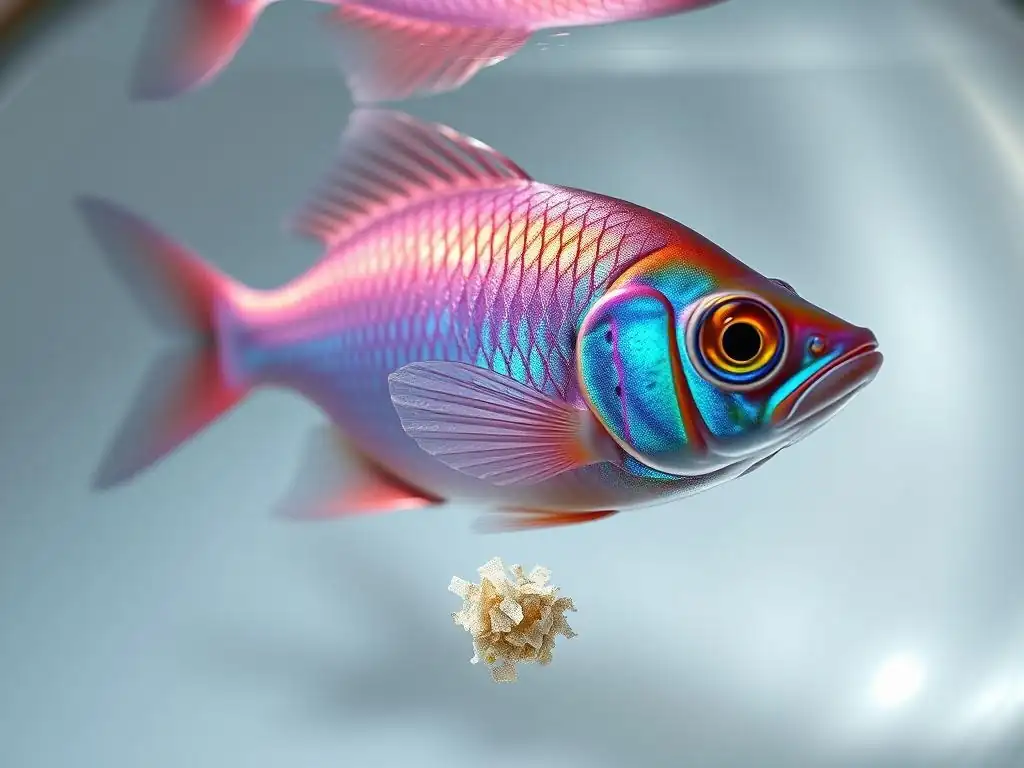
How Overfeeding Impacts Water Parameters: Ammonia, Nitrite, and Nitrate Levels
The link between proper Variatus platy feeding and water quality is undeniable and critical for a healthy aquarium. When platies are overfed, uneaten food rapidly decays in the water, releasing highly toxic ammonia (NH3). This, coupled with increased fish waste from excessive consumption, significantly elevates the biological load on the aquarium system.
Beneficial bacteria in the filter then convert ammonia into nitrite (NO2), which is also highly toxic to fish. Finally, nitrite is converted into nitrate (NO3). While less toxic than ammonia or nitrite, high levels of nitrate (typically above 20 ppm for livebearers) can still stress fish, suppress their immune systems, and promote excessive algae growth. Therefore, precise Variatus platy feeding is paramount in preventing these dangerous chemical imbalances.
Regular Water Changes and Filtration: Counteracting the Effects of Overfeeding
Even with the most careful Variatus platy feeding, regular maintenance is essential to counteract the natural accumulation of waste and maintain pristine water quality. Weekly water changes, typically 25-50% of the tank volume, are crucial for diluting nitrates and removing accumulated organic matter that mechanical filtration might miss. This practice is particularly vital if accidental overfeeding has occurred.
Effective filtration works hand-in-hand with proper feeding. Mechanical filtration removes uneaten food particles and other particulate matter before they can break down. Biological filtration, provided by beneficial bacteria colonizing filter media, is responsible for the crucial nitrogen cycle, converting harmful ammonia and nitrite into less harmful nitrate.
Selecting the Right Filtration System: Maintaining a Healthy Aquatic Environment for Platies
Choosing the appropriate filtration system is a cornerstone of maintaining a healthy aquatic environment for your Variatus platies. For most platy setups, a hang-on-back (HOB) filter or an internal power filter is usually sufficient. These systems typically offer a combination of mechanical, chemical (e.g., activated carbon to remove odors and discoloration), and biological filtration.
Ensure the filter is appropriately sized for your tank's volume and the bioload of your fish. An undersized filter will struggle to cope with waste, even with careful Variatus platy feeding. Proper water flow, without being excessively strong for platies, is also important to ensure all water passes through the filter. A well-maintained filtration system, combined with responsible feeding, creates a stable and thriving habitat for your Variatus platies.
Advanced Variatus Platy Feeding Strategies: For Breeders and Show Fish
Formulating Custom Food Mixes: Tailoring Nutrition to Specific Needs
For advanced aquarists, particularly those focused on breeding or exhibiting show-quality Variatus platies, formulating custom food mixes offers unparalleled control over their fish's nutrition. These "gel foods" or "fish pastes" typically use gelatin as a binder and can be packed with specific ingredients tailored to meet precise dietary needs. For example, a breeder might include high percentages of spirulina for color enhancement, quality fish meal for protein, pureed vegetables for fiber, and added vitamin supplements.
This bespoke Variatus platy feeding approach allows for targeting specific deficiencies or boosting certain attributes. For instance, a mix could be formulated with higher levels of Omega-3 fatty acids for reproductive health or specific carotenoids for intensifying unique color patterns in a show line. It empowers the aquarist to provide a diet that perfectly matches the life stage and goals for their Variatus platies.
Utilizing Probiotics and Prebiotics: Enhancing Gut Health and Digestion
Advanced Variatus platy feeding strategies increasingly incorporate probiotics and prebiotics to optimize gut health and digestion. Probiotics are beneficial live bacteria that, when ingested, colonize the gut, improving nutrient absorption, aiding digestion, and bolstering the immune system. Some high-end commercial fish foods now include probiotic strains like Bacillus subtilis or Lactobacillus acidophilus.
Prebiotics, on the other hand, are non-digestible fibers that act as a food source for these beneficial gut bacteria. Common examples include FOS (fructooligosaccharides) and MOS (mannan-oligosaccharides). By fostering a healthy gut microbiome, prebiotics and probiotics can lead to more efficient food utilization, reduced waste production, and overall stronger, healthier Variatus platies with improved disease resistance.
Implementing Targeted Feeding Techniques: Ensuring Adequate Nutrition for All Platies
In large community tanks or dedicated breeding setups with numerous Variatus platies, implementing targeted feeding techniques ensures that all fish, including shyer or less aggressive individuals, receive adequate nutrition. Simply broadcasting food can lead to dominant fish consuming the majority, leaving others underfed.
One effective technique is to feed in multiple locations simultaneously, scattering food across the tank to create more feeding zones. For specific show fish or breeding pairs, a pipette can be used to deliver small portions of preferred live or frozen foods directly to their vicinity, ensuring they get sufficient high-quality nutrition without competition. For bottom-dwelling platies or those that prefer to graze, sinking pellets or algae wafers can be placed strategically near their preferred spots after the initial feeding, ensuring a comprehensive Variatus platy feeding plan for the entire population.
Frequently Asked Questions
How often should I feed my Variatus Platies?
Variatus Platies should be fed small amounts twice a day. Avoid overfeeding as this can lead to water quality issues and health problems.
What types of food are best for Variatus Platies?
A varied diet is crucial. Offer them high-quality flake food, supplemented with live or frozen foods like brine shrimp and daphnia.
How much food should I give my Variatus Platies at each feeding?
Only provide an amount that they can consume in about two minutes. This helps prevent uneaten food from decaying and polluting the tank.
Are there any specific foods I should avoid feeding my Variatus Platies?
Avoid feeding them large amounts of processed foods with high filler content. Focus on providing nutritious and digestible options that support their health.
Can I feed my Variatus Platies vegetable matter?
Yes, Variatus Platies enjoy blanched vegetables. Offer them small pieces of spinach, zucchini, or cucumber as a healthy supplement to their diet.
Final Reflection: Cultivating a Vibrant Aquatic Ecosystem
The principles outlined in this guide, while specifically focused on the nutritional needs of Variatus platies, extend far beyond the confines of the aquarium. Understanding the delicate balance required to sustain life, whether in a small tank or a larger ecosystem, is increasingly crucial in our current world, where environmental awareness is paramount. The health and vibrancy of these small fish serve as a microcosm of the larger challenges we face in preserving biodiversity and ensuring a sustainable future.
This exploration of Variatus platy feeding has profoundly impacted my own understanding of responsible pet ownership and the interconnectedness of life. It's a constant reminder that even seemingly small actions, like choosing the right food, can have significant ripple effects. The greatness of a nation and its moral progress can be judged by the way its animals are treated.
- Mahatma Gandhi. This quote resonates deeply, highlighting the ethical responsibility we bear towards all living creatures, including our aquatic companions.
Now, armed with this knowledge, I encourage you to reflect on your own role in fostering a thriving environment, both within your aquarium and beyond. Consider the choices you make, the resources you consume, and the impact you have on the delicate balance of our planet. Let the vibrant health of your Variatus platies serve as a constant inspiration to cultivate a more sustainable and compassionate world for all.
Ignite Your Platy's Sparkle!
Thank you for diving into the world of variatus platy care! We hope you've gained valuable insights into keeping your finned friends healthy and vibrant. Now, it's time to put that knowledge into action and truly enhance their lives!
Here are a few things you can do next:
- Revolutionize their diet: Implement a new, diverse feeding schedule this week, focusing on live, frozen, and high-quality flake foods tailored to their specific needs.
- Explore beyond the basics: Research less common but beneficial food options for your platy, like blanched zucchini or spirulina algae wafers, and observe their reactions.
- Share the Splash: Post a picture of your happy, healthy platy enjoying their meal on social media with #AquariumMastery and inspire other platy enthusiasts!
What new food will you introduce to your platy's diet first to see their colors truly pop?