
Aquarium Mastery Masterclass: Inducing Spawning in Reluctant Tetra Species

Welcome to Aquarium Mastery!
Ever wondered why your tetras seem stubbornly uninterested in spawning? Dive into our Reluctant Tetra Spawning Guide and unlock the secrets to creating the perfect environment for these beautiful fish to finally, joyfully, reproduce. Discover the subtle cues and innovative techniques that can transform your tank into a breeding paradise – are you ready to witness the miracle of life unfold before your eyes?
- Breeding Characins: Inducing Spawning in Difficult Species
- Introduction: Unlocking Characin Breeding
- Characin Reproductive Biology
- Spawning Tank Preparation
- Conditioning Characins for Breeding
- Triggering Spawning: Techniques
- Post-Spawning Care
- Troubleshooting Spawning Problems
- Advanced Techniques
- Case Studies
- Conclusion
- Frequently Asked Questions
- Final Reflection: The Dance of Life in Glass
- Unleash the Secrets to Tetra Breeding!
Breeding Characins: Inducing Spawning in Difficult Species
Introduction: Unlocking Characin Breeding
Challenges in Characin Spawning
Breeding characins, a diverse family encompassing many popular tetra species, presents a spectrum of challenges for aquarists. While some species, like the ubiquitous Neon Tetra ( Paracheirodon innesi), are relatively straightforward to breed, many others prove to be significantly more reluctant, demanding precise environmental cues and meticulous care.
These "difficult" or "reluctant" tetras often originate from highly stable, yet specific, ecosystems, such as the blackwater rivers of the Amazon basin, making their captive reproduction a true test of an aquarist's skill. Factors contributing to this reluctance include specific water chemistry requirements (e.g., extremely soft and acidic water for species like the Cardinal Tetra, Paracheirodon axelrodi), precise temperature fluctuations mirroring seasonal changes, and the need for very particular spawning substrates.
Furthermore, the dietary needs and social structures of these reluctant characins play a crucial role. Many wild-caught specimens, or even tank-bred fish whose parents were recently wild-caught, require a diet rich in live foods to induce the physiological readiness for spawning. Stress, often underestimated, is another significant barrier; even subtle disturbances like inappropriate lighting, tank mates, or inadequate hiding spots can inhibit breeding behavior. Understanding these intricate requirements is fundamental to developing an effective reluctant tetra spawning guide, transforming a challenging endeavor into a rewarding success.
Rewards of Breeding Difficult Characins
The successful propagation of difficult-to-breed characins offers immense rewards beyond the simple expansion of one's fish collection. For dedicated aquarists, it represents a significant achievement, a testament to their understanding of fish biology and their ability to replicate natural conditions. Breeding species such as the Rummy-nose Tetra ( Hemigrammus rhodostomus) or the Emperor Tetra ( Nematobrycon palmeri), which are often wild-caught and thus face pressure in their natural habitats, directly contributes to conservation efforts by reducing demand on wild populations. This is particularly vital for species whose habitats are under threat due to deforestation, pollution, or climate change.
Moreover, the process itself deepens an aquarist's knowledge and connection to the aquatic world. It encourages detailed observation of fish behavior, water chemistry, and ecological dynamics, transforming the hobby into a scientific pursuit.
Successfully developing a reluctant tetra spawning guide for a particularly challenging species can also lead to the sharing of valuable information within the global aquarium community, advancing collective knowledge and potentially making these beautiful fish more accessible to other enthusiasts through sustainable captive breeding. The sheer joy of witnessing tiny fry emerge from eggs, knowing the effort and precision involved, is an unparalleled experience for any serious aquarist.
Characin Reproductive Biology
Spawning Behaviors: Species-Specific Overview
Characin spawning behaviors exhibit remarkable diversity, reflecting their varied natural habitats and evolutionary adaptations. While many species are egg scatterers, meaning they release eggs haphazardly among plants or substrate, the specifics of their courtship, egg adhesion, and parental care (or lack thereof) vary significantly. For instance, many Hyphessobrycon species, such as the Ember Tetra ( Hyphessobrycon amandae), are free-spawning in dense vegetation, their adhesive eggs sticking to fine-leaved plants.
In contrast, some Nematobrycon species, like the Emperor Tetra, may exhibit more defined pairing and even rudimentary nest preparation, with eggs often laid on broad leaves. Understanding these species-specific nuances is critical for any reluctant tetra spawning guide, as it dictates the appropriate setup for a breeding tank.
A key factor in understanding these behaviors is the distinction between open-water spawners and substrate spawners. Open-water spawners, like the majority of Paracheirodon species (e.g., Cardinal Tetras), often prefer to spawn in very soft, acidic water, releasing non-adhesive eggs that sink to the bottom or drift. Substrate spawners, conversely, will actively seek out specific textures or plants to deposit their adhesive eggs.
Observing subtle behavioral cues, such as increased chasing, specific fin displays, or a noticeable swelling in the female's abdomen, provides invaluable insight into their readiness to breed. This knowledge allows the aquarist to fine-tune environmental triggers and provide the optimal spawning medium, whether it be a spawning mop, fine-leaved plants, or a specific type of mesh.
Environmental Factors Influencing Spawning
Environmental factors are paramount in triggering spawning in characins, especially for reluctant species. The most critical parameters include water temperature, pH, hardness (GH/KH), and conductivity. Many characins, particularly those from blackwater environments like the Amazon basin, require extremely soft water (0-5 dGH) and acidic conditions (pH 5.0-6.5) to initiate spawning. These conditions mimic the natural floodwaters that signal the breeding season. For example, Cardinal Tetras are notoriously difficult to breed in hard, alkaline water, thriving only when conductivity is below 100 µS/cm and pH is well below 6.0.
Beyond water chemistry, external cues like light cycles and simulated rainfall play a significant role. A gradual reduction in light duration, followed by a slight increase, can mimic seasonal changes, prompting breeding behavior. Similarly, the addition of cool, fresh water, often achieved through slow, continuous water changes, simulates the onset of the rainy season, a powerful spawning trigger for many tropical fish.
This change in water chemistry and temperature, combined with the physical sensation of falling water (simulated rain), can be the ultimate catalyst for reluctant tetras. Understanding and meticulously controlling these environmental variables is the cornerstone of any successful reluctant tetra spawning guide.
Spawning Tank Preparation
Tank Size and Setup
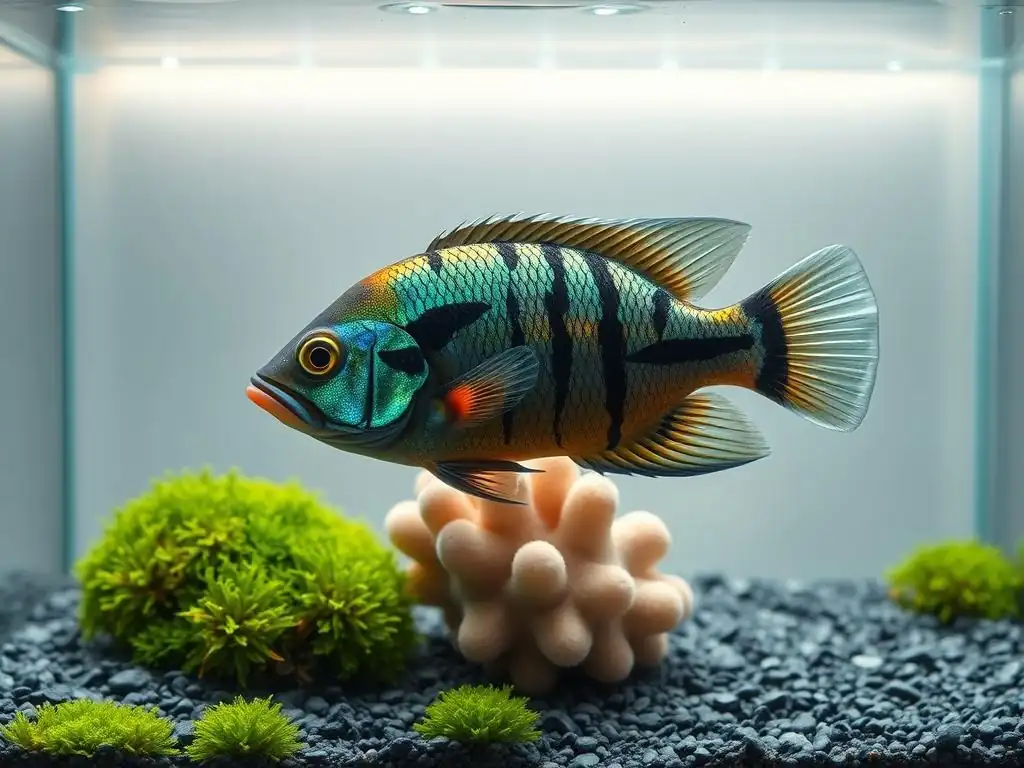
The choice of tank size for characin breeding is crucial and depends largely on the species' size and spawning behavior. For most small to medium-sized tetras (e.g., Neons, Cardinals, Embers), a dedicated 5-10 gallon (approximately 19-38 liters) breeding tank is often sufficient for a single pair or a small group (trio spawning, e.g., two males to one female).
Larger species, or those that require more space for chasing and courtship, like Emperor Tetras, might benefit from a 15-20 gallon (57-76 liters) tank. The primary goal is to provide a stress-free environment where the fish can focus solely on reproduction, without the distractions or threats of a community tank.
The setup should be minimalistic yet functional. Bare-bottom tanks are often preferred by breeders as they make egg collection and fry rearing significantly easier, preventing eggs from getting lost in substrate and simplifying cleaning. If a substrate is necessary for spawning (e.g., for species that scatter eggs on the bottom), a very thin layer of inert material like marbles or a fine mesh can be used to allow eggs to fall through, protecting them from parental predation.
Adequate hiding spots, even in a breeding tank, are essential to reduce stress, especially for the female after spawning or if a male becomes overly aggressive. Simple PVC pipes or small plant clumps can serve this purpose effectively.
Water Parameters: Replicating Natural Habitats
Replicating the precise water parameters of their natural habitats is arguably the most critical aspect of inducing spawning in reluctant characins. This often means achieving extremely soft and acidic water, particularly for species originating from blackwater environments. For many Paracheirodon and Hyphessobrycon species, a pH between 5.0 and 6.5 is ideal, with hardness (GH) as low as 0-3 dGH and alkalinity (KH) near 0 dKH. This can be achieved through the use of reverse osmosis (RO) water, deionized (DI) water, or distilled water, often buffered with peat or specialized blackwater extracts to lower pH and provide essential humic substances.
Temperature also plays a vital role. While many tetras thrive at 75-78°F (24-26°C), a slight increase or decrease, often by 1-2°F (0.5-1°C), can act as a spawning trigger. For instance, some breeders report success with Cardinal Tetras by gradually raising the temperature from 78°F (26°C) to 82°F (28°C) over a few days. Regular and precise testing of pH, GH, KH, and temperature is non-negotiable. It's recommended to test daily during the conditioning and spawning phases, using reliable liquid test kits, to ensure parameters remain stable and within the narrow range required for successful egg development and fry survival.
Substrate and Plants: Mimicking Spawning Grounds
The choice of substrate and plants directly influences where and how characins will deposit their eggs. For many egg-scattering tetras, fine-leaved plants are indispensable as spawning media. Species like Java Moss ( Taxiphyllum barbieri), spawning mops made from synthetic yarn, or even large clumps of guppy grass ( Najas guadalupensis) provide the intricate structure where adhesive eggs can attach and non-adhesive eggs can fall through to safety. These plants also offer cover for the spawning pair and, more importantly, for the eggs and newly hatched fry from hungry parents.
In cases where a bare-bottom tank is preferred for ease of egg collection, a layer of glass marbles or a plastic egg crate can be placed at the bottom. This allows eggs to fall into crevices, out of reach of the adults, while still being easily visible for removal.
The key is to provide a medium that the fish recognize as a suitable site for egg deposition, mimicking the dense vegetation or detritus found in their natural breeding grounds. For a comprehensive reluctant tetra spawning guide, selecting the appropriate substrate is as critical as water parameters, as it directly impacts egg survival rates and the likelihood of successful spawning.
Filtration and Lighting: Optimization
Optimizing filtration and lighting in a breeding tank is crucial for maintaining pristine water quality while avoiding stress. Filtration should be gentle to prevent eggs and delicate fry from being sucked in. A simple sponge filter, air-driven for minimal current, is often ideal.
Sponge filters provide excellent biological filtration, maintaining water quality without creating strong currents that can disperse eggs or harm fry. They also offer a surface for beneficial bacteria to colonize, contributing to a stable environment. It's important to cycle the sponge filter in an established tank beforehand to ensure it's biologically active when introduced to the breeding tank.
Lighting should be dim and diffused, mimicking the subdued light conditions of many characin's natural blackwater habitats. Bright, direct lighting can stress the fish and inhibit spawning. A low-wattage LED light or even ambient room light filtered through a partial tank cover is often sufficient.
The light cycle should typically be 12-14 hours of light and 10-12 hours of darkness, but some breeders experiment with slightly longer dark periods (e.g., 14 hours dark) to simulate specific natural triggers or to encourage spawning during the early morning hours, which is a common pattern for many characins. The goal is to create an environment that feels secure and natural, encouraging the fish to exhibit their breeding behaviors without undue disturbance.
Conditioning Characins for Breeding
Live Foods: Triggering Spawning
The diet provided during the conditioning phase is paramount for inducing spawning in characins, especially for reluctant species. A varied and rich diet of live foods is often the most effective trigger, as it signals abundant resources and optimal conditions for reproduction. High-protein live foods such as bloodworms ( Chironomid larvae), brine shrimp ( Artemia salina), daphnia ( Daphnia pulex), and grindal worms ( Enchytraeus buchholzi) are excellent choices.
These foods are not only nutritious but also stimulate the fish's natural predatory instincts, enhancing their vitality and readiness to breed. For example, feeding a pair of Rummy-nose Tetras live blackworms for two weeks prior to introducing them to a spawning tank can significantly increase their chances of spawning compared to a dry-food diet.
The frequency and quantity of feeding are also important. It's often recommended to feed small amounts multiple times a day (3-4 times) to ensure the fish are well-nourished without overfeeding and polluting the water. This continuous supply of high-quality protein helps females develop a full complement of eggs and ensures males are in peak condition for fertilization. While frozen foods can supplement the diet, live foods offer the best results due to their nutritional completeness and the natural hunting stimulation they provide. Incorporating a robust live food regimen is a cornerstone of any effective reluctant tetra spawning guide.
Water Changes: Importance in Breeding
Strategic water changes are an indispensable tool in conditioning characins for breeding, acting as a powerful environmental cue. Regular, small (10-20%) daily or every-other-day water changes with cooler, soft, and acidic water can mimic the onset of the rainy season in their natural habitats.
This influx of fresh, clean water, often with slightly different parameters than the existing tank water, signals to the fish that conditions are favorable for spawning. For instance, a 15% daily water change with RO water that is 2°F (1°C) cooler than the tank temperature can often stimulate spawning in species like the Black Neon Tetra ( Hyphessobrycon herbertaxelrodi) within a few days.
The quality of the replacement water is critical. It must match the desired breeding parameters (e.g., very soft and acidic) and be free of chlorine and chloramines. Using aged water, or water that has been aerated for at least 24 hours to stabilize its pH and off-gas any volatile compounds, is also beneficial.
The consistent introduction of fresh, pristine water not only triggers spawning but also helps maintain optimal water quality, which is vital for the health of the prospective parents and the viability of their eggs. This systematic approach to water changes is a key technique highlighted in any comprehensive reluctant tetra spawning guide.
Separating Males and Females: Conditioning Strategy
Separating male and female characins for a period before introducing them to the breeding tank is a highly effective conditioning strategy, particularly for species that are reluctant to spawn. This period of separation, typically lasting 1-2 weeks, allows both sexes to mature their gonads without the constant distraction or stress of interaction. During this time, each sex can be fed heavily with high-protein live foods, ensuring the female develops a full belly of eggs and the male produces ample, viable milt. This strategy prevents premature spawning attempts and ensures both individuals are at their peak reproductive condition when introduced.
When separating, ensure each individual has adequate space and similar water parameters to their eventual breeding tank to minimize stress during transfer. For example, placing a male and female Cardinal Tetra in separate 2.5-gallon tanks for 10 days, feeding them live brine shrimp daily, can significantly increase the chances of successful spawning when they are finally reunited. The reunion itself acts as a strong trigger, as the fish, now well-conditioned and primed, are eager to interact and breed. This method is a crucial component of advanced reluctant tetra spawning guides, maximizing the likelihood of a successful spawn.
Triggering Spawning: Techniques
Simulating Rainy Season
Simulating the rainy season is one of the most potent triggers for inducing spawning in many characin species, especially those from tropical regions with distinct wet and dry seasons. This involves a combination of environmental changes that mimic the natural conditions. The primary method is to perform frequent, small water changes (e.g., 10-20% daily) using water that is slightly cooler (1-3°F or 0.5-1.5°C lower) and softer than the tank water.
This fresh, cooler water infusion signals the onset of the wet season, which is typically the breeding period in their natural habitat. For example, Rummy-nose Tetras often respond well to daily cool water changes.
Beyond temperature and water chemistry, adding a "rain bar" or using a spray bottle to gently mist the water surface can simulate falling rain. This physical disturbance, combined with the chemical changes, can be the final trigger. The sound and vibration of the falling water mimic natural rainfall, further convincing the fish that breeding conditions are optimal.
Furthermore, some aquarists introduce a small amount of peat extract or dried Indian almond leaves to darken the water slightly and release humic substances, replicating the blackwater conditions often associated with floodplains during the rainy season. This multi-faceted approach to simulating the rainy season is a cornerstone technique in any reluctant tetra spawning guide.
Temperature Manipulation
Temperature manipulation is a subtle yet effective technique for triggering spawning in characins. While a stable temperature is generally preferred for daily maintenance, a slight, strategic change can act as a powerful spawning cue. Often, a gradual increase or decrease of 1-3°F (0.5-1.5°C) from the conditioning temperature can stimulate reluctant breeders.
For instance, after conditioning at 78°F (26°C), slowly raising the temperature to 80-82°F (27-28°C) over 24-48 hours can often induce spawning in species like the Emperor Tetra ( Nematobrycon palmeri). Conversely, for some species, a slight drop in temperature, especially when combined with fresh, soft water changes, can be the trigger, mimicking cooler rainfall.
The key is the gradual nature of the change. Rapid temperature swings can stress fish and lead to health issues. A heater with precise temperature control is essential for this technique. Monitoring the fish's behavior closely during temperature adjustments is also vital; signs of increased activity, chasing, or fin flaring indicate a positive response. This method, when combined with proper water chemistry and conditioning, significantly increases the likelihood of success, making it a valuable addition to any reluctant tetra spawning guide aiming for consistent results.
Light Cycles: Mimicking Natural Patterns
Manipulating light cycles is another effective environmental cue for inducing spawning in characins. In their natural habitats, seasonal changes in day length can signal the optimal time for reproduction. Replicating these subtle shifts in the aquarium can prime fish for breeding.
Generally, a consistent light cycle of 12-14 hours on and 10-12 hours off is standard for conditioning. However, for spawning, some breeders find success by slightly altering this. For example, a gradual reduction in light period by an hour or two over several days, followed by a return to the original cycle, can mimic the approach of a breeding season.
Alternatively, some species respond well to a slightly longer dark period (e.g., 14 hours dark, 10 hours light) immediately before and during the expected spawning period, which often occurs at dawn. This subdued lighting can reduce stress and encourage the fish to spawn in the early morning hours, which is a common behavior for many characins. Using a timer for precise control is highly recommended to ensure consistency and avoid sudden changes that could stress the fish. Understanding and implementing these nuanced light cycle adjustments is a sophisticated technique found in advanced reluctant tetra spawning guides.
Spawning Substrates: Mops or Plants
The provision of appropriate spawning substrates is crucial for characins, as it gives them a designated place to deposit their eggs, increasing egg survival rates. For many egg-scattering species, fine-leaved plants are ideal. Java Moss ( Taxiphyllum barbieri), Hornwort ( Ceratophyllum demersum), and even artificial spawning mops made from synthetic yarn (e.g., acrylic) are excellent choices.
These materials provide a dense, intricate structure where adhesive eggs can stick and non-adhesive eggs can fall safely out of reach of the parents. For example, a 6-inch (15 cm) long spawning mop made of dark green yarn can collect hundreds of eggs from a pair of Ember Tetras.
When using plants, ensure they are thoroughly cleaned and free of snails or other pests that could consume the eggs. Spawning mops can be easily created by tying bunches of yarn to a small weight, allowing them to float or sink. The choice between natural plants and mops often comes down to personal preference and ease of egg collection.
Mops are generally easier to remove and inspect for eggs, making the subsequent care of eggs and fry more straightforward. Whichever is chosen, the substrate should be introduced to the breeding tank well in advance to allow the fish to become accustomed to it, making it an essential element in any effective reluctant tetra spawning guide.
Post-Spawning Care
Removing Adults
Prompt removal of adult characins after spawning is critical to ensure the survival of eggs and fry. The vast majority of characin species are egg-eaters; they have no parental instincts and will readily consume their own eggs and newly hatched fry. Once spawning is observed, and eggs are visible on the substrate or scattered on the tank bottom, the adult fish should be carefully netted and returned to their conditioning tank or a community tank.
This step dramatically increases the yield of fry. For example, if a pair of Cardinal Tetras lays 200 eggs, leaving the adults in the tank for even a few hours can reduce the number of viable eggs by over 50%.
Observing the spawning act is key to knowing when to remove the adults. Spawning typically occurs in the early morning, often at dawn. Once the female's belly appears noticeably deflated and the male's chasing behavior subsides, it's a good indication that spawning is complete.
Gently netting the fish, ensuring minimal disturbance to the eggs, is paramount. If the breeding tank is bare-bottom with marbles or a mesh, the eggs will fall through, making them even safer from parental predation. This immediate separation of parents from offspring is a non-negotiable step in any reluctant tetra spawning guide focused on maximizing fry survival.
Preventing Fungus: Protecting Eggs
Preventing fungal growth on characin eggs is crucial for successful hatching. Unfertilized eggs or those damaged during spawning are highly susceptible to fungal infections, which can quickly spread to healthy, viable eggs, leading to significant losses. One of the primary methods to combat fungus is maintaining extremely clean water and using very soft, acidic water, as these conditions naturally inhibit fungal growth. For instance, water with a pH below 6.0 and GH below 3 dGH is less prone to fungal outbreaks.
Additionally, some aquarists use mild antifungal agents or methylene blue in very dilute concentrations (e.g., 1-2 drops per gallon) to protect the eggs. However, caution must be exercised, as some chemicals can also harm sensitive eggs. A more natural approach involves ensuring strong water circulation around the eggs without creating strong currents that could dislodge them.
Gentle aeration from an air stone placed near the eggs can help. Furthermore, promptly removing any infertile or fungused eggs (which turn opaque white) with a pipette or turkey baster is essential to prevent the spread of infection. This proactive approach to egg care is a vital component of any comprehensive reluctant tetra spawning guide.
Feeding Fry: First Foods
Providing appropriate first foods for characin fry is a critical challenge, as their mouths are incredibly small, and they require highly nutritious, easily digestible sustenance. Once the fry absorb their yolk sacs (typically 24-72 hours post-hatch, depending on species and temperature), they become free-swimming and begin actively seeking food. Infusoria, microscopic organisms, are often the ideal first food.
These can be cultured by steeping dried banana leaves, hay, or even a few flakes of fish food in a jar of tank water for a few days. For example, newly hatched Cardinal Tetra fry, which are extremely small, depend entirely on infusoria for their first 3-5 days.
As the fry grow, typically within a week to ten days, they can graduate to slightly larger foods. Newly hatched brine shrimp nauplii are an excellent next stage, providing high protein and essential fatty acids. These can be easily hatched from brine shrimp eggs. Microworms ( Panagrellus redivivus) and vinegar eels ( Turbatrix aceti) are also suitable alternatives for slightly larger fry.
The key is consistent, small feedings multiple times a day (4-6 times) to ensure the fry always have access to food. Any uneaten food should be siphoned out regularly to maintain water quality. Mastering the feeding regimen for these tiny fry is a cornerstone of a successful reluctant tetra spawning guide.
Maintaining Water Quality: Fry Development
Maintaining pristine water quality is paramount for the healthy development and survival of characin fry. Their delicate systems are highly sensitive to ammonia, nitrite, and nitrate fluctuations. Regular, small water changes are essential, typically 10-20% daily or every other day, using aged, dechlorinated water that matches the breeding tank's parameters (soft, acidic, and stable temperature). For instance, for a 5-gallon fry tank, a daily 0.5 to 1-gallon water change is often sufficient. A small air-driven sponge filter is ideal for filtration, providing biological filtration without creating strong currents that could harm the fragile fry.
Care must be taken during water changes to avoid siphoning out the tiny fry. Using an air line tubing or a small turkey baster to slowly remove water from the bottom, where detritus accumulates, is recommended. The replacement water should be added slowly to prevent sudden changes in parameters. Overfeeding, which leads to uneaten food decaying and polluting the water, is a common cause of fry mortality.
Therefore, vigilance in feeding small amounts frequently and siphoning out waste is critical. Consistent monitoring of ammonia, nitrite, and nitrate levels with liquid test kits is also highly advisable to ensure the water remains safe for the developing fry. This meticulous approach to water quality is a foundational element of any comprehensive reluctant tetra spawning guide.
Troubleshooting Spawning Problems
Egg Eating: Prevention
Egg eating by adult characins is a common and frustrating problem for breeders, as most tetras have no parental instincts and will readily consume their own eggs. Prevention is primarily achieved through immediate removal of the adult fish after spawning, as detailed previously. However, if adults are left in the tank for any period, or if the eggs are particularly attractive, additional measures are needed.
One effective method is to use a spawning mop that is dense enough to allow eggs to stick or fall into its fibers, making them difficult for the parents to access. Similarly, a layer of marbles or an egg crate on the tank bottom allows eggs to fall into crevices, out of reach.
For species that scatter eggs on plants, providing very dense clumps of fine-leaved plants like Java Moss creates numerous hiding spots for the eggs. Some breeders also use a mesh separator, like a plastic egg crate or a fine net, to divide the tank. The spawning fish are on one side, and the eggs fall through to the other side, which is inaccessible to the parents.
Dim lighting during and immediately after spawning can also reduce the likelihood of parents spotting and eating eggs. Implementing these preventative measures is crucial for maximizing egg survival and is a vital section of any effective reluctant tetra spawning guide.
Infertile Eggs: Identifying Causes
Identifying and addressing the causes of infertile eggs is a critical step in troubleshooting characin breeding failures. Infertile eggs typically appear opaque white and fuzzy, often developing a fungal growth within 24-48 hours of being laid, whereas fertile eggs remain clear and translucent. The primary cause of infertility is often related to the male's condition or the quality of his milt.
Insufficient conditioning, poor diet, or stress can result in a male that is not producing viable sperm. For instance, a male Emperor Tetra not fed live foods for weeks before spawning may produce a high percentage of infertile eggs.
Another common cause is incompatible water parameters, particularly pH and hardness. If the water is too hard or too alkaline, even if spawning occurs, the sperm may not be viable, or fertilization may be inhibited. For example, Cardinal Tetra eggs require extremely soft (0-1 dGH) and acidic (pH 5.0-5.5) water for successful fertilization and development.
Old or unhealthy breeding stock can also contribute to infertility. If a high percentage of eggs are infertile, it's advisable to re-evaluate the conditioning regimen for both sexes, test water parameters meticulously, and consider using a different male or female for the next spawning attempt. This systematic approach to diagnosis is essential for refining any reluctant tetra spawning guide.
Fry Mortality: Minimizing Losses
High fry mortality is a common challenge in breeding characins, especially for the more delicate species. Minimizing losses requires meticulous attention to water quality, appropriate feeding, and disease prevention. The most frequent causes of fry mortality are poor water quality (ammonia, nitrite, or nitrate spikes), starvation due to inadequate first foods, and disease. For instance, a sudden rise in ammonia from uneaten food can wipe out an entire batch of newly hatched Rummy-nose Tetra fry within hours.
To combat this, perform daily, small water changes (10-15%) using aged, dechlorinated water that matches the breeding tank's parameters. A simple sponge filter provides gentle filtration and aeration. Feeding is equally crucial: ensure fry have access to appropriately sized food (infusoria for newly hatched, then newly hatched brine shrimp) multiple times a day. Overfeeding, however, must be avoided, as it pollutes the water.
Regularly siphon out any uneaten food and detritus from the tank bottom. Maintaining stable temperatures and avoiding sudden fluctuations also reduces stress on the delicate fry. Finally, quarantine new breeding stock and maintain overall excellent tank hygiene to prevent the introduction of diseases that could devastate a fry batch. These stringent care practices are fundamental to any successful reluctant tetra spawning guide.
Advanced Techniques
Hormone Treatments
Hormone treatments, specifically using Luteinizing Hormone-Releasing Hormone analogue (LHRHa) or Human Chorionic Gonadotropin (HCG), represent an advanced technique employed by professional breeders and research institutions to induce spawning in extremely reluctant or commercially important characin species. These hormones stimulate the fish's natural reproductive processes, particularly ovulation in females and milt production in males. The dosages and administration methods (typically intramuscular injection) are highly specific to the species and require precise calculation based on the fish's weight. For instance, a common LHRHa dosage might be 10-50 µg/kg of body weight, administered in a single or split dose.
While highly effective, hormone treatments are generally not recommended for the average home aquarist due to several factors:
- Availability: Hormones are often difficult for hobbyists to acquire.
- Expertise: Accurate dosing and injection techniques require significant knowledge and experience to avoid harming the fish.
- Stress: The injection process itself can be stressful for the fish.
- Ethics: Some aquarists prefer to achieve spawning through natural environmental cues rather than intervention.
This method is primarily reserved for critical conservation efforts or large-scale commercial breeding operations where natural spawning methods have proven consistently unsuccessful. It moves beyond the scope of a typical reluctant tetra spawning guide for hobbyists.
Hybridization [If Applicable]
Hybridization, the process of breeding two different species or genera to produce offspring, is a complex and often controversial topic within the aquarium hobby, and its application to characins is generally limited and discouraged. While it is technically possible to hybridize certain closely related characin species (e.g., some Hyphessobrycon species), there are significant ethical and practical considerations. The primary goal of a reluctant tetra spawning guide is to propagate pure species, contributing to genetic diversity and conservation.
Reasons for discouraging hybridization include:
- Loss of Genetic Purity: Hybridization pollutes the gene pool, potentially creating fish that are less hardy or fertile in subsequent generations.
- Ethical Concerns: Deliberate hybridization can be seen as an unnatural manipulation of species.
- Market Confusion: Hybrids can be mistakenly sold as pure species, leading to misidentification and further genetic mixing in the hobby.
- Fertility Issues: Hybrids are often sterile or have reduced fertility, making them a dead end for further breeding efforts.
Therefore, unless for very specific, controlled scientific research purposes (which is rare for characins), hybridization is not a recommended practice for hobbyists aiming to breed reluctant tetra species. The focus should always be on maintaining the integrity and purity of each distinct species.
Case Studies
Case Study 1: Hyphessobrycon amandae (Ember Tetra)
The Ember Tetra ( Hyphessobrycon amandae) is a small, vibrant characin that, while beautiful, can be a reluctant spawner for many aquarists without precise conditions. A successful breeding attempt often involves a dedicated 5-gallon breeding tank. The water used is 100% reverse osmosis (RO) water, buffered with a small amount of peat extract to achieve a pH of 5.5 and a GH of 1-2 dGH, with negligible KH. The temperature is maintained at a stable 78°F (26°C). The tank is dimly lit and contains a large clump of Java Moss as a spawning substrate.
A well-conditioned pair, separated for two weeks prior and fed heavily on live brine shrimp and microworms, is introduced in the evening. Spawning typically occurs at dawn the following morning. The female, noticeably plumper with eggs, will scatter 50-150 tiny, transparent eggs adhesive to the Java Moss. Immediately after spawning is observed, the adults are removed.
The eggs hatch within 24-36 hours. The fry are incredibly small and initially fed infusoria for the first 4-5 days, followed by newly hatched brine shrimp nauplii for the next 2-3 weeks. Daily 10% water changes with aged RO water are crucial for fry survival, leading to a typical yield of 30-80 healthy fry per spawn. This meticulous approach highlights the sensitive nature of this species, making it a good example for a reluctant tetra spawning guide.
Case Study 2: Inpaichthys kerri (Blue Emperor Tetra)
The Blue Emperor Tetra ( Inpaichthys kerri) is another challenging characin to breed, requiring specific environmental cues to induce spawning. A successful breeding setup typically utilizes a 10-gallon breeding tank. Water parameters are critical: pH is maintained between 6.0 and 6.5, GH at 3-5 dGH, and KH at 1-2 dKH, achieved primarily through careful mixing of RO water with a small amount of dechlorinated tap water and the addition of dried Indian almond leaves to provide humic acids. The temperature is kept at 77°F (25°C) during conditioning, then slightly raised to 79°F (26°C) when the pair is introduced.
A trio (one female, two males) is often preferred for this species to ensure successful fertilization. They are conditioned for three weeks on a diet exclusively of live blackworms and daphnia. The tank is furnished with a dense clump of fine-leaved plants like Hornwort and a spawning mop.
Spawning usually occurs in the morning, with the female scattering 100-250 adhesive eggs on the plants and mop. The adults are removed immediately after spawning. Eggs hatch in approximately 36-48 hours.
The fry are larger than Ember Tetra fry and can often take newly hatched brine shrimp nauplii as their first food, supplemented with infusoria for the first few days. Daily 15% water changes with matching parameters are crucial, resulting in a typical survival rate of 40-100 fry per spawn. This case study underscores the need for precise water parameters and robust live food conditioning, vital aspects of a comprehensive reluctant tetra spawning guide.
Conclusion
Resources for Further Learning
The journey of breeding reluctant characin species is continuous, and ample resources are available for aquarists seeking to deepen their knowledge and refine their techniques. Online forums and dedicated breeding communities, such as those found on reputable aquarium websites like Aquarium Mastery, offer invaluable platforms for sharing experiences, asking questions, and learning from seasoned breeders. Many experienced hobbyists regularly post detailed reluctant tetra spawning guides and troubleshooting tips based on their own successes and failures.
Beyond online communities, several excellent books on freshwater fish breeding provide in-depth scientific and practical information on characin reproduction, water chemistry, and fry rearing. Scientific journals and ichthyology databases can also offer insights into the natural habitats and reproductive behaviors of specific species, providing clues for replicating their ideal breeding conditions in captivity. Attending local aquarium club meetings or workshops can also be beneficial, offering opportunities for hands-on learning and networking with fellow enthusiasts. Continuous learning and adaptation are key to mastering the art of breeding these fascinating, yet challenging, fish.
Conservation and Innovation
The successful breeding of reluctant characin species in captivity holds significant implications for both conservation and innovation within the aquarium hobby. By mastering the techniques outlined in a comprehensive reluctant tetra spawning guide, aquarists directly contribute to the reduction of demand for wild-caught specimens. Many popular characins, particularly those from the Amazon basin, face increasing pressure from habitat destruction, pollution, and over-collection. Captive breeding programs, even at the hobbyist level, help establish sustainable populations, safeguarding these species for future generations.
Furthermore, the pursuit of breeding difficult species drives innovation. Aquarists constantly experiment with new methods, subtle parameter adjustments, and novel feeding strategies, often leading to breakthroughs that benefit the wider hobby. This spirit of inquiry and dedication pushes the boundaries of our understanding of fish biology and behavior. The knowledge gained from successfully propagating a species previously thought impossible to breed in captivity can be shared, inspiring others and fostering a deeper appreciation for the intricate ecosystems these fish inhabit. Ultimately, every successful spawn of a reluctant tetra is a step towards a more sustainable and knowledgeable aquarium community.
Frequently Asked Questions
How can I tell if my tetras are ready to spawn?
Look for visible signs of readiness. Females will typically appear rounder and larger with eggs, while males will display more intense coloration and increased chasing behavior.
What are the ideal water parameters for encouraging tetra spawning?
Soft, slightly acidic water is crucial. Aim for a pH between 6.0 and 7.0 and a water hardness below 10 dGH. Gradual temperature increases can also simulate seasonal changes and trigger spawning.
What type of environment should I create in the spawning tank?
Provide plenty of fine-leaved plants or spawning mops for the tetras to deposit their eggs. Dim lighting or floating plants can also reduce stress and encourage spawning.
How do I protect the eggs from being eaten by the parent tetras?
Remove the parent tetras immediately after spawning is complete. Alternatively, use a spawning trap or grid to separate the eggs from the adults, preventing predation.
What should I feed the tetra fry once they hatch?
Newly hatched fry require very small food. Infusoria, liquid fry food, or commercially available fry starter foods are ideal for the first few days. Gradually introduce larger foods like baby brine shrimp as they grow.
Final Reflection: The Dance of Life in Glass
This journey into the intricacies of inducing spawning in reluctant tetra species underscores a crucial point: patience and understanding are paramount in any pursuit of mastery. The challenges we face in coaxing these delicate creatures to reproduce mirror the broader challenges of fostering growth and nurturing potential in any environment, be it a carefully curated aquarium or the complex ecosystems of our own lives. The lessons learned here extend far beyond the glass walls of a tank.
The subtle nuances of water chemistry, lighting, and social dynamics, all meticulously adjusted to trigger the spawning instinct, highlight the delicate balance required for success. This process has deeply resonated with me, reminding me that true progress often lies in understanding and respecting the inherent rhythms of nature, both within and without. The best way to find yourself is to lose yourself in the service of others.
- Mahatma Gandhi. This sentiment echoes the dedication required to truly understand and care for these creatures, leading to a deeper appreciation of the interconnectedness of life.
Now, as you close this guide, consider the principles you've learned. How can you apply this same dedication, patience, and understanding to other areas of your life? How can you create the optimal conditions for growth, not just for your tetras, but for yourself and those around you? Embrace the challenge, observe with intention, and remember that the most rewarding achievements often come from nurturing the potential that already exists.
Unleash the Secrets to Tetra Breeding!
Thank you for diving deep into the world of tetra spawning! We hope you found this guide insightful and are ready to take your aquarium skills to the next level. Now, let's turn knowledge into action!
Here's how you can bring the magic of tetra breeding to your own tank:
- Commit to crafting the perfect spawning environment – replicate those blackwater conditions and fine-tune the lighting! This is where true success begins.
- Share your newfound knowledge! Encourage fellow aquarists by sharing this guide. You could spark someone else's passion.
- Join the Aquarium Mastery community forum to connect with other breeders, swap tips, and celebrate successes.
What unique approach will you take to coax your tetras into spawning, and how will you document your journey for the rest of us?