
LongTerm Health Strategies for Productive Tetra Breeding Stock with Aquarium Mastery

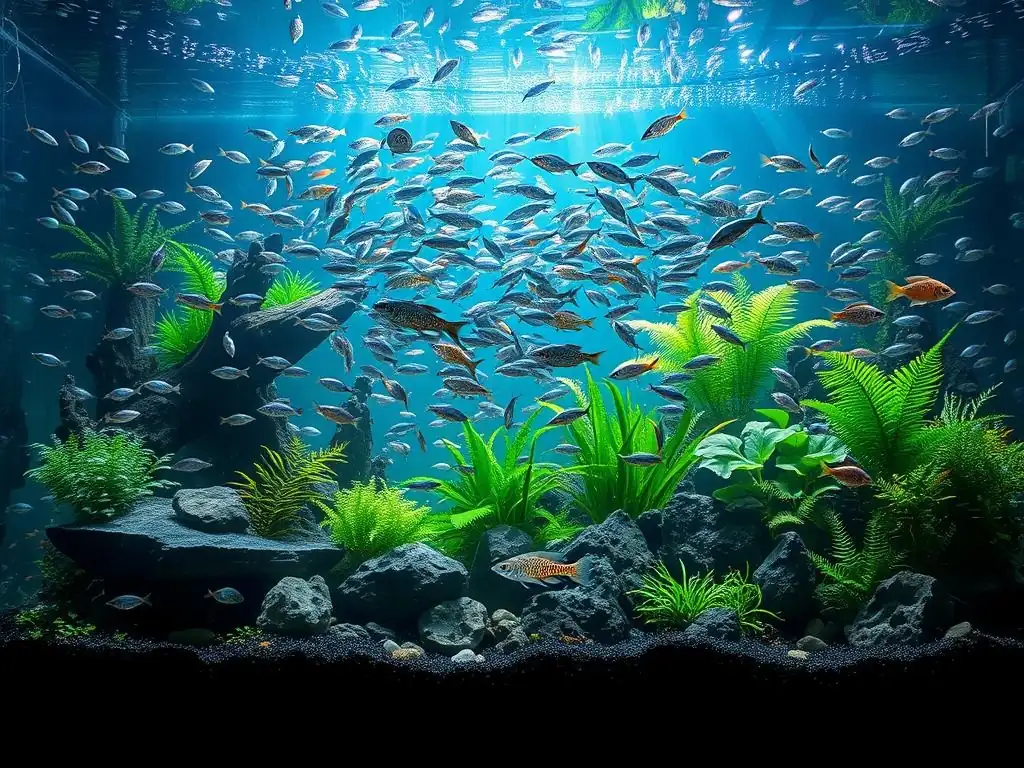
Welcome to Aquarium Mastery, your ultimate guide to thriving aquatic ecosystems!
Ever wondered how to unlock the secrets of long-term healthy tetra breeding success? Dive in! We'll explore proven strategies to keep your breeding stock vibrant and productive, ensuring generations of beautiful tetras. Curious to learn how? Let's uncover the keys to a thriving tetra family...
- Long-Term Health Strategies for Productive Neon Tetra Breeding Stock with Aquarium Mastery
- Achieving Healthy Neon Tetra Breeding Success: A Comprehensive Guide
- Understanding Neon Tetra Health for Optimal Breeding
- Optimizing the Neon Tetra Breeding Environment
- Neon Tetra Nutrition for Breeding Success and Long-Term Health
- Preventing and Managing Diseases in Neon Tetra Breeding Stock
- Long-Term Neon Tetra Breeding Strategies for Sustained Productivity
- Advanced Techniques for Enhancing Neon Tetra Breeding Success
- Maintaining a Healthy Neon Tetra Breeding Stock: Key Takeaways
-
Frequently Asked Questions
- How important is water quality for healthy tetra breeding success?
- What are the best food options to promote healthy tetra breeding success?
- What tank conditions are essential for achieving healthy tetra breeding success?
- What are the common health issues that can hinder healthy tetra breeding success?
- How does Aquarium Mastery help with achieving healthy tetra breeding success?
- Final Reflection: Cultivating a Legacy of Life
- Dive Deeper: Unleash the Full Potential of Your Tetra Breeding!
Long-Term Health Strategies for Productive Neon Tetra Breeding Stock with Aquarium Mastery
Achieving Healthy Neon Tetra Breeding Success: A Comprehensive Guide
Achieving healthy tetra breeding success with Neon Tetras requires more than just pairing a male and female; it demands a comprehensive, long-term strategy focused on the optimal health and well-being of your breeding stock. This guide from Aquarium Mastery delves into the intricate details of maintaining robust Neon Tetra breeding pairs, ensuring not only successful spawns but also the production of vigorous, healthy fry. By prioritizing environmental stability, precise nutrition, and diligent disease prevention, aquarists can cultivate a truly productive and sustainable breeding program.
True healthy tetra breeding success is measured not just by the quantity of eggs laid, but by the viability of those eggs, the survival rate of the fry, and the overall vitality of subsequent generations. This holistic approach ensures that your efforts contribute to the propagation of strong, disease-resistant Neon Tetras, enhancing the genetic health of your aquarium inhabitants for years to come.
Understanding Neon Tetra Health for Optimal Breeding
Understanding the nuanced health indicators of Neon Tetras is fundamental to establishing a productive breeding program. Selecting the right candidates and vigilantly monitoring their condition are critical steps in ensuring healthy tetra breeding success.
Identifying Healthy Neon Tetra Breeding Candidates
Selecting the right individuals is paramount for healthy tetra breeding success. Healthy Neon Tetra breeding candidates exhibit vibrant, uninterrupted coloration—their signature blue and red stripes should be intense and clear, not faded or patchy. They should also possess a full, rounded body shape, avoiding any signs of emaciation or bloating, and their fins should be fully extended, free from tears, nips, or clamping.
Beyond appearance, observe their swimming patterns; robust candidates are active, swim with purpose, and exhibit strong schooling behavior, indicating good muscle tone and overall vigor. Ideally, fish selected for breeding should be between six months and one year of age, as this period typically represents their peak fertility and physical maturity.
Furthermore, a healthy breeding candidate will have clear, bright eyes without cloudiness or sunken appearance, and their gills should be clean and lie flat against the body, showing no signs of inflammation or rapid movement. They should also demonstrate a strong appetite, eagerly accepting food during feeding times without hesitation. Avoiding individuals that appear lethargic, hide excessively, or show any subtle behavioral abnormalities is crucial, as these can be early indicators of underlying health issues that could compromise the breeding effort and the quality of the offspring.
The Importance of Genetics in Neon Tetra Breeding Stock
Genetics play a profound role in the long-term health and productivity of your Neon Tetra breeding stock, directly influencing healthy tetra breeding success. Selecting parent fish from diverse, unrelated lines, where possible, helps maintain genetic diversity within your population. This diversity is crucial for preventing inbreeding depression, which can lead to reduced fertility, weakened immune systems, increased susceptibility to diseases, and the manifestation of undesirable physical traits such as stunted growth or deformities in offspring. A robust genetic foundation contributes significantly to the vitality and resilience of future generations, ensuring they inherit strong traits for survival and reproduction.
Moreover, desirable traits like vibrant coloration, robust body conformation, and natural disease resistance are often heritable. By carefully selecting breeding pairs that consistently display these characteristics, aquarists can systematically improve the quality of their Neon Tetra line over successive generations. For instance, if you notice a particular line of fish is more prone to a common ailment like Ich, avoiding breeding from those individuals can help reduce the prevalence of that susceptibility in your future stock. This meticulous attention to genetic lineage is a cornerstone of sustainable and healthy tetra breeding success.
Recognizing Early Signs of Illness in Neon Tetra Breeding Pairs
Vigilant observation is key to recognizing early signs of illness in your Neon Tetra breeding pairs, which is critical for maintaining healthy tetra breeding success. Subtle changes in behavior are often the first indicators; this might include a loss of appetite, unusual lethargy, isolating themselves from the school, or a sudden change in swimming patterns, such as darting or rubbing against objects. Physical symptoms, though sometimes less obvious initially, can include a slight dulling of their typically vibrant colors, clamped fins held close to the body, or the development of a thin, cloudy film over their eyes or body.
Prompt identification and intervention are paramount because sick fish are stressed fish, and stress significantly impacts their ability to breed successfully, often leading to infertile spawns or compromised egg quality. Furthermore, an untreated illness in a breeding pair can quickly spread to the entire breeding tank, potentially devastating your efforts and jeopardizing your entire stock.
For example, a slight fin fraying could escalate into full-blown fin rot if not addressed, while a single fish with early signs of Ich can rapidly infest the entire tank. Therefore, daily, close inspection of your breeding pairs allows for immediate action, preventing widespread issues and protecting your investment in healthy tetra breeding success.
Optimizing the Neon Tetra Breeding Environment
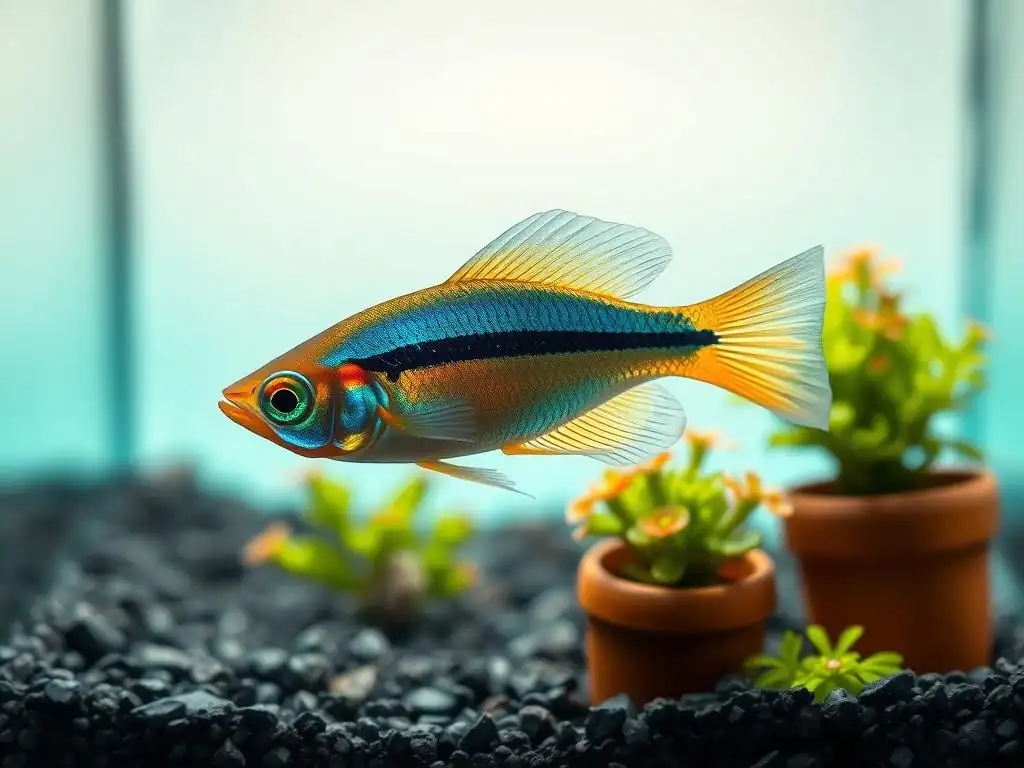
Creating an optimal breeding environment is a cornerstone of healthy tetra breeding success, directly influencing the comfort, health, and reproductive capabilities of your Neon Tetra breeding stock.
Neon Tetra Tank Setup for Enhanced Breeding Success
A dedicated breeding tank is highly recommended for enhanced healthy tetra breeding success. A 5 to 10-gallon aquarium is typically sufficient for one breeding pair or a small trio (one female, two males). This smaller volume allows for easier control of critical water parameters and facilitates the removal of parents after spawning.
The tank should be kept dimly lit, as Neon Tetras are shy spawners and prefer subdued conditions. Filtration should be minimal to protect delicate eggs and fry; a gentle sponge filter is ideal, providing biological filtration without creating strong currents that could harm the eggs or newly hatched fry.
The breeding tank should also include a heater to maintain a stable temperature, ideally between 75-78°F (24-26°C), which encourages spawning. A tight-fitting lid is essential to prevent jumping, especially during the often-vigorous spawning process. While a bare bottom is common for easy egg collection, some breeders opt for a layer of marbles or a mesh screen above the bottom to allow eggs to fall through, protecting them from parental predation. Providing ample fine-leafed plants, such as Java Moss or spawning mops, offers crucial spawning sites and a sense of security for the breeding pair.
Maintaining Pristine Water Quality for Neon Tetra Health and Breeding
Maintaining pristine water quality is non-negotiable for Neon Tetra health and, consequently, for healthy tetra breeding success. Neon Tetras thrive in soft, acidic water, mirroring their natural Amazonian habitat. Ideal parameters for breeding include a pH between 5.0 and 6.5, and very low hardness, typically 1-5 dGH (degrees of General Hardness).
Ammonia and nitrite levels must be zero, and nitrates should be kept below 10-20 ppm through regular, small water changes. Utilizing reverse osmosis (RO) water, often mixed with a small amount of dechlorinated tap water or specialized buffers, is an effective way to achieve and maintain these precise parameters.
Consistency in water parameters is as vital as the parameters themselves. Sudden fluctuations in temperature, pH, or hardness can cause significant stress to the breeding pair, inhibiting spawning and weakening their immune systems. Performing small, frequent water changes (e.g., 10-20% every other day or twice a week) with aged, temperature-matched water minimizes stress and prevents the buildup of harmful compounds. Monitoring water parameters daily with reliable test kits ensures that the environment remains optimal, directly supporting the health and reproductive vigor of your Neon Tetra breeding stock.
The Role of Water Parameters in Neon Tetra Egg Development
Specific water parameters are critically important for the successful development of Neon Tetra eggs, directly influencing healthy tetra breeding success. The very soft and acidic conditions (pH 5.0-6.5, GH 1-5 dGH) are not just preferred by the parent fish; they are essential for the viability of the eggs themselves. In harder or more alkaline water, the outer membrane of the eggs can harden prematurely, preventing successful fertilization or hindering the hatching process. Additionally, these soft, acidic conditions naturally inhibit the growth of fungus on the delicate eggs, which can rapidly destroy an entire spawn.
Furthermore, a stable temperature within the optimal range of 76-78°F (24-26°C) is crucial for the incubation period. Fluctuations outside this range can stress the developing embryos, leading to deformities, reduced hatch rates, or complete failure of the spawn. The precise ionic balance provided by soft water also supports proper cellular development within the egg. Ensuring these conditions are meticulously met provides the ideal environment for the fragile eggs to develop and hatch into healthy, viable fry, underpinning the entire process of healthy tetra breeding success.
Providing Optimal Lighting for Neon Tetra Breeding
Optimal lighting for Neon Tetra breeding is characterized by dimness and subtlety, directly supporting healthy tetra breeding success. Neon Tetras are naturally found in blackwater environments where light penetration is limited due to dense overhead canopy and dissolved organic materials. In the aquarium, replicating this subdued lighting environment helps reduce stress on the breeding pair, making them feel more secure and encouraging natural spawning behaviors. Bright, intense lighting can make them feel exposed and inhibit their willingness to spawn, often leading to a lack of activity or even hiding.
A simple low-wattage LED light on a timer, set for an 8-10 hour photoperiod, is usually sufficient. Some breeders even opt for indirect room lighting or strategically placed floating plants to further diffuse light. The aim is to create a peaceful, slightly shadowed ambiance that signals to the fish that conditions are safe for laying eggs. This controlled lighting environment also helps prevent excessive algae growth, which can compete for nutrients and potentially harbor pathogens, ensuring the overall cleanliness and health of the breeding tank.
The Importance of Substrate and Plant Choices for Neon Tetra Spawning
The choice of substrate and plants is critically important for facilitating Neon Tetra spawning and achieving healthy tetra breeding success. Neon Tetras are egg scatterers, meaning they release their adhesive eggs randomly among fine-leafed plants or other suitable surfaces. Therefore, providing dense clumps of plants like Java Moss (Taxiphyllum barbieri), Anacharis (Egeria densa), or Myriophyllum (water milfoil) is essential. These plants offer numerous surfaces for eggs to adhere to and provide crucial hiding spots and a sense of security for the often-shy breeding pair.
Alternatively, some breeders use spawning mops made from synthetic yarn, which serve a similar purpose and are easier to clean and remove. For the substrate, a bare-bottom tank is often preferred for ease of cleaning and egg collection, but if a substrate is used, it should be something that allows eggs to fall through and remain out of reach of the parents, such as a layer of glass marbles or a mesh screen placed just above the bottom.
These strategic choices in tank decor create an environment where eggs are protected from being eaten by the parents post-spawning, significantly increasing the yield and laying the foundation for healthy tetra breeding success.
Neon Tetra Nutrition for Breeding Success and Long-Term Health
Proper nutrition is a cornerstone of healthy tetra breeding success, directly influencing the vitality of the breeding stock and the quality of their offspring. A well-rounded diet prepares your Neon Tetras for the rigors of spawning and ensures their long-term well-being.
Formulating a Balanced Neon Tetra Diet for Breeding
Formulating a balanced diet for Neon Tetra breeding stock is crucial for their reproductive health and overall vitality, directly supporting healthy tetra breeding success. A high-quality diet should be rich in protein, essential fatty acids, and a broad spectrum of vitamins and minerals. Start with a premium flake food or micro-pellets specifically formulated for small tropical fish, ensuring it contains spirulina or other plant matter for digestive health. This serves as the foundational component of their daily intake, providing consistent nutrition.
Supplement this base diet with a variety of live, frozen, and freeze-dried foods to ensure a complete nutritional profile. For instance, offering live or frozen brine shrimp (Artemia salina), daphnia (Daphnia magna), and bloodworms provides critical protein and fats necessary for egg development and gonadal maturation. Feeding these varied foods several times a day in small amounts, rather than one large meal, ensures better digestion and nutrient absorption, preparing the fish optimally for spawning and maintaining their peak condition.
Live Foods for Promoting Neon Tetra Spawning
Live foods are exceptionally effective in promoting Neon Tetra spawning and are considered a vital component for healthy tetra breeding success. The natural hunting behavior stimulated by live prey, combined with their superior nutritional content, acts as a powerful conditioning agent for breeding pairs. Brine shrimp nauplii (newly hatched brine shrimp), daphnia, and micro worms are excellent choices. Brine shrimp are rich in protein and highly palatable, while daphnia provide essential fatty acids and act as natural gut cleaners. Micro worms are also highly nutritious and easily consumed by small fish.
Feeding live foods, such as newly hatched brine shrimp or microworms, two to three times a day for one to two weeks prior to introducing the pair into the breeding tank, can significantly enhance their readiness to spawn. This "conditioning" period boosts the fish's energy reserves, improves egg quality, and often triggers the final physiological cues necessary for successful reproduction. The increased protein and fat content directly translates to more viable eggs and stronger fry, solidifying the path to healthy tetra breeding success.
Supplementing Neon Tetra Diets with Vitamins and Minerals
Supplementing Neon Tetra diets with additional vitamins and minerals can play a significant role in boosting their reproductive health and ensuring long-term healthy tetra breeding success. While a high-quality, varied diet provides most necessary nutrients, targeted supplementation can address specific deficiencies and enhance overall vigor. Vitamin C, for instance, is crucial for immune function and stress reduction, both of which are vital for fish undergoing the rigors of breeding. Vitamin E is known to improve fertility and egg quality, acting as a powerful antioxidant.
Mineral supplements, often available as liquid additives or incorporated into specialized fish foods, ensure proper bone development in fry and support metabolic processes in adults. These supplements can be added to the fish's food by soaking flakes or frozen foods in a vitamin solution for a few minutes before feeding. It is important to follow dosage instructions carefully to avoid over-supplementation. This careful attention to micronutrients ensures that the breeding stock is not only healthy but also optimally prepared to produce robust, viable offspring, contributing significantly to healthy tetra breeding success.
Avoiding Overfeeding in Neon Tetra Breeding Tanks
Avoiding overfeeding is a critical yet often overlooked aspect of maintaining water quality and ensuring healthy tetra breeding success. Overfeeding leads to an accumulation of uneaten food at the bottom of the tank, which rapidly decomposes. This decomposition process releases harmful ammonia and nitrites, causing dangerous spikes in water parameters that are highly toxic to sensitive Neon Tetras and their delicate eggs and fry. Even if immediate toxicity doesn't occur, the constant presence of decaying organic matter can deplete oxygen levels and foster the growth of undesirable bacteria and fungi.
Furthermore, overfeeding can lead to digestive issues and obesity in the breeding fish themselves, reducing their overall health and reproductive capacity. Obese fish may become lethargic and less inclined to spawn, or their eggs may be of poorer quality. To prevent these issues, feed small amounts multiple times a day—only what the fish can consume entirely within two to three minutes. This strategy ensures that all food is eaten, minimizing waste and maintaining the pristine water conditions essential for both the health of the adult fish and the successful development of their offspring, ensuring sustained healthy tetra breeding success.
Preventing and Managing Diseases in Neon Tetra Breeding Stock
Disease prevention and prompt management are paramount for protecting your valuable Neon Tetra breeding stock and ensuring consistent healthy tetra breeding success. A single outbreak can devastate an entire breeding program.
Common Neon Tetra Diseases and Their Impact on Breeding
Neon Tetras are susceptible to several common diseases that can severely impact their breeding capabilities and overall health, directly hindering healthy tetra breeding success. Neon Tetra Disease (NTD), caused by the parasite Pleistophora hyphessobryconis, is particularly notorious; it is incurable and highly contagious, leading to muscle degeneration, spinal deformities, and eventually death.
If a breeding fish contracts NTD, not only is it a loss, but the parasite can potentially be transmitted to offspring or other tank mates. Ich (Ichthyophthirius multifiliis), a common protozoan parasite, manifests as white spots and, while treatable, causes significant stress, weakens fish, and can lead to secondary infections, making fish too stressed or sick to breed effectively.
Other prevalent issues include bacterial infections (e.g., fin rot, columnaris), often triggered by poor water quality or stress, and fungal infections, which commonly affect stressed or injured fish and can quickly spread to eggs, preventing hatching. Any disease outbreak in a breeding tank compromises water quality, stresses the already delicate breeding pairs, and can lead to infertile spawns, high egg mortality, or the transmission of pathogens to fry, resulting in stunted growth or deformities. Vigilance and immediate action are therefore crucial for safeguarding your breeding efforts and ensuring healthy tetra breeding success.
Quarantine Procedures for New Neon Tetra Additions
Implementing strict quarantine procedures for all new Neon Tetra additions is arguably the most critical preventative measure for maintaining healthy tetra breeding success. A dedicated quarantine tank, typically 5-10 gallons, should be set up with a heater, sponge filter, and basic decor. All new fish, regardless of their apparent health, should spend a minimum of two to four weeks in this tank before being introduced to your main breeding stock. During this period, observe them closely for any signs of illness, such as lethargy, clamped fins, spots, or unusual growths.
During quarantine, it's often advisable to proactively treat for common external parasites (e.g., with a mild salt bath or commercial antiparasitic) and internal parasites, as these can be present without visible symptoms. This preventative step ensures that no pathogens are introduced into your established, healthy breeding tanks, protecting your valuable breeding pairs from devastating outbreaks. Skipping quarantine is a common mistake that can lead to widespread disease, costing significant time, effort, and fish, thereby compromising your healthy tetra breeding success.
Natural Remedies for Neon Tetra Health
Incorporating natural remedies can be an effective way to support Neon Tetra health and reduce stress, contributing to healthy tetra breeding success without resorting to harsh chemicals. Indian Almond Leaves (Catappa leaves) are highly beneficial; when steeped in water, they release tannins and humic acids that lower pH, soften water, and possess natural antibacterial and antifungal properties.
This creates a "blackwater" environment that mimics their natural habitat, reducing stress, boosting immunity, and helping to prevent common ailments like fin rot and fungal infections on eggs. Typically, one medium leaf per 10-20 gallons can be added, replacing it every 2-3 weeks.
Another gentle approach is the judicious use of aquarium salt (non-iodized). A low concentration (e.g., 1 teaspoon per 5 gallons for a short-term bath, or 1 teaspoon per 10 gallons for tonic use) can help reduce stress, aid in gill function, and act as a mild antiseptic against external parasites and bacterial infections. While not a cure-all, these natural additives can significantly enhance the fish's natural defenses and create a more conducive environment for spawning and recovery, thereby supporting overall healthy tetra breeding success.
Medications for Treating Neon Tetra Diseases
When natural remedies are insufficient, specific medications become necessary for treating Neon Tetra diseases, although their use in a breeding tank should be approached with caution to ensure healthy tetra breeding success. It is highly recommended to treat sick fish in a separate hospital tank to avoid affecting the beneficial bacterial colony in the main breeding setup and to prevent exposing healthy fish to chemicals.
For Ich, common treatments include medications containing malachite green or formalin, often requiring a raised temperature to speed up the parasite's life cycle. Bacterial infections, such as fin rot or columnaris, may require broad-spectrum antibiotics like those containing nitrofurazone or erythromycin.
Fungal infections, which often appear as cottony growths, can be treated with antifungals like Methylene Blue. Always accurately diagnose the disease before administering medication, as incorrect treatment can worsen the condition or harm the fish. Follow dosage instructions precisely, as Neon Tetras are sensitive to chemicals. After treatment, perform several large water changes and use activated carbon to remove residual medication. While medications are powerful tools, they should be a last resort, emphasizing that proactive prevention through excellent husbandry is the best strategy for long-term healthy tetra breeding success.
Long-Term Neon Tetra Breeding Strategies for Sustained Productivity
Sustained productivity and healthy tetra breeding success hinge on strategic long-term planning, focusing on selective breeding, stock management, and meticulous record-keeping.
Implementing a Selective Breeding Program for Neon Tetras
Implementing a selective breeding program is a cornerstone of sustained healthy tetra breeding success. This involves carefully choosing which fish to breed based on desirable traits and overall health. Rather than breeding any available fish, identify individuals that exhibit the most vibrant coloration, robust body shape, excellent finnage, and, crucially, strong immunity and disease resistance. For instance, if a particular pair consistently produces offspring with superior color intensity and fewer deformities, prioritize them for future breeding.
Over generations, this systematic selection process significantly improves the genetic quality of your Neon Tetra line. It helps to consolidate desired characteristics and can even reduce the prevalence of genetic predispositions to certain diseases. Regularly culling (removing) fish that display undesirable traits or health issues from your breeding pool is also part of this process, ensuring that only the strongest and healthiest genes are passed on. This proactive approach to genetics is vital for maintaining vigor and achieving long-term healthy tetra breeding success.
Managing Neon Tetra Breeding Stock Lifespan
Managing the lifespan of your Neon Tetra breeding stock is crucial for sustained healthy tetra breeding success. While Neon Tetras can live for 5-10 years, their peak breeding productivity typically occurs between 1 and 3 years of age. During this period, they produce the highest quantity of viable eggs with the best quality. As fish age beyond this prime, their fertility often declines, egg quality may diminish, and they become more susceptible to stress and disease, which can impact offspring viability.
Therefore, a key strategy for long-term productivity involves cycling out older, less productive breeders and introducing younger, robust individuals from your selectively bred offspring. This ensures a continuous supply of genetically strong, fertile breeding pairs. For example, if you have a pair that has spawned successfully for two years, consider retiring them to a community tank and replacing them with a new, promising pair from their healthiest offspring. This systematic rotation maintains a high level of reproductive efficiency within your breeding program, directly contributing to consistent healthy tetra breeding success.
Maintaining Detailed Neon Tetra Breeding Records
Maintaining detailed Neon Tetra breeding records is an indispensable practice for achieving and sustaining healthy tetra breeding success. These records serve as a comprehensive log of your breeding efforts, allowing you to track progress, identify patterns, and troubleshoot issues effectively. Essential information to record includes the identification of parent fish (if distinguishable), spawning dates, the number of eggs laid, hatch rates, and fry survival rates at different stages (e.g., 1 week, 1 month).
Beyond numerical data, note down crucial environmental parameters at the time of spawning, such as water temperature, pH, and hardness, as well as any specific conditioning foods or techniques used. Observations on the health, behavior, and coloration of both parents and offspring should also be included. For instance, if a particular pairing consistently yields healthy, vibrant fry with a high survival rate, these records help you replicate those conditions. Conversely, if a spawn fails, the records provide clues for identifying potential causes, allowing for informed adjustments to your breeding strategy and ensuring continuous healthy tetra breeding success.
Addressing Inbreeding Concerns in Neon Tetra Populations
Addressing inbreeding concerns is vital for the long-term vitality and healthy tetra breeding success of your Neon Tetra populations. Continuous breeding from closely related individuals (e.g., siblings or parent-offspring) leads to a reduction in genetic diversity, making the population more susceptible to inbreeding depression. This can manifest as reduced fertility, smaller clutch sizes, lower hatch rates, increased susceptibility to diseases due to weakened immune systems, and the expression of undesirable recessive traits such as physical deformities (e.g., stunted growth, spinal kinks, or fin deformities).
To mitigate inbreeding, several strategies can be employed. Periodically introducing new, unrelated breeding stock from a reputable source is highly effective, provided these new additions undergo rigorous quarantine procedures. Maintaining multiple distinct breeding lines within your own facility and cross-breeding between these lines can also help introduce genetic variation. Alternatively, a systematic rotation of breeding pairs, ensuring that no single pair dominates the gene pool for too long, can help. These proactive measures are crucial for preserving the genetic health, vigor, and long-term healthy tetra breeding success of your Neon Tetra line.
Advanced Techniques for Enhancing Neon Tetra Breeding Success
Beyond the fundamentals, advanced techniques can significantly enhance Neon Tetra breeding success, leading to more frequent spawns and higher survival rates for fry.
Conditioning Neon Tetra Breeding Pairs
Conditioning Neon Tetra breeding pairs goes beyond just providing a balanced diet; it involves meticulously preparing the fish to maximize their reproductive readiness and achieve healthy tetra breeding success. One effective technique is to isolate the chosen male and female in separate tanks for several days to a week. During this period, feed them exceptionally well with high-protein live foods such as newly hatched brine shrimp, daphnia, or micro worms, several times a day. This isolation period helps to build up their energy reserves and intensify their desire to spawn when reunited.
When it's time to introduce them to the breeding tank, the change in environment, coupled with the presence of a potential mate after separation, often triggers immediate spawning behavior. Some breeders also simulate a "rainy season" by performing small, cool water changes (a few degrees lower than the tank temperature) daily during the conditioning phase, which can mimic natural environmental cues that signal ideal breeding conditions. This precise preparation dramatically increases the likelihood of a successful and robust spawn, contributing significantly to healthy tetra breeding success.
Simulating Natural Neon Tetra Breeding Environments
Simulating natural Neon Tetra breeding environments is an advanced technique that can significantly boost healthy tetra breeding success by replicating the precise conditions that trigger spawning in the wild. Neon Tetras originate from blackwater rivers in the Amazon basin, characterized by very soft, acidic water (pH typically 5.0-6.0) and subdued lighting.
Achieving this involves using reverse osmosis (RO) water, often remineralized to achieve a very low general hardness (GH below 3 dGH) and carbonate hardness (KH near 0). Peat filtration or the addition of Indian almond leaves can further lower the pH and impart the characteristic blackwater tint, which also has mild antiseptic properties.
The breeding tank should be kept in a quiet location with very dim, indirect lighting or even near darkness. The presence of dense clumps of fine-leafed plants like Java Moss or spawning mops provides essential cover and egg-laying sites, mimicking submerged vegetation. Maintaining a stable temperature within the optimal range of 76-78°F (24-26°C) throughout this process is crucial. By meticulously recreating these specific environmental cues, aquarists can reduce stress, encourage natural behaviors, and significantly increase the chances of successful fertilization and hatching, leading to greater healthy tetra breeding success.
Egg and Fry Care for Optimal Survival Rates
Optimal egg and fry care is paramount for maximizing survival rates and ensuring healthy tetra breeding success. Immediately after spawning, the parent fish should be carefully removed from the breeding tank to prevent them from eating the eggs. Neon Tetra eggs are highly light-sensitive and prone to fungal infections. Therefore, the tank should be kept in near darkness or covered to protect the eggs from light, and a very small amount of Methylene Blue can be added to the water as an antifungal agent, taking care not to overdose.
Eggs typically hatch within 24-36 hours. The newly hatched fry, known as "wigglers," will absorb their yolk sac for the first 3-5 days and do not require feeding. Once they become free-swimming, usually around day 4-5, feeding must begin immediately.
Their mouths are incredibly tiny, so initial food must be infusoria (microscopic organisms) or specialized liquid fry food. After a few days, they can transition to newly hatched brine shrimp nauplii or micro worms, which are rich in protein and essential for rapid growth. Maintaining pristine water quality through tiny, frequent water changes (e.g., 10-15% daily) and stable parameters is crucial during this fragile stage, directly impacting the number of fry that reach maturity and overall healthy tetra breeding success.
Troubleshooting Common Neon Tetra Breeding Challenges
Troubleshooting common Neon Tetra breeding challenges is an essential skill for any aquarist aiming for consistent healthy tetra breeding success. One frequent issue is the failure to spawn. If fish aren't spawning, first re-evaluate water parameters (pH, GH, temperature) to ensure they are within the optimal range and stable. Next, assess conditioning: are the fish receiving enough high-quality live foods for at least 1-2 weeks? Stress from bright lights, aggressive tank mates (if not in a dedicated breeding tank), or constant disturbances can also inhibit spawning.
Another challenge is eggs not hatching or turning white (fungus). This often points to water quality issues (too hard, too alkaline), inadequate antifungal measures, or infertile eggs. If fry are dying shortly after hatching, look at water quality again (ammonia/nitrite spikes are lethal), or insufficient initial food (they need infusoria immediately upon becoming free-swimming). By systematically checking these variables against your detailed breeding records, you can identify the root cause of the problem and make targeted adjustments, turning potential failures into valuable learning experiences that pave the way for greater healthy tetra breeding success.
Maintaining a Healthy Neon Tetra Breeding Stock: Key Takeaways
Maintaining a healthy Neon Tetra breeding stock is an ongoing commitment, with key principles guiding consistent healthy tetra breeding success.
The Importance of Proactive Neon Tetra Health Management
Proactive Neon Tetra health management is the single most important factor for sustained healthy tetra breeding success. Rather than reacting to disease outbreaks, the focus must always be on prevention. This involves a daily routine of observing your breeding stock for any subtle changes in behavior or appearance, ensuring their environment is consistently pristine with optimal water parameters, and providing a varied, highly nutritious diet. Regular, small water changes are non-negotiable for removing dissolved organic waste and maintaining stable conditions, which reduces stress and boosts the fish's natural immunity.
Furthermore, strict quarantine procedures for all new fish additions are paramount, acting as the first line of defense against introducing pathogens into your established breeding lines. By meticulously controlling these variables, you create an environment where your Neon Tetras are less susceptible to illness, more robust, and continually primed for successful reproduction. This diligent, forward-thinking approach minimizes disease risks, preserves the genetic quality of your stock, and is the true foundation for long-term healthy tetra breeding success.
Continuous Learning and Improvement in Neon Tetra Breeding
Continuous learning and improvement are indispensable for achieving and maintaining healthy tetra breeding success. The art and science of fish breeding are dynamic, and even experienced aquarists encounter new challenges. Embrace a mindset of ongoing education: research new techniques, stay updated on advancements in fish husbandry, and critically evaluate your own methods. Analyze your successes and failures through your breeding records, identifying what works well and what needs adjustment.
For instance, if a specific conditioning regimen consistently yields high-quality spawns, document it thoroughly and make it a standard practice. Conversely, if a particular water parameter adjustment leads to poor egg viability, understand why and modify your approach. Sharing experiences with other breeders and learning from their insights can also provide invaluable knowledge. This iterative process of learning, applying, observing, and refining your techniques is crucial for adapting to the specific needs of your Neon Tetra lines and continually improving your healthy tetra breeding success.
Recommended Reading and Online Resources for Neon Tetra Breeding
For those dedicated to mastering healthy tetra breeding success, a wealth of information awaits. To deepen your understanding and refine your techniques, it's highly recommended to delve into specialized literature on tropical fish breeding, particularly those focusing on characins or egg-scattering species. These resources often provide detailed insights into species-specific requirements, advanced conditioning protocols, and nuanced care for delicate fry.
Beyond published works, engaging with reputable online communities and forums dedicated to aquarium keeping and fish breeding can be incredibly beneficial. These platforms offer opportunities to connect with experienced aquarists, share challenges, and gain practical advice from diverse perspectives. Look for discussions on water chemistry, live food cultivation, and selective breeding strategies. Leveraging these resources provides a collaborative learning environment, empowering you with the knowledge and support necessary to achieve sustained healthy tetra breeding success.
Frequently Asked Questions
How important is water quality for healthy tetra breeding success?
Water quality is absolutely crucial. Poor water quality can lead to stress and disease, drastically reducing breeding success. Maintain pristine conditions through regular water changes and filtration.
What are the best food options to promote healthy tetra breeding success?
A varied diet is vital. Focus on high-quality live and frozen foods, supplemented with flake food designed for tetras. These foods provide the necessary nutrients for egg production and overall health.
What tank conditions are essential for achieving healthy tetra breeding success?
Mimic the tetras' natural environment. This includes soft, acidic water, dense vegetation (or spawning mops), and dim lighting. Stable temperatures are also key to triggering spawning.
What are the common health issues that can hinder healthy tetra breeding success?
Common issues include parasites, bacterial infections, and fungal infections. Quarantine new fish and observe for signs of illness. Early detection and treatment are essential for preventing widespread problems.
How does Aquarium Mastery help with achieving healthy tetra breeding success?
Aquarium Mastery provides detailed guides on water chemistry, species-specific needs, and troubleshooting common health problems. The site offers a comprehensive resource for understanding and addressing the challenges of tetra breeding.
Final Reflection: Cultivating a Legacy of Life
The journey into healthy tetra breeding success isn't merely about filling aquariums; it's about understanding and nurturing the delicate balance of life within a closed ecosystem. The strategies outlined, from meticulous water chemistry to optimized feeding regimens, are not just techniques, but a testament to our commitment to responsible aquarium keeping and the well-being of these captivating creatures. This commitment resonates deeply in a world increasingly aware of the interconnectedness of all living things.
This pursuit of excellence in tetra breeding has profoundly influenced my own perspective on patience and observation. Witnessing the intricate dance of courtship, the delicate hatching of fry, and the slow maturation into vibrant adults has instilled a deep respect for the natural world and the power of attentive care. In every walk with nature one receives far more than he seeks.
- John Muir. This quote encapsulates the essence of aquarium mastery; it's not just about achieving a desired outcome, but about the profound learning and personal growth that comes from engaging with life on its own terms.
Now, as you close this article, consider how these principles of mindful observation and dedicated care can extend beyond the glass walls of your aquarium. How can you apply this same level of attention and commitment to other aspects of your life, fostering growth and well-being in your own personal ecosystem? Embrace the lessons learned from the tiny tetra and cultivate a legacy of life, both within your aquarium and beyond.
Dive Deeper: Unleash the Full Potential of Your Tetra Breeding!
Thank you for exploring the world of long-term tetra health! We hope you've gained valuable insights into keeping your breeding stock thriving and productive. Now, let's put that knowledge into action!
- Start today: Implement one of the dietary improvements discussed.: See how your tetras respond to the change in just a week!
- Share your breeding success stories and challenges in the Aquarium Mastery community forum.
- Explore our advanced guide on optimizing water parameters for specific tetra species and maximizing breeding rates.
What's one small change you can make this week to significantly improve your tetras' health and breeding success?