
Parasite Patrol: Preventing External and Internal Invaders in Your Tangs

Welcome to Aquarium Mastery, your ultimate resource for all things aquarium!
Ever wondered how to keep your vibrant Tangs safe from pesky parasites? Parasite Patrol: Preventing External and Internal Invaders in Your Tangs dives deep into the world of Tang health, offering practical advice and expert tips to ensure your finned friends thrive. Discover the secrets to recognizing, treating, and, most importantly, preventing these aquatic invaders. Ready to become a Tang parasite treatment guide pro? Let's dive in!
- Introduction: Protecting Your Tangs from Parasites
- Understanding Common Tang Parasites
- Tangs Parasite Treatment Guide: Prevention Strategies
- Tangs Parasite Treatment Guide: Treatment Options
- Post-Treatment Care and Prevention
- Selecting Healthy Tangs: Before You Buy
- Conclusion: A Proactive Approach to Tang Health
-
Frequently Asked Questions
- What are some common parasites that affect Tangs in aquariums?
- What are the initial signs of a parasitic infection in my Tang?
- What are some effective treatment options for parasites in Tangs?
- How can I prevent parasitic infections in my Tangs?
- Where can I find more in-depth information on specific Tang parasites and their treatments?
- Final Reflection: Safeguarding the Health of Our Tangs
- Unleash Your Tang's True Potential!
Introduction: Protecting Your Tangs from Parasites
Why Tangs are Susceptible to Parasitic Infections
Tangs, beloved for their vibrant colors and active swimming patterns, are unfortunately highly susceptible to parasitic infections in a captive environment. This vulnerability stems from several factors, including their natural history, stress levels during collection and transport, and their often wild-caught origins.
Many tang species, such as the Yellow Tang ( Zebrasoma flavescens) or Blue Tang ( Paracanthurus hepatus), are collected from diverse coral reef ecosystems where they are constantly exposed to various pathogens. While wild fish possess robust immune systems honed by natural selection, the stress of capture, handling, shipping, and acclimation to a new aquarium significantly compromises their ability to fight off opportunistic parasites.
Furthermore, the very nature of a closed aquarium system concentrates parasites, making infection more likely once introduced. Even a single infected tang can rapidly spread parasites throughout an entire tank. Their schooling or shoaling behaviors, common in species like the Powder Blue Tang ( Acanthurus leucosternon), can also facilitate rapid transmission between individuals, turning a minor infestation into a widespread epidemic within days. This inherent susceptibility underscores why a comprehensive Tangs parasite treatment guide must heavily emphasize prevention.
Importance of Proactive Parasite Prevention in Saltwater Aquariums
Proactive parasite prevention is not merely a recommendation but a critical necessity for the long-term health and survival of tangs in saltwater aquariums. Treating parasitic infections once they manifest in a display tank is notoriously difficult, stressful for the fish, and often requires harsh medications that can harm beneficial bacteria, corals, and invertebrates. The financial investment in tangs can also be substantial, with popular species like the Achilles Tang ( Acanthurus achilles) often costing upwards of $200-$300, making their loss due to preventable parasites a significant blow to aquarists.
Moreover, the impact of parasitic outbreaks extends beyond the immediate casualties. Survivors often suffer from weakened immune systems, making them vulnerable to secondary bacterial infections or chronic health issues. A well-implemented Tangs parasite treatment guide focuses on preventing the introduction and proliferation of parasites through stringent quarantine protocols and optimal husbandry. This proactive stance not only saves lives and avoids costly treatments but also ensures a stable, thriving ecosystem for all inhabitants, reflecting responsible aquarium keeping practices.
Understanding Common Tang Parasites
External Parasites Affecting Tangs: Identification and Symptoms
External parasites are a common scourge in saltwater aquariums, particularly for tangs, which seem to attract them with unfortunate efficiency. These parasites attach to the fish's skin, fins, and gills, feeding on their tissues and blood. Early identification is crucial for effective intervention, as many external parasites can multiply rapidly and overwhelm a fish's immune system, leading to severe stress, secondary infections, and ultimately, death.
Symptoms often include visible spots or lesions, changes in coloration, erratic swimming, flashing (rubbing against tank decor), labored breathing, and clamped fins. A thorough Tangs parasite treatment guide begins with understanding these visual cues and behavioral changes. Prompt recognition allows aquarists to isolate affected fish and initiate targeted treatments before the entire aquarium is compromised, highlighting the importance of daily observation.
Marine Ich (White Spot Disease) in Tangs: Recognizing Cryptocaryon irritans
Marine Ich, caused by the ciliate Cryptocaryon irritans, is arguably the most common and feared external parasite in saltwater aquariums, and tangs are particularly susceptible. It manifests as small, white spots, resembling grains of salt, typically 0.5-1.0 mm in diameter, appearing on the fish's body, fins, and sometimes gills. These spots are the visible trophonts (feeding stage) embedded in the fish's skin. Infected tangs often exhibit classic symptoms such as rapid breathing, flashing against rocks or substrate to dislodge the parasites, clamped fins, and a dulling of their vibrant coloration.
The life cycle of Cryptocaryon irritans is complex, involving free-swimming infective stages (theronts) that seek out a host, a feeding stage (trophont) on the fish, and a reproductive stage (tomont) that encysts on the substrate before releasing new theronts. This cycle can complete in as little as 3-7 days at typical aquarium temperatures (around 78-80°F or 25-27°C), meaning an infestation can escalate rapidly. Due to its resilience and ability to multiply quickly, Cryptocaryon requires a comprehensive approach within any effective Tangs parasite treatment guide, often involving fallowing the display tank or treating fish in a separate quarantine system.
Velvet Disease (Amyloodinium) in Tangs: A Deadly Threat
Velvet Disease, caused by the dinoflagellate Amyloodinium ocellatum, is another highly virulent and rapidly fatal external parasite that frequently afflicts tangs. Unlike the distinct white spots of Ich, Velvet typically presents as a fine, dusty, yellowish-gold or brownish film covering the fish's body, which can be challenging to see without direct lighting. The parasitic cells are much smaller than Ich trophonts, giving the fish a "sugared" or "velvety" appearance. Infected tangs often show severe respiratory distress, rapid gill movements, lethargy, loss of appetite, and extreme flashing.
Amyloodinium has an even faster life cycle than Cryptocaryon, capable of completing in just 2-4 days, making it incredibly dangerous. Its highly infective free-swimming stage (dinospores) can quickly overwhelm gills, leading to suffocation. The mortality rate for Velvet disease is exceptionally high, often reaching 90-100% in untreated tanks within days of onset, especially in tangs whose gills are highly susceptible. Immediate and aggressive treatment is paramount when Velvet is suspected, making it a critical focus for any comprehensive Tangs parasite treatment guide.
Black Spot Disease (Turbellarian Worms) on Tangs
Black Spot Disease, while less common than Ich or Velvet, is a distinct external parasitic condition primarily affecting tangs, particularly Yellow Tangs. It is caused by a type of marine turbellarian flatworm, typically Paravortex species. As the name suggests, the defining symptom is the appearance of small, distinct black spots, usually 1-2 mm in diameter, scattered across the fish's body and fins. These black spots are actually the fish's melanophores (pigment cells) migrating to surround and encapsulate the invading worm, a host immune response to wall off the parasite.
While generally not as immediately fatal as Ich or Velvet, heavy infestations can cause irritation, stress, and secondary bacterial infections. Affected tangs may flash, exhibit lethargy, or show a general decline in health. The worms themselves are typically introduced via live rock or corals. Effective removal often involves a combination of freshwater dips to dislodge the worms and the removal of the host (snails, often Nassarius snails, or other invertebrates) from the display tank that the worms use as an intermediate host. This specific challenge highlights the need for a diverse approach in any robust Tangs parasite treatment guide.
Identifying Other External Parasites on Tangs: Flukes (Monogeneans) and Copepods
Beyond the more common Ich and Velvet, tangs can also be affected by other external parasites, including flukes (Monogeneans) and various copepod species. Flukes are small, flattened worms that attach to the skin and gills using hooks. They are often microscopic but severe infestations can cause visible slime coat production, flashing, labored breathing, and pale gills. Some species, like Neobenedenia, can be seen with the naked eye as tiny, translucent specks. Unlike Ich or Velvet, flukes often have a direct life cycle, meaning they don't require an intermediate host, and can reproduce rapidly on the fish.
Copepods, such as Caligus or Argulus (fish lice), are crustaceans that attach to the fish's body and feed on blood and tissue. They are typically larger than other parasites, often visible as small, oval-shaped, or elongated objects clinging to the fish. Infested tangs may develop red sores at the attachment sites, exhibit erratic swimming, or become emaciated.
While less common in home aquariums than Ich or Velvet, their presence indicates a need for a targeted Tangs parasite treatment guide that considers a broader spectrum of potential invaders. Regular close inspection of tangs is key to identifying these less obvious threats.
Internal Parasites in Tangs: Signs and Detection
Internal parasites, though often harder to detect than their external counterparts, can be just as, if not more, devastating to tangs. These invaders reside within the fish's digestive tract, organs, or bloodstream, silently siphoning nutrients and damaging tissues. Because symptoms are often non-specific and can mimic other diseases (e.g., bacterial infections or malnutrition), diagnosis can be challenging and often requires keen observation and sometimes even microscopic examination of fecal samples.
The insidious nature of internal parasites means that by the time overt symptoms appear, the infection may be advanced. A comprehensive Tangs parasite treatment guide must educate aquarists on the subtle signs of internal parasitic infections, which often include chronic weight loss despite eating, abnormal feces, lethargy, and a general "wasting away" appearance. Early detection, though difficult, can significantly improve the chances of successful treatment and prevent the spread to other tank inhabitants.
Intestinal Worms in Tangs: Recognizing Symptoms and Impact
Intestinal worms, primarily nematodes (roundworms) and cestodes (tapeworms), are common internal parasites found in wild-caught tangs. These worms inhabit the digestive tract, competing with the fish for nutrients and causing internal damage. A tang heavily infested with intestinal worms may exhibit a range of symptoms, most notably significant weight loss or emaciation despite maintaining a good appetite. The fish may appear "pinched" or have a sunken belly, indicating a severe depletion of fat reserves.
Another classic sign is abnormal feces: long, stringy, white, or clear fecal strands, sometimes appearing segmented if tapeworms are present. This indicates that the fish is not properly digesting its food or that the worms themselves are being passed. Other symptoms can include lethargy, faded coloration, or a general failure to thrive. While not always immediately fatal, chronic worm infestations weaken the tang's immune system, making it susceptible to other diseases. Effective internal Tangs parasite treatment guide protocols often involve medicated foods containing anthelmintics.
Flagellates and Protozoans: Internal Parasitic Infections in Tangs
Flagellates and other protozoans are microscopic, single-celled organisms that can cause severe internal infections in tangs, particularly when fish are stressed or have compromised immune systems. Hexamita and Spironucleus are two common genera of flagellates that cause "Hole-in-the-Head" disease (lateral line erosion) and intestinal issues, respectively. While Hole-in-the-Head is often linked to nutritional deficiencies and poor water quality, internal flagellates are frequently a contributing factor, manifesting as pitting or lesions along the lateral line and on the head.
Intestinal flagellates, like Spironucleus, cause symptoms similar to intestinal worms: chronic emaciation, loss of appetite, and stringy, white feces. They damage the intestinal lining, impairing nutrient absorption. These protozoans are often present in wild-caught fish in low numbers but proliferate rapidly under stress. Treatment typically involves medicated foods or bath treatments with antiprotozoal medications like Metronidazole, highlighting a crucial component of any comprehensive Tangs parasite treatment guide focused on internal health.
Tangs Parasite Treatment Guide: Prevention Strategies
Quarantine Tank Setup for New Tangs: A Crucial First Step
The single most effective strategy in any Tangs parasite treatment guide is the establishment and diligent use of a quarantine tank (QT) for all new arrivals. This dedicated system serves as a prophylactic measure, preventing the introduction of parasites and diseases into your established display tank, where treatment can be far more challenging and detrimental to corals and invertebrates. Skipping quarantine is a gamble that almost invariably leads to outbreaks, especially with tangs known for their susceptibility.
A proper quarantine protocol allows new tangs to acclimate to captivity in a controlled, fish-only environment where they can be observed for signs of stress or illness. During this period, preventative treatments can be administered without risking the main ecosystem. This crucial first step ensures that only healthy, parasite-free tangs are introduced, safeguarding the entire aquatic community and saving considerable time, effort, and money in the long run.
Setting up a Quarantine Tank: Size, Equipment, and Filtration
Setting up an effective quarantine tank requires careful planning and the right equipment to ensure it can support new tangs comfortably for several weeks. For most tangs, a QT of at least 20-40 gallons is recommended, providing ample swimming space and minimizing stress. Larger species, like adult Achilles or Sohal Tangs, may require 50 gallons or more. The tank should be bare-bottom to facilitate easy cleaning and observation of waste or parasites.
Essential equipment includes a reliable heater to maintain stable temperatures (e.g., 78-80°F), a small power filter or sponge filter for mechanical and biological filtration (avoiding activated carbon if medications will be used), and an air stone for oxygenation. A PVC pipe or two can provide simple hiding spots, reducing stress. Lighting should be dim or optional, as bright lights can stress newly arrived fish.
Having a refractometer for precise salinity measurement and a test kit for ammonia, nitrite, and nitrate is vital for monitoring water parameters throughout the quarantine period. This detailed setup forms the foundation of any practical Tangs parasite treatment guide.
The Quarantine Process: Observation and Treatment Protocols
The quarantine process typically lasts 4-8 weeks, though some aquarists extend it to 10-12 weeks for maximum safety. Upon arrival, new tangs should be slowly acclimated to the QT water parameters. For the first week, focus on observation: look for flashing, labored breathing, visible spots, or abnormal behavior.
During this initial phase, many aquarists opt for a prophylactic treatment regimen. A common protocol in a comprehensive Tangs parasite treatment guide is to start with a copper-based medication (e.g., Copper Power, Coppersafe) maintained at a therapeutic level (e.g., 0.5-0.75 ppm) for 3-4 weeks to eradicate external parasites like Ich and Velvet.
Simultaneously, internal parasite treatments can be administered via medicated foods (e.g., containing Metronidazole for flagellates and Praziquantel for worms). After the primary treatment phase, monitor the tangs for another 2-4 weeks to ensure no signs of illness reappear. Regular water changes (25-50% weekly) are crucial during quarantine to maintain water quality, especially with medications or increased bioload. Only after this rigorous observation and treatment period, with no visible signs of disease for at least two weeks, should the tangs be slowly acclimated to the main display tank.
Maintaining Optimal Water Quality: A Key to Parasite Prevention
While quarantine is the first line of defense, maintaining pristine water quality in the display tank is an ongoing, vital component of any effective Tangs parasite treatment guide. Poor water conditions create a stressful environment for tangs, suppressing their immune systems and making them highly vulnerable to opportunistic parasitic infections that might already be present in low numbers or introduced inadvertently. Stable and appropriate water parameters are not just about fish comfort; they are fundamental to disease prevention.
Fluctuations in temperature, salinity, or pH can cause significant physiological stress, diverting energy from immune function to maintaining homeostasis. Elevated levels of ammonia, nitrite, or nitrate act as chronic stressors and toxins, directly damaging gill tissues and making them more susceptible to parasitic invasion. Therefore, diligent monitoring and meticulous maintenance of water quality are continuous, non-negotiable practices for safeguarding tang health and preventing parasite outbreaks.
Water Parameters for Tangs: Temperature, Salinity, pH, and Alkalinity
Maintaining specific and stable water parameters is paramount for tang health and parasite resistance. For most common tang species, a stable temperature range of 76-80°F (24.4-26.7°C) is ideal; fluctuations of more than 1-2 degrees within 24 hours should be avoided. Salinity should be kept constant, typically between 1.023 and 1.026 specific gravity (32-35 ppt). While tangs can tolerate a slightly lower salinity (e.g., 1.020), consistency is more important than the exact number within the healthy range.
pH levels should be maintained between 8.1 and 8.4, with minimal daily swings. Alkalinity (dKH) is crucial for buffering pH, ideally kept between 8-12 dKH. Consistent levels of calcium (400-450 ppm) and magnesium (1200-1350 ppm) also contribute to overall water stability and coral health, indirectly benefiting fish by supporting a healthy ecosystem. Regular testing, at least weekly, using reliable test kits is essential to monitor these parameters and make timely adjustments, forming a core practice in any proactive Tangs parasite treatment guide.
Regular Water Changes: Diluting Parasite Load and Maintaining Stability
Regular water changes are an indispensable practice for maintaining optimal water quality and play a direct role in parasite prevention. While filtration systems remove waste, water changes physically remove dissolved organic compounds, nitrates, and other pollutants that accumulate over time. For an average saltwater aquarium with tangs, a 10-20% weekly water change is a common recommendation, though this can vary based on stocking density and feeding habits.
Beyond removing pollutants, water changes also serve to dilute the concentration of free-swimming parasite stages (e.g., Cryptocaryon theronts or Amyloodinium dinospores) in the water column. While not a cure for an active outbreak, consistent water changes reduce the overall parasite load, lessening the chances of a full-blown infestation and easing the burden on the tangs' immune systems. This simple yet effective measure is a cornerstone of any preventative Tangs parasite treatment guide, ensuring a cleaner, healthier environment.
The Nitrogen Cycle and its Role in Parasite Control
A fully established and functional nitrogen cycle is fundamental to maintaining a healthy saltwater aquarium and indirectly, to preventing parasitic outbreaks. The nitrogen cycle is the biological process where beneficial bacteria convert toxic ammonia (from fish waste and uneaten food) into less toxic nitrite, and then into even less toxic nitrate. Ammonia and nitrite are highly lethal to fish, even in small concentrations, directly damaging gill tissues and impairing oxygen uptake.
When the nitrogen cycle is disrupted or incomplete, ammonia and nitrite accumulate, causing severe stress to tangs. This chronic stress significantly weakens their immune systems, making them highly susceptible to any opportunistic parasites present in the tank. A stable nitrogen cycle ensures that these toxins are quickly neutralized, creating a low-stress environment where tangs can allocate their energy to immune function rather than detoxification. Therefore, understanding and maintaining the nitrogen cycle is a foundational element in any comprehensive Tangs parasite treatment guide.
Nutritional Support for a Healthy Immune System
Beyond pristine water quality, providing optimal nutrition is a critical yet often overlooked aspect of parasite prevention for tangs. A well-fed tang with a robust immune system is far better equipped to resist parasitic infections or recover from them than a malnourished one. Tangs are primarily herbivores, and their specific dietary needs must be met to ensure their vitality.
Malnutrition can lead to various health issues, including weakened immune responses, poor growth, and susceptibility to a host of diseases, including parasitic infestations. A comprehensive Tangs parasite treatment guide emphasizes that diet is not just about survival, but about thriving, which directly translates to disease resistance. Ensuring a varied, balanced, and species-appropriate diet is a proactive step that strengthens their natural defenses.
Providing a Varied and Balanced Diet for Tangs
Tangs, being primarily herbivorous, require a diet rich in marine-based algae and plant matter. Relying solely on flake or pellet foods, even high-quality ones, is often insufficient. A varied diet should include high-quality dried marine algae sheets (e.g., Nori, spirulina), fed daily or every other day, attached to a veggie clip. Different types of Nori (green, red, brown) offer varying nutrient profiles.
In addition to algae, offer high-quality frozen foods like spirulina brine shrimp, mysis shrimp, and various herbivore-specific formulas. Small amounts of meaty foods can be offered occasionally, but their primary diet should remain plant-based. Overfeeding should be avoided as it contributes to poor water quality. A diverse diet ensures tangs receive a full spectrum of vitamins, minerals, and amino acids necessary for strong immune function, making this a cornerstone of any preventative Tangs parasite treatment guide.
Supplementing with Vitamins and Minerals to Boost Immunity
Even with a varied diet, supplementing tangs' food with essential vitamins and minerals can further boost their immune systems and enhance their resilience against parasites. Vitamin C, for instance, is a crucial antioxidant and immune modulator that fish cannot synthesize on their own. Regular supplementation of vitamin C, either through vitamin-enriched frozen foods or by soaking dry foods in liquid vitamin supplements (e.g., Selcon, Vita-Chem), can significantly enhance a tang's ability to fight off infections.
Other important supplements include B vitamins, which are vital for metabolism and nerve function, and various trace elements. While some trace elements are replenished through water changes, direct supplementation via food ensures adequate intake. Always follow manufacturer instructions for dosing. This targeted nutritional support acts as an additional layer of defense, making the tangs less hospitable hosts for parasites and an integral part of a proactive Tangs parasite treatment guide.
Algae Grazing: Supporting Natural Immunity in Tangs
For many tang species, particularly those from the genera Zebrasoma and Acanthurus, natural algae grazing in the aquarium plays a significant role in their overall health and immunity. These fish are adapted to constantly graze on benthic microalgae and diatoms found on live rock and tank surfaces. This continuous foraging behavior, mimicking their natural environment, provides not only essential nutrients but also helps maintain a healthy digestive system.
Live rock, with its diverse microfauna and algal growth, offers an invaluable natural food source that supplements prepared foods. While not a substitute for a balanced diet, the act of grazing itself reduces stress and promotes natural behaviors, both of which contribute to a stronger immune response. A tank with ample live rock and stable conditions that encourage beneficial algae growth provides a more holistic environment, enhancing the tangs' natural defenses and forming an often-underestimated aspect of a comprehensive Tangs parasite treatment guide.
Proactive Observation and Early Detection
Even with the most rigorous prevention strategies, parasites can sometimes find their way into a display tank. Therefore, proactive observation and the ability to detect subtle changes in tang behavior or appearance are absolutely critical for early intervention. The faster an issue is identified, the higher the chances of successful treatment and minimizing the impact on other tank inhabitants. This constant vigilance is a cornerstone of responsible aquarium keeping and a vital element of any practical Tangs parasite treatment guide.
Daily, close inspection of your tangs allows you to establish a baseline of their normal appearance and behavior. Any deviation from this baseline should trigger further investigation. Early detection often means the difference between a minor issue that can be easily resolved and a full-blown outbreak that devastates your entire fish population, emphasizing the value of attentiveness.
Daily Inspection of Tangs: Looking for Signs of Parasites
Make it a daily habit to spend a few minutes observing your tangs closely. Look for any visible signs of external parasites:
- White spots: Grains of salt-like specks ( Cryptocaryon irritans).
- Gold/dusty film: A fine, shimmering coating ( Amyloodinium ocellatum).
- Black spots: Small, distinct black dots ( Paravortex turbellarian worms).
- Red sores or lesions: Possible attachment points of larger parasites or secondary infections.
- Excessive slime coat: A cloudy or thick appearance to the skin.
- Clamped fins: Fins held close to the body, indicating discomfort.
- Rapid or labored breathing: Gills moving quickly or gasping at the surface.
Also, examine their eyes for cloudiness, their fins for fraying, and their overall body for any unusual growths or discolorations. This systematic visual check is the first line of defense in any effective Tangs parasite treatment guide.
Recognizing Subtle Changes in Behavior: Eating Habits, Swimming Patterns
Beyond visible symptoms, subtle changes in a tang's behavior are often the earliest indicators of an underlying health issue, including parasitic infections. Pay close attention to their eating habits: a sudden decrease in appetite, refusal to eat, or spitting out food are significant red flags. While a healthy tang is typically a voracious eater, a tang suffering from internal parasites might eat voraciously but fail to gain weight, leading to emaciation.
Observe their swimming patterns: are they lethargic, hiding more than usual, or swimming erratically? Persistent flashing (rubbing against rocks or substrate) or "shimmying" (a rapid shaking motion while hovering) are classic signs of irritation from external parasites. A tang that isolates itself from the group, exhibits unusual aggression, or constantly stays near the surface or bottom of the tank without reason warrants immediate attention. Documenting these changes can help diagnose the problem quickly and inform the necessary steps in a Tangs parasite treatment guide.
Tangs Parasite Treatment Guide: Treatment Options
Freshwater Dips for Tangs: A Temporary Relief Method
Freshwater dips are a common first-line treatment for tangs showing signs of external parasites, particularly Marine Ich ( Cryptocaryon irritans) and Velvet ( Amyloodinium ocellatum). This method works on the principle of osmotic shock: saltwater parasites, when suddenly exposed to freshwater, rapidly absorb water due to the drastic difference in salinity, causing their cells to swell and burst. While not a standalone cure, it can provide immediate, temporary relief and dislodge a significant number of parasites from the fish's body and gills.
Freshwater dips are particularly useful for reducing the parasite load on a heavily infected tang, buying time while a more comprehensive treatment plan (e.g., in a quarantine tank) is prepared. They are also effective for removing certain external worms like flukes or turbellarians. This rapid, non-medicinal approach is a valuable tool in a comprehensive Tangs parasite treatment guide, especially when quick action is needed to alleviate severe distress in an infected fish.
How to Perform a Freshwater Dip Safely and Effectively
Performing a freshwater dip requires careful preparation to minimize stress and maximize effectiveness. First, prepare a separate container (e.g., a clean 5-gallon bucket) with dechlorinated freshwater (RO/DI water is best) that matches the temperature and pH of your display tank water as closely as possible. It is crucial that the freshwater is fully dechlorinated using a reputable water conditioner. The temperature match should be within 1-2 degrees Fahrenheit to prevent thermal shock.
Gently net the tang from the display tank and immerse it fully in the freshwater container. Observe the fish closely during the dip; it may initially show signs of stress like rapid breathing or lying on its side. The duration of the dip is critical: typically, 3-5 minutes is sufficient for most tangs, though some can tolerate up to 10 minutes if they show no severe distress.
Remove the fish immediately if it shows extreme signs of stress, such as gasping, rolling over, or thrashing violently. After the dip, gently return the tang to a quarantine tank for further observation or treatment. This precise procedure is a key part of any Tangs parasite treatment guide that includes immediate relief measures.
Precautions and Considerations for Freshwater Dips
While freshwater dips can be effective, they are also inherently stressful for tangs and must be performed with caution. Never perform a freshwater dip on a tang that is already severely weakened, emaciated, or showing extreme signs of stress, as it may not survive the procedure. Always ensure the freshwater is properly dechlorinated and temperature-matched to prevent additional shock. Using a small air stone in the dip container can also help provide oxygen during the procedure, especially for longer dips.
It's important to understand that a freshwater dip only removes parasites directly on the fish at that moment; it does not kill the free-swimming stages or those encysted in the substrate of the main tank. Therefore, a dip is a temporary measure, not a cure for an ongoing infestation in the display tank. It should always be followed by a more comprehensive treatment in a quarantine tank, such as copper or hyposalinity, as detailed in a complete Tangs parasite treatment guide. Repeated dips are generally not recommended unless absolutely necessary, due to cumulative stress.
Copper-Based Medications: Use with Caution
Copper-based medications have historically been, and largely remain, one of the most effective and widely used treatments for external parasites like Marine Ich ( Cryptocaryon irritans) and Velvet ( Amyloodinium ocellatum) in fish-only saltwater aquariums. Copper works by interfering with the metabolic processes of these parasites, particularly their ability to absorb nutrients and regulate osmotic balance. It is highly effective at killing the free-swimming stages (theronts/dinospores) and the trophonts on the fish.
However, copper is also highly toxic to invertebrates (corals, anemones, snails, crabs, shrimp) and beneficial bacteria, meaning it can only be safely used in a dedicated quarantine or hospital tank, never in a reef or display tank with sensitive organisms. Its narrow therapeutic window also necessitates careful dosing and constant monitoring, making it a treatment that requires precision and knowledge. A comprehensive Tangs parasite treatment guide will always emphasize the "use with caution" aspect of copper.
Understanding the Risks and Benefits of Copper Treatment
The primary benefit of copper treatment is its high efficacy against common external parasites that plague tangs. When maintained at the correct therapeutic concentration, copper can eradicate Cryptocaryon irritans and Amyloodinium ocellatum within a few weeks, effectively breaking their life cycles. For fish-only systems or quarantine tanks, it offers a reliable solution where other methods might fail or be too slow.
However, the risks are significant. Copper is a heavy metal that can be toxic to fish if overdosed, leading to organ damage and death. It readily precipitates out of solution and binds to substrate, rock, and even silicone, making it difficult to maintain stable levels and potentially leaching back into the water later.
Furthermore, it irreversibly contaminates tanks and equipment, making them unsuitable for invertebrates in the future without extensive remediation. Its impact on beneficial bacteria can also lead to ammonia spikes. Therefore, a Tangs parasite treatment guide must stress the importance of understanding these trade-offs before initiating copper treatment.
Proper Dosage and Monitoring During Copper Treatment
Successful copper treatment hinges on precise dosing and consistent monitoring of the copper concentration in the water. Different copper medications (e.g., chelated copper like Copper Power or ionic copper like Cupramine) have different recommended therapeutic ranges, but a common target for Ich and Velvet is typically 0.25-0.75 ppm, depending on the product. It is absolutely essential to use a reliable copper test kit (e.g., Hanna Checker or API Copper Test Kit) and test the water at least once or twice daily, adjusting the dose as needed.
Never rely on guesswork or initial dosing instructions alone, as copper levels can fluctuate rapidly. The treatment should be maintained at the therapeutic level for a minimum of 14-21 days to ensure all life stages of the parasite are eradicated, as outlined in a robust Tangs parasite treatment guide. During treatment, monitor fish closely for signs of stress or adverse reactions, and be prepared to perform water changes if levels become too high. Carbon filtration should be removed, as it will adsorb copper.
Hyposalinity Treatment: Lowering Salinity to Combat Parasites
Hyposalinity, the practice of gradually lowering the salinity of the aquarium water, is another effective treatment method for external parasites like Marine Ich ( Cryptocaryon irritans) and Velvet ( Amyloodinium ocellatum). Similar to freshwater dips, hyposalinity works by disrupting the osmotic balance of these saltwater parasites. By reducing the external salinity, water rushes into the parasite's cells, causing them to burst and die. This method is particularly appealing as it avoids the use of harsh chemicals like copper, making it safer for certain fish species and less contaminating for equipment.
However, hyposalinity requires extreme precision and constant monitoring to be effective and safe for the fish. The target salinity must be low enough to kill the parasites but not so low as to cause undue stress or harm to the fish themselves. It is a long-term treatment, typically lasting several weeks, and should only be performed in a dedicated fish-only quarantine or hospital tank, never in a reef tank containing corals or invertebrates, which cannot tolerate low salinity. A detailed Tangs parasite treatment guide will provide specific steps for successful implementation.
Implementing Hyposalinity: Step-by-Step Guide
Implementing hyposalinity correctly is a meticulous process that requires patience and precision. First, transfer the infected tangs to a bare-bottom quarantine tank. Over a period of 24-48 hours, gradually lower the salinity by performing small, frequent water changes with dechlorinated freshwater. The target specific gravity for Cryptocaryon and Amyloodinium eradication is typically 1.008-1.009 (approximately 12-13 ppt). It is crucial to use a calibrated refractometer for accurate measurements; hydrometers are often unreliable at these low salinities.
Maintain the temperature at 76-78°F (24.4-25.6°C) and ensure excellent aeration, as lower salinity reduces the water's oxygen-carrying capacity. The fish should remain at this low salinity for a minimum of 4-6 weeks to ensure all parasite life stages are eradicated. Any fluctuations above the target can allow parasites to recover. After the treatment period, gradually raise the salinity back to normal levels over several days, preparing the tangs for reintroduction to the main display tank. This detailed methodology is a core component of a thorough Tangs parasite treatment guide.
Monitoring and Adjusting Salinity Levels
Constant and accurate monitoring of salinity is the most critical aspect of successful hyposalinity treatment. Daily, and sometimes twice daily, measurements using a calibrated refractometer are essential to ensure the specific gravity remains precisely within the therapeutic range of 1.008-1.009. Even slight increases in salinity can allow parasites to survive and reproduce, rendering the treatment ineffective.
If the salinity rises (due to evaporation), carefully add small amounts of dechlorinated freshwater to bring it back down. If it drops too low, a small water change with slightly higher salinity water can correct it. It's vital to make adjustments slowly to avoid shocking the fish. Throughout the treatment, continue to monitor the tangs for any signs of stress. Maintaining stable temperature and high oxygen levels is also paramount, as fish are more vulnerable under hyposalinity conditions. This rigorous attention to detail is what defines an effective Tangs parasite treatment guide using this method.
Herbal and Natural Remedies: Garlic and Other Treatments
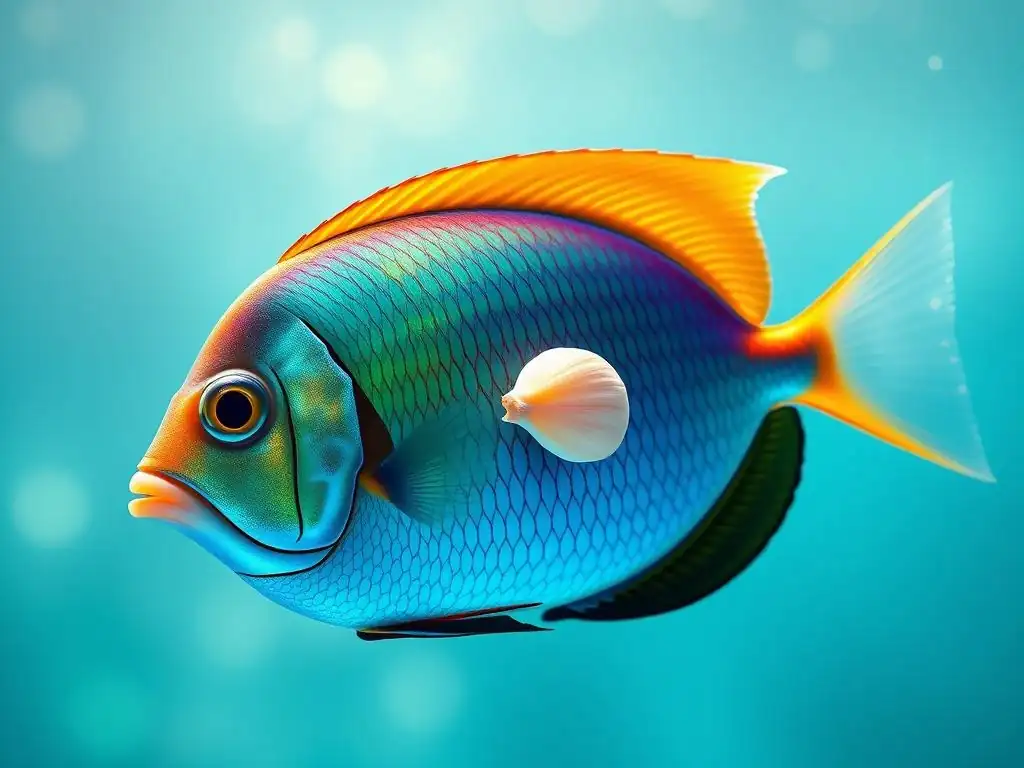
The appeal of herbal and natural remedies for treating fish parasites, especially in reef aquariums where traditional medications are harmful, is understandable. Garlic, in particular, has gained popularity for its supposed immune-boosting and antiparasitic properties. Some aquarists use garlic extracts or soak foods in garlic juice, believing it deters parasites or makes fish less appealing to them. Other natural approaches include various plant extracts or probiotics.
While these methods are generally considered safe for reef tanks and their inhabitants, their efficacy against established, virulent parasitic infections like Marine Ich or Velvet is highly debated and often unproven by scientific studies. They may offer some preventative benefits by boosting a fish's immune system, but they are rarely sufficient as a standalone Tangs parasite treatment guide for an active outbreak. Aquarists should approach these remedies with realistic expectations and be prepared to use more aggressive, proven treatments if a serious infection arises.
Effectiveness of Natural Remedies for Tang Parasite Treatment
The scientific evidence supporting the effectiveness of natural remedies, such as garlic, as a direct treatment for active parasitic infections in tangs is largely anecdotal or inconclusive. While garlic does contain compounds like allicin, which have antimicrobial properties, its concentration and stability in aquarium water or when ingested by fish are often insufficient to kill widespread parasitic infestations like Cryptocaryon or Amyloodinium. Some studies suggest garlic may enhance appetite or provide a mild immune boost, potentially helping a fish resist initial infection or recover, but it does not reliably eradicate established populations of parasites.
Similarly, other "natural" products often contain ingredients whose active compounds are either too weak, too unstable, or not present in therapeutic concentrations to effectively combat a severe parasitic outbreak. Relying solely on these remedies when dealing with a deadly parasite like Velvet can lead to rapid fish loss. Therefore, while natural remedies might serve as a preventative supplement, they should not be considered primary treatments in a comprehensive Tangs parasite treatment guide when dealing with a confirmed parasitic disease.
Combining Natural Remedies with Other Treatment Methods
Given their limited standalone efficacy against severe parasitic outbreaks, natural remedies like garlic are best considered as adjuncts or preventative measures, rather than primary treatments. They can be safely combined with more proven methods, such as copper treatment or hyposalinity, when the fish is in a fish-only quarantine tank. For example, soaking food in garlic extract during a copper treatment might help stimulate appetite and further support the tang's immune system, potentially aiding in recovery.
In a display tank where chemical treatments are not feasible, natural remedies might be employed as part of a long-term strategy to bolster fish health and make them more resilient, alongside rigorous water quality management and proper nutrition. However, it's crucial to understand their role is supportive, not curative. A responsible Tangs parasite treatment guide will advise that for active, life-threatening parasitic infections, proven medical interventions in a hospital tank remain the most reliable course of action, with natural remedies playing a secondary, complementary role.
Importance of Treating the Entire Tank
When an external parasite outbreak occurs in a display tank, it is critically important to understand that the parasites are not just on the fish; they are in the entire water column and encysted within the substrate and on decor. This is particularly true for parasites with complex life cycles like Marine Ich ( Cryptocaryon irritans) and Velvet ( Amyloodinium ocellatum). Treating only the fish, or only some of the fish, will inevitably lead to re-infection because the environmental stages of the parasite remain viable and will continue to reproduce.
Therefore, an effective Tangs parasite treatment guide dictates that the entire tank environment must be addressed. This typically involves removing all fish to a separate hospital tank for medication, and then leaving the main display tank fallow (fishless) for an extended period (usually 6-8 weeks for Ich, or 2-3 weeks for Velvet) to starve out the parasites.
Alternatively, if the display tank is fish-only, the entire system can be medicated, but this carries risks for beneficial bacteria and can be costly. Treating the whole system, directly or indirectly, is paramount for breaking the parasite's life cycle and achieving long-term eradication.
Post-Treatment Care and Prevention
Restoring Water Quality After Treatment
After a successful parasite treatment in a quarantine or hospital tank, restoring optimal water quality is crucial before transferring tangs back to the main display. If copper or other medications were used, they must be completely removed from the water. This is typically achieved through a combination of large water changes and the use of activated carbon or specialized chemical filtration media (e.g., Poly-Filter). Running activated carbon for several days, followed by a 50% water change, is a common protocol to ensure medication residues are eliminated.
During this post-treatment phase, continue to monitor ammonia, nitrite, and nitrate levels closely, as medications can sometimes impact the beneficial bacteria in the quarantine tank's filter. Ensure all parameters, including temperature, salinity, pH, alkalinity, calcium, and magnesium, are stable and within ideal ranges for tangs. This meticulous restoration of water quality reduces stress on the recovering fish, preparing them for a smooth transition and reinforcing the overall Tangs parasite treatment guide for long-term health.
Gradual Acclimation Back to the Main Tank
Once tangs have completed their treatment, are free of parasites, and have been observed for an additional period (e.g., 2 weeks) without any signs of illness, they are ready to be reintroduced to the main display tank. This reintroduction must be done gradually to minimize stress and prevent osmotic shock. The water parameters of the quarantine tank (temperature, salinity, pH) should be slowly matched to those of the main display tank over several hours or even a day.
A common method is to perform drip acclimation, where water from the main tank is slowly dripped into the quarantine tank, allowing the fish to gradually adjust to the new parameters. This process can take 1-2 hours or more. Once the parameters match, the tangs can be gently released into the display tank. This careful acclimation is a critical step in any Tangs parasite treatment guide, ensuring the fish are not shocked and remain healthy as they transition back to their permanent home.
Ongoing Monitoring and Preventative Measures
Even after successful treatment and reintroduction, ongoing monitoring and adherence to preventative measures are essential for the long-term health of your tangs. Parasites can always re-emerge if conditions are not maintained or if new, infected fish are introduced without proper quarantine. Daily visual inspections of your tangs for any subtle behavioral changes or physical signs of stress or illness should become a routine practice.
Continue to maintain impeccable water quality through regular testing and consistent water changes. Provide a highly varied and nutritious diet to keep their immune systems strong. Avoid overstocking the tank, as high population densities increase stress and facilitate parasite transmission. Any new fish, regardless of source, must undergo a strict quarantine protocol. This continuous vigilance and adherence to preventative husbandry practices are the best defense against future parasitic outbreaks and the cornerstone of a truly effective Tangs parasite treatment guide.
Selecting Healthy Tangs: Before You Buy
The best defense against parasitic infections is to prevent them from entering your aquarium in the first place. This starts long before any fish enters your home, at the fish store or from the online supplier. Learning how to select healthy tangs is a crucial, often overlooked, component of any comprehensive Tangs parasite treatment guide. A healthy fish is inherently more resilient to stress and less likely to carry a significant parasitic load.
By carefully observing prospective purchases and asking the right questions, you can significantly reduce the risk of introducing diseases that could devastate your entire aquarium. This proactive approach at the point of purchase is just as important as the quarantine process itself, setting the stage for a thriving and disease-free environment for your prized tangs.
Observing Tangs at the Fish Store: Identifying Potential Issues
When selecting a tang at the fish store, take ample time to observe the fish in its holding tank before making a purchase. Look for active, alert tangs that are swimming freely and not hiding excessively. Check for clear eyes, intact fins, and vibrant, natural coloration; dull or faded colors can indicate stress or illness. Pay close attention to their breathing: gills should be moving smoothly and at a normal rate, not rapid or labored.
Crucially, inspect the fish for any visible signs of external parasites: white spots (Ich), a dusty gold film (Velvet), black dots (Black Spot Disease), or any lesions or frayed fins. Also, observe their feeding response if possible; a healthy tang should be eager to eat. Check the condition of other fish in the same tank; if other fish show signs of illness, it's best to avoid purchasing any fish from that system, as parasites can quickly spread. This detailed observation is a primary preventative measure in any Tangs parasite treatment guide.
Asking Questions About Tank History and Quarantine Procedures
Don't hesitate to engage with the fish store staff or online supplier and ask pertinent questions about the tangs you are interested in. Inquire about how long the tang has been at their facility. Fish that have been held for several weeks are often more stable than recent arrivals. Ask about their source: are they wild-caught or aquacultured? While most tangs are wild-caught, understanding their origin can sometimes provide clues about potential health challenges.
Most importantly, ask about their internal quarantine and conditioning procedures. A reputable dealer will often have their own quarantine protocols, including prophylactic treatments for common parasites. While few stores will run full copper treatments, understanding their process can give you insight into the fish's initial health. If the store or supplier cannot provide satisfactory answers or seems evasive, it's a strong indicator to look elsewhere. This due diligence is a vital, often overlooked, step in any effective Tangs parasite treatment guide.
Choosing Reputable Suppliers: Ensuring Healthy Fish
The choice of supplier significantly impacts the health of the tangs you bring home. Opting for reputable fish stores or online vendors with a proven track record of ethical sourcing and responsible animal husbandry is paramount. These suppliers typically have robust quarantine facilities, knowledgeable staff, and prioritize the health of their livestock over quick sales. They often offer a guarantee period for their fish, reflecting their confidence in the health of their stock.
Avoid impulse purchases from questionable sources or stores with visibly unhealthy fish in their tanks. While it might be tempting to "rescue" a sick fish, doing so often introduces virulent diseases into your established system, creating a far greater problem. Investing in tangs from a trusted supplier, even if it means a higher initial cost, is a wise decision that saves considerable time, stress, and money in the long run by minimizing the risk of parasitic outbreaks and reinforcing the core principles of a proactive Tangs parasite treatment guide.
Conclusion: A Proactive Approach to Tang Health
Frequently Asked Questions
What are some common parasites that affect Tangs in aquariums?
Tangs are susceptible to parasites like ich (white spot disease), marine velvet, and flukes. These can cause significant stress and even mortality if left untreated.
What are the initial signs of a parasitic infection in my Tang?
Look for signs such as scratching against objects, rapid breathing, white spots on the body, and lethargy. Early detection is crucial for successful treatment.
What are some effective treatment options for parasites in Tangs?
Treatment options include copper-based medications, hyposalinity (lowering salinity), and quarantine tanks. Always follow medication instructions carefully.
How can I prevent parasitic infections in my Tangs?
Prevention involves quarantining new fish before introducing them to the main tank, maintaining excellent water quality, and providing a stress-free environment.
Where can I find more in-depth information on specific Tang parasites and their treatments?
AquariumMastery.com offers detailed articles on specific parasite identification and treatment protocols for Tangs, including a Tangs parasite treatment guide.
Okay, here's a final reflection crafted to fit your article "Parasite Patrol: Preventing External and Internal Invaders in Your Tangs," optimized for the keyword "Tangs parasite treatment guide," and adhering to the structure you provided:
Final Reflection: Safeguarding the Health of Our Tangs
The journey through understanding and combating parasites in Tangs, as outlined in this guide, underscores a crucial truth: proactive care is paramount in maintaining the vibrant health of these reef inhabitants. While treatment options exist, the most effective strategy remains diligent prevention and early detection, ensuring our Tangs thrive in their captive environments.
This exploration into the world of Tang parasites has profoundly influenced my perspective on responsible reef keeping. It's a constant reminder that we are stewards of these delicate ecosystems, and their well-being rests on our knowledge and dedication. The best way to treat a disease is to prevent it from happening in the first place.
This quote, often attributed to Edward Jenner, resonates deeply when considering the preventative measures detailed in this guide, highlighting the importance of creating a healthy environment for our Tangs.
Now, armed with this knowledge, I encourage you to reflect on your own practices. Consider how you can implement these preventative measures, refine your observation skills, and become an even more vigilant guardian of your Tangs. By embracing a proactive approach, you contribute not only to the health of your own aquarium, but also to the broader understanding and appreciation of these magnificent creatures. Let us all strive to be proactive "Parasite Patrol" members, ensuring a brighter future for Tangs in captivity.
Unleash Your Tang's True Potential!
Thank you for taking the time to dive into the world of Tang health! We hope you've gained valuable insights into keeping your Tangs thriving and parasite-free. Now, let's put that knowledge into action!
- Implement a strict quarantine protocol for all new additions to your aquarium to prevent parasite introduction.
- Dive deeper! Research less common Tang species to expand your knowledge and appreciation for these reef inhabitants.
- Share this article with fellow reef keepers to spread awareness and help create healthier aquariums!
What's one new preventative measure you'll commit to implementing this week to boost your Tang's health and happiness?