
Moray Eel Growth and Longevity: Planning for a LongTerm Aquarium Commitment

Welcome to Aquarium Mastery!
Ever wondered just how long that fascinating moray eel you're considering might grace your saltwater aquarium? Dive into our expert guide, "Moray Eel Growth and Longevity," and discover what it really takes to provide a thriving, long-term home for these captivating creatures. Unlock the secrets to their care and longevity, and ensure you're prepared for the commitment ahead. Ready to embark on this exciting journey?
- Snowflake Moray Eel Growth and Longevity: Planning for a Long-Term Aquarium Commitment
- Understanding Snowflake Moray Eel Lifespan and Growth Patterns
- Planning for Long-Term Snowflake Moray Eel Care
- Snowflake Moray Eel Diet and Nutrition for Extended Lifespan
- Maintaining Water Quality for Snowflake Moray Eel Health and Longevity
- Common Snowflake Moray Eel Diseases and Prevention Strategies
- Tank Mate Compatibility and Social Considerations for Snowflake Moray Eels
- Long-Term Snowflake Moray Eel Care Challenges and Solutions
- Estimating the Costs of Long-Term Snowflake Moray Eel Ownership
- Ensuring a Happy and Healthy Life for Your Snowflake Moray Eel: A Recap of Essential Care Practices
-
Frequently Asked Questions
- How long do moray eels typically live in captivity?
- What are the key factors influencing moray eel longevity in an aquarium?
- What size aquarium is generally recommended for moray eels to promote growth and longevity?
- What is the ideal diet for moray eels to ensure healthy growth and a long lifespan?
- How can I prevent common diseases and health problems that can shorten a moray eel's lifespan?
- Final Reflection: Embracing the Long View of Moray Eel Care
- Unlock the Secrets: Are You Ready to Nurture a Moray Through Its Incredible Life?
Snowflake Moray Eel Growth and Longevity: Planning for a Long-Term Aquarium Commitment
Understanding Snowflake Moray Eel Lifespan and Growth Patterns
Factors Influencing Snowflake Moray Eel Growth Rate in Captivity
The growth rate of a snowflake moray eel ( Echidna nebulosa ) in a captive environment is significantly influenced by several key factors, primarily diet, water quality, and tank size. A consistent supply of high-quality, varied food, such as krill, silversides, and squid, directly impacts their metabolic rate and ability to grow.
Eels fed infrequently or on a monotonous diet may exhibit stunted growth compared to those receiving regular, nutritious meals. For instance, a young snowflake moray eel fed every 2-3 days with a diverse diet in an optimal environment might grow from 6 inches to 12 inches within its first year, whereas one in less ideal conditions could take much longer to reach the same size.
Beyond nutrition, pristine water parameters and a spacious, appropriate habitat play a crucial role. Stable water temperature (typically 72-78°F or 22-26°C), specific gravity (1.020-1.025), and minimal levels of nitrates are essential for healthy physiological processes, including growth. Stress, often induced by poor water quality, inadequate hiding spaces, or aggressive tank mates, can divert energy from growth towards survival mechanisms. Therefore, robust filtration and diligent maintenance are paramount for fostering the robust growth that contributes to overall Moray eel care longevity.
Average Snowflake Moray Eel Size and How it Relates to Tank Size
Snowflake moray eels are among the smaller moray species commonly kept in home aquariums, typically reaching an average adult length of 24 to 30 inches (approximately 60-75 cm) in captivity. While some individuals might slightly exceed this, particularly if given exceptional care and space, reaching 3 feet is generally considered the upper limit. This mature size dictates the minimum tank volume required for their well-being and successful Moray eel care longevity.
For a single adult snowflake moray eel, a tank of at least 50 to 75 gallons (approximately 190-285 liters) is generally recommended as a minimum. This volume provides sufficient swimming space and, more importantly, allows for the establishment of a stable biological filter capable of handling their bioload. Juvenile eels can be started in smaller tanks, perhaps 30-40 gallons, but will quickly outgrow them. Housing an adult eel in a tank smaller than the recommended minimum can lead to stunted growth, increased stress, and a higher susceptibility to disease, significantly impacting their potential lifespan and overall quality of life.
Planning for Long-Term Snowflake Moray Eel Care
Creating a Suitable Habitat for Optimal Snowflake Moray Eel Longevity
Essential Tank Parameters for Healthy Snowflake Moray Eel Development
Maintaining precise and stable water parameters is non-negotiable for ensuring the long-term health and optimal development of snowflake moray eels. The ideal temperature range is between 72-78°F (22-26°C), with minimal fluctuations, as sudden changes can cause significant stress. Salinity, measured as specific gravity, should be kept consistent between 1.020 and 1.025, ideally closer to the higher end if the eel is housed with corals or other invertebrates that prefer higher salinity. Regular testing with a reliable refractometer is crucial for this parameter.
Furthermore, ammonia and nitrite levels must always be at undetectable levels (0 ppm), as these compounds are highly toxic to all marine life, including eels. Nitrates should be kept as low as possible, ideally below 20 ppm, through diligent water changes and efficient filtration. A stable pH range of 8.1-8.4 is also vital. Consistent monitoring of these parameters, at least weekly, using accurate test kits, forms the bedrock of proper Moray eel care longevity, preventing common health issues and promoting robust growth.
Replicating Natural Habitats: Rockwork, Substrate, and Lighting
Replicating the natural habitat of snowflake moray eels is crucial for their psychological well-being and physical health, directly contributing to their Moray eel care longevity. In the wild, these eels inhabit rocky crevices and coral rubble in shallow reefs, using these spaces for shelter and ambush points. Therefore, the aquarium must feature extensive rockwork, creating numerous caves, tunnels, and hiding spots where the eel can retreat, feel secure, and rest during the day. Live rock is highly beneficial as it also contributes to biological filtration.
The substrate, typically sand or fine gravel, should be soft to prevent injury to their sensitive skin and allow for burrowing, although snowflake morays are less prone to deep burrowing than some other eel species. Ensure that the rockwork is stable and cannot be dislodged by the eel's movements, which can be surprisingly powerful. Lighting should be subdued, as eels are primarily nocturnal or crepuscular. Overly bright lighting can stress them and discourage them from exploring. Dim blue or actinic lighting during nighttime hours can simulate moonlight, allowing for observation of their natural behaviors without causing discomfort.
Snowflake Moray Eel Diet and Nutrition for Extended Lifespan
Feeding Frequency and Prey Selection for Snowflake Moray Eels
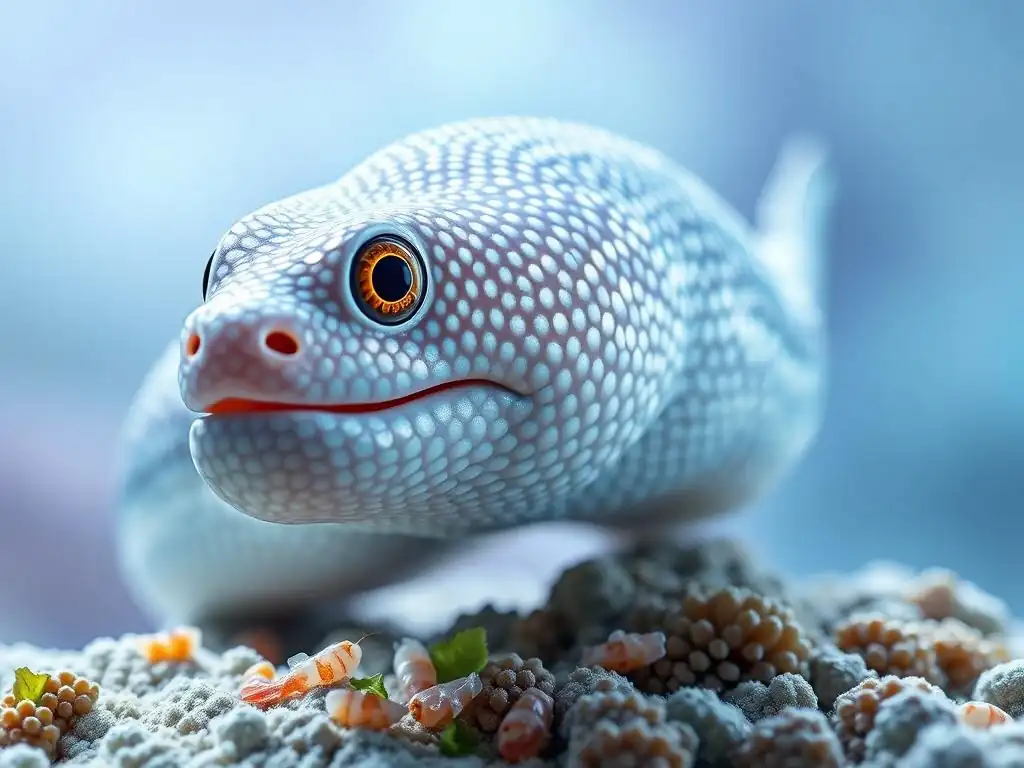
The feeding regimen for snowflake moray eels is a critical aspect of their Moray eel care longevity. Juveniles typically require feeding more frequently, perhaps every 2-3 days, to support their rapid growth. As they mature, feeding every 3-4 days is generally sufficient, and some adult eels can thrive on a schedule of twice a week. Overfeeding should be avoided as it can lead to obesity and poor water quality. It's important to observe your eel's body condition; a slightly rounded belly after feeding indicates a good meal, but a perpetually distended abdomen suggests overfeeding.
Prey selection should mimic their natural diet as closely as possible and offer a diverse nutritional profile. Ideal foods include marine-based proteins such as silversides, krill, squid, octopus, and various types of shrimp (e.g., mysis, brine). Some aquarists also offer small pieces of scallops or mussels. It is vital to avoid feeding freshwater fish, such as feeder goldfish, as they lack the necessary marine fatty acids and can contain thiaminase, an enzyme that breaks down thiamine (Vitamin B1), leading to severe nutritional deficiencies over time.
Supplementation and Nutritional Needs of Snowflake Moray Eels in Aquariums
Even with a varied diet, captive snowflake moray eels benefit significantly from nutritional supplementation to ensure their long-term health and Moray eel care longevity. Many commercially available frozen foods, while convenient, can lose some vital nutrients during processing and storage. Therefore, enriching their food with a high-quality marine vitamin supplement, particularly one rich in Vitamin A, D, and E, is highly recommended. This can be done by soaking the food in the supplement liquid for 15-30 minutes before feeding.
Furthermore, iodine supplementation can be beneficial, as iodine plays a role in thyroid function and overall metabolic health for marine organisms. While some iodine is naturally present in seawater, regular water changes replenish it. However, if an eel exhibits signs of poor shedding or sluggishness that cannot be attributed to other factors, a targeted iodine supplement might be considered under professional guidance. Calcium and other trace elements are also important, typically maintained through regular water changes with quality salt mix.
Preventing Nutritional Deficiencies that Impact Snowflake Moray Eel Health
Preventing nutritional deficiencies is paramount for the robust health and extended lifespan of snowflake moray eels. A common issue arises from feeding a monotonous diet, such as only silversides. While silversides are accepted readily, they are not a complete food source and can lead to deficiencies in essential amino acids, vitamins, and minerals over time. This can manifest as lethargy, poor coloration, reduced appetite, and susceptibility to illness, all of which compromise Moray eel care longevity.
To avoid this, implement a rotational feeding schedule incorporating at least 3-5 different types of marine-sourced foods. For example, one feeding might be squid, the next krill, followed by silversides, and then shrimp. Always ensure the food is fresh or properly frozen and thawed, as spoiled food can cause digestive upset. Observing the eel's overall condition, activity level, and skin integrity can provide early indicators of nutritional issues. If an eel repeatedly refuses a varied diet, it may be a sign of underlying health problems or stress requiring investigation.
Maintaining Water Quality for Snowflake Moray Eel Health and Longevity
Regular Water Changes and Parameter Monitoring for Eels
Regular water changes are the cornerstone of maintaining pristine water quality, which is absolutely essential for the health and impressive Moray eel care longevity. For a mature snowflake moray eel in a 75-gallon tank, a weekly or bi-weekly water change of 15-20% is often recommended. This practice effectively removes accumulated nitrates, phosphates, and other dissolved organic compounds that can build up over time, even with robust filtration. Using high-quality synthetic sea salt mix and RODI (Reverse Osmosis Deionized) water is critical to avoid introducing unwanted contaminants like phosphates or heavy metals from tap water.
Alongside water changes, consistent parameter monitoring is non-negotiable. At a minimum, hobbyists should test for ammonia, nitrite, nitrate, pH, temperature, and specific gravity at least once a week. Keeping a log of these readings allows for early detection of trends or sudden shifts that could indicate a problem with the filtration system or overfeeding. For example, a gradual increase in nitrates might signal the need for larger or more frequent water changes, or a review of feeding practices.
The Importance of Proper Filtration for Snowflake Moray Eel Aquariums
Proper filtration is paramount for managing the bioload of a snowflake moray eel and ensuring the water quality necessary for optimal Moray eel care longevity. A robust filtration system typically includes mechanical, biological, and chemical components. Mechanical filtration, such as filter socks or sponges, removes particulate matter, preventing it from breaking down and contributing to nitrates. These should be cleaned or replaced frequently, at least weekly, to prevent them from becoming nitrate factories themselves.
Biological filtration, often provided by live rock and a protein skimmer, is crucial for converting toxic ammonia and nitrite into less harmful nitrate. A high-quality protein skimmer is particularly effective in removing organic waste before it decomposes, significantly reducing the bioload. Chemical filtration, such as activated carbon or specialized nitrate-removing resins, can polish the water, remove odors, and absorb dissolved organics that biological filtration might miss. Over-filtering is always preferable to under-filtering when keeping these predatory fish.
Avoiding Ammonia, Nitrite, and Nitrate Spikes
Avoiding ammonia, nitrite, and nitrate spikes is critical for the survival and long-term health of snowflake moray eels. Ammonia and nitrite are highly toxic and can cause immediate stress, gill damage, and death even at low concentrations. Nitrate, while less immediately toxic, can lead to chronic stress, weakened immune systems, and susceptibility to diseases if concentrations remain consistently high (e.g., above 40-50 ppm). These spikes often occur in new, uncycled tanks, or established tanks due to overfeeding, inadequate filtration, or neglecting water changes.
To prevent spikes, ensure the aquarium is fully cycled before introducing the eel, a process that typically takes 4-6 weeks for marine systems. Implement a strict feeding schedule to avoid overfeeding, which is a common cause of ammonia and nitrate accumulation. Regularly clean mechanical filter media and vacuum the substrate to remove uneaten food and detritus. In the event of a spike, immediate action is required: perform a significant water change (e.g., 25-50%), cease feeding temporarily, and ensure all filtration components are functioning optimally. Using ammonia-neutralizing products can offer temporary relief but do not address the underlying cause.
Common Snowflake Moray Eel Diseases and Prevention Strategies
Recognizing Early Signs of Illness in Snowflake Moray Eels
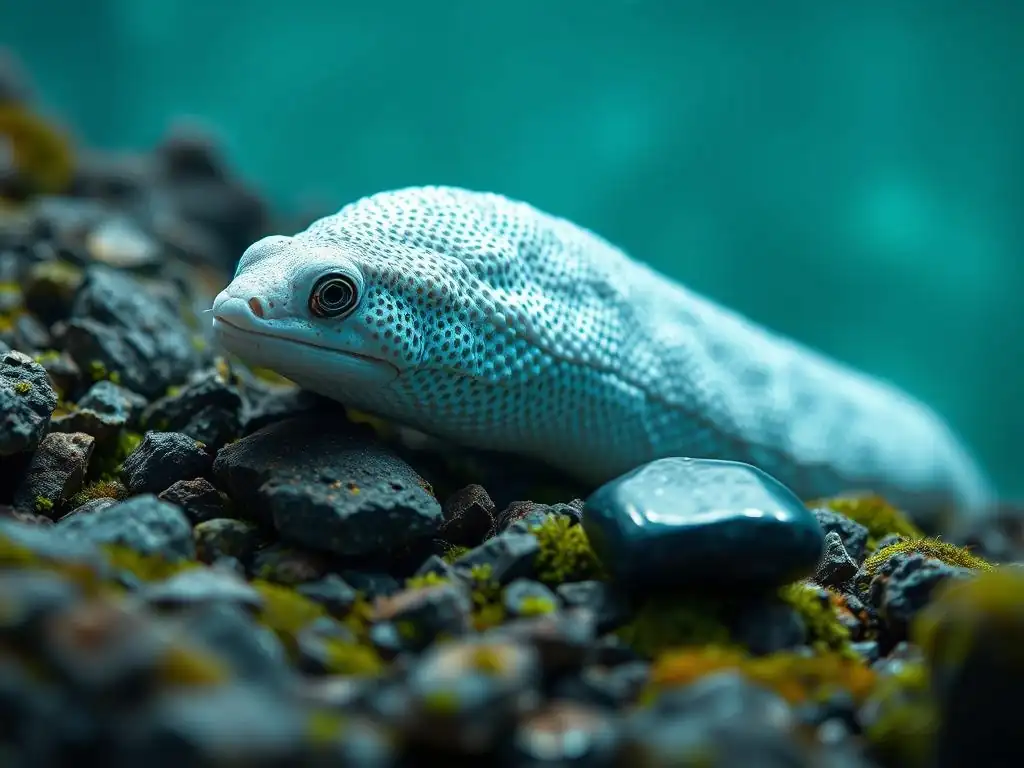
Recognizing the early signs of illness in snowflake moray eels is crucial for prompt intervention and improved Moray eel care longevity. Eels are generally hardy, but like all fish, they can fall victim to various ailments. Subtle behavioral changes are often the first indicators. Look for unusual lethargy, prolonged hiding (beyond their normal resting patterns), refusal to eat for an extended period (more than a week for an adult), or swimming erratically. Physical signs might include cloudy eyes, frayed fins, unusual lesions or spots on the skin, excessive mucus production, or changes in coloration (e.g., dullness).
For instance, a snowflake moray eel that suddenly becomes very active during the day, darting around the tank and attempting to rub against rocks, could be exhibiting signs of external parasites like Ich. Conversely, an eel that remains completely hidden and unresponsive to food for several days might be suffering from internal issues or severe stress. Any deviation from its normal behavior or appearance warrants immediate investigation into water parameters, tank conditions, and potential stressors.
Quarantine Procedures for New Snowflake Moray Eels
Implementing a strict quarantine procedure for all new snowflake moray eels is a non-negotiable best practice that significantly contributes to the Moray eel care longevity of your existing tank inhabitants. A separate quarantine tank (QT) of at least 20-30 gallons, equipped with a heater, simple filtration (sponge filter or small hang-on-back filter), and PVC pipes or caves for hiding, is essential. The new eel should reside in this QT for a minimum of 4 weeks, and ideally 6-8 weeks, before being introduced to the display tank.
During quarantine, observe the eel closely for any signs of disease, such as Ich, velvet, bacterial infections, or fungal growths. This period allows time for latent diseases to manifest and for the eel to acclimate to captive conditions without exposing the main display tank to potential pathogens. If any symptoms appear, treatment can be administered in the QT, preventing widespread infection in the established system, which can be devastating and difficult to resolve without harming invertebrates or sensitive fish.
Treating Common Snowflake Moray Eel Ailments: Ich, Bacterial Infections, Eye Cloud
Treating common snowflake moray eel ailments requires careful consideration, as eels can be sensitive to certain medications. Ich (Cryptocaryon irritans) is a common external parasite that manifests as small white spots resembling salt grains on the body and fins. Treatment typically involves using copper-based medications or hyposalinity (gradually reducing specific gravity to 1.009-1.010 for several weeks) in a quarantine tank, as copper can be toxic to invertebrates and some beneficial bacteria in the main display. Follow dosing instructions meticulously.
Bacterial infections often present as red sores, fin rot, or cloudy eyes (eye cloud). These can be caused by poor water quality or injury. Treatment usually involves broad-spectrum antibacterial medications, again, preferably in a quarantine tank. Eye cloud specifically might also be a symptom of poor nutrition or internal parasites. Always identify and address the root cause, such as improving water quality or providing better nutrition, alongside medication. Consult a marine fish health expert if unsure about diagnosis or treatment, as improper medication can be more harmful than the disease itself, impacting Moray eel care longevity.
Selecting Appropriate Tank Mates to Minimize Stress
Selecting appropriate tank mates is paramount for minimizing stress and ensuring the long-term well-being and Moray eel care longevity of your snowflake moray eel. While snowflake morays are generally considered less aggressive than some larger moray species, they are still opportunistic predators. Tank mates must be too large to be considered food and robust enough to handle the eel's presence. Good choices often include larger, fast-moving fish such as tangs (e.g., Yellow Tang, Sailfin Tang), angelfish, triggers (larger species like Clown Triggers might be too aggressive), and certain groupers.
Avoid any fish small enough to fit into the eel's mouth, regardless of their speed. This includes small damsels, clownfish, gobies, and most invertebrates like crabs, shrimp, and snails, as these will almost certainly become expensive snacks. Even larger invertebrates like cleaner shrimp are at risk. Furthermore, avoid highly aggressive or territorial fish that might harass the eel, leading to stress, injury, or reluctance to feed. Always introduce the eel last into a community tank, after other inhabitants have established their territories, to reduce potential conflict.
Understanding Snowflake Moray Eel Aggression and Territoriality
Understanding the natural aggression and territoriality of snowflake moray eels is key to successful cohabitation and optimal Moray eel care longevity. While not overtly aggressive in the same manner as a triggerfish, snowflake morays are ambush predators by nature. They establish territories, typically a cave or rock crevice, which they will defend. This territoriality is generally directed at other eels or fish that attempt to invade their chosen hiding spots.
Their "aggression" is often a feeding response. They have poor eyesight but an excellent sense of smell, and they will strike at anything that smells like food and fits into their mouth. This is why hand-feeding is strongly discouraged, as they can easily mistake fingers for food, leading to painful bites.
While they rarely initiate unprovoked attacks on fish too large to eat, their powerful jaws and sharp teeth can inflict significant damage if they feel threatened or if a tank mate strays too close during feeding time. Providing ample hiding spots for all tank inhabitants can help mitigate territorial disputes.
Avoiding Predation Issues in a Community Aquarium
Avoiding predation issues in a community aquarium housing a snowflake moray eel primarily revolves around smart tank mate selection and careful feeding practices. As established, anything small enough to be swallowed will eventually be eaten. This includes virtually all small fish (under 3-4 inches), crabs, shrimp, and snails. Even larger, seemingly safe invertebrates like ornamental shrimp might become targets, especially if the eel is underfed or particularly hungry. It's often best to assume any invertebrate is fair game.
To mitigate predation, ensure the eel is well-fed on its designated diet. An underfed eel will be more inclined to hunt its tank mates. Feed your eel at the same time each day or evening to establish a routine.
Some aquarists choose to feed the eel first, allowing it to satiate its hunger before other fish are fed. This reduces the likelihood of the eel mistaking other fish's movements during feeding time for potential prey. Always observe interactions carefully, especially after new introductions or changes in feeding schedules, to ensure peaceful coexistence and contribute to long-term Moray eel care longevity for all inhabitants.
Long-Term Snowflake Moray Eel Care Challenges and Solutions
Addressing Potential Behavioral Issues in Captive Snowflake Moray Eels
Addressing potential behavioral issues in captive snowflake moray eels requires keen observation and proactive solutions to ensure their long-term well-being and Moray eel care longevity. One common issue is excessive shyness or prolonged hiding, which can indicate stress, insufficient hiding spots, or overly aggressive tank mates. Solution: Provide more secure, dark crevices and ensure tank mates are compatible. Conversely, an eel that is constantly trying to escape or is excessively active during the day might be under stress from poor water quality, an inadequate tank size, or a lack of mental stimulation.
Another behavioral challenge is aggression towards tank mates, often stemming from hunger or territorial disputes. Solution: Review feeding frequency and portion sizes, and ensure ample hiding spots for all fish. Eels may also become conditioned to associate human presence with food, leading to "begging" behavior; while seemingly endearing, this can lead to accidental bites during maintenance. Solution: Avoid hand-feeding and use a feeding stick or tongs. Consistent observation and understanding the eel's natural instincts are key to mitigating these issues.
Providing Enrichment to Promote Mental and Physical Well-being
Providing enrichment is a crucial, yet often overlooked, aspect of Moray eel care longevity, promoting both mental and physical well-being. In their natural habitat, eels constantly explore crevices, hunt for food, and navigate complex reef structures. In a sterile tank, they can become bored or lethargic. Enrichment can be as simple as regularly rearranging the rockwork slightly (ensuring stability) to create new pathways and hiding spots, stimulating their exploratory instincts.
Introducing novel, appropriate food items can also serve as enrichment. For example, offering a whole, thawed silverside for them to tear apart, rather than pre-cut pieces, allows them to engage in natural feeding behaviors. Some aquarists even float a small, food-stuffed PVC tube for the eel to investigate, or use feeding tongs to "hide" food in different crevices, encouraging hunting behavior. While eels are not as interactive as some fish, providing varied stimuli can prevent boredom, reduce stress, and keep them more active and engaged in their environment.
Refusal to Eat, Escape Attempts, Poor Shedding
Refusal to eat, escape attempts, and poor shedding are significant challenges that can arise in snowflake moray eel care and require immediate attention to prevent serious health decline and ensure Moray eel care longevity. A prolonged refusal to eat (more than a week for an adult) is a strong indicator of stress, disease, or unsuitable water parameters. First, check all water parameters meticulously. If parameters are ideal, observe for signs of illness. Sometimes, a change in diet or offering live ghost shrimp (as a temporary measure) can entice a reluctant eater.
Escape attempts are common for moray eels, which are notorious for their ability to squeeze through incredibly small openings. This indicates the eel feels unsafe or is searching for better conditions. Ensure a tightly fitting, heavy lid with no gaps whatsoever.
Weigh down the lid if necessary. Poor shedding, where the eel's skin appears dull, peeling unevenly, or has persistent white patches, can be a sign of iodine deficiency, poor water quality, or external parasites. Regular water changes with a quality salt mix usually provide sufficient iodine, but targeted supplementation might be considered if issues persist after water quality is confirmed optimal.
Estimating the Costs of Long-Term Snowflake Moray Eel Ownership
Initial Setup Costs: Tank, Equipment, and Eel Acquisition
Estimating the initial setup costs for a snowflake moray eel aquarium is crucial for prospective owners to understand the financial commitment involved in ensuring long-term Moray eel care longevity. A suitable tank, ideally 50-75 gallons, can range from $200 to $500 or more, depending on whether it's a standard glass tank or a custom-built acrylic or all-in-one system. Essential equipment includes a robust filtration system (sump, protein skimmer, return pump, refugium components) which can cost anywhere from $300 to $1000+.
Other necessary equipment includes a heater ($30-100), reliable powerheads for circulation ($50-200), lighting (basic LED fixture $50-200), a refractometer ($30-70), and test kits ($50-150 for a comprehensive set). Live rock, vital for biological filtration and hiding spots, can cost $5-10 per pound, with a 75-gallon tank potentially requiring 75-100 pounds, totaling $375-$1000. Finally, the snowflake moray eel itself typically costs between $40-$100, depending on size and supplier. The total initial investment can easily range from $1,000 to $3,000+.
Ongoing Expenses: Food, Supplements, and Maintenance
Beyond the initial setup, ongoing expenses are a continuous factor in the long-term Moray eel care longevity. Food costs will vary based on the eel's size and appetite, but a varied diet of frozen silversides, krill, squid, and shrimp can average $15-$30 per month. Vitamin supplements, if used, might add another $5-$10 every few months. Salt mix for weekly or bi-weekly water changes is a significant recurring cost; a large bucket of quality salt mix (e.g., 200-gallon mix) can cost $50-$80 and might last 2-4 months depending on water change frequency.
Other maintenance costs include replacement filter socks/pads ($5-10 per month), activated carbon ($10-20 every few months), and electricity to run pumps, heaters, and lights, which can add $20-$50+ to your monthly utility bill depending on local rates and equipment efficiency. Occasional replacement of equipment components, like pump impellers or heater elements, should also be factored in every few years. These recurring expenses highlight that while the initial investment is substantial, the ongoing commitment is also significant.
Planning for Potential Veterinary Care
Planning for potential veterinary care, though less common for fish than for terrestrial pets, is a prudent aspect of truly comprehensive Moray eel care longevity. While specialized aquatic veterinarians are not widely available in all areas, identifying one in advance, or at least a knowledgeable local fish store with experience in treating marine fish, can be invaluable. Costs for aquatic veterinary consultations can vary widely, from $50 for a phone consultation to several hundred dollars for an in-person examination and diagnosis.
Medications, if required, can range from $10 to $50 or more per treatment course. For instance, a course of copper medication for Ich might cost $20-$30, while more specialized antibiotics could be higher. While regular check-ups like those for cats or dogs are not typical, being prepared for unexpected health issues, such as severe infections, injuries from tank mates, or prolonged refusal to eat, ensures you can provide necessary care without financial strain. Setting aside a small emergency fund specifically for aquarium health issues is a wise decision.
Ensuring a Happy and Healthy Life for Your Snowflake Moray Eel: A Recap of Essential Care Practices
Key Takeaways for Responsible Snowflake Moray Eel Keeping
Responsible snowflake moray eel keeping hinges on a few critical takeaways that ensure a happy and healthy life, contributing to impressive Moray eel care longevity. First, commit to providing a sufficiently large aquarium, at least 50-75 gallons for a single adult, with ample secure hiding spots. Second, maintain impeccable water quality through robust filtration, regular water changes, and diligent parameter monitoring (ammonia, nitrite, nitrate, pH, specific gravity, temperature). These environmental factors are non-negotiable for their health.
Third, offer a diverse and nutritious diet of marine-sourced frozen foods, supplemented with vitamins, and avoid overfeeding or feeding freshwater feeder fish. Fourth, select tank mates carefully, opting for larger, robust fish that cannot be swallowed, and avoid all small invertebrates. Finally, practice strict quarantine for new arrivals, be vigilant for signs of illness, and understand their natural behaviors to provide appropriate enrichment and address issues like escape attempts or refusal to eat.
Resources for Further Learning About Snowflake Moray Eel Care
For those committed to mastering Moray eel care longevity, numerous resources are available for further learning. Reputable online forums and communities dedicated to saltwater aquariums are excellent places to ask questions, share experiences, and learn from seasoned aquarists. Websites like AquariumMastery.com offer detailed guides and species profiles, providing a wealth of information on various aspects of marine fish keeping, including specific care requirements for unique species like moray eels.
Additionally, well-regarded aquarium books focused on marine fish and reef keeping often contain valuable chapters on predatory fish and their husbandry. While specific scientific journals might be too technical for the average hobbyist, reliable marine biology resources can offer insights into the natural behaviors and physiological needs of eels in the wild, which can inform captive care practices. Engaging with local fish stores that specialize in marine livestock can also provide practical advice and access to quality supplies.
Frequently Asked Questions
How long do moray eels typically live in captivity?
Moray eels can live a surprisingly long time in an aquarium if properly cared for. Their longevity can range from 5 to 30 years or even longer, depending on the species and quality of care. This makes owning one a long-term commitment.
What are the key factors influencing moray eel longevity in an aquarium?
Several factors are crucial for a long and healthy moray eel life, including proper diet, stable water parameters, and a suitably sized and enriched aquarium environment. Preventing stress and disease is also essential.
What size aquarium is generally recommended for moray eels to promote growth and longevity?
The appropriate tank size depends on the specific moray eel species, but generally, a large aquarium is required. Many species need at least 180 gallons, and some larger species require tanks exceeding 300 gallons to thrive.
What is the ideal diet for moray eels to ensure healthy growth and a long lifespan?
Moray eels are carnivores and require a diet of meaty foods. Offer a varied diet of frozen seafood, such as shrimp, fish, and squid. Supplementing with vitamins can also enhance their health.
How can I prevent common diseases and health problems that can shorten a moray eel's lifespan?
Maintaining excellent water quality through regular water changes and filtration is paramount. Quarantine new arrivals and observe your eel for signs of illness. Addressing any health issues promptly is critical to extend their lifespan.
Final Reflection: Embracing the Long View of Moray Eel Care
The journey into moray eel care, as we've explored, is not a sprint, but a marathon. Understanding the nuances of their growth and longevity is paramount to responsible ownership, and neglecting these factors can lead to significant ethical and practical challenges. The commitment extends far beyond the initial setup; it demands a dedication to providing a suitable environment for decades to come.
The profound responsibility of caring for a creature with such a potentially long lifespan has deeply impacted the aquarium hobby. It forces us to confront the long-term consequences of our choices and to move beyond fleeting trends towards sustainable and ethical practices. The greatness of a nation and its moral progress can be judged by the way its animals are treated.
- Mahatma Gandhi. This quote, though not specifically about moray eels, underscores the broader principle of compassionate stewardship that should guide our interactions with all living beings, especially those under our care.
Now, consider the implications of what you've learned. How can you translate this understanding of moray eel care longevity into a more conscious approach to all your interactions with the natural world? Let this knowledge inspire you to not only provide the best possible life for any moray eel you may choose to keep, but also to advocate for responsible aquarium practices and a deeper respect for the delicate balance of our planet's ecosystems.
Unlock the Secrets: Are You Ready to Nurture a Moray Through Its Incredible Life?
Thank you for diving deep into the captivating world of moray eel growth and longevity! We hope you’ve gained valuable insights into the commitment required to provide these fascinating creatures with a fulfilling life. Now, let’s turn that knowledge into action!
Here's how you can ensure a happy and healthy future for your moray, or simply expand your understanding:
- Commit to Lifelong Learning: Develop a detailed care plan that addresses the specific needs of your chosen moray species at every stage of its life. Consider water parameters, diet, and enrichment activities.
- Join the Conversation: Share your experiences or ask questions in the Aquarium Mastery community forum. Help us build a comprehensive resource for moray enthusiasts.
- Discover Hidden Talents: Experiment with hand-feeding techniques (using appropriate safety measures!) to build a bond with your moray and observe its natural hunting behaviors up close.
What's one key change will you make to your current (or future) aquarium setup to better accommodate a moray eel's long life and specific needs?