
The Science of Shimmer: What Gives Tetras Their Dazzling Colors?

Welcome to Aquarium Mastery!
Ever wondered what secrets lie beneath the shimmering scales of your Tetras? Unravel the mystery and dive into the fascinating world of Dazzling Tetra Color Science. Discover the biological processes and environmental factors that contribute to their vibrant hues and unlock the key to keeping your Tetras looking their absolute best. Ready to explore? Let's get started!
- Understanding the Dazzling Tetra Colors: An Introduction to Iridescence
- The Microscopic World of Tetra Coloration: Unlocking the Secrets
- Factors Influencing the Intensity of Dazzling Tetra Color
- Exploring Different Types of Tetra Coloration: A Spectrum of Shimmer
- Comparing Tetra Coloration to Other Iridescent Fish
- Maintaining Optimal Tetra Colors in Your Aquarium
- Potential Problems Affecting Tetra Color: Identifying and Addressing Issues
- Dazzling Tetra Color Science: Further Research and Future Discoveries
- Conclusion: Appreciating the Beauty and Science of Tetra Colors
- Frequently Asked Questions
- Final Reflection: Embracing the Brilliance Within
- Unleash the Tetra Enthusiast Within!
Understanding the Dazzling Tetra Colors: An Introduction to Iridescence
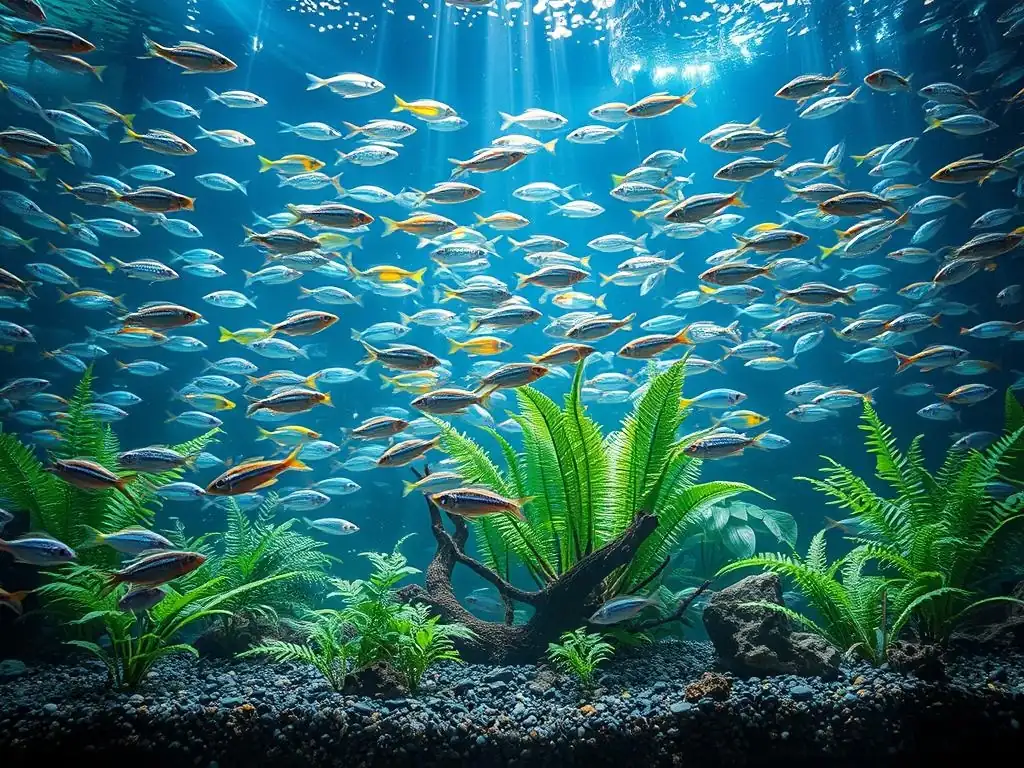
Tetras, beloved inhabitants of freshwater aquariums worldwide, are renowned for their captivating and often vibrant coloration. From the iconic Neon Tetra to the fiery Cardinal, their dazzling appearance is a major draw for aquarists. However, the brilliance of these fish is not merely due to simple pigments, but rather a sophisticated interplay of light and specialized cellular structures, a phenomenon known as iridescence or structural coloration. This intricate mechanism allows their colors to appear to shift and shimmer, creating a dynamic visual spectacle in the aquarium.
Unlike static pigment-based colors, which absorb certain wavelengths of light and reflect others, iridescent colors are produced by the physical structure of the fish's scales and skin. This means that the perceived color can change depending on the angle from which the fish is viewed, or the angle at which light strikes its body. Understanding this dazzling tetra color science is key to appreciating their unique beauty and providing optimal conditions for their most vibrant display.
The Microscopic World of Tetra Coloration: Unlocking the Secrets
Iridophores: The Key to Tetra's Shimmering Appearance
At the heart of a tetra's shimmering appearance are specialized cells called iridophores. These are a type of chromatophore, which are pigment-containing and light-reflecting cells found in the skin of fish, amphibians, and reptiles. Iridophores are typically located in the dermis, just beneath the epidermis, and are packed with highly reflective components. In tetras, these cells are strategically arranged in layers, particularly along the lateral line and other prominent color bands, to maximize their light-manipulating capabilities.
The primary function of iridophores is to reflect light. They achieve this through the precise alignment of their internal structures, which act like tiny mirrors. This cellular architecture is crucial for generating the metallic sheen and the shifting hues characteristic of dazzling tetra colors. Without these specialized cells, the structural coloration that makes tetras so visually striking would not be possible, highlighting the intricate cellular biology involved in their vibrant displays.
Guanine Crystals: The Building Blocks of Iridescence in Tetras
Within the iridophores, the reflective components are primarily composed of guanine crystals. Guanine is a purine, a nitrogenous base that is a fundamental component of DNA and RNA. However, in fish, it also forms highly reflective, plate-like crystalline structures. These guanine platelets are incredibly thin, often measuring between 50 to 100 nanometers in thickness, and are stacked in multiple, precisely spaced layers within the iridophore cells.
The remarkable regularity and precise spacing of these guanine crystals are paramount to their light-reflecting properties. This arrangement creates a multi-layered optical system. The exact dimensions and spacing of these layers dictate which wavelengths of light are constructively interfered with (enhanced) and which are destructively interfered with (canceled out), thus determining the specific iridescent color observed. This fundamental aspect of dazzling tetra color science allows for the stunning array of blues, greens, and silvers seen in many tetra species.
How Light Interacts with Guanine Crystals to Create Shimmer
The dazzling shimmer of tetras is a result of a physical phenomenon known as thin-film interference. When white light, which is composed of all colors of the spectrum, strikes the stacked layers of guanine crystals within an iridophore, several things happen. Some light is reflected from the surface of each crystal layer, while other light penetrates deeper and is reflected from subsequent layers. Because the guanine layers are separated by minute distances, often comparable to the wavelengths of visible light (e.g., 400-700 nanometers), the light waves reflected from different layers interact with each other.
This interaction leads to interference: if the crests of the light waves align, they reinforce each other, producing a brighter, more intense color (constructive interference). If a crest aligns with a trough, they cancel each other out, diminishing or eliminating that color (destructive interference).
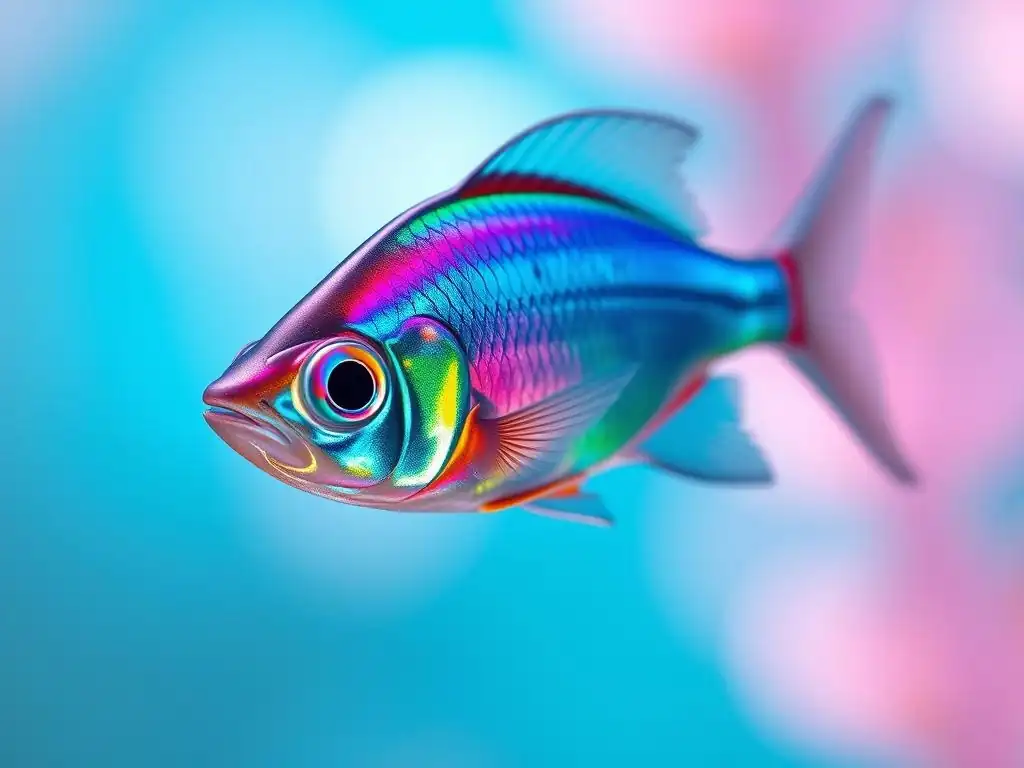
The specific color observed, such as the vibrant blue-green of a Neon Tetra, depends on the precise spacing of the guanine layers and the angle at which light strikes and reflects off them. This explains why dazzling tetra colors appear to change as the fish moves or as the observer's viewing angle shifts, creating their signature dynamic shimmer.
Factors Influencing the Intensity of Dazzling Tetra Color
Genetics: The Blueprint for Tetra Color Expression
The potential for a tetra to display vibrant coloration is fundamentally determined by its genetic makeup. Specific genes control the development, number, and arrangement of iridophores, as well as the efficiency of guanine crystal production and deposition within these cells. For instance, wild-caught populations of Neon Tetras might exhibit slight variations in the intensity of their iridescent stripe, whereas commercially bred strains are often the result of generations of selective breeding. Breeders meticulously choose individuals with the most pronounced dazzling tetra colors to propagate, ensuring that offspring inherit genes conducive to superior vibrancy.
This genetic predisposition means that even with optimal care, a fish can only express the color potential encoded in its DNA. Variations within a species' gene pool can lead to different levels of color intensity, even among siblings. Understanding the genetic blueprint is a crucial aspect of dazzling tetra color science, as it sets the baseline for what an individual fish can achieve in terms of visual brilliance.
Diet and Nutrition: Fueling Vibrant Tetra Colors
While iridescence is a structural phenomenon, the intensity and richness of underlying and complementary colors, particularly reds and oranges, are heavily influenced by a tetra's diet. These hues are often derived from pigments called carotenoids, which fish cannot synthesize on their own and must obtain from their food. Ingredients like spirulina, astaxanthin, and other natural color enhancers found in high-quality fish foods are rich in these essential carotenoids.
A diet consistently lacking in these vital nutrients can lead to noticeably faded or dull dazzling tetra colors, particularly in species like the Cardinal Tetra, where a robust red stripe is highly valued. Supplementing with live or frozen foods such such as brine shrimp or bloodworms, which naturally contain carotenoids, can further boost color vibrancy. Providing a balanced and varied diet ensures that tetras have all the necessary building blocks not just for general health, but also for expressing their full chromatic potential.
Water Quality: Maintaining Optimal Conditions for Color Development
Pristine and stable water quality is paramount for tetras to display their most vibrant and dazzling colors. Poor water conditions directly contribute to stress, which in turn can lead to faded or washed-out appearances. High levels of ammonia, nitrite, or nitrate (above 20 ppm) are common culprits, as these pollutants tax a fish's system, diverting energy from processes like color maintenance to basic survival. Stable water parameters, including appropriate pH levels (e.g., 6.0-7.5 for many tetra species) and consistent temperatures (e.g., 22-26°C or 72-79°F), are crucial.
Regular partial water changes are essential for diluting accumulated waste products and replenishing beneficial trace elements. When tetras are kept in an environment free from chemical stressors and fluctuations, their physiological systems can function optimally, allowing them to fully express their genetic potential for brilliant coloration. Conversely, a stressed tetra will almost invariably exhibit duller hues, underscoring the direct link between water quality and dazzling tetra color.
Lighting: Enhancing the Appearance of Tetra Iridescence
While lighting does not directly create the structural colors of tetras, it plays a significant role in how those colors are perceived and enhanced. The spectrum and intensity of light in an aquarium can dramatically influence the visual impact of a tetra's iridescence. Full-spectrum LED lights with a color temperature around 6500K to 8000K are often recommended, as they provide a balanced light that effectively interacts with the guanine crystals, bringing out the full vibrancy of their structural colors.
Insufficient or inappropriate lighting can make dazzling tetra colors appear muted or less dynamic. For instance, lights with a strong yellow cast might diminish the blue-green iridescence, while those lacking in the blue spectrum might not fully illuminate the reflective qualities of the guanine. A consistent photoperiod, typically 8-10 hours per day, also contributes to a stable environment that supports overall fish health and allows the tetras to consistently display their most brilliant and shimmering hues.
Exploring Different Types of Tetra Coloration: A Spectrum of Shimmer
Neon Tetras: The Classic Example of Iridescent Stripes
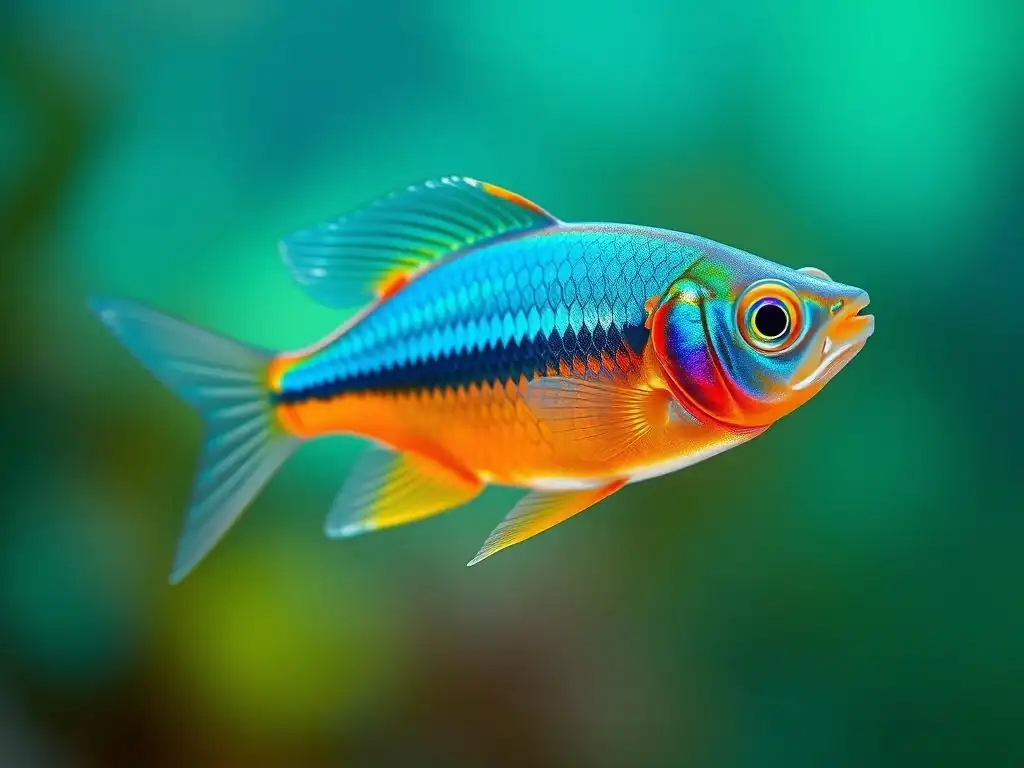
Neon Tetras (Paracheirodon innesi) are arguably the most widely recognized example of structural coloration among freshwater fish. Their characteristic iridescent blue-green stripe, running horizontally from their snout to the adipose fin, is a prime example of the dazzling tetra color science at play. This stripe is formed by a layer of specialized iridophores containing precisely arranged guanine crystals, which reflect light in a way that causes the color to shift from brilliant blue to vibrant green depending on the viewing angle.
Complementing this structural color, a bright red stripe extends from the middle of their body to the caudal fin. This red is primarily due to erythrophores (red pigment cells) and xanthophores (yellow pigment cells) containing carotenoid pigments. The striking combination of structural iridescence and pigment-based coloration creates the iconic and highly sought-after appearance of the Neon Tetra, making it a staple in community aquariums worldwide.
Cardinal Tetras: Understanding the Red and Blue Contrast
Cardinal Tetras (Paracheirodon axelrodi) share a close resemblance to Neon Tetras but are often considered even more intensely colored. They possess a similar iridescent blue-green stripe along their upper body, which is also a result of structural coloration from guanine crystals within iridophores. However, the most distinguishing feature of the Cardinal Tetra is its full-length, deep red stripe that extends from the snout all the way to the tail, unlike the shorter red stripe of the Neon Tetra.
This intense red is significantly influenced by dietary carotenoids, making their diet a critical factor in maintaining their vibrant hue. The interplay between the structurally produced blue-green iridescence and the pigment-derived full red stripe creates a vivid and high-contrast display, often making Cardinal Tetras appear more brilliantly colored than their Neon cousins. This combination showcases how dazzling tetra colors can combine both structural and pigmentary mechanisms for maximum visual impact.
Glowlight Tetras: The Subtle Shimmer of a Golden Stripe
Glowlight Tetras (Hemigrammus erythrozonus) offer a different, more subtle, yet equally captivating form of iridescence. Instead of the broad blue stripe, they feature a single, narrow, fiery orange to golden stripe that runs along their lateral line, appearing to glow from within, especially in dimmer lighting conditions. This unique glowing effect is also attributed to specialized iridophores, but their arrangement and the specific properties of their guanine crystals are optimized to reflect longer wavelengths of light.
Unlike the sharp blue of Neon Tetras, the Glowlight Tetra's iridescence is tuned to produce a warmer, golden shimmer. This demonstrates the versatility of the structural coloration mechanism; by varying the size, shape, and spacing of guanine crystals, different iridescent colors can be produced. The Glowlight Tetra's gentle luminosity highlights another fascinating facet of dazzling tetra color science, proving that not all iridescence needs to be bold to be beautiful.
Other Tetra Species: A Diversity of Coloration Strategies
The Characidae family, to which tetras belong, encompasses a vast array of species, each with unique coloration strategies that often combine structural and pigmentary elements. For instance, Black Phantom Tetras (Hyphessobrycon megalopterus) utilize melanophores (black pigment cells) to create their striking dark bodies and fins, often complemented by a subtle iridescent patch behind the gills, which is due to iridophores. Serpae Tetras (Hyphessobrycon eques) display deep red to orange hues, primarily derived from carotenoid pigments, with some individuals exhibiting a faint, underlying structural shimmer.
Even species like the Lemon Tetra (Hyphessobrycon pulchripinnis) or the Emperor Tetra (Nematobrycon palmeri) showcase unique combinations of yellow xanthophores, red erythrophores, and silver iridophores, creating their distinct appearances. This diversity underscores that while structural coloration is a key component of the "dazzling" aspect, it frequently works in conjunction with various pigment cells to achieve the full spectrum of dazzling tetra colors seen across this fascinating group of fish.
Comparing Tetra Coloration to Other Iridescent Fish
Similarities and Differences in Color Production Mechanisms
The fundamental mechanism of iridescence, involving guanine crystals within specialized iridophores, is not exclusive to tetras. It is a widespread strategy across many fish families, including well-known iridescent species like guppies, bettas, rainbowfish, and even many marine fish. The core similarity lies in the presence and function of these reflective cells, which manipulate light through thin-film interference. All these fish rely on the precise arrangement of nanostructures to produce their shimmering effects, a testament to the efficient evolutionary solution for dynamic coloration.
However, differences emerge in the specific arrangement, size, shape, and density of the guanine crystals, as well as the accompanying pigments. For example, the intense, almost metallic blue of some Betta fish might involve a denser, more complex layering of guanine crystals optimized for reflecting specific blue wavelengths, leading to a more opaque iridescence compared to the more transparent, shimmering effect often seen in tetras.
Similarly, the structural colors in some cichlids might be combined with a broader range of pigment cells, resulting in a wider palette of static and dynamic hues. These variations highlight the subtle nuances within the dazzling tetra color science when compared to other iridescent fish.
Evolutionary Advantages of Iridescence in Fish
Iridescence offers several significant evolutionary advantages that contribute to the survival and reproductive success of fish. For schooling species like many tetras, the dazzling, shifting colors can create a "confusion effect" for predators. As the school moves, the constantly changing reflections make it difficult for a predator to single out an individual, thus improving the collective chance of survival. This is a form of disruptive coloration, where the pattern makes it harder for a predator to accurately track a target.
Furthermore, vibrant iridescent colors often serve as vital communication signals within a species. They can indicate health, genetic fitness, and sexual maturity, making individuals more attractive to potential mates. For example, a fish displaying strong, dazzling tetra colors might be perceived as more robust and disease-resistant. In some cases, bright colors can also act as a warning signal to predators, indicating toxicity or unpalatability. The ability to dynamically reflect and manipulate light also aids in camouflage within varying light conditions in their natural aquatic habitats, demonstrating the multifaceted adaptive brilliance underlying iridescent coloration.
Maintaining Optimal Tetra Colors in Your Aquarium
Choosing the Right Lighting for Enhanced Color Display
To truly bring out the dazzling tetra colors in your aquarium, selecting appropriate lighting is crucial. Full-spectrum LED lights with a color temperature ranging from 6500K to 8000K are generally recommended. This range provides a balanced light spectrum that effectively interacts with the guanine crystals responsible for iridescence, while also supporting the visibility of other pigment-based colors. Lights with a higher Kelvin rating (bluer light) can often enhance the blue and green iridescence, making the structural colors pop.
Avoid overly dim lighting, which can make colors appear muted, or excessively bright lighting, which can stress fish and lead to algae issues. A consistent photoperiod, typically 8-10 hours per day, is also important for establishing a stable environment that supports overall fish health and allows tetras to display their full brilliance. Experimenting with light placement can also reveal different angles that best showcase the shifting iridescence of your tetras.
Selecting a Diet Rich in Color-Enhancing Nutrients
As previously discussed, diet plays a paramount role in maintaining and enhancing the vibrant, dazzling tetra colors, especially those influenced by pigments like reds and oranges. Opt for high-quality flake or pellet foods that explicitly list natural color enhancers such as spirulina, astaxanthin, or other carotenoids among their primary ingredients. These compounds are precursors to the pigments that contribute to the richness of a tetra's coloration.
Supplementing their diet with live or frozen foods, such as bloodworms, brine shrimp, or daphnia, can provide additional essential nutrients and natural pigments that further boost color intensity. Aim for a varied diet rather than relying on a single food source, as this ensures a complete nutritional profile. A well-fed tetra, receiving a diet rich in color-enhancing nutrients, will invariably exhibit more vibrant and intense hues, preventing the common problem of faded colors.
Regular Water Changes to Promote Vibrant Colors
Consistent and pristine water quality is arguably the single most important factor in promoting and maintaining vibrant and dazzling tetra colors. The accumulation of nitrates and other metabolic waste products stresses fish, leading to a dulling of their coloration as their energy is diverted to coping with environmental pollutants. Performing regular partial water changes, typically 25-30% of the tank volume on a weekly or bi-weekly basis, is essential.
These routine changes help to dilute accumulated nitrates, replenish beneficial trace elements, and maintain stable water parameters such as pH and temperature. Using a reliable water conditioner to neutralize chlorine and chloramines, and regularly testing your water parameters (ammonia, nitrite, nitrate, pH) with a quality test kit, ensures an optimal and stress-free environment. When tetras are healthy and comfortable in their environment, their colors will naturally be at their most brilliant and intense.
Potential Problems Affecting Tetra Color: Identifying and Addressing Issues
Disease and Stress: Impact on Tetra Coloration
One of the earliest and most common indicators that a tetra is unhealthy or stressed is a noticeable fading or loss of its dazzling tetra colors. Fish suffering from various diseases, such as Ich (white spot disease), fin rot, or internal parasites, will often appear pale, washed out, or even develop a grayish sheen as their immune system is compromised. The energy required to maintain vibrant coloration is redirected to fighting off illness.
Beyond physical ailments, environmental stressors such as bullying from tank mates, overcrowding, sudden fluctuations in water parameters (e.g., rapid pH swings or temperature drops), or even inadequate hiding spots can cause chronic stress, leading to a persistent dulling of their hues. Prompt identification and treatment of diseases, coupled with addressing and mitigating environmental stressors, are crucial steps in restoring a tetra's natural brilliance and preventing long-term color loss.
Poor Water Quality: Leading to Faded or Dull Colors
As highlighted earlier, poor water quality is a direct cause of faded or dull dazzling tetra colors. Even if not immediately lethal, persistently high levels of nitrates (e.g., above 40 ppm) can induce chronic stress and metabolic strain, which gradually diminishes a tetra's vibrancy. Ammonia and nitrite spikes, even if brief, are highly toxic and can severely damage a fish's gills, impairing oxygen uptake and leading to a pale, listless appearance.
Water that is consistently outside of the ideal pH range for the specific tetra species (e.g., too alkaline for species preferring acidic water) or experiences significant temperature fluctuations can also contribute to stress and color loss. Regular monitoring of water parameters with a reliable test kit and performing consistent partial water changes are the most effective ways to prevent water quality issues from robbing your tetras of their inherent brilliance.
Nutritional Deficiencies: Preventing Color Loss in Tetras
A diet that is lacking in essential vitamins, minerals, or particularly the crucial color-enhancing carotenoids will inevitably lead to faded or less intense dazzling tetra colors. For instance, if a tetra species that typically displays strong red or orange hues (like the Cardinal Tetra) is fed a diet poor in astaxanthin or other carotenoids, those colors will become muted over time. Similarly, a deficiency in essential fatty acids or certain amino acids can impair overall fish health, indirectly affecting color vibrancy and the fish's ability to maintain its iridophores.
To prevent nutrition-related color loss, it is vital to provide a balanced and varied diet that includes high-quality flake or pellet foods specifically formulated for tropical fish, ideally listing natural color enhancers in their ingredients. Supplementing with live or frozen foods also helps ensure a complete nutritional profile. A well-nourished tetra is a healthy tetra, and a healthy tetra is one that will display its most vibrant and dazzling colors.
Dazzling Tetra Color Science: Further Research and Future Discoveries
Ongoing Studies on Tetra Pigmentation
The field of dazzling tetra color science is continually advancing, with researchers employing sophisticated techniques to unravel the complexities of fish pigmentation. Ongoing studies are utilizing advanced genomic and proteomic approaches to map the specific genes responsible for iridophore development, guanine crystal formation, and pigment synthesis in various tetra species. This research aims to identify the precise genetic pathways that dictate color expression and vibrancy.
Beyond genetics, investigations are exploring the precise environmental cues, beyond just general water quality and diet, that might trigger or enhance specific color expressions. For example, studies into the role of particular light wavelengths on guanine crystal growth, or the influence of specific trace elements in water on pigment deposition, are areas of active research. These efforts promise deeper insights into the intricate mechanisms that contribute to the captivating colors of tetras, potentially leading to new breakthroughs in their care and breeding.
The Potential for Breeding More Vibrant Tetra Varieties
Building upon our growing understanding of dazzling tetra color science, there is significant potential for selective breeding programs to develop even more vibrant, intensely colored, and uniquely patterned tetra varieties. By identifying individuals within existing populations that naturally exhibit superior coloration and carefully breeding them over successive generations, aquarists and commercial breeders can enhance desirable traits. This process, often seen in the development of "super red" or "high-fin" strains of other ornamental fish, could lead to tetras with unparalleled brilliance.
Furthermore, as genomic research progresses, the ability to identify specific genetic markers for color traits could enable more targeted and efficient breeding strategies. While genetic modification in ornamental fish is a complex and often debated topic, continued research into the genetic pathways of coloration could theoretically open doors to entirely new color patterns or enhanced iridescence, offering exciting prospects for the future of the aquarium hobby and the diversity of dazzling tetra colors available to enthusiasts.
Conclusion: Appreciating the Beauty and Science of Tetra Colors
The dazzling colors of tetras are far more than just surface beauty; they are a testament to complex biological and physical processes. From the microscopic architecture of iridophores and guanine crystals, meticulously arranged to manipulate light through interference, to the genetic blueprints and nutritional requirements that fuel their vibrancy, every aspect of a tetra's shimmer is rooted in fascinating science. This intricate interplay between structural coloration and pigmentary elements allows their hues to dynamically shift and glow, captivating observers from every angle.
For aquarists, understanding this dazzling tetra color science is not just an academic exercise but a practical guide. By providing optimal water quality, a rich and varied diet, and appropriate lighting, hobbyists can ensure their tetras not only thrive but also display their most brilliant and intense colors. Appreciating the scientific marvel behind their shimmer deepens our connection to these beloved fish, transforming a simple aquarium into a living canvas of light, life, and breathtaking natural artistry.
Frequently Asked Questions
How is the dazzling color of tetras created?
Tetra color is primarily created by specialized pigment cells called chromatophores. These cells contain pigments like carotenoids and purines that reflect and refract light, creating the shimmering effect.
What role does water chemistry play in tetra coloration?
Proper water chemistry is crucial for vibrant tetra colors. Unstable or poor water quality can stress the fish, leading to faded coloration and increased susceptibility to disease. Stable pH and low ammonia/nitrite levels are essential.
Can diet influence the color intensity of tetras?
Yes, diet plays a significant role. Feeding tetras a diet rich in carotenoids (found in foods like brine shrimp and spirulina) can enhance their red, orange, and yellow pigments, resulting in more vibrant colors.
Are all tetra species equally colorful?
No, the degree of coloration varies significantly between tetra species. Some species, like the Neon Tetra, are known for their bright iridescent stripes, while others may have more subtle or muted colors.
What common aquarium problems can cause tetras to lose their color?
Stress from overcrowding, bullying, poor water quality, and disease can all cause tetras to lose their color. Addressing these issues, such as reducing tank stress and improving water quality, is essential for restoring their vibrant hues.
Final Reflection: Embracing the Brilliance Within
The exploration of dazzling tetra color science reveals not just the intricate mechanisms behind their shimmering beauty, but also a profound understanding of the natural world's capacity for wonder. Today, as we face increasing environmental challenges, appreciating the delicate balance that allows for such vibrant displays becomes even more crucial. The science behind these colors serves as a potent reminder of the interconnectedness of life and the importance of preserving biodiversity.
This journey into the microscopic world of iridophores and guanine crystals has undeniably deepened my appreciation for the hidden complexities of nature. It underscores the fact that even seemingly simple creatures possess extraordinary adaptations, shaped by millions of years of evolution. Look deep into nature, and then you will understand everything better.
- Albert Einstein. This quote resonates deeply, reminding us that understanding the science behind phenomena like tetra coloration unlocks a greater understanding of ourselves and our place within the ecosystem.
Now, consider the lessons learned from the dazzling tetra. How can we apply the principles of observation, curiosity, and scientific inquiry to appreciate the beauty and complexity in our own lives? Let the shimmer of the tetra inspire you to seek out the hidden wonders around you, to question the ordinary, and to embrace the brilliance within yourself and the world we share.
Unleash the Tetra Enthusiast Within!
Thank you for diving into the science of tetra coloration! We hope you’ve gained a deeper appreciation for the dazzling beauty of these little fish. Now it's time to take your knowledge to the next level and share the shimmer!
Here are a few ways to continue your tetra journey:
- Observe your tetras with new eyes: Dedicate some time to simply watch your tetras, noting the subtle shifts in their iridescence under different lighting and water conditions. Can you correlate their color intensity with their mood or social interactions?
- Delve deeper into the aquarium community by sharing your tetra appreciation! Post a picture of your shimmering school on your favorite aquarium forum or social media using #TetraMastery, and spread the word about the science behind their beauty.
- Ready for a challenge? Research the specific dietary needs to optimize the color expression in your tetras. What specialized foods are recommended for your specific tetra species to enhance their natural shimmer?
What's one small change you can make this week to enrich the viewing experience of your tetras, helping them shine their brightest?