
Understanding *Cyprichromis* Behavior: Schooling, Spawning, and Social Dynamics

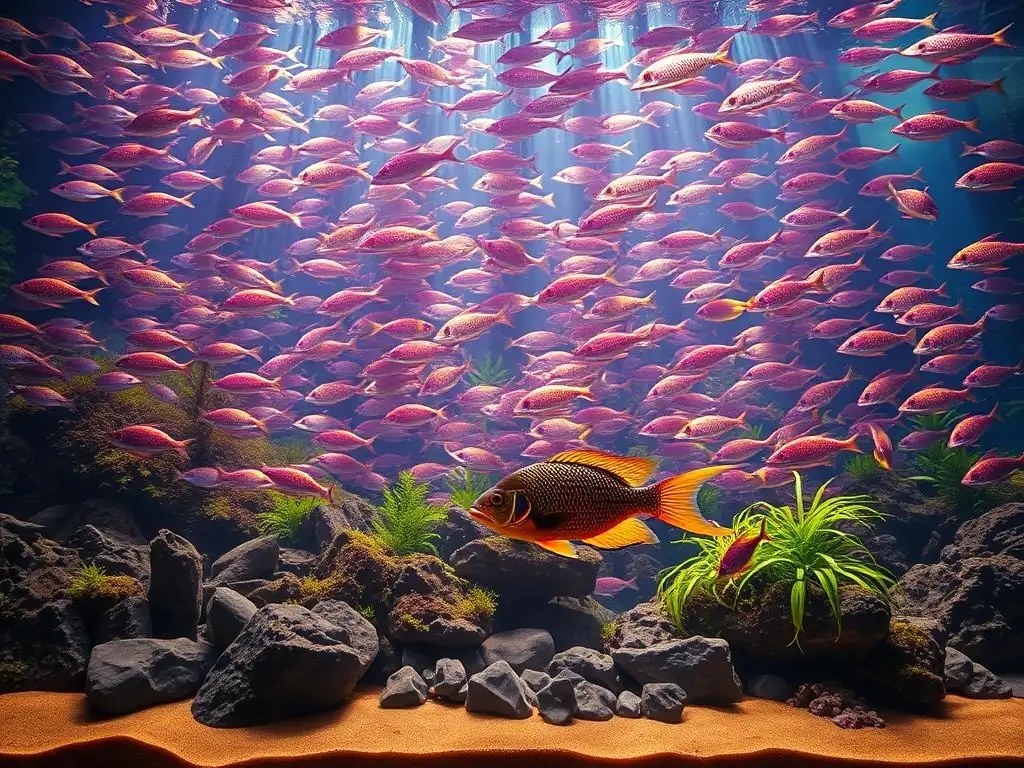
Welcome to Aquarium Mastery, where we unlock the secrets to thriving aquatic ecosystems!
Ever wondered how to create a truly captivating Cyprichromis display? Dive in and discover essential Cyprichromis schooling behavior tips alongside insights into their fascinating spawning rituals and social interactions. Get ready to elevate your freshwater aquarium from a simple tank to a vibrant underwater community – the journey starts now!
- Introduction to Cyprichromis: Featherfin Cichlids of Lake Tanganyika
- Decoding Cyprichromis Schooling Behavior
- Cyprichromis Spawning Behavior
- Cyprichromis Social Dynamics: Hierarchy and Interactions
- Creating the Ideal Environment for Thriving Cyprichromis
- Addressing Common Cyprichromis Behavior Problems
- Conclusion: Mastering Cyprichromis Care Through Behavioral Understanding
-
Frequently Asked Questions
- How important is school size for Cyprichromis well-being?
- What are some key indicators of healthy schooling behavior in Cyprichromis?
- What water parameters are vital for promoting natural Cyprichromis schooling behavior?
- How does tank decoration affect Cyprichromis schooling and overall behavior?
- What feeding strategies can help maintain a peaceful Cyprichromis school?
- Final Reflection: Unveiling the Secrets of Cyprichromis
- Unveil the Secrets of *Cyprichromis* & Transform Your Aquarium!
Introduction to Cyprichromis: Featherfin Cichlids of Lake Tanganyika
Cyprichromis in the Aquarium: A Popular Tanganyikan Choice
Cyprichromis are a genus of fascinating cichlids native to the deep, clear waters of Lake Tanganyika in East Africa. Often referred to as "featherfin cichlids" due to the elongated dorsal and anal fins on mature males, they are prized by aquarists for their vibrant coloration, unique schooling behavior, and relatively peaceful nature compared to many other cichlid species. Popular species like Cyprichromis leptosoma, C. microlepidotus, and C. sp. "leptosoma jumbo" bring a dynamic visual element to larger freshwater aquariums.
Their striking appearance and graceful movements make them a captivating addition to a well-maintained Tanganyikan biotope. Unlike many cichlids that are territorial bottom-dwellers, Cyprichromis are pelagic, spending most of their time in the open water column, making them a perfect complement to shell-dwellers or rock-dwellers that inhabit lower tank levels. This unique characteristic enhances the overall activity and visual appeal of the aquarium, providing a distinct focal point.
Importance of Understanding Cyprichromis Behavior for Successful Keeping
Understanding the natural behaviors of Cyprichromis is paramount for their successful keeping and long-term health in a captive environment. Their innate schooling instincts, intricate spawning rituals, and subtle social hierarchies dictate the type of setup and care they require. Without this fundamental knowledge, these delicate cichlids can easily become stressed, leading to health issues, aggression, or a failure to thrive.
Properly interpreting Cyprichromis behavior allows aquarists to create an environment that closely mimics their natural habitat, fostering a sense of security and encouraging natural behaviors. This includes providing adequate space for schooling, ensuring appropriate water parameters, and understanding their breeding cues. By paying close attention to these aspects, keepers can avoid common pitfalls and enjoy the full spectrum of Cyprichromis interactions, from their cohesive schooling patterns to their fascinating reproductive strategies.
Decoding Cyprichromis Schooling Behavior
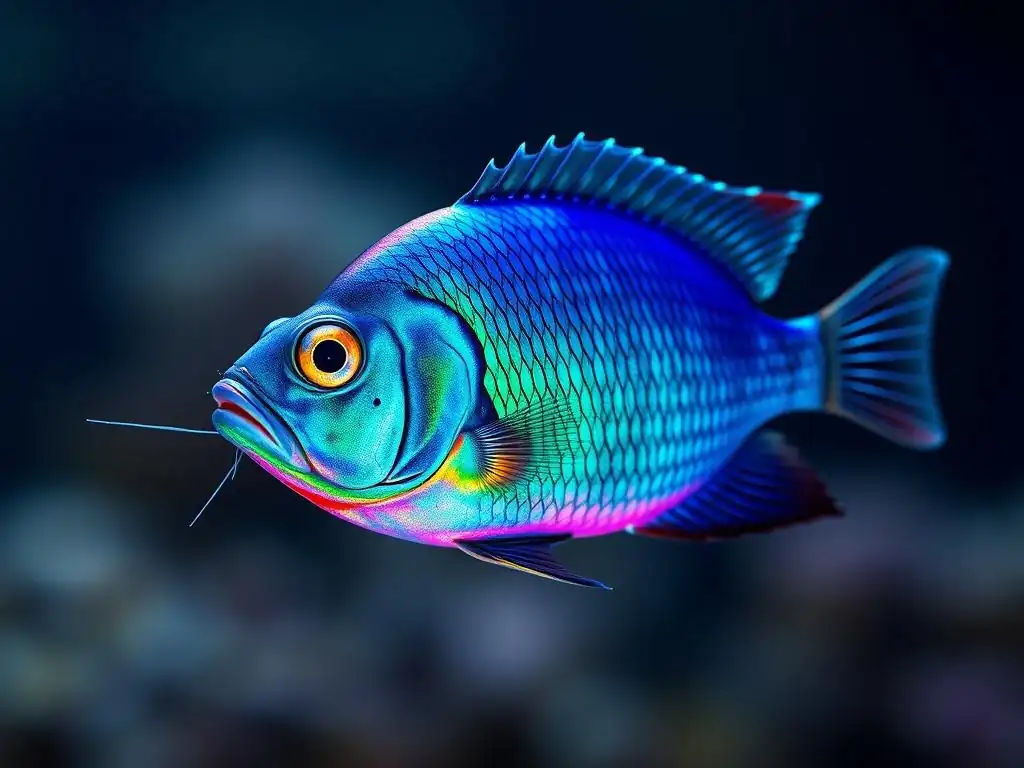
The Significance of Schooling for Cyprichromis Wellbeing
Schooling is a fundamental aspect of Cyprichromis existence, deeply rooted in their survival strategy in the vast open waters of Lake Tanganyika. In their natural habitat, forming large, cohesive schools provides protection against predators such as the formidable Boulengerochromis microlepis, which can reach over 3 feet in length. The sheer number of individuals in a school confuses predators, making it difficult to single out a target, a phenomenon known as the "dilution effect." This collective behavior also enhances foraging efficiency and social cohesion.
In the aquarium, maintaining a proper school size is crucial for replicating this natural defense mechanism and reducing stress. Fish kept in insufficient numbers may become timid, hide frequently, or display increased aggression towards tank mates due to perceived vulnerability. Observing strong, cohesive Cyprichromis schooling behavior is a clear indicator of a healthy and low-stress environment, allowing these fish to exhibit their full range of natural movements and interactions.
Ideal School Size for Cyprichromis: Ensuring a Healthy Dynamic
To truly observe the captivating Cyprichromis schooling behavior, a minimum group size of 8-12 individuals is highly recommended, with larger groups of 15-20 or more being ideal in suitably sized aquariums. While a smaller group of 6 may suffice in some cases, it often fails to elicit the natural, fluid schooling patterns for which these fish are known. The larger the school, the more diffuse any potential aggression becomes, particularly among males.
When selecting a school, it is beneficial to maintain a male-to-female ratio that favors females. A ratio of one male to three or four females (1:3-4) is often successful in minimizing male-on-male aggression and preventing any single female from being overly harassed during breeding attempts. For instance, in a school of 12 Cyprichromis, an ideal composition might be 3 males and 9 females, ensuring a balanced social dynamic and promoting robust Cyprichromis schooling behavior tips.
Factors Influencing Cyprichromis Schooling Dynamics: Tank Size and Environment
The physical dimensions of the aquarium play a critical role in facilitating natural Cyprichromis schooling dynamics. As pelagic species, they require ample open swimming space in the middle to upper water column. A long tank (e.g., 48 inches for a 75-gallon tank or 72 inches for a 125-gallon tank) is far more suitable than a tall, narrow tank, as it provides the necessary horizontal length for a school to move freely and form natural patterns.
Environmental factors such as water flow, lighting, and aquascaping also influence their schooling behavior. A moderate water flow that mimics natural currents without being overly turbulent is preferred. Lighting should be subdued to moderate, as overly bright conditions can make them feel exposed and inhibit schooling. While Cyprichromis primarily inhabit open water, providing tall rock structures or vertical elements allows males to establish temporary territories and offers visual breaks, contributing to a more secure environment that encourages cohesive Cyprichromis schooling behavior.
Recognizing and Addressing Schooling Issues in Cyprichromis
Disrupted or absent schooling behavior in Cyprichromis can be a strong indicator of underlying stress or an unsuitable environment. Symptoms of poor schooling might include individual fish constantly hiding, erratic swimming patterns, excessive chasing among males, or a general lack of cohesive movement. If fish are frequently scattered or a dominant male is relentlessly harassing specific individuals, it signals that the Cyprichromis schooling behavior tips are not being adequately met.
Addressing these issues requires a careful assessment of the tank setup. Firstly, evaluate the school size and male-to-female ratio; increasing the number of individuals, particularly females, can often alleviate aggression and promote natural schooling. Secondly, confirm the tank dimensions are adequate for their active nature. Finally, consider environmental factors such as water quality, tank mates (avoiding overly aggressive or boisterous species), and aquascaping. Sometimes, simply adding more tall, vertical structures for visual breaks can help diffuse aggression and encourage better schooling.
Cyprichromis Spawning Behavior
Preparing for Cyprichromis Spawning: Water Parameters and Tank Setup
Successful Cyprichromis spawning hinges on replicating the stable water parameters of Lake Tanganyika. The ideal conditions include a pH range of 7.8 to 8.5, a general hardness (GH) of 10-18 dGH, and a carbonate hardness (KH) of 16-20 dKH. Water temperature should be consistently maintained between 76-80°F (24-27°C). Stability is more critical than hitting exact numbers, as fluctuating parameters can stress fish and inhibit breeding. Regular, partial water changes are essential to keep nitrates low and replenish vital minerals.
Regarding tank setup, providing ample open water is crucial, but vertical structures also play a significant role. Males often establish spawning territories around tall rock formations, artificial caves, or even large pieces of driftwood that extend into the upper water column. These structures offer visual boundaries and places for females to retreat after spawning. A well-established, mature tank with a healthy, balanced school is most likely to encourage natural breeding behavior.
The Nuances of Cyprichromis Breeding: Egg-Catching and Incubation
Cyprichromis are fascinating maternal mouthbrooders. During courtship, the male will display intensely, his colors becoming more vibrant, and he will attempt to lure a receptive female to his chosen spawning site. This site can be a flat rock surface, a vertical crevice, or even an open area in the water column. The female lays a small number of eggs, typically 1-5 at a time, and immediately picks them up into her mouth.
After picking up the eggs, the female will mouth at the male's anal fin, which often has bright yellow "egg spots" (ocelli). The male releases milt (sperm) as she does this, fertilizing the eggs internally within her mouth. This process is repeated until all eggs are laid and collected. The female then incubates the eggs, and later the fry, in her buccal cavity for approximately 21-28 days, depending on water temperature. During this period, she typically refuses to eat, and her throat will appear noticeably distended.
Identifying Spawning Readiness in Male and Female Cyprichromis
Recognizing the signs of spawning readiness in Cyprichromis allows aquarists to anticipate and potentially facilitate breeding. Male Cyprichromis become particularly vibrant in color, with their fins fully extended and often displaying iridescent blues, yellows, or purples depending on the species. They engage in elaborate courtship dances, darting around females and attempting to guide them towards a perceived spawning territory. Subordinate males may also attempt to spawn, often in less prominent areas.
Female Cyprichromis ready to spawn will appear plumper due to the presence of eggs. They may become more receptive to the male's advances, lingering near his territory and occasionally "testing" the spawning site. After spawning, the most obvious sign in a female is her noticeably distended mouth, which she will keep tightly closed as she incubates the eggs or fry. She will also typically cease eating during this period, exhibiting a more reclusive behavior.
Post-Spawning Care: Protecting Fry and Ensuring Survival
Once the Cyprichromis female has carried the fry for the incubation period (around 3-4 weeks), she will release fully formed, free-swimming fry. These fry are relatively small, typically measuring about 0.2-0.3 inches (5-8 mm) in length, but are capable of fending for themselves. In a community tank, the survival rate of fry without intervention is generally low due to predation by other fish, including the adult Cyprichromis themselves.
For higher fry survival rates, the brooding female can be carefully moved to a separate, smaller "holding" or "nursery" tank (e.g., 10-20 gallons) a few days before she is due to release the fry. This minimizes stress on the female and provides a safe environment for the fry. Once the fry are released, the female should be returned to the main tank to recover and begin feeding again. Fry should be fed fine foods such as newly hatched brine shrimp, cyclops, or finely crushed high-quality flake food several times a day to promote rapid growth.
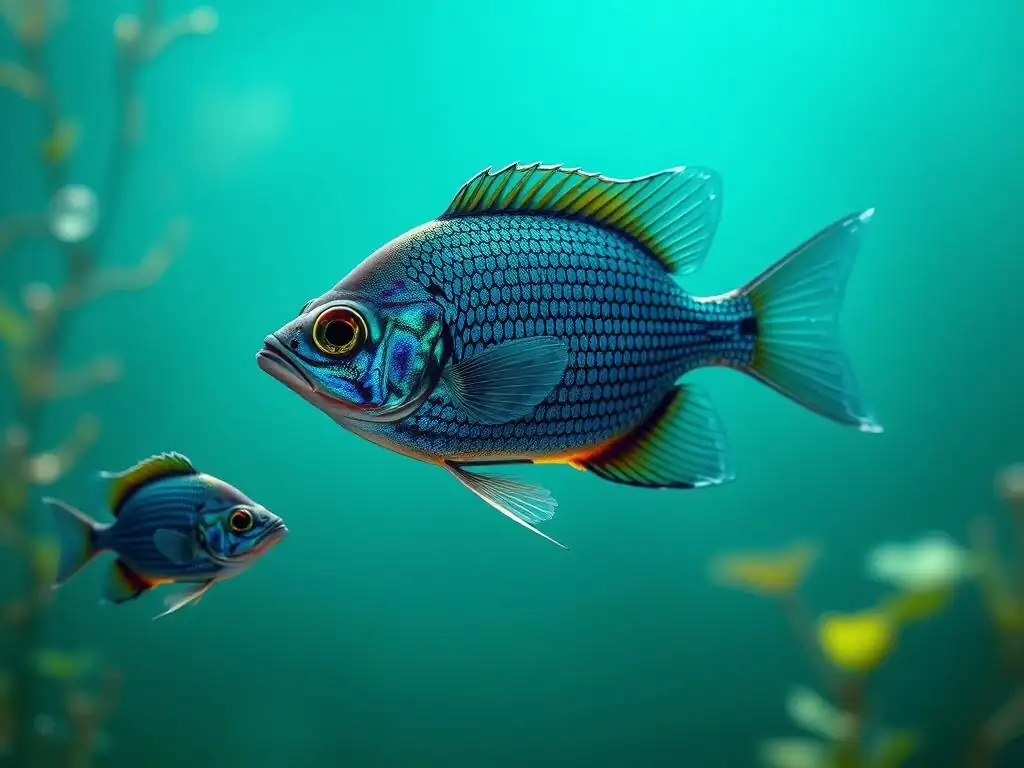
Within a Cyprichromis school, a subtle yet discernible social hierarchy exists, primarily among males. Dominant males will exhibit the most intense coloration and often claim preferred territories in the open water column, usually near vertical structures or in prime schooling lanes. These territories are typically loose and fluid, unlike the more rigid territories of many other cichlids. Subordinate males tend to be paler and may attempt to blend more closely into the main school to avoid direct confrontation with more dominant individuals.
While Cyprichromis are generally considered peaceful cichlids, male-on-male aggression can occur, especially in tanks that are too small, lack sufficient numbers of individuals to dilute aggression, or have an imbalanced male-to-female ratio. This aggression usually manifests as chasing, nipping at fins, or displays of fin flaring. Understanding this hierarchy is crucial for preventing undue stress on less dominant fish and ensuring a harmonious school.
Minimizing Aggression: Tank Mates and Environmental Enrichment
Minimizing aggression in a Cyprichromis tank involves careful consideration of tank mates and providing appropriate environmental enrichment. Ideal tank mates are other peaceful Tanganyikan cichlids that occupy different niches within the aquarium, such as shell-dwelling Neolamprologus species (e.g., N. multifasciatus or N. brevis) that inhabit the substrate, or certain Julidochromis species that prefer rock crevices. Avoid any overly aggressive, boisterous, or fin-nipping species that could stress Cyprichromis or disrupt their natural schooling.
Environmental enrichment, primarily through aquascaping, plays a vital role. While Cyprichromis are open-water fish, tall rock formations, artificial caves, or even vertically oriented PVC pipes can provide visual breaks and refuge spots for less dominant fish or females. A tank with a minimum length of 48 inches (for a 75-gallon tank) for an adult school allows for natural social interactions and the establishment of loose territories without undue stress or aggression.
While Cyprichromis are not typically associated with elaborate rockwork like many other Tanganyikan cichlids, the strategic placement of tank decor significantly influences their social interactions. Tall, vertical structures such as rock stacks that reach towards the surface or even artificial caves are invaluable. These provide dominant males with elevated points from which to display and establish temporary territories, and offer less dominant fish or females places to retreat and feel secure.
Crucially, these structures should not impede the vast open swimming space Cyprichromis require in the middle and upper water columns. The aquascape should prioritize clear pathways for schooling, allowing the fish to exhibit their natural Cyprichromis schooling behavior tips without obstruction. A fine sand substrate is ideal, as it mimics their natural habitat, but it is less critical for their social dynamics than the open water column and vertical visual breaks.
Observing the subtle social cues of Cyprichromis is key to understanding their well-being and managing their social dynamics. Pay close attention to changes in coloration: vibrant, intense colors typically indicate a healthy, confident, and potentially dominant or spawning-ready fish. Pale or faded colors, on the other hand, often signify stress, illness, or submission within the hierarchy. The extension and flaring of fins are also important cues, as males use these displays to assert dominance or court females.
Body posture and swimming patterns offer further insights. A fish with clamped fins, rapid breathing, or one that constantly hides is likely under stress. Conversely, a school that moves cohesively and gracefully through the open water, with individuals exhibiting natural curiosity and foraging behaviors, indicates a healthy and balanced social environment. Learning to interpret these Cyprichromis schooling behavior tips and social signals allows aquarists to proactively address any issues before they escalate.
Creating the Ideal Environment for Thriving Cyprichromis
Tank Size and Dimensions for a Harmonious Cyprichromis School
The appropriate tank size and dimensions are paramount for fostering a harmonious Cyprichromis school and allowing them to exhibit their natural behaviors. For a small school of 8-12 adult Cyprichromis leptosoma (which typically reach 4-5 inches), a 75-gallon aquarium (48" L x 18" W x 21" H) is generally considered a good starting point. The length of the tank is far more critical than its height, as it provides the necessary horizontal swimming space for schooling.
For larger species like Cyprichromis microlepidotus (which can exceed 6 inches) or for maintaining larger schools of 15-20+ individuals, a 125-gallon (72" L x 18" W x 22" H) or even a 180-gallon tank (72" L x 24" W x 24" H) is highly recommended. These larger tanks provide ample room for expansive Cyprichromis schooling behavior, territorial displays, and help diffuse potential aggression, leading to a more stable and visually impressive setup.
Water Chemistry Essentials: Replicating Lake Tanganyika Conditions
Replicating the unique water chemistry of Lake Tanganyika is essential for the long-term health and vibrant coloration of Cyprichromis. The lake water is characterized by its high alkalinity and hardness. Aquarists should aim for a pH range between 7.8 and 8.5, a general hardness (GH) of 10-15 dGH, and a carbonate hardness (KH) of 16-20 dKH. Consistency in these parameters is more important than hitting exact figures, as sudden fluctuations can cause significant stress.
The ideal water temperature for Cyprichromis is typically between 76-80°F (24-27°C). Regular water testing with reliable kits is crucial to monitor pH, GH, KH, and temperature, as well as nitrogenous wastes (ammonia, nitrite, nitrate). Using Tanganyika buffer salts or crushed coral in the substrate can help maintain the desired hardness and alkalinity. Maintaining these stable conditions directly contributes to the fish's well-being and their ability to express natural Cyprichromis schooling behavior tips.
Aquascaping for Cyprichromis Comfort
While Cyprichromis are open-water swimmers, thoughtful aquascaping is vital for their comfort and natural behavior. The primary focus should be on providing a large, unobstructed open swimming area in the middle to upper water column, which is crucial for their schooling patterns. Avoid dense planting or excessive rockwork that might clutter this space.
However, incorporating tall, vertical rock structures or artificial caves that extend upwards can greatly benefit their social dynamics. These structures serve multiple purposes: they provide visual breaks, allowing submissive fish to retreat; they offer potential spawning sites for males; and they create a sense of security within the tank. A fine sand substrate is ideal, mimicking their natural environment, and is easy to clean. The decor should enhance, not impede, the observation of their stunning Cyprichromis schooling behavior.
Filtration and Water Changes: Maintaining Optimal Water Quality
Maintaining pristine water quality is non-negotiable for Cyprichromis. Robust filtration is essential to handle the bioload of a sizable school and ensure low levels of nitrates. Canister filters are often preferred for their efficiency and capacity for biological and mechanical media, providing excellent water clarity and stability. It's important to ensure that the filtration provides adequate turnover without creating an overly turbulent current that might disrupt their schooling patterns.
Regular and consistent water changes are paramount. A weekly or bi-weekly water change of 25-30% is highly recommended to dilute accumulated nitrates, replenish essential minerals, and maintain stable water chemistry. Using a reliable water conditioner to neutralize chlorine and chloramines is also crucial. Consistent water quality minimizes stress, prevents disease, and directly contributes to healthy Cyprichromis behavior, including their cohesive schooling.
Addressing Common Cyprichromis Behavior Problems
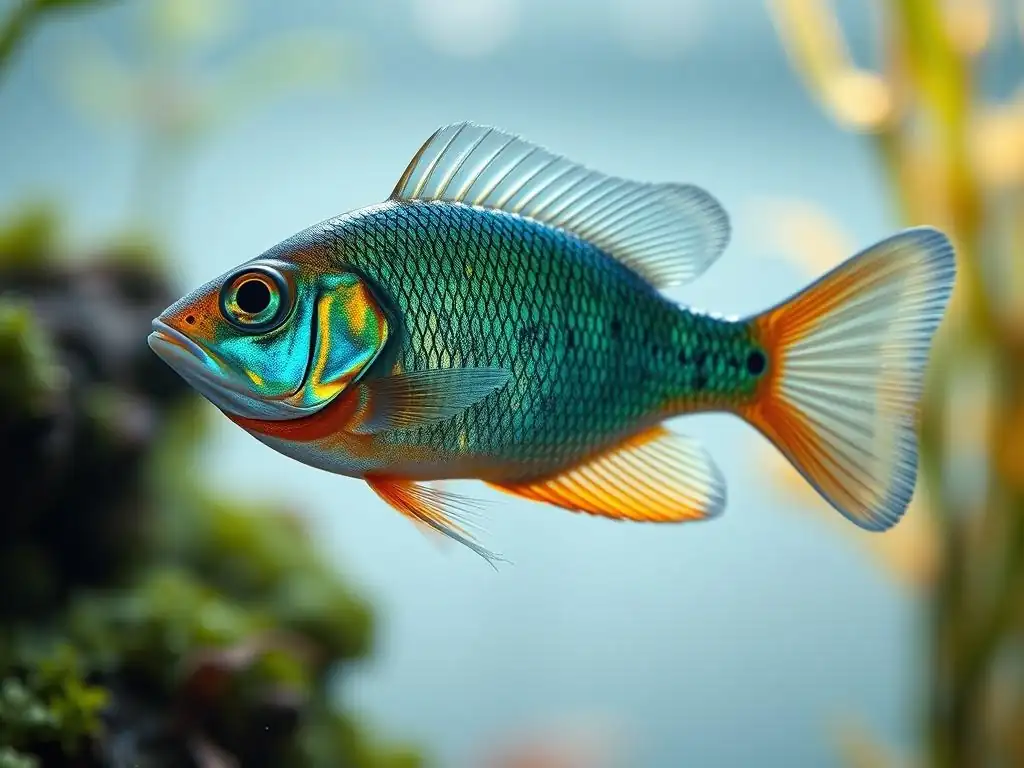
Fin Nipping and Aggression: Identifying Causes and Implementing Solutions
Fin nipping and aggression in Cyprichromis, though generally considered peaceful, can occur and are often indicative of underlying environmental stressors. Common causes include insufficient tank size, which limits swimming space and intensifies territorial disputes among males. An imbalanced male-to-female ratio, with too many males or too few females, can also lead to increased male-on-male aggression as they compete for mates or dominance. Unsuitable tank mates that are either too aggressive or overly active can also cause stress, leading to nipping.
To address these issues, first, evaluate the tank size and ensure it meets the minimum requirements for the species and school size. Second, adjust the male-to-female ratio to favor females (e.g., 1 male to 3-4 females) to diffuse aggression. Adding more vertical visual barriers with tall rockwork can help break lines of sight and create more perceived territories. If a specific fish is overly aggressive, its removal might be necessary as a last resort. Observing these Cyprichromis schooling behavior tips can help prevent these problems.
Stress and Disease: Recognizing Symptoms and Providing Treatment
Stress is a significant precursor to disease in Cyprichromis. Recognizing the symptoms early is vital for effective intervention. Stressed Cyprichromis may exhibit clamped fins, faded or dull coloration, rapid breathing (gilling), hiding more frequently than usual, or erratic swimming patterns. Chronic stress weakens their immune system, making them highly susceptible to common freshwater diseases such as Ich (white spot disease), fungal infections, or even bacterial bloat.
Treatment primarily involves identifying and rectifying the root cause of the stress. This could be poor water quality (high nitrates, fluctuating pH), unsuitable tank mates, overcrowding, or inadequate tank size. Once the stressor is addressed, the fish's natural immunity can often rebound. In cases of active disease, appropriate medication administered in a quarantine tank, following manufacturer instructions, is necessary. Maintaining stable, pristine water conditions and a balanced diet are crucial preventive measures for healthy Cyprichromis behavior.
Poor Schooling Behavior: Corrective Measures for a Healthier Dynamic
When Cyprichromis fail to exhibit their characteristic schooling behavior, it's a clear signal that something in their environment is amiss. This might manifest as fish being scattered throughout the tank, individuals hiding constantly, or a general lack of cohesive movement and interaction. The primary culprits are often an insufficient number of individuals in the school, a tank that is too small to allow for natural schooling, or perceived threats from overly aggressive tank mates or an improperly aquascaped environment. These issues directly contradict effective Cyprichromis schooling behavior tips.
To correct poor schooling, the first step is to increase the school size. Aim for at least 10-15 individuals, ensuring a healthy male-to-female ratio, as larger groups inherently feel more secure and are more likely to school. Secondly, verify that the tank dimensions, particularly the length, are adequate for their active, open-water nature. Remove any tank mates that are causing undue stress or aggression. Finally, ensure the aquascape provides plenty of open water for swimming, complemented by vertical structures that offer visual breaks and a sense of security, encouraging more natural and robust Cyprichromis schooling behavior.
Conclusion: Mastering Cyprichromis Care Through Behavioral Understanding
The Rewards of Observing and Responding to Cyprichromis Behavior
Mastering the care of Cyprichromis by deeply understanding and responding to their complex behaviors offers unparalleled rewards to the dedicated aquarist. Witnessing a large school of these featherfin cichlids gracefully moving in unison through the open water, their iridescent scales shimmering, is a truly mesmerizing experience. Observing their intricate courtship rituals, the careful mouthbrooding of females, and the subtle social cues within the group provides a profound connection to their natural world.
A thriving Cyprichromis aquarium is not just a beautiful display; it is a dynamic ecosystem where fish exhibit their full range of natural behaviors, unhindered by stress or improper conditions. Their vibrant colors, active schooling, and fascinating breeding cycles become a testament to the keeper's knowledge and dedication. This behavioral understanding transforms fishkeeping from a mere hobby into an engaging and educational endeavor, bringing a piece of Lake Tanganyika's unique biodiversity into the home.
Further Resources for Cyprichromis Keepers
For those seeking to further enhance their expertise in Cyprichromis care, continued research and engagement with the aquarist community are invaluable. Delve into specific Cyprichromis species profiles, as subtle differences in size, temperament, and ideal school numbers can exist. Reputable online forums, dedicated Tanganyikan cichlid websites, and specialized books on Lake Tanganyika cichlids offer a wealth of detailed information on their specific needs and nuances of Cyprichromis schooling behavior tips.
Embrace the journey of continuous learning in fishkeeping. Regular observation of your Cyprichromis, coupled with a willingness to adapt tank conditions based on their behavioral cues, is the hallmark of an expert aquarist. By staying informed and responsive, you can ensure your Cyprichromis not only survive but truly thrive, providing years of captivating observation and enjoyment.
Frequently Asked Questions
How important is school size for Cyprichromis well-being?
A larger school is crucial for their well-being. Cyprichromis are naturally schooling fish and feel safer and exhibit more natural behaviors in groups of at least 8-10 individuals. A smaller group can lead to increased stress and aggression.
What are some key indicators of healthy schooling behavior in Cyprichromis?
Healthy schooling behavior includes synchronous swimming, active exploration of the tank, and minimal aggression within the group. Look for a cohesive unit where the fish move together fluidly, indicating a stable social hierarchy.
What water parameters are vital for promoting natural Cyprichromis schooling behavior?
Maintaining stable water parameters is key. Aim for a pH of 7.8-8.6, a temperature of 76-82°F (24-28°C), and excellent water quality with low levels of ammonia and nitrites.
How does tank decoration affect Cyprichromis schooling and overall behavior?
Provide an open swimming area that allows them to school effectively. Rocks and caves should be placed around the perimeter of the tank to provide refuge and spawning sites, without obstructing their schooling behavior.
What feeding strategies can help maintain a peaceful Cyprichromis school?
Offer frequent, small feedings of high-quality flake or pellet food. This reduces competition for food and minimizes aggressive behavior, promoting a more harmonious social dynamic within the school.
Final Reflection: Unveiling the Secrets of Cyprichromis
The intricate dance of Cyprichromis schooling behavior, as we've explored, isn't just a fascinating biological phenomenon; it's a microcosm of the complex social structures that exist in the natural world. Understanding these nuances is increasingly vital as we strive to responsibly maintain these captivating fish in our aquariums and protect their fragile habitats in Lake Tanganyika.
This journey into the world of Cyprichromis has underscored the profound interconnectedness of their schooling, spawning rituals, and social hierarchy. Observing these fish, whether in the wild or within the confines of an aquarium, offers a glimpse into the delicate balance of nature and the importance of preserving biodiversity. In the end, we will conserve only what we love; we will love only what we understand; and we will understand only what we are taught.
- Baba Dioum's words resonate deeply, urging us to continue learning and sharing our knowledge.
Now, armed with a deeper understanding of Cyprichromis schooling behavior, consider how you can apply these insights. Whether you're an experienced aquarist or simply a curious observer, take a moment to reflect on the responsibility we all share in safeguarding these remarkable creatures. Let's strive to create environments, both in our homes and in the wild, where Cyprichromis can thrive, ensuring that their vibrant dance continues for generations to come.
Unveil the Secrets of *Cyprichromis* & Transform Your Aquarium!
Thank you for diving deep into the fascinating world of Cyprichromis! We hope you found insights that will enhance your understanding and appreciation for these beautiful fish. Now, let's take that knowledge and turn it into action!
- Create an optimized Cyprichromis habitat! Start by assessing your current tank setup and make three key adjustments based on what you learned about their schooling behavior and spatial needs.
- Share your newfound Cyprichromis wisdom! Post a photo of your Cyprichromis setup on social media, tagging us @AquariumMastery, and describe one thing you learned from this article.
- Experiment with their diet. Introduce a small amount of high-quality, live food to observe any changes in their coloration and breeding behavior.
What's the first thing you'll change about your Cyprichromis tank to better mimic their natural environment?