
Can *Cyprichromis* Coexist with RockDwelling Tanganyikans?

Welcome to Aquarium Mastery!
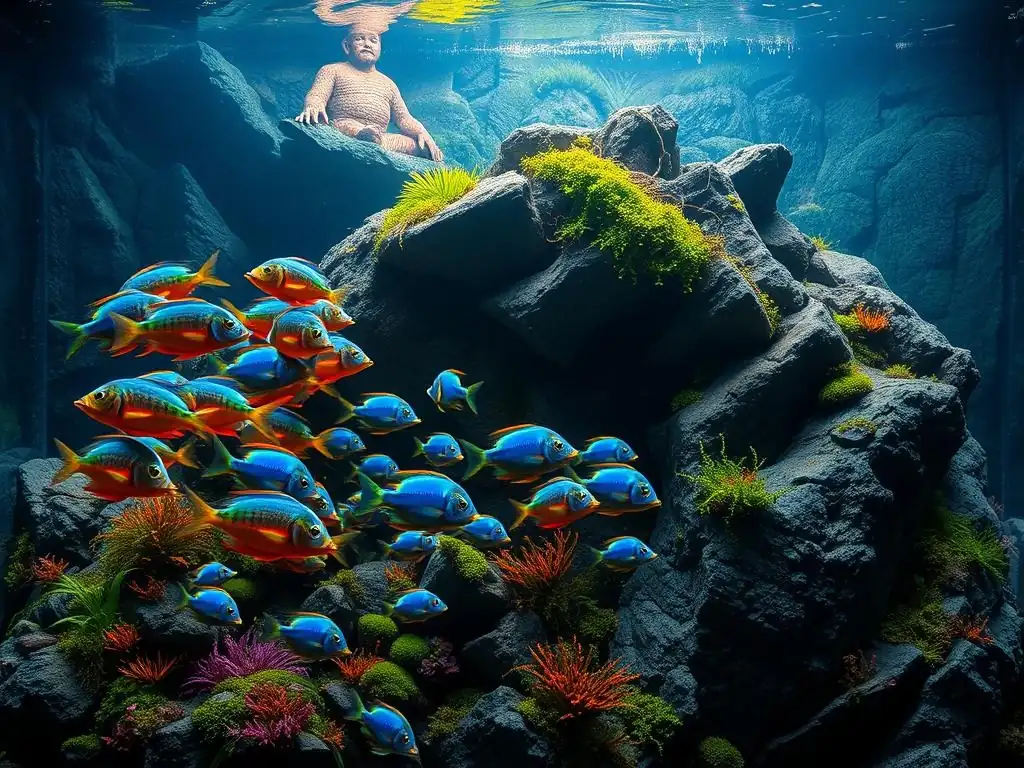
Ever wondered if those shimmering Cyprichromis can truly share a peaceful home with the rock-dwelling Tanganyikan cichlids? Dive into our exploration of Cyprichromis tank Tanganyika compatibility and unlock the secrets to creating a harmonious community aquarium. Discover the crucial considerations that can make or break your tank's ecosystem – are you ready to build a thriving underwater world?
- Cyprichromis and Rock-Dwelling Tanganyikans: A Compatibility Guide
- Understanding Cyprichromis in a Tanganyikan Aquarium
- Rock-Dwelling Tanganyikan Cichlids: An Overview
- Cyprichromis Tank Tanganyika Compatibility: Key Considerations
- Potential Compatibility Issues: Cyprichromis and Rock Dwellers
- Successful Cyprichromis and Rock Dweller Tank Mates: Examples
- Creating a Harmonious Tanganyikan Aquarium: Practical Tips
- Preventing and Addressing Aggression in a Mixed Tanganyikan Tank
- Conclusion: Is Cyprichromis Tank Tanganyika Compatibility Possible?
-
Frequently Asked Questions
- How compatible are Cyprichromis with rock-dwelling Tanganyikan cichlids in a Tanganyika tank?
- What size tank is recommended for keeping Cyprichromis with rock-dwelling Tanganyikans?
- Which rock-dwelling Tanganyikan species are best suited to cohabitate with Cyprichromis?
- What are some key considerations for water chemistry when keeping Cyprichromis and rock-dwelling Tanganyikans together?
- What feeding strategies should be employed when keeping Cyprichromis and rock-dwelling Tanganyikans in the same tank?
- Final Reflection: Harmony in the Rift
- Dive Deeper: Unleash Your Tanganyikan Expertise!
Cyprichromis and Rock-Dwelling Tanganyikans: A Compatibility Guide
Understanding Cyprichromis in a Tanganyikan Aquarium
Cyprichromis: The Featherfin Cichlid Profile
Cyprichromis, commonly known as featherfin cichlids, are a genus of slender, elongated cichlids native to Lake Tanganyika in East Africa. They are distinguished by their unique finnage, particularly the elongated dorsal and anal fins in males, which often display vibrant coloration. Popular species in the aquarium hobby include Cyprichromis leptosoma, known for its blue and yellow variants, and Cyprichromis microlepidotus. These elegant fish typically reach an adult size of 3 to 5 inches, with males generally being larger and more colorful than females.
These cichlids are maternal mouthbrooders, meaning the female carries the eggs and fry in her mouth until they are free-swimming. Their relatively small mouths are adapted for their natural diet of zooplankton. Cyprichromis can live for 5 to 8 years in a well-maintained aquarium, provided their specific environmental and social needs are met.
Natural Habitat of Cyprichromis: Open Water Swimmers
In their natural environment, Cyprichromis species are pelagic, meaning they inhabit the open water column of Lake Tanganyika. Unlike many other Tanganyikan cichlids that are strictly tied to the rocky or sandy substrate, Cyprichromis spend their lives schooling in vast numbers, sometimes reaching thousands of individuals, far from the lake bottom. They are typically found at depths ranging from 5 to 50 meters, often congregating around the edges of rocky reefs where zooplankton is abundant, but they do not reside within the rocks themselves.
This open-water existence dictates their behavior and requirements in captivity. They require significant vertical swimming space and feel most secure when kept in large groups, mimicking their natural schooling behavior. Their diet in the wild consists almost exclusively of microscopic invertebrates, primarily zooplankton, which they filter from the water column.
Cyprichromis Behavior and Temperament in Captivity
In the home aquarium, Cyprichromis are generally peaceful and somewhat shy fish, especially when first introduced. They are obligate schooling species, and keeping them in groups of at least 6-8 individuals, with a recommended male-to-female ratio of 1 male to 3-4 females, is crucial for their well-being. A larger group, often 10-15 or more, significantly reduces stress and encourages natural schooling and spawning behaviors. Males will establish small territories in the open water column for breeding displays, but these are typically not aggressive towards other species.
Their calm demeanor means they can easily be intimidated or outcompeted by more boisterous or aggressive tank mates. They require a peaceful environment where they can swim freely in the mid to upper levels of the tank without constant harassment. This aspect is vital when considering Cyprichromis tank Tanganyika compatibility with other, potentially more territorial, cichlid species.
Rock-Dwelling Tanganyikan Cichlids: An Overview
Popular Rock-Dwelling Species: Julidochromis, Neolamprologus, and Tropheus
Rock-dwelling Tanganyikan cichlids represent a diverse group adapted to life among the rocky shores and crevices of Lake Tanganyika. Among the most popular genera in the aquarium trade are Julidochromis, Neolamprologus, and Tropheus. Julidochromis, such as J. transcriptus (Masked Julie) and J. ornatus (Golden Julie), are smaller, elongated cichlids that typically form monogamous pairs and inhabit small caves and rock crevices. They are known for their relatively peaceful nature but can be territorial, especially during breeding.
Neolamprologus is a very broad genus with species ranging from the peaceful N. brichardi (Fairy Cichlid), which forms large colonies, to the more robust and highly territorial N. leleupi (Lemon Cichlid) or N. tretocephalus (Five-Bar Cichlid). Many Neolamprologus species are cave spawners and fiercely defend their chosen rock structures. Tropheus species, including T. moorii and T. duboisi, are highly active and aggressive rock dwellers known for their specific herbivorous diet and complex social hierarchies. They are often kept in large, species-specific groups due to their intense intra-species aggression and unique dietary needs.
Understanding the Territorial Nature of Mbuna and Other Rock Dwellers
The defining characteristic of most rock-dwelling cichlids, including Tanganyikan species, is their strong territoriality. Unlike their open-water counterparts, these fish establish and defend specific areas around rock formations, which serve as their primary habitat, breeding sites, and foraging grounds. The intensity of this territorial behavior varies significantly between species. For instance, a pair of Julidochromis might defend a small cave system, while a male Neolamprologus tretocephalus can claim a substantial rock pile.
This territoriality is a key factor in assessing Cyprichromis tank Tanganyika compatibility. Fish like Tropheus are notoriously aggressive, particularly towards conspecifics or other fish that resemble them, and their constant activity and aggression can stress more docile species. Even less aggressive rock dwellers will defend their space, and if the tank is not properly aquascaped, this can lead to conflicts with Cyprichromis if they inadvertently stray into a defended zone.
Rockwork and Aquascaping for Rock-Dwelling Cichlids
Effective aquascaping is paramount for rock-dwelling Tanganyikan cichlids. The tank must be densely packed with inert rocks, such as slate, lace rock, or Texas holy rock, to create numerous caves, crevices, and hiding spots. This extensive rockwork serves multiple purposes: it provides essential territories for each fish or pair, offers visual barriers to break line of sight and reduce aggression, and creates secure hiding places for subdominant individuals or when fish feel threatened.
When designing the aquascape, it's crucial to stack rocks securely to prevent collapses, especially given the digging habits of some cichlids. The structure should extend from the substrate towards the surface, creating vertical territories. For a mixed tank, ensuring enough distinct territories for each rock-dwelling species is critical, while also leaving ample open water for Cyprichromis to swim freely. A well-designed rockscape is fundamental to achieving harmonious Cyprichromis tank Tanganyika compatibility.
Cyprichromis Tank Tanganyika Compatibility: Key Considerations
Tank Size Requirements for Mixed Tanganyikan Communities
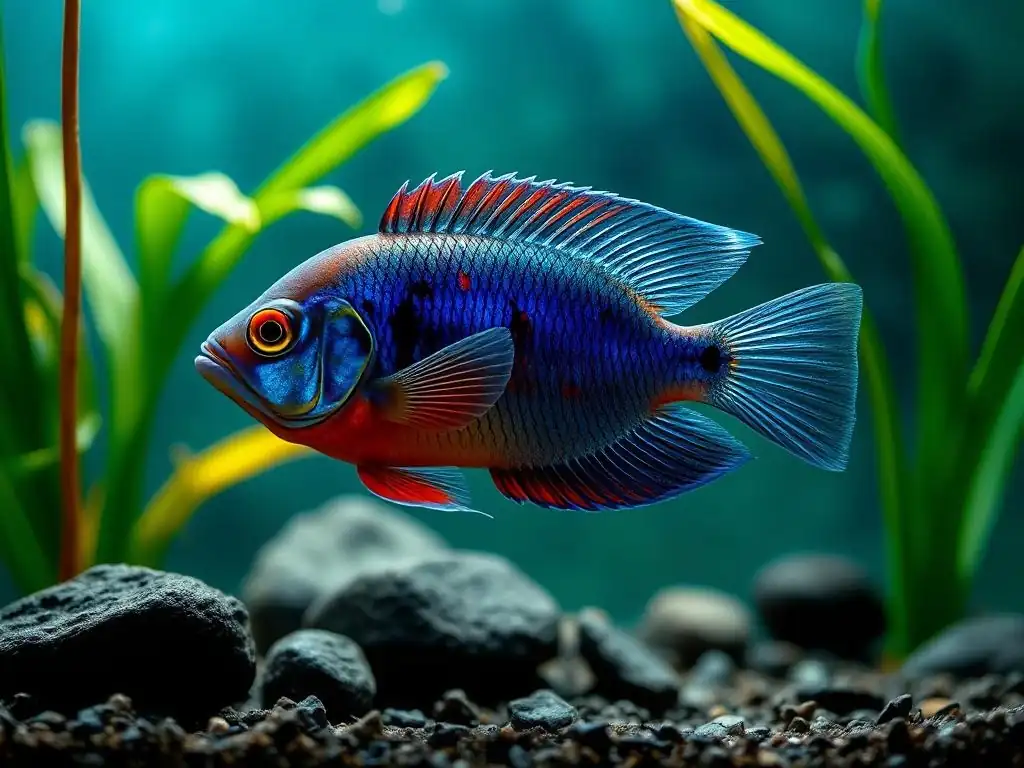
Achieving successful Cyprichromis tank Tanganyika compatibility with rock-dwelling species heavily relies on providing an adequately sized aquarium. A minimum tank size of 75 gallons (approximately 280 liters) is often cited for a small mixed Tanganyikan community, but for optimal long-term success and reduced aggression, a 125-gallon (approximately 470 liters) or larger tank is highly recommended. The additional length and depth of larger tanks provide crucial vertical swimming space for Cyprichromis to school comfortably in the water column, while simultaneously offering ample floor space and rock formations for rock dwellers to establish distinct territories.
A 6-foot long tank (around 180 cm) is ideal, even if it's not exceptionally deep, as it allows for more horizontal separation between territories and provides more open swimming lanes. Insufficient tank size is a primary cause of stress, aggression, and poor health in mixed cichlid setups, directly impacting the viability of Cyprichromis tank Tanganyika compatibility.
Water Parameters: Achieving the Right Chemistry for Both Groups
One of the significant advantages when considering Cyprichromis tank Tanganyika compatibility is that both Cyprichromis and most rock-dwelling Tanganyikan cichlids thrive in very similar water conditions. Lake Tanganyika is known for its hard, alkaline, and consistently stable water chemistry. Therefore, maintaining these parameters in the aquarium is paramount for the health of all inhabitants.
Ideal water parameters include a pH range of 7.8 to 9.0, a general hardness (GH) between 10-20 dGH, and a carbonate hardness (KH) of 10-15 dKH. The water temperature should be kept stable between 76-80°F (24-27°C). Achieving these parameters often requires buffering agents or specific substrates like aragonite sand or crushed coral to maintain alkalinity and hardness, especially in areas with soft tap water. Regular testing of water parameters is essential to ensure consistency.
Diet and Feeding Strategies for Cyprichromis and Rock Dwellers
The diverse dietary needs between Cyprichromis and certain rock-dwelling Tanganyikans present one of the most significant challenges for Cyprichromis tank Tanganyika compatibility. Cyprichromis are micropredators, primarily feeding on zooplankton in the water column. They require small, high-protein foods such as quality flake food, micro-pellets, or frozen foods like cyclops, daphnia, or brine shrimp. These foods should be offered in small amounts that float or suspend in the water column.
In contrast, rock dwellers have varied diets. Julidochromis and Neolamprologus are generally carnivorous or omnivorous, consuming small invertebrates, insect larvae, and crustaceans. They readily accept sinking pellets, flakes, and frozen foods like mysis shrimp or bloodworms. However, Tropheus species are strict herbivores, grazing on algae and requiring high-fiber vegetable-based foods. Feeding Tropheus protein-rich foods can lead to severe digestive issues like Malawi bloat. A successful feeding strategy in a mixed tank involves multiple feedings with different food types, ensuring each species receives its appropriate diet without overfeeding or contaminating the diet of others.
Potential Compatibility Issues: Cyprichromis and Rock Dwellers
Competition for Food: Minimizing Conflicts
Despite their different feeding zones, competition for food can still arise in a mixed Cyprichromis tank Tanganyika compatibility setup. Cyprichromis feed exclusively in the water column, but many rock-dwelling cichlids are opportunistic and will dart up to seize any food they can, potentially outcompeting the more delicate featherfins. This is especially true for faster-moving or more aggressive rock dwellers.
To minimize conflicts, a strategic feeding approach is necessary. Offer small amounts of Cyprichromis-specific flake or micro-pellet food first, allowing them to consume it before it sinks. After the Cyprichromis have had their share, introduce sinking pellets or wafers for the rock-dwelling species. Feeding multiple times a day in smaller quantities can also help ensure all fish receive adequate nutrition without excessive competition.
Aggression and Bullying: Identifying and Addressing Problems
Aggression is a common issue in cichlid tanks, and it can significantly impact Cyprichromis tank Tanganyika compatibility. While Cyprichromis are generally peaceful, they can become stressed or injured if constantly harassed by more territorial rock dwellers. Signs of aggression include torn fins, rapid breathing, clamped fins, hiding excessively, or a general reluctance to feed. Dominant rock-dwelling males might chase Cyprichromis if they perceive them as encroaching on their territory, even if the featherfins are simply swimming through the open water.
Addressing aggression requires careful observation. Ensure ample hiding spots and line-of-sight breaks are available within the rockwork. If a specific fish is overly aggressive, consider rearranging the aquascape to disrupt established territories, or in extreme cases, removing the aggressor from the tank. Chronic stress from bullying can lead to weakened immune systems and increased susceptibility to disease in Cyprichromis.
Spawning Behavior: How it Affects Tank Dynamics
Spawning behavior can temporarily alter tank dynamics and heighten aggression, impacting Cyprichromis tank Tanganyika compatibility. Both Cyprichromis and many rock dwellers are mouthbrooders, but their spawning rituals differ. Cyprichromis males display in the open water column, luring females to release eggs which are then quickly picked up by the female. This process usually occurs away from the substrate.
Conversely, rock-dwelling cichlids typically select a cave or a flat rock surface as their spawning site. During this period, the breeding pair (or single male, depending on species) will fiercely defend their territory, potentially becoming more aggressive towards any fish that approaches. If a Cyprichromis inadvertently swims into a rock dweller's spawning territory, it could be chased or even attacked. Providing sufficient space and numerous distinct territories can help mitigate these temporary spikes in aggression.
Successful Cyprichromis and Rock Dweller Tank Mates: Examples
Compatible Species Combinations: Case Studies
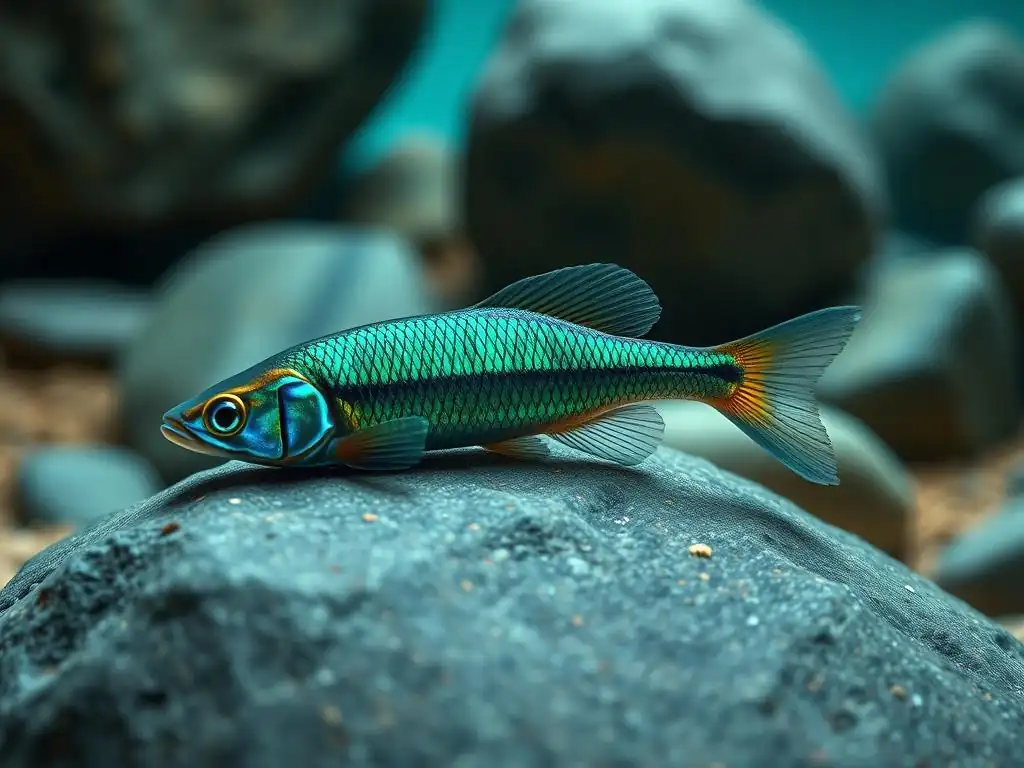
Achieving successful Cyprichromis tank Tanganyika compatibility with rock dwellers is possible with careful species selection. One of the most common and successful combinations involves Cyprichromis leptosoma or Cyprichromis microlepidotus paired with Julidochromis transcriptus or Julidochromis ornatus. These Julies are relatively small, less aggressive rock dwellers that primarily occupy the lower levels of the tank, leaving the mid-to-upper water column clear for Cyprichromis. Their territorial defense is typically confined to their immediate cave system.
Another viable option can be Cyprichromis with certain Neolamprologus species, such as Neolamprologus brichardi (Fairy Cichlid). While N. brichardi can form large, hierarchical colonies and be territorial amongst themselves, they generally leave open-water fish like Cyprichromis alone, provided there is enough space and the Cyprichromis group is robust. The key is to select rock dwellers that are not overly aggressive, do not actively hunt other fish, and primarily occupy a different ecological niche than the Cyprichromis.
Incompatible Species: Avoiding Disaster
Not all Tanganyikan cichlids are suitable for a mixed Cyprichromis tank Tanganyika compatibility setup. Highly aggressive or specialized rock dwellers should generally be avoided. Tropheus species, for example, are almost universally incompatible due to their extremely aggressive nature, high activity levels, and strict herbivorous diet, which clashes directly with the planktivorous needs of Cyprichromis. The constant stress and potential for dietary deficiencies make this a recipe for disaster.
Similarly, large and highly predatory Neolamprologus species, such as Neolamprologus tretocephalus or Neolamprologus sexfasciatus (Six-Bar Cichlid), are generally too aggressive and may harass or even prey on the smaller, more delicate Cyprichromis. Their territorial demands can also overwhelm the available space in most home aquariums, leading to constant conflict. Avoiding these species is crucial for maintaining a peaceful and healthy mixed community.
Example of a Successful Mixed Tank Setup: Cyprichromis leptosoma with Julidochromis transcriptus
A well-documented example of successful Cyprichromis tank Tanganyika compatibility involves a 125-gallon (approximately 470-liter) aquarium housing a colony of 10-12 Cyprichromis leptosoma with 2-3 established pairs of Julidochromis transcriptus. The tank was aquascaped with extensive rock structures, including multiple caves and crevices, concentrated towards the bottom and sides, leaving the central and upper water column largely open. This provided distinct territories for the Julidochromis while ensuring ample open swimming space for the Cyprichromis.
Feeding was managed by first sprinkling high-quality Cyprichromis flake food, allowing the featherfins to feed from the water surface and column. Once they had eaten, a small amount of sinking omnivore pellets was added for the Julidochromis, ensuring both groups received their appropriate nutrition. Weekly 25% water changes were performed to maintain pristine water quality, and the fish exhibited natural behaviors, including spawning from both species, without significant aggression.
Creating a Harmonious Tanganyikan Aquarium: Practical Tips
Aquascaping for Peaceful Coexistence: Creating Territories
Effective aquascaping is paramount for fostering harmonious Cyprichromis tank Tanganyika compatibility. The goal is to create distinct ecological zones within the aquarium: ample open water for Cyprichromis and numerous, well-defined territories for rock-dwelling cichlids. This is achieved by building tall, intricate rock formations that reach close to the water surface, providing visual interest and a sense of security for the open-water swimmers. At the same time, the base of these structures and separate rock piles should contain plenty of caves, tunnels, and crevices to serve as individual territories and hiding spots for the rock dwellers.
It is crucial to break up line of sight within the tank using large rocks or strategically placed rock structures. This prevents constant visual contact between fish, which can reduce aggression by allowing subdominant individuals to escape the view of dominant ones. Utilizing inert materials like slate, lava rock, or limestone is recommended, ensuring they are securely stacked to prevent collapses.
Filtration and Water Changes: Maintaining Optimal Water Quality
Pristine water quality is non-negotiable for all Tanganyikan cichlids, and it significantly contributes to Cyprichromis tank Tanganyika compatibility. Lake Tanganyika is oligotrophic, meaning it has very low nutrient levels and high oxygen saturation. To mimic this, an aquarium housing these fish requires robust filtration. Over-filtration is highly recommended, often involving multiple external canister filters or a combination of canister and sumps, to handle the bioload and maintain low nitrate levels.
In addition to powerful filtration, regular and substantial water changes are essential. A minimum of 25-30% of the tank water should be changed weekly, or even more frequently depending on stocking density and feeding habits. This practice helps to dilute nitrates, replenish essential minerals, and maintain stable pH and hardness, which are critical for the long-term health and vibrancy of both Cyprichromis and their rock-dwelling tank mates.
Monitoring Fish Behavior: Early Detection of Problems
Consistent observation of fish behavior is a critical aspect of managing a mixed Tanganyikan aquarium and ensuring successful Cyprichromis tank Tanganyika compatibility. Daily monitoring allows aquarists to detect early signs of stress, aggression, or illness before they escalate into serious problems. Look for subtle cues such as clamped fins, rapid breathing, loss of color, reluctance to feed, constant hiding, or torn fins.
If aggression is observed, try to identify the instigator and the target. Early intervention, such as adding more hiding spots, rearranging decor to break up territories, or, in severe cases, temporarily isolating the aggressive fish, can prevent further harm. Proactive monitoring helps maintain a peaceful environment and allows for timely adjustments to the tank setup or stocking if necessary.
Preventing and Addressing Aggression in a Mixed Tanganyikan Tank
Overcrowding: The Root of Many Problems
Overcrowding is a primary catalyst for aggression and stress in a mixed Tanganyikan cichlid tank, directly undermining Cyprichromis tank Tanganyika compatibility. When there isn't enough space for each fish to establish a territory or escape from dominant individuals, conflicts become inevitable. While some cichlid keepers attempt to "diffuse" aggression through intentional overstocking, this method often leads to chronic stress, poor water quality, and compromised health, particularly for more delicate species like Cyprichromis.
It is far more beneficial to adhere to recommended stocking densities, ensuring that each species has ample personal space and access to territories without constant competition. This means selecting fewer, but appropriately sized, individuals or pairs, rather than trying to fit too many fish into a given tank volume. Sufficient space allows fish to exhibit natural behaviors and reduces the likelihood of stress-induced aggression.
Introducing New Fish: Quarantine and Acclimation
Proper introduction of new fish is crucial to maintaining peace in an established Tanganyikan community and ensuring ongoing Cyprichromis tank Tanganyika compatibility. Always quarantine new fish in a separate tank for at least three to four weeks. This essential step prevents the introduction of diseases to your main display tank, protecting your existing fish. During quarantine, observe the new fish for any signs of illness or parasites and treat as necessary.
When ready to introduce quarantined fish to the main tank, acclimate them slowly to the main tank's water parameters. Introducing new fish, especially if they are subdominant, when the tank lights are off or at night can help minimize initial aggression from established residents, as they are less likely to perceive the newcomers as an immediate threat. Rearranging some decor before adding new fish can also help by temporarily disrupting existing territories.
Strategies for Reducing Aggression: Adding Visual Barriers
If aggression becomes a recurring issue in a mixed Cyprichromis and rock dweller tank, implementing strategies to reduce visual contact can be highly effective. Adding more rocks, tall artificial plants (if natural plants are not suitable for the water parameters), or even pieces of inert driftwood can create additional visual barriers. These barriers break up line of sight, allowing less dominant fish to retreat and hide from aggressors.
Another tactic is to rearrange the entire aquascape. This "resets" the territories, forcing all fish to re-establish their claims, which can sometimes diffuse persistent aggression patterns. In extreme cases where a single fish is causing significant problems, a temporary tank divider might be necessary to separate it, or rehoming the problematic individual may be the only long-term solution to restore peace and ensure the well-being of the entire community.
Conclusion: Is Cyprichromis Tank Tanganyika Compatibility Possible?
Weighing the Pros and Cons of a Mixed Tanganyikan Community
The question of Cyprichromis tank Tanganyika compatibility with rock-dwelling cichlids presents both exciting possibilities and significant challenges for the dedicated aquarist. On the positive side, a well-planned mixed Tanganyikan community offers a captivating display, showcasing the diverse ecological niches and unique behaviors of fish from Lake Tanganyika. Observing the graceful schooling of Cyprichromis above the intricate rockwork inhabited by territorial rock dwellers can be immensely rewarding.
However, the cons include the demanding requirements for tank size, the precise water parameters needed, and perhaps most notably, the divergent dietary needs and potential for aggression. The commitment to meticulous care, consistent monitoring, and a deep understanding of each species' temperament is considerable. The success of Cyprichromis tank Tanganyika compatibility hinges entirely on the aquarist's willingness to address these complexities.
The Importance of Research and Planning
Successful Cyprichromis tank Tanganyika compatibility is not a matter of chance; it is the direct result of thorough research and meticulous planning. Before acquiring any fish, it is paramount to extensively research the specific needs, adult size, temperament, and dietary requirements of each desired species. Understanding their natural behaviors and preferred habitats in Lake Tanganyika provides invaluable insight into how they will interact in a confined aquarium environment.
Planning extends beyond species selection to the physical setup of the tank. This includes designing an aquascape that provides ample vertical swimming space for Cyprichromis and numerous distinct territories for rock dwellers, selecting appropriate filtration, and devising a precise feeding regimen that caters to all inhabitants. A well-thought-out plan dramatically increases the likelihood of a harmonious and thriving mixed Tanganyikan aquarium.
Final Recommendations for Keeping Cyprichromis with Rock Dwellers
For aquarists aiming for successful Cyprichromis tank Tanganyika compatibility, several key recommendations stand out. Firstly, prioritize tank size; a minimum of 125 gallons (approximately 470 liters) is strongly advised to provide adequate space for both open-water swimmers and territorial rock dwellers. Secondly, select tank mates wisely, opting for more peaceful rock-dwelling species such as Julidochromis or less aggressive Neolamprologus (e.g., N. brichardi), while strictly avoiding highly aggressive or strictly herbivorous species like Tropheus.
Thirdly, aquascape with purpose: create extensive rockwork with numerous caves and line-of-sight breaks for rock dwellers, ensuring the upper water column remains open for Cyprichromis schooling. Fourthly, implement a precise feeding strategy that caters to the distinct dietary needs of planktivores and rock dwellers, often requiring multiple feeding sessions with different food types. Finally, maintain pristine water quality through robust filtration and regular, substantial water changes, and diligently monitor fish behavior for any signs of stress or aggression. While challenging, achieving successful Cyprichromis tank Tanganyika compatibility is indeed possible with dedication and informed care.
Frequently Asked Questions
How compatible are Cyprichromis with rock-dwelling Tanganyikan cichlids in a Tanganyika tank?
Cyprichromis are generally peaceful, open-water swimmers that can coexist with many rock-dwelling Tanganyikans. However, it's crucial to choose species that won't aggressively compete for territory or resources. Overstocking can also lead to issues.
What size tank is recommended for keeping Cyprichromis with rock-dwelling Tanganyikans?
A larger tank, typically at least 75 gallons, is recommended to provide ample swimming space for Cyprichromis and adequate territory for rock-dwelling species. This minimizes aggression and stress for both types of fish.
Which rock-dwelling Tanganyikan species are best suited to cohabitate with Cyprichromis?
Species like Neolamprologus leleupi or Julidochromis are generally compatible, provided there's sufficient rockwork to establish territories. Avoid overly aggressive species like certain Tropheus variants to prevent bullying and injury to the Cyprichromis.
What are some key considerations for water chemistry when keeping Cyprichromis and rock-dwelling Tanganyikans together?
Maintaining stable Tanganyika-specific water parameters is crucial: a pH of 8.0-9.0, high hardness (GH), and consistent temperature. Regular water changes are essential to prevent the buildup of nitrates and other harmful substances.
What feeding strategies should be employed when keeping Cyprichromis and rock-dwelling Tanganyikans in the same tank?
Offer a varied diet of high-quality flake food, small pellets, and occasional frozen or live foods. Ensure that both the surface-feeding Cyprichromis and the bottom-dwelling Tanganyikans have adequate access to food to prevent competition and ensure optimal health.
Final Reflection: Harmony in the Rift
The exploration of Cyprichromis tank Tanganyika compatibility reveals more than just the practicalities of fishkeeping; it underscores the delicate balance inherent in any ecosystem, whether natural or artificial. Understanding the nuances of species interaction, as we've discussed, is crucial not only for the well-being of our aquatic companions but also for appreciating the interconnectedness of life itself. The success of a Cyprichromis and rock-dwelling Tanganyikan community hinges on careful planning and informed decision-making, mirroring the responsibility we hold in preserving the biodiversity of our planet.
This journey into the depths of Lake Tanganyika, albeit in a miniature scale, has profoundly impacted my understanding of ecological harmony. Witnessing the vibrant tapestry of life within a carefully curated aquarium, and the potential for both beauty and conflict, reinforces the importance of mindful stewardship. In nature, nothing exists alone.
- Rachel Carson. This quote resonates deeply when considering the intricate relationships within a Tanganyikan tank, reminding us that every choice we make, from selecting tank mates to managing water parameters, has far-reaching consequences.
As you contemplate the possibility of creating your own harmonious Tanganyikan community, remember that knowledge is your greatest tool. Embrace the challenge of understanding the specific needs of each species, and strive to create an environment where all can thrive. Let the vibrant colors and fascinating behaviors of these remarkable fish inspire you to cultivate balance and harmony not only within your aquarium, but also in your own life and the world around you.
Dive Deeper: Unleash Your Tanganyikan Expertise!
Thank you for exploring the fascinating world of Cyprichromis and rock-dwelling Tanganyikan cichlids with us. Now that you're armed with knowledge, let's put it into action!
- Carefully assess your tank's size, rockwork, and filtration before introducing Cyprichromis to ensure a balanced ecosystem. This is the most important step.
- Surprise a friend! Share this article with a fellow Tanganyikan enthusiast and discuss your strategies for a peaceful tank.
- Research a less common Cyprichromis species to potentially add unique beauty to your aquarium.
What specific rock arrangement adjustments will you make to best accommodate both Cyprichromis and rock-dwelling species in your tank? Share your thoughts below!