
Bumblebee Platy: Striking Colors and Their Specific Care

Welcome to Aquarium Mastery!
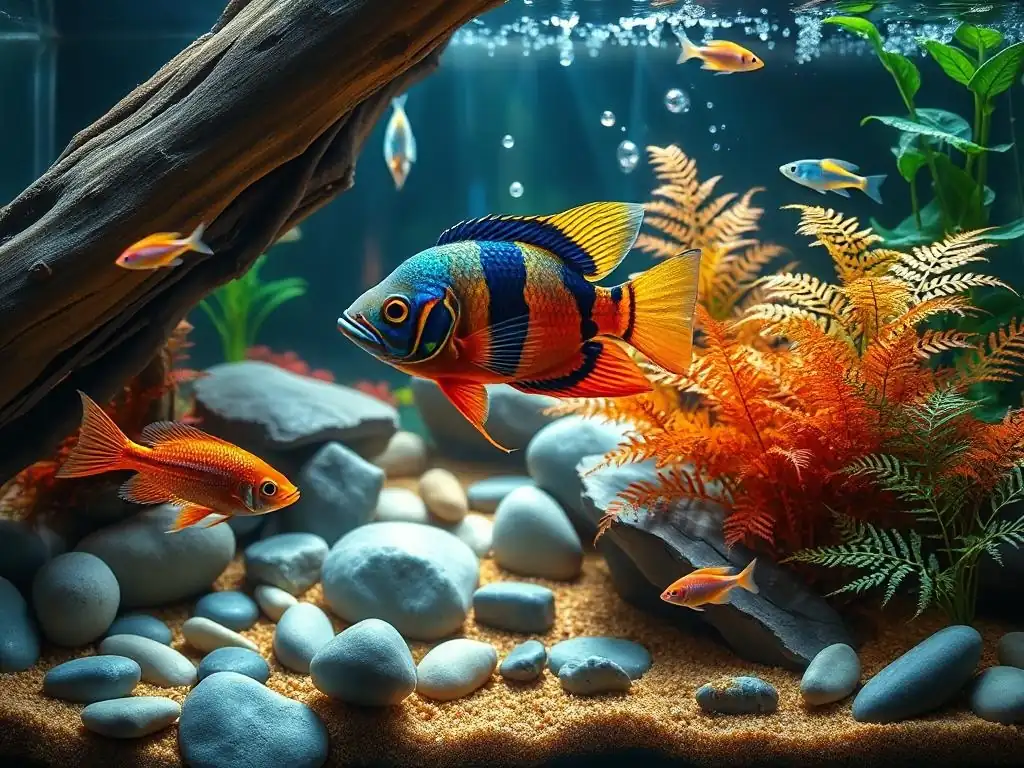
Intrigued by the vibrant colors and playful nature of the Bumblebee Platy? You've come to the right place! Discover everything you need to know about Bumblebee Platy care requirements in this detailed guide, ensuring these dazzling additions thrive in your freshwater aquarium. Uncover the secrets to their optimal environment, diet, and more – are you ready to unlock the key to a happy and healthy Bumblebee Platy community?
- Introduction to the Bumblebee Platy
- Bumblebee Platy Care Requirements: A Comprehensive Guide
- Bumblebee Platy Appearance and Characteristics
- Bumblebee Platy Tank Mates: Compatibility and Social Needs
- Bumblebee Platy Breeding: A Guide to Successful Reproduction
- Common Bumblebee Platy Health Issues and Prevention
- Maintaining Vibrant Colors in Bumblebee Platies
- Troubleshooting Common Bumblebee Platy Problems
- Conclusion: Enjoying Your Beautiful Bumblebee Platies
-
Frequently Asked Questions
- What are the basic water parameter requirements for Bumblebee Platies?
- What type of food should I feed my Bumblebee Platies to maintain their vibrant colors?
- How often should I perform water changes in a Bumblebee Platy aquarium?
- Are Bumblebee Platies peaceful and suitable for a community tank?
- What size tank is recommended for a group of Bumblebee Platies?
- Final Reflection: Appreciating the Vibrant Bumblebee Platy
- Ignite Your Aquarium Passion: Embark on a Bumblebee Platy Journey!
Introduction to the Bumblebee Platy
What is a Bumblebee Platy? A Colorful Addition to Your Aquarium
The Bumblebee Platy, a popular variant of Xiphophorus maculatus, is a freshwater fish renowned for its vibrant and distinctive coloration. Its name is derived from its striking pattern of black and bright yellow or orange stripes, which closely resemble those of a bumblebee. Originating from selective breeding of wild platies found in Central American waters, particularly Mexico and Guatemala, this species has become a staple in the aquarium hobby.
These small, active fish are celebrated for their peaceful temperament and ease of care, making them an excellent choice for both novice and experienced aquarists. Their unique appearance adds a dynamic visual element to any freshwater setup, providing a constant source of movement and color. The Bumblebee Platy's hardiness and adaptability further contribute to its widespread appeal, establishing it as a delightful and low-maintenance inhabitant for community tanks.
Why Choose Bumblebee Platies for Your Freshwater Tank?
Bumblebee Platies offer numerous advantages that make them a prime choice for freshwater aquariums. Their relatively small size, typically reaching 2 to 2.5 inches, allows them to thrive in moderately sized tanks without overcrowding. Beyond their captivating aesthetics, these fish are remarkably hardy, tolerating a range of water conditions more readily than many other species, which simplifies their overall Bumblebee Platy care requirements.
Furthermore, their peaceful disposition makes them ideal candidates for community tanks, coexisting harmoniously with a wide variety of non-aggressive fish. As livebearers, platies are also prolific breeders, offering an engaging opportunity for hobbyists interested in observing the reproductive cycle and raising fry. This combination of beauty, resilience, and ease of breeding ensures a rewarding experience for anyone looking to add a splash of life and color to their aquatic environment.
Bumblebee Platy Care Requirements: A Comprehensive Guide
Understanding Bumblebee Platy Tank Setup
Ideal Tank Size for Bumblebee Platies
For a small group of Bumblebee Platies, typically 3 to 5 individuals, a minimum tank size of 10 gallons is recommended. This provides sufficient swimming space and helps maintain stable water parameters, which are crucial for their well-being. A 10-gallon tank allows for adequate biological filtration and reduces the likelihood of stress and aggression among the fish.
However, for larger groups, a community tank setup, or if you anticipate breeding, a 20-gallon tank or larger is significantly more beneficial. A greater volume of water offers enhanced stability in temperature and water chemistry, dilutes waste products more effectively, and provides ample room for the platies to explore and for any potential fry to thrive. Ensuring appropriate tank size is a foundational aspect of meeting Bumblebee Platy care requirements.
Essential Tank Equipment for Platies: Filters, Heaters, and Lighting
Proper equipment is paramount for a healthy Bumblebee Platy aquarium. A reliable filtration system, such as a hang-on-back (HOB) filter or a sponge filter, is essential to maintain water quality. These filters provide mechanical, chemical, and biological filtration, removing debris, toxins, and promoting beneficial bacteria crucial for the nitrogen cycle. The filter should provide gentle flow, as strong currents can stress platies.
A heater is also a non-negotiable component, as Bumblebee Platies thrive in stable temperatures. For a 10-gallon tank, a 50-watt heater is typically sufficient, while a 100-watt heater would suit a 20-gallon setup. Standard LED or fluorescent lighting, set to run for 8-10 hours daily, is adequate for viewing your fish and supporting the growth of any live plants you might include. These elements collectively fulfill vital Bumblebee Platy care requirements for a stable habitat.
Bumblebee Platy Substrate and Decoration Recommendations
When setting up a tank for Bumblebee Platies, the choice of substrate and decorations plays a significant role in their comfort and health. A fine gravel or sand substrate is ideal, as it is easy to clean and gentle on the fish. Many aquarists opt for darker substrates, which can visually enhance the vibrant yellow and black patterns of the Bumblebee Platy, making their colors appear more striking.
Decorations should include a mix of live plants, driftwood, and smooth rocks. Live plants like Java Fern, Anubias, and Hornwort provide essential hiding spots, which reduce stress and offer security, especially for pregnant females or fry. These plants also contribute to water quality by absorbing nitrates. Driftwood and smooth rocks add natural aesthetics and further enrichment, creating a stimulating and safe environment that meets critical Bumblebee Platy care requirements.
Bumblebee Platy Water Parameters: Maintaining a Healthy Environment
Ideal Water Temperature for Bumblebee Platies
Maintaining a consistent and appropriate water temperature is a critical aspect of Bumblebee Platy care requirements. These fish thrive in tropical conditions, with an ideal temperature range of 72-78°F (22-26°C). Fluctuations outside this range or rapid changes can cause significant stress, weakening their immune system and making them susceptible to diseases.
A reliable aquarium heater, paired with an accurate thermometer, is indispensable for ensuring temperature stability. Regular monitoring of the temperature helps prevent thermal shock and supports the platies' metabolic functions, ensuring they remain active, healthy, and display their best coloration. Consistent temperature contributes directly to their overall vitality and longevity in the aquarium.
pH Level and Water Hardness for Platy Fish
Bumblebee Platies originate from regions with moderately hard to hard water, and replicating these conditions is vital for their well-being. The ideal pH level for platies ranges from 7.0 to 8.0, indicating a preference for slightly alkaline water. This pH range supports their physiological processes and helps prevent issues related to osmotic balance.
Regarding water hardness, platies thrive in conditions with a general hardness (GH) of 10-25 dGH (180-450 ppm). Harder water provides essential minerals that platies need for proper osmoregulation and bone development. Using a water test kit to regularly monitor both pH and GH levels allows aquarists to make necessary adjustments, ensuring these fundamental Bumblebee Platy care requirements are consistently met for optimal health.
Importance of Regular Water Changes for Platy Health
Regular water changes are arguably the most crucial ongoing maintenance task for ensuring the health and longevity of Bumblebee Platies. A weekly water change of 25-30% is highly recommended. This practice removes accumulated nitrates, phosphates, and other harmful waste products that can build up over time, even with efficient filtration.
Beyond waste removal, water changes replenish essential minerals that platies utilize and help maintain the stability of pH and hardness levels. Clean, fresh water significantly reduces stress on the fish, boosts their immune systems, and prevents the onset of many common aquarium diseases. Neglecting this vital aspect of Bumblebee Platy care requirements can quickly lead to deteriorated water quality, cloudy water, and ultimately, sick fish.
Bumblebee Platy Diet and Feeding
What do Bumblebee Platies Eat? A Balanced Diet
Bumblebee Platies are omnivores, meaning their diet should consist of both plant and animal matter to ensure optimal health and vibrant coloration. A high-quality flake food, preferably one that is spirulina-based or formulated for color enhancement, should form the cornerstone of their daily diet. Small sinking pellets can also be offered to ensure all fish, including shyer individuals, get enough to eat.
To provide a well-rounded diet and replicate their natural foraging behaviors, supplement their staple diet with various live or frozen foods. Options such as brine shrimp, bloodworms, and daphnia are excellent sources of protein and essential nutrients. Additionally, blanched vegetables like zucchini slices, peas (shelled), or spinach can be offered occasionally. A diverse diet is key to meeting Bumblebee Platy care requirements for robust health and brilliant hues.
Recommended Feeding Schedule for Bumblebee Platies
Establishing a consistent feeding schedule is important for the health and routine of your Bumblebee Platies. It is generally recommended to feed them 2-3 times per day. The key is to offer only a small amount of food during each feeding session – specifically, only what they can entirely consume within 2-3 minutes. This approach prevents overfeeding and helps maintain water quality.
Regular feeding times also help reduce stress and encourage natural foraging behaviors. Observing how quickly your platies consume the food will allow you to fine-tune the portion sizes, ensuring they receive adequate nutrition without leaving excess food to decay in the tank. Adhering to this feeding regimen is a simple yet effective component of comprehensive Bumblebee Platy care requirements.
Avoiding Overfeeding in Your Platy Tank
Overfeeding is one of the most common mistakes in aquarium keeping and can have severe consequences for your Bumblebee Platies and their environment. When too much food is offered, uneaten portions decompose, leading to a rapid deterioration of water quality. This results in dangerous spikes in ammonia and nitrite, which are highly toxic to fish, and an increase in nitrates, contributing to excessive algae growth.
Beyond water quality issues, overfeeding can cause health problems for the platies themselves, including obesity, digestive blockages, and a weakened immune system. Symptoms of overfeeding often include cloudy water, a foul odor, and uneaten food accumulating on the substrate. To prevent these issues, always adhere to the recommended portion sizes, remove any uneaten food after a few minutes, and consider skipping one feeding day a week to allow their digestive systems to rest. This diligent practice is fundamental to successful Bumblebee Platy care requirements.
Bumblebee Platy Appearance and Characteristics
Identifying Bumblebee Platies: Colors and Markings
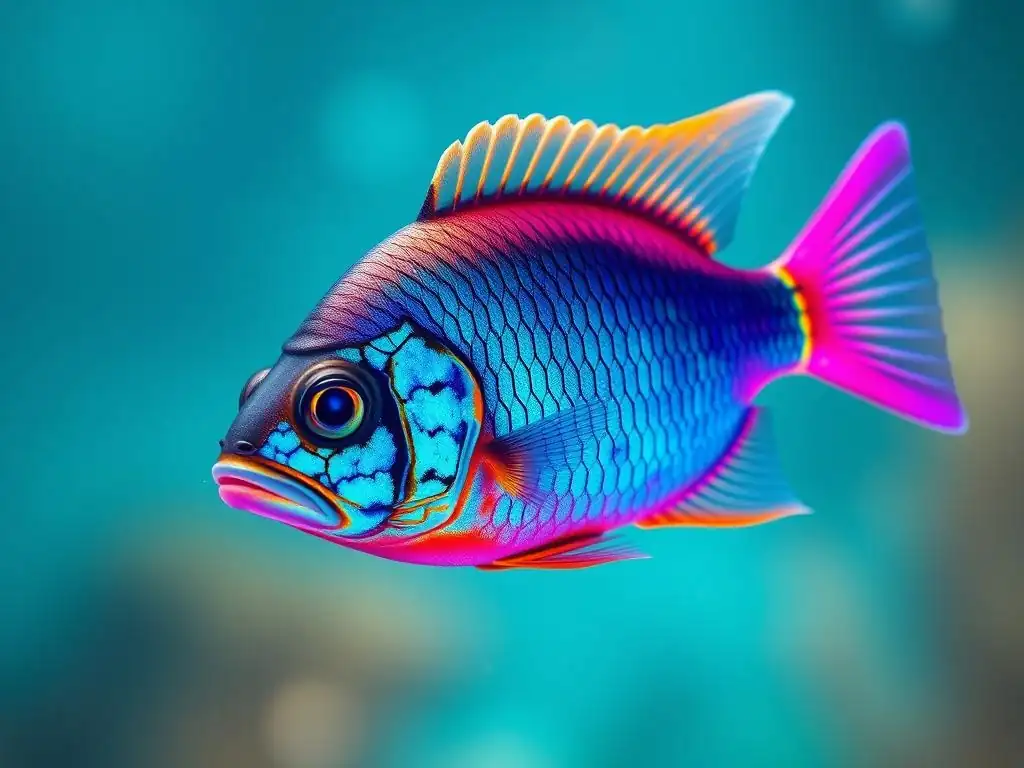
The Bumblebee Platy is unmistakably identified by its distinctive and vibrant color pattern, which gives it its common name. The fish displays prominent, broad bands of deep black alternating with equally striking bands of bright yellow or intense orange. These stripes typically run horizontally along the body, creating a vivid, bee-like appearance.
Beyond their iconic coloration, Bumblebee Platies exhibit the characteristic short, stout body shape typical of Xiphophorus maculatus. They possess a fan-shaped caudal fin and generally have clear or slightly colored fins that complement their body pattern. While the classic "bumblebee" pattern is quite consistent, slight variations in the width and intensity of the stripes can occur between individual fish.
Bumblebee Platy Size and Lifespan
Bumblebee Platies are relatively small fish, making them suitable for a range of aquarium sizes. Adult males typically reach a length of about 1.5 to 2 inches (3.8-5 cm), while females tend to be slightly larger and more robust, growing to approximately 2 to 2.5 inches (5-6.3 cm). Their compact size contributes to their suitability for community tanks.
With proper Bumblebee Platy care requirements consistently met, including optimal water quality, a balanced diet, and a stress-free environment, these charming fish can enjoy a lifespan of 3 to 5 years in a home aquarium. Factors such as genetics, tank conditions, and overall husbandry significantly influence how long an individual platy will live.
Distinguishing Male and Female Bumblebee Platies
Distinguishing between male and female Bumblebee Platies is relatively straightforward once they reach maturity, typically around 2-3 months of age. The most definitive characteristic lies in the shape of their anal fin. Male platies possess a modified anal fin called a gonopodium, which is thin, pointed, and used for reproduction. This contrasts sharply with the female's anal fin.
Female platies, on the other hand, have a fan-shaped anal fin that is broader and more rounded. In addition to this primary distinction, females are generally larger and have a rounder, fuller body shape, especially when they are gravid (pregnant). Males tend to be more slender and sometimes exhibit slightly more vibrant coloration, though this is not always a reliable differentiator.
Best Tank Mates for Bumblebee Platies
Bumblebee Platies are peaceful and social fish, making them excellent candidates for a community aquarium. The best tank mates are other similarly sized, non-aggressive species that thrive in similar water parameters. Good choices include other livebearers such as Guppies, Mollies (ensure sufficient space for mollies), and Swordtails, as they share similar environmental needs and temperaments.
Other compatible species include peaceful tetras like Neon Tetras, Ember Tetras, or Rummy Nose Tetras, as well as various Rasboras (e.g., Harlequin Rasboras). Bottom dwellers such as Corydoras catfish and Otocinclus catfish are also excellent additions, as they occupy different levels of the tank and help with tank maintenance. When selecting tank mates, prioritize fish that will not outcompete platies for food or exhibit aggressive behaviors, ensuring all Bumblebee Platy care requirements for social harmony are met.
Fish to Avoid Keeping with Bumblebee Platies
While Bumblebee Platies are generally docile, certain fish species are unsuitable as tank mates due to their aggressive nature, fin-nipping tendencies, or vastly different environmental needs. Highly aggressive cichlids, such as Convict Cichlids or Jack Dempseys, should be avoided entirely, as they will likely bully, injure, or even kill platies.
Similarly, some larger, more territorial barbs, like Tiger Barbs, are known fin-nippers and can cause significant stress and physical harm to the platies' delicate fins. Very large or predatory fish that could view platies as food should also be excluded. Lastly, avoid extremely delicate or timid species that might be outcompeted for food or stressed by the platies' active swimming habits, ensuring the environment supports all Bumblebee Platy care requirements.
Bumblebee Platies are social and active fish that thrive when kept in groups. While they don't form strict schools in the same way some tetras do, keeping them in a group of at least 3-5 individuals helps them feel more secure, reduces individual stress, and encourages their natural behaviors. Observing a small group interact is far more engaging than watching a single specimen.
When keeping multiple platies, it is crucial to maintain an appropriate male-to-female ratio, especially if you have both sexes. A ratio of at least 2-3 females per male is highly recommended. This helps to distribute the male's attention and prevents any single female from being excessively harassed during breeding attempts, which can lead to stress and exhaustion. Managing this social dynamic is a key aspect of successful Bumblebee Platy care requirements.
Bumblebee Platy Breeding: A Guide to Successful Reproduction
Setting Up a Breeding Tank for Bumblebee Platies
Bumblebee Platies are prolific livebearers, making their breeding process relatively straightforward. To encourage successful reproduction and protect the fry, setting up a dedicated breeding tank is often recommended. A 5-10 gallon tank is typically sufficient for a single breeding pair or a visibly gravid (pregnant) female.
The breeding tank should be equipped with a gentle sponge filter to prevent fry from being sucked in and to maintain water quality. Crucially, dense live plants like Java Moss, Hornwort, or floating plants provide essential hiding spots for the fry immediately after birth, protecting them from being eaten by the adults. Maintaining the same optimal Bumblebee Platy care requirements for water parameters (temperature 72-78°F, pH 7.0-8.0, moderately hard water) as the main tank is vital for the female's health and successful gestation.
Bumblebee Platy Breeding Process: Signs and Stages
Bumblebee Platies are livebearers, meaning they give birth to fully formed, free-swimming fry rather than laying eggs. The breeding process begins when a male fertilizes a female using his gonopodium. Once fertilized, the female's gestation period typically lasts around 28-30 days, though this can vary slightly based on temperature and individual fish.
During pregnancy, the female will show several noticeable signs. Her abdomen will become significantly larger and more squared off, particularly in the days leading up to birth. A dark "gravid spot" will also become prominent near her anal fin, indicating the developing fry inside. When she is ready to give birth, she may become reclusive or seek out dense plant cover. Females can produce anywhere from 20 to 80 fry, or even more, in a single brood, with the birthing process often taking several hours.
Caring for Bumblebee Platy Fry: Raising Healthy Young Platies
Caring for Bumblebee Platy fry requires immediate attention to protect them from predation by adult fish, including their own parents, who will readily consume them. The most effective method is to move the gravid female to a separate breeding tank just before birth, or use a breeding box within the main tank. Alternatively, providing extremely dense plant cover in the main tank can offer some protection.
Once born, the fry are tiny but free-swimming. They require frequent feedings of specialized fry food, finely crushed high-quality flake food, or newly hatched brine shrimp, 3-4 times a day. Maintaining pristine water quality is paramount for their rapid growth and health; perform small, frequent water changes (e.g., 10-15% every other day) to keep ammonia and nitrite levels at zero and nitrates low. This diligent attention to early Bumblebee Platy care requirements ensures the successful raising of healthy young platies.
Common Bumblebee Platy Health Issues and Prevention
Identifying Common Platy Diseases
Like all aquarium fish, Bumblebee Platies can be susceptible to various health issues, particularly if their Bumblebee Platy care requirements are not consistently met. One of the most common ailments is Ich (Ichthyophthirius multifiliis), also known as White Spot Disease, characterized by small, white, salt-like spots on the fish's body and fins, often accompanied by scratching against tank decorations.
Bacterial infections such as Fin Rot are also prevalent, manifesting as frayed, ragged, or disintegrating fins, frequently caused by poor water quality. Fungal infections may appear as cotton-like growths on the body or fins, usually developing as secondary infections on stressed or injured fish. More severe internal issues like Dropsy, where the fish's body swells and scales protrude (pinecone appearance), indicate organ failure and are often a sign of chronic stress or poor conditions.
Treating Sick Bumblebee Platies
Upon identifying a sick Bumblebee Platy, prompt action is crucial for recovery and to prevent the spread of illness. The first step is to immediately move the affected fish to a separate quarantine tank. This isolation prevents the disease from spreading to healthy tank mates and allows for targeted treatment without affecting the main aquarium's biological filter or other inhabitants.
Once quarantined, administer appropriate over-the-counter aquarium medications specific to the identified disease. For Ich, raise the water temperature slightly (if suitable for tank mates) and use an Ich treatment. Bacterial infections often require broad-spectrum antibacterial solutions, while fungal infections are treated with antifungal agents. Crucially, always address the underlying cause of the illness, which is often poor water quality. Performing water tests and correcting any imbalances is a vital part of treating sick platies and reinforcing their Bumblebee Platy care requirements.
Preventing Health Problems in Your Platy Aquarium
Prevention is always better than cure when it comes to fish health. The most effective way to prevent health problems in your Bumblebee Platy aquarium is to consistently meet all their Bumblebee Platy care requirements. This includes maintaining stable and optimal water parameters, specifically temperature (72-78°F), pH (7.0-8.0), and water hardness (10-25 dGH). Regular weekly water changes of 25-30% are paramount for removing toxins and replenishing essential minerals.
Providing a balanced and varied diet boosts their immune systems, making them more resilient to disease. Avoiding overcrowding is also critical, as it reduces stress, aggression, and the buildup of waste. Finally, always quarantine any new fish, plants, or decorations for 2-4 weeks before introducing them to the main tank. This practice helps prevent the introduction of pathogens and ensures a healthy environment for your existing platies.
Maintaining Vibrant Colors in Bumblebee Platies
Factors Affecting Bumblebee Platy Coloration
The stunning coloration of Bumblebee Platies, with their distinct black and yellow/orange stripes, is a primary reason for their popularity. However, several factors can influence the vibrancy and intensity of these colors. Genetics plays the most significant role, determining the base potential for their hues. Beyond genetics, diet is a crucial factor; a lack of specific pigments, particularly carotenoids, in their food can lead to dull or faded colors.
Water quality also profoundly impacts coloration. Poor water conditions, characterized by high nitrates or fluctuating parameters, stress the fish, causing them to lose their vibrant sheen as their energy is diverted to coping with stress rather than maintaining vivid pigments. Similarly, overall stress levels from incompatible tank mates, overcrowding, or inadequate hiding spots can diminish a platy's natural vibrancy. Meeting all Bumblebee Platy care requirements is essential for maintaining their striking appearance.
Optimizing Diet for Enhanced Color
To ensure your Bumblebee Platies display their most vibrant colors, optimizing their diet is essential. Incorporate high-quality flake or pellet foods specifically formulated with natural color enhancers. Look for ingredients like spirulina, astaxanthin, and carotene, which are natural pigments that platies can absorb and utilize to intensify their yellow and orange hues.
Supplementing their diet with live or frozen foods is also highly beneficial. Brine shrimp and bloodworms, for example, are rich in protein and natural pigments that contribute to superior coloration. Occasional offerings of blanched vegetables like spinach or zucchini provide essential vitamins and minerals. A diverse and nutrient-rich diet directly correlates with the intensity and brilliance of a platy's coloration, reflecting well-met Bumblebee Platy care requirements.
Water Quality and Its Impact on Platy Colors
Pristine water quality is fundamental not only for the health but also for the vibrant coloration of Bumblebee Platies. When water parameters are stable and within their ideal range (temperature 72-78°F, pH 7.0-8.0, moderately hard water), platies experience minimal stress and can allocate their energy towards maintaining their brilliant pigments. High levels of nitrates, often a result of infrequent water changes or overfeeding, are a common cause of faded colors and a general dullness in fish.
Regular weekly water changes (25-30%) are crucial for keeping nitrate levels below 20 ppm and replenishing essential minerals, which directly contribute to overall fish vitality and color intensity. While lighting doesn't directly affect pigment production, appropriate aquarium lighting helps observers appreciate the full spectrum of the platies' colors. A clean, stable environment is the bedrock upon which the most striking coloration is achieved, making water quality a cornerstone of Bumblebee Platy care requirements.
Troubleshooting Common Bumblebee Platy Problems
Addressing Fin Nipping in Platies
Fin nipping can be a frustrating issue in a community aquarium, potentially leading to stress, injury, and secondary infections for your Bumblebee Platies. If you observe frayed or damaged fins on your platies, the first step is to identify the culprit. Carefully observe tank mates during feeding times and throughout the day; some barbs, certain tetras, or even other platies (if overcrowded) can be responsible.
Once the aggressor is identified, consider removing them if they are consistently causing harm. Re-evaluating your tank mate compatibility is crucial. Ensure your tank is not overcrowded, as this can heighten aggression due to limited space. Providing more hiding spots and visual breaks with plants and decorations can also help diffuse tension and give targeted fish a place to retreat, contributing to overall Bumblebee Platy care requirements.
Dealing with Aggression in the Platy Tank
While generally peaceful, minor aggression can occasionally occur among Bumblebee Platies, particularly related to breeding behavior or overcrowding. If you notice males constantly harassing females, the male-to-female ratio might be imbalanced. Aim for at least 2-3 females per male to spread out the male's attention and reduce stress on individual females.
In rare cases, if aggression persists, it could be a sign of underlying stress due to inadequate tank size or poor water quality. Ensure all Bumblebee Platy care requirements related to tank size, filtration, and water parameters are meticulously met. Increasing tank size or adding more visual barriers with plants and decor can also help alleviate territorial disputes by breaking up lines of sight and providing more personal space.
Solving Algae Issues in a Bumblebee Platy Aquarium
Algae growth is a common issue in aquariums, often indicative of an imbalance in nutrients and light. In a Bumblebee Platy tank, excessive algae typically stems from overfeeding, infrequent water changes leading to high nitrates and phosphates, or too much light exposure. Addressing these root causes is key to controlling algae.
To solve algae issues, first, reduce the amount of food you're offering to prevent excess nutrients. Increase the frequency or volume of your water changes to remove nitrates and phosphates more effectively; aiming for 25-30% weekly is ideal. Shorten your lighting period to 8-10 hours per day. Introducing appropriate algae-eating tank mates, such as Otocinclus catfish or Nerite snails, can also help. Finally, physically remove algae during your regular tank maintenance. Maintaining a clean tank environment is an integral part of comprehensive Bumblebee Platy care requirements.
Conclusion: Enjoying Your Beautiful Bumblebee Platies
The Joys of Keeping Bumblebee Platies
Keeping Bumblebee Platies is a truly rewarding experience for aquarists of all levels. Their striking black and yellow/orange coloration brings an undeniable vibrancy and dynamic beauty to any freshwater aquarium, instantly becoming a focal point. Beyond their aesthetic appeal, their active yet peaceful nature makes them fascinating to observe, whether interacting with tank mates or exploring their environment.
For those interested in the intricacies of aquatic life, their straightforward breeding process as livebearers offers a unique opportunity to witness the cycle of life firsthand and even raise healthy fry. Their relative hardiness and manageable Bumblebee Platy care requirements mean that even novice hobbyists can achieve success, building confidence and fostering a deeper appreciation for the aquatic world.
Resources for Further Learning About Platy Care
To further enhance your understanding and ensure the best possible Bumblebee Platy care requirements are met, several resources are available. The Aquarium Mastery website itself offers a wealth of detailed articles on livebearer profiles, water chemistry, freshwater fish health, and general aquarium maintenance. These resources provide in-depth guidance on various aspects of fish keeping.
Engaging with online aquarium forums and communities can also be incredibly beneficial. These platforms allow you to connect with experienced aquarists, ask specific questions, and learn from shared experiences. Additionally, consulting knowledgeable staff at your local fish store can provide valuable insights tailored to your region and available products. For comprehensive knowledge, dedicated aquarium encyclopedias or specialized platy care guides found in books can offer a deeper dive into the nuances of their husbandry.
Frequently Asked Questions
What are the basic water parameter requirements for Bumblebee Platies?
Bumblebee Platies thrive in freshwater with a temperature range of 72-78°F, a pH between 6.8 and 7.8, and a moderate level of water hardness. Regular water changes are also crucial.
What type of food should I feed my Bumblebee Platies to maintain their vibrant colors?
A varied diet is key! Offer high-quality flake food supplemented with live or frozen foods like brine shrimp and daphnia to enhance their natural coloration and overall health.
How often should I perform water changes in a Bumblebee Platy aquarium?
Aim for weekly water changes of about 25% of the tank volume. This helps maintain water quality and prevent the buildup of harmful nitrates.
Are Bumblebee Platies peaceful and suitable for a community tank?
Yes, they are generally peaceful fish and do well in community tanks. However, avoid keeping them with fin-nipping species that might stress them.
What size tank is recommended for a group of Bumblebee Platies?
A minimum of a 10-gallon tank is recommended for a small group of Bumblebee Platies. A larger tank is always better, allowing for more swimming space and a more stable environment.
Final Reflection: Appreciating the Vibrant Bumblebee Platy
The information presented throughout this article underscores the importance of understanding species-specific care requirements for successful fishkeeping. In a world increasingly disconnected from the natural world, taking the time to learn about and properly care for creatures like the Bumblebee Platy is a small but significant act of responsibility and appreciation for biodiversity.
The allure of the Bumblebee Platy, with its striking colors and playful personality, is undeniable. However, true appreciation extends beyond mere aesthetics; it demands a commitment to providing the optimal environment for these creatures to thrive. The greatness of a nation and its moral progress can be judged by the way its animals are treated.
- Mahatma Gandhi. This quote, though broad, resonates deeply when considering the ethical responsibility we bear towards the animals in our care, including the humble Bumblebee Platy.
Now, armed with the knowledge of Bumblebee Platy care requirements, I invite you to reflect on your own role in the aquarium hobby. Consider how you can contribute to the well-being of these vibrant fish, and perhaps even inspire others to do the same. Let's strive to create not just visually appealing aquariums, but thriving ecosystems where these beautiful creatures can flourish for years to come.
Ignite Your Aquarium Passion: Embark on a Bumblebee Platy Journey!
Thank you for exploring the vibrant world of Bumblebee Platies with us! We hope you've gained valuable insights into their unique beauty and care requirements. Now, it's time to translate that knowledge into action.
Here are a few steps you can take to further enrich your aquarium experience:
- Commit to a weekly partial water change of 25-30% in your platy tank. This simple act will drastically improve their health and happiness.
- Share your newfound Bumblebee Platy knowledge! Inspire a friend or fellow aquarium enthusiast to explore these captivating fish.
- Design a mini photo shooting for your platies in your fish tank. Who can resist the charm of a well-lit, action-packed platy picture?
What specific aspect of Bumblebee Platy care are you most eager to implement in your aquarium today?