
The Surprising Intelligence of Oscar Fish: More Than Just a Pretty (and Big) Face?

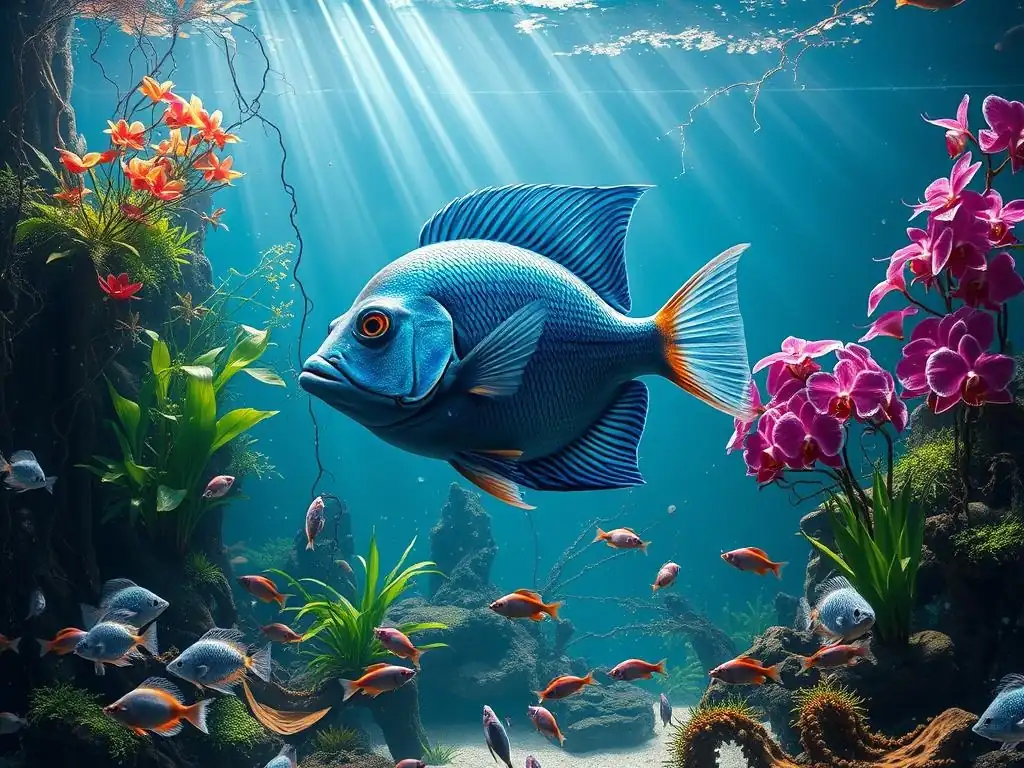
Welcome to Aquarium Mastery, fellow aquarist! Ever wonder if your fish is just... swimming? Prepare to be amazed! We're diving deep into the surprisingly clever world of Oscar fish, and specifically, their intelligence. Could you actually train an Oscar? Get ready to uncover the truth about Oscar fish intelligence training and discover just how much more there is to these fascinating freshwater giants than meets the eye. Intrigued? Read on to unlock their secrets!
- Unveiling the Cognitive Abilities of Oscar Fish: A Deep Dive
- Why Oscar Fish Are Considered Intelligent Among Aquarium Fish
- Oscar Fish Intelligence Training: Techniques and Benefits
- Oscar Fish Behavior: Understanding Their Complex Social Interactions
- Enhancing Oscar Fish Cognitive Development Through Environmental Enrichment
- Comparing Oscar Fish Intelligence to Other Freshwater Fish Species
- The Ethical Considerations of Keeping Intelligent Fish Like Oscars
- Optimizing Your Oscar Fish Care for a Happy and Healthy Life
- Conclusion: Appreciating the Intelligence and Complexity of Oscar Fish in the Aquarium
-
Frequently Asked Questions
- How intelligent are Oscar fish actually considered to be?
- Can Oscar fish be trained?
- What kinds of behaviors demonstrate an Oscar fish's intelligence?
- How does an Oscar fish's intelligence compare to other popular aquarium fish?
- What's the best way to engage an Oscar fish's intelligence in a home aquarium?
- Final Reflection: Unlocking Potential, One Oscar at a Time
- Uncover the Oscar's Hidden Genius!
Unveiling the Cognitive Abilities of Oscar Fish: A Deep Dive
Oscar fish (Astronotus ocellatus), often recognized for their striking appearance and impressive size, are much more than just decorative additions to an aquarium. These New World cichlids possess a surprising level of intelligence that sets them apart from many other freshwater species. Their capacity for learning, problem-solving, and complex social interactions challenges the common perception of fish as simple, instinct-driven creatures.
Aquarists who have spent time observing Oscars often report behaviors that suggest a sophisticated cognitive ability. From recognizing their owners to exhibiting what appears to be playful conduct, these fish demonstrate a remarkable adaptability and responsiveness to their environment. Understanding their intelligence is key to providing them with optimal care and truly appreciating their unique personalities.
Why Oscar Fish Are Considered Intelligent Among Aquarium Fish
Beyond Instinct: Demonstrating Oscar Fish Learning Capacity
Oscar fish exhibit a remarkable capacity for learning that extends far beyond basic instinctual responses. They are highly adept at associative learning, quickly linking specific stimuli with outcomes. For instance, many Oscar owners report their fish learning to associate the approach of a particular person with feeding time, swimming excitedly to the front of the tank even before food is introduced. This behavior goes beyond a simple reaction to a hand near the water; it demonstrates recognition and anticipation based on learned patterns.
Furthermore, Oscars can be trained through operant conditioning, learning to perform specific actions for rewards. While not as extensively studied as some mammalian species, anecdotal evidence from aquarists suggests Oscars can learn to swim through hoops, bump targets, or even "play dead" for food treats. This ability to form and retain complex associations, often over periods of several weeks or even months, indicates a strong memory and cognitive flexibility.
Oscar Fish Problem-Solving Skills in Captivity
In a captive environment, Oscar fish frequently display behaviors indicative of problem-solving abilities. They are known for their curiosity and their tendency to rearrange tank decor, often pushing gravel, rocks, or even small ornaments to create a preferred resting spot or to uncover hidden food. This active manipulation of their environment suggests a capacity to assess a situation and take deliberate action to achieve a desired outcome.
More specifically, some Oscars have been observed figuring out how to dislodge suction cups holding heaters or filters, or persistently nudging floating food items until they drift into an accessible corner. While these might seem like simple actions, they demonstrate an understanding of cause and effect and an ability to adapt their behavior to overcome obstacles. Such instances highlight their innate intelligence and potential for Oscar fish intelligence training.
Recognizing Owners: The Oscar Fish Bond and Interaction
One of the most compelling pieces of evidence for Oscar fish intelligence is their widely reported ability to recognize and interact with their owners. Unlike many fish that react indiscriminately to any approaching figure, Oscars often differentiate between individuals. They may show excitement and approach the front of the tank when their primary caregiver is present, while remaining aloof or even hiding from strangers. This suggests an advanced visual recognition capability.
Beyond mere recognition, Oscars frequently engage in interactive behaviors, such as following an owner's finger outside the tank, "begging" for food with specific body movements, or even allowing gentle petting (though this is generally discouraged to minimize stress). This personalized interaction indicates a capacity for forming a rudimentary bond, making Oscar fish intelligence training a particularly rewarding endeavor for dedicated aquarists.
Oscar Fish Intelligence Training: Techniques and Benefits
Positive Reinforcement: Training Your Oscar Fish with Food and Rewards
Positive reinforcement is the most effective method for Oscar fish intelligence training, leveraging their natural desire for food. The core principle involves rewarding a desired behavior immediately after it occurs, thereby strengthening the association between the action and the positive outcome. High-value treats, such as bloodworms, small pieces of shrimp, or quality pellets, work best as motivators. Consistency is paramount; short, frequent training sessions (e.g., 5-10 minutes daily) yield better results than infrequent, long ones.
Beyond teaching specific tricks, positive reinforcement training offers numerous benefits for the Oscar's overall well-being. It provides significant mental stimulation, combating boredom which can lead to lethargy or destructive behaviors in intelligent fish. Furthermore, it builds a stronger bond of trust between the fish and its owner, reducing stress during tank maintenance and fostering a more engaging relationship.
Target Training for Oscar Fish: Engaging Their Minds
Target training is a foundational technique in Oscar fish intelligence training, teaching the fish to touch a specific object (the target) for a reward. Begin by holding a non-food item, like a small stick or even a finger, near the fish. As soon as the Oscar shows interest or approaches the target, immediately offer a food reward. Gradually, you can require the fish to actually touch the target before receiving the treat, then move the target to different locations in the tank.
Once an Oscar is proficient at target training, this skill can be utilized for various practical purposes. For instance, you can use the target to guide the fish away from an area during tank cleaning, or to encourage it to swim into a specific spot for easier observation during health checks. It's an excellent way to engage their problem-solving abilities and provides a clear demonstration of their trainability.
Teaching Oscar Fish Tricks: Novelty and Enrichment in the Aquarium
Teaching Oscar fish tricks is not merely for entertainment; it serves as a crucial form of novelty and enrichment in the aquarium environment. Common tricks include teaching them to jump for food, swim through a small hoop, or even push a lightweight floating ball. The process involves breaking down the trick into small, achievable steps and rewarding each successful approximation. For example, when teaching a jump, first reward the fish for simply looking up, then for breaking the surface, then for a full jump.
The primary benefit of teaching tricks is the profound mental stimulation it provides. Oscars, being intelligent creatures, can become bored in a monotonous environment, which may manifest as aggression, lethargy, or repetitive behaviors like glass surfing. Regular engagement through Oscar fish intelligence training keeps their minds active, contributes to their overall well-being, and allows them to express their natural curiosity and learning capacity.
Oscar fish exhibit complex social behaviors, including the ability to recognize individual tank mates and establish a clear social hierarchy within a community tank. In groups, especially when space is limited, they will assert dominance through various displays, identifying stronger and weaker individuals. This recognition is crucial for maintaining order and minimizing constant conflict within the group.
The hierarchy is often maintained through subtle body language, fin displays, and chasing, rather than constant physical aggression, particularly in adequately sized aquariums. A stable hierarchy allows for a more peaceful environment, as each fish understands its place. This sophisticated social structure underscores their cognitive ability to differentiate and remember individual conspecifics.
Communication Signals: How Oscar Fish Interact with Each Other
Oscar fish communicate using a range of visual and behavioral signals. These signals are vital for expressing intent, establishing territories, and managing social interactions. Common communication methods include fin flaring (especially the dorsal and anal fins to appear larger), changes in body coloration (darkening to signal aggression or stress, lightening to signal submission or readiness to spawn), and specific swimming patterns.
For example, a rapid, jerky tail wag might indicate excitement or an invitation to interact, while a slow, deliberate approach with flared fins often precedes a territorial dispute. Observing these nuanced communication signals allows aquarists to better understand the internal states and social dynamics of their Oscars, revealing a layer of complexity often overlooked in fish.
Playful Behavior: Evidence of Cognitive Function in Oscar Fish
While "play" is a concept more commonly associated with mammals, many Oscar fish owners report behaviors that appear to be purely playful. These can include repeatedly pushing a floating object around the tank without any apparent feeding motive, or engaging in mock battles with tank mates that lack the intensity of true aggression. Some Oscars have been observed repeatedly nudging a specific piece of decor or a thermometer, seemingly for the sheer interaction.
Such behaviors, which extend beyond basic survival needs like feeding or reproduction, suggest a degree of curiosity and an intrinsic desire for environmental interaction. This exploratory and manipulative behavior is often cited as an indicator of higher cognitive function, demonstrating that Oscars are not just reacting to stimuli but actively engaging with and exploring their surroundings.
Enhancing Oscar Fish Cognitive Development Through Environmental Enrichment
Designing Stimulating Oscar Fish Tank Environments
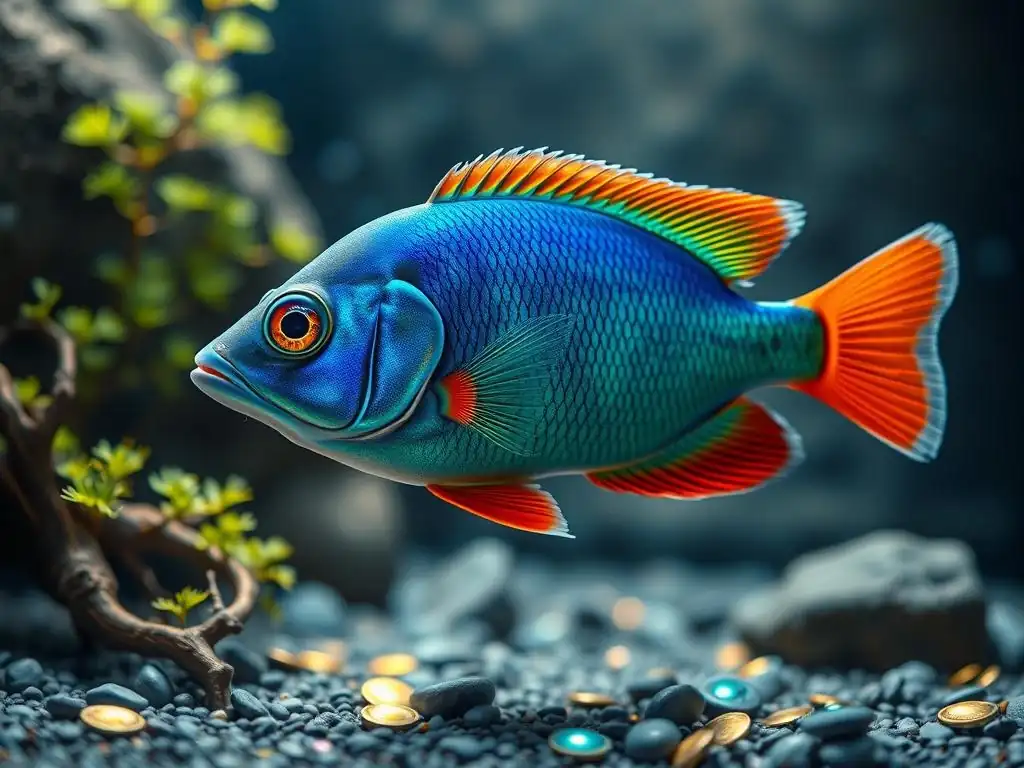
Creating a stimulating environment is paramount for fostering the cognitive development of Oscar fish. A large tank, with a minimum of 75 gallons for a single adult Oscar and ideally 125 gallons or more for a pair, is essential. The layout should include varied landscapes with caves, driftwood, and smooth rocks to provide hiding spots, territorial markers, and exploration opportunities. Oscars are known for rearranging their environment, so ensure all decor is stable and cannot be toppled.
The substrate should be fine gravel or sand, allowing them to engage in their natural digging behaviors. While live plants can be challenging with Oscars due to their digging and destructive tendencies, hardy options like Anubias, Java Fern, or robust Cryptocoryne species (anchored to decor) can add visual complexity and additional hiding places. A dynamic environment encourages exploration and provides opportunities for natural problem-solving, which is vital for effective Oscar fish intelligence training.
Interactive Toys for Oscar Fish: Promoting Mental Stimulation
Introducing safe, interactive toys can significantly promote mental stimulation for Oscar fish. These are not toys in the human sense, but rather objects that provide novel stimuli and encourage interaction. Examples include large, floating balls (too big to swallow), sinking toys they can nudge or manipulate, or even simple PVC pipes that can be rearranged for them to swim through. The key is to select items that are non-toxic, durable, and free of sharp edges.
To maintain interest, it's important to rotate toys or introduce new ones periodically, as Oscars can become accustomed to static environments. Avoid overwhelming the tank with too many items at once. The novelty and opportunity to interact with new objects keeps their minds engaged, prevents boredom, and offers an additional avenue for Oscar fish intelligence training by encouraging exploration and manipulation.
The Importance of Variety: Preventing Boredom in Oscar Fish
Like many intelligent animals, Oscar fish are susceptible to boredom if their environment is static and unstimulating. A bored Oscar may exhibit undesirable behaviors such as lethargy, increased aggression, repetitive glass surfing, or even self-mutilation. Providing variety in their daily lives is crucial for their mental well-being.
This variety can be achieved through several methods: occasionally rearranging tank decor (ensuring stability), varying feeding times and methods (e.g., scatter feeding, using floating feeders), introducing new interactive elements like the aforementioned toys, and engaging in regular Oscar fish intelligence training sessions. Consistent, subtle changes to their environment and routine keep their minds active, engaged, and prevent the onset of boredom-related stress.
Comparing Oscar Fish Intelligence to Other Freshwater Fish Species
Oscar Fish vs. Goldfish: A Cognitive Comparison
When comparing Oscar fish to goldfish, both species demonstrate learning capabilities, but Oscars generally exhibit more complex and consistent signs of higher intelligence. Goldfish are well-known for their trainability, capable of learning to navigate mazes or push levers for food. However, Oscars often display faster acquisition of complex behaviors and a more pronounced ability to differentiate between human individuals.
In terms of problem-solving and social interaction, Oscars tend to show more overt and varied interactive behaviors with their owners and exhibit more intricate social hierarchies within their own species. While goldfish can certainly recognize their caregivers, the depth of interaction and the range of learned behaviors often observed in Oscars suggest a greater cognitive capacity.
Oscar Fish vs. Other Cichlids: Measuring Relative Intelligence
Among the vast family of cichlids, many species are considered intelligent, including Flowerhorns, Discus, and Severums. However, Oscar fish frequently stand out due to their highly individualized personalities, strong owner recognition, and remarkable trainability. While other cichlids may display complex breeding behaviors or territorial defense, Oscars often combine these with a unique level of responsiveness to human interaction.
Anecdotal evidence from aquarists consistently places Oscars among the most cognitively advanced freshwater species. Their consistent ability to learn complex tricks, engage in target training, and display seemingly "playful" behaviors often surpasses that observed in many other cichlids, making them a popular choice for aquarists interested in Oscar fish intelligence training.
The Role of Brain Size and Structure in Oscar Fish Intelligence
While direct, widely published scientific studies on the specific brain size and structure of Oscar fish in relation to their intelligence are limited, general principles of fish neuroanatomy apply. Fish brains, though structurally different from mammalian brains, possess homologous regions responsible for learning and memory, such as the telencephalon. The relative size of these regions, particularly the forebrain, can be an indicator of cognitive capacity.
Observed behaviors in Oscar fish, such as complex learning, memory retention, and problem-solving, strongly imply a well-developed neural infrastructure supporting these functions. While we don't have precise figures on their encephalization quotient (brain-to-body size ratio) compared to other fish, their behavioral repertoire suggests that their brain structure is sufficiently sophisticated to support their remarkable intelligence.
The Ethical Considerations of Keeping Intelligent Fish Like Oscars

Providing Adequate Space and Enrichment for Oscar Fish
Keeping intelligent fish like Oscars comes with significant ethical responsibilities, primarily centered around providing adequate space and enrichment. A single adult Oscar requires a minimum of a 75-gallon aquarium, but a 125-gallon or larger tank is vastly preferable, especially for a pair or to allow for optimal growth and well-being. Confined spaces can stunt growth, lead to aggression, and severely limit opportunities for natural behaviors and mental stimulation.
Adequate space allows Oscars to establish territories, swim freely, and engage in exploratory behaviors. Without sufficient room and a stimulating environment, their natural intelligence can be stifled, leading to stress, boredom, and a diminished quality of life. This directly impacts their receptiveness to Oscar fish intelligence training and overall happiness.
The Responsibility of Oscar Fish Owners to Meet Their Cognitive Needs
The intelligence of Oscar fish means that owning them entails more than just providing food and clean water. Owners have a moral obligation to meet their cognitive needs. This includes providing a rich, dynamic environment, offering opportunities for mental stimulation through interactive toys or varied decor, and engaging in regular interaction and training.
Neglecting these cognitive needs can be as detrimental to an Oscar's well-being as poor water quality or an inadequate diet. An intelligent animal that is perpetually bored or unstimulated can suffer from psychological distress, manifesting in various undesirable behaviors. Responsible Oscar ownership embraces their full potential, including their capacity for Oscar fish intelligence training and a fulfilling life.
Debunking Myths: Oscar Fish Care and Welfare
Many myths surrounding Oscar fish care contribute to their welfare issues. One common misconception is that Oscars are "just aggressive" or "don't need much space if kept small." In reality, aggression is often a symptom of stress, inadequate tank size, or boredom, rather than an inherent trait. Similarly, keeping an Oscar in a small tank "to keep it small" is a form of stunting, leading to severe health problems and a reduced lifespan, not a natural size limitation.
Responsible care for Oscars involves recognizing them as sentient, intelligent beings. This means understanding their true size requirements, providing consistent pristine water quality, offering a varied and nutritious diet, and, crucially, acknowledging their need for mental engagement and stimulation. Debunking these myths is essential for promoting ethical and humane Oscar fish keeping.
Optimizing Your Oscar Fish Care for a Happy and Healthy Life
Water Quality and its Impact on Oscar Fish Cognitive Function
Pristine water quality is absolutely paramount for the overall health and cognitive function of Oscar fish. High levels of ammonia, nitrite, or nitrate not only cause physical stress and disease but can also lead to irreversible neurological damage, impairing their learning abilities and overall intelligence. Optimal parameters include 0 ppm ammonia, 0 ppm nitrite, and nitrates below 20 ppm, with a pH of 6.5-7.5.
Regular, substantial water changes (e.g., 25-50% weekly or bi-weekly depending on bioload) combined with robust filtration (mechanical, biological, and chemical) are essential. Consistent, stable water parameters minimize physiological stress, allowing the Oscar's brain to function optimally and ensuring they remain receptive and engaged in Oscar fish intelligence training.
Diet and Nutrition for Optimal Oscar Fish Brain Development
A varied and high-quality diet is crucial for the physical health and optimal brain development of Oscar fish. While commercial cichlid pellets should form the staple of their diet, these should be supplemented with a variety of live or frozen foods such as earthworms, krill, bloodworms, and high-quality feeder fish (used sparingly to minimize disease risk). Avoid cheap, low-quality foods.
Specific nutrients, particularly Omega-3 fatty acids found in certain fish oils and aquatic invertebrates, are vital for neurological health and cognitive function. A diet rich in these essential fatty acids promotes overall vitality, strong immune systems, and contributes significantly to the Oscar's cognitive sharpness and ability to engage in Oscar fish intelligence training.
Recognizing Signs of Stress and Boredom in Oscar Fish
Recognizing the signs of stress and boredom in Oscar fish is crucial for their well-being. Common indicators include lethargy, excessive hiding, persistent "glass surfing" (rubbing against the tank walls), increased aggression towards tank mates or decor, loss of appetite, or dull, faded coloration. These behaviors are often direct responses to an inadequate environment or lack of mental stimulation.
Upon observing these signs, owners should immediately investigate potential causes such as poor water quality, insufficient tank size, lack of hiding spots, or an unstimulating environment. Addressing these issues, perhaps by increasing tank size, adding new decor, or introducing Oscar fish intelligence training and interactive toys, can significantly improve the fish's quality of life and alleviate stress.
Conclusion: Appreciating the Intelligence and Complexity of Oscar Fish in the Aquarium
The Oscar fish is undeniably more than just a large, attractive cichlid; it is a highly intelligent and complex creature capable of learning, problem-solving, and forming unique bonds with its human caregivers. Their capacity for Oscar fish intelligence training, coupled with their engaging personalities and sophisticated social behaviors, makes them one of the most rewarding freshwater fish to keep.
By understanding and appreciating their cognitive abilities, aquarists can move beyond basic care to provide a truly enriching environment that caters to their mental needs. This responsible approach ensures that these fascinating fish not only survive but thrive, offering a captivating glimpse into the surprising intelligence that exists beneath the surface of our home aquariums.
Frequently Asked Questions
How intelligent are Oscar fish actually considered to be?
Oscar fish are considered to be quite intelligent for fish, exhibiting behaviors that suggest a higher level of cognitive ability. They demonstrate learning capabilities and problem-solving skills that are not commonly seen in many other aquarium fish species.
Can Oscar fish be trained?
Yes, Oscar fish can be trained to perform simple tasks. Their intelligence allows them to learn and respond to basic commands and feeding cues, making training a rewarding experience for both the fish and the owner.
What kinds of behaviors demonstrate an Oscar fish's intelligence?
Oscar fish demonstrate intelligence through behaviors like recognizing their owners, begging for food, rearranging tank decorations, and even solving simple puzzles to obtain food. These behaviors show their cognitive flexibility and learning potential.
How does an Oscar fish's intelligence compare to other popular aquarium fish?
Compared to many common aquarium fish, Oscar fish possess a relatively high level of intelligence. While some fish might exhibit basic schooling behavior, Oscars show a more complex understanding of their environment and can even form bonds with their owners, which is less common in other species.
What's the best way to engage an Oscar fish's intelligence in a home aquarium?
Engage your Oscar's intelligence by providing a stimulating environment with varied decorations, offering puzzle feeders, and interacting with them regularly. Consistent interaction and mental stimulation are key to keeping an Oscar fish happy and engaged.
Final Reflection: Unlocking Potential, One Oscar at a Time
The exploration of Oscar fish intelligence, as we've seen, isn't just about proving their cognitive abilities; it's about redefining our understanding of animal intelligence itself. By challenging preconceived notions about fish and their capacity for learning, we open doors to appreciating the complex inner lives of creatures often dismissed as simple. This shift in perspective is crucial in a world increasingly aware of the interconnectedness of all living things.
The journey into the minds of Oscar fish has profoundly impacted how we view animal cognition, moving beyond anthropocentric biases. This exploration has personally reinforced the idea that intelligence manifests in diverse forms, each adapted to its specific environment. The question is not, 'Can they reason?' nor, 'Can they talk?' but, 'Can they suffer?'
- Jeremy Bentham. This quote, though not specifically about fish, underscores the ethical imperative to acknowledge and respect the sentience of all beings, regardless of their perceived intelligence.
Now, consider the implications of this newfound understanding. How can we translate this appreciation for Oscar fish intelligence into tangible actions? Perhaps it's enriching their captive environments, advocating for responsible pet ownership, or simply spreading awareness about the cognitive capabilities of these fascinating creatures. The challenge, and the opportunity, lies in recognizing the potential within every living being and striving to create a world where that potential can flourish. Let us all commit to seeing beyond the surface and embracing the surprising intelligence that surrounds us.
Thanks for diving into the fascinating world of Oscar fish! We hope you now appreciate that these captivating creatures are more than just visually stunning additions to your aquarium. Ready to take your understanding to the next level?
Here are a few things you can do right now:
- Start teaching your Oscar a trick! Their intelligence makes them surprisingly trainable.
- Join the Aquarium Mastery community forum and share your own Oscar stories and training tips. What unique behaviors have you observed?
- Research ethical and responsible Oscar breeding and ownership to ensure the well-being of these intelligent fish.
What's the most surprising thing you've learned about Oscars, and how will it change the way you interact with them (or other intelligent animals) moving forward?