
Beyond Flakes: What Your Butterflyfish Truly Needs to Thrive Nutritionally

Welcome to Aquarium Mastery!
Ever wondered if you're truly giving your Butterflyfish the nutritional edge they need to flourish in your saltwater aquarium? This guide delves deep into the Butterflyfish nutrition requirements, revealing the secrets to a vibrant, healthy, and long-lived aquatic companion. Prepare to go beyond the flakes and discover a world of culinary delights that will have your Butterflyfish thriving. Ready to unlock the secrets? Let's dive in!
- Understanding Butterflyfish Nutritional Needs for Optimal Health
- Deciphering Butterflyfish Feeding Habits: A Key to Successful Nutrition
- Crafting the Perfect Butterflyfish Diet Plan: A Comprehensive Guide
- Addressing Specific Butterflyfish Nutritional Challenges
- Butterflyfish Feeding Schedule and Techniques for a Healthy Aquarium
- Sourcing High-Quality Butterflyfish Food: A Buyer's Guide
- Butterflyfish Nutrition Requirements Guide: Key Takeaways for Aquarium Mastery
-
Frequently Asked Questions
- What are the primary food sources required for a healthy Butterflyfish diet?
- How often should I feed my Butterflyfish?
- What role does water quality play in ensuring proper Butterflyfish nutrition?
- Are there any specific nutritional deficiencies that Butterflyfish are prone to?
- How do I encourage a newly acquired Butterflyfish to eat?
- Final Reflection: The Vibrant Future of Butterflyfish Care
- Ignite Your Butterflyfish's Vitality!
Understanding Butterflyfish Nutritional Needs for Optimal Health
The Importance of a Species-Specific Diet for Butterflyfish
Providing a generic diet to butterflyfish is often insufficient for their long-term health and vitality. Butterflyfish, particularly species like the Copperband Butterflyfish ( Chelmon rostratus) or Raccoon Butterflyfish ( Chaetodon lunula), have evolved specific feeding mechanisms and digestive systems tailored to their natural coral reef environments. Their wild diets typically consist of coral polyps, small invertebrates, algae, and detritus, which provide a complex array of proteins, lipids, and micronutrients. This specialized intake is not merely beneficial but crucial for maintaining their vibrant coloration, supporting a robust immune system, and ensuring overall longevity in an aquarium setting.
An inappropriate or inadequate diet can lead to a cascade of health issues, including stunted growth, faded coloration, fin erosion, and a heightened susceptibility to common marine diseases such as marine ich ( Cryptocaryon irritans). For instance, a common challenge with newly introduced Copperband Butterflyfish is their reluctance to accept prepared foods, often leading to starvation if their preferred live foods, such as Aiptasia anemones or small crustaceans, are not initially provided.
By offering a diet that closely mimics their natural intake, incorporating a diverse range of high-quality live and frozen foods, aquarists can significantly improve their chances of successful acclimatization and thriving, often extending their lifespan from a typical 2-3 years on poor diets to 5-7 years or more under optimal nutritional care. This comprehensive approach forms a core part of any effective Butterflyfish nutrition requirements guide.
Why Flakes Alone Aren't Enough: Addressing Butterflyfish Dietary Deficiencies
While convenient, most commercial flake foods are fundamentally limited in their ability to meet the complete nutritional demands of butterflyfish. These foods are often primarily plant-based or contain a high percentage of fillers, lacking the diverse protein and lipid profiles that are essential for these often carnivorous or omnivorous marine species.
For example, a typical flake food might declare 35-45% crude protein, but this protein often originates from sources like soy or generic fish meal, which may not be as digestible or bioavailable for fish accustomed to consuming live invertebrates. Furthermore, critical fatty acids such as Omega-3s (e.g., DHA, EPA), vital for immune function, cellular integrity, and overall health, are frequently present in insufficient quantities or degrade rapidly once the food container is opened.
A diet exclusively comprised of flakes can lead to significant deficiencies in essential amino acids, key vitamins (particularly Vitamin C and Vitamin A), and vital trace minerals. For instance, a deficiency in Vitamin C can manifest as skeletal deformities and impaired wound healing, while insufficient Vitamin A can negatively impact vision and the health of mucous membranes.
Many butterflyfish, such as the Longnose Butterflyfish ( Forcipiger flavissimus), naturally consume a high volume of zooplankton and small crustaceans. These natural food sources are rich in astaxanthin, which enhances coloration, and chitin, which aids digestive health – components that are largely absent or present in negligible amounts in basic flake diets.
Therefore, supplementing with specialized live and frozen foods is not merely an enhancement but a fundamental necessity for preventing chronic health issues and ensuring the long-term well-being of these delicate marine fish, making it a critical aspect of any Butterflyfish nutrition requirements guide.
Deciphering Butterflyfish Feeding Habits: A Key to Successful Nutrition
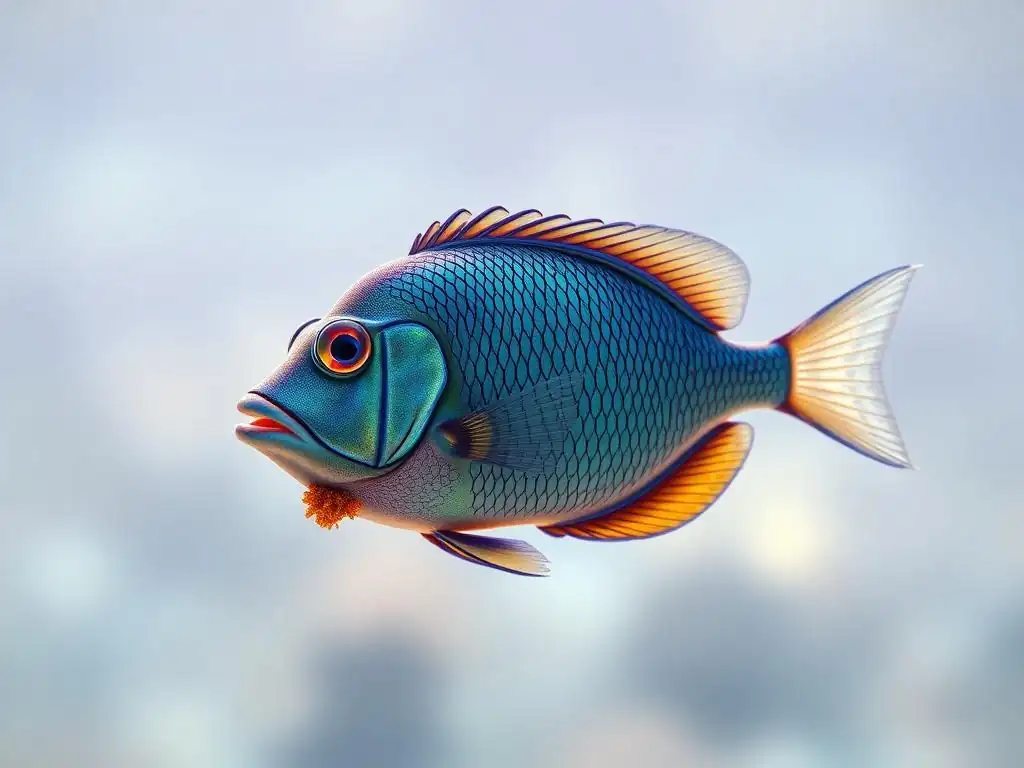
Natural Diet in the Wild: Mimicking the Reef Environment for Butterflyfish Feeding
Understanding the natural diet of butterflyfish in their native coral reef habitats is paramount to successful aquarium keeping. Most butterflyfish species are obligate or facultative corallivores, meaning they feed primarily on coral polyps, or they are omnivores consuming a varied diet of small invertebrates, algae, and detritus found within the reef structure. For example, species like the Ornate Butterflyfish ( Chaetodon ornatissimus) are known corallivores, specializing in Acropora and Pocillopora polyps, which provide them with specific lipids and proteins.
Other species, such as the Pearly Butterflyfish ( Chaetodon xanthurus), are more generalist feeders, grazing on benthic invertebrates, worms, and various algal growths. This diverse wild diet provides a broad spectrum of nutrients, including complex proteins, essential fatty acids, carotenoids for coloration, and a rich array of vitamins and minerals.
Replicating this dietary complexity in an aquarium setting is challenging but essential for a comprehensive Butterflyfish nutrition requirements guide. A diet confined to a single type of prepared food will inevitably lead to nutritional imbalances over time. For instance, a wild Copperband Butterflyfish often consumes parasitic Aiptasia anemones and various small crustaceans, which are high in protein and specific fatty acids.
Without these natural food sources, or suitable substitutes, their immune system may be compromised, and their vibrant colors may fade. Aquarists should aim to provide a varied diet that includes finely chopped marine meats, mysis shrimp, brine shrimp (enriched), and specialized frozen foods designed for marine carnivores or omnivores. This variety ensures they receive the full spectrum of nutrients they would typically acquire from a complex reef ecosystem, promoting optimal health and resilience.
Butterflyfish Feeding Behavior: Understanding Picky Eaters and Feeding Strategies
Butterflyfish are renowned for their often-picky eating habits, a trait stemming from their specialized feeding strategies in the wild. Many species are accustomed to constantly grazing on small, live organisms or coral polyps throughout the day, rather than consuming large meals infrequently. This continuous feeding behavior means they often struggle to adapt to typical aquarium feeding schedules of one or two large meals per day.
For example, a juvenile Emperor Angelfish ( Pomacanthus imperator) might readily accept flake food, but a newly introduced Bannerfish ( Heniochus acuminatus) may ignore it, preferring to pick at live rock for microfauna. Their natural inclination to nip and browse makes them more selective about food texture, size, and movement.
To successfully feed picky butterflyfish, aquarists must employ strategic feeding techniques. Instead of dumping a large quantity of food, offer small amounts multiple times throughout the day (e.g., 3-5 times). This mimics their natural grazing behavior and reduces competition from faster-eating tank mates. Using a feeding stick or target feeder can also be effective for shy or slow eaters, ensuring they get their share before the food dissipates or is consumed by other fish.
For notoriously difficult species like the Pyramid Butterflyfish ( Hemitaurichthys polylepis), which primarily feeds on zooplankton in the wild, offering live brine shrimp, copepods, or rotifers can be a crucial first step to entice them to eat. Gradually introducing frozen equivalents or finely chopped marine fare can then help transition them to a more sustainable aquarium diet. Patience and observation are key components of any Butterflyfish nutrition requirements guide when dealing with these finicky feeders.
Crafting the Perfect Butterflyfish Diet Plan: A Comprehensive Guide
Essential Components of a Balanced Butterflyfish Diet
A truly balanced diet for butterflyfish goes far beyond basic prepared foods, incorporating a diverse range of items to meet their complex nutritional needs. The foundation of a healthy diet for these marine beauties lies in variety, mimicking the broad spectrum of nutrients they would obtain from their natural reef environment.
This includes high-quality proteins from marine sources, essential fatty acids (like Omega-3s), a rich array of vitamins, and crucial trace minerals. For instance, a diet composed solely of fish flesh might lack the chitin and other structural carbohydrates found in the exoskeletons of crustaceans, which are vital for digestive health in many species.
Therefore, a comprehensive Butterflyfish nutrition requirements guide emphasizes a multi-faceted approach. This typically involves a combination of live foods, various frozen foods, and carefully selected prepared options. Live foods provide superior palatability and nutritional content, often stimulating feeding responses in even the most finicky eaters.
Frozen foods offer convenience and a good nutritional profile when properly stored and prepared. Prepared foods, while not a sole solution, can supplement and provide consistency. The goal is to ensure a consistent intake of all macro and micronutrients, preventing deficiencies and promoting robust immune function, vibrant coloration, and a long, healthy life for your butterflyfish.
Live Foods for Butterflyfish: Culturing and Selection
Live foods are often the key to successfully acclimating and feeding many butterflyfish species, especially those known for being finicky eaters. They offer unparalleled palatability and stimulate natural hunting instincts, encouraging even reluctant fish to feed. Excellent choices include live brine shrimp ( Artemia salina), which can be gut-loaded with nutrient-rich algaes like Spirulina or Chlorella to enhance their nutritional value.
Live mysis shrimp are another superior option, being naturally rich in protein and essential fatty acids. For species that graze on pests, culturing live Aiptasia anemones (in a separate system) or offering small, live marine worms can be highly effective.
Culturing live foods at home ensures a fresh, clean, and consistent supply, free from potential parasites or contaminants found in wild-caught specimens. For instance, culturing copepods like Tisbe or Apocyclops provides a constant source of nutritious, small-particle food, ideal for planktivorous butterflyfish such as the Pyramid Butterflyfish ( Hemitaurichthys polylepis).
When selecting live foods from a supplier, always choose reputable sources that guarantee parasite-free and disease-free cultures. While more time-consuming, the nutritional benefits and the positive impact on the overall health and vigor of your butterflyfish make live foods an invaluable component of their diet, particularly for initial conditioning or for species with very specialized needs.
Frozen Foods for Butterflyfish: Nutritional Value and Preparation
Frozen foods are a cornerstone of a balanced Butterflyfish nutrition requirements guide, offering a convenient and highly nutritious alternative or supplement to live foods. They retain much of their nutritional value if properly stored and thawed, and their variety allows for mimicking the diverse diet butterflyfish consume in the wild. Popular choices include frozen mysis shrimp, brine shrimp (enriched), finely chopped krill, various clam meats, squid, and specialized marine formulas. Frozen mysis shrimp, for example, are particularly rich in protein (around 60-70% dry weight) and beneficial fatty acids, making them an excellent staple for many butterflyfish species.
Proper preparation of frozen foods is crucial to maximize their nutritional benefit and prevent water quality issues. Always thaw frozen foods in a small amount of tank water or dechlorinated fresh water before feeding; never introduce frozen cubes directly into the aquarium, as this can cause temperature fluctuations and potentially harm sensitive fish.
Rinsing thawed foods under running dechlorinated water can help remove excess phosphates and nitrates that accumulate from the thawing process, which can otherwise contribute to nuisance algae growth. Feeding small portions multiple times a day is generally better than one large feeding, as it reduces waste and ensures all fish have an opportunity to eat, aligning with the natural grazing habits of many butterflyfish.
Prepared Foods for Butterflyfish: Supplementing Live and Frozen Options
While live and frozen foods form the backbone of an optimal Butterflyfish nutrition requirements guide, high-quality prepared foods serve as valuable supplements, ensuring consistent nutrient delivery and filling any potential dietary gaps. These include marine pellets, flakes, and granular foods specifically formulated for saltwater fish, often enriched with essential vitamins and minerals. Look for brands that list high-quality marine proteins (e.g., whole fish, krill, squid) as their primary ingredients, rather than fillers like wheat or corn. For example, some premium marine pellets boast crude protein levels of 50-55% and contain added spirulina for color enhancement and digestive health.
When selecting prepared foods, consider the specific needs of your butterflyfish. Smaller species or those with delicate mouths might prefer fine pellets or flakes, while larger species can handle coarser granules. It's also beneficial to rotate different types and brands of prepared foods to provide a wider spectrum of nutrients.
Some prepared foods are specifically designed for corallivores or omnivores, containing ingredients like marine algae or even powdered coral. While they should not be the sole food source, incorporating a small amount of a high-quality prepared food a few times a week can provide a convenient way to deliver fortified vitamins (like Vitamin C, which degrades quickly in frozen foods) and minerals, ensuring a well-rounded diet and contributing to the overall health and vibrancy of your butterflyfish.
Supplementation: Vitamins and Minerals for Butterflyfish Health
Even with a varied diet of live and frozen foods, supplemental vitamins and minerals can play a crucial role in ensuring the long-term health and vitality of butterflyfish. The process of freezing, thawing, and even the act of feeding can lead to some nutrient degradation. Vitamins, particularly water-soluble ones like Vitamin C and B-complex vitamins, are susceptible to leaching and oxidation.
Similarly, trace minerals, though present in saltwater, might not always be absorbed efficiently or be present in sufficient quantities within prepared foods. For instance, Vitamin C is vital for collagen synthesis and immune function, and a deficiency can lead to issues like lateral line erosion.
Liquid vitamin supplements designed for marine fish, such as those containing a broad spectrum of vitamins (A, D, E, K, B-complex, C), can be used to soak frozen or even prepared foods just prior to feeding. This method ensures that the vitamins are directly ingested by the fish, rather than dissipating into the water. For example, soaking mysis shrimp in a vitamin solution for 10-15 minutes before feeding can significantly boost their nutritional profile.
Similarly, mineral supplements, often containing iodine, selenium, and other trace elements, can be added to the aquarium water, though direct food supplementation is generally more targeted for specific deficiencies. Regular, judicious use of these supplements, as part of a comprehensive Butterflyfish nutrition requirements guide, can help prevent common nutritional deficiencies, enhance immune response, and promote vibrant coloration and overall well-being.
Addressing Specific Butterflyfish Nutritional Challenges
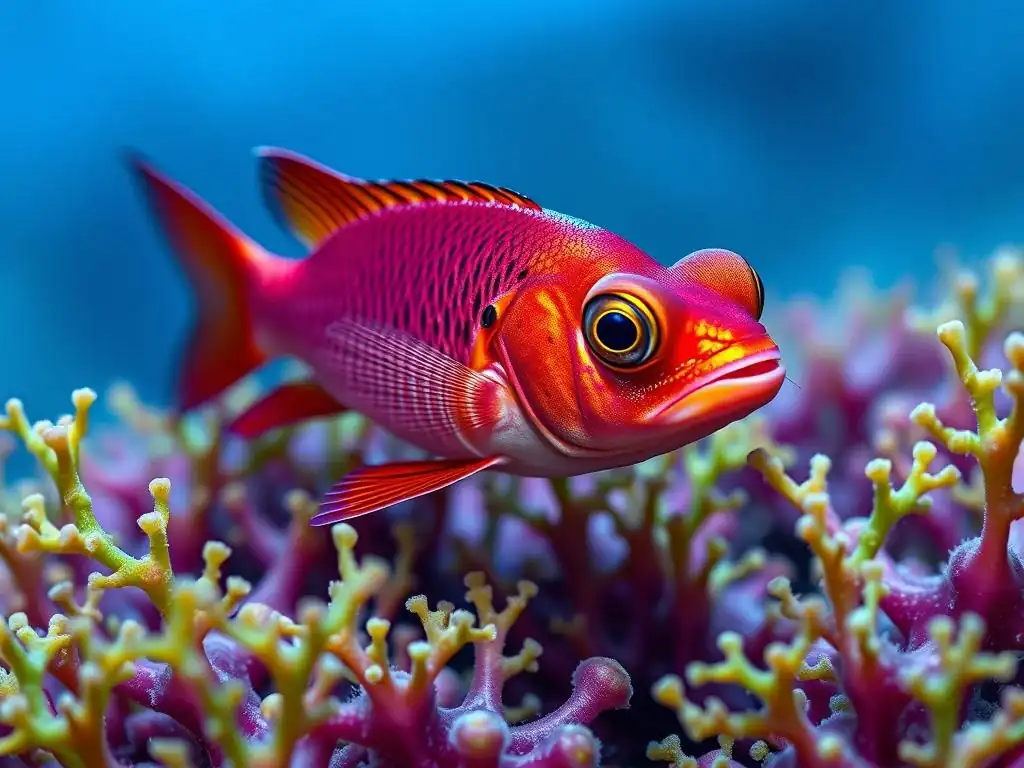
Feeding Butterflyfish with Specialized Dietary Requirements: [Chaetodon kleinii]
Some butterflyfish species present unique nutritional challenges due to highly specialized diets in the wild. A prime example is the Klein's Butterflyfish ( Chaetodon kleinii), which, while generally more adaptable than obligate corallivores, still has specific preferences. In the wild, C. kleinii is known to feed on a variety of small invertebrates, algae, and even nuisance Aiptasia anemones. While often considered easier to feed than other butterflyfish, they can still be finicky, especially when newly introduced. Their natural diet suggests a need for a diverse range of small, meaty foods and some algal matter.
To successfully feed Chaetodon kleinii and similar species, aquarists should focus on variety and consistency. Start by offering small, frequent feedings of high-quality frozen foods such as finely chopped mysis shrimp, enriched brine shrimp, and spirulina-enriched flakes or pellets. Some aquarists have success with marine flakes that contain a higher percentage of plant matter or spirulina.
If the fish is reluctant to eat, live brine shrimp or copepods can be used as an initial enticement, gradually transitioning to frozen alternatives. The key is to observe their feeding behavior closely and experiment with different food types and presentation methods. Consistent offerings of varied, nutritious foods will help ensure C. kleinii thrives, making specific dietary adaptations a crucial part of any Butterflyfish nutrition requirements guide.
Overcoming Feeding Problems: Getting Picky Butterflyfish to Eat
Getting a picky butterflyfish to eat can be one of the most frustrating challenges for an aquarist, often requiring patience and persistence. Many newly acquired butterflyfish, especially wild-caught specimens, are stressed from shipping and unfamiliar with prepared foods. Their natural instinct is to graze constantly on the reef.
One effective strategy is to offer live foods first, such as live brine shrimp, copepods, or even small feeder shrimp, to stimulate a feeding response. Once they are actively eating live food, gradually introduce frozen alternatives by mixing small amounts with the live food. For example, mix a tiny pinch of thawed mysis shrimp with live brine shrimp.
Another approach is to try a variety of frozen foods with different textures and sizes. Some butterflyfish prefer very finely chopped foods, while others might respond better to whole mysis shrimp. Chopped clam, squid, or even specialized marine fish roe can sometimes tempt reluctant eaters.
Feeding in the dark or at dusk can also reduce stress and competition, allowing shy fish to feed more freely. Using a feeding clip with marine algae sheets (e.g., Nori) can also entice some species, as they may pick at it throughout the day. It might take several days or even weeks for a picky butterflyfish to fully acclimate to an aquarium diet, but consistent, varied offerings are key to their success, a vital lesson in any comprehensive Butterflyfish nutrition requirements guide.
Recognizing and Treating Nutritional Deficiencies in Butterflyfish
Recognizing the symptoms of nutritional deficiencies early is critical for the health of butterflyfish, as prolonged malnutrition can lead to irreversible damage or death. Many symptoms are subtle at first but become more pronounced over time. Common signs include faded coloration, which can indicate a lack of carotenoids or essential fatty acids, and general lethargy or reduced activity levels. Stunted growth, where a fish remains significantly smaller than expected for its age or species, is another clear indicator of chronic undernourishment or an imbalanced diet.
More severe symptoms can include fin erosion or ragged fins, which may suggest a lack of Vitamin C or essential fatty acids necessary for tissue repair. Popeye (exophthalmia) or cloudy eyes can sometimes be linked to Vitamin A deficiencies, while skeletal deformities or curved spines may point to insufficient Vitamin D or calcium.
In some cases, a fish might develop a pinched or emaciated appearance, even if it appears to be eating, suggesting poor nutrient absorption or a diet lacking in calorific density. Promptly addressing these signs by reviewing and adjusting the diet, incorporating a wider variety of foods, and adding appropriate vitamin and mineral supplements, is essential for recovery.
Symptoms of Vitamin Deficiency in Butterflyfish
Vitamin deficiencies in butterflyfish can manifest in a range of symptoms, often affecting their appearance, behavior, and immune response. A common sign is faded or dull coloration, particularly the loss of vibrant yellows, blues, or reds, which often indicates a lack of carotenoids (Vitamin A precursors) or other essential vitamins like B-complex. For example, a healthy Copperband Butterflyfish should exhibit striking copper bands; dullness might suggest a dietary issue. Reduced appetite or refusal to eat, despite seemingly healthy food offerings, can also be a symptom, as the fish may not be receiving the specific nutrients it craves or needs.
Beyond aesthetics, more serious physiological symptoms can arise. Vitamin C deficiency, for instance, can lead to impaired wound healing, susceptibility to bacterial infections, and even skeletal deformities such as a bent spine or fin erosion. Vitamin A deficiency can affect vision, leading to cloudy eyes or "pop-eye" (exophthalmia), and compromise the integrity of mucous membranes, making the fish more vulnerable to external parasites.
Lethargy, erratic swimming, and a general decline in activity levels can also be indicators of various vitamin deficiencies. Regular supplementation and a diverse feeding regimen, as detailed in a comprehensive Butterflyfish nutrition requirements guide, are crucial preventative measures.
Addressing Mineral Imbalance in Butterflyfish
Mineral imbalances, while often less immediately obvious than vitamin deficiencies, can significantly impact the long-term health and physiological functions of butterflyfish. Marine fish typically absorb many trace minerals directly from the saltwater, but dietary intake is also crucial for specific elements like iodine, selenium, and iron. Symptoms of mineral imbalance can include poor growth, weakened skeletal structure, and reduced immune function. For example, iodine deficiency can potentially affect thyroid function, leading to metabolic issues, although this is less common in a well-maintained saltwater aquarium with regular water changes.
Addressing mineral imbalances primarily involves ensuring a high-quality, varied diet that naturally contains a broad spectrum of minerals, alongside maintaining optimal water parameters. Feeding a variety of marine meats, such as krill, mysis shrimp, and clam, provides a natural source of trace elements. Some high-quality prepared foods are fortified with essential minerals.
While direct mineral supplementation to the water column is sometimes used in reef tanks for coral health, for fish-only systems, focusing on food-based mineral intake is generally more effective and safer. Ensuring consistent access to a diverse diet, as outlined in a robust Butterflyfish nutrition requirements guide, helps prevent these subtle but significant deficiencies, promoting robust health and resilience against disease.
Butterflyfish Feeding Schedule and Techniques for a Healthy Aquarium
Establishing a Consistent Feeding Routine for Butterflyfish
Establishing a consistent feeding routine is vital for the health and well-being of butterflyfish, contributing significantly to their acclimation and long-term thriving in an aquarium. Unlike some other fish, many butterflyfish are natural grazers, accustomed to feeding frequently throughout the day in their wild habitat. Therefore, offering one large meal daily is often insufficient and can lead to stress, nutritional deficiencies, and aggressive competition. Instead, it is highly recommended to feed small amounts of food multiple times a day, typically 3 to 5 times, especially for newly introduced or finicky species.
This frequent, small-portion feeding strategy mimics their natural grazing behavior, ensures a steady supply of nutrients, and reduces the likelihood of larger, faster-eating tank mates monopolizing the food. For instance, feeding a small pinch of frozen mysis shrimp every few hours during daylight hours can greatly benefit a Copperband Butterflyfish. Consistency in timing also helps the fish anticipate feedings, reducing stress and encouraging a more active feeding response. A well-structured feeding routine is a cornerstone of any effective Butterflyfish nutrition requirements guide, promoting stable metabolism, reducing aggression, and maintaining optimal water quality.
Proper Feeding Techniques: Minimizing Waste and Maximizing Nutrient Uptake
Proper feeding techniques are crucial not only for ensuring your butterflyfish receive adequate nutrition but also for maintaining excellent water quality within the aquarium. Overfeeding is a common mistake that leads to uneaten food decaying, which in turn elevates ammonia, nitrite, and nitrate levels, stressing fish and promoting nuisance algae. To minimize waste, feed only what your butterflyfish can consume within 2-3 minutes. For multiple feedings per day, this means very small portions each time.
Using a feeding ring or target feeder can be highly effective, especially for shy or slow-eating butterflyfish. A feeding ring keeps floating foods contained in one area, making it easier for fish to find and consume before it disperses throughout the tank or gets sucked into the overflow. For bottom-dwelling or shy species, target feeding with a pipette or long tongs can ensure they receive their share, preventing faster fish from consuming all the food.
Soaking dry foods briefly in tank water before feeding helps them sink and become more palatable, reducing surface skimming. These techniques are integral to a successful Butterflyfish nutrition requirements guide, optimizing nutrient uptake while preserving the delicate balance of your marine ecosystem.
Avoiding Overfeeding: Maintaining Water Quality and Preventing Health Issues
Avoiding overfeeding is arguably as important as providing the correct diet for butterflyfish. While the instinct might be to feed generously, excessive food input has detrimental consequences for both the fish and the aquarium environment. Uneaten food quickly breaks down, releasing ammonia and nitrites, which are highly toxic to marine fish. Even if these are processed by the biological filter into nitrates, persistently high nitrate levels can still stress fish, weaken their immune systems, and lead to problems like lateral line erosion or increased susceptibility to diseases such as marine ich.
Beyond water quality degradation, overfeeding can also directly impact the health of the butterflyfish. An overly rich diet, especially one high in fats and low in fiber, can lead to internal organ damage, such as fatty liver disease, reducing their lifespan. Overfed fish may also become obese, leading to sluggishness and reduced vitality. A good rule of thumb is to err on the side of underfeeding rather than overfeeding.
Observing your fish's body condition and adjusting feeding amounts accordingly is key. If you consistently find uneaten food after a few minutes, reduce the portion size. This careful balance between providing sufficient nutrition and preventing excess is a fundamental principle of any effective Butterflyfish nutrition requirements guide.
Sourcing High-Quality Butterflyfish Food: A Buyer's Guide
Identifying Reputable Brands for Butterflyfish Nutrition
Identifying reputable brands for butterflyfish nutrition is crucial to ensuring your fish receive the highest quality and most appropriate diet. The market is saturated with various products, but not all are created equal. Look for brands that specialize in marine fish nutrition and have a strong track record of producing high-quality, research-backed formulations. Examples include Ocean Nutrition, Hikari, Rod's Food, and New Life Spectrum. These brands often invest in scientific research to develop formulas that closely match the dietary needs of specific marine species.
Reputable brands typically provide detailed ingredient lists and nutritional analyses on their packaging, demonstrating transparency. They also often source their ingredients sustainably and ethically, such as using wild-caught seafood or certified aquaculture products. Avoid generic or obscure brands that lack clear ingredient information or make exaggerated claims without scientific backing. Checking online reviews from experienced aquarists and consulting with trusted local fish stores can also provide valuable insights into which brands consistently deliver good results for butterflyfish. A discerning eye for quality brands is a key component of a successful Butterflyfish nutrition requirements guide.
Reading Food Labels: Understanding Ingredients and Nutritional Content
Understanding how to read food labels is essential for making informed decisions about your butterflyfish's diet. The ingredient list provides crucial information about the food's composition. Ingredients are typically listed in descending order by weight, so the first few items are the most abundant. For butterflyfish, look for high-quality marine proteins like whole fish, krill, squid, or clam as the primary ingredients. Avoid products where fillers like wheat flour, cornmeal, or soy are among the first few ingredients, as these offer limited nutritional value for many marine carnivores/omnivores.
Beyond ingredients, pay close attention to the guaranteed analysis, which typically lists crude protein, crude fat, crude fiber, and moisture content. For most butterflyfish, a crude protein content of 40-55% is desirable, along with a crude fat content of 8-15%. Lower crude fiber (under 5%) is generally preferred for carnivorous species, as excessive fiber can hinder digestion.
Some labels also list specific vitamin and mineral fortifications, such as Vitamin C (L-ascorbyl-2-polyphosphate) or Omega-3 fatty acids (DHA, EPA). A thorough understanding of these metrics empowers you to select foods that truly meet the specific Butterflyfish nutrition requirements guide for your species.
Recommended Foods for Butterflyfish: Live, Frozen, and Prepared Options
For a comprehensive Butterflyfish nutrition requirements guide, a varied array of food types is always recommended.
- Live Foods:
- Live Brine Shrimp (Artemia salina): Excellent for enticing picky eaters and stimulating feeding responses. Best when gut-loaded with spirulina or other nutritious algae.
- Live Mysis Shrimp (Mysis relicta): Highly nutritious, rich in protein and essential fatty acids. Often readily accepted by many species.
- Live Copepods (e.g., Tisbe, Apocyclops): Ideal for smaller butterflyfish or those that naturally feed on zooplankton. Provide continuous grazing opportunities.
- Live Aiptasia Anemones: For Copperband Butterflyfish ( Chelmon rostratus), these are a natural food source and can help acclimate new specimens. (Only introduce in a separate tank or if Aiptasia is already a problem in the display).
- Frozen Foods:
- Frozen Mysis Shrimp: A staple for many marine fish, offering high protein and good fat content.
- Frozen Brine Shrimp (Enriched): More nutritious than non-enriched versions, often fortified with spirulina or vitamins.
- Finely Chopped Seafood: Includes clam, squid, krill, and various marine fish flesh (e.g., silversides). These offer diverse protein sources and textures.
- Specialized Marine Formulas: Brands like Rod's Food, Ocean Nutrition Formula One/Two, or San Francisco Bay Brand typically offer blends of various marine ingredients specifically designed for reef fish.
- Prepared Foods (Supplementation):
- High-Quality Marine Pellets/Granules: Look for formulations with high marine protein content (e.g., New Life Spectrum Thera+A, Hikari Marine S/A).
- Spirulina-Enriched Flakes: Good for omnivorous species or to provide additional plant matter and color-enhancing carotenoids (e.g., Ocean Nutrition Prime Reef Flakes).
- Vitamin Supplements: Liquid supplements (e.g., Selcon, Vita-Chem) to soak frozen or dry foods before feeding, boosting vitamin content.
Butterflyfish Nutrition Requirements Guide: Key Takeaways for Aquarium Mastery
Re-emphasizing the importance of proper diet for butterflyfish longevity and health
The journey to mastering butterflyfish care inevitably leads back to the fundamental importance of proper nutrition. Unlike many hardier aquarium inhabitants, butterflyfish are often delicate and possess highly specialized dietary needs that, if neglected, can quickly lead to chronic health issues and significantly shortened lifespans.
A diet consisting solely of generic flakes or an insufficient variety of foods will invariably result in deficiencies, manifesting as faded colors, stunted growth, increased susceptibility to disease (such as marine ich or fin rot), and overall listlessness. For instance, a well-fed Copperband Butterflyfish can live for 5-7 years or more, whereas one on a poor diet might only survive for a year or two.
Therefore, providing a diverse and species-appropriate diet is not merely an optional enhancement but a critical investment in your butterflyfish's well-being. This includes a consistent rotation of high-quality live and frozen foods, carefully selected prepared supplements, and mindful feeding techniques that mimic their natural grazing behavior. By prioritizing their intricate nutritional requirements, aquarists can unlock the full potential of these magnificent creatures, allowing them to display their vibrant colors, exhibit natural behaviors, and thrive for many years within the confines of a home aquarium. This commitment to superior nutrition forms the cornerstone of any successful Butterflyfish nutrition requirements guide.
Resources for further learning about butterflyfish nutrition and care
For aquarists dedicated to providing the best possible care for their butterflyfish, continuous learning and research are invaluable. Beyond this Butterflyfish nutrition requirements guide, numerous resources can deepen your understanding of their specialized needs.
- Online Forums and Communities: Reputable marine aquarium forums (e.g., Reef2Reef, Reef Central) host extensive discussions, species-specific threads, and experienced hobbyists who share practical advice and troubleshoot feeding challenges.
- Scientific Journals and Databases: For in-depth information on natural diets and physiological requirements, academic databases (e.g., FishBase, PubMed) can offer peer-reviewed studies on wild butterflyfish feeding ecology. While often technical, these can provide precise data on nutrient profiles.
- Specialized Marine Aquarium Books: Comprehensive books on marine fish keeping, particularly those focusing on species-specific care, often dedicate chapters to nutrition, offering detailed insights into dietary needs and food preparation.
- Reputable LFS (Local Fish Stores) and Marine Biologists: Engaging with knowledgeable staff at high-quality local fish stores or consulting with marine biologists specializing in ornamental fish can provide tailored advice based on specific species or individual fish behavior.
- Manufacturer Websites: Leading marine food manufacturers often publish detailed information about their product formulations, nutritional analyses, and feeding guidelines for various fish species, which can be a valuable reference.
Frequently Asked Questions
What are the primary food sources required for a healthy Butterflyfish diet?
Butterflyfish need a varied diet, going beyond just flake food. They require a mix of live or frozen foods like brine shrimp, mysis shrimp, and blackworms, supplemented with high-quality marine flake or pellet food.
How often should I feed my Butterflyfish?
Butterflyfish should be fed multiple small meals throughout the day. Aim for 2-3 feedings, ensuring they consume the food within a few minutes to prevent overfeeding and water quality issues.
What role does water quality play in ensuring proper Butterflyfish nutrition?
Poor water quality can stress Butterflyfish, reducing their appetite and ability to absorb nutrients. Maintaining pristine water conditions through regular water changes and proper filtration is crucial for their nutritional well-being.
Are there any specific nutritional deficiencies that Butterflyfish are prone to?
Butterflyfish can be susceptible to deficiencies in essential vitamins and minerals if their diet is inadequate. Look for foods fortified with Vitamin C and omega-3 fatty acids to support their immune system and overall health.
How do I encourage a newly acquired Butterflyfish to eat?
Newly acquired Butterflyfish can be picky eaters. Offer a variety of live foods to entice them, and consider adding garlic supplements to the food to stimulate their appetite. Patience and persistence are key.
Final Reflection: The Vibrant Future of Butterflyfish Care
The journey through understanding butterflyfish nutrition, as detailed in this guide, is not merely academic; it's a vital step towards ensuring the long-term health and vibrancy of these magnificent creatures in our aquariums. By moving beyond simplistic feeding routines and embracing a nuanced understanding of their dietary needs, we directly contribute to their well-being and the overall health of our reef ecosystems.
This deeper understanding of butterflyfish nutrition has the potential to reshape the aquarium hobby, moving it towards a more responsible and sustainable practice. The ability to provide these fish with a diet that mimics their natural foraging habits is not just a technical skill, but a moral imperative. We are tied to the ocean. And when we go back to the sea, whether it is to sail or to watch it, we are going back from whence we came.
- John F. Kennedy. This quote reminds us of our deep connection to the ocean and the responsibility we bear to protect its inhabitants, even within the confines of our own tanks.
Now, armed with this knowledge of butterflyfish nutrition requirements, I encourage you to reflect on your own practices. Are you truly meeting the needs of your butterflyfish? Are you providing a diverse and enriching diet that allows them to thrive? Let this guide be a catalyst for positive change, inspiring you to become a more informed and compassionate aquarist, contributing to a future where these beautiful fish flourish under our care.
Ignite Your Butterflyfish's Vitality!
Thank you for diving deep into the nutritional needs of your butterflyfish! We hope you found valuable insights to help them thrive. Now, it's time to put that knowledge into action and ensure your aquatic companion receives the best possible care.
Here are a few steps you can take right away:
- Implement a diverse feeding schedule: Introduce at least three different types of food into your butterflyfish's diet this week, prioritizing live or frozen options that mimic their natural prey.
- Document your butterflyfish's feeding habits for one week in order to learn which ones are preferred.
- Share this article with other reef aquarium enthusiasts to spread the word about butterflyfish nutrition!
What new food will you introduce to your butterflyfish's diet first, and what differences do you expect to see?