
Preventing Recurring Infections: Breaking the Cycle in Your Tang Population

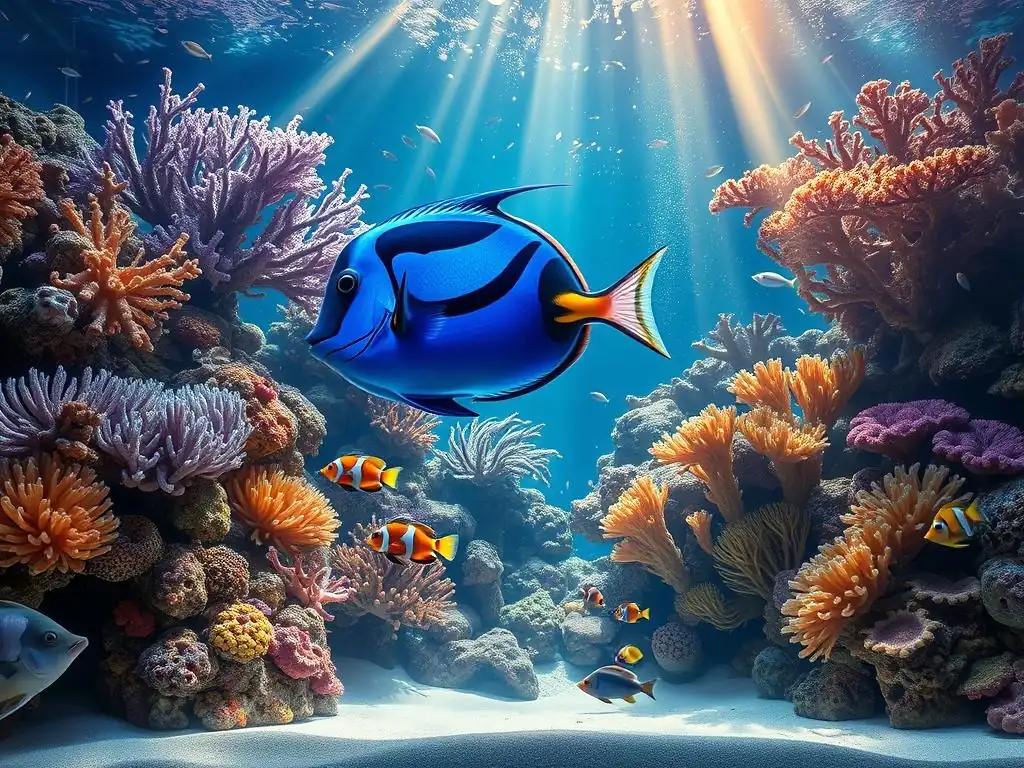
Welcome to Aquarium Mastery!
Ever wondered why your saltwater tangs seem stuck in a never-ending infection cycle? It's a frustrating problem for many aquarists, but understanding the underlying causes is the first step to a healthier, thriving reef. Dive into our article, "Preventing Recurring Infections: Breaking the Cycle in Your Tang Population," where we explore the key factors contributing to these recurring issues and offer practical solutions to finally break the cycle and ensure the well-being of your prized tangs. Are you ready to unlock the secrets to a healthier aquarium?
- Understanding Infection Cycles in Marine Aquariums
- Breaking the Infection Cycle: Proactive Strategies
- Quarantine and Observation: Key to Preventing Widespread Infections
- Advanced Techniques for Preventing Recurring Infections
- Long-Term Strategies for a Healthy Fish Population
- Choosing Healthy Fish from the Start
- Addressing Specific Types of Recurring Infections
- The Importance of a Holistic Approach to Fish Health
- Long-Term Fish Health Through Proactive Prevention of Infections.
-
Frequently Asked Questions
- What are the most common signs of infection in saltwater tangs, and why are they susceptible?
- How does the "Saltwater Tang Infection Cycle" typically begin, and what factors contribute to its perpetuation?
- What proactive measures can I take to prevent the initial outbreak of infections in my new saltwater tangs?
- Besides medication, what non-chemical approaches can help break the "Saltwater Tang Infection Cycle" in my aquarium?
- How frequently should I perform water changes and test my water parameters to effectively prevent recurring infections in my tang population?
- Final Reflection: Breaking the Saltwater Tang Infection Cycle
- Break Free From Recurring Tang Infections!
Understanding Infection Cycles in Marine Aquariums
Identifying Common Marine Fish Diseases and Infections
Marine aquariums, despite their beauty, are closed ecosystems where pathogens can thrive if conditions are not optimal, leading to a persistent saltwater tang infection cycle. Common culprits include parasitic diseases like Marine Ich ( Cryptocaryon irritans) and Marine Velvet ( Amyloodinium ocellatum), which are highly contagious and can rapidly decimate a fish population. Bacterial infections, often secondary to stress or injury, manifest as fin rot, cloudy eyes, or body sores, while viral diseases like Lymphocystis cause cauliflower-like growths. Understanding the lifecycle and symptoms of these common ailments is the first step in interrupting their spread and preventing a recurring tang infection cycle.
These pathogens often have complex lifecycles, with stages that are free-swimming in the water column and stages that are encysted in the substrate or attached to the fish. For instance, Cryptocaryon irritans theronts (infective stage) can survive for approximately 24-48 hours searching for a host, while tomonts (reproductive stage) can remain encysted for several weeks, releasing thousands of new infective theronts. This resilience makes it incredibly challenging to break the saltwater tang infection cycle without comprehensive and consistent intervention, as a single missed stage can lead to a re-infestation.
The Role of Stress in Weakening Marine Fish Immunity
Stress is a silent killer in marine aquariums, acting as a primary catalyst for a saltwater tang infection cycle. When fish are subjected to chronic stressors—such as inappropriate water parameters, incompatible tank mates, insufficient space, or improper diet—their bodies release hormones like cortisol. These hormones suppress the immune system, diverting energy from disease resistance to coping mechanisms. A fish with a compromised immune system becomes highly susceptible to opportunistic pathogens that are otherwise harmless in a healthy environment.
For tangs, which are often active and can be territorial, stress can arise from constant harassment by aggressive tank mates or from being housed in tanks too small for their energetic swimming habits. Even subtle, persistent stressors like fluctuating temperatures or unstable lighting cycles can contribute to a weakened immune response over time. This chronic immune suppression creates a fertile ground for the tang infection cycle to take hold, making fish vulnerable to diseases they would otherwise easily fight off.
How Poor Water Quality Contributes to Infections
Poor water quality is a direct pathway to a saltwater tang infection cycle. Elevated levels of ammonia and nitrite, even for short periods, are acutely toxic, causing gill damage and respiratory distress. While less acutely toxic, chronically high nitrates (above 20 ppm) and phosphates (above 0.03 ppm) can lead to long-term stress, suppressing the immune system and making fish more susceptible to bacterial and parasitic infections. These conditions not only stress fish but also create an environment where pathogens can thrive.
Furthermore, unstable pH and salinity levels severely compromise a marine fish's osmoregulation, forcing them to expend excessive energy to maintain their internal balance. For example, a sudden drop in salinity from 1.025 to 1.020 can cause significant osmotic shock. This energy drain leaves little reserve for immune function, making the fish highly vulnerable to infections. Maintaining stable, pristine water parameters is therefore non-negotiable for preventing the initiation and perpetuation of a tang infection cycle.
Breaking the Infection Cycle: Proactive Strategies
Optimizing Water Parameters for Fish Health: A Detailed Guide
Maintaining Stable Salinity for Marine Fish
Stable salinity is paramount for the health of marine fish, particularly tangs, which rely heavily on osmoregulation to survive in a saltwater environment. Any significant fluctuation in specific gravity (SG) or salinity (ppt) forces fish to expend vital energy to adjust their internal salt balance, diverting resources away from immune functions. An ideal range for most marine fish, including tangs, is a specific gravity of 1.024-1.026 (or 33.5-35 ppt). Maintaining this range consistently minimizes osmotic stress, thereby strengthening their natural defenses against the saltwater tang infection cycle.
To achieve this stability, regular top-offs with fresh RO/DI water are crucial to compensate for evaporation, which concentrates salinity. Using an auto top-off (ATO) system is highly recommended for consistent replenishment. During water changes, ensure the new saltwater is mixed to the exact same salinity as the display tank. Sudden shifts, even by 0.002 SG, can induce stress and make fish more susceptible to parasites like Cryptocaryon irritans, thus perpetuating the tang infection cycle.
The Importance of Proper pH and Alkalinity
Proper pH and alkalinity levels are fundamental to a stable marine environment and crucial for preventing a saltwater tang infection cycle. Marine aquariums typically thrive with a pH range of 8.1-8.4. Fluctuations outside this range, especially rapid drops, can lead to acidosis, gill irritation, and severe stress, directly compromising a fish's ability to fight off disease. Alkalinity (carbonate hardness), measured in dKH, acts as a buffer, preventing drastic pH swings. An ideal alkalinity range for most reef tanks and fish-only systems is 8-12 dKH.
When alkalinity drops too low (e.g., below 7 dKH), the water's buffering capacity diminishes, making the pH prone to sudden, dangerous drops, particularly overnight when photosynthesis ceases and CO2 levels rise. Maintaining consistent alkalinity through regular testing and supplementation (e.g., with sodium bicarbonate or commercial alkalinity buffers) ensures pH stability, reducing chronic stress on fish and making them more resilient against pathogens that contribute to the tang infection cycle.
Controlling Nitrate and Phosphate Levels to Prevent Infections
While not as acutely toxic as ammonia or nitrite, elevated levels of nitrates and phosphates contribute significantly to chronic stress in marine fish, indirectly fueling a saltwater tang infection cycle. Nitrates above 10-20 ppm and phosphates above 0.03 ppm indicate an accumulation of organic waste, which can degrade overall water quality and suppress a fish's immune system over time. This persistent low-level stress makes fish more vulnerable to opportunistic infections.
Effective control of these nutrients involves regular water changes, proper protein skimming, and the use of nutrient export methods like macroalgae refugiums, biopellets, or granular ferric oxide (GFO) reactors for phosphates. For instance, a 10% weekly water change in a 100-gallon tank can remove significant amounts of nitrates, preventing their buildup. By maintaining low nutrient levels, aquarists create a cleaner, less stressful environment where fish can dedicate their energy to immune function, thereby helping to break the tang infection cycle.
Nutritional Support for a Robust Marine Fish Immune System
Providing a Varied and Balanced Diet
A varied and balanced diet is arguably one of the most critical factors in supporting a robust immune system and preventing a saltwater tang infection cycle, especially for herbivorous tangs. Tangs naturally graze on diverse marine algae throughout the day, obtaining essential vitamins, minerals, and fiber. A diet solely based on dry flakes or pellets, even high-quality ones, often falls short of their specific nutritional requirements, leading to deficiencies that manifest as weakened immunity and susceptibility to diseases like Head and Lateral Line Erosion (HLLE).
Therefore, it is essential to offer a wide range of foods, including multiple types of high-quality nori (seaweed sheets – purple, green, brown), spirulina-enriched flakes or pellets, and occasional fresh or frozen foods like mysis shrimp or enriched brine shrimp. For example, offering a sheet of purple nori daily or every other day provides a crucial source of plant matter. This diverse nutritional intake ensures that tangs receive all necessary macro and micronutrients, allowing their immune systems to function optimally and effectively combat potential pathogens that drive the tang infection cycle.
Supplementing with Vitamins and Minerals to Boost Immunity
Even with a varied diet, supplementing with essential vitamins and minerals can provide an extra layer of defense against a saltwater tang infection cycle. Vitamin C (ascorbic acid) is a particularly important antioxidant for fish, crucial for collagen synthesis, wound healing, and immune cell function. Studies have shown that adequate Vitamin C intake can significantly improve disease resistance and reduce stress responses in aquatic organisms. Liquid vitamin supplements can be soaked into frozen or dry foods just before feeding.
Beyond Vitamin C, other supplements like B vitamins, Vitamin E, and trace elements (e.g., iodine, selenium) play vital roles in metabolic processes and immune system integrity. Some aquarists also utilize garlic extracts, which are believed to act as appetite stimulants and may possess mild antiparasitic properties, though scientific evidence is mixed. The goal of supplementation is to ensure no nutritional gaps exist that could compromise the fish's natural defenses, thereby making it more difficult for a tang infection cycle to take hold.
The Role of Specific Nutrients in Fish Health
Specific nutrients play specialized roles in bolstering a fish's immune system and preventing the saltwater tang infection cycle. Omega-3 fatty acids, particularly EPA (eicosapentaenoic acid) and DHA (docosahexaenoic acid), are crucial for cell membrane integrity, anti-inflammatory responses, and overall immune modulation. These essential fatty acids are found in high concentrations in marine-derived foods like certain fish oils, krill, and high-quality frozen foods. Ensuring their presence in the diet enhances a fish's ability to mount a robust immune response against pathogens.
Beta-glucans, complex polysaccharides derived from yeast or fungi, are potent immunostimulants. When ingested, they activate macrophages and other immune cells, leading to a stronger, more rapid immune response against bacterial, viral, and parasitic threats. Commercial fish foods sometimes contain beta-glucans, or they can be added as a supplement. By incorporating these targeted nutrients, aquarists can provide an additional layer of immunological support, further fortifying fish against the tang infection cycle.
Minimizing Stress Factors in the Aquarium Environment
Choosing Compatible Tank Mates
Incompatible tank mates are a leading cause of chronic stress in marine aquariums, directly contributing to a saltwater tang infection cycle. Aggression, bullying, and constant competition for food or territory deplete a fish's energy reserves and suppress its immune system. Tangs, especially those from the Acanthurus and Zebrasoma genuses, can be territorial and aggressive towards similar-looking fish or even other tangs if not introduced carefully or housed in sufficiently large systems. For instance, housing two Yellow Tangs ( Zebrasoma flavescens) in a tank smaller than 120 gallons often results in constant skirmishes.
Thorough research into species compatibility before purchase is paramount. Avoid mixing highly aggressive species with timid ones, and be mindful of adult sizes and temperaments. For tangs, consider their specific social structures; some species, like Yellow Tangs, can be kept in groups in very large tanks (e.g., 200+ gallons for a small group), while others are best kept singly. A harmonious community reduces stress levels, allowing fish to thrive and maintain strong immune systems, thereby preventing the tang infection cycle.
Providing Adequate Swimming Space and Hiding Places
Tangs are active, open-water swimmers that require substantial space to thrive. Housing them in tanks that are too small for their adult size (e.g., a Regal Blue Tang Paracanthurus hepatus needs a minimum of 180 gallons) restricts their natural behavior, leading to chronic stress, stunted growth, and increased aggression. This constant stress significantly weakens their immune system, making them highly susceptible to conditions like HLLE and parasitic infections, thus fueling a saltwater tang infection cycle.
In addition to open swimming areas, providing ample rockwork with caves, crevices, and overhangs is crucial. These structures offer essential hiding places where fish can retreat from perceived threats, rest, and establish territories. A well-designed aquascape that balances open space with intricate rockwork creates a secure and stimulating environment, reducing stress levels significantly. This reduced stress is vital for allowing fish to maintain a robust immune system and resist the tang infection cycle.
Reducing Noise and Vibration Around the Aquarium
Often overlooked, external noise and vibrations can be significant stressors for marine fish, subtly contributing to a saltwater tang infection cycle. Aquariums placed in high-traffic areas, near loud speakers, or subjected to constant tapping on the glass expose fish to perpetual disturbances. These sensory assaults disrupt their natural rhythms, elevate stress hormones, and can lead to chronic immune suppression, making them more vulnerable to opportunistic pathogens.
To mitigate this, position the aquarium in a quieter part of the home if possible. Ensure that pumps, powerheads, and other equipment are properly maintained and isolated with vibration-dampening pads to minimize mechanical noise transmitted through the tank structure. Avoid sudden loud noises or bright flashes of light around the aquarium. A calm, stable external environment fosters a sense of security for the fish, allowing their immune systems to function optimally and thereby making it harder for a tang infection cycle to establish itself.
Quarantine and Observation: Key to Preventing Widespread Infections
Setting Up a Quarantine Tank for New and Sick Fish
A dedicated quarantine tank (QT) is the single most effective tool for preventing the introduction and spread of disease, thereby breaking the saltwater tang infection cycle before it impacts your main display tank. All new fish, especially tangs which are notoriously susceptible to Marine Ich, should spend a minimum of 4-6 weeks in a QT. This isolation period allows for observation, rest, and prophylactic treatment for common parasites and bacterial issues without risking your established population or sensitive invertebrates in the main tank.
A typical QT setup is simple and inexpensive: a bare-bottom 10-20 gallon tank (depending on the size of the fish), a heater to maintain stable temperature, a small sponge filter or hang-on-back (HOB) filter seeded with beneficial bacteria, and an air stone for oxygenation. The bare bottom facilitates easy cleaning and medication administration. This proactive approach significantly reduces the risk of introducing a tang infection cycle into your pristine display.
Observing New Fish for Signs of Disease
During the quarantine period, meticulous daily observation is paramount to identify any signs of illness early. Look for subtle behavioral changes in new fish: lethargy, hiding excessively, rapid gill movement (indicating respiratory distress), "flashing" or rubbing against the substrate or tank walls, and clamped fins. These are often the earliest indicators of an underlying issue that could perpetuate a saltwater tang infection cycle.
Beyond behavior, visually inspect the fish for physical symptoms. This includes white spots (indicative of Marine Ich), a dusty or velvety appearance (Marine Velvet), cloudy eyes, fin erosion, lesions, or unusual growths. Pay close attention to tangs, as their bodies can be particularly telling. Early detection in quarantine allows for immediate, targeted treatment, preventing the spread of the disease to the main display tank and effectively stopping a potential tang infection cycle before it escalates.
Treating Common Fish Infections in Quarantine
Once a disease is identified in the quarantine tank, appropriate treatment can be administered without endangering the delicate ecosystem of the main display. For parasitic infections like Marine Ich, copper-based medications (e.g., Copper Power, Cupramine) or Chloroquine Phosphate are highly effective. A common copper treatment protocol involves maintaining a therapeutic level of 0.5-0.8 ppm for 14-21 days to ensure all stages of the parasite lifecycle are eradicated, thereby directly interrupting the saltwater tang infection cycle.
Bacterial infections, often presenting as fin rot or body sores, typically respond well to broad-spectrum antibiotics like Furan-2 or Kanamycin, which can be dosed directly into the water or, ideally, soaked into food. Always follow manufacturer instructions precisely and monitor water parameters closely during treatment. Successful treatment in quarantine ensures that only healthy, pathogen-free fish are introduced to the display, preventing the re-establishment of a tang infection cycle there.
Advanced Techniques for Preventing Recurring Infections
Utilizing UV Sterilizers to Control Pathogens
UV sterilizers employ ultraviolet light to damage the DNA of free-floating microorganisms, including bacteria, viruses, and the free-swimming stages of parasites like Cryptocaryon irritans (theronts). When properly sized and maintained, a UV sterilizer can significantly reduce the pathogen load in the water column, thereby lowering the risk of infection and helping to break the saltwater tang infection cycle. It acts as a continuous line of defense against waterborne pathogens.
For effective sterilization against parasites, the UV unit must be correctly sized for the tank's volume and have an appropriate flow rate. For example, a 75-gallon tank might require a 25W UV unit with a flow rate of 200-300 GPH to ensure sufficient contact time for pathogen inactivation. While UV does not treat fish directly, it reduces the number of infective agents in the water, making it harder for a tang infection cycle to proliferate. UV bulbs typically need replacement every 6-12 months as their germicidal output diminishes over time.
Implementing Ozone Therapy for Water Purification
Ozone (O3) is a powerful oxidizer that can significantly improve water quality and aid in preventing a saltwater tang infection cycle. When properly introduced into the aquarium system (typically via a protein skimmer), ozone breaks down dissolved organic waste, reduces nitrates, improves water clarity, and effectively kills free-floating bacteria, viruses, and parasites. It achieves this by oxidizing cellular components of these microorganisms, rendering them harmless.
However, ozone must be used with extreme caution due to its high reactivity. It should always be controlled by an ORP (Oxidation Reduction Potential) controller, which monitors the water's oxidative state and turns the ozone generator on or off to maintain safe levels, typically between 350-450 mV. Overdosing ozone can be highly toxic to fish and invertebrates. When implemented correctly, ozone therapy can dramatically reduce the overall pathogen count and organic load, creating a healthier environment that actively discourages the tang infection cycle.
Probiotic Use in Marine Aquariums: Benefits for Fish Health
Probiotics, beneficial bacteria introduced to the aquarium water or fish food, are gaining recognition for their potential to enhance fish health and prevent a saltwater tang infection cycle. When ingested, these bacteria can colonize the fish's digestive tract, outcompeting pathogenic bacteria and improving nutrient absorption. A healthy gut microbiome is directly linked to a more robust immune system, making fish more resilient to disease challenges.
Beyond gut health, certain probiotic strains, when dosed into the water column, can help break down organic waste, reduce nitrate and phosphate levels, and generally improve water quality. While research in marine aquariums is still evolving, anecdotal evidence from aquarists suggests that regular probiotic use can lead to healthier, more vibrant fish with fewer instances of illness. This holistic approach supports the fish's natural defenses, making it significantly more challenging for a tang infection cycle to establish and persist.
Long-Term Strategies for a Healthy Fish Population
Regular Water Changes and Maintenance Schedules
Regular water changes are the cornerstone of long-term aquarium health and an essential strategy for preventing a recurring saltwater tang infection cycle. Performing 10-20% water changes bi-weekly or 5-10% weekly effectively exports accumulated nitrates, phosphates, and other dissolved organic compounds that can stress fish and fuel pathogen growth. This consistent dilution of pollutants helps maintain pristine water parameters and replenishes essential trace elements vital for overall fish vitality.
Beyond water changes, adhering to a consistent maintenance schedule is crucial. This includes regular cleaning of powerheads, protein skimmers, and filter socks/media, as well as siphoning detritus from the substrate or sump. Removing organic buildup prevents the creation of anaerobic pockets and reduces the nutrient load that can otherwise compromise water quality. A well-executed maintenance routine creates a stable, clean environment that significantly reduces the chances of a tang infection cycle taking hold.
Monitoring Water Parameters and Adjusting as Needed
Consistent monitoring of key water parameters is non-negotiable for preventing the saltwater tang infection cycle. Regular testing (e.g., weekly for nitrates and salinity, bi-weekly for alkalinity and pH, and as needed for ammonia/nitrite in new or troubled systems) allows aquarists to detect subtle deviations early. For instance, a persistent rise in nitrates might signal the need for more frequent water changes or improved nutrient export methods, while a slow drop in alkalinity could indicate a need for supplementation.
Investing in reliable test kits (e.g., Hanna checkers for alkalinity and phosphate, or high-quality titration kits from brands like Salifert or Red Sea) provides accurate data. Maintaining a log of parameters helps identify trends and allows for proactive adjustments before conditions become critical and stress fish. This data-driven approach to water quality management is crucial for maintaining an environment that is consistently inhospitable to the tang infection cycle.
Observing Fish Behavior and Identifying Early Signs of Illness
Daily, even multiple times a day, observation of fish behavior is one of the most powerful preventative tools against a saltwater tang infection cycle. Healthy fish are typically active, have vibrant coloration, and exhibit natural behaviors like foraging, swimming, and social interaction. Any deviation from these norms—such as lethargy, hiding more than usual, loss of appetite, dull coloration, rapid breathing, or changes in swimming patterns—can be an early indicator of stress or illness.
For tangs, specifically look for "flashing" (rubbing against rocks or substrate), white spots on their body or fins (Marine Ich), velvet-like dusting, stringy white feces, or any signs of fin erosion. Early detection allows for prompt intervention, whether it's adjusting water parameters, isolating the affected fish in a quarantine tank, or beginning specific treatment. Proactive observation is paramount to breaking the tang infection cycle before it escalates and affects the entire population.
Choosing Healthy Fish from the Start
Selecting Reputable Sources
The journey to preventing a saltwater tang infection cycle in your aquarium begins long before a fish enters your home: it starts with sourcing. Choosing a reputable local fish store (LFS) or online vendor is paramount. A good LFS will have clean, well-maintained holding tanks with minimal signs of disease, knowledgeable staff who can answer questions about fish origins and care, and a clear, transparent policy regarding fish health guarantees.
Avoid stores with many dead or diseased fish in their tanks, as this is a strong indicator of poor husbandry and high pathogen loads that could easily be transferred. Online vendors should provide detailed information about their quarantine procedures, acclimation protocols, and health guarantees. A supplier that prioritizes the health of their livestock significantly reduces the risk of introducing a tang infection cycle into your established system, saving you considerable time, effort, and potential heartbreak.
Inspecting Potential Fish for Signs of Health
Before purchasing any fish, especially tangs, spend at least 15-20 minutes observing them in their holding tank. Look for active, alert behavior, clear eyes, and vibrant, natural coloration. Avoid fish that are lethargic, hiding excessively, breathing heavily, or have clamped fins, as these are common signs of stress or illness that could quickly lead to a saltwater tang infection cycle in your home aquarium.
Visually inspect for any physical abnormalities: white spots (Marine Ich), a dusty or velvety appearance (Marine Velvet), frayed fins, visible lesions, or unusual growths. Watch them feed if possible; a strong appetite is a reliable indicator of health. Even a single visible spot on a tang is a warning sign that could indicate an active tang infection cycle in the vendor's system, a cycle you absolutely do not want to bring into your home. Patience and thorough inspection at this stage are invaluable.
Acclimating New Fish Properly to Minimize Stress
Proper acclimation is a critical, yet often rushed, step in preventing the saltwater tang infection cycle. The transition from a dealer's tank to a home aquarium, even a quarantine tank, is inherently stressful due to changes in water parameters (salinity, pH, temperature) and environment. Rapid acclimation can cause severe osmotic shock and suppress the fish's immune system, making it highly vulnerable to opportunistic pathogens that may already be present or introduced.
A slow drip acclimation method is highly recommended. This involves slowly dripping water from your quarantine tank into the fish's transport bag or container over a period of 60-90 minutes, allowing for gradual adjustment to your water parameters. Keeping the aquarium lights off for the first few hours after introduction further reduces sensory overload. Minimizing stress during this crucial period allows the fish's immune system to remain robust, giving it the best chance to resist any latent pathogens and preventing the initiation of a tang infection cycle.
Addressing Specific Types of Recurring Infections
Preventing and Treating Marine Ich (White Spot Disease)
Marine Ich, caused by the parasite Cryptocaryon irritans, is perhaps the most common and persistent saltwater tang infection cycle issue faced by aquarists. Its complex lifecycle involves a free-swimming infective stage (theronts) that seeks a host, and an encysted stage (tomonts) that reproduces in the substrate, releasing thousands of new theronts. This resilience makes complete eradication challenging if not managed strictly. Preventing its introduction via a strict quarantine protocol of 4-6 weeks for all new fish is the primary defense.
Once present in the display tank, treatment often requires the removal of all fish to a hospital tank for copper-based medication (e.g., Copper Power, Cupramine, maintained at 0.5-0.8 ppm for 14-21 days) or Chloroquine Phosphate treatment. Meanwhile, the main display tank must remain fallow (fish-free) for at least 72 days to ensure the parasite's lifecycle is broken. Maintaining pristine water quality, stable parameters, and a stress-free environment are crucial for preventing re-infection and breaking the tang infection cycle.
Managing Head and Lateral Line Erosion (HLLE)
Head and Lateral Line Erosion (HLLE) is a disfiguring condition particularly prevalent in tangs, characterized by pitting and erosion of the skin around the head and along the lateral line. While its exact cause is debated, contributing factors include chronic poor water quality (especially high nitrates, often above 20 ppm), nutritional deficiencies (lack of proper algae, Vitamin C, Omega-3s), stray voltage from faulty equipment, and potentially prolonged use of certain activated carbons. This condition weakens the fish and can open pathways for secondary bacterial infections, contributing to a broader saltwater tang infection cycle.
Prevention and management involve a multi-pronged approach: ensuring pristine water parameters (nitrates ideally below 10 ppm), providing a rich, varied diet high in marine algae and supplemented with Vitamin C, ensuring proper grounding for electrical equipment to eliminate stray voltage, and using high-quality, rinsed activated carbon sparingly. Reversing HLLE is possible with diligent care, often taking several months, thereby strengthening the fish's overall health against a tang infection cycle.
Combating Bacterial Infections
Bacterial infections, often appearing as fin rot, cloudy eyes, body sores, or red streaks, are usually secondary issues stemming from underlying stress, poor water quality, or physical injury. These infections can quickly spiral out of control in a compromised system, contributing significantly to a persistent saltwater tang infection cycle. Common culprits include opportunistic bacteria like Vibrio and Aeromonas species, which are ubiquitous in aquatic environments but only cause disease when a fish's immune system is weakened.
The best defense against bacterial infections is maintaining optimal water parameters and minimizing stress factors. If an infection occurs, isolating the affected fish in a hospital tank for treatment with broad-spectrum antibiotics (e.g., Kanamycin, Furan-2, or a combination) is often necessary. Dosing antibiotics directly into the water can impact beneficial bacteria in the main tank, so a separate treatment tank is ideal. Addressing the root cause (e.g., improving water quality, resolving aggression) is crucial to prevent recurrence and effectively break the tang infection cycle.
The Importance of a Holistic Approach to Fish Health
Integrating all preventative measures for optimal results
Preventing a recurring saltwater tang infection cycle is not about implementing one single strategy; it's about the synergistic application of multiple preventative measures. Relying solely on a UV sterilizer without addressing water quality or providing a balanced diet, for example, will yield limited and temporary results. Optimal fish health is achieved when all aspects—from meticulous water parameter management and a balanced diet to stress reduction and strict quarantine protocols—are integrated into a comprehensive, continuous care routine.
Consider it like building layers of defense. Each proactive step, whether it's a weekly water change, daily observation of your fish's behavior, ensuring proper tank mates for your tangs, or providing nutrient-rich algae, adds to the overall resilience of your fish population. This integrated approach creates an environment where pathogens struggle to establish themselves, effectively breaking and preventing the re-establishment of the tang infection cycle and fostering a truly thriving marine ecosystem.
Recognizing the interconnectedness of water quality, nutrition, and stress
The health of your marine fish population, and its susceptibility to the saltwater tang infection cycle, can be envisioned as a tripod supported by three critical legs: water quality, nutrition, and stress management. If any one of these legs is weak or compromised, the entire system becomes unstable, leading to a weakened immune response and increased vulnerability to disease. For instance, poor water quality directly causes physiological stress, which can then lead to a reduced appetite and nutrient malabsorption, creating a vicious cycle.
Similarly, a nutritionally deficient diet can make fish more susceptible to stress from minor environmental fluctuations or even normal social interactions. Chronic stress, in turn, can impair a fish's ability to properly utilize essential nutrients and maintain homeostasis. Understanding this intricate interconnectedness is fundamental to truly breaking the tang infection cycle and fostering a thriving, disease-resistant marine aquarium where your tangs can flourish for years.
Long-Term Fish Health Through Proactive Prevention of Infections.
Frequently Asked Questions
What are the most common signs of infection in saltwater tangs, and why are they susceptible?
Tangs are susceptible due to their high stress levels in captivity. Common signs include white spots (ich), fin rot, and cloudy eyes.
How does the "Saltwater Tang Infection Cycle" typically begin, and what factors contribute to its perpetuation?
The cycle often begins with stress during acclimation or poor water quality. This weakens the tang's immune system, making them vulnerable to parasites and bacteria, thus leading to recurring infections.
What proactive measures can I take to prevent the initial outbreak of infections in my new saltwater tangs?
Quarantine new arrivals in a separate tank for several weeks. Maintain pristine water parameters and provide a varied, nutritious diet to boost their immune system.
Besides medication, what non-chemical approaches can help break the "Saltwater Tang Infection Cycle" in my aquarium?
Consider using a UV sterilizer to reduce the parasite load in the water. Also, ensure adequate space and hiding places to minimize stress among your tangs.
How frequently should I perform water changes and test my water parameters to effectively prevent recurring infections in my tang population?
Regular water changes are crucial; aim for 25% weekly. Test water parameters (ammonia, nitrite, nitrate, pH, salinity) at least once a week to maintain optimal conditions.
Okay, here's a final reflection designed to close your article "Preventing Recurring Infections: Breaking the Cycle in Your Tang Population," optimized for the keyword "Saltwater Tang Infection Cycle" and following the structure you provided:
Final Reflection: Breaking the Saltwater Tang Infection Cycle
The insights shared throughout this article highlight a critical truth: understanding and proactively managing the Saltwater Tang Infection Cycle is not merely about treating symptoms, but about fostering a healthy and resilient aquatic environment. The recurring nature of these infections, as we've explored, underscores the need for a holistic approach, one that prioritizes prevention and addresses the root causes of stress and vulnerability in our Tang populations. Ignoring this cycle leads to a frustrating and often heartbreaking loop of illness and loss.
This understanding of the Saltwater Tang Infection Cycle has profoundly influenced the way aquarists approach fishkeeping, shifting the focus from reactive treatment to proactive care. The realization that a healthy environment is the best defense against disease has transformed my own approach to reef keeping, leading to healthier, happier fish and a more rewarding hobby experience. An ounce of prevention is worth a pound of cure,
a timeless adage that rings especially true when dealing with the delicate balance of a saltwater aquarium.
Now, as you reflect on the information presented, consider how you can actively break the Saltwater Tang Infection Cycle in your own aquarium. Take the lessons learned about quarantine procedures, water quality management, and stress reduction, and apply them diligently. By embracing a proactive and informed approach, you can create a thriving ecosystem where your Tangs not only survive but flourish, free from the relentless grip of recurring infections. Let's all strive to be responsible stewards of these magnificent creatures and ensure their well-being for years to come.
Break Free From Recurring Tang Infections!
Thank you for diving into the world of Tang health! We hope this article has provided you with valuable insights to keep your finned friends thriving. Now, let's put that knowledge into action.
Here are some actionable steps you can take today:
- Immediately review and adjust your aquarium's water parameters. This is crucial to preventing future outbreaks.
- Share this article with fellow aquarium enthusiasts to help spread awareness and improve Tang care across the community.
- Experiment with adding beneficial bacteria supplements to your tank, noting any changes in your Tangs' health and behavior over the next month.
What specific changes will you make to your tank environment this week to create a healthier habitat for your Tangs?