
The Ultimate New World Cichlid Food Comparison: Pellets, Frozen, Live – What's Best?

Welcome to Aquarium Mastery!
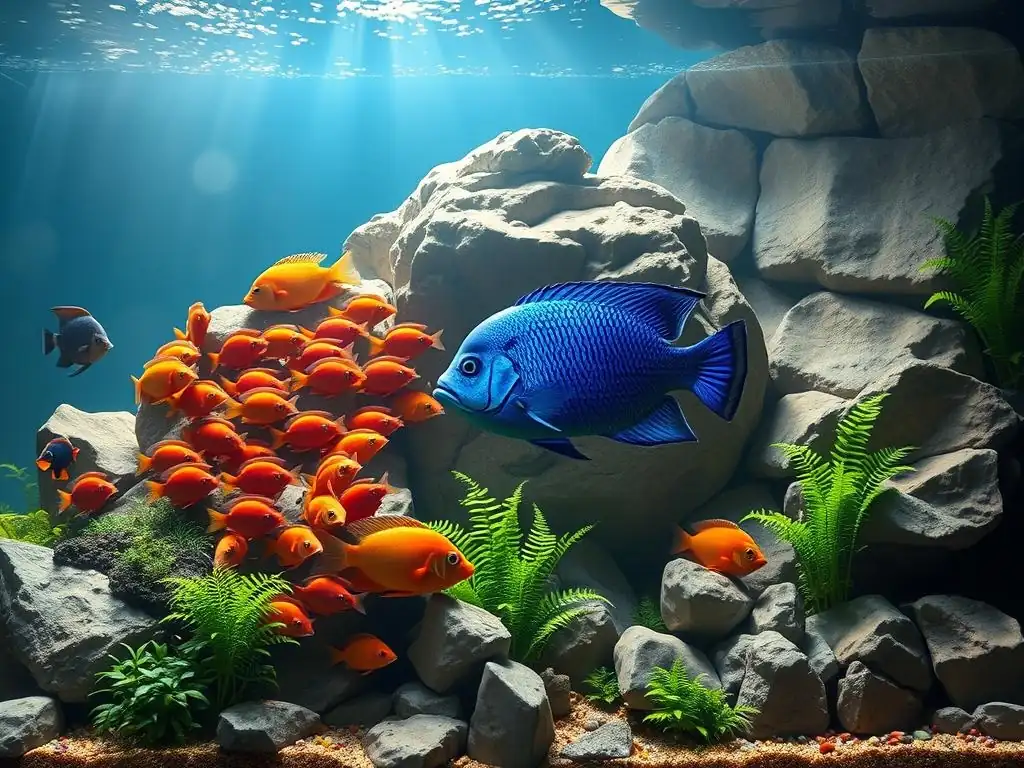
Ever wonder if your New World Cichlids are getting the absolute best nutrition possible? Dive into our comprehensive guide to New World Cichlid Food – we're breaking down the pros and cons of pellets, frozen feasts, and the excitement of live food. Discover what will truly unlock their vibrant colors and thriving health. Ready to level up your cichlid care? Let's explore!
- Optimizing New World Cichlid Nutrition: A Comprehensive Guide
- Understanding New World Cichlid Nutritional Needs
- New World Cichlid Food Types: A Detailed Comparison
- Comparing the Nutritional Value of Different Cichlid Food Options
- Feeding Strategies for Optimal Cichlid Health
- Potential Problems with Cichlid Feeding and How to Solve Them
- Making the Right Choice: Food Recommendations for Specific New World Cichlids
- Conclusion: A Balanced Approach to New World Cichlid Nutrition
- Frequently Asked Questions
- Final Reflection: Nourishing the Jewels of the Aquarium
- Ignite Your Cichlids' Vitality!
Optimizing New World Cichlid Nutrition: A Comprehensive Guide
Understanding New World Cichlid Nutritional Needs
The Importance of a Balanced Diet for Cichlids
A balanced and varied diet is paramount for the long-term health, vitality, and vibrant coloration of New World Cichlids. Proper nutrition provides the essential building blocks for growth, supports a robust immune system, and helps prevent a myriad of common diseases. Without adequate nourishment, cichlids can suffer from stunted growth, faded colors, skeletal deformities, and increased susceptibility to infections, including notorious conditions like Hole-in-the-Head disease, which is often linked to poor diet and water quality.
Furthermore, a well-rounded New World Cichlid food regimen directly impacts their behavior and breeding success. Fish fed a monotonous or nutritionally deficient diet may exhibit lethargy, aggression, or a complete lack of interest in spawning. Conversely, cichlids receiving a diverse and appropriate diet display more natural behaviors, show heightened activity levels, and are more likely to enter breeding condition, ensuring the continuation of healthy generations within the aquarium.
Key Nutrients for Healthy New World Cichlids: Protein, Fats, and Carbohydrates
New World Cichlids, largely being carnivorous or omnivorous with a strong carnivorous bias, have specific macronutrient requirements. Protein is the cornerstone of their diet, crucial for muscle development, tissue repair, and overall growth. Juvenile cichlids, undergoing rapid development, demand higher protein levels, often ranging from 45% to 55% in their New World Cichlid food, while adults typically thrive on 40% to 45%. For instance, a growing Oscar (Astronotus ocellatus) requires a protein-rich diet to reach its impressive adult size.
Fats (Lipids) serve as a concentrated energy source and are vital for the absorption of fat-soluble vitamins (A, D, E, K). Essential fatty acids, particularly Omega-3 and Omega-6, are critical for neurological function and immune health. The ideal fat content in quality New World Cichlid food usually falls between 8% and 15%. While Carbohydrates provide energy, they are less critical than protein or fats for most New World Cichlids. Excessive carbohydrates, especially from fillers, can lead to digestive issues and fatty liver disease; therefore, their inclusion in New World Cichlid food should generally be kept below 20-25%.
How Size, Age, and Species Affect Dietary Requirements for Cichlids
The nutritional demands of New World Cichlids are not static; they vary significantly based on the fish's size, age, and specific species. Younger, smaller cichlids, such as juvenile Jack Dempseys (Rocio octofasciata), have higher metabolic rates and require more frequent feedings of protein-dense New World Cichlid food to support their rapid growth. As they mature into adults, their growth rate slows, and their dietary needs shift towards maintenance, often requiring slightly less protein and fewer feeding sessions per day.
Species-specific dietary adaptations are also critical. Predatory cichlids like Oscars and Wolf Cichlids (Parachromis dovii) are primarily carnivorous and require a New World Cichlid food high in animal protein. Omnivorous species, such as Severums (Heros severus) or Blue Acaras (Andinoacara pulcher), benefit from a balanced diet that includes both animal protein and significant vegetable matter, such as spirulina-enhanced pellets or blanched vegetables. Understanding these nuances is essential for selecting the most appropriate New World Cichlid food to ensure optimal health and longevity for your specific aquatic inhabitants.
New World Cichlid Food Types: A Detailed Comparison
Prepared Foods: A Foundation for Cichlid Nutrition
Advantages of Prepared Foods: Convenience and Balanced Formulation
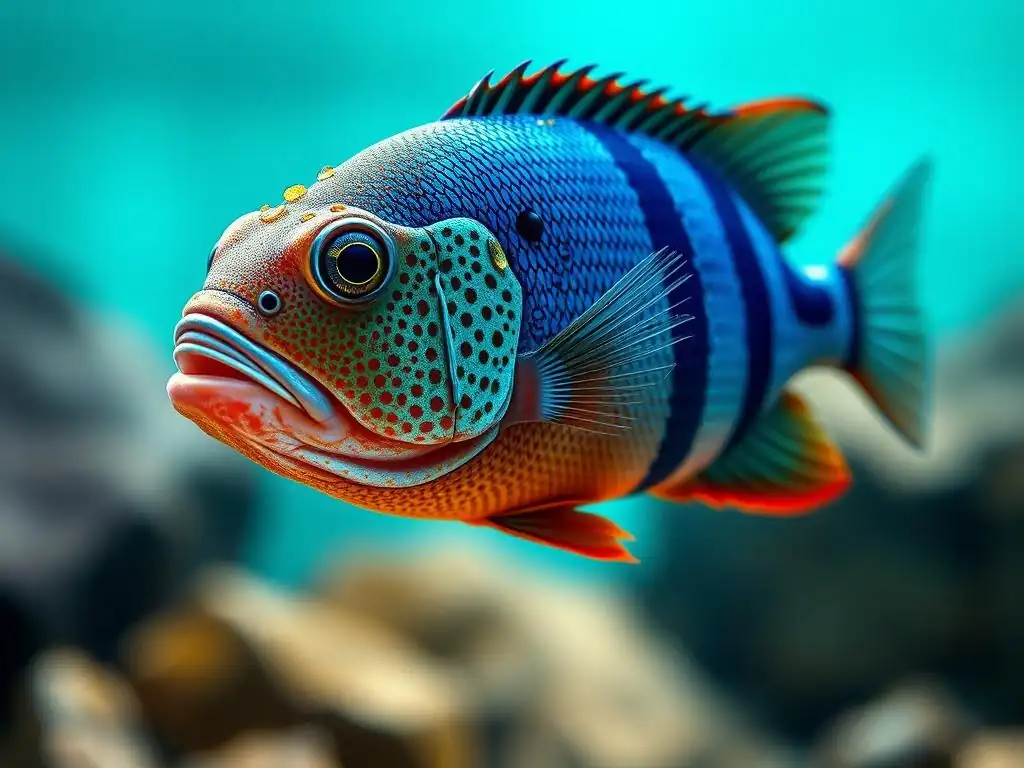
Prepared New World Cichlid food, primarily in the form of pellets or flakes, offers unparalleled convenience for aquarists. They boast a long shelf life, are easy to store, and simplify the feeding routine. A significant advantage is their carefully formulated nutritional profile; reputable brands develop these foods to be nutritionally complete, often fortified with essential vitamins and minerals that might be lacking in a single-source diet. For example, high-quality sinking pellets like Hikari Cichlid Gold or Omega One Sinking Cichlid Pellets are designed to provide a balanced diet, typically listing a guaranteed analysis of 40-45% protein and 8-10% fat.
Beyond their nutritional completeness, prepared foods significantly reduce the risk of introducing pathogens into the aquarium, a common concern with live foods. This makes them a safer primary New World Cichlid food choice for maintaining a healthy aquatic environment. The consistency in nutrient delivery ensures that your cichlids receive a steady supply of necessary vitamins and minerals without the variability found in less controlled food sources, contributing to stable growth and overall well-being.
Disadvantages of Prepared Foods: Ingredient Quality and Additives
Despite their convenience, the quality of prepared New World Cichlid food can vary widely among brands, presenting a significant disadvantage. Many lower-cost options contain excessive fillers such such as corn meal, wheat flour, or soy meal, which offer minimal nutritional value and can be difficult for cichlids to digest, potentially leading to gastrointestinal issues. These fillers dilute the protein content and can contribute to increased waste production, impacting water quality.
Another concern is the presence of artificial colors and preservatives, which are added to enhance visual appeal or extend shelf life. While their long-term health effects on fish are subject to ongoing debate, many aquarists prefer natural ingredients. Furthermore, some cichlids, especially those accustomed to live or frozen foods, may find prepared foods less palatable, leading to finicky eating habits or refusal to eat, requiring a gradual introduction or supplementation with more appealing options.
Choosing the Right Prepared Food: Ingredients, Size, and Reputable Brands
Selecting the best prepared New World Cichlid food requires careful attention to the ingredient list. Prioritize foods that list high-quality animal proteins, such as whole fish meal (e.g., salmon meal, krill meal), as the first ingredient. Avoid brands that use vague terms like "meat meal" or have excessive plant-based fillers high up on the list. For example, NorthFin Cichlid Formula is highly regarded for its minimal use of fillers and high inclusion of krill and kelp meal, offering 42% protein and 10% fat.
The size of the pellet or flake is equally important. It must be appropriate for the cichlid's mouth size to prevent choking or difficulty in consumption; a 1-2 mm pellet is suitable for medium cichlids, while large Oscars may require 3-5 mm pellets. Finally, opt for reputable New World Cichlid food brands known for their commitment to quality, such as Hikari, Omega One, NorthFin, and New Life Spectrum. These brands typically invest in research and development to produce nutritionally superior products, ensuring your cichlids receive a complete and beneficial diet.
Frozen Foods for New World Cichlids: Enhancing Diet and Coloration
Benefits of Frozen Food: Natural Nutrients and Improved Palatability
Frozen New World Cichlid food offers a superb way to diversify and enrich your cichlid's diet, bringing them closer to their natural feeding habits. These foods retain a high degree of their natural nutrients because they are typically flash-frozen, preserving vitamins, minerals, and essential fatty acids that might be diminished in highly processed dry foods. The natural texture and scent of frozen foods, such as bloodworms or mysis shrimp, significantly enhance palatability, often stimulating a strong feeding response even in finicky eaters.
Beyond palatability, frozen foods are excellent for boosting coloration and overall vitality. For instance, mysis shrimp are naturally rich in astaxanthin, a carotenoid pigment that can dramatically intensify reds, oranges, and yellows in cichlids like Oscars and Electric Blue Acaras. Incorporating frozen New World Cichlid food into the diet can also provide essential chitin, found in the exoskeletons of many invertebrates, which aids in digestion and gut health, contributing to a more robust and vibrant fish.
Drawbacks of Frozen Food: Thawing, Storage, and Potential for Spoilage
While highly beneficial, frozen New World Cichlid food comes with its own set of challenges. It requires thawing before feeding; directly feeding frozen cubes can cause internal organ damage or severe digestive upset due to the extreme cold. Thawing typically involves placing a portion in a small cup of tank water for 5-10 minutes. Once thawed, any unused portion has a very short shelf life and should be discarded to prevent bacterial growth and spoilage.
Storage also requires careful management. Frozen foods must be kept consistently frozen to prevent freezer burn, which degrades quality, and should never be refrozen once thawed. Improper handling or prolonged storage in a poorly sealed container can lead to nutrient loss and increase the risk of contamination. Furthermore, frozen foods, particularly those with higher fat content like beefheart, can contribute more to water pollution if overfed or if uneaten portions are left to decompose in the aquarium, necessitating prompt removal.
Best Frozen Foods for Cichlids: Bloodworms, Mysis Shrimp, and Beefheart
Several types of frozen New World Cichlid food are highly recommended for their nutritional value and palatability. Bloodworms are a perennial favorite, known for their high protein content (approximately 50-60% dry weight) and their ability to entice even the most reluctant eaters. They are excellent for conditioning fish for breeding or for adding variety to a staple diet.
Mysis Shrimp are another top choice, packed with protein (around 60-70% dry weight) and, crucially, rich in natural pigments like astaxanthin, which significantly enhance the vibrant colors of many New World Cichlids. They also provide beneficial chitin. Beefheart, often prepared in a custom mix with spirulina or other vegetables, is exceptionally high in protein (upwards of 60-70% dry weight) and fat. It's frequently used for rapidly growing large cichlids but should be fed sparingly due to its high fat content, which, if overused, can lead to fatty liver disease and other health issues.
Live Foods for New World Cichlids: Stimulating Natural Behaviors
Advantages of Live Food: Encourages Hunting and Breeding Condition
Live New World Cichlid food offers unique benefits that prepared and frozen options cannot fully replicate. Feeding live prey directly stimulates the cichlid's natural hunting instincts, providing crucial mental and physical enrichment. This active pursuit of food can reduce boredom, alleviate stress, and encourage more natural behaviors within the aquarium environment. Observing a cichlid actively hunting can be a fascinating spectacle for the aquarist, showcasing the fish's predatory prowess.
Beyond behavioral enrichment, live foods are exceptionally effective for conditioning breeding pairs. The high nutritional value and the stimulation of natural instincts often trigger a strong feeding response, which can significantly enhance the likelihood of successful spawning. Many breeders report that incorporating live foods into the diet of prospective parents leads to healthier, more vigorous spawns and better parental care, demonstrating the profound impact of this New World Cichlid food type.
Disadvantages of Live Food: Parasites, Cost, and Maintenance
Despite their benefits, live New World Cichlid food carries significant drawbacks, primarily the risk of introducing parasites and diseases into your aquarium. Feeder fish, such as goldfish or minnows, are notorious carriers of various pathogens, including Ich, internal worms, and bacterial infections, which can devastate an entire tank. It is generally advised to avoid feeder fish unless they are sourced from a reputable, disease-free supplier and undergo a rigorous quarantine process and gut-loading.
The cost of live food can also be substantially higher than prepared or frozen alternatives over time, making it a less economically viable staple diet. Furthermore, certain live food options, like crickets or Dubia roaches, require their own housing and maintenance, adding another layer of responsibility and potential inconvenience for the aquarist. This ongoing care, coupled with the potential for escapees, can be a deterrent for many hobbyists.
Popular Live Foods for Cichlids: Earthworms, Crickets, and Dubia Roaches
Among the safest and most beneficial live New World Cichlid food options are Earthworms, particularly Red Wigglers or Nightcrawlers. They are highly nutritious, boasting approximately 60-70% protein dry weight, are easily digestible, and generally carry a low risk of transmitting diseases from their natural environment to aquatic systems. Earthworms can also be gut-loaded with nutrient-rich foods to further enhance their value.
Crickets are another popular choice, providing a good protein source (around 50-60% dry weight). They are readily available from pet stores but should ideally be gut-loaded before feeding to improve their nutritional profile. However, crickets can be noisy and prone to escaping. Dubia Roaches are gaining popularity as a superior alternative to crickets. They are quieter, less prone to escaping, and offer a better nutritional balance with higher protein content (around 60% protein dry weight) and lower fat, making them an excellent and safer live New World Cichlid food option for larger species.
Comparing the Nutritional Value of Different Cichlid Food Options
Protein Content Comparison: Prepared vs. Frozen vs. Live Food
When comparing the protein content of various New World Cichlid food types, live and frozen options often exhibit the highest raw protein percentages on a dry weight basis. For instance, live earthworms and Dubia roaches can contain 60-70% protein, while frozen mysis shrimp and beefheart similarly range from 60-70%. These sources closely mimic the high-protein diet that many wild New World Cichlids would consume.
Prepared foods, while generally lower in raw protein content compared to their live or frozen counterparts, still provide substantial levels, with quality brands typically offering 40% to 55% protein. The key difference lies in the digestibility and bioavailability of these proteins. While live and frozen foods offer highly digestible natural proteins, high-quality prepared New World Cichlid food is formulated to ensure that the protein is easily absorbed and utilized by the fish, making them a reliable staple for long-term health.
Lipid and Fatty Acid Profile: Which Food Type Provides the Most?
The lipid (fat) and essential fatty acid profile is crucial for energy and overall health, and here, frozen foods often excel. Frozen mysis shrimp and krill are particularly rich in beneficial Omega-3 and Omega-6 fatty acids, which are vital for neurological function, immune response, and vibrant coloration. Beefheart also offers a high fat content, ranging from 10-20%, making it an energy-dense option, though its fatty acid balance might require supplementation.
Live foods can vary significantly. While earthworms provide a good balance of fatty acids, feeder fish, if not properly gut-loaded, can have an imbalanced Omega-6 to Omega-3 ratio, which is detrimental over time. Prepared New World Cichlid food is typically fortified with fats, often from fish oils, to ensure a balanced profile, with fat content usually between 8-15%. However, the specific types and quality of fats can differ; always look for foods that specify beneficial fish oils rather than generic animal fats.
Fiber and Carbohydrates: Understanding the Role in Cichlid Digestion
Fiber plays an important role in the digestive health of New World Cichlids, aiding in gut motility and preventing constipation. Natural fiber sources are abundant in some live foods, such as the chitinous exoskeletons of insects and crustaceans. However, excessive fiber can hinder nutrient absorption. Carbohydrates, while providing energy, are not a primary dietary requirement for most carnivorous or omnivorous New World Cichlids.
Prepared New World Cichlid food often contains higher levels of carbohydrates and fiber, especially if they include fillers like wheat, corn, or soy. High-quality prepared foods aim to keep carbohydrate levels low (e.g., under 20%) and fiber content within a beneficial range (e.g., 2-5%). In contrast, most frozen and live foods are naturally low in carbohydrates, reflecting the more ancestral diet of cichlids. This makes frozen and live options excellent for preventing issues like fatty liver disease, which can result from a diet too rich in carbohydrates.
Feeding Strategies for Optimal Cichlid Health
Creating a Feeding Schedule for Your New World Cichlids
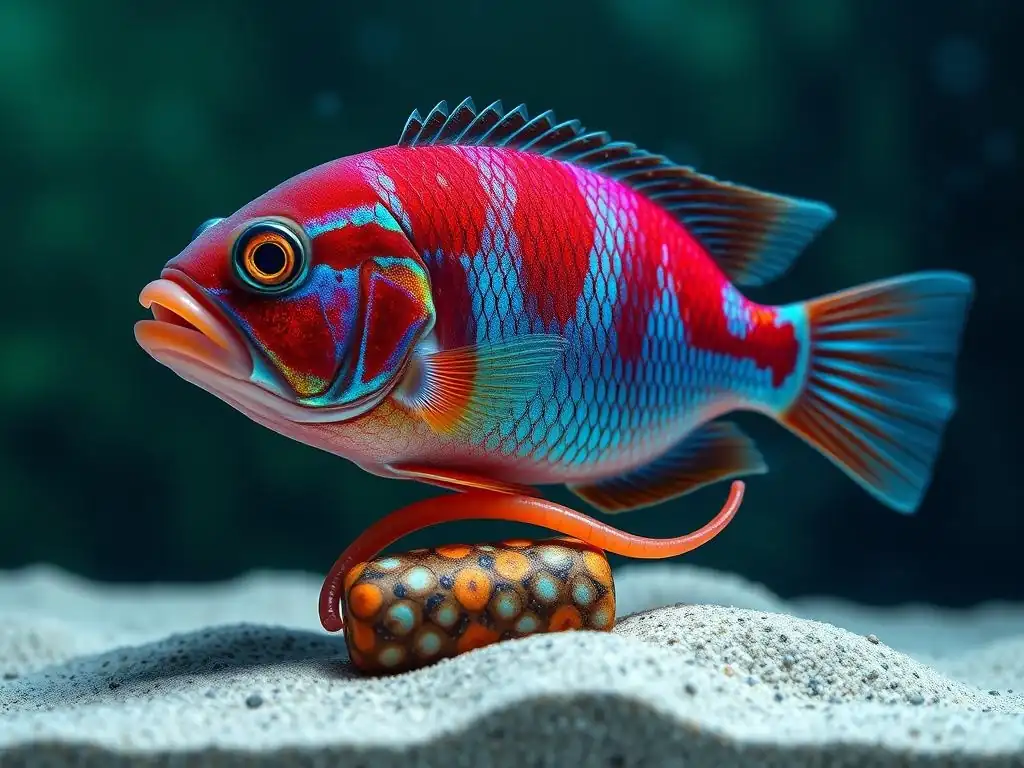
Establishing a consistent feeding schedule is fundamental for the optimal health and growth of your New World Cichlids. For juvenile cichlids, which are undergoing rapid development and have higher metabolic rates, more frequent, smaller meals are recommended, typically 2-3 times a day. This ensures a steady supply of nutrients to support their rapid growth and development.
As cichlids mature into adults, their growth rate slows, and their energy requirements shift. Adult New World Cichlids generally thrive on less frequent feedings, often once a day or even every other day, depending on the species and individual metabolism. For example, a mature Oscar might be fed once daily, while a smaller, more active Convict Cichlid might still benefit from two smaller feedings. Consistency in timing also helps to establish a routine, which can reduce stress and improve feeding response.
How Much to Feed: Avoiding Overfeeding and Underfeeding
One of the most common mistakes in cichlid care is overfeeding, which can lead to a cascade of problems. Overfeeding not only pollutes the water by increasing ammonia, nitrates, and phosphates, but it also contributes to obesity in fish, digestive issues like bloat, and fatty liver disease. A general rule of thumb for New World Cichlid food is to feed only what your fish can consume entirely within 2-3 minutes. Any uneaten food should be promptly removed to maintain water quality.
Conversely, underfeeding can lead to stunted growth, nutrient deficiencies, increased aggression among tank mates due to competition for resources, and a weakened immune system. Look for signs such as sunken bellies or lethargy as indicators of underfeeding. A good approximate portion size for New World Cichlid food is a quantity roughly the size of the fish's eye, fed 1-2 times daily, adjusting based on the species, age, and observed appetite.
Supplementing Your Cichlid's Diet: Garlic and Spirulina
Supplementing your New World Cichlid food can provide additional health benefits and enhance palatability. Garlic is widely recognized for its appetite-stimulating properties and its potential to act as a natural anti-parasitic agent. Many aquarists soak dry pellets or flakes in a garlic solution (e.g., commercial garlic guard or fresh garlic juice diluted in tank water) for 10-15 minutes before feeding. This can be particularly effective for enticing finicky eaters or new arrivals to accept prepared foods.
Spirulina, a blue-green algae, is another excellent supplement, packed with protein, essential vitamins, and natural pigments (carotenoids). It is a superb choice for enhancing the vibrant coloration of cichlids and providing beneficial vegetable matter, especially for omnivorous species like Severums or Convict Cichlids. Spirulina is often incorporated as a key ingredient in high-quality prepared New World Cichlid food, but it can also be fed as spirulina flakes or powder, offering a concentrated dose of nutrients and natural color enhancers.
Potential Problems with Cichlid Feeding and How to Solve Them
Addressing Finicky Eaters: Tips for Encouraging Feeding
Some New World Cichlids can be notoriously finicky eaters, especially when introduced to a new environment or unfamiliar New World Cichlid food. The primary strategy to address this is offering a wide variety of food types. If a cichlid refuses pellets, try tempting it with frozen bloodworms or mysis shrimp, which are often irresistible due to their natural palatability. Gradually introduce new foods by mixing small amounts with preferred items.
Soaking dry pellets or flakes in tank water or a garlic solution can make them softer and more appealing, releasing odors that stimulate appetite. A short fast of 1-2 days can also stimulate hunger, particularly if overfeeding has been an issue. Finally, observe tank dynamics: shy eaters might be intimidated by more aggressive tank mates. Providing multiple feeding spots or ensuring adequate hiding places can reduce stress and encourage all fish to feed.
Preventing Bloat and Digestive Issues in Cichlids
Bloat and other digestive issues are serious concerns for New World Cichlids, often linked to improper New World Cichlid food. The most effective prevention strategy is maintaining a diverse diet that avoids excessive fillers or overly fatty foods. For carnivorous species, ensure their diet is not too high in carbohydrates. Soaking dry pellets before feeding is crucial, as it prevents the food from expanding inside the fish's gut, which can contribute to bloat.
Strictly avoid overfeeding, as excessive food intake puts immense strain on the digestive system. Feed only what can be consumed quickly and remove any uneaten portions. Furthermore, consistent water quality is paramount; poor water parameters stress fish, making them more susceptible to digestive ailments. Regularly test water parameters and perform routine water changes to maintain a stable and healthy environment.
Dealing with Food Aggression in Cichlid Tanks
Food aggression is a common behavior among New World Cichlids, particularly in multi-cichlid setups. To mitigate this, disperse the New World Cichlid food widely across the tank surface or substrate, creating multiple feeding spots. This allows all fish, including more timid ones, to access food without direct confrontation. For instance, scattering pellets over a 75-gallon tank's surface ensures no single fish can monopolize the food.
Another effective strategy is to feed smaller portions more frequently. Instead of one large meal, offer 2-3 smaller meals throughout the day. This reduces the intensity of feeding frenzies and lessens the perceived competition. Ensuring adequate tank size and providing plenty of hiding spots and visual barriers (e.g., rocks, driftwood) can also help establish territories and reduce overall aggression, making feeding times less stressful for all inhabitants.
Making the Right Choice: Food Recommendations for Specific New World Cichlids
Oscars (Astronotus ocellatus): Recommended Food and Feeding Strategies
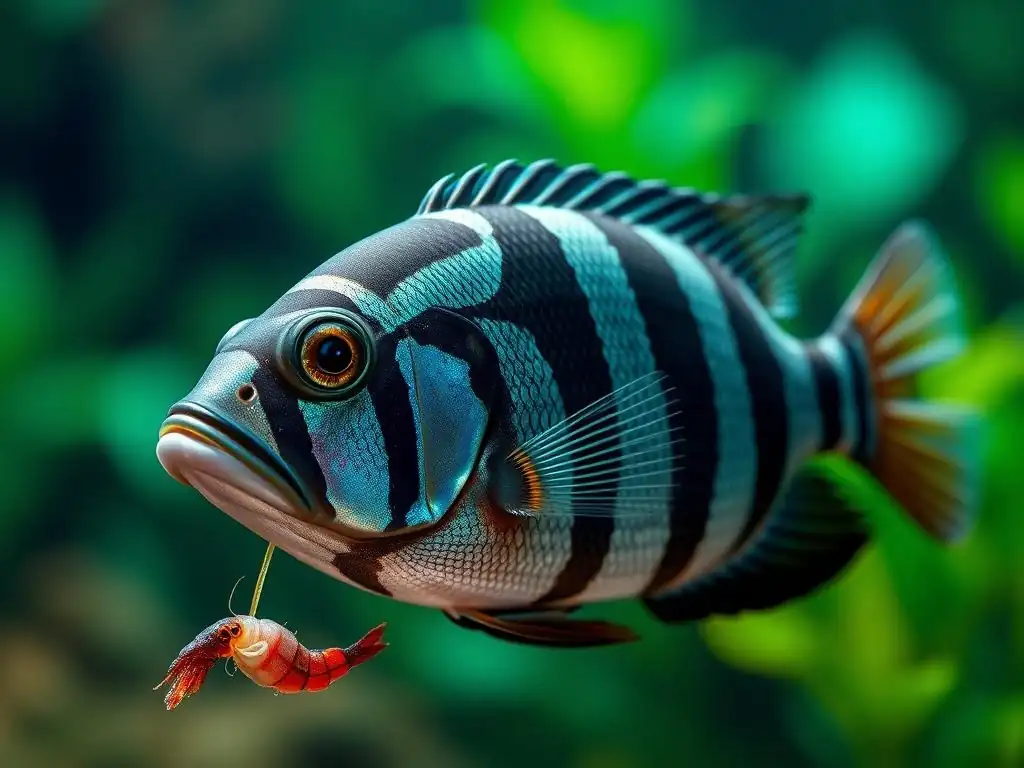
Oscars are iconic New World Cichlids known for their intelligence, personality, and impressive size. As primarily carnivorous fish, their New World Cichlid food needs to be high in protein, especially during their rapid growth phase. Juveniles typically require 45-50% protein, while adults thrive on 40-45%.
A high-quality sinking pellet, such as Hikari Cichlid Gold or Omega One Sinking Cichlid Pellets, should form the staple of their diet. These large pellets are formulated to meet their specific protein needs. Supplement this base with frozen foods like bloodworms, mysis shrimp, and occasional, carefully prepared beefheart mixes. Earthworms (e.g., nightcrawlers) are an excellent, safe live New World Cichlid food option for Oscars. Feed 1-2 times daily, only what they consume within 2-3 minutes. Avoid feeder fish due to high disease risk.
Jack Dempseys (Rocio octofasciata): Recommended Food and Feeding Strategies
Jack Dempseys are beautiful, robust New World Cichlids with an omnivorous diet leaning heavily towards carnivorous fare. They benefit greatly from a varied diet that caters to both their protein needs and provides some vegetable matter.
Their staple New World Cichlid food should be high-quality sinking pellets or flakes designed for cichlids, such as New Life Spectrum Cichlid Formula or NorthFin Cichlid Formula. Supplement their diet with frozen foods like bloodworms, brine shrimp, and mysis shrimp. Small earthworms or crickets (gut-loaded) can be offered as occasional live treats. Jack Dempseys are generally less prone to bloat than some other cichlids, but portion control is still important. Feed 1-2 times daily, ensuring the food size is appropriate for their mouth.
Convict Cichlids (Amatitlania nigrofasciata): Recommended Food and Feeding Strategies
Convict Cichlids are hardy, adaptable, and prolific New World Cichlids. Being omnivorous, they are less demanding than some larger species but still benefit immensely from a diverse and appropriate New World Cichlid food regimen to support their energy levels and breeding activity.
Their primary diet can consist of high-quality flakes or small sinking pellets, such as Tetra Cichlid Flakes or Aqueon Cichlid Pellets. Supplementation is key for optimal health and color. Offer frozen brine shrimp, bloodworms, and spirulina-based flakes or pellets to provide essential vitamins and vegetable matter. Convict cichlids also enjoy grazing on algae, so a tank with some natural algae growth can provide additional foraging opportunities. Feed small amounts 2-3 times a day, ensuring all fish get enough without overfeeding, especially in breeding pairs where the female may be less assertive at feeding time.
Conclusion: A Balanced Approach to New World Cichlid Nutrition
Optimizing New World Cichlid nutrition is not about finding a single "best" New World Cichlid food, but rather embracing a balanced and varied approach tailored to the specific needs of each species, age, and size. Understanding the critical roles of protein, fats, and carbohydrates, alongside fiber, is the foundation for a healthy diet. High-quality prepared foods provide a convenient and nutritionally complete base, while frozen and occasional live foods offer unparalleled natural nutrients, palatability, and behavioral enrichment.
By implementing strategic feeding schedules, avoiding common pitfalls like overfeeding, and utilizing supplements like garlic and spirulina, aquarists can significantly enhance the vitality, coloration, and longevity of their New World Cichlids. Addressing issues like finicky eating or food aggression through thoughtful management ensures a harmonious and thriving aquarium. Ultimately, a well-researched and diverse New World Cichlid food plan is the cornerstone of successful cichlid keeping, leading to more active, vibrant, and resilient aquatic companions.
Frequently Asked Questions
What are the best types of food for New World Cichlids?
The best foods for New World Cichlids include high-quality pellets, frozen foods like bloodworms and brine shrimp, and occasional live foods depending on the species and their natural diet.
How often should I feed my New World Cichlids?
Generally, feed New World Cichlids once or twice a day, offering only as much food as they can consume in a few minutes. Avoid overfeeding to prevent water quality issues.
Are there specific ingredients I should look for in New World Cichlid food?
Look for foods that are high in protein and contain ingredients like fish meal, krill meal, and spirulina. Also, ensure the food contains essential vitamins and minerals for optimal health.
Can I feed my New World Cichlids only pellets?
While high-quality pellets can form the base of their diet, supplementing with frozen and live foods is recommended. This provides dietary variety and stimulates their natural feeding behaviors.
How do I choose the right size pellet for my New World Cichlid?
Select a pellet size that is appropriate for the size of your fish's mouth. Too small, and they may not get enough food; too large, and they may struggle to eat it and potentially choke.
Final Reflection: Nourishing the Jewels of the Aquarium
The journey through the diverse world of New World Cichlid nutrition, as we've explored, is more than just a matter of feeding; it's about fostering vibrant health and unlocking the full potential of these captivating creatures. Understanding the nuances of pellets, frozen, and live foods is crucial for responsible fishkeeping in today's aquarium hobby. The choices we make directly impact the well-being, coloration, and breeding success of our beloved cichlids, underscoring the importance of informed decision-making.
The impact of proper nutrition extends far beyond the individual fish. It shapes the entire aquarium ecosystem, influencing water quality, algae growth, and the overall aesthetic appeal of our underwater worlds. A well-fed cichlid is a happy cichlid, and a happy cichlid contributes to a thriving and balanced aquarium. The best aquarium is a balanced aquarium,
a sentiment often echoed in the aquascaping community, highlights the interconnectedness of all elements within the tank, with nutrition playing a pivotal role.
Now, as you stand before your own aquarium, consider the knowledge you've gained. Are you providing the optimal diet for your New World Cichlids? Take a moment to reflect on your current feeding practices and identify areas for improvement. Embrace the opportunity to refine your approach, experiment with different food types, and observe the positive changes in your fish. By investing in their nutrition, you're investing in their longevity, beauty, and the overall joy they bring to your life. Let's continue to learn and adapt, ensuring that these "jewels of the aquarium" receive the nourishment they deserve.
Ignite Your Cichlids' Vitality!
Thanks for exploring the world of New World cichlid nutrition with us! We hope you've gained valuable insights into crafting the perfect diet for your finned friends. Now, it's time to put that knowledge into action and witness the amazing results firsthand.
Here's how to take the next step:
- Craft a Custom Feeding Plan: Carefully select a combination of pellets, frozen foods, and (responsibly sourced) live foods that aligns with your cichlids' species-specific needs and preferences. Aim for variety and nutrient density!
- Document Your Cichlids' Response: Keep a detailed log of your cichlids' color, growth, and overall health after implementing your new feeding strategy. Track changes weekly.
- Share Your Wisdom: Connect with fellow cichlid enthusiasts in online forums or local aquarium clubs. Share your experiences, challenges, and successes with the food combinations you've tested.
What surprising ingredient will you incorporate into your cichlids' diet this week?