
The Breeder's Calendar: Aquarium Mastery on Timing Tetra Conditioning & Spawning

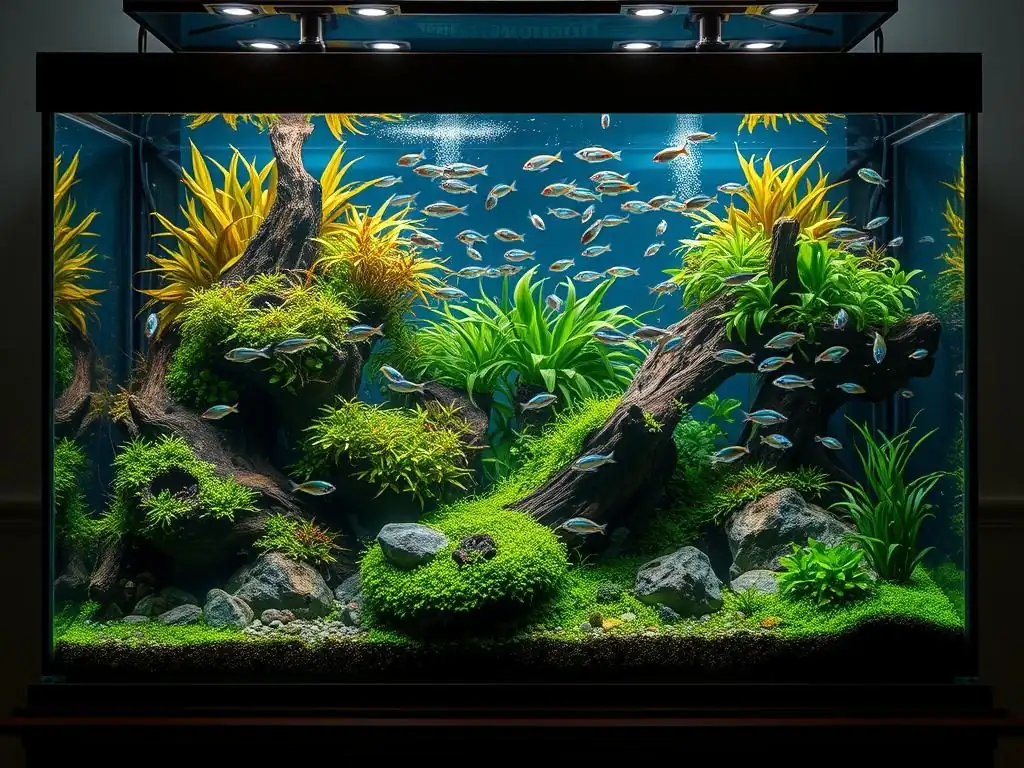
Welcome to Aquarium Mastery!
Ever wondered about the perfect moment to encourage your Tetras to spawn? Unlock the secrets to successful breeding with our guide, " The Breeder's Calendar: Aquarium Mastery on Timing Tetra Conditioning & Spawning." Discover the crucial factors influencing Tetra conditioning, spawning timing, and how to create the ideal environment for these vibrant freshwater fish. Ready to become a Tetra breeding master? Let's dive in!
- The Breeder's Calendar: Aquarium Mastery on Timing Cardinal Tetra Conditioning & Spawning
- Introduction to Cardinal Tetra Breeding: Mastering Timing for Successful Spawning
-
Creating the Ideal Cardinal Tetra Breeding Environment: A Month-by-Month Guide
- January-February: Planning Your Cardinal Tetra Breeding Project
- March-April: Preparing the Breeding Tank
- May-June: Cardinal Tetra Conditioning for Breeding
- July-August: Triggering Cardinal Tetra Spawning
- September-October: Post-Spawning Care and Fry Rearing
- November-December: Growing Out Cardinal Tetra Fry
- Advanced Cardinal Tetra Breeding Techniques: Fine-Tuning Your Timing
- Troubleshooting Common Cardinal Tetra Breeding Challenges
- Cardinal Tetra Breeding Calendar: A Summary Table for Key Tasks
- Conclusion: Achieving Aquarium Mastery Through Precise Cardinal Tetra Breeding Timing
- Frequently Asked Questions
- Final Reflection: The Delicate Dance of Life
- Ignite Your Aquarium: Trigger the Tetra Breeding Frenzy!
The Breeder's Calendar: Aquarium Mastery on Timing Cardinal Tetra Conditioning & Spawning
Introduction to Cardinal Tetra Breeding: Mastering Timing for Successful Spawning
Why Timing is Crucial for Cardinal Tetra Spawning Success
Mastering the precise timing of environmental cues and conditioning is paramount for successful Cardinal Tetra (Paracheirodon axelrodi) breeding. Unlike some more robust species, Cardinal Tetras are delicate breeders, requiring specific conditions to trigger their reproductive cycle and ensure egg viability.
Incorrect timing in aspects such as diet, water parameter adjustments, or light cycles can lead to failed spawning attempts, unfertilized eggs, or even health issues for the potential breeders. For instance, without proper conditioning and environmental simulation, success rates for egg hatching might be as low as 5-10%, whereas carefully timed efforts can elevate these rates significantly, often reaching 50-70% for viable eggs.
The natural habitat of Cardinal Tetras, primarily the blackwater rivers of the Rio Negro basin, provides distinct seasonal cues that trigger their spawning. Replicating these subtle changes in the home aquarium is the essence of effective Tetra conditioning spawning timing.
This includes simulating the onset of the rainy season through specific water changes, adjusting photoperiods to mimic longer or shorter days, and ensuring a diet rich enough to support egg and milt production. Without this meticulous approach to timing, the fish may never enter a breeding state, or if they do, the resulting eggs may be infertile or prone to fungal infections, highlighting why a precise Tetra conditioning spawning timing guide is invaluable.
Understanding Cardinal Tetra-Specific Breeding Requirements
Cardinal Tetras possess unique breeding requirements that differentiate them from many other freshwater species, demanding a specialized approach to their care and reproduction. Key among these is their absolute need for extremely soft and acidic water, ideally with a pH range of 5.0 to 6.0 and a general hardness (GH) between 1 and 4 dGH. Temperatures should be maintained consistently between 26-28°C (79-82°F) to encourage spawning. These parameters are critical because the eggs of Cardinal Tetras are highly sensitive to harder, more alkaline water, which can prevent fertilization or lead to the eggs hardening and failing to hatch.
Beyond water chemistry, Cardinal Tetras require a specific environment that offers security and dim lighting for spawning. They are egg scatterers, typically laying their adhesive eggs on fine-leaved plants like Java moss or artificial spawning mops. The fry, upon hatching, are incredibly small—often no more than 2-3 millimeters—and necessitate microscopic foods such as infusoria for their initial days. Understanding these precise needs, from water chemistry to fry nutrition, is fundamental to any successful Tetra conditioning spawning timing guide, ensuring that every stage of the breeding process is optimized for the best possible outcome.
Creating the Ideal Cardinal Tetra Breeding Environment: A Month-by-Month Guide
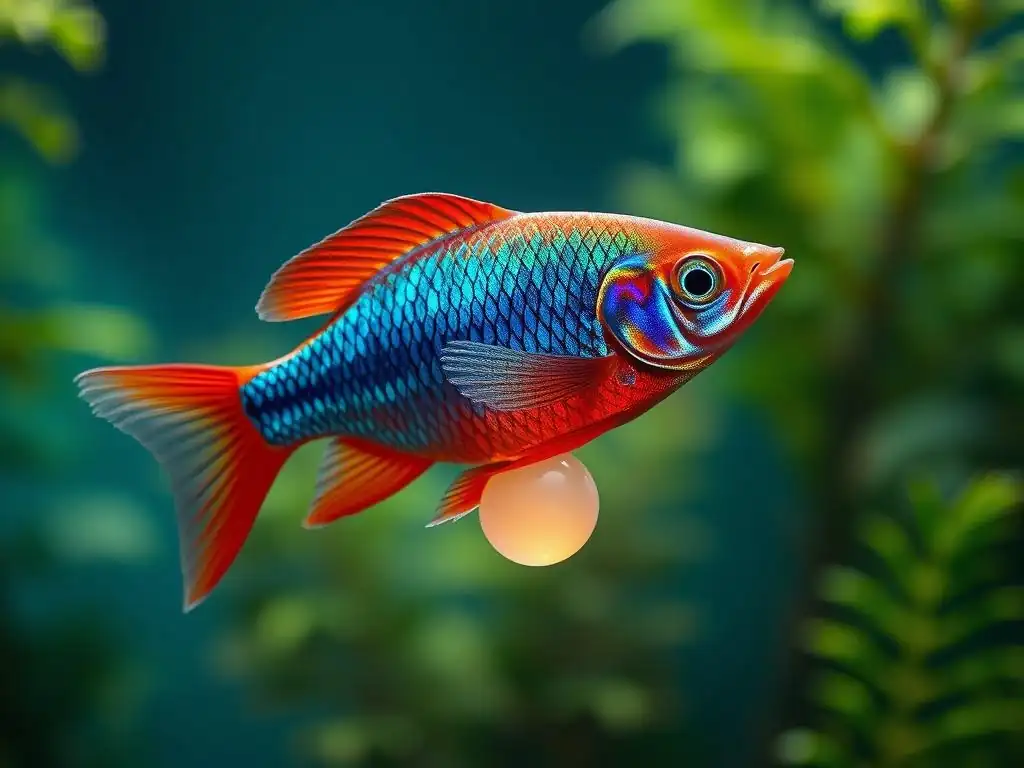
January-February: Planning Your Cardinal Tetra Breeding Project
Selecting Healthy Cardinal Tetra Breeding Pairs
The foundational step in any Cardinal Tetra breeding project begins with the careful selection of healthy and mature breeding stock. It is crucial to choose fish that exhibit vibrant coloration, active swimming patterns, and a full, rounded appearance, indicative of good health and proper nutrition.
Avoid any fish showing signs of stress, disease, or physical deformities, as these individuals are unlikely to be successful breeders and could potentially transmit issues to their offspring. Ideally, Cardinal Tetras should be at least 8 to 12 months old to ensure they have reached sexual maturity and are robust enough to handle the rigors of spawning.
Gender differentiation in Cardinal Tetras can be subtle, but generally, mature females will appear noticeably plumper, especially when gravid (carrying eggs), and may have a slightly rounder body shape. Males, conversely, tend to be more slender and streamlined. Observing their behavior can also provide clues; males might display more intense colors and exhibit increased activity when attempting to attract females.
Selecting a group of 6-8 healthy individuals and allowing them to pair naturally often yields better results than attempting to force a specific pair. This careful selection process is a critical early component of a comprehensive Tetra conditioning spawning timing guide.
Researching Specific Cardinal Tetra Spawning Needs
Thorough research into the specific spawning needs of Cardinal Tetras is indispensable during the planning phase. These fish originate from the highly specialized blackwater environments of the Rio Negro basin, characterized by extremely soft, acidic water and dense vegetation. Understanding these natural conditions provides the blueprint for replicating a successful breeding setup in the home aquarium. Key parameters to focus on include achieving a pH between 5.0 and 6.0, a general hardness (GH) of 1-3 dGH, and a stable temperature around 26-28°C (79-82°F).
Your research should also cover the optimal breeding tank size, which can be relatively small—a 5 to 10-gallon (19-38 liter) tank is often sufficient—and the necessity of a bare bottom or a very fine mesh to protect the delicate eggs from being eaten by the parents. Furthermore, investigate the best types of spawning media, such as fine-leaved plants like Java moss or synthetic spawning mops, which provide ideal surfaces for egg deposition. Familiarity with these details before setting up ensures that your breeding environment is precisely tailored to their needs, laying the groundwork for effective Tetra conditioning spawning timing.
March-April: Preparing the Breeding Tank
Setting Up a Dedicated Cardinal Tetra Breeding Tank
With the planning complete, March and April are dedicated to the meticulous setup of the Cardinal Tetra breeding tank. A dedicated tank, typically 5-10 gallons (19-38 liters), is highly recommended to prevent egg predation by the parents or other tank inhabitants. The tank should feature a bare bottom or a thin layer of marbles or a mesh to allow eggs to fall through, making them inaccessible to the adults. Providing ample spawning surfaces is crucial; fine-leaved plants like Java moss, Anacharis, or artificial spawning mops should be densely arranged to give the fish multiple options for egg deposition.
Filtration should be gentle yet effective. An air-driven sponge filter is ideal, providing sufficient biological filtration without creating strong currents that could harm delicate eggs or newly hatched fry. Lighting should be very dim, as Cardinal Tetra eggs are highly light-sensitive and prone to fungal infections under bright conditions. Some breeders even cover the tank with a dark cloth after spawning. Ensuring every element—from substrate to lighting—is optimized for egg protection and fry survival is a vital step in the overall Tetra conditioning spawning timing strategy.
Optimizing Water Parameters for Cardinal Tetra Spawning
The precise optimization of water parameters is perhaps the most critical aspect of preparing the Cardinal Tetra breeding tank. Cardinal Tetras require extremely soft and acidic water to successfully spawn and for their eggs to hatch. The target pH should be between 5.0 and 6.0, with an ideal around 5.5, and the general hardness (GH) should be kept very low, typically 1-3 dGH. Carbonate hardness (KH) should also be minimal, ideally 0-1 dKH. To achieve these parameters, most aquarists rely on reverse osmosis (RO) water, often remineralized slightly with specific products, or water that has been filtered through peat.
Maintaining a stable temperature between 26-28°C (79-82°F) is equally important. Slight fluctuations can stress the fish and hinder spawning. Consistent monitoring with reliable test kits is essential to ensure these specific conditions are met and maintained throughout the conditioning and spawning phases. The presence of tannins from Indian almond leaves or alder cones can also be beneficial, mimicking their natural blackwater habitat and potentially offering mild anti-fungal properties. This meticulous control of water chemistry is a cornerstone of the Tetra conditioning spawning timing guide.
May-June: Cardinal Tetra Conditioning for Breeding
Implementing a Rich and Varied Cardinal Tetra Diet for Conditioning
May and June mark the crucial period for conditioning your Cardinal Tetra breeding pairs, and diet plays a pivotal role in this phase. A rich and varied diet is essential to ensure the fish are in peak physical condition, which directly translates to robust egg and milt production. Live foods are paramount during conditioning; examples include blackworms, daphnia, and newly hatched brine shrimp. These foods provide the necessary proteins, fats, and micronutrients that are often lacking in dry foods. Many breeders feed live foods 3-4 times a day in small portions to ensure constant nutrient availability.
Supplementing live foods with high-quality frozen options, such as frozen bloodworms or brine shrimp, and premium micro-pellets or flakes specifically formulated for small fish, can further enhance their nutritional intake. The goal is to gradually increase their food intake without overfeeding, which could foul the water. A well-conditioned female will appear noticeably plumper and full of eggs, while males will exhibit vibrant colors and increased vigor. This intensive feeding regimen is a cornerstone of effective Tetra conditioning spawning timing.
Monitoring Cardinal Tetra Health and Vitality During Conditioning
Throughout the conditioning period, continuous and meticulous monitoring of your Cardinal Tetra's health and vitality is imperative. Observe your potential breeding pairs daily for any signs of stress, disease, or lack of readiness. Healthy, well-conditioned fish will be active, display bright, consistent coloration, and show a strong appetite. Females should gradually become noticeably gravid, appearing fuller-bodied, particularly in the abdominal region, indicating the development of eggs. Males, on the other hand, might exhibit more intense hues and engage in courtship displays, such as chasing females or flaring fins.
Conversely, signs of lethargy, clamped fins, faded coloration, or refusal to eat are red flags that could indicate illness or insufficient conditioning. Regular water testing should also continue to ensure that the breeding tank parameters remain stable and optimal, preventing any environmental stress. By closely observing these cues and maintaining pristine conditions, you can fine-tune your Tetra conditioning spawning timing, ensuring your fish are in the best possible state to successfully reproduce.
July-August: Triggering Cardinal Tetra Spawning
Identifying Cardinal Tetra Spawning Cues and Signals
As July and August arrive, the focus shifts to observing and identifying the subtle spawning cues and signals from your conditioned Cardinal Tetras. Spawning typically occurs in the early morning, often just as the lights come on or as natural daylight begins to filter into the room. Males will intensify their courtship displays, often chasing females among the spawning media (like Java moss or spawning mops) and attempting to nudge them. You might observe a pair swimming together in tight circles, or the male wrapping himself around the female as she releases eggs.
The eggs themselves are tiny, clear, and adhesive, usually falling into the moss or onto the provided spawning substrate. A successful spawning session can result in hundreds of eggs, though many may not be viable. It's crucial to be vigilant during these hours, as Cardinal Tetras are notorious egg eaters. Once spawning is confirmed and eggs are visible, the parent fish should be carefully removed from the breeding tank to prevent them from consuming their offspring. Recognizing these specific behaviors is a critical element in the effective Tetra conditioning spawning timing guide.
Techniques to Encourage Cardinal Tetra Spawning: Water Changes, Temperature Adjustments
To actively encourage Cardinal Tetra spawning during this period, specific environmental manipulations are often employed, mimicking their natural triggers. One of the most effective techniques is performing small, frequent water changes with slightly cooler, very soft, and acidic water. Daily water changes of 10-15% with water that is 1-2°C cooler than the tank temperature can simulate the onset of the rainy season in their natural habitat, which often triggers spawning. This influx of fresh, soft water signals to the fish that conditions are optimal for reproduction.
Another technique involves gradual temperature adjustments. If your conditioning temperature was slightly lower (e.g., 25°C), slowly raising it to 28°C (82°F) can also stimulate spawning activity. Dim lighting is also paramount; some breeders even keep the tank in near darkness after the morning spawning period to protect the light-sensitive eggs. Combining these precise environmental shifts with the prior months of meticulous conditioning significantly enhances the likelihood of successful spawning, embodying the core principles of a precise Tetra conditioning spawning timing guide.
September-October: Post-Spawning Care and Fry Rearing
Protecting Cardinal Tetra Eggs and Newly Hatched Fry
Once Cardinal Tetra eggs have been laid, immediate action is required to ensure their survival and the successful rearing of fry. The parent fish must be removed from the breeding tank as soon as spawning is confirmed, as they will readily consume their own eggs and fry. Cardinal Tetra eggs are highly sensitive to light and prone to fungal infections. Therefore, it is crucial to keep the breeding tank in very dim light or even complete darkness for the first 24-48 hours. Some breeders cover the tank with a dark cloth to achieve this.
Monitoring for infertile or fungused eggs is also important; these will appear opaque white or fuzzy. While some aquarists use very dilute methylene blue solution as a preventative anti-fungal, maintaining pristine water conditions through small, gentle water changes is often the best defense. At optimal temperatures (26-28°C), Cardinal Tetra eggs typically hatch within 24-36 hours. The newly hatched fry are minuscule and will remain motionless, attached to surfaces, absorbing their yolk sacs for the first few days. Protecting these delicate stages is vital for the success of your Tetra conditioning spawning timing efforts.
First Foods for Cardinal Tetra Fry: Infusoria and Micro-worms
The initial days of Cardinal Tetra fry rearing, typically the first 3-5 days post-hatch, are critical due to their incredibly small size (approximately 2-3 mm). They require microscopic food sources that are readily available in the water column. Infusoria, a collective term for various microscopic organisms, is the ideal first food. These can be cultured at home using vegetable matter or commercial preparations. Feeding infusoria multiple times a day (4-6 small feedings) ensures the fry have a constant supply of nutrients as they begin free-swimming.
As the fry grow slightly, usually after 3-5 days when they are more actively swimming, they can be gradually transitioned to slightly larger, but still tiny, food sources like microworms. Microworms are also relatively easy to culture and provide a good protein source for the rapidly growing fry. It is essential to ensure that the food particles are small enough for the fry to ingest, as larger foods will simply go uneaten and foul the water. This careful progression of feeding is a key component of the successful Tetra conditioning spawning timing process.
November-December: Growing Out Cardinal Tetra Fry
Maintaining Optimal Water Quality for Cardinal Tetra Fry Growth
As Cardinal Tetra fry grow through November and December, maintaining optimal water quality remains paramount for their healthy development. Even though they are slightly larger, they are still highly sensitive to nitrates and other pollutants. Small, frequent water changes are essential; daily 5-10% water changes with aged, soft, and acidic water (matching the breeding tank parameters) are recommended. These changes help remove waste products and replenish essential minerals without causing sudden shifts that could stress the delicate fry.
When performing water changes, extreme care must be taken to avoid siphoning out the tiny fry. Using an air line tube for siphoning waste from the bottom of the tank, or placing a sponge over the siphon intake, can prevent accidental removal. The gentle aeration provided by an air-driven sponge filter should continue, ensuring adequate oxygenation without creating strong currents that could exhaust or harm the fry. Consistent monitoring of water parameters (pH, GH, temperature) is also vital to ensure stability, reinforcing the meticulous attention to detail required in a comprehensive Tetra conditioning spawning timing guide.
Gradual Transition to Larger Foods for Growing Cardinal Tetra Fry
As Cardinal Tetra fry continue to grow through November and December, their dietary needs evolve, requiring a gradual transition to larger food sources. After approximately 1-2 weeks of feeding infusoria and microworms, the fry will be large enough to consume newly hatched brine shrimp nauplii. These are an excellent source of protein and essential nutrients, promoting rapid growth. Brine shrimp nauplii should also be fed multiple times a day to support their fast metabolism.
By 3-4 weeks of age, the fry will have grown significantly and can typically begin accepting finely crushed high-quality flake food or micro-pellets. It is crucial to ensure these dry foods are pulverized into a powder or very fine particles to prevent choking. Continuing to offer a varied diet, including both live foods (like daphnia or small blackworms) and high-quality prepared foods, will support their overall health, vibrant coloration, and continued growth into juvenile fish. This careful progression in feeding is a testament to the detailed approach needed for successful Tetra conditioning spawning timing.
Advanced Cardinal Tetra Breeding Techniques: Fine-Tuning Your Timing
Utilizing Photoperiod Manipulation for Cardinal Tetra Spawning
Photoperiod manipulation is an advanced technique used to fine-tune the Tetra conditioning spawning timing, effectively mimicking the seasonal light cycles that trigger reproduction in Cardinal Tetras' natural habitat. In the Amazon basin, changes in daylight hours often coincide with the onset of the wet season, signaling optimal breeding conditions. Aquarists can replicate this by gradually increasing the duration of light exposure during the conditioning phase, perhaps from 8 hours up to 10-12 hours over several weeks, simulating the longer days of the pre-spawning season.
Conversely, when attempting to trigger spawning, some breeders will reduce the photoperiod to 6-8 hours or even less, particularly during the time eggs are expected to be laid, as Cardinal Tetra eggs are highly light-sensitive. Using an aquarium timer allows for precise control, ensuring consistent light cycles without human intervention. This subtle yet powerful environmental cue, when combined with optimized water parameters and diet, can significantly enhance the success rate of spawning attempts by signaling to the fish that conditions are ideal for reproduction.
Water Chemistry Mastery: Achieving Optimal Spawning Conditions
Achieving optimal Cardinal Tetra spawning conditions goes beyond merely hitting the correct pH and GH numbers; it involves a mastery of water chemistry, often focusing on Total Dissolved Solids (TDS) and the presence of humic substances. Cardinal Tetras thrive and spawn best in water with extremely low TDS values, often below 50 ppm (parts per million), which is indicative of very soft water with minimal mineral content. This ultra-soft water is crucial for egg viability and successful fertilization, as harder water can impede sperm motility and cause the egg membrane to harden prematurely.
The inclusion of humic substances and tannins, typically derived from peat filtration or the addition of botanicals like Indian almond leaves and alder cones, is also vital. These substances not only contribute to the characteristic blackwater appearance but also provide mild anti-fungal properties and mimic the chemical composition of their natural spawning grounds. Consistent and precise monitoring of all parameters—pH, GH, KH, and especially TDS—with high-quality test kits ensures that the water chemistry remains perfectly stable and conducive to reproduction, showcasing the depth required for a precise Tetra conditioning spawning timing guide.
Simulating Natural Habitats to Encourage Cardinal Tetra Reproduction
Simulating the specific nuances of Cardinal Tetras' natural habitats in the Rio Negro basin is an advanced technique that significantly encourages reproduction. This involves more than just water chemistry; it encompasses the entire environmental setup to create a sense of security and familiarity for the fish. The blackwater environment, with its very dim lighting and abundance of submerged roots and leaf litter, provides shelter and ideal spawning sites. Replicating this involves using appropriate substrates (or a bare bottom for egg collection), dense plantings of fine-leaved plants like Java moss, and the strategic placement of botanicals.
The water flow should be minimal, simulating the calm, shaded tributaries where they typically spawn. Providing numerous hiding spots and a general sense of seclusion can reduce stress and encourage natural breeding behaviors. Even the quietness of the room where the breeding tank is located can play a role, as loud noises or sudden movements can startle these delicate fish. By meticulously recreating these environmental aspects, aquarists can provide a holistic breeding ground that taps into the fish's innate reproductive instincts, further refining the Tetra conditioning spawning timing approach.
Troubleshooting Common Cardinal Tetra Breeding Challenges
Identifying and Addressing Infertile Cardinal Tetra Eggs
One of the most common challenges in Cardinal Tetra breeding is the presence of infertile eggs, which can be disheartening after extensive conditioning efforts. Infertile eggs typically appear opaque white or develop a fuzzy, mold-like growth within 24-48 hours of being laid, contrasting sharply with healthy, clear eggs. The primary causes can range from insufficient conditioning of the parent fish, leading to poor egg or milt quality, to incompatible pairs that simply do not fertilize effectively. Suboptimal water parameters during spawning, such as water that is too hard or too alkaline, can also render eggs non-viable.
To address this, first, meticulously re-evaluate your conditioning regimen, ensuring the diet is rich and varied. Secondly, double-check your water parameters—pH, GH, and TDS—to confirm they are within the extremely narrow optimal range for Cardinal Tetras. If using a specific pair, consider trying a different male or female in your next attempt. Promptly remove any infertile eggs from the tank to prevent the spread of fungus, which can quickly engulf healthy eggs. Consistent observation and adjustment based on these factors are crucial for refining your Tetra conditioning spawning timing.
Preventing Fungal Infections in Cardinal Tetra Eggs
Fungal infections are a significant threat to Cardinal Tetra eggs, often leading to substantial losses if not prevented effectively. These infections typically manifest as a white, cottony growth on the egg surface and can rapidly spread from one infected egg to others. The main culprits are often high organic loads in the water, insufficient water changes, or the presence of unfertilized eggs which are highly susceptible to fungal colonization. Cardinal Tetra eggs are also highly sensitive to light, and excessive illumination can weaken their outer membrane, making them more vulnerable.
Prevention is multifaceted. Maintaining pristine water conditions in the breeding tank through meticulous daily water changes is paramount. Immediately removing any infertile or damaged eggs as soon as they are identified will prevent the spread of fungus. Keeping the breeding tank in very dim light or even complete darkness for the first 24-48 hours post-spawning significantly reduces susceptibility. Some breeders use a very dilute solution of methylene blue (e.g., 1-2 drops per gallon) as a prophylactic measure, though this can stain the tank. These preventative steps are integral to a successful Tetra conditioning spawning timing guide.
Managing Predation of Eggs and Fry by Parent Cardinal Tetra
A significant challenge in Cardinal Tetra breeding is the inherent tendency of the parent fish to consume their own eggs and newly hatched fry. This predatory behavior is common among many egg-scattering species and necessitates immediate action post-spawning to maximize fry survival rates. The most effective method of management is the prompt removal of the adult Cardinal Tetras from the breeding tank as soon as spawning has been observed and eggs are visible. This ensures the eggs are left undisturbed to hatch and the fry can develop without threat.
If immediate removal is not feasible, providing an abundance of dense spawning media, such as large clumps of Java moss or specialized spawning mops, can offer some protection. These materials allow the eggs to fall deep within their structure, making them harder for the parents to locate and consume. Some aquarists also use a fine mesh or egg crate at the bottom of the tank, allowing eggs to fall through to a safe zone below, inaccessible to the adults. Understanding and mitigating this natural behavior is a critical component of any effective Tetra conditioning spawning timing strategy.
Cardinal Tetra Breeding Calendar: A Summary Table for Key Tasks
While a detailed table format is not possible, here is a summary of key tasks aligned with the monthly progression for your Cardinal Tetra breeding project, serving as a quick reference for Tetra conditioning spawning timing:
- January-February:
- Planning: Identify healthy, mature Cardinal Tetra breeding pairs (8-12 months old).
- Research: Deep dive into specific water parameters (pH 5.0-6.0, GH 1-4 dGH), temperature (26-28°C), and tank setup needs.
- March-April:
- Tank Setup: Prepare a dedicated 5-10 gallon breeding tank with bare bottom or mesh, dim lighting, and an air-driven sponge filter.
- Water Optimization: Achieve and stabilize precise soft, acidic water parameters using RO water or peat filtration.
- May-June:
- Conditioning Diet: Implement a rich diet of live foods (blackworms, daphnia, brine shrimp) 3-4 times daily, supplemented with high-quality dry foods.
- Health Monitoring: Observe fish daily for signs of readiness (gravid females, vibrant males) and overall vitality.
- July-August:
- Spawning Triggers: Perform small (10-15%) daily water changes with slightly cooler (1-2°C lower), soft, acidic water.
- Observation: Look for early morning spawning cues like chasing, circling, and egg deposition. Remove parents immediately after spawning.
- September-October:
- Egg & Fry Protection: Maintain dim light/darkness for eggs (hatch 24-36 hours). Remove infertile eggs promptly.
- First Foods: Begin feeding infusoria for the first 3-5 days, then transition to microworms. Feed 4-6 small meals daily.
- November-December:
- Fry Water Quality: Continue small (5-10%) daily water changes with aged, soft, acidic water, siphoning carefully.
- Food Transition: Introduce newly hatched brine shrimp nauplii after 1-2 weeks, followed by finely crushed flakes/micro-pellets at 3-4 weeks.
Conclusion: Achieving Aquarium Mastery Through Precise Cardinal Tetra Breeding Timing
Continuous Learning and Observation in Cardinal Tetra Breeding
Achieving mastery in Cardinal Tetra breeding, particularly in the intricate domain of Tetra conditioning spawning timing, is an ongoing journey of continuous learning and meticulous observation. No two breeding attempts are exactly alike, and success often hinges on an aquarist's ability to adapt and refine their techniques based on the specific responses of their fish. Detailed record-keeping of water parameters, feeding schedules, spawning cues, and outcomes is invaluable. This data allows breeders to identify patterns, understand what worked (or didn't), and make informed adjustments for future attempts.
The subtle behaviors and physical cues exhibited by Cardinal Tetras provide critical insights into their readiness and well-being. Patience and persistence are paramount; successful breeding rarely happens on the first try. By embracing a mindset of continuous improvement, observing their fish closely, and diligently applying the principles outlined in this Tetra conditioning spawning timing guide, aquarists can steadily increase their success rates, eventually mastering the art of reproducing these exquisite freshwater gems in the home aquarium.
Frequently Asked Questions
How long does it typically take to condition Tetras for spawning?
Conditioning Tetras for spawning usually takes around two to three weeks. This involves a high-quality diet and optimal water parameters.
What are the ideal water parameters for spawning Tetras?
Ideal water parameters often include a slightly acidic pH (around 6.0-7.0), soft water, and a temperature between 75-80°F (24-27°C). Maintaining pristine water quality is also essential.
What type of food is best for conditioning Tetras for spawning?
A varied diet rich in live and frozen foods like daphnia, brine shrimp, and bloodworms is excellent. Supplement with high-quality flake food for a balanced diet.
How do I know when my Tetras are ready to spawn?
Females will appear plump with eggs, and males will display intensified colors and increased courtship behavior. This usually involves chasing and displaying.
What should I do after the Tetras have spawned?
Remove the parent Tetras from the spawning tank to prevent them from eating the eggs or fry. Maintain excellent water quality and provide the fry with infusoria or liquid fry food.
Final Reflection: The Delicate Dance of Life
The intricacies of aquarium keeping, particularly when it comes to breeding, often feel like a secret language. This guide, focused on Tetra conditioning and spawning timing, aims to demystify that language, providing a roadmap for success in a pursuit that blends science, patience, and a deep respect for life. The current surge in interest in sustainable and ethical aquarium practices makes understanding these nuances more crucial than ever.
The journey of understanding Tetra breeding is not just about mastering the technical aspects; it's about connecting with the natural rhythms of life. Witnessing the culmination of careful conditioning and precise timing, resulting in new life, is a profoundly rewarding experience that fosters a deeper appreciation for the delicate balance of our ecosystems. The best way to observe a fish is to become a fish.
- Jacques Cousteau. This sentiment underscores the importance of empathy and understanding in responsible aquarium keeping.
As you embark on your own Tetra breeding journey, remember that success is not solely measured by the number of fry you raise. It's about the dedication, the learning, and the connection you forge with these fascinating creatures. Let this guide serve as a starting point, but allow your own observations and experiences to shape your understanding. Embrace the challenges, celebrate the small victories, and continue to refine your approach. The rewards, both tangible and intangible, are well worth the effort.
Ignite Your Aquarium: Trigger the Tetra Breeding Frenzy!
Thank you for diving into the secrets of Tetra breeding! Now that you're armed with the knowledge to condition and spawn your Tetras, it's time to transform theory into thrilling aquarium action. Here's how to take the next step:
- Master the art of spawning: Start by preparing your breeding tank today, mirroring the exact conditions we discussed. This weekend, document the entire setup and share a photo of your spawning tank with our community for personalized feedback.:
- Explore beyond the calendar: Research the specific spawning triggers for your species of Tetra to fine-tune your breeding approach. Uncover subtle environmental cues and adapt your strategies for even greater success.
- Amplify the Tetra love: Share this article with fellow aquarists eager to experience the joy of breeding these vibrant fish. Spread the knowledge and help build a thriving community of Tetra enthusiasts.
What unique spawning technique are you most eager to test with your Tetras, and why do you think it will make all the difference?