
Black Skirt Tetra Temperament: Schooling, Nipping, and Community Tank Compatibility

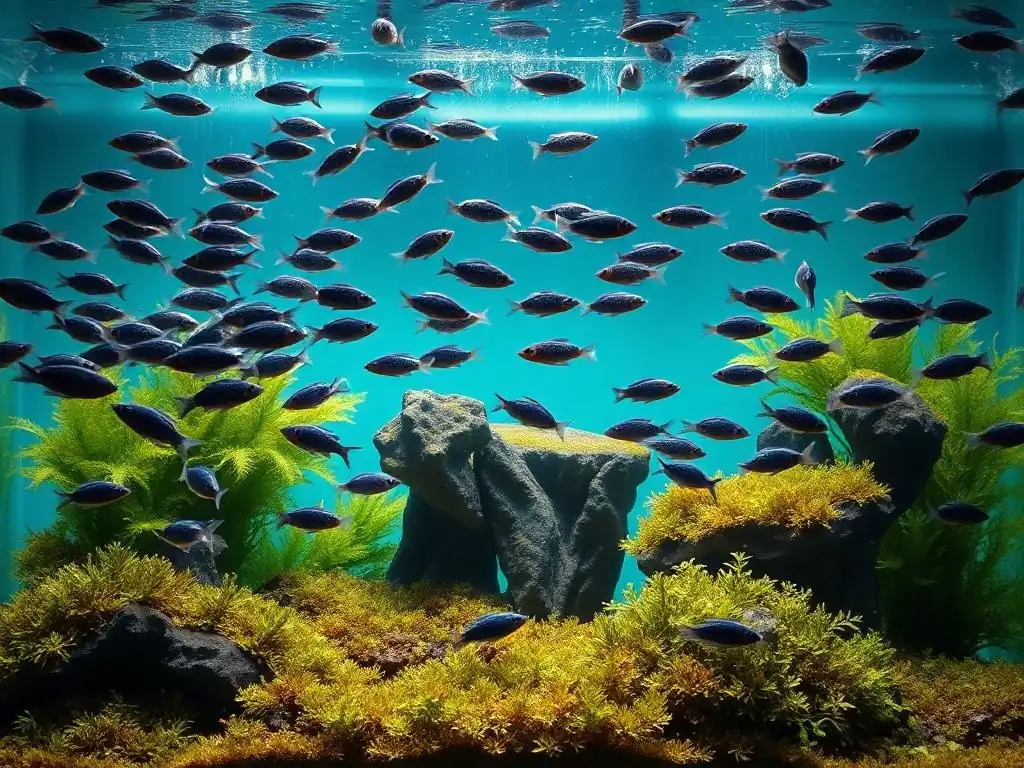
Welcome to Aquarium Mastery!
Ever wondered if the elegant Black Skirt Tetra is the right addition to your aquarium? Their captivating appearance belies a complex personality! Dive into our in-depth guide to Black Skirt Tetra care, exploring their temperament, schooling behavior, and compatibility with other tank mates. Discover the secrets to creating a harmonious environment for these fascinating fish and avoid common pitfalls. Ready to unlock the mysteries of the Black Skirt Tetra? Let's get started!
- Understanding Black Skirt Tetra Behavior: A Comprehensive Guide
- Black Skirt Tetra Schooling Behavior: Social Dynamics in the Aquarium
- Black Skirt Tetra Fin Nipping: Causes, Prevention, and Solutions
- Black Skirt Tetra Community Tank Compatibility: Choosing the Right Tank Mates
- Maintaining a Balanced Aquarium Environment for Black Skirt Tetras
- Addressing Common Black Skirt Tetra Behavioral Problems
- Conclusion: Optimizing Black Skirt Tetra Care for a Thriving Aquarium
- Frequently Asked Questions
- Final Reflection: Understanding the Nuances of Black Skirt Tetra Care
- Ignite Your Aquarium: Transform Passive Observation into Active Engagement!
Understanding Black Skirt Tetra Behavior: A Comprehensive Guide
Introduction to Black Skirt Tetra Care and Temperament
The Black Skirt Tetra (Gymnocorymbus ternetzi) is a popular and enduring choice for freshwater aquariums, admired for its striking appearance and generally peaceful demeanor. However, understanding the nuances of their temperament is crucial for successful Black Skirt Tetra care. While often considered hardy, their social dynamics, potential for fin nipping, and compatibility with various tank mates require careful consideration to ensure a thriving environment. This guide delves into the specific behavioral patterns of these fascinating fish, providing aquarists with the knowledge needed to optimize their care and prevent common issues.
Proper Black Skirt Tetra care extends beyond just feeding and water changes; it encompasses creating an environment that caters to their schooling instincts and minimizes stress. Ignoring these behavioral aspects can lead to issues such as aggression, disease, and a shortened lifespan for your fish. By focusing on their natural tendencies, aquarists can cultivate a harmonious community tank where Black Skirt Tetras exhibit their full range of natural behaviors, showcasing their vibrant health and active personalities.
Black Skirt Tetra Profile: Origins and Appearance
Native to the rivers and streams of South America, specifically in regions of Paraguay, Bolivia, and Brazil, the Black Skirt Tetra thrives in environments with abundant vegetation and moderate water flow. These hardy fish have adapted to a wide range of water conditions in their natural habitat, contributing to their resilience in captivity. Their wild origins inform many aspects of their ideal Black Skirt Tetra care, including their preference for planted tanks and specific water parameters.
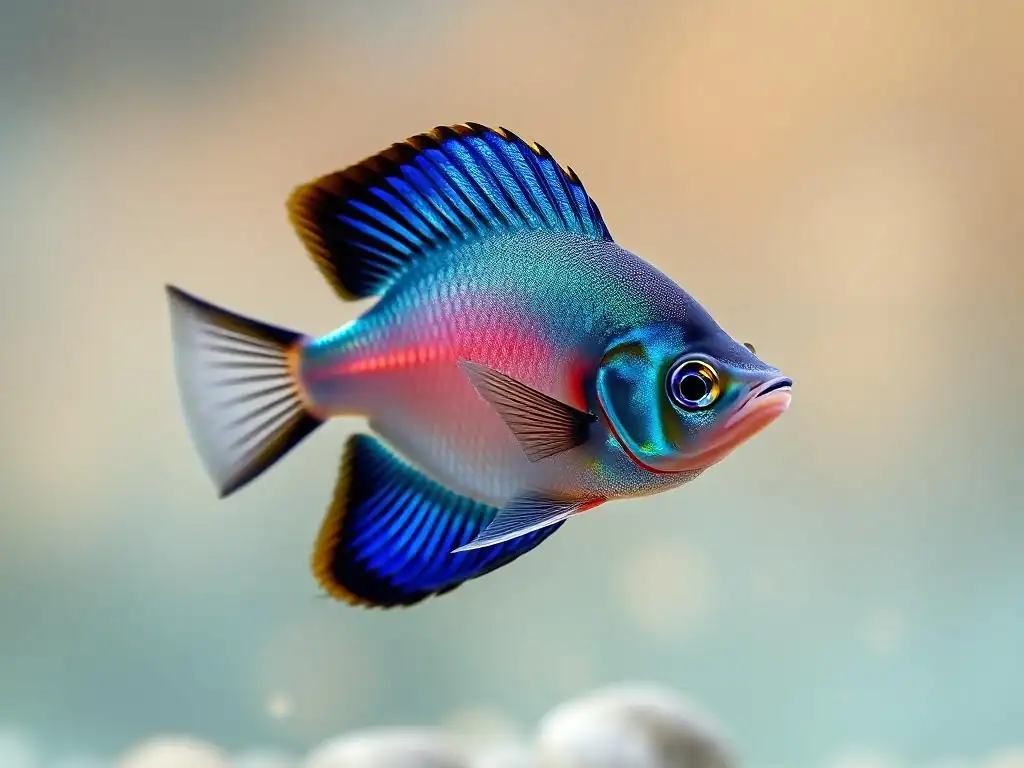
Visually, the Black Skirt Tetra is easily recognizable by its compressed, disc-shaped body, typically growing to an average size of 2 to 2.5 inches (approximately 5 to 6 cm). They feature a distinctive silver-grey body adorned with two prominent vertical black stripes, giving them their common name. Over time, particularly with age, these stripes may fade slightly.
There are also long-finned and albino variations available, developed through selective breeding, which possess the same fundamental temperament but may require specific considerations regarding fin nipping from other tank mates. With diligent Black Skirt Tetra care, these fish can live for 3 to 5 years, sometimes even longer.
The Importance of Schooling for Black Skirt Tetra Health
Schooling is not merely a preference for Black Skirt Tetras; it is a fundamental aspect of their survival and well-being. In their natural habitat, schooling provides safety in numbers, diluting the threat from predators and allowing individual fish to feel more secure. When kept in insufficient numbers in an aquarium, Black Skirt Tetras can become stressed, timid, or even aggressive towards other tank inhabitants. This stress can significantly compromise their immune system, making them more susceptible to common fish diseases and reducing their overall lifespan.
A well-established school of Black Skirt Tetras exhibits a fascinating display of coordinated movement and social interaction, which is a true testament to excellent Black Skirt Tetra care. When they feel secure within their group, they are more likely to explore the entire tank, feed readily, and display their natural, vibrant coloration. This sense of security reduces individual fish anxiety, leading to stronger health outcomes and a more engaging viewing experience for the aquarist. Observing a cohesive school is far more rewarding than witnessing isolated, stressed individuals.
Optimal School Size for Black Skirt Tetras in Your Tank
To ensure the healthy schooling behavior essential for Black Skirt Tetra care, it is generally recommended to keep them in groups of at least 6 to 8 individuals. This minimum number provides them with enough "buddies" to feel secure and engage in natural schooling patterns. However, for even better results and a more pronounced schooling effect, a group of 10 to 12 or more Black Skirt Tetras is ideal, provided the tank size allows for it. Larger schools tend to be more stable, with less internal aggression or shyness.
Keeping fewer than six Black Skirt Tetras can lead to significant stress. For instance, a group of just three or four fish may become overly timid, constantly hiding, or conversely, might become more prone to nipping at the fins of other tank mates due to anxiety and misdirected aggression. For a school of six Black Skirt Tetras, a 20-gallon long aquarium is often considered the minimum tank size, allowing approximately 3-4 gallons of water per fish and sufficient swimming space to prevent overcrowding, which is a key component of proper Black Skirt Tetra care.
Within a healthy school, Black Skirt Tetras exhibit a variety of social interactions that are fascinating to observe. The most prominent behavior is their synchronized swimming, where the group moves as a cohesive unit, often darting through plants and open spaces in unison. While generally peaceful, it is common to see occasional playful chasing among school members, which is a normal part of their social hierarchy and not typically a cause for concern unless it becomes persistent or results in injury. This light chasing helps establish minor dominance without leading to serious harm.
Aquarists should pay attention to any sustained aggression, such as one fish consistently harassing another, or if a fish is frequently isolated from the main group. These could be signs of stress, an insufficient school size, or inappropriate tank mates. Observing these subtle cues is a vital part of proactive Black Skirt Tetra care, allowing the aquarist to intervene if necessary by adjusting the environment or fish composition to maintain harmony within the school. A thriving school will appear active, coordinated, and exhibit vibrant coloration.
Black Skirt Tetra Fin Nipping: Causes, Prevention, and Solutions
Why Do Black Skirt Tetras Nip Fins? Exploring Potential Causes
While Black Skirt Tetras are generally considered peaceful, they can develop a reputation for fin nipping, particularly if their specific needs are not met. One primary cause is stress, often stemming from an insufficient school size. When kept in groups smaller than the recommended 6-8 individuals, Black Skirt Tetras can become anxious and misdirect their stress into nipping at the fins of slower-moving or long-finned tank mates. Overcrowding in the aquarium can also contribute to this behavior, as competition for space and resources increases.
Another factor can be boredom or a lack of stimulation in a sparsely decorated tank. Without enough hiding spots or visual barriers, Black Skirt Tetras may become restless, leading them to engage in fin nipping. Furthermore, their natural instinct, while usually benign within their own species, can sometimes be expressed as opportunistic nipping if particularly tempting targets, such as flowing fins, are present. This behavioral issue highlights the importance of comprehensive Black Skirt Tetra care, addressing both environmental and social factors.
Identifying Fin Nipping Behavior in Your Black Skirt Tetras
Identifying fin nipping requires careful observation of both the Black Skirt Tetras themselves and their potential victims. The most obvious sign is the presence of torn, frayed, or ragged fins on other fish in the community tank, particularly species with long, flowing fins like Angelfish, Guppies, or Bettas. Unlike fin rot, which typically presents as a more uniform decay of the fin edges, nipped fins often have irregular, shredded appearances. You might also directly observe the Black Skirt Tetras darting quickly towards another fish and nipping at its fins before retreating.
It is important to distinguish nipping from other issues. For instance, some fish might damage their fins on sharp decor, or fin rot might develop secondary to an injury. When observing Black Skirt Tetras, note if the nipping is sporadic or consistent, and if it targets specific individuals or species. Consistent observation is a key part of effective Black Skirt Tetra care, allowing for early detection and intervention before injuries become severe or widespread.
Preventing Fin Nipping: Tank Setup and Environmental Factors
Preventing fin nipping in Black Skirt Tetras hinges on providing an optimal environment and adhering to proper Black Skirt Tetra care guidelines. Firstly, ensure you maintain them in a sufficiently large school, ideally 8 or more individuals, to dilute any potential aggression and allow them to feel secure. For a school of eight, a 20-gallon tank is a minimum, but a 30-gallon or larger tank is preferable for a community setup. Secondly, provide ample space and visual breaks within the aquarium. Densely planted areas, driftwood, and rock formations can create territories and hiding spots, reducing stress and boredom.
Avoid keeping Black Skirt Tetras with fish that have long, flowing fins or are naturally slow-moving, as these species are prime targets for nipping. Compatible tank mates should be similarly sized, active, and robust. Maintaining stable and pristine water parameters also plays a crucial role; poor water quality can stress fish and exacerbate aggressive behaviors. Regular partial water changes (e.g., 25% weekly) and consistent monitoring of ammonia, nitrite, and nitrate levels are essential for minimizing stress and promoting overall fish health.
Treating Fin Nipping: Addressing Injuries and Behavioral Issues
When fin nipping occurs, immediate action is necessary to treat the injured fish and address the underlying behavioral issues. For fish with minor fin damage, excellent water quality is often sufficient for recovery. Ensure your tank's water parameters are pristine (0 ppm ammonia, 0 ppm nitrite, <20 ppm nitrate) and perform a partial water change. The clean water helps prevent secondary bacterial or fungal infections from developing in the damaged fins.
If the injuries are severe or show signs of infection (e.g., white fuzzy growth, redness), the injured fish may need to be moved to a separate hospital tank for medication. Simultaneously, you must address the cause of the nipping. This might involve increasing the Black Skirt Tetra school size, re-evaluating tank mates, adding more hiding spots, or upgrading to a larger tank.
Sometimes, simply increasing the Black Skirt Tetra school from 6 to 10 individuals can significantly reduce nipping by spreading out any aggressive tendencies and making the group feel more secure. Consistent and attentive Black Skirt Tetra care in this regard is vital for the well-being of all inhabitants.
Black Skirt Tetra Community Tank Compatibility: Choosing the Right Tank Mates
Compatible Tank Mates for Black Skirt Tetras: Creating a Peaceful Community
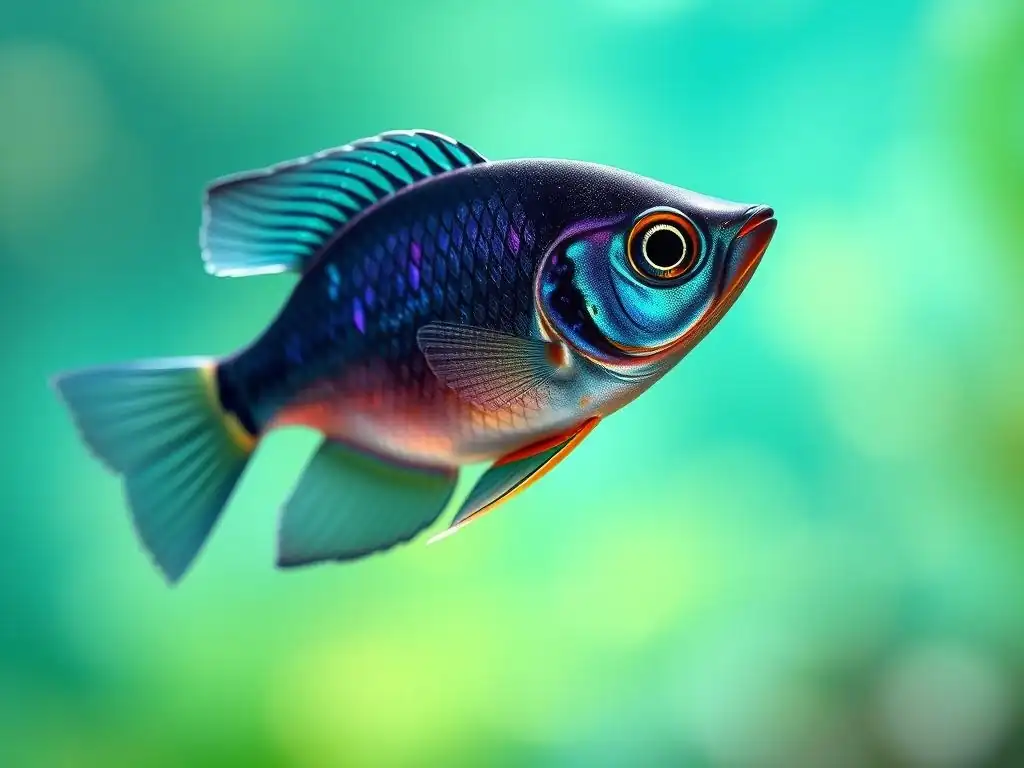
Creating a peaceful community tank with Black Skirt Tetras involves selecting tank mates that share similar water parameter requirements, are of comparable size, and possess a non-aggressive temperament. Ideal companions are often other peaceful schooling fish that are active and not easily intimidated. Excellent choices include other tetra species such as Neon Tetras, Cardinal Tetras, Rummy Nose Tetras, and Lemon Tetras. These species typically move at a similar pace and do not possess long, flowing fins that might tempt Black Skirt Tetras to nip.
Other suitable tank mates include various types of Rasboras (e.g., Harlequin Rasboras), peaceful bottom dwellers like Corydoras catfish, and small, non-aggressive plecos such as Otocinclus catfish. These fish generally occupy different levels of the water column, reducing competition for space. For instance, a 30-gallon tank could comfortably house a school of 8 Black Skirt Tetras, 6-8 Corydoras catfish, and a small school of Harlequin Rasboras, creating a diverse and active community. Maintaining a balanced environment through proper Black Skirt Tetra care ensures these diverse species coexist harmoniously.
Incompatible Tank Mates: Fish to Avoid with Black Skirt Tetras
To prevent stress and potential fin nipping, certain fish species should be avoided as tank mates for Black Skirt Tetras. The most significant group to avoid are slow-moving fish with long, elaborate fins. This includes popular species like Angelfish, particularly when they are smaller, and male Guppies or Bettas with their flowing finnage. Black Skirt Tetras may perceive these fins as an irresistible target for nipping, leading to severe stress and injury for the affected fish.
Additionally, very small or delicate species might be stressed or outcompeted for food by the more active Black Skirt Tetras. Conversely, large, highly aggressive, or predatory fish are also unsuitable. While some dwarf cichlids like German Blue Rams can sometimes coexist in very large, well-planted tanks, most larger cichlids (e.g., Convict Cichlids) or Gouramis known for aggression should be avoided. Ensuring the right compatibility is a critical aspect of providing proper Black Skirt Tetra care and maintaining a stress-free aquarium environment for all inhabitants.
Considerations for Peaceful Coexistence
Achieving peaceful coexistence in a community tank with Black Skirt Tetras requires more than just choosing compatible species; it involves thoughtful planning and ongoing Black Skirt Tetra care. Tank size is a primary factor; a larger tank provides more space, reducing the likelihood of territorial disputes and allowing fish to escape if harassed. For a diverse community, a tank of 30 gallons or more is highly recommended.
The layout of the tank also plays a crucial role: incorporate ample live plants, driftwood, and rocks to create visual barriers and hiding spots. This allows fish to retreat when they feel stressed or need a break from social interaction.
When introducing new fish, it is often beneficial to add the Black Skirt Tetras first, or introduce them all at once, allowing them to establish their school before other species are added. This can help prevent them from becoming territorial towards newcomers. Constant observation of the tank's inhabitants is also vital; watch for any signs of stress, aggression, or fin damage. Being proactive in adjusting tank conditions or fish composition based on these observations is key to maintaining a harmonious and thriving community aquarium.
Maintaining a Balanced Aquarium Environment for Black Skirt Tetras
Water Parameters and Ideal Conditions for Black Skirt Tetra Care
Maintaining stable and appropriate water parameters is foundational to effective Black Skirt Tetra care and directly impacts their health and temperament. Black Skirt Tetras thrive in temperatures ranging from 72-79°F (22-26°C), which mimics their native tropical environments. Consistency in temperature is more important than hitting an exact number within this range. The ideal pH level for these fish is slightly acidic to neutral, typically between 6.0 and 7.5. While they are adaptable, sudden pH swings can cause significant stress.
Water hardness (dGH) should be kept in the soft to moderately hard range, from 5 to 19 dGH. Most importantly, ammonia and nitrite levels must always be at 0 parts per million (ppm), and nitrates should be kept below 20 ppm. Regular partial water changes, typically 25% weekly, are essential for diluting nitrates and replenishing beneficial trace elements. Consistent monitoring with a reliable test kit ensures these conditions are met, preventing stress and disease, which are common issues arising from poor water quality.
Tank Size and Setup for Optimal Black Skirt Tetra Behavior
The size and setup of the aquarium significantly influence the behavior and well-being of Black Skirt Tetras. For a healthy school of 6-8 individuals, a minimum tank size of 20 gallons is recommended. However, a 30-gallon or larger tank provides much more space, allowing for more natural schooling behavior and greater stability, especially in a community setup. Longer tanks are generally preferred over taller, narrower ones, as they offer more horizontal swimming space, which is crucial for active schooling fish.
The physical setup of the tank should aim to replicate their natural habitat while providing both open swimming areas and plenty of cover. A dark substrate can help enhance their coloration and reduce stress, as it mimics the dark riverbeds they inhabit. Live plants such as Java Fern, Anubias, and Amazon Swords are excellent choices, providing hiding spots, breaking up lines of sight, and contributing to water quality. Driftwood and smooth rocks can also be incorporated to create a naturalistic and stimulating environment, essential for comprehensive Black Skirt Tetra care.
Feeding and Diet: Ensuring Proper Nutrition for Black Skirt Tetras
Black Skirt Tetras are omnivores, meaning their diet in the wild consists of a mix of small invertebrates, plant matter, and algae. To ensure proper nutrition in the aquarium, their diet should be varied and high-quality. A good staple food is a high-quality flake food or micro-pellets specifically formulated for tropical fish, fed once or twice daily in small amounts that can be consumed within 2-3 minutes. Overfeeding should be avoided as it leads to poor water quality, a common pitfall in Black Skirt Tetra care.
To supplement their staple diet and provide essential nutrients, live or frozen foods should be offered 2-3 times per week. Excellent choices include bloodworms, brine shrimp, daphnia, and mosquito larvae. These foods not only provide vital proteins and fats but also offer enrichment and stimulate their natural hunting instincts. A varied diet contributes significantly to their overall health, vibrant coloration, and robust immune system, minimizing the likelihood of nutritional deficiencies and related health issues.
Addressing Common Black Skirt Tetra Behavioral Problems
Recognizing Signs of Stress in Black Skirt Tetras
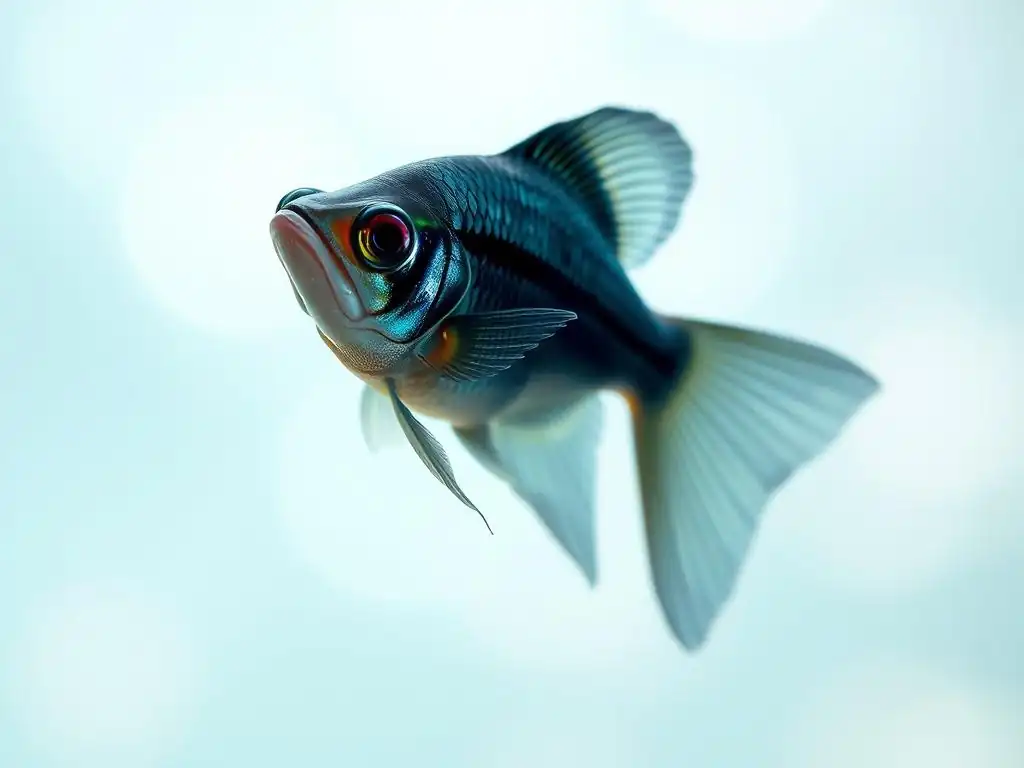
Recognizing signs of stress is a critical aspect of proactive Black Skirt Tetra care, as stress often precedes illness or aggressive behavior. One of the most common indicators is a loss of color, where the fish appears paler than usual. Clamped fins, where the fins are held tightly against the body instead of being spread out, are another clear sign. Stressed Black Skirt Tetras may also exhibit erratic swimming patterns, such as darting frantically, or conversely, becoming unusually lethargic and hiding excessively.
Other signs include rapid gill movement, indicating difficulty breathing or low oxygen levels, and a noticeable loss of appetite. Constant hiding or shyness, especially in a well-established school, can also point to underlying stress factors in the environment. Early recognition of these symptoms allows aquarists to investigate potential causes—such as poor water quality, inappropriate tank mates, or insufficient schooling numbers—and intervene before the stress leads to more severe health complications.
Troubleshooting Behavioral Issues: Isolation and Observation
When behavioral issues like persistent aggression or extreme shyness arise, a structured approach to troubleshooting is essential for effective Black Skirt Tetra care. If a specific fish is consistently causing problems, such as relentless nipping, or if an individual fish is severely stressed and being picked on, temporary isolation in a separate hospital or quarantine tank can be beneficial. This allows the stressed fish to recover in a calm environment or provides an opportunity to observe the nipper's behavior without other fish present.
Simultaneously, a thorough assessment of the main aquarium environment is necessary. Re-test all water parameters to ensure they are within the ideal range. Evaluate the school size; if it's below the recommended 6-8 individuals, adding more Black Skirt Tetras can often alleviate stress and aggression. Observe interactions among all tank inhabitants, noting any patterns of bullying or specific fish being targeted. Adjusting the tank layout by adding more plants or decor to create visual barriers can also help reduce tension and provide safe zones for all fish.
Black Skirt Tetras Gasping at the Surface: Causes and Solutions
Black Skirt Tetras gasp at the surface when they are struggling to get enough oxygen, a clear indicator of a serious environmental issue requiring immediate attention for proper Black Skirt Tetra care. The most common cause is low dissolved oxygen levels in the water. This can be due to insufficient aeration (e.g., a filter not breaking the surface adequately, no air stone), overcrowding, or excessively high water temperatures, as warmer water holds less oxygen.
To address this, first, check your filtration system to ensure it's providing sufficient surface agitation. If not, consider adding an air stone and pump. If the water temperature is at the higher end of their acceptable range, a slight reduction can help increase oxygen solubility.
Secondly, poor water quality, particularly high levels of ammonia or nitrite, can also cause fish to gasp as their gills become damaged. Immediately test your water parameters; if ammonia or nitrite are detected, perform a large partial water change (50% or more) and ensure your biological filter is functioning correctly. This behavior is a critical warning sign that the fish are under severe distress.
Black Skirt Tetras Becoming Pale: Identifying Illness and Treatment
When Black Skirt Tetras become pale, it is often a primary indicator of stress, but it can also signal the onset of illness, necessitating prompt Black Skirt Tetra care. As mentioned, environmental stress from poor water quality, an insufficient school size, or inappropriate tank mates can cause their vibrant black and silver coloration to fade. Addressing these underlying stressors is usually the first step to restoring their color.
However, paleness accompanied by other symptoms, such as white spots (Ich), a dusty appearance (Velvet), clamped fins, lethargy, or visible lesions, suggests a specific illness. For instance, Ich, a common parasitic infection, manifests as small white spots resembling salt grains and often causes fish to rub against decor. Bacterial infections might present with redness, ulcers, or fin rot.
If an illness is suspected, it's crucial to accurately diagnose the condition through observation of all symptoms and then administer appropriate medication. Always ensure excellent water quality as a foundational treatment for any fish ailment, as it significantly aids recovery and boosts the fish's natural immune response.
Conclusion: Optimizing Black Skirt Tetra Care for a Thriving Aquarium
The Black Skirt Tetra is a fascinating and rewarding fish for any freshwater aquarium, provided their specific needs are met with attentive Black Skirt Tetra care. Understanding their inherent schooling behavior is paramount; keeping them in groups of at least 6-8 individuals is crucial for their security, reducing stress, and fostering natural social dynamics. This foundational aspect prevents many common behavioral issues, including excessive shyness or unwanted fin nipping.
Furthermore, careful selection of tank mates is essential for maintaining a harmonious community. By avoiding slow-moving, long-finned species and instead opting for similarly sized, active, and peaceful companions, aquarists can mitigate the risk of fin nipping and promote a stress-free environment for all inhabitants.
Consistent maintenance of ideal water parameters, providing adequate tank size and appropriate decor, and offering a varied, high-quality diet are all integral components of successful Black Skirt Tetra care. By adhering to these guidelines, aquarists can enjoy the vibrant activity and robust health of their Black Skirt Tetras for years to come, ensuring a thriving and visually appealing aquarium.
Frequently Asked Questions
How many Black Skirt Tetras should I keep in a tank?
Black Skirt Tetras are schooling fish, so it's best to keep them in groups of at least six or more. This helps them feel secure and reduces stress-induced aggression.
Are Black Skirt Tetras aggressive or prone to nipping fins?
While generally peaceful, Black Skirt Tetras can sometimes nip fins, especially if kept in small groups or with slow-moving, long-finned fish. Providing a large enough school and ample space can mitigate this behavior.
What tank size is recommended for Black Skirt Tetras?
A minimum of 20 gallons is recommended for a small school of Black Skirt Tetras. Larger tanks are always better, allowing for more swimming space and reducing the risk of aggression.
What are some good tank mates for Black Skirt Tetras?
Suitable tank mates include other peaceful community fish of similar size and temperament, such as Corydoras catfish, Rasboras, and some types of Tetras. Avoid slow-moving or long-finned fish vulnerable to fin nipping.
What water parameters are ideal for Black Skirt Tetras?
Black Skirt Tetras prefer slightly acidic to neutral water with a pH of 6.0-7.5 and a temperature range of 72-78°F (22-26°C). Maintaining stable water parameters is crucial for their health.
Final Reflection: Understanding the Nuances of Black Skirt Tetra Care
The information presented throughout this article highlights the importance of understanding the specific needs of Black Skirt Tetras, and this understanding is more crucial than ever as the popularity of home aquariums continues to grow. Misinformation and a lack of proper research can lead to unhappy and unhealthy fish, ultimately undermining the joy of fishkeeping.
The Black Skirt Tetra, often seen as a beginner-friendly fish, actually requires careful consideration to thrive. My hope is that this guide has illuminated the complexities of their temperament and schooling behavior, empowering aquarists to make informed decisions. The greatness of a nation and its moral progress can be judged by the way its animals are treated.
- Mahatma Gandhi. This quote, while broad, underscores our responsibility to provide the best possible care for the creatures we bring into our homes.
Now, armed with a deeper understanding of Black Skirt Tetra care, I encourage you to reflect on your own aquarium practices. Are you providing adequate space, proper schooling numbers, and compatible tankmates? By prioritizing the well-being of these fascinating fish, you contribute to a more ethical and fulfilling aquarium hobby for yourself and for the future of responsible fishkeeping.
Ignite Your Aquarium: Transform Passive Observation into Active Engagement!
Thank you for diving into the fascinating world of Black Skirt Tetras with us! We hope this article has equipped you with the knowledge to create a thriving environment for these captivating fish. Now, it's time to put that knowledge into action and truly elevate your aquarium experience.
Here are a few ways to continue your journey:
- Prioritize peaceful tankmates: Research and select tankmates with similar temperaments to minimize the risk of fin-nipping and create a harmonious community. This is your primary action!
- Observe your tetras for signs of stress or aggression. Document your observations, including the time of day and behaviors seen, to track their adaptation to new environments.
- Share this article with fellow aquarium enthusiasts to spark discussion and learn from others' experiences.
What specific strategies are you considering to manage fin-nipping and ensure a tranquil aquarium environment?