
Can Featherfins Be Kept with Other Tanganyikan Cichlids? Expert Advice

Welcome to Aquarium Mastery!
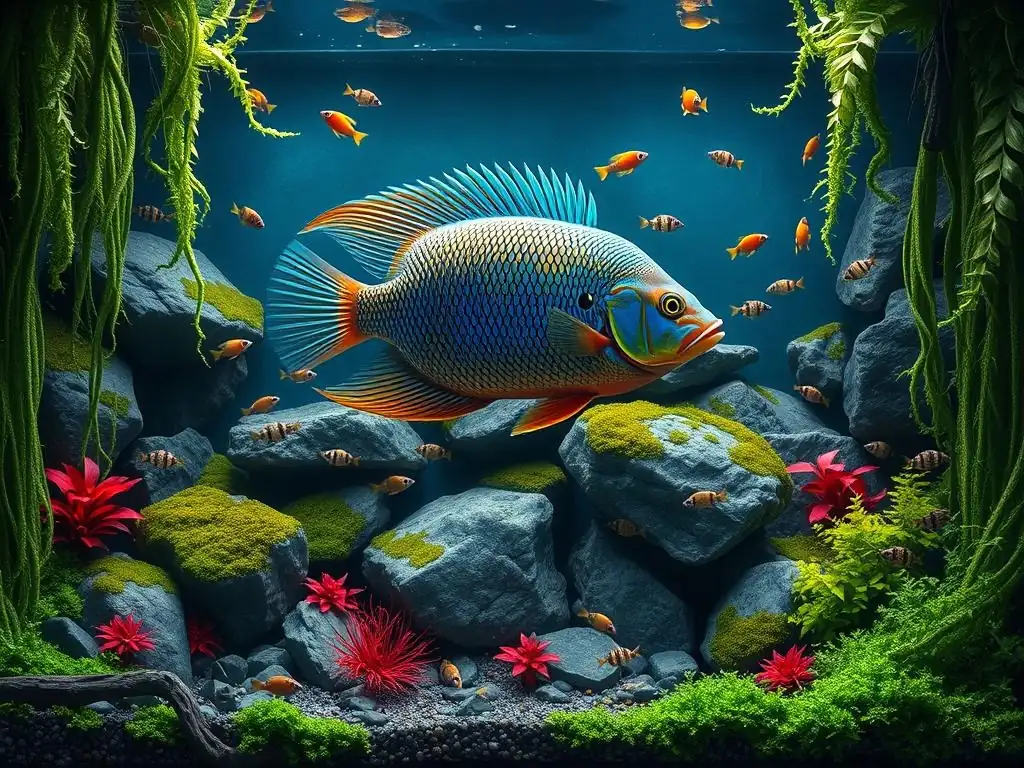
Curious about keeping Featherfin cichlids in your Tanganyikan setup? You've come to the right place! Discover the secrets to harmonious tank mates in our comprehensive guide. We'll explore compatibility, potential conflicts, and expert advice to ensure a thriving and vibrant aquarium. Ready to unlock the secrets to a peaceful cichlid community? Let's dive in!
- Understanding Featherfin Cichlids and Their Temperament
- Exploring Potential Tank Mates for Featherfin Cichlids in a Tanganyikan Aquarium
- Setting Up a Tanganyikan Tank for Featherfins and Tank Mates
- Feeding Featherfin Cichlids and Their Tank Mates
- Monitoring Your Tanganyikan Community Tank
- Troubleshooting Common Issues in a Featherfin Cichlid Tank
- Featherfin Cichlid Compatibility Chart: A Quick Reference Guide
- Success Stories: Featherfin Cichlid Community Tanks
- Conclusion: Creating a Harmonious Tanganyikan Aquarium with Featherfins
-
Frequently Asked Questions
- Can I keep Featherfin Cichlids with all other Tanganyikan cichlids?
- What size tank is needed to house Featherfin Cichlids with tank mates?
- Which Tanganyikan cichlids are generally considered good tank mates for Featherfin Cichlids?
- What are the key considerations for water chemistry when keeping Featherfin Cichlids with other Tanganyikans?
- How can I minimize aggression when introducing new tank mates to a Featherfin Cichlid tank?
- Final Reflection: Harmony in the Tanganyikan Depths
- Unleash the Harmony: Your Next Tanganyikan Adventure Starts Now!
Understanding Featherfin Cichlids and Their Temperament
What are Featherfin Cichlids (Cyathopharynx furcifer)?
Featherfin Cichlids, scientifically known as Cyathopharynx furcifer, are captivating freshwater fish endemic to the rocky and sandy open waters of Lake Tanganyika in East Africa. These cichlids are renowned for their elegant, elongated finnage, particularly the dorsal and anal fins, which give them their distinctive "featherfin" appearance. Males can reach an impressive size of up to 8 inches (approximately 20 cm) in length, while females typically remain smaller, around 6 inches (15 cm). Their natural diet primarily consists of zooplankton, which they filter from the water column, often hovering gracefully above the substrate.
They exhibit a fascinating mouthbrooding behavior, where the female carries and protects the eggs and fry in her mouth until they are ready to be released. This protective instinct is a common trait among many Tanganyikan cichlids and influences their social dynamics within an aquarium setting. Their unique morphology and reproductive strategy make them a highly sought-after species for dedicated Tanganyikan biotope aquariums, offering both aesthetic appeal and intriguing behavioral observation.
Cyathopharynx furcifer are generally considered one of the more peaceful large Tanganyikan cichlids, particularly when compared to highly aggressive species like Tropheus. In their natural habitat, Featherfins often form loose aggregations or schools, especially when young, and this schooling tendency can translate into a more stable social structure in a sufficiently large aquarium. Adult males, however, will establish temporary territories during breeding periods, often displaying vibrant colors to attract females and ward off rivals.
Despite their territorial displays, serious aggression among Featherfin cichlid tank mates is relatively uncommon, provided adequate space and appropriate stocking levels are maintained. They are active swimmers, preferring the open water column, and tend to ignore bottom-dwelling or rock-dwelling species that do not directly compete for their specific niche. Their calm demeanor and preference for open water make them excellent candidates for a carefully planned Tanganyikan community tank.
Key Considerations for Featherfin Cichlid Tank Mates
When selecting Featherfin cichlid tank mates, several critical factors must be taken into account to ensure a harmonious and healthy environment. Foremost is the shared need for specific water parameters: Lake Tanganyika is characterized by hard, alkaline water with a pH typically ranging from 8.0 to 9.0 and temperatures between 76-82°F (24-28°C). Any chosen tank mates must thrive under these identical conditions to prevent stress and disease.
Equally important is tank size, which directly impacts aggression levels and overall well-being. A smaller tank will invariably lead to increased territorial disputes and stress for all inhabitants. Finally, considering the temperament and dietary needs of potential Featherfin cichlid tank mates is paramount. Species that are overly aggressive, highly territorial, or have vastly different dietary requirements (e.g., strict herbivores) can lead to conflict, malnutrition, or constant stress for the Featherfins, ultimately compromising the entire ecosystem.
Exploring Potential Tank Mates for Featherfin Cichlids in a Tanganyikan Aquarium
Ideal Tank Mates: Peaceful and Compatible Species
When building a community tank around Featherfin cichlids, the most successful combinations typically involve species that occupy different ecological niches within the aquarium, thus minimizing direct competition for space and resources. Ideal Featherfin cichlid tank mates are generally peaceful, share similar water parameter requirements, and do not directly compete with Cyathopharynx furcifer for open water swimming space or planktonic food sources. This approach often leads to a more diverse and naturally behaving display.
Species that dwell primarily in rockwork, occupy the very top of the water column, or are similarly calm planktivores often make the best companions. The goal is to create a dynamic environment where each species can exhibit its natural behaviors without undue stress or aggression from cohabitants. Careful selection is key to a thriving Tanganyikan community.
Cyprichromis leptosoma: A Popular Choice
Cyprichromis leptosoma, often referred to as the Sardine Cichlid or Leptosoma, is an exceptionally popular and highly recommended Featherfin cichlid tank mate. These slender, open-water dwelling cichlids inhabit the upper water column of Lake Tanganyika, a distinct niche from the mid-to-lower open water preferred by Featherfins. Growing to about 4-5 inches (10-13 cm), they are peaceful, schooling fish that thrive in groups of 10 or more individuals, which helps to diffuse any potential aggression and encourages natural behaviors.
Their diet, like that of Cyathopharynx furcifer, consists primarily of zooplankton, making feeding a community tank with both species straightforward. The visual appeal of a large school of Cyprichromis gracefully swimming above a group of Featherfins is truly stunning, and their differing spatial preferences ensure minimal direct interaction or conflict, contributing significantly to a harmonious Tanganyikan biotope.
Paracyprichromis nigripinnis: Another Suitable Option
Another excellent choice for Featherfin cichlid tank mates is Paracyprichromis nigripinnis. Similar in morphology and behavior to Cyprichromis, Paracyprichromis nigripinnis are also open-water dwellers, though they tend to be slightly larger, reaching up to 6 inches (15 cm). They share the same peaceful temperament and schooling tendencies, making them highly compatible with Featherfins.
Like Cyprichromis, Paracyprichromis primarily feed on zooplankton and occupy the upper water column, thereby avoiding territorial disputes with the mid-to-lower swimming Featherfins. Their elegant movements and often vibrant coloration add another layer of beauty to a community tank, and their similar care requirements simplify maintenance for the aquarist.
Julidochromis transcriptus: A Compatible Rock Dweller
For those looking to add a rock-dwelling element to their Featherfin cichlid community, Julidochromis transcriptus, the Masked Julie, is a highly suitable option. These small, relatively peaceful cichlids typically reach only about 3-4 inches (7.5-10 cm) and spend their lives clinging to and exploring the intricate rockwork of the aquarium. They establish small territories within the rock crevices but generally show little aggression towards species that do not infringe upon their immediate space.
The key to their compatibility with Featherfins lies in their completely different habitat preferences. While Featherfins cruise the open water, Julidochromis rarely venture far from the safety of the rocks, eliminating direct competition for swimming space. Their diet consists of small invertebrates and biofilm found on rocks, which can be supplemented with high-quality prepared foods, ensuring their needs are met without conflicting with the Featherfins' planktivorous diet.
Fish to Avoid: Aggressive or Predatory Species
Just as important as knowing which fish are compatible Featherfin cichlid tank mates is understanding which species pose a threat to their well-being. Lake Tanganyika is home to a wide array of cichlids with diverse temperaments, and some are simply too aggressive, territorial, or have vastly different needs to coexist peacefully with the relatively calm Cyathopharynx furcifer. Introducing such species can lead to chronic stress, injury, or even death for the Featherfins or other tank inhabitants.
Avoiding fish that are hyper-territorial, highly boisterous, or possess specialized diets that conflict with a general Tanganyikan community setup is crucial. These incompatible species can disrupt the delicate balance of the aquarium, leading to a stressful and unhealthy environment for all.
Tropheus duboisi: Generally Incompatible
Tropheus duboisi, commonly known as the Duboisi Cichlid, is widely considered incompatible with Featherfin cichlids, primarily due to significant differences in diet and temperament. Tropheus species are strict herbivores, grazing constantly on algae and biofilm, and their digestive systems are not designed for protein-rich foods. Featherfins, on the other hand, are planktivores requiring a diet rich in protein. Attempting to feed both in the same tank often results in bloat or other digestive issues for the Tropheus if fed protein, or malnutrition for the Featherfins if fed a strict herbivore diet.
Beyond diet, Tropheus are notoriously active, boisterous, and highly territorial, especially towards conspecifics and other fish that occupy the same rock-grazing niche. Their constant activity and assertive nature can stress the more graceful and open-water dwelling Featherfins, potentially leading to fin nipping, hiding, and overall poor health for the Featherfin cichlid tank mates.
Neolamprologus brichardi: Can Be Problematic
Neolamprologus brichardi, often called the Fairy Cichlid or Princess Cichlid, can be problematic Featherfin cichlid tank mates despite their relatively small size (up to 4 inches or 10 cm). While beautiful and elegant, N. brichardi are known for their highly territorial and colonial nature. They establish complex social hierarchies within rockwork and will aggressively defend their territories, which can expand considerably in a smaller tank.
This intense territoriality, especially during breeding, can extend beyond their immediate rock-dwelling peers to other fish in the tank, including open-water swimmers like Featherfins. They may harass or nip at the fins of Featherfins, causing undue stress and potentially leading to injury. Furthermore, N. brichardi breed prolifically, and an overpopulated tank can exacerbate their aggression, making them a challenging addition to a peaceful Featherfin cichlid community.
Setting Up a Tanganyikan Tank for Featherfins and Tank Mates
Tank Size Requirements for Featherfin Cichlids and Community Fish
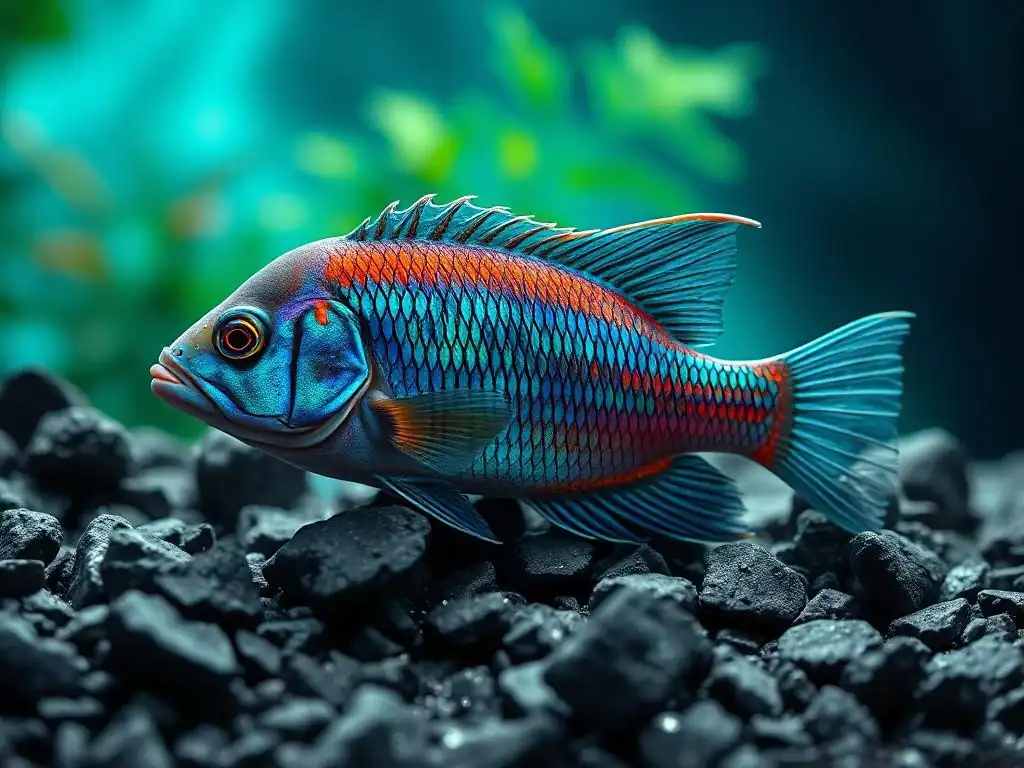
The success of a Featherfin cichlid community tank hinges significantly on providing adequate space. For a small group of 5-6 Cyathopharynx furcifer, a minimum tank size of 75 gallons (approximately 48 inches long x 18 inches wide x 21 inches high) is generally recommended. This allows enough swimming room for the Featherfins and helps to diffuse potential aggression among males.
However, for a diverse community with various Featherfin cichlid tank mates, a tank of 125 gallons (approximately 72 inches long x 18 inches wide x 21 inches high) or larger is highly advisable. The increased length and volume provide ample open swimming space for the Featherfins and other open-water dwellers, while also allowing sufficient territory for rock-dwelling species without them encroaching on each other's zones. A larger footprint is always preferred over height for Tanganyikan cichlids, as they typically utilize horizontal swimming space more effectively.
Water Parameters: Maintaining Optimal Conditions
Maintaining stable and optimal water parameters is paramount for the health and longevity of Featherfin cichlids and their Tanganyikan tank mates. Lake Tanganyika water is characterized by its high alkalinity and hardness. Aim for a pH range of 8.0 to 9.0, with an ideal target around 8.4. The general hardness (GH) should be between 10-20 dGH, and carbonate hardness (KH) between 10-15 dKH.
The water temperature should be consistently maintained between 76-82°F (24-28°C). Regular water changes, typically 25-30% weekly, are crucial for keeping nitrate levels low and replenishing essential minerals. Using a high-quality water conditioner that neutralizes chlorine and chloramines is essential, and some aquarists may opt for buffering agents or Tanganyika-specific salts to consistently achieve the desired parameters.
Aquascaping for a Balanced Ecosystem
Effective aquascaping is vital for creating a functional and aesthetically pleasing Tanganyikan biotope that caters to the diverse needs of Featherfins and their tank mates. The layout should reflect the natural environment of Lake Tanganyika, balancing open swimming areas with structured rock formations. The choice of substrate is also important; fine sand is preferred as Featherfins often sift through it, and it's gentle on their delicate mouths.
The arrangement of decor directly influences fish behavior, territoriality, and overall tank harmony. A thoughtful aquascape can minimize aggression and encourage natural behaviors, making the tank a joy to observe.
Rockwork and Hiding Places
For rock-dwelling Featherfin cichlid tank mates such as Julidochromis or Altolamprologus, providing ample rockwork with numerous caves, crevices, and hideouts is essential. These structures allow fish to establish territories, retreat from perceived threats, and serve as breeding sites. Use inert rocks like limestone, slate, or lava rock, ensuring they are securely stacked to prevent collapses.
While Featherfins themselves prefer open water, well-placed rock formations along the back or sides of the tank can still offer security and break up lines of sight, which helps to diffuse potential aggression among males or between different species. Ensure that the rock structures do not impede the large open swimming areas necessary for Featherfins.
Open Swimming Space
Despite the need for rockwork, providing vast expanses of open swimming space is crucial for Featherfin cichlids and other pelagic (open water) species like Cyprichromis. These fish are active swimmers and require unobstructed areas in the mid to upper levels of the tank to school, cruise, and display their natural behaviors. Without sufficient open water, Featherfins can become stressed, lethargic, or prone to illness.
Design the aquascape so that a significant portion of the tank, particularly the central and upper regions, remains free of dense decor. This allows Featherfins to exhibit their graceful swimming patterns and for aquarists to fully appreciate their beauty as they navigate their environment. A good rule of thumb is to dedicate at least 50-60% of the tank's volume to open water.
Feeding Featherfin Cichlids and Their Tank Mates
Dietary Needs of Featherfin Cichlids
Featherfin cichlids are primarily planktivores, meaning their natural diet consists of small invertebrates, crustaceans, and zooplankton filtered from the water column. In an aquarium setting, their diet should reflect this natural preference. High-quality flake foods and small pellets specifically formulated for cichlids, particularly those with a higher protein content, form the staple of their diet.
To ensure optimal health and vibrant coloration, supplement their diet with frozen foods such as brine shrimp, Mysis shrimp, daphnia, and cyclops. These provide essential nutrients and mimic the varied diet they would consume in the wild. Feeding small amounts 2-3 times a day is preferable to one large feeding, as this mimics their continuous grazing behavior. Avoid overfeeding, which can lead to water quality issues and digestive problems.
Ensuring All Fish Receive Adequate Nutrition
In a community tank with diverse Featherfin cichlid tank mates, it's vital to ensure that all inhabitants receive adequate nutrition, considering their varying dietary needs and feeding habits. While Featherfins are open-water feeders, rock-dwelling species like Julidochromis might prefer food that sinks to their territory, and shell-dwellers (if included) will eat food that lands near their shells.
Offer a variety of food types, including floating flakes or pellets for surface/mid-water feeders (like Featherfins and Cyprichromis), and sinking pellets or granules for bottom-dwellers and rock-dwellers. Observe feeding time closely to ensure that timid or slower-eating fish are not outcompeted by more aggressive feeders. Sometimes, offering food at multiple locations in the tank or using an automatic feeder can help distribute nutrition more evenly.
Monitoring Your Tanganyikan Community Tank
Observing Behavior for Signs of Stress or Aggression
Regular observation of your Featherfin cichlid community tank is crucial for early detection of potential issues. Pay close attention to the behavior of individual fish and their interactions. Signs of stress in Featherfins or their tank mates include clamped fins, rapid gill movement, faded coloration, excessive hiding, or erratic swimming.
Aggression can manifest as constant chasing, nipped fins, or even physical damage. Identify the aggressor and the victim promptly. If aggression is persistent, it may indicate overcrowding, unsuitable tank mates, or insufficient hiding places. Early intervention, such as rearranging decor or isolating a problematic fish, can prevent serious injury or chronic stress that weakens the immune system and leads to disease.
Water Quality Testing and Maintenance
Consistent water quality is the bedrock of a healthy Tanganyikan cichlid aquarium. Regular testing of key parameters is non-negotiable. At a minimum, weekly tests for ammonia, nitrite, and nitrate are recommended. Ammonia and nitrite should always be zero, while nitrates should be kept below 20 ppm through regular water changes. Also, periodically check pH, GH, and KH to ensure they remain within the optimal Tanganyikan range (pH 8.0-9.0, GH 10-20 dGH, KH 10-15 dKH).
Adhere to a strict maintenance schedule that includes weekly partial water changes (25-30%), gravel vacuuming to remove uneaten food and waste, and routine filter cleaning. A robust filtration system, combining mechanical, biological, and chemical filtration, is essential to handle the bioload of a cichlid community and maintain crystal-clear, healthy water.
Troubleshooting Common Issues in a Featherfin Cichlid Tank
Aggression and Bullying
Even in a well-planned Featherfin cichlid community tank, aggression can sometimes arise. If you observe persistent bullying, the first step is to identify the instigator. Often, aggression is due to insufficient space, improper male-to-female ratios, or a dominant individual. Solutions include rearranging the aquascape significantly to disrupt established territories, which often "resets" the pecking order.
Adding more hiding places or visual barriers can also help provide refuge for bullied fish. If the tank is clearly too small for the existing stocking, upgrading to a larger tank is the most effective long-term solution. In extreme cases, removing the aggressive fish permanently or isolating it in a separate tank may be necessary to protect the other Featherfin cichlid tank mates. Sometimes, slightly overstocking (with excellent filtration) can diffuse aggression by spreading it out, but this requires careful management and is not always advisable for beginners.
Disease Prevention and Treatment
Preventing disease is always preferable to treating it in a Featherfin cichlid tank. The most effective prevention strategies include maintaining pristine water quality, providing a balanced and appropriate diet, and quarantining all new fish for at least 2-4 weeks before introducing them to the main display tank. Quarantine allows you to observe new fish for signs of illness, treat them if necessary, and prevent the introduction of pathogens into your established community.
Despite best efforts, diseases can still occur. Common issues include Ich (white spot disease), bacterial infections (often presenting as fin rot or body sores), and sometimes bloat, though bloat is less common in Featherfins if their planktivore diet is respected. For treatment, accurately diagnose the illness, isolate the affected fish if possible, and use appropriate medication as directed. Always identify and address any underlying causes, such as poor water quality or stress, to prevent recurrence.
Featherfin Cichlid Compatibility Chart: A Quick Reference Guide
Compatible and Incompatible Tank Mates
Creating a harmonious environment for your Featherfin cichlids relies heavily on selecting appropriate tank mates. This quick reference guide summarizes common species and their general compatibility:
| Species Name | Type of Compatibility | Notes |
|---|---|---|
| Cyprichromis leptosoma | Highly Compatible | Peaceful, open-water planktivores occupying upper water column. Ideal Featherfin cichlid tank mates. |
| Paracyprichromis nigripinnis | Highly Compatible | Similar to Cyprichromis, peaceful, open-water, mid-to-upper column. |
| Julidochromis transcriptus | Compatible | Small, rock-dwelling cichlid. Occupies a different niche, minimizing direct conflict. |
| Altolamprologus compressiceps | Compatible | Unique, compressed body allows them to navigate rock crevices. Peaceful, slow-moving predator of small invertebrates. |
| Neolamprologus leleupi | Compatible (with caution) | Vibrant yellow, rock-dwelling cichlid. Can be territorial, especially males. Needs sufficient rockwork and space to prevent aggression towards other Featherfin cichlid tank mates. |
| Neolamprologus brevis | Compatible (with caution) | Small shell-dweller. Can be territorial around their shell. Best in tanks with ample shells and distinct zones to avoid conflict with open-water swimmers. |
| Tropheus duboisi | Generally Incompatible | Strict herbivores with different dietary needs; highly active and territorial. Will stress and potentially harm Featherfins. |
| Neolamprologus brichardi | Problematic/Incompatible | Highly territorial and colonial. Can be very aggressive, especially in smaller tanks, leading to stress and fin nipping among Featherfin cichlid tank mates. |
| Petrochromis species | Incompatible | Very large, aggressive, and highly territorial cichlids. Completely unsuitable for a Featherfin community due to size, temperament, and specialized diet. |
- Note: Compatibility is influenced by tank size, aquascaping, individual fish temperament, and proper stocking levels. Always research specific species thoroughly before adding them to your aquarium.
Success Stories: Featherfin Cichlid Community Tanks
A Thriving Featherfin and Cyprichromis Tank
One notable success story involves a 150-gallon custom-built Tanganyikan aquarium, measuring 6 feet in length, that houses a vibrant community of Featherfin cichlids and Cyprichromis leptosoma. The tank is home to a group of 8 adult Cyathopharynx furcifer (3 males, 5 females) and a school of 15 Cyprichromis leptosoma. The aquascape is minimalist, featuring a fine sand substrate and strategically placed, low-lying rock formations along the back wall, providing limited hiding spots but maximizing open swimming space.
The Featherfins gracefully cruise the mid-to-lower water column, often sifting sand for micro-organisms, while the Cyprichromis school actively in the upper two-thirds of the tank. Both species exhibit natural schooling behaviors and vibrant coloration, with males displaying frequently without significant aggression. The success is attributed to the ample tank size, which allows for distinct zones, and the complementary nature of these two open-water planktivore species that rarely compete for space or food. Regular weekly 30% water changes and a diet of high-quality flakes and frozen Mysis shrimp contribute to their excellent health and active breeding.
A Successful Featherfin and Julidochromis Setup
Another compelling example of successful Featherfin cichlid tank mates in a community setting is a 90-gallon aquarium (48 inches long) that effectively integrates open-water and rock-dwelling species. This tank is home to a group of 6 Cyathopharynx furcifer (2 males, 4 females) and a pair of Julidochromis transcriptus. The aquascape is meticulously divided: one side features extensive, stable rockwork creating numerous caves and crevices for the Julies, while the other half of the tank is left as entirely open sand and water column for the Featherfins.
The Julidochromis pair has established a territory within the rockwork, occasionally breeding, and showing no aggression towards the Featherfins, which rarely venture into the dense rockscape. The Featherfins, in turn, utilize the large open area, exhibiting their natural schooling and feeding behaviors. Water parameters are consistently maintained at pH 8.5, GH 15 dGH, and KH 12 dKH, with bi-weekly 25% water changes. This setup demonstrates how careful aquascaping that caters to the specific spatial needs of each species can lead to a thriving, low-stress Tanganyikan community.
Conclusion: Creating a Harmonious Tanganyikan Aquarium with Featherfins
Key Takeaways for Successful Featherfin Cichlid Keeping
Creating a harmonious and thriving Tanganyikan aquarium with Featherfin cichlids is a rewarding endeavor that requires careful planning and consistent dedication. The success of your Featherfin cichlid tank mates and the overall health of your ecosystem hinges on several critical factors. Prioritizing tank size, with a minimum of 75 gallons for a small group and 125+ gallons for a community, is paramount to provide adequate swimming space and minimize territorial aggression. Equally important is maintaining pristine Lake Tanganyikan water parameters, including a high pH (8.0-9.0) and significant hardness, through regular testing and consistent water changes.
Furthermore, thoughtful aquascaping that balances open swimming areas with appropriate rockwork for different niche dwellers is essential. Finally, the selection of Featherfin cichlid tank mates must be done with meticulous care, choosing species that share similar water requirements, temperaments, and dietary needs, while avoiding highly aggressive or incompatible species. By adhering to these guidelines, aquarists can create a stunning and stable biotope that allows Cyathopharynx furcifer and their companions to flourish.
Further Resources for Tanganyikan Cichlid Enthusiasts
For those passionate about Lake Tanganyikan cichlids and eager to deepen their knowledge, a wealth of resources exists beyond this guide. Dedicated online forums and communities offer invaluable insights from experienced aquarists, providing opportunities to ask specific questions and share experiences. Comprehensive aquarium literature, including specialized books and magazines focused on African cichlids, can provide detailed species profiles, breeding information, and advanced care techniques.
Additionally, connecting with local fish stores that specialize in cichlids can offer access to unique species, expert advice, and a network of fellow enthusiasts. Continuous learning and active engagement with the aquarist community will undoubtedly enhance your journey in keeping these magnificent fish.
Frequently Asked Questions
Can I keep Featherfin Cichlids with all other Tanganyikan cichlids?
No, it's not advisable. While Featherfins can coexist with some Tanganyikan cichlids, avoid highly aggressive species like certain Tropheus or Petrochromis. Careful research and tank size considerations are essential.
What size tank is needed to house Featherfin Cichlids with tank mates?
A larger tank is crucial. A minimum of 75 gallons is recommended for a community tank with Featherfin Cichlids and other Tanganyikan species. This provides ample space for territories and reduces aggression.
Which Tanganyikan cichlids are generally considered good tank mates for Featherfin Cichlids?
Generally, peaceful to semi-aggressive species are best. Cyprichromis leptosoma or Paracyprichromis nigripinnis are often compatible. Monitor behavior closely after introducing new tank mates.
What are the key considerations for water chemistry when keeping Featherfin Cichlids with other Tanganyikans?
Maintaining proper water parameters is crucial. Aim for a pH of 7.8-9.0, high alkalinity, and stable temperature. Regular water changes are essential to prevent buildup of nitrates and maintain water quality for all species.
How can I minimize aggression when introducing new tank mates to a Featherfin Cichlid tank?
Rearrange the tank décor before introducing new fish. This disrupts existing territories and gives all fish a fresh start. Quarantine new fish before introduction to prevent disease spread.
Final Reflection: Harmony in the Tanganyikan Depths
The question of compatibility in the aquarium is more than just a practical concern; it's a reflection of our understanding of the delicate ecosystems we attempt to recreate. As we've explored the intricacies of keeping Featherfin cichlids with other Tanganyikan species, it's clear that success hinges on careful planning and a deep respect for the natural behaviors of these fascinating fish.
The enduring appeal of the Tanganyikan biotope lies in its complexity and the challenge it presents to aquarists. My own fascination with these fish stems from their intricate social structures and the unique adaptations they've developed to thrive in Lake Tanganyika. In nature, there is no such thing as perfect harmony; there is only the constant striving for balance.
This quote perfectly encapsulates the dynamic we aim to achieve in our aquariums, a balance that requires constant observation and adjustment.
Now, as you consider building your own Tanganyikan community, I urge you to look beyond the simple list of compatible species. Reflect on the principles of space, temperament, and diet that we've discussed. Let your decisions be guided by a desire to create not just a visually appealing tank, but a thriving ecosystem where each fish can express its natural behaviors and contribute to the overall harmony. The rewards of such thoughtful aquascaping are immeasurable, offering a glimpse into the wonders of the underwater world and a deeper connection to the natural world.
Unleash the Harmony: Your Next Tanganyikan Adventure Starts Now!
Thanks for diving deep into the world of Featherfins! We hope you’ve gained valuable insights into these fascinating fish. Now, let's put that knowledge into action and create an even more vibrant aquarium.
Here are a few things you can do next:
- Carefully Plan Your Stocking: Don't rush into mixing Featherfins. Use what you learned to assess compatibility based on temperament, size, and tank space to ensure a peaceful environment. This is the most crucial step!
- Explore Other Tanganyikan Species: Research different cichlids from Lake Tanganyika that might be a good fit with Featherfins, paying close attention to their specific needs and behaviors.
- Share Your Featherfin Story: Have you successfully kept Featherfins with other Tanganyikans? Share your experiences and tips in the comments below to help fellow hobbyists!
What unique strategies will you use to ensure a harmonious Tanganyikan community in your aquarium?