
Spirulina Flakes vs. Pellets: Best Staple Foods for Mbuna Cichlids

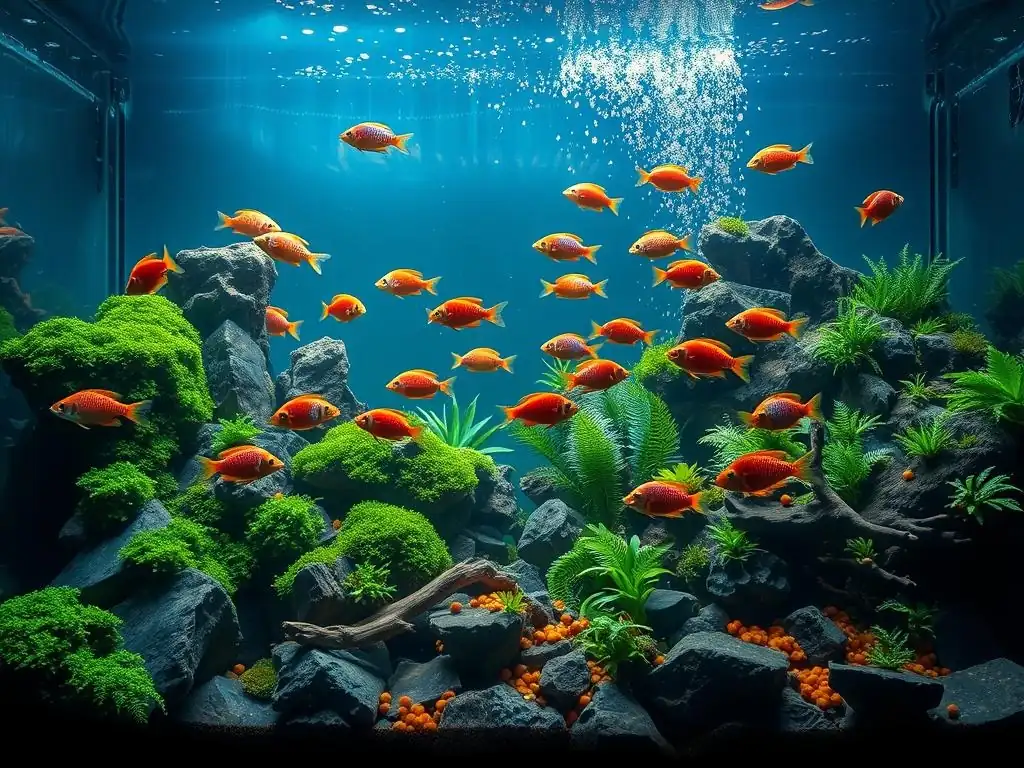
Welcome to Aquarium Mastery! Ever wondered if those vibrant Mbuna cichlids in your tank are really getting the nutrition they need? Dive into our comprehensive guide, "Spirulina Flakes vs. Pellets: Best Staple Foods for Mbuna Cichlids," and unlock the secrets to a thriving, colorful aquarium. Discover which Mbuna cichlid food pellets (or flakes!) will keep your fish healthy and happy, and learn how to choose the perfect diet. Ready to optimize your cichlid's well-being? Let's explore!
- Understanding the Nutritional Needs of Mbuna Cichlids
- Spirulina Flakes: A Detailed Look for Mbuna Feeding
- Mbuna Cichlid Food Pellets: An In-Depth Analysis
- Spirulina Flakes vs. Pellets: A Comparative Analysis for Mbuna
- Optimizing Your Mbuna Cichlid's Diet: Combining Flakes and Pellets
- Conclusion: Choosing the Right Staple Food for Your Mbuna Cichlids
-
Frequently Asked Questions
- What are the primary differences between spirulina flakes and pellets for Mbuna cichlids?
- Why is spirulina considered a beneficial ingredient in Mbuna cichlid food?
- How does the size of food particles affect Mbuna cichlid feeding?
- Can Mbuna cichlids be fed exclusively with spirulina flakes or pellets?
- How do I choose the best Mbuna cichlid food pellets from the many options available?
- Final Reflection: The Vibrant Future of Mbuna Nutrition
- Ignite Your Mbuna's Vitality Today!
Understanding the Nutritional Needs of Mbuna Cichlids
Why a Balanced Diet is Crucial for Mbuna Health and Color
A balanced diet is paramount for the long-term health, vibrant coloration, and robust immune system of Mbuna cichlids. These fascinating fish, native to the rocky shores of Lake Malawi, are primarily herbivorous grazers, evolving to consume the "aufwuchs" – a complex mixture of algae and microorganisms scraped from rocks.
Consequently, their digestive systems are specifically adapted to process high-fiber, plant-based foods. Providing a diet rich in appropriate nutrients, such as moderate protein (typically 30-40% for adult Mbuna) and low fat (around 5-8%), helps prevent common ailments like Malawi bloat, a fatal digestive disorder often triggered by high-protein or easily digestible animal fats.
Beyond preventing disease, the right diet directly influences the stunning coloration for which Mbuna are renowned. Carotenoids, vital pigments found abundantly in plant-based foods like spirulina, are directly responsible for enhancing the blues, yellows, and oranges seen in species such as Labidochromis caeruleus (Electric Yellow) or Pseudotropheus demasoni. Without these essential nutrients, Mbuna can exhibit dull, faded colors and a general lack of vigor, indicating a compromised state of health. Studies have shown that a diet rich in natural pigments can improve color intensity by as much as 20-30% within weeks.
The Importance of Plant-Based Foods for Mbuna Diets
The natural diet of Mbuna cichlids in Lake Malawi consists predominantly of plant matter, primarily algae. This evolutionary adaptation means their digestive tracts are long and optimized for the slow digestion of fibrous materials. Therefore, the cornerstone of any Mbuna diet must be high-quality plant-based foods. Sources like spirulina, kelp, chlorella, and even blanched vegetables such as zucchini or spinach, are crucial. These ingredients provide the necessary fiber to maintain healthy gut motility and prevent blockages.
Feeding Mbuna cichlids diets high in animal protein, such as bloodworms, tubifex worms, or beef heart, can lead to severe digestive issues, most notably Malawi bloat. This condition arises because their digestive systems struggle to process and absorb animal proteins and fats efficiently, leading to bacterial imbalances and inflammation. Reputable fish food manufacturers formulate Mbuna cichlid food pellets and flakes specifically with this herbivorous requirement in mind, often ensuring that plant matter constitutes 50-70% or more of the ingredient profile, reflecting their natural foraging habits.
Spirulina Flakes: A Detailed Look for Mbuna Feeding
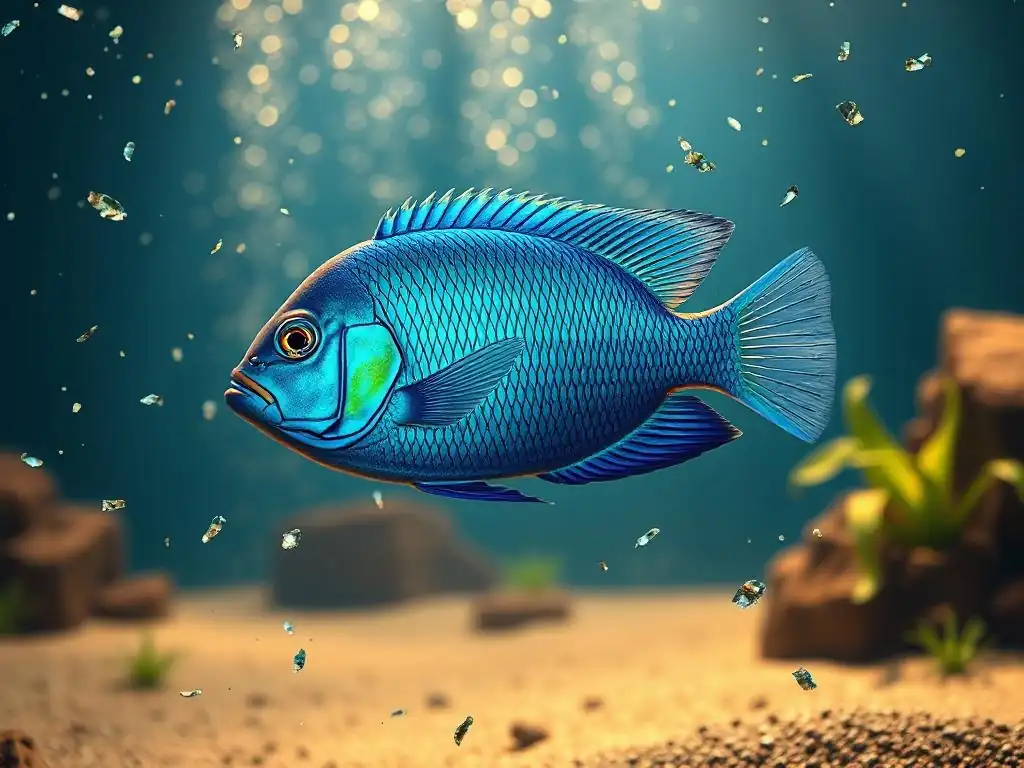
What are Spirulina Flakes and Their Benefits for Cichlids?
Spirulina flakes are a popular aquarium food derived from Arthrospira platensis, a blue-green algae. This microalga is celebrated for its exceptional nutritional profile, making it an outstanding ingredient for herbivorous fish like Mbuna cichlids. Spirulina is remarkably rich in plant-based protein, often containing 60-70% protein by dry weight, which is highly digestible for fish with herbivorous adaptations. Beyond protein, it is packed with essential vitamins (B complex, C, E), minerals (iron, magnesium), and a remarkable array of pigments.
The key benefits of spirulina for cichlids extend beyond basic nutrition. Its high concentration of natural carotenoids, such as beta-carotene and zeaxanthin, are potent color enhancers, intensifying the reds, oranges, and yellows in fish. Furthermore, spirulina contains phycocyanin, a unique blue pigment and antioxidant, and chlorophyll, which aids in detoxification. These compounds collectively support a robust immune system, improve digestive health by acting as a prebiotic, and contribute to overall vitality, making spirulina flakes a highly beneficial component of an Mbuna cichlid's diet.
Advantages of Spirulina Flakes for Mbuna Cichlids: Improved Digestion and Enhanced Coloration
One of the primary advantages of feeding spirulina flakes to Mbuna cichlids is their positive impact on digestion. The high content of easily digestible plant protein and fiber in spirulina helps maintain a healthy gut microbiome and promotes regular digestive function, significantly reducing the risk of constipation and bloat that can plague these fish. For instance, aquarists often report a noticeable decrease in digestive issues when spirulina forms a regular part of their Mbuna's diet, compared to diets lacking sufficient plant matter.
Moreover, the color-enhancing properties of spirulina flakes are undeniable. The rich carotenoid profile directly contributes to the vibrant hues of Mbuna. For example, species like Metriaclima estherae (Red Zebra) or Aulonocara species (Peacocks, though not strictly Mbuna, share similar dietary needs for color) fed spirulina-rich diets often display significantly more intense and consistent coloration. Many commercial studies on ornamental fish have demonstrated that fish fed diets with at least 15-20% spirulina show a marked improvement in pigment intensity within 4-6 weeks, making spirulina flakes a top choice for showcasing the natural beauty of your Mbuna.
Disadvantages of Spirulina Flakes: Rapid Dispersal and Potential for Uneaten Food
Despite their nutritional benefits, spirulina flakes do come with certain drawbacks. Their most notable disadvantage is their tendency to break down and disperse rapidly in the water column. While this can initially encourage feeding frenzies, it also means that if not consumed quickly, small particles can float away or settle in inaccessible areas of the tank. This rapid dispersal can lead to a significant amount of uneaten food, which then decomposes and contributes to water quality degradation.
The issue of uneaten food can escalate quickly, leading to increased ammonia, nitrite, and nitrate levels, which are detrimental to fish health. In a typical Mbuna tank, which often has a higher bioload due to the number of fish, maintaining pristine water parameters is critical. Excessive uneaten flakes can also promote the growth of nuisance algae within the aquarium itself and potentially clog filter media, requiring more frequent maintenance. Therefore, precise feeding amounts are crucial when using spirulina flakes to minimize waste and maintain optimal water conditions.
Best Practices for Feeding Spirulina Flakes to Mbuna
To maximize the benefits of spirulina flakes while mitigating their disadvantages, adhering to best feeding practices is essential. First, feed small amounts multiple times a day rather than one large portion. For instance, offering a pinch of flakes 2-3 times daily ensures that all food is consumed within 2-3 minutes, preventing excess from polluting the tank. This also mimics their natural grazing behavior.
Second, consider breaking larger flakes into smaller pieces before feeding. This makes it easier for Mbuna of all sizes, including smaller or less dominant individuals, to consume the food, ensuring that all fish receive adequate nutrition. Lastly, using a feeding ring can help contain the flakes at the water's surface, reducing immediate dispersal and allowing the fish to consume them more efficiently. Regularly observing your fish during feeding helps you fine-tune the quantity, ensuring minimal waste and optimal consumption.
Mbuna Cichlid Food Pellets: An In-Depth Analysis
Types of Mbuna Food Pellets: Sinking vs. Floating
Mbuna cichlid food pellets come in various formulations and sizes, with the primary distinction being whether they float or sink. Floating Mbuna cichlid food pellets remain at the water surface, which allows aquarists to easily observe their fish feeding and ensure all food is consumed. However, not all Mbuna species are comfortable feeding at the surface, and aggressive surface feeders might prevent shyer fish from getting enough food.
Sinking Mbuna cichlid food pellets, conversely, gradually descend through the water column. This type is generally preferred for Mbuna as it allows all fish, including those that prefer to graze off the substrate or mid-water, to access the food. Many high-quality Mbuna cichlid food pellets are designed to be slow-sinking, giving fish ample time to consume them before they settle. Pellet sizes typically range from 1mm to 3mm, and selecting the appropriate size is crucial to ensure easy consumption by the fish while preventing choking hazards.
Advantages of Mbuna Cichlid Food Pellets: Controlled Feeding and Reduced Water Pollution
Mbuna cichlid food pellets offer significant advantages in terms of controlled feeding and maintaining superior water quality. Their dense, uniform structure makes it much easier for aquarists to measure precise portions, thus preventing overfeeding. For example, a common recommendation is to feed 1-2 small pellets per adult fish, twice daily, a quantity that can be easily adjusted based on the fish's size and activity level. This precision reduces the likelihood of excess food remaining in the tank.
Furthermore, Mbuna cichlid food pellets are less prone to dissolving rapidly compared to flakes. They hold their shape for a longer duration, which significantly reduces water cloudiness and prevents the rapid breakdown of uneaten food into harmful compounds like ammonia and nitrite. In high bioload Mbuna tanks, where water quality is a constant concern, this characteristic is invaluable. Tanks primarily fed with high-quality Mbuna cichlid food pellets often exhibit more stable water parameters and require less frequent intensive cleaning, contributing to a healthier environment for the fish.
Disadvantages of Mbuna Food Pellets: Potential for Overfeeding and Ingredient Quality Concerns
While Mbuna cichlid food pellets offer many benefits, they are not without their downsides. One common issue is the potential for overfeeding, despite their ease of portioning. It is very easy to drop in too many Mbuna cichlid food pellets, especially in larger tanks, which can lead to uneaten food accumulating on the substrate. If fish gorge themselves on an excessive amount of pellets, it can also contribute to digestive problems, including the dreaded Malawi bloat, particularly if the pellets are not quickly consumed.
Another significant concern with Mbuna cichlid food pellets is the variability in ingredient quality across different brands. Some cheaper formulations may contain high levels of fillers such as wheat, corn, or soy, which offer little nutritional value to Mbuna and can be difficult for them to digest.
More critically, some pellets marketed for "cichlids" in general might contain excessive amounts of animal protein (e.g., fish meal, shrimp meal) that are suitable for carnivorous cichlids but highly detrimental to herbivorous Mbuna. It is essential to scrutinize the ingredient list to ensure the Mbuna cichlid food pellets are truly formulated for herbivorous fish.
How to Select High-Quality Mbuna Cichlid Pellets
Selecting high-quality Mbuna cichlid food pellets is crucial for the long-term health of your fish. The first step is to meticulously examine the ingredient list. Look for formulations where plant-based ingredients such as spirulina, kelp, chlorella, and various algae are listed as the primary components. The protein content should be moderate, typically between 30-45%, and fat content should be low, ideally under 8%. Avoid Mbuna cichlid food pellets that list large amounts of fish meal, meat by-products, or excessive fillers at the top of their ingredient list.
Secondly, choose Mbuna cichlid food pellets that are specifically formulated for herbivorous or omnivorous cichlids, rather than general "cichlid" foods. Reputable brands like NorthFin, New Life Spectrum, or Hikari often invest in research to create species-appropriate diets, ensuring better nutrient absorption and reduced waste. Finally, consider the pellet size; it should be appropriate for the size of your Mbuna to ensure easy consumption without causing choking or difficulty in feeding. A good quality pellet will also hold its form well in water, minimizing cloudiness and degradation.
Spirulina Flakes vs. Pellets: A Comparative Analysis for Mbuna
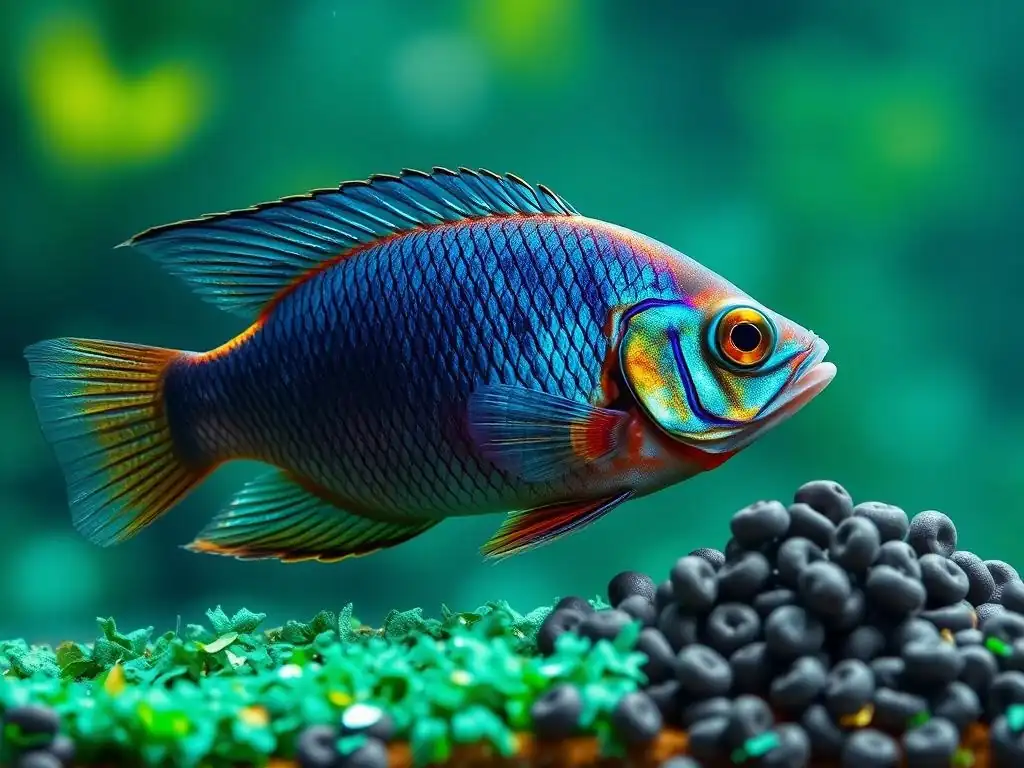
Nutritional Content Comparison: Spirulina Flakes vs. Pellets for Mbuna Health
When comparing the nutritional content of spirulina flakes versus Mbuna cichlid food pellets, it's important to consider their primary purpose in the diet. Pure spirulina flakes are highly concentrated sources of the microalga, meaning they offer an exceptional density of specific nutrients like carotenoids (for color enhancement) and highly digestible plant protein. For instance, a high-quality spirulina flake might contain 50-60% pure spirulina, delivering a potent dose of immune-boosting and color-enhancing compounds.
Conversely, Mbuna cichlid food pellets are typically formulated as a complete, balanced diet. While they often include spirulina, it's usually part of a broader mix of ingredients such as other plant meals (e.g., kelp, alfalfa), vitamins, minerals, and sometimes a small amount of fish or invertebrate meal. A typical Mbuna cichlid food pellet might contain 20-30% spirulina alongside other essential components, ensuring a wider spectrum of nutrients for overall health. Therefore, flakes excel as a concentrated supplement for specific benefits, while pellets provide comprehensive, everyday nutrition.
Impact on Water Quality: Which Food is Better for a Clean Mbuna Tank?
The choice between spirulina flakes and Mbuna cichlid food pellets significantly impacts water quality. Spirulina flakes, due to their thin, brittle nature, tend to break down and disperse rapidly in the water column. If not consumed quickly, these tiny particles contribute to cloudiness and can settle into the substrate, where they decompose. This decomposition leads to a faster increase in ammonia, nitrite, and nitrate levels, necessitating more frequent water changes and potentially stressing the fish.
In contrast, Mbuna cichlid food pellets generally have a much more favorable impact on water quality. Their denser, more stable structure means they hold together for longer periods in water. This reduces the immediate release of dissolved organic compounds and prevents rapid clouding. Uneaten Mbuna cichlid food pellets are also much easier to spot and remove from the tank before they degrade, further contributing to a cleaner aquatic environment. Studies comparing feeding methods have shown that tanks primarily fed quality pellets experience less fluctuating water parameters and lower concentrations of pollutants over time, provided proper feeding amounts are maintained.
Feeding Behavior: Mbuna Preference for Flakes vs. Pellets
Mbuna cichlids exhibit distinct feeding behaviors when presented with spirulina flakes versus Mbuna cichlid food pellets. Flakes, which scatter widely and remain at the surface for a short period, often trigger an immediate and intense feeding frenzy among Mbuna. This can be exciting to watch, but it also means that more dominant or aggressive fish might consume the majority of the food, leaving less for shyer or smaller individuals. The rapid consumption ensures minimal waste if the quantity is perfectly judged.
Mbuna cichlid food pellets, especially slow-sinking varieties, encourage a different feeding dynamic. They allow for a more deliberate and less frantic consumption, as the pellets gradually descend, giving more fish access to the food over a longer period. While some Mbuna might initially be hesitant to consume pellets if they are accustomed to flakes, they generally adapt quickly. This slower feeding process can reduce aggression during meal times and ensures that a broader range of fish within the tank receive adequate nutrition, mimicking their natural grazing behavior more closely.
Cost-Effectiveness: Spirulina Flakes and Pellets Price Comparison
When evaluating the cost-effectiveness of spirulina flakes versus Mbuna cichlid food pellets, several factors come into play. Generally, high-quality spirulina flakes, particularly those with a very high percentage of pure spirulina, can be more expensive per gram or ounce. This is due to the concentrated nature of the ingredients and the specialized processing. For instance, a small container of premium spirulina flakes might cost between $10-$20 for a few ounces.
Mbuna cichlid food pellets, especially when purchased in larger bulk quantities, often present a more cost-effective option for a staple diet. A large tub (e.g., 2.2 lbs) of quality Mbuna cichlid food pellets from a reputable brand might range from $40-$60, providing a significant amount of food for a longer duration. While the initial outlay for pellets might be higher, their density, controlled consumption, and reduced waste often translate to better long-term value, as less food is wasted and water quality issues are minimized, potentially reducing costs associated with tank maintenance and fish health.
Optimizing Your Mbuna Cichlid's Diet: Combining Flakes and Pellets
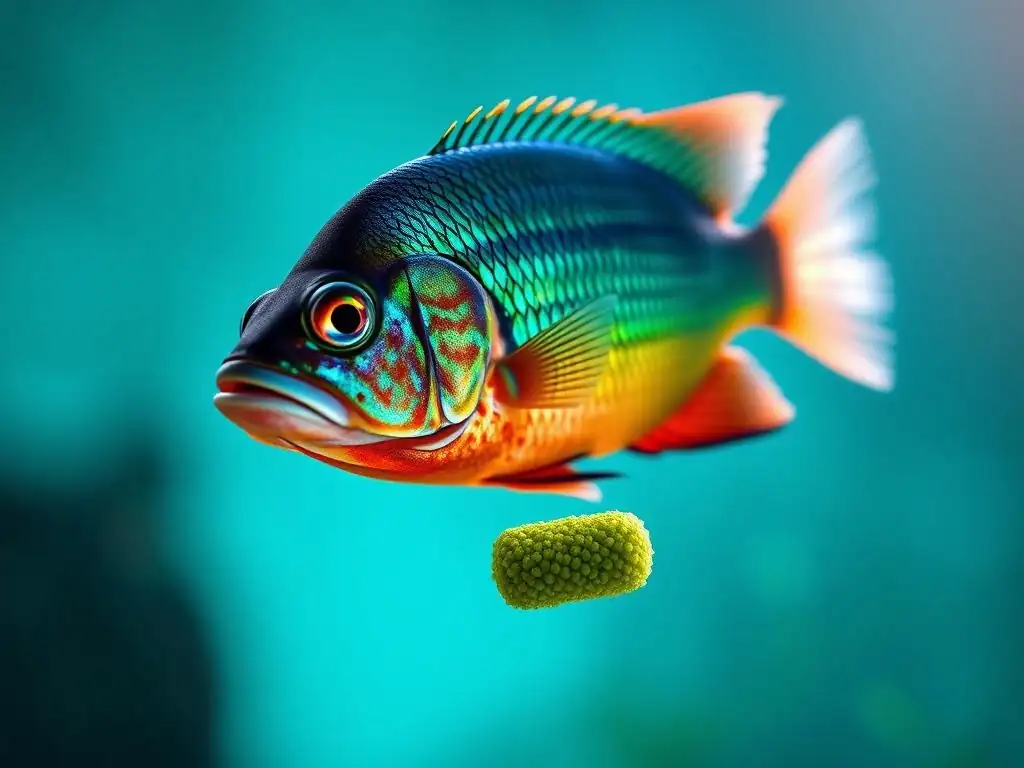
Creating a Feeding Schedule for Mbuna: Balancing Spirulina Flakes and Pellets
The most effective strategy for feeding Mbuna cichlids is to combine the benefits of both spirulina flakes and Mbuna cichlid food pellets into a well-structured feeding schedule. This approach ensures a comprehensive nutritional intake, promotes natural feeding behaviors, and helps maintain optimal water quality. A common and highly recommended schedule involves two small feedings per day, with one day of fasting per week to aid digestion and prevent bloat.
For instance, you might offer a small pinch of spirulina flakes in the morning. This provides an immediate burst of highly digestible plant protein and color-enhancing carotenoids, setting a vibrant tone for the day. In the evening, a measured portion of high-quality Mbuna cichlid food pellets can be provided. The pellets offer sustained nutrition, are less likely to pollute the water, and allow shyer fish more time to feed. An example weekly schedule could be: Monday-Friday: AM flakes, PM pellets. Saturday: PM pellets only. Sunday: Fasting. This varied approach keeps the fish engaged and nutritionally balanced.
Supplementing Your Mbuna's Diet: Beyond Flakes and Pellets
While spirulina flakes and Mbuna cichlid food pellets form the cornerstone of a healthy Mbuna diet, occasional supplementation with other appropriate foods can provide additional nutrients and dietary enrichment. Blanched vegetables are an excellent choice for a treat. Small pieces of blanched zucchini, spinach, or shelled peas can be offered once or twice a week. Peas, in particular, are highly beneficial for their fiber content, which can aid digestion and alleviate constipation.
It is crucial to emphasize what should be strictly avoided. Mbuna cichlids are herbivores, and feeding them high-protein, meaty foods like bloodworms, tubifex worms, or beef heart can be extremely detrimental. Even occasional offerings of these foods can trigger Malawi bloat, a fatal condition for which there is often no cure. Stick to plant-based supplements and ensure any commercial algae wafers or sticks offered are specifically formulated for herbivorous fish, further solidifying the diet's plant-centric nature.
Conclusion: Choosing the Right Staple Food for Your Mbuna Cichlids
Key Considerations for Selecting Mbuna Cichlid Food
When selecting the best staple food for your Mbuna cichlids, several key considerations should guide your decision. Foremost is understanding their species-specific dietary needs; Mbuna are primarily herbivorous, meaning their diet must be rich in plant-based ingredients and low in animal protein and fat. Prioritize foods where spirulina, kelp, and other algae are listed as primary components.
Secondly, consider the impact of the food on your tank's water quality. Foods that quickly dissolve or leave significant residue can rapidly degrade water parameters, leading to stress and disease. High-quality Mbuna cichlid food pellets generally excel in this aspect due to their stable structure. Lastly, observe your fish's health and feeding behavior. A good food will promote vibrant coloration, active behavior, and healthy digestion, without leading to issues like bloat. Always read ingredient labels and choose reputable brands that formulate their Mbuna cichlid food with the specific needs of these fascinating fish in mind.
Final Recommendations: Spirulina Flakes or Pellets for Optimal Mbuna Health?
For optimal Mbuna health, the most effective approach is not to choose exclusively between spirulina flakes and Mbuna cichlid food pellets, but rather to embrace a combination of both. High-quality Mbuna cichlid food pellets should serve as the primary staple of their diet. Their dense, stable form allows for controlled feeding, minimizes waste, and helps maintain superior water quality, which is critical in the often densely populated Mbuna aquarium. They provide a comprehensive, balanced nutritional profile suitable for daily feeding.
Spirulina flakes, on the other hand, are best utilized as a supplementary food or a regular treat. Their concentrated spirulina content delivers a powerful boost of color-enhancing carotenoids and easily digestible plant protein, which can significantly enhance the vibrancy and immune system of your Mbuna.
Offering flakes a few times a week, perhaps alternating with pellets, creates a varied and enriching diet that mimics their natural grazing habits. By combining the strengths of both food types, you provide a robust, balanced, and engaging diet that ensures your Mbuna cichlids remain healthy, active, and display their magnificent natural colors to their fullest potential.
Frequently Asked Questions
What are the primary differences between spirulina flakes and pellets for Mbuna cichlids?
Spirulina flakes are thin and float, allowing for surface feeding, while pellets sink, catering to mid-water and bottom feeders. Pellets generally offer a more concentrated nutrient density compared to flakes.
Why is spirulina considered a beneficial ingredient in Mbuna cichlid food?
Spirulina is rich in phycocyanin, vitamins, and minerals, promoting vibrant coloration and a strong immune system in Mbuna cichlids. It's a natural and easily digestible food source.
How does the size of food particles affect Mbuna cichlid feeding?
The particle size must be appropriate for the cichlid's mouth size. Smaller Mbuna species or fry require smaller flakes or crumbled pellets to ensure they can easily consume the food.
Can Mbuna cichlids be fed exclusively with spirulina flakes or pellets?
While spirulina is beneficial, a varied diet is crucial. Supplementing with other vegetable-based foods and occasional protein sources is essential for optimal health and growth.
How do I choose the best Mbuna cichlid food pellets from the many options available?
Look for pellets specifically formulated for herbivorous cichlids, with high spirulina content and minimal animal protein. Read reviews and check ingredient lists to ensure quality.
Final Reflection: The Vibrant Future of Mbuna Nutrition
The debate between spirulina flakes and pellets, as we've explored, isn't just about choosing the right food for Mbuna cichlids, but about understanding the delicate balance of their nutritional needs and the long-term health of our aquatic ecosystems. This understanding is more crucial than ever, as responsible fishkeeping practices become increasingly important in preserving biodiversity and promoting sustainable aquarium hobbies.
The impact of informed choices regarding Mbuna diets extends far beyond the individual tank. It shapes the health and vibrancy of these captivating fish, influencing their breeding success and overall well-being. This, in turn, contributes to the preservation of their genetic diversity within the aquarium hobby. The future of aquariums lies in our ability to mimic nature, not just replicate its appearance.
This quote reminds us that providing the right nutrition is paramount to creating a thriving and sustainable environment for our Mbuna.
Now, as you consider the information presented, I encourage you to reflect on your own role in the Mbuna cichlid community. Are you actively seeking knowledge to optimize your feeding strategies? Are you committed to providing the best possible nutrition for your fish? Let this exploration of spirulina flakes and pellets inspire you to become a more informed and responsible aquarist, ensuring a vibrant and healthy future for these remarkable creatures.
Ignite Your Mbuna's Vitality Today!
Thanks for diving into the world of Mbuna nutrition! Now that you're equipped with the knowledge of spirulina flakes and pellets, let's turn that insight into action to keep your vibrant cichlids thriving.
Here's how you can take the next steps:
- Immediately optimize your Mbuna's diet by incorporating high-quality spirulina flakes as a primary staple food, observing their color vibrancy and overall health.
- Explore supplementing with other cichlid-specific foods like blanched vegetables for variety and enhanced nutrition.
- Share your experiences! Head over to our social media and let us know what works best for your Mbuna – what are their favorite foods?