
Can Different Pleco Species Live Together Peacefully?

Welcome to Aquarium Mastery!
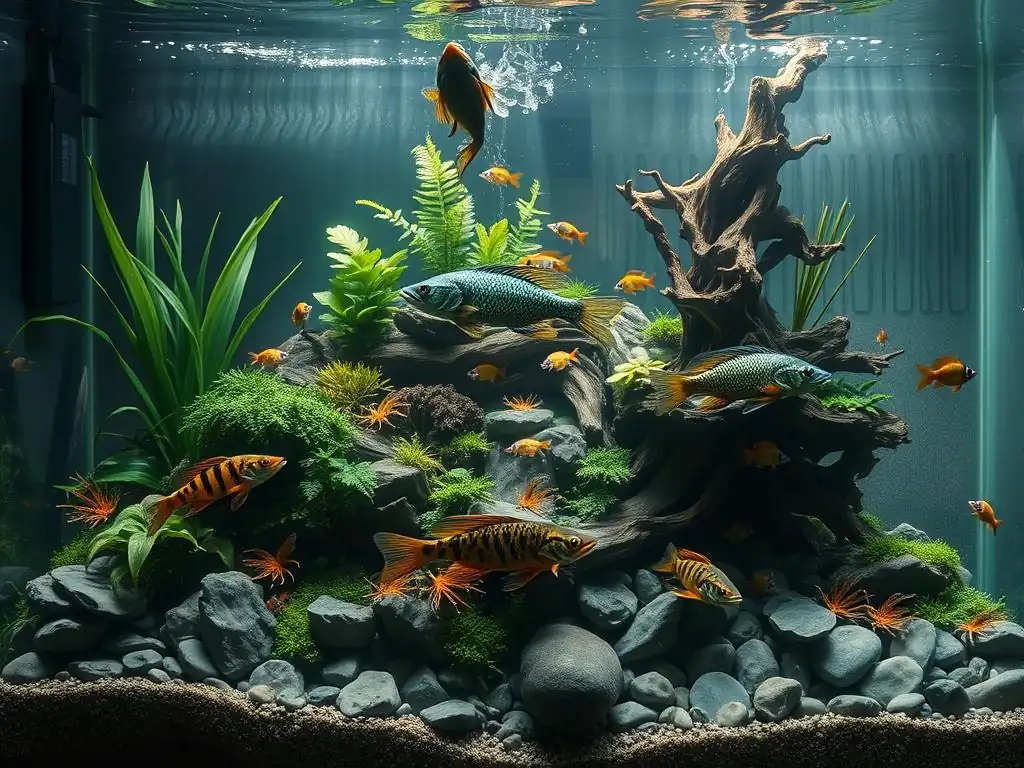
Ever wondered if your algae-eating Plecos can truly live in harmony? Our Pleco tank compatibility guide dives deep into the secrets of keeping these fascinating bottom-dwellers happy and healthy, together. Uncover the crucial factors that determine whether different Pleco species will become friends or foes, and start building your dream freshwater aquarium today! Ready to unlock the peaceful Pleco paradise?
- Can Different Pleco Species Live Together Peacefully? : A Pleco Tank Compatibility Guide
- Understanding Pleco Behavior and Tank Compatibility
- Pleco Tank Compatibility Guide: Species Profiles and Considerations
- Key Considerations for Successful Pleco Cohabitation
- Potential Problems and Solutions in a Multi-Pleco Tank
- Creating a Harmonious Pleco Community Tank
- Pleco Tank Mates: Choosing Compatible Fish Species
- Pleco Care and Maintenance in a Community Setting
- Conclusion: Achieving Pleco Tank Harmony Through Careful Planning
-
Frequently Asked Questions
- Can different Pleco species really live together peacefully in a tank?
- What size tank is generally recommended for housing multiple Pleco species?
- What are the most common causes of aggression between Plecos in a tank?
- How can I minimize aggression when introducing new Plecos to an existing tank?
- What are some Pleco species that are generally considered more peaceful and compatible with others?
- Final Reflection: Navigating the Pleco Paradise
- Unlock a Pleco Paradise: Take the Next Step!
Can Different Pleco Species Live Together Peacefully? : A Pleco Tank Compatibility Guide
Understanding Pleco Behavior and Tank Compatibility
Introduction to Pleco Species Diversity and Temperament
The world of plecos, scientifically known as Loricariidae, encompasses an astonishing array of species, ranging from the tiny, often less than 3-inch Dwarf Otocinclus ( Otocinclus affinis) to the imposing Common Pleco ( Hypostomus plecostomus) which can exceed 2 feet in length. This vast diversity extends beyond size to include a wide spectrum of temperaments, dietary preferences, and habitat requirements. While many aquarists initially consider plecos for their algae-eating capabilities, understanding their individual species-specific needs and behaviors is paramount for successful long-term care and especially when considering a comprehensive pleco tank compatibility guide.
Each pleco species possesses unique behavioral traits. For instance, the popular Bristlenose Pleco ( Ancistrus sp.) is generally considered peaceful and relatively shy, often coexisting well with other non-aggressive fish. In contrast, larger species like the Royal Pleco ( Panaque nigrolineatus) or certain Gold Nugget Plecos ( Baryancistrus xanthellus) can be highly territorial, particularly towards conspecifics or other bottom-dwellers that compete for prime grazing spots or hiding places. Recognizing these inherent temperaments is the foundational step in determining if different pleco species can indeed live together peacefully within a shared aquarium environment.
Factors Influencing Pleco Compatibility in Aquariums
Several critical factors dictate the success of cohabiting pleco species in an aquarium. Firstly, tank size is non-negotiable; insufficient space is the primary catalyst for aggression among territorial plecos. A 55-gallon tank, for example, might comfortably house a single adult Bristlenose, but would be severely overcrowded for a Common Pleco, which typically requires upwards of 120 gallons, and often much more, to thrive. When planning for multiple plecos, the tank size must be significantly larger than what would be required for a single specimen, providing ample distinct territories for each individual.
Secondly, the specific temperament and adult size of each chosen pleco species play a crucial role. Mixing a docile, small species with a large, aggressive one is generally ill-advised. Beyond size and aggression, dietary needs and the availability of resources also influence compatibility. Plecos are not solely algae eaters; some are omnivores, some primarily wood-eeaters (xylivores), and others prefer protein-rich diets. Competition for food, especially during nocturnal feeding, or for preferred hiding spots (caves, driftwood) can quickly escalate into stress and aggression, undermining the harmony of any pleco community tank.
Pleco Tank Compatibility Guide: Species Profiles and Considerations
Common Pleco (Hypostomus plecostomus) Compatibility
The Common Pleco ( Hypostomus plecostomus) is perhaps the most widely recognized, yet often misunderstood, pleco species in the aquarium hobby. These fish are notorious for reaching impressive sizes, commonly growing to 18-24 inches (45-60 cm) in captivity, though some individuals can exceed this. Despite their potential for immense size, they are frequently sold as small juveniles, leading to many aquarists unknowingly housing them in tanks far too small for their adult needs. With other fish, Common Plecos are generally peaceful, though their sheer size can accidentally disturb smaller, slower tank mates.
However, when it comes to conspecifics or other large, similarly shaped bottom-dwelling plecos, the Common Pleco can exhibit significant territoriality. They will aggressively defend prime resting spots, large pieces of driftwood, or favored hiding places.
Housing multiple Common Plecos in anything less than an exceptionally large, custom-built aquarium (e.g., 500+ gallons or public display tanks) is highly discouraged. For most home aquariums, a single Common Pleco is the only viable option, and even then, only if the tank is appropriately sized to accommodate its massive adult dimensions, making careful consideration of this species essential in any comprehensive pleco tank compatibility guide.
Bristlenose Pleco (Ancistrus sp.) Compatibility
Bristlenose Plecos ( Ancistrus sp.), particularly species like Ancistrus cirrhosus or Ancistrus dolichopterus, are among the most popular and suitable plecos for the average home aquarium. They are relatively small, typically reaching an adult size of 4-5 inches (10-13 cm), and are distinguished by the fleshy appendages (bristles) on their snouts, which are more prominent in males. Known for their diligent algae-eating habits and generally peaceful demeanor, Bristlenose Plecos are often recommended as excellent candidates for community tanks due to their manageable size and temperament.
When considering a pleco tank compatibility guide, Bristlenose Plecos are often highlighted for their relatively high tolerance for other fish species. While they are mostly peaceful, male Bristlenoses can exhibit territorial behavior towards other males, especially during breeding periods or if insufficient hiding spots are available. In a well-aquascaped tank of 40 gallons or more, a single male or a pair (one male, one female) can thrive. Housing multiple males may require a larger tank, perhaps 75 gallons or more, with abundant caves and driftwood to establish individual territories and minimize conflict.
Zebra Pleco (Hypancistrus zebra) Compatibility
The Zebra Pleco ( Hypancistrus zebra, L046) is a highly prized and distinctive pleco, celebrated for its striking black and white striped pattern. Unlike many other plecos, the Zebra Pleco remains relatively small, typically growing to only 3-4 inches (7-10 cm) in length. They are primarily carnivorous, preferring a diet rich in protein such as sinking pellets, frozen bloodworms, and brine shrimp, rather than relying heavily on algae. Their shy and reclusive nature, combined with their specific dietary and environmental needs, makes them a more specialized choice for advanced aquarists.
Zebra Plecos are generally peaceful and non-aggressive towards other fish species, as well as towards other Hypancistrus species, provided their specific needs are met. They are known to be social within their own species and can be kept in groups, especially if the aquarium is designed with numerous caves and crevices that mimic their natural rocky riverbed habitats.
For a group of 3-5 Zebra Plecos, a tank of 20-30 gallons is often sufficient, given proper filtration and plenty of individual caves to reduce potential competition for prime resting spots. This species is an excellent example of how specific dietary and habitat considerations are crucial in a tailored pleco tank compatibility guide.
Gold Nugget Pleco (Baryancistrus xanthellus) Compatibility
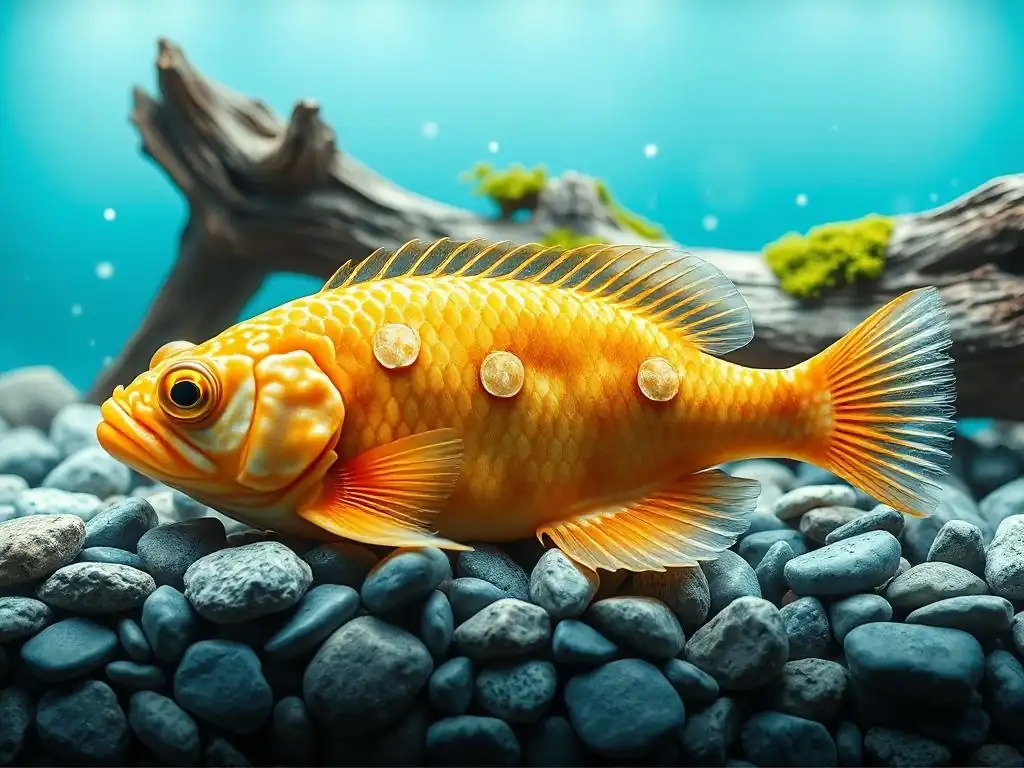
Gold Nugget Plecos, encompassing several L-numbers such as L018, L081, and L177, are medium-to-large sized plecos known for their vibrant yellow spots against a dark body. They typically reach an adult size of 6-10 inches (15-25 cm), depending on the specific variant. These plecos are primarily aufwuchs grazers, meaning they feed on the biofilm, algae, and micro-organisms that grow on submerged surfaces, though they also benefit from high-quality sinking pellets and blanched vegetables. Their robust nature and striking appearance make them a popular, albeit sometimes challenging, addition to larger community tanks.
Gold Nugget Plecos can be territorial, especially towards other bottom-dwelling fish or similar-looking pleco species that compete for prime grazing areas and hiding spots. While generally peaceful with mid-to-upper water column fish, they may become aggressive towards conspecifics or other Baryancistrus species if tank space is limited.
Housing multiple Gold Nuggets, or even a Gold Nugget with another large, territorial pleco, in tanks under 100-120 gallons (approximately 380-450 liters) is generally not recommended due to the high likelihood of disputes. For most aquarists looking for a comprehensive pleco tank compatibility guide, it is often advised to keep only one Gold Nugget Pleco per tank unless it is exceptionally large and meticulously aquascaped to provide numerous distinct territories.
Royal Pleco (Panaque nigrolineatus) Compatibility
The Royal Pleco ( Panaque nigrolineatus) is a magnificent, large pleco species characterized by its robust, armored body and often intricate patterns of stripes or spots. These plecos are known for their impressive size, commonly reaching 12-17 inches (30-43 cm) in captivity, and their unique dietary requirement: they are primarily xylivores, meaning they feed extensively on driftwood. This wood-rasping behavior is essential for their digestion and overall health, necessitating a continuous supply of softened driftwood in their aquarium.
Royal Plecos are highly territorial and can be quite aggressive towards other plecos, especially those of similar size, body shape, or dietary needs (e.g., other wood-eating plecos). Their strong jaws and powerful suckermouths can inflict significant damage during territorial disputes.
While they are generally peaceful with mid-to-upper water column fish that do not compete for their bottom territory, housing more than one Royal Pleco, or a Royal Pleco with another large, territorial bottom-dweller, in a tank smaller than 180-200 gallons (approximately 680-760 liters) is strongly discouraged. Achieving successful multi-pleco compatibility with a Royal Pleco often means it is the sole large bottom-dweller, making it a key consideration in any detailed pleco tank compatibility guide.
Key Considerations for Successful Pleco Cohabitation
Tank Size Requirements for Multiple Plecos
The absolute cornerstone of successful multi-pleco cohabitation is providing an adequately sized aquarium. Plecos, even the smaller species, require significant space to establish territories and reduce stress.
For instance, while a single adult Bristlenose Pleco can comfortably inhabit a 30-gallon tank, introducing a second Bristlenose, particularly another male, would ideally necessitate a tank of at least 50 gallons to allow for distinct territories and reduce potential aggression. For larger, more territorial species like a Gold Nugget Pleco (which can reach 10 inches), a minimum tank size of 75-100 gallons is recommended for a single specimen; attempting to house two such plecos would realistically require a tank of 150 gallons or more, with ample aquascaping to break lines of sight.
The "gallon per inch of fish" rule often falls short for plecos due to their high bioload and territorial nature. Instead, focus on providing enough bottom surface area and distinct zones for each fish.
A 125-gallon tank (approximately 470 liters) might be sufficient for a diverse group of smaller plecos (e.g., three Bristlenoses, two Zebra Plecos, and a Clown Pleco), provided it is heavily furnished with multiple caves and driftwood pieces. However, a single Common Pleco, which can grow to over 2 feet, would require a tank of 200 gallons or more to thrive long-term, highlighting the importance of planning for adult size in any comprehensive pleco tank compatibility guide.
Providing Adequate Hiding Places and Territory
Plecos are naturally shy and nocturnal creatures that thrive when provided with numerous secure hiding places. These retreats serve multiple purposes: they offer a sense of security, reduce stress, and, crucially, allow each pleco to establish and defend its own territory without constant conflict. Without sufficient hiding spots, plecos, especially territorial species, will constantly clash over the limited prime locations, leading to stress, injury, and even death.
To effectively provide territory, incorporate a variety of hardscape elements such as driftwood, rocks, and ceramic or PVC caves. Aim for at least one primary hiding spot per pleco, plus several additional options to allow for choice and to break up lines of sight.
For instance, in a tank housing two Bristlenose males, providing 4-5 distinct caves of varying sizes and shapes, spread across the tank, can significantly reduce territorial disputes. Driftwood not only offers hiding spots but also serves as a crucial food source for xylivorous plecos like Royal Plecos, making it a dual-purpose element for any effective pleco tank compatibility guide setup.
Managing Algae and Food Competition
While many plecos are renowned for their algae-eating abilities, it is a common misconception that algae alone can sustain them, especially in a multi-pleco tank. Algae growth in a typical home aquarium is rarely sufficient to meet the nutritional needs of even a single pleco, let alone multiple. Insufficient food leads to competition, stress, and aggression among plecos, as they vie for the limited food resources.
To manage food competition, a robust supplemental feeding strategy is essential. Offer a varied diet of high-quality sinking algae wafers, spirulina tabs, blanched vegetables (such as zucchini, cucumber, or spinach), and, for carnivorous or omnivorous species, occasional protein-rich foods like bloodworms or sinking omnivore pellets.
Distribute food widely across the tank bottom during the evening hours, when most plecos are active, to ensure that all individuals have access to food without direct confrontation. Monitoring individual plecos during feeding can help confirm that even shy or subordinate individuals are receiving adequate nutrition, a key component of a successful pleco tank compatibility guide.
Water Quality Parameters for Pleco Health
Maintaining pristine and stable water quality is paramount for the health and longevity of all pleco species, particularly in a community tank setting. Plecos, due to their often large size and high bioload, produce a significant amount of waste, which can quickly degrade water parameters if not managed effectively. Most plecos thrive in soft to moderately hard water with a neutral to slightly acidic pH, typically ranging from 6.5 to 7.5. Consistent water temperatures, generally between 74-80°F (23-27°C), are also crucial, though specific species may have narrower optimal ranges (e.g., Zebra Plecos often prefer slightly warmer water around 79-82°F).
Regular partial water changes are non-negotiable; a weekly 25-30% water change is often recommended to keep nitrates low and replenish essential minerals. Robust filtration, ideally a powerful canister filter or multiple hang-on-back filters, is necessary to handle the bioload and maintain excellent mechanical and biological filtration. Ammonia and nitrite levels must always be zero, as plecos are particularly sensitive to these nitrogenous compounds. Consistent monitoring of pH, temperature, ammonia, nitrite, and nitrate levels is vital to prevent stress and disease, forming a cornerstone of any effective pleco tank compatibility guide.
Potential Problems and Solutions in a Multi-Pleco Tank
Aggression and Territorial Disputes Between Plecos
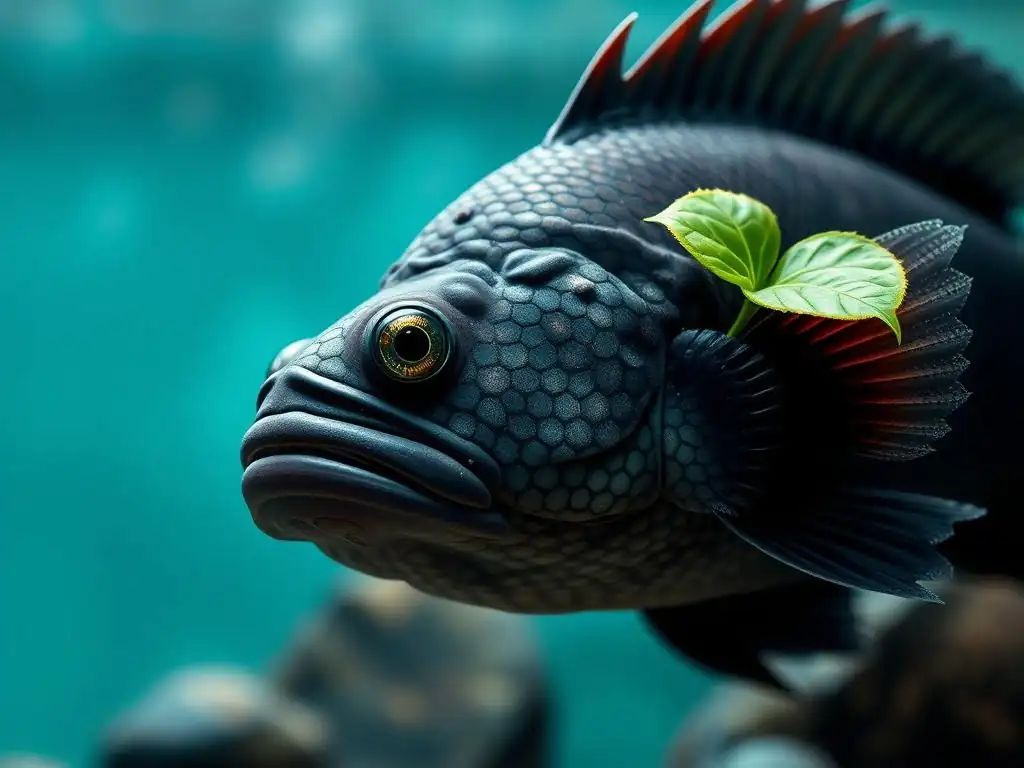
Aggression and territorial disputes are common challenges when attempting to house multiple pleco species, especially if proper planning is overlooked. Signs of aggression can include fin nipping, chasing, flaring of gills, body slamming, or even direct mouth-to-mouth combat. These behaviors often escalate from subtle intimidation to physical harm, leading to torn fins, scale damage, and severe stress that can weaken a pleco's immune system, making it susceptible to disease. Aggression is most prevalent among conspecifics (e.g., two male Bristlenoses) or between species with similar body shapes and territorial requirements (e.g., two large Panaque species).
Addressing aggression requires a multi-faceted approach. First, re-evaluate tank size and ensure it is genuinely adequate for the adult size and number of plecos. If space is limited, adding more hiding places (caves, driftwood, dense planting) can help break lines of sight and provide escape routes.
Rearranging the aquarium decor can also reset territories, sometimes alleviating conflict. If aggression persists and causes harm, the most effective solution is often to separate the aggressor or the victim, either by moving one to another appropriately sized tank or, in severe cases, rehoming one of the individuals. This underscores the importance of a comprehensive "Pleco tank compatibility guide" before stocking.
Identifying and Addressing Pleco Stress
Identifying stress in plecos can be subtle, as they are often reclusive by nature. However, common indicators include clamped fins (held close to the body), faded or dull coloration, rapid or labored breathing, excessive hiding (beyond normal nocturnal behavior), loss of appetite, or erratic swimming patterns like darting around the tank. A stressed pleco is more prone to illness, as its immune system is compromised, making prompt identification and intervention crucial for their well-being in a community setting.
The root causes of stress in a multi-pleco tank typically stem from environmental deficiencies or social conflicts. Poor water quality (high nitrates, presence of ammonia/nitrite), inadequate hiding spots, insufficient food, or bullying from more dominant tank mates are primary culprits. To address stress, first perform a water test and correct any parameter issues with a significant water change.
Then, assess the tank's aquascape: add more caves, driftwood, or dense plants to provide ample cover and break up territories. If aggression from another pleco or fish is the cause, consider separating the aggressor or improving the environment to reduce competition. A well-researched "Pleco tank compatibility guide" helps prevent these issues.
Preventing Overcrowding and Maintaining Water Quality
Overcrowding is arguably the single largest preventable problem in multi-pleco tanks, leading directly to stress, aggression, and plummeting water quality. Each pleco, especially larger species, contributes significantly to the bioload of an aquarium. When too many fish are housed in too small a volume of water, the beneficial bacteria in the filter struggle to process the increased waste, leading to elevated levels of ammonia, nitrite, and nitrate. This toxic environment directly compromises the health of all inhabitants, making them susceptible to disease and shortening their lifespan.
Preventing overcrowding begins with thorough research and planning. Always consider the adult size of the pleco species you intend to acquire, not just their juvenile size at the pet store. Adhere to conservative stocking guidelines, erring on the side of under-stocking rather than over-stocking.
To maintain optimal water quality in a pleco community tank, invest in powerful and oversized filtration systems, such as large canister filters, which offer excellent mechanical, chemical, and biological filtration. Combine this with a rigorous schedule of weekly partial water changes (e.g., 25-30%) and regular substrate vacuuming to remove accumulated waste and uneaten food. This proactive approach is fundamental to any successful "Pleco tank compatibility guide."
Creating a Harmonious Pleco Community Tank
Selecting Compatible Pleco Species Based on Size and Temperament
The foundation of a harmonious pleco community tank lies in the careful selection of compatible species. The ideal scenario involves choosing plecos that occupy different niches within the aquarium, minimizing direct competition for resources and territory. For example, combining a small, peaceful, and primarily algae-grazing Bristlenose Pleco (e.g., Ancistrus cirrhosus, max 5 inches) with a slightly larger, wood-eating Clown Pleco ( Panaqolus maccus, max 4 inches) can work well in a 40-gallon tank, as they have distinct dietary needs and often prefer different types of hiding spots (caves for Bristlenose, wood crevices for Clown Plecos).
Avoid mixing multiple large, territorial species (e.g., two Royal Plecos or two Gold Nugget Plecos) in anything short of an exceptionally massive aquarium, as this almost invariably leads to conflict. Similarly, be cautious when mixing plecos of very different sizes, as a large, active pleco might inadvertently stress or injure a much smaller, delicate species. Prioritize species known for their more docile temperaments and ensure their adult sizes are manageable for your tank volume. A well-researched "Pleco tank compatibility guide" will provide specific recommendations for species pairings, emphasizing these crucial considerations.
Designing the Aquarium Layout for Multiple Plecos
An intelligently designed aquarium layout is paramount for fostering peace in a multi-pleco tank. The goal is to create a complex environment that offers numerous hiding spots, breaks up lines of sight, and allows each pleco to establish a distinct, defensible territory. Simply dumping a few decorations into the tank is insufficient; strategic placement is key. Use a variety of hardscape elements such as large pieces of driftwood, ceramic caves, stacked rocks (ensuring they are stable and won't collapse), and dense plant clusters.
Arrange these elements to create multiple "zones" or "rooms" within the tank. For instance, place caves at opposite ends of the tank, or use a large central piece of driftwood to divide the bottom space. Ensure that there are more hiding spots than plecos, providing options and reducing competition for prime real estate. For wood-eating plecos, ensure there are multiple pieces of driftwood, allowing each to rasp without direct interference. A thoughtfully aquascaped environment, as detailed in a comprehensive "Pleco tank compatibility guide," significantly mitigates aggression and stress among cohabiting plecos.
Implementing a Feeding Strategy to Avoid Competition
Effective feeding is crucial in a multi-pleco tank to prevent competition and ensure all individuals receive adequate nutrition. Most plecos are nocturnal or crepuscular, meaning they are most active during the night or twilight hours. Therefore, feeding them just before turning off the aquarium lights for the night is often the most effective strategy, allowing them to feed without being disturbed by other tank inhabitants.
When feeding, don't simply drop all food in one spot. Instead, distribute several sinking algae wafers, blanched vegetable pieces (e.g., zucchini slices), or other appropriate foods across different areas of the tank bottom. This ensures that even shy or subordinate plecos can find food without having to directly compete with more dominant individuals. For carnivorous or omnivorous plecos, ensure specific, protein-rich foods are offered in a similar distributed manner. Regularly observe feeding behavior to confirm that all plecos are getting enough to eat, adjusting the quantity and distribution as needed, a vital practice for any "Pleco tank compatibility guide."
Pleco Tank Mates: Choosing Compatible Fish Species
Suitable Tank Mates for a Pleco Community
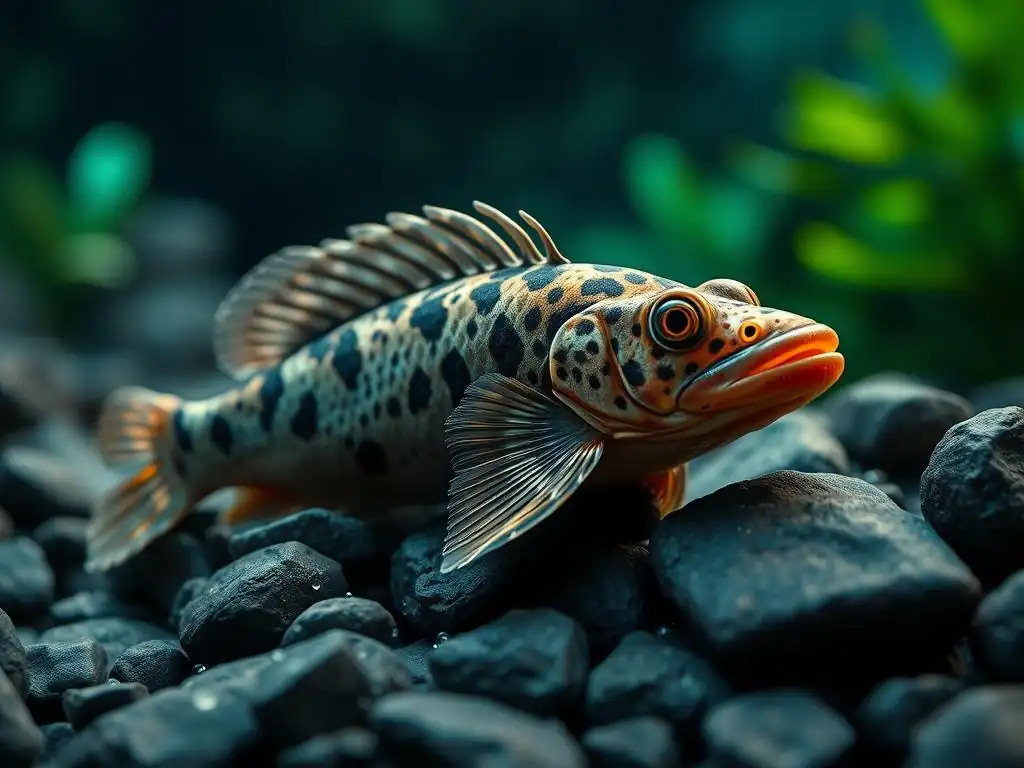
When selecting tank mates for a pleco community, the primary goal is to choose fish that occupy different water columns and have temperaments that won't clash with your plecos. Ideal tank mates are generally peaceful, mid-to-upper water column dwellers that won't compete directly for bottom territory or food. Good examples include various species of Tetras (e.g., Neon Tetras, Cardinal Tetras, Rummy-Nose Tetras), which are active schooling fish that typically stay in the middle to upper levels of the tank.
Other suitable choices include peaceful Rasboras (e.g., Harlequin Rasboras), Danios, and certain non-aggressive Barbs (e.g., Cherry Barbs). Larger, peaceful schooling fish like Congo Tetras can also be excellent companions for larger pleco species. Gouramis (e.g., Dwarf Gouramis, Honey Gouramis) can also coexist well, provided they are not overly aggressive and the tank is sufficiently sized. The key is to select fish that thrive in similar water parameters to your plecos and won't nip at their fins or disturb their nocturnal activities, aligning with the recommendations of a thorough pleco tank compatibility guide.
Fish to Avoid Housing with Plecos
Just as important as choosing suitable tank mates is knowing which fish to avoid when planning a pleco community. Certain fish species can pose risks to plecos, or vice versa, leading to stress, injury, or even death. Avoid housing slow-moving, long-finned fish such as Angelfish, Guppies, or Bettas with larger plecos. Larger plecos, particularly Common Plecos or Royal Plecos, sometimes develop a habit of "sucking" on the slime coat of slow-moving fish, which can cause significant stress, injury, and lead to bacterial infections for the affected fish.
Similarly, avoid overly aggressive or highly territorial bottom-dwelling fish that will directly compete with plecos for space and food. This includes many species of Cichlids (especially African Cichlids, which also often require vastly different water parameters), some aggressive catfish species, or even other large, dominant bottom-dwellers. Very small or delicate fish should also be avoided, as they could be accidentally injured by a large, clumsy pleco moving around the tank. Always consult a comprehensive pleco tank compatibility guide to ensure all inhabitants can coexist peacefully.
Pleco Care and Maintenance in a Community Setting
Regular Water Changes and Tank Cleaning
Regular water changes and meticulous tank cleaning are arguably the most critical aspects of maintaining a healthy and harmonious pleco community tank. Plecos, particularly larger species, are prolific waste producers, contributing significantly to the bioload. If left unchecked, this waste can rapidly lead to elevated levels of ammonia, nitrite, and nitrate, which are toxic to fish and can cause severe stress and disease. A standard recommendation is to perform a 25-30% partial water change weekly, using a gravel vacuum to remove detritus and uneaten food from the substrate.
Beyond water changes, regular maintenance includes cleaning filter media to ensure optimal filtration efficiency and periodically checking the integrity of plumbing and equipment. For tanks with heavy bioloads or numerous plecos, more frequent or larger water changes may be necessary. Consistent cleaning prevents the buildup of harmful compounds and provides a stable, healthy environment, reducing stress on the plecos and contributing significantly to the long-term success outlined in any robust pleco tank compatibility guide.
Monitoring Pleco Health and Behavior
Diligent daily observation of your plecos' health and behavior is crucial for early detection of potential problems in a community setting. Healthy plecos typically exhibit good coloration, are active during their preferred hours (often nocturnal), and show a healthy appetite. Look for any deviations from normal behavior: excessive hiding (beyond their usual reclusiveness), rapid breathing, clamped fins, faded coloration, or the presence of lesions, white spots (Ich), or fungal growths.
Pay close attention during feeding times to ensure all plecos are competing successfully and getting enough food, especially if you have a mix of dominant and shy individuals. Observe interactions between plecos and other tank mates for signs of aggression or bullying. Early identification of stress or illness allows for prompt intervention, whether it's adjusting water parameters, separating aggressive fish, or initiating treatment, thereby preventing minor issues from escalating into serious health crises in your pleco community tank.
Treating Common Pleco Diseases in a Community Tank
Despite the best care, plecos can occasionally fall ill, with common ailments including Ich (white spot disease), fungal infections, and bacterial infections. Treating diseases in a community tank, particularly one housing scaleless fish like plecos, requires careful consideration. Many common aquarium medications, especially those containing copper or malachite green, can be harmful or even fatal to plecos due to their lack of scales and sensitive skin. This necessitates a cautious approach when addressing health issues in a multi-species pleco tank.
Whenever possible, it is highly recommended to isolate the affected pleco in a dedicated hospital tank for treatment. This allows for precise dosing of medication without harming other sensitive tank inhabitants and prevents the spread of disease.
If treating the main tank is unavoidable, always research pleco-safe medications and follow dosage instructions meticulously, often opting for reduced dosages or natural remedies like increased temperature and salt (for Ich, ensuring salt is safe for all inhabitants). Maintaining pristine water quality and a balanced diet remains the best preventative measure against most diseases, aligning with the proactive care emphasized in a comprehensive pleco tank compatibility guide.
Conclusion: Achieving Pleco Tank Harmony Through Careful Planning
Frequently Asked Questions
Can different Pleco species really live together peacefully in a tank?
It depends! Some Pleco species are more territorial than others. Providing ample space and hiding spots is crucial for success.
What size tank is generally recommended for housing multiple Pleco species?
A larger tank is always better. A minimum of 75 gallons is recommended for smaller Pleco species, while larger species require significantly larger tanks.
What are the most common causes of aggression between Plecos in a tank?
Overcrowding, insufficient hiding places, and competition for food are the biggest culprits. Ensuring each Pleco has its own territory is key.
How can I minimize aggression when introducing new Plecos to an existing tank?
Rearrange the tank décor to disrupt established territories. Introduce new Plecos simultaneously, if possible, and monitor their behavior closely.
What are some Pleco species that are generally considered more peaceful and compatible with others?
Bristlenose Plecos (Ancistrus species) are often considered more peaceful than other species. However, individual temperaments can still vary.
The intricacies of pleco tank compatibility, as we've explored, are not merely about keeping fish alive; they are about fostering a thriving ecosystem within the glass walls of our aquariums. Understanding the nuances of pleco behavior and needs is paramount to creating a harmonious environment, one where these fascinating creatures can coexist and flourish, rather than compete and suffer.
This journey into the world of plecos has underscored the importance of responsible fishkeeping and the profound impact our choices have on the lives of these animals. The delicate balance within an aquarium mirrors the broader ecosystems of our planet, reminding us that careful consideration and informed decisions are crucial for maintaining biodiversity and promoting well-being. The greatness of a nation and its moral progress can be judged by the way its animals are treated.
- Mahatma Gandhi. This quote resonates deeply, urging us to extend our compassion and understanding to all living beings, including the often-overlooked plecos in our care.
As you embark on, or continue, your pleco-keeping journey, remember that knowledge is your greatest tool. Let the insights shared in this guide serve as a foundation for creating a peaceful and enriching environment for your plecos. Consider the individual needs of each species, observe their interactions closely, and always prioritize their well-being. By embracing a mindful and informed approach, you can transform your aquarium into a true pleco paradise, a testament to your dedication and a source of endless fascination.
Unlock a Pleco Paradise: Take the Next Step!
Thank you for diving deep into the fascinating world of plecos! We hope you found this guide helpful in understanding the complexities of pleco compatibility. Now it's time to translate that knowledge into action and create a thriving aquarium environment.
Ready to build your ultimate pleco community? Here’s how:
- Prioritize harmonious coexistence by carefully selecting pleco species with distinctly different body shapes and feeding habits for your tank. This reduces competition and promotes a more peaceful environment.
- Share your newfound pleco expertise! Spread the word on social media or your favorite aquarium forum, and help other aquarists create successful pleco communities.
- Consider setting up a temporary observation tank. This allows you to monitor pleco interactions before introducing them to your main display tank, preventing potential disasters.
What unique combination of pleco species are you most excited to try, and what steps will you take to ensure their happy coexistence?