
Coral Buffet Secrets: TopRated Premium Foods for Explosive Growth & Dazzling Polyp Extension

Welcome to Aquarium Mastery!
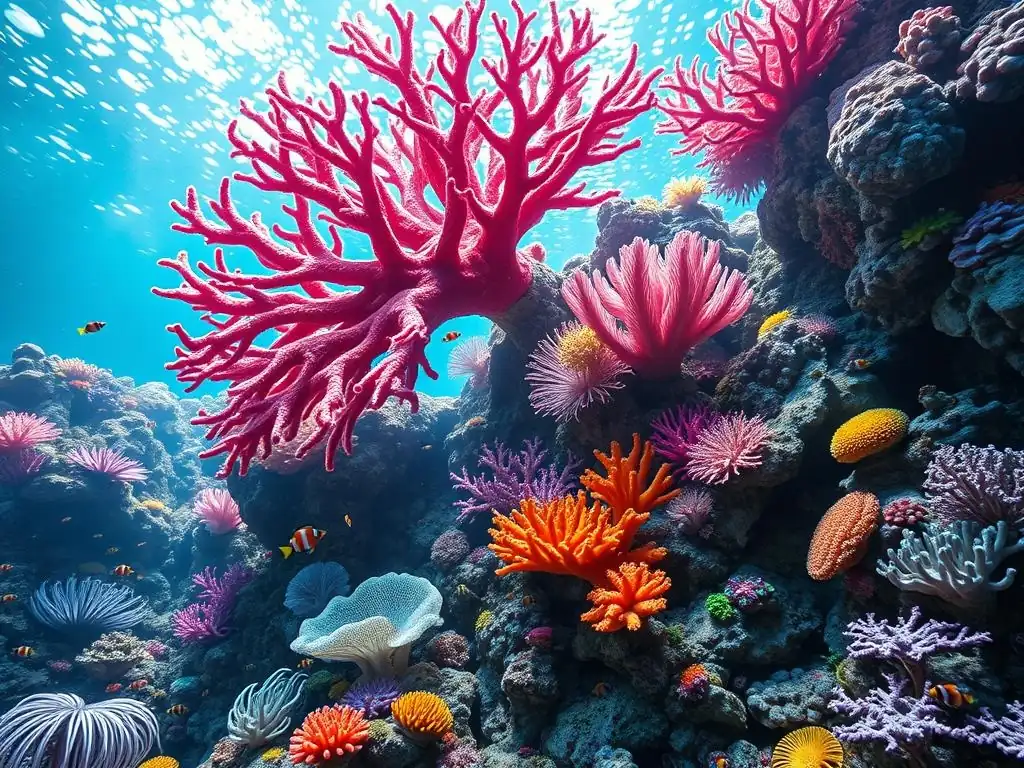
Ever wondered how to unlock the secret to vibrant, thriving corals in your reef tank? Dive deep with us as we uncover the best Coral Food Growth Tips to achieve explosive growth and dazzling polyp extension. This isn't just about feeding; it's about understanding your corals' nutritional needs and creating a buffet they'll absolutely devour. Ready to witness your reef flourish? Let's get started!
- Unlocking Explosive Coral Growth: The Ultimate Guide to Coral Nutrition
-
Top 5 Coral Foods for Rapid Growth and Vibrant Colors: A Comparative Review
- 1. Reef Roids: The SPS Powerhouse for Accelerated Growth
- 2. Benepets Reef Feeds: All-in-One Nutrition for LPS and Soft Corals
- 3. Polyp Lab Reef-Roids: A Concentrated Boost for All Coral Types
- 4. Fauna Marin Ultra LPS Grow and Color: Targeted Nutrition for LPS Beauty
- 5. Brightwell Aquatics CoralAmino: Liquid Amino Acid Supplement for Enhanced Growth
- Optimizing Coral Feeding for Maximum Growth: Pro Tips and Techniques
- Troubleshooting Common Coral Growth Issues: Identifying and Resolving Problems
- Conclusion: Achieve Explosive Coral Growth with Premium Foods and Expert Techniques.
-
Frequently Asked Questions
- What are the best types of coral food for promoting rapid growth?
- How often should I feed my corals to encourage optimal growth and polyp extension?
- What are some signs of overfeeding corals, and how can I prevent it?
- How important is water quality for coral growth, even when using premium coral foods?
- Where can I find more detailed information and specific product recommendations for coral feeding?
- Final Reflection: Cultivating Vibrant Reefs
- Ignite Your Reef: Dive Deeper Now!
Unlocking Explosive Coral Growth: The Ultimate Guide to Coral Nutrition
Achieving vibrant, thriving corals with dazzling polyp extension and rapid growth is a primary goal for many reef aquarists. While light and stable water parameters are foundational, the role of nutrition, specifically premium coral foods, cannot be overstated. Corals, despite their symbiotic relationship with zooxanthellae, require external food sources to supplement their energy needs, especially for calcification and tissue development. Understanding the right balance and type of nutrients is crucial for unlocking their full growth potential.
Proper coral nutrition directly impacts their metabolic processes, enhancing their ability to build skeletal structures and maintain robust, colorful tissue. This comprehensive guide delves into the world of top-rated premium coral foods, offering essential coral food growth tips to help your reef inhabitants flourish. By providing a diverse and targeted diet, you can significantly accelerate growth rates, improve coloration, and ensure the long-term health of your entire coral collection.
Top 5 Coral Foods for Rapid Growth and Vibrant Colors: A Comparative Review
1. Reef Roids: The SPS Powerhouse for Accelerated Growth
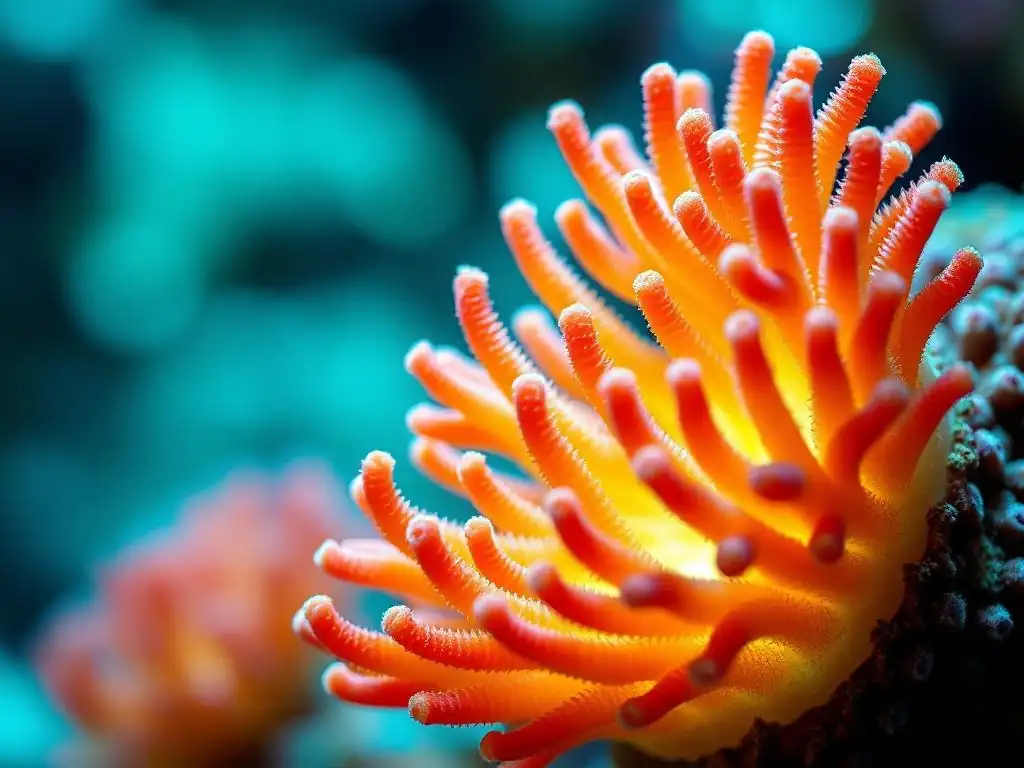
Reef Roids, a finely ground blend of marine planktons, is renowned for its efficacy, particularly with Small Polyp Stony (SPS) corals. This premium food boasts a particle size typically ranging from 150-200 microns, making it ideal for the tiny polyps of Acropora, Montipora, and Stylophora species. Its impressive nutritional profile, often containing around 60% crude protein and 20% lipids, provides a concentrated energy source crucial for high-energy demanding corals. Regular feeding with Reef Roids significantly contributes to robust coral food growth tips by supplying essential amino acids and fatty acids.
Many aquarists observe remarkable improvements in SPS coral health and growth within weeks of consistent Reef Roids application. For instance, Acropora colonies have shown accelerated calcification rates, with some hobbyists reporting a visible increase in branch extension by 15-20% within a few months. This concentrated nutrient delivery leads to denser tissue, enhanced polyp extension even during daylight hours, and more vibrant coloration, making it a staple for those seeking explosive coral food growth tips for their SPS-dominated reef tanks.
2. Benepets Reef Feeds: All-in-One Nutrition for LPS and Soft Corals
Benepets Reef Feeds offers a broader spectrum of nutrition, making it an excellent all-in-one solution for Large Polyp Stony (LPS) and soft corals. This innovative food often incorporates a unique blend that includes beneficial bacteria, diverse particle sizes, and a rich profile of proteins and lipids, typically around 45-50% protein content. Its varied composition caters to the diverse feeding mechanisms of different coral types, from the larger polyps of Euphyllia to the filter-feeding soft corals like Zoanthids.
Consistent use of Benepets Reef Feeds has been shown to significantly enhance the vitality and growth of various LPS and soft corals. For example, Acanthastrea and Blastomussa corals often display improved polyp inflation, tissue health, and more vivid pigmentation within 1-2 months of regular feeding. Soft corals such as Ricordea and Discosoma also show increased proliferation and robust growth, demonstrating the comprehensive coral food growth tips provided by this versatile product. Its ability to support overall coral health contributes to a more resilient and aesthetically pleasing reef environment.
3. Polyp Lab Reef-Roids: A Concentrated Boost for All Coral Types
Polyp Lab Reef-Roids, distinct from the similarly named Pacific Reef Systems product, is a highly concentrated zooplankton-based food designed to provide a powerful nutritional boost for a wide array of coral types. With a fine particle size typically between 150-200 microns, it is readily consumed by both SPS and LPS corals, as well as many soft corals. This product is celebrated for its high palatability and rich nutrient density, ensuring that corals receive essential building blocks for growth and vitality.
The impact of Polyp Lab Reef-Roids on coral health is often quickly apparent, with many aquarists noting a significant increase in polyp extension and feeding response across their entire coral collection. For instance, both Montipora and Goniopora corals can exhibit enhanced tissue density and more saturated colors within 3-4 weeks of regular application. This consistent nutrient delivery helps to prevent common deficiencies and supports rapid tissue repair and growth, making it an invaluable tool for achieving optimal coral food growth tips and overall reef vibrancy.
4. Fauna Marin Ultra LPS Grow and Color: Targeted Nutrition for LPS Beauty
Fauna Marin Ultra LPS Grow and Color is a specialized food meticulously formulated to meet the unique nutritional demands of Large Polyp Stony (LPS) corals. Available often in a granular or pellet form, this product is rich in vital amino acids, vitamins, and trace elements, with a protein content often exceeding 55%. Its targeted composition is designed to promote not only accelerated growth but also intensified coloration, directly addressing the needs of corals such as Scolymia, Chalice, and Favia.
Aquarists utilizing Fauna Marin Ultra LPS Grow and Color frequently report dramatic improvements in their LPS corals. For example, Scolymia can display a noticeable increase in growth rate, sometimes up to 10-15% faster, and a remarkable enhancement in color vibrancy within 6-8 weeks of consistent feeding. This specialized diet ensures that LPS corals receive the precise nutrients required for robust skeletal development and the production of vibrant pigments, making it a top choice for dedicated coral food growth tips focused on LPS beauty.
5. Brightwell Aquatics CoralAmino: Liquid Amino Acid Supplement for Enhanced Growth
Brightwell Aquatics CoralAmino is a liquid supplement primarily composed of essential amino acids, along with select vitamins and trace elements. Unlike particulate foods, CoralAmino is designed for direct absorption by corals, serving as fundamental building blocks for protein synthesis and tissue regeneration. Its liquid form allows for easy, precise dosing, making it an excellent complement to solid foods and an effective way to provide comprehensive coral food growth tips.
This supplement benefits all coral types by enhancing their metabolic processes and aiding in recovery from environmental stress. Many aquarists observe improved overall vitality, better color retention, and more consistent growth even in Ultra Low Nutrient Systems (ULNS) where traditional food sources might be scarce. For instance, corals recovering from fragging or minor tissue damage often show significantly faster repair rates and more consistent polyp extension within 2-3 weeks of incorporating amino acid supplements, highlighting their role in sustained coral food growth tips.
Optimizing Coral Feeding for Maximum Growth: Pro Tips and Techniques
Understanding Coral Feeding Needs: Matching Food to Coral Type
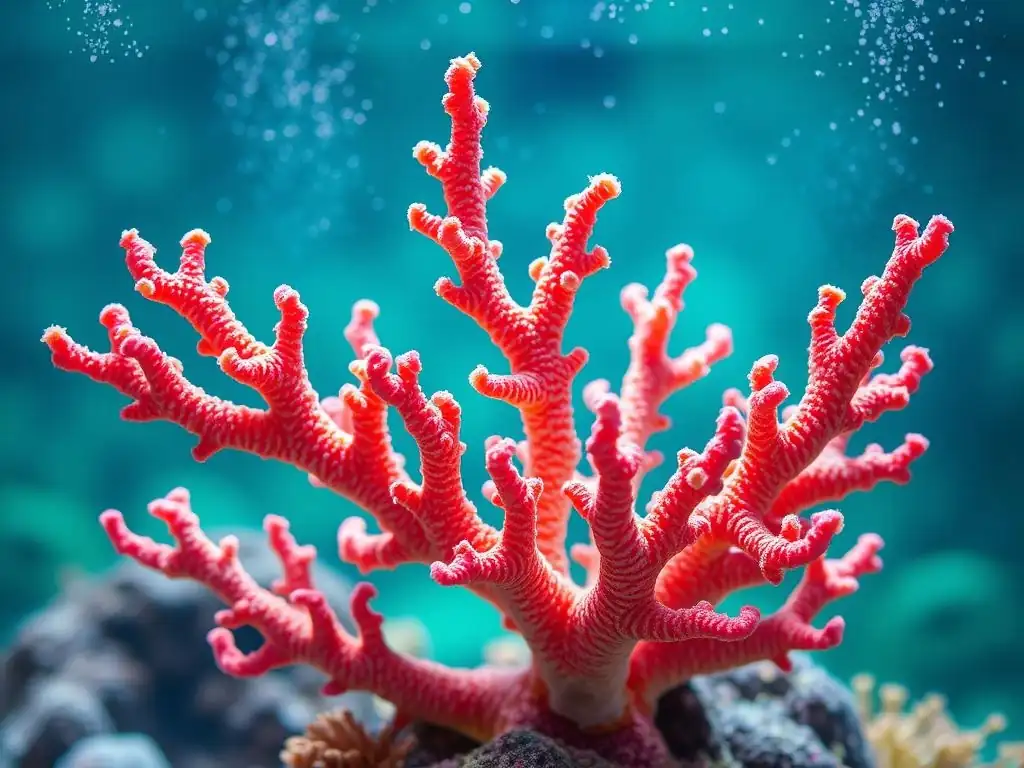
Optimizing coral growth begins with a deep understanding of each coral's unique feeding mechanisms and nutritional requirements. While all corals rely on zooxanthellae for a portion of their energy, their heterotrophic feeding capabilities vary widely. Small Polyp Stony (SPS) corals, such as Acropora and Montipora, primarily capture microscopic plankton and dissolved organic matter with their tiny polyps, typically requiring food particles in the 50-200 micron range. Conversely, Large Polyp Stony (LPS) corals like Euphyllia and Dendrophyllia possess larger polyps and often a more pronounced feeding response, capable of consuming larger meaty foods, sometimes up to several millimeters in size.
Soft corals, including Zoanthids and Discosoma, exhibit a range of feeding strategies, from absorbing dissolved nutrients to capturing small particulate matter. Providing the right type and size of food ensures efficient uptake and minimizes waste, which is a key aspect of effective coral food growth tips. For example, tailoring food particle size to match the coral's polyp size can improve nutrient absorption efficiency by up to 30%, directly translating to better growth and health outcomes.
Target Feeding vs. Broadcast Feeding: Which Method is Best?
The method of food delivery significantly impacts how effectively corals receive nutrients. Target feeding involves directly applying food to individual coral polyps or colonies using a pipette or baster. This method is highly efficient for larger-polyped LPS corals such as Scolymia or Blastomussa, ensuring they receive a substantial meal without excessive nutrient release into the water column. It allows for precise control over who gets fed, making it an excellent strategy for boosting specific coral food growth tips.
Broadcast feeding, on the other hand, involves dispersing food into the water column, mimicking natural plankton blooms. This method is more suitable for SPS corals with numerous small polyps, soft corals that absorb dissolved organics, and any corals that rely on passive filter feeding. While it can lead to higher nutrient levels in the tank if overdone, broadcast feeding ensures that all corals, even those with less pronounced feeding responses, have access to sustenance.
For a balanced reef, a combination of both methods often yields the best results, with target feeding for specific hungry corals and broadcast feeding to provide a general nutrient boost for the entire ecosystem. Studies suggest target feeding can increase food uptake by up to 70% for specific corals compared to broadcast methods, when done correctly.
Maintaining Optimal Water Parameters: The Key to Coral Health and Growth
Even the most premium coral foods will not yield optimal results if fundamental water parameters are unstable or out of balance. Corals require consistent and appropriate levels of alkalinity (typically 8-12 dKH), calcium (400-450 ppm), and magnesium (1250-1350 ppm) for calcification and skeletal growth. These parameters are the building blocks of their structure, and fluctuations can severely impede their ability to grow, regardless of feeding. A stable salinity (1.025-1.026 specific gravity) and temperature (76-78°F or 24.5-25.5°C) are equally crucial for metabolic stability.
Inconsistent alkalinity, for instance, can reduce coral calcification rates by 10-20%, while persistently low calcium levels can stunt growth entirely. Furthermore, elevated levels of nitrates (above 10 ppm) and phosphates (above 0.05 ppm) can inhibit coral growth and promote nuisance algae, which competes with corals for light and space. Regular testing, ideally weekly or bi-weekly, coupled with precise dosing or water changes, is paramount. Maintaining these parameters within their optimal ranges creates an environment where corals can efficiently utilize the nutrients from their food, leading to sustained coral food growth tips and overall reef resilience.
Troubleshooting Common Coral Growth Issues: Identifying and Resolving Problems
Identifying Nutrient Deficiencies: Recognizing the Signs
Recognizing the signs of nutrient deficiencies in corals is crucial for timely intervention and maintaining healthy coral food growth tips. Common indicators include pale coloration, often appearing as a bleached or washed-out look, which can signal a loss of zooxanthellae due to a lack of essential elements like nitrogen and phosphorus.
Other signs include slow or completely stunted growth, retracted polyps that do not extend even during feeding times, and thin, receding tissue, particularly around the base of the coral. These symptoms are direct signals that the coral is not receiving adequate nutrition or that its symbiotic algae are struggling.
Addressing nutrient deficiencies requires a careful assessment of water parameters and feeding practices. In Ultra Low Nutrient Systems (ULNS), where nitrates might be below 0.2 ppm and phosphates below 0.01 ppm, corals can literally starve, leading to paleness and stunted growth. In such cases, a slight increase in feeding frequency or the targeted dosing of nitrate and phosphate solutions (e.g., via commercial products designed for reef tanks) can be beneficial.
Conversely, if nutrient levels are too high, it can also stress corals and lead to algae overgrowth. Regularly monitoring these parameters and adjusting your feeding regimen or nutrient export methods is vital for ensuring your corals receive the balanced diet necessary for thriving coral food growth tips.
Addressing Algae Overgrowth: Preventing and Controlling Algae
Algae overgrowth is a pervasive issue in reef tanks that directly compromises coral health and inhibits growth. Nuisance algae competes with corals for light, nutrients, and physical space, often smothering them and preventing polyp extension. This problem typically arises from elevated nutrient levels, particularly nitrates exceeding 10 ppm and phosphates above 0.1 ppm, often due to overfeeding, insufficient water changes, or inadequate filtration. Addressing algae is a critical component of effective coral food growth tips.
To combat algae, implement robust nutrient export strategies. Regular water changes, typically 10-20% bi-weekly, help dilute accumulated nutrients. Enhance your protein skimming efficiency, as a well-tuned skimmer removes organic waste before it breaks down into nitrates and phosphates. Utilizing phosphate-removing media, such as Granular Ferric Oxide (GFO), can effectively strip phosphates from the water column.
Introducing a diverse clean-up crew, including various species of snails (e.g., Trochus, Nassarius) and hermit crabs, can provide biological control. Avoiding overfeeding and ensuring proper flow and lighting schedules are also essential preventative measures. By controlling algae, you free up vital resources for your corals, promoting their explosive growth and vibrant health.
Frequently Asked Questions
What are the best types of coral food for promoting rapid growth?
The best coral foods typically include a mix of phytoplankton, zooplankton, and amino acids. Look for formulas specifically designed for the types of corals you keep, considering their feeding habits and nutritional needs.
How often should I feed my corals to encourage optimal growth and polyp extension?
Feeding frequency depends on the coral species, but generally, feeding 2-3 times per week is recommended. Observe your corals closely and adjust the feeding schedule based on their response and polyp extension.
What are some signs of overfeeding corals, and how can I prevent it?
Signs of overfeeding include algae blooms, elevated nutrient levels (nitrates and phosphates), and cloudy water. Prevent overfeeding by using appropriate food amounts and performing regular water changes.
Water quality is crucial for coral health and growth, regardless of the food used. Maintaining stable parameters like alkalinity, calcium, and magnesium is essential for corals to effectively utilize the nutrients from their food.
Where can I find more detailed information and specific product recommendations for coral feeding?
AquariumMastery.com offers detailed guidance on coral care, including specific product recommendations based on coral type and tank setup. Check the site for articles on coral nutrition and feeding strategies.
Final Reflection: Cultivating Vibrant Reefs
The journey through understanding the nuances of coral nutrition, as explored in this article, underscores the critical role of premium coral foods in fostering healthy and vibrant reef ecosystems. What began as a quest for "coral food growth tips" reveals a deeper understanding of the delicate balance required to support these underwater wonders in our aquariums, mirroring the challenges faced in preserving their natural habitats.
This exploration has not only highlighted the importance of selecting the right foods but also emphasized the responsibility we bear as aquarists to replicate, as closely as possible, the natural conditions that allow corals to thrive. In the end, we will conserve only what we love; we will love only what we understand; and we will understand only what we are taught.
- Baba Dioum. This quote resonates deeply, reminding us that true appreciation and conservation stem from a thorough understanding of the needs of these incredible organisms.
As you consider the insights shared, I encourage you to reflect on your own approach to coral care. Are you providing your corals with the nutritional foundation they need to flourish? Let this knowledge empower you to make informed decisions, cultivate thriving reef ecosystems within your own aquariums, and contribute, in your own way, to the broader effort of coral reef conservation.
Ignite Your Reef: Dive Deeper Now!
Thanks for exploring the world of premium coral foods with us! We hope you've uncovered some valuable insights to supercharge your reef tank's growth and vibrancy. Now, let's put that knowledge into action and witness the magic unfold!
Here are a few things you can do right now:
- Start experimenting! Introduce a new, high-quality coral food to your reef and carefully observe the polyps' reaction and growth over the next few weeks. Document your findings!
- Share your newfound knowledge! Post a picture of your thriving corals on social media, tag Aquarium Mastery, and let the world see the difference premium food makes.
- Delve deeper into the world of reef keeping. Research alternative coral feeding methods, lighting schedules, and flow patterns for a holistic approach to coral husbandry.
What small change are you going to make to your coral feeding strategy this week, and how do you expect it to impact your reef?