
The Essential Molly Fish Care Sheet: Tank, Food, and Health

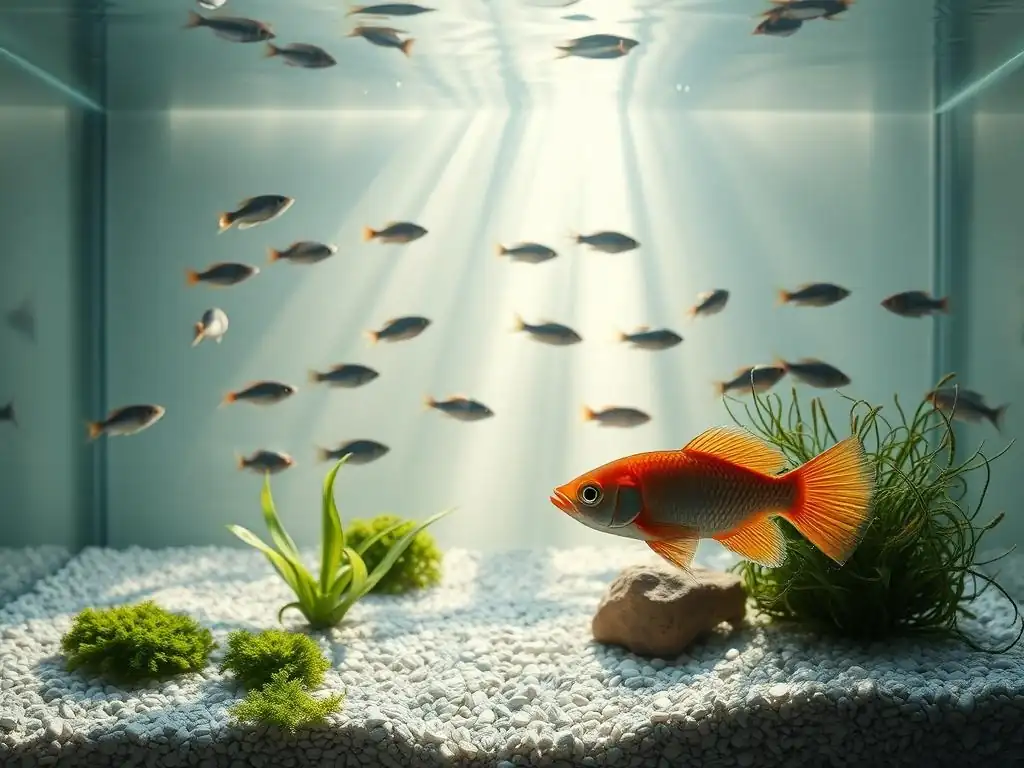
Welcome to Aquarium Mastery, where your aquatic dreams become reality! Ever wondered if you're truly giving your Molly fish everything they need to thrive? Dive into our essential guide and unlock the secrets to a happy, healthy, and vibrant Molly fish community. Prepare to be amazed by what you'll discover!
- Understanding Molly Fish: A Comprehensive Care Guide
- Molly Fish Tank Setup: Creating the Ideal Habitat
- Molly Fish Food and Feeding: Ensuring Proper Nutrition
- Molly Fish Health: Preventing and Treating Common Diseases
- Molly Fish Breeding: Understanding Reproduction
- Choosing Molly Fish Tank Mates
- Troubleshooting Common Molly Fish Problems
- Conclusion: Mastering Molly Fish Care for a Thriving Aquarium
- Frequently Asked Questions
- Final Reflection: Embracing the Simplicity of Molly Fish Care
- Ignite Your Molly Magic!
Understanding Molly Fish: A Comprehensive Care Guide
Introduction to Mollies: Popular Livebearers for Beginners
Molly fish, members of the Poecilia genus, are incredibly popular freshwater livebearers, particularly favored by beginner aquarists due to their general hardiness and adaptability. Originating from Central and South America, these active and colorful fish are known for their lively personalities and ability to thrive in a range of water conditions, though specific parameters are ideal for their long-term health. They typically grow to an adult size of 2 to 4 inches, making them suitable for many community tank setups.
Their live-bearing nature means they give birth to fully formed, free-swimming fry rather than laying eggs, which can be a fascinating experience for hobbyists. This characteristic, combined with their relatively peaceful temperament and diverse appearances, solidifies their position as a cornerstone species in the aquarium trade. Understanding the fundamental Molly fish care basics is crucial for ensuring these vibrant fish flourish in a home aquarium environment.
Different Types of Molly Fish: Identifying Common Varieties
Molly fish exhibit a remarkable diversity in color, fin shape, and body type, largely due to selective breeding. While all share similar core care requirements, their unique appearances make identifying common varieties an engaging part of the hobby. From the classic Black Molly to the distinctive Balloon Molly, each type offers a unique aesthetic to the freshwater aquarium.
Beyond aesthetics, some varieties may have specific sensitivities or needs related to their body shape or fin structure, which are important considerations for comprehensive Molly fish care. Recognizing these distinctions helps aquarists provide tailored environments that cater to the subtle differences among the various molly types.
Black Molly: Care and Characteristics
The Black Molly is perhaps the most iconic and instantly recognizable variety, celebrated for its striking, velvety black coloration that covers its entire body and fins. This deep pigmentation makes them stand out vividly against green plants or light-colored substrates in an aquarium. Their robust nature and consistent coloration contribute to their widespread popularity among aquarists of all experience levels.
Caring for Black Mollies aligns closely with general Molly fish care basics, requiring stable water parameters and a varied diet. They are active swimmers and generally peaceful, making them excellent additions to community tanks. Their hardiness makes them a forgiving choice for those new to keeping livebearers, as they can adapt to slight variations in water chemistry more readily than some other fish species.
Dalmatian Molly: A Spotted Beauty
The Dalmatian Molly is distinguished by its white or silver body adorned with irregular black spots, reminiscent of the dog breed from which it derives its name. The pattern and intensity of these spots can vary significantly from fish to fish, adding a unique visual appeal to each individual. This coloration is a result of specific genetic traits that produce the mottled appearance.
These mollies share the same active swimming habits and general temperament as other Molly varieties. Their spotted appearance provides a dynamic contrast in a planted aquarium, making them a popular choice for aquarists looking to add visual interest. Providing consistent Molly fish care, including clean water and a balanced diet, will ensure their spots remain vibrant and their health robust.
Balloon Molly: Unique Body Shape and Needs
The Balloon Molly possesses a distinct, rounded body shape, a result of a genetic mutation that causes a shortened spine and compressed body. This unique silhouette gives them a charming, almost comical appearance. While popular, it's worth noting that this body shape can sometimes lead to compromised internal organ function and swimming ability, making them slightly more sensitive than their conventionally shaped counterparts.
Due to their body structure, Balloon Mollies may be more prone to digestive issues or swim bladder problems. Therefore, providing pristine water conditions, a high-quality diet rich in vegetable matter, and a calm environment with minimal current is crucial for their well-being. Attentive Molly fish care for this variety means ensuring stable parameters and observing them closely for any signs of discomfort or difficulty swimming.
Lyretail Molly: Elegant Fin Variations
The Lyretail Molly is characterized by its elegantly elongated and flowing caudal (tail) fin, which splits into two distinct, graceful lobes, resembling a lyre. This unique finnage can be found on mollies of various body colors, including black, gold, and dalmatian, combining the beauty of their body coloration with exquisite fin development. The extended fins add a dramatic flair to their appearance as they glide through the water.
While visually stunning, the elongated fins of Lyretail Mollies can sometimes make them a target for fin-nipping tank mates. Therefore, careful consideration of companion species is essential to prevent injury to their delicate fins. Providing ample swimming space and ensuring excellent water quality helps maintain the health and integrity of their beautiful fins, which is a key aspect of their specialized Molly fish care.
Molly Fish Tank Setup: Creating the Ideal Habitat
Choosing the Right Aquarium Size for Mollies
Selecting an appropriately sized aquarium is fundamental to successful Molly fish care. While a single molly might temporarily survive in a 5-gallon tank, this size is far too small for their active nature and waste production. A larger tank provides more stable water parameters, reduces stress, and allows for natural behaviors.
For a small group of mollies, which is highly recommended as they are social fish, a minimum of 20 gallons is advisable. A 20-gallon long tank (30 inches in length) offers better swimming space than a standard 20-gallon high. For a thriving community with several mollies and compatible tank mates, a 30-gallon or larger aquarium offers superior stability and environmental enrichment, significantly contributing to the overall quality of Molly fish care.
Minimum Tank Size Recommendations for Molly Fish
For a trio of Mollies (one male and two females to balance aggression and breeding), a 10-gallon aquarium is often cited as the absolute minimum. However, this size leaves very little room for error in water quality and can quickly become overstocked, especially if breeding occurs. For optimal Molly fish care basics, a 20-gallon tank is a much more practical starting point for a small group of 3-5 mollies, providing approximately 480 square inches of surface area.
A 20-gallon tank allows for more consistent water parameters, better oxygen exchange, and adequate swimming space for these active fish. For larger varieties or groups, a 30-gallon or even 40-gallon breeder tank (which offers a larger footprint) is ideal, accommodating 6-8 mollies comfortably and providing the necessary volume to dilute waste products effectively, thereby reducing stress and disease susceptibility.
Overcrowding Risks and Prevention
Overcrowding is one of the most common pitfalls in aquarium keeping and poses significant risks to Molly fish health. An overcrowded tank rapidly accumulates waste products like ammonia and nitrite, leading to toxic water conditions that severely compromise fish immune systems and can result in death. For instance, putting six adult mollies, which can reach 3-4 inches each, into a 10-gallon tank will quickly overwhelm its biological filtration capacity, leading to dangerously high nitrate levels within days, even with regular water changes.
Prevention involves careful planning of stocking levels based on adult fish size and waste production, not just initial fry size. For livebearers like mollies, managing population growth through rehoming excess fry or considering natural predation in a larger, well-established community tank is essential. Regular monitoring of water parameters with a reliable test kit also helps detect early signs of an overloaded biological filter, signaling the need for intervention to maintain proper Molly fish care.
Essential Aquarium Equipment for Molly Fish
Beyond the tank itself, several pieces of equipment are indispensable for maintaining the stable and healthy environment that Molly fish require. These tools work in concert to ensure optimal water quality, temperature, and overall habitat suitability. Investing in reliable equipment from the outset minimizes future problems and supports the long-term success of Molly fish care.
The right filtration, heating, and lighting systems are not just conveniences but necessities. They replicate the environmental conditions that allow mollies to thrive, preventing stress and making them less susceptible to common aquarium ailments. Each component plays a specific role in creating a balanced and life-sustaining ecosystem within the confines of the aquarium.
Aquarium Filter: Maintaining Water Quality for Mollies
A robust filtration system is paramount for maintaining the pristine water quality essential for Molly fish care. A good filter performs three crucial functions: mechanical filtration (removing particulate matter), chemical filtration (removing dissolved impurities and odors, often with activated carbon), and biological filtration (converting toxic ammonia and nitrite into less harmful nitrate). Hang-on-back (HOB) filters are popular for smaller to medium tanks (up to 50 gallons) due to their efficiency and ease of maintenance, while canister filters are excellent for larger setups, offering superior media capacity and flow.
For instance, a good HOB filter rated for a 20-30 gallon tank will typically process 100-150 gallons per hour (GPH), turning over the tank's volume 5-7 times an hour. This ensures continuous removal of fish waste and uneaten food, preventing the buildup of harmful compounds. Regular cleaning or replacement of filter media (e.g., rinsing mechanical sponges weekly, replacing carbon monthly) is vital to keep the filter operating at peak efficiency and supporting the biological filter, which is the cornerstone of healthy Molly fish care basics.
Heater: Providing Stable Water Temperature
Molly fish are tropical fish and require a stable water temperature within their ideal range to thrive. An adjustable aquarium heater is therefore an essential piece of equipment. Sudden temperature fluctuations can severely stress mollies, weaken their immune systems, and make them highly susceptible to common diseases like Ich. A general guideline is to have 5 watts of heating power per gallon of tank water; thus, a 20-gallon tank would typically require a 100-watt heater.
It is crucial to pair the heater with a reliable aquarium thermometer to monitor the water temperature accurately. While mollies can tolerate a range, maintaining it consistently within 72-82°F (22-28°C) is ideal. Placing the heater near a water flow source (like the filter output) helps distribute heat evenly throughout the tank, preventing cold spots and ensuring a comfortable environment for all inhabitants, which is a key element of effective Molly fish care.
Lighting: Encouraging Algae Growth (Optional)
While Molly fish do not have specific lighting requirements beyond what is needed for visual observation, standard aquarium lighting is beneficial for their overall environment. A typical photoperiod of 8-10 hours per day is sufficient. This cycle helps regulate the fish's natural day-night rhythm and can prevent stress.
Beyond simply viewing the fish, appropriate lighting can also encourage the growth of beneficial algae, which mollies will readily graze on, supplementing their diet with valuable plant matter. For aquariums with live plants, lighting becomes even more critical, as different plant species have varying light intensity and spectrum needs. Even if not strictly necessary for the fish themselves, a well-lit tank enhances the aesthetic appeal and contributes to a more natural and thriving ecosystem, supporting holistic Molly fish care.
Substrate: Choosing the Right Gravel or Sand
The choice of substrate for a Molly fish tank impacts both aesthetics and water chemistry. Fine gravel (2-3 mm diameter) or aquarium sand are generally suitable options. Mollies prefer slightly alkaline water, so it's important to avoid substrates that significantly lower pH, such as certain types of active plant substrates designed for acidic water. Smooth, non-abrasive materials are preferred to prevent injury to the fish, especially if they are bottom-feeders or if you plan to include corydoras catfish as tank mates.
A substrate depth of 1-2 inches is usually sufficient for easy cleaning and for rooting live plants if desired. Substrate also provides a large surface area for beneficial nitrifying bacteria to colonize, contributing to the biological filtration of the tank. For example, a 20-gallon tank might require approximately 15-20 pounds of gravel to achieve a 1.5-inch depth. Selecting a substrate that complements the mollies' colors can also enhance their visual appeal, rounding out the aesthetic considerations for Molly fish care.
Water Parameters for Healthy Mollies
Maintaining precise and stable water parameters is arguably the single most critical aspect of Molly fish care. Mollies, particularly domesticated varieties, thrive within specific ranges of temperature, pH, and hardness. Deviations from these ideal conditions can quickly lead to stress, weakened immune systems, and susceptibility to a host of diseases. Regular water testing is not just a recommendation but a necessity to monitor these parameters and ensure the well-being of your fish.
Understanding the role of each parameter – temperature for metabolic rate, pH for chemical balance, and hardness for mineral content – allows aquarists to proactively adjust their water to create an environment where mollies can truly flourish. Consistency is often more important than hitting an exact number, as sudden fluctuations can be more detrimental than slightly off but stable readings.
Ideal Water Temperature for Molly Fish
Molly fish are tropical species and thrive in warm, stable water temperatures. The ideal range for most Molly varieties is between 72°F and 82°F (22°C to 28°C). Maintaining a consistent temperature within this range is crucial, as sudden drops or spikes can be highly stressful for the fish, compromising their immune systems and making them vulnerable to common ailments like Ich. For instance, a temperature fluctuation of more than 3-4 degrees Fahrenheit within a few hours can significantly impact their health.
Using a reliable, properly sized heater and an accurate thermometer is essential to ensure this stability. Heaters should be placed where water flow can distribute warmth evenly throughout the tank. Keeping the temperature consistently at the higher end of the range, around 78-80°F (25.5-26.5°C), can also help boost their metabolism and activity levels, contributing to robust Molly fish care.
pH Levels: Maintaining Optimal Water Chemistry
Molly fish prefer slightly alkaline water, with an ideal pH range of 7.0 to 8.0, though some wild-type mollies and their domesticated descendants can tolerate pH levels up to 8.5, reflecting their natural habitat in brackish or hard freshwater. Consistency in pH is more critical than hitting an exact number; rapid swings in pH can be extremely detrimental and cause severe stress to fish. For example, a sudden drop from pH 7.5 to 6.5 can be fatal.
Regularly testing the pH with a reliable liquid test kit is a fundamental aspect of Molly fish care basics. If your tap water is naturally soft and acidic, you might need to use pH buffers or add crushed coral or aragonite to the substrate to gradually raise and stabilize the pH. These materials slowly dissolve, releasing carbonates and bicarbonates that buffer the water, helping to maintain the desired alkaline conditions.
Water Hardness: Understanding GH and KH
Water hardness, specifically General Hardness (GH) and Carbonate Hardness (KH), plays a significant role in Molly fish health. Mollies naturally inhabit hard water environments, and they thrive when GH is between 10-25 dGH (degrees of General Hardness, equivalent to 170-425 ppm) and KH is between 10-15 dKH (degrees of Carbonate Hardness, equivalent to 180-270 ppm). GH measures the concentration of dissolved mineral ions like calcium and magnesium, which are vital for osmoregulation and bone development.
KH, or alkalinity, is crucial as it acts as a buffer against pH fluctuations, preventing dangerous pH crashes. Low KH can lead to unstable pH, causing stress and health issues like "shimmying," where the fish shivers in place. If your tap water is soft, adding aquarium-specific mineral supplements, crushed coral, or aragonite to the filter or substrate can help increase and stabilize both GH and KH, providing the necessary mineral content for optimal Molly fish care.
Decorating the Molly Fish Tank: Plants and Hiding Places
Decorating a Molly fish tank isn't just about aesthetics; it's about creating a functional and enriching environment that supports their natural behaviors and well-being. Live plants, driftwood, and rocks provide essential hiding places, reduce stress, and contribute to the overall health of the aquarium ecosystem. A well-decorated tank mimics their natural habitat and helps mollies feel secure.
Strategic placement of decor can also help break up lines of sight, which is particularly useful in tanks with multiple males or when dealing with prolific breeding, as it allows less dominant fish or fry to escape potential aggression. This thoughtful approach to tank setup is an integral part of comprehensive Molly fish care.
Live Plants for Molly Tanks: Benefits and Recommendations
Live plants offer numerous benefits for Molly fish tanks, acting as natural filters by absorbing nitrates, oxygenating the water through photosynthesis, and providing essential hiding spots and grazing surfaces for the fish. For mollies, which are omnivores with a significant herbivorous component, softer-leaved plants can even become a snack. Therefore, hardy, fast-growing plants are often recommended.
Excellent choices include Anubias species, Java Fern ( Microsorum pteropus), Hornwort ( Ceratophyllum demersum), and various types of Vallisneria (e.g., Jungle Val, Corkscrew Val). These plants are robust, adaptable to a range of water conditions, and provide dense cover, which is especially beneficial for pregnant females and molly fry seeking refuge from adult fish. A well-planted tank contributes significantly to the overall stability and health of the aquarium, enhancing Molly fish care basics.
Driftwood and Rocks: Creating Natural Hiding Spots
Driftwood and smooth, inert rocks are excellent additions to a Molly fish tank, providing naturalistic aesthetics and crucial functional benefits. These elements create numerous nooks, crannies, and caves that serve as essential hiding spots for mollies. Hiding spots reduce stress by allowing fish to retreat when they feel threatened, during breeding, or when resting. For example, a piece of Mopani wood might offer several small crevices ideal for a shy molly or a new female seeking shelter.
Beyond shelter, driftwood can also release beneficial tannins into the water, which can slightly lower pH (though mollies prefer higher pH, small amounts are usually fine) and provide antibacterial properties. Ensure any driftwood is thoroughly soaked and cleaned before adding it to the tank to prevent excessive discoloration of the water. Rocks should be smooth and non-calcareous (unless you want to increase hardness and pH), such as granite or basalt, to avoid altering water chemistry undesirably. These decor items enrich the environment, making it more stimulating and secure for your mollies, a vital aspect of comprehensive Molly fish care.
Molly Fish Food and Feeding: Ensuring Proper Nutrition
Proper nutrition is a cornerstone of Molly fish care, directly impacting their health, coloration, and longevity. Mollies are omnivores, meaning their diet should consist of both plant-based and protein-rich foods. A varied diet not only ensures they receive all necessary nutrients but also mimics their natural foraging behaviors, keeping them engaged and healthy.
Feeding practices, including frequency and portion control, are just as important as the type of food offered. Overfeeding is a common mistake that can lead to significant water quality issues and fish health problems, making a balanced approach to feeding essential for optimal Molly fish care.
What Do Mollies Eat? A Varied Diet is Key
Mollies are omnivores with a strong preference for plant matter, making a varied diet crucial for their health. While they will readily accept many types of food, a balanced nutritional intake is key to promoting vibrant colors, strong immune systems, and overall longevity. Simply feeding one type of food will lead to deficiencies over time.
A comprehensive diet for mollies should include high-quality flakes as a staple, supplemented with algae wafers or spirulina, and occasional treats of live or frozen protein-rich foods. This variety ensures they receive a full spectrum of vitamins, minerals, and macronutrients necessary for robust growth and disease resistance, forming the core of effective Molly fish care basics.
High-Quality Flake Food: The Foundation of a Molly's Diet
High-quality flake food should form the foundation of a molly's daily diet. Look for flakes specifically formulated for omnivorous fish or livebearers, which typically contain a balanced blend of animal protein (like fish meal or shrimp meal) and vegetable matter (such as spirulina or algae). A good flake food should list fish meal or krill as one of the first ingredients, alongside various vitamins (e.g., Vitamin C for immune support) and minerals.
Avoid generic, low-quality flakes that contain excessive fillers or artificial colors, as these offer little nutritional value. For instance, a reputable brand's flake food might contain 38-45% crude protein, 5-8% crude fat, and a significant percentage of plant-based ingredients. Feeding a premium flake ensures mollies receive essential amino acids and fatty acids necessary for growth and energy, which is a key component of foundational Molly fish care.
Algae Wafers: Supplementing with Plant Matter
Given their omnivorous nature with a significant herbivorous component, supplementing a molly's diet with plant-based foods like algae wafers or spirulina flakes is highly beneficial. Mollies naturally graze on algae in their environment, and providing these supplements ensures they receive adequate fiber and plant nutrients, which aids digestion and prevents issues like constipation. For example, offering a small piece of an algae wafer once or twice a week provides a concentrated source of vegetable matter.
These plant-based foods also help deter mollies from nipping at softer-leaved live plants in the aquarium, satisfying their natural urge to graze. Spirulina, in particular, is rich in vitamins, minerals, and antioxidants, contributing to enhanced coloration and a stronger immune system. Regular inclusion of plant matter is a critical aspect of balanced Molly fish care.
Live and Frozen Foods: Treats for Mollies (Brine Shrimp, Bloodworms)
Live and frozen foods serve as excellent occasional treats for mollies, providing high protein content, enriching their diet, and stimulating their natural hunting instincts. Popular choices include brine shrimp, bloodworms, daphnia, and mosquito larvae. For instance, feeding a small portion of frozen bloodworms once or twice a week can significantly boost their protein intake and improve their overall vigor and color.
When feeding frozen foods, it is crucial to thaw them thoroughly in a small amount of tank water before adding them to the aquarium to prevent digestive upset. Live foods, while highly nutritious, carry a small risk of introducing parasites or diseases, so sourcing them from reputable suppliers is important. These supplements should be given sparingly, as too much protein can lead to digestive issues or obesity, emphasizing the importance of moderation in Molly fish care.
Feeding Frequency and Portion Control for Mollies
Effective feeding practices involve not just what you feed, but also how much and how often. Mollies have small stomachs and a relatively fast metabolism, making frequent, small meals more beneficial than one large meal. Overfeeding is a common cause of poor water quality and health problems, highlighting the importance of portion control in Molly fish care.
By adhering to a consistent feeding schedule and observing how quickly your fish consume their food, you can fine-tune their diet to meet their needs without polluting the tank environment. This disciplined approach ensures both the fish's health and the aquarium's stability.
How Often to Feed Molly Fish
For adult mollies, feeding small amounts 2 to 3 times a day is generally recommended. This approach mimics their natural grazing behavior and ensures they receive a consistent supply of nutrients throughout the day without overwhelming their digestive system or polluting the water with uneaten food. For instance, feeding a pinch of flakes in the morning, another at midday, and a final small portion in the evening works well.
Consistency in feeding times can also help establish a routine that reduces stress for the fish. Young molly fry, due to their rapid growth rate, may require even more frequent feedings, up to 4-5 times a day, but in extremely tiny portions. Adjusting feeding frequency based on the fish's age and activity level is a key aspect of attentive Molly fish care.
Avoiding Overfeeding: Signs and Consequences
Overfeeding is a prevalent issue in aquarium keeping and has severe consequences for both Molly fish and their environment. Signs of overfeeding include uneaten food accumulating on the substrate, cloudy water, and an increase in algae growth. The immediate consequence is a rapid deterioration of water quality due to decaying organic matter, leading to spikes in ammonia and nitrite, which are highly toxic. For example, leaving a teaspoon of uneaten flakes in a 20-gallon tank can cause ammonia levels to jump from 0 ppm to 0.5 ppm within hours.
Long-term, overfeeding can lead to obesity in fish, digestive problems, and a weakened immune system, making them more susceptible to diseases like Dropsy or Swim Bladder Disorder. To avoid this, feed only what your mollies can consume entirely within 2-3 minutes. If food remains after this time, reduce the portion size at the next feeding. This strict adherence to portion control is a fundamental aspect of responsible Molly fish care basics.
Molly Fish Health: Preventing and Treating Common Diseases
Maintaining the health of Molly fish is a primary concern for any aquarist. While mollies are generally hardy, they are not immune to common aquarium diseases, especially if their environment is not optimally maintained. Recognizing the early signs of illness and understanding appropriate treatment strategies are crucial for successful recovery.
However, prevention is always better than cure. Proactive Molly fish care, centered on stable water parameters, proper nutrition, and minimizing stress, significantly reduces the likelihood of disease outbreaks. A vigilant approach to tank maintenance and fish observation forms the backbone of a healthy aquarium.
Recognizing Signs of Illness in Molly Fish
Early detection of illness in Molly fish is paramount for successful treatment and preventing disease spread. Fish can hide symptoms well, so daily observation of their behavior and physical appearance is essential. Understanding the common ailments that affect mollies and their tell-tale signs allows aquarists to intervene promptly.
Changes in swimming patterns, appetite, or the appearance of their skin and fins are critical indicators. A proactive approach to observation can often mean the difference between a minor issue and a widespread tank epidemic, underscoring the importance of vigilance in Molly fish care.
Common Molly Fish Diseases: Identification and Symptoms (Ich, Fin Rot)
Molly fish, like all aquarium inhabitants, are susceptible to various diseases, particularly when stressed by poor water quality or improper care. Two of the most common are Ich and Fin Rot. Ich ( Ichthyophthirius multifiliis), also known as White Spot Disease, manifests as tiny, salt-like white spots scattered across the fish's body and fins. Infected mollies may also "flash" or rub themselves against tank decorations in an attempt to dislodge the parasites. Ich is highly contagious and spreads rapidly in a tank.
Fin Rot, a bacterial infection, typically appears as frayed, ragged, or disintegrating fins, often with a red or black edge. It's frequently caused by poor water quality (high ammonia/nitrite), overcrowding, or physical injury that allows bacteria to enter. For instance, a molly in a tank with consistently high nitrates (over 40 ppm) is significantly more likely to develop Fin Rot. Other common issues include fungal infections (cotton-like growths) and Columnaris (often mistaken for fungus, causing mouth rot or saddleback lesions). Recognizing these distinct symptoms is the first step in effective Molly fish care.
Observing Behavior: Early Detection of Health Problems
Beyond physical symptoms, changes in a molly's behavior are often the earliest indicators of underlying health problems. A healthy molly is typically active, curious, and exhibits vibrant coloration. Any deviation from this normal behavior warrants immediate investigation. For example, a molly that suddenly becomes lethargic, hovers motionless at the bottom or top of the tank, or hides excessively is likely stressed or ill.
Other red flags include clamped fins (held close to the body), labored or rapid breathing, loss of appetite, darting movements, or "shimmying" (a rapid side-to-side rocking motion without forward movement, often indicative of water parameter issues). A molly that refuses food for more than a day is a strong signal of distress. Daily, attentive observation of your fish's demeanor and swimming patterns is a critical, yet often overlooked, aspect of proactive Molly fish care.
Treating Common Molly Fish Diseases
Once an illness is identified in your Molly fish, prompt and appropriate treatment is essential. The approach to treatment often depends on the specific disease, but general principles like isolation and water quality management remain consistent. Administering medication correctly and supporting the fish's recovery environment are key to successful outcomes.
It's important to remember that treating sick fish can be stressful for them, so minimizing further disturbances while providing the necessary medical intervention is crucial. A well-prepared aquarist understands the steps required to manage common ailments effectively, reflecting a high standard of Molly fish care.
Quarantine Tank: Isolating Sick Fish
The use of a separate quarantine tank is a critical step in treating sick Molly fish and preventing the spread of disease to healthy tank mates. A quarantine tank, typically a 5-10 gallon bare-bottom tank, should be set up with a heater, a small sponge filter (or a filter from the main tank to seed beneficial bacteria), and an air stone for oxygenation.
This allows for precise medication dosing without affecting the main tank's beneficial bacteria or other inhabitants. For instance, if one molly shows signs of Ich, moving it to a 5-gallon quarantine tank allows specific Ich medication to be administered without exposing the entire community.
Sick fish should be acclimated slowly to the quarantine tank to minimize additional stress. A bare bottom makes it easier to observe the fish, remove waste, and keep the environment sterile. This isolation strategy is an indispensable part of responsible Molly fish care, protecting your entire aquarium ecosystem.
Medication Options: Choosing the Right Treatment
Choosing the correct medication for Molly fish diseases depends on accurate diagnosis. For common parasitic infections like Ich, over-the-counter medications containing malachite green or formalin (e.g., Kordon Rid-Ich Plus, API Super Ick Cure) are effective. For bacterial infections like Fin Rot or Columnaris, broad-spectrum antibiotics such as Furan-2 or Maracyn are often recommended. Fungal infections respond to antifungal agents like API Fungus Cure.
Always read and follow the medication instructions carefully, paying close attention to dosage based on the quarantine tank's volume and duration of treatment. It is crucial to remove activated carbon from the filter during treatment, as it will absorb the medication, rendering it ineffective. For instance, a typical Ich treatment might involve daily dosing for 3-5 days, followed by a water change, then repeating if necessary, always ensuring precise measurement of the medication. Selecting the right treatment based on symptoms is a vital component of advanced Molly fish care.
Water Changes: Supporting the Healing Process
During the treatment of sick Molly fish, frequent partial water changes are often recommended and can significantly support the healing process. Regular water changes (25-50% daily or every other day, depending on the medication and severity) help dilute pathogens, remove dissolved organic waste products that can stress fish, and ensure that the medication remains effective by maintaining good water quality. For example, when treating Fin Rot, performing a 30% water change daily helps remove bacteria and their toxins from the water, reducing the load on the fish's immune system.
Always use dechlorinated water matched to the tank's temperature and pH to avoid adding further stress to the recovering fish. Gravel vacuuming should also be performed to remove any uneaten food or debris that could contribute to poor water quality. This consistent commitment to water quality management is a fundamental aspect of Molly fish care and critical for successful recovery from illness.
Preventing Diseases in Molly Fish: Proactive Care
Preventing diseases in Molly fish is far more effective and less stressful than treating them. A proactive approach to aquarium maintenance and fish husbandry builds a strong foundation for their health and resilience. Healthy fish with robust immune systems are naturally more resistant to pathogens that might otherwise cause severe outbreaks.
The core principles of disease prevention revolve around maintaining optimal environmental conditions, providing a nutritious diet, and minimizing stressors. Adhering to these Molly fish care basics creates an environment where your fish can thrive, rather than just survive.
Maintaining Optimal Water Quality: Regular Water Changes and Testing
The single most important preventative measure in Molly fish care is maintaining consistently optimal water quality. This involves regular partial water changes and consistent testing of key parameters. For most established Molly tanks, performing a 25-30% water change weekly is highly recommended. This practice removes accumulated nitrates, replenishes essential minerals, and dilutes any dissolved organic compounds that can stress fish. For instance, a 20-gallon tank would require a 5-6 gallon water change each week.
Regularly testing water parameters—ammonia, nitrite, nitrate, pH, GH, and KH—with a reliable liquid test kit allows you to identify problems before they become critical. Ammonia and nitrite should always be 0 ppm, and nitrates ideally below 20 ppm. Consistent water quality reduces stress on the fish's immune system, making them far less susceptible to bacterial, fungal, or parasitic infections.
Proper Nutrition: A Strong Immune System
A varied and high-quality diet is directly linked to a strong immune system in Molly fish, making proper nutrition a crucial preventative measure against disease. Fish that receive all necessary vitamins, minerals, and macronutrients are better equipped to fight off pathogens and recover from environmental stressors. For example, a molly consistently fed a diet lacking in essential fatty acids or Vitamin C may develop a compromised immune response, making it more vulnerable to common infections.
Ensure you feed a balance of high-quality flakes, spirulina or algae wafers, and occasional live or frozen protein supplements. Avoid overfeeding, as this can lead to digestive issues and internal organ stress, further weakening the fish. By providing a comprehensive and appropriate diet, you actively contribute to the mollies' natural defenses, which is a core tenet of effective Molly fish care.
Avoiding Stress: Minimizing Environmental Changes
Stress is a primary trigger for disease in Molly fish, as it suppresses their immune system. Therefore, minimizing environmental stressors is a vital preventative strategy. Common stressors include fluctuating water temperatures, poor water quality (high ammonia/nitrite/nitrate), bullying from aggressive tank mates, overcrowding, and sudden, drastic changes in their environment. For instance, rapidly changing more than 50% of the tank water at once with un-temperature-matched water can induce severe stress.
To avoid stress, ensure new fish are acclimated slowly to the tank over 30-60 minutes, maintain consistent routines for feeding and lighting, and provide adequate hiding spots and space to reduce territorial disputes. Regularly monitoring tank mates for signs of aggression and promptly addressing any issues will also contribute significantly to a calm and healthy environment, embodying comprehensive Molly fish care.
Molly Fish Breeding: Understanding Reproduction
Molly fish are prolific livebearers, meaning they give birth to live, free-swimming fry rather than laying eggs. Their breeding habits are relatively straightforward, making them a popular choice for aquarists interested in observing the reproductive cycle of fish. Understanding how to identify male and female mollies, and how to care for their offspring, is essential for anyone interested in breeding them.
Their ability to store sperm for several months means a single female can produce multiple batches of fry from one mating, making population management an important consideration. Observing the breeding process and raising fry can be a rewarding aspect of Molly fish care.
Sexing Molly Fish: Identifying Males and Females
Distinguishing between male and female Molly fish is relatively straightforward, primarily by observing their anal fin. Males possess a modified, rod-like anal fin called a gonopodium, which is used for internal fertilization. This fin is pointed and typically held close to the body. Females, in contrast, have a fan-shaped anal fin that is broader and more rounded. This is the most reliable method for sexing adult mollies.
Beyond the anal fin, there are often secondary sexual characteristics. Males are generally smaller and more slender, with more vibrant coloration and sometimes more elaborate dorsal or caudal fins (e.g., sailfin mollies). Females are typically larger, especially when mature, and their abdomen becomes noticeably swollen and squared off when they are pregnant. A dark gravid spot may also be visible near their vent. Accurate sexing is fundamental for successful Molly fish care and breeding.
Creating a Breeding Tank for Mollies
While mollies can breed in a community tank, creating a separate breeding tank significantly increases the survival rate of the fry. A 10-gallon tank is often sufficient for a pregnant female. This tank should be sparsely decorated to make it easy to remove the female after birth but should contain plenty of dense live plants (like Java moss, hornwort, or floating plants) or a breeding mop. These provide essential hiding spots for the newborn fry, as adult mollies, including the mother, will readily prey on their offspring.
The breeding tank should have stable water parameters matching the main tank to avoid stressing the female during transfer. Once the female is visibly pregnant (large, "squared off" abdomen, sometimes a visible gravid spot), she can be moved to this dedicated tank. After she gives birth, she should be promptly returned to the main tank to prevent her from eating the fry, ensuring their safety as part of comprehensive Molly fish care.
Molly Fry Care: Raising Baby Mollies
Raising molly fry successfully requires specific attention to their feeding and protection. Unlike egg-laying fish, molly fry are born fully formed and free-swimming, capable of fending for themselves almost immediately, but they are still highly vulnerable. Providing them with the right environment and diet ensures their rapid growth and survival.
The initial weeks are critical for the fry's development. Ensuring they have access to appropriate food and are safe from predation are the two most important factors for their successful rearing, completing the breeding cycle within Molly fish care.
Feeding Molly Fry: Specialized Diets for Growth
Molly fry are born relatively large and can immediately consume finely crushed flake food. However, for optimal growth and health, a specialized diet is highly recommended. Newly hatched brine shrimp are an excellent choice due to their high protein content and digestibility, providing rapid growth. Alternatively, high-quality liquid fry food or powdered fry food can be used. For instance, feeding newly hatched brine shrimp 3-5 times a day in tiny portions will promote significantly faster growth than crushed flakes alone.
Consistency in feeding is crucial, as is removing any uneaten food promptly to maintain water quality, as fry are particularly sensitive to ammonia and nitrite. As they grow, within a few weeks, they can transition to finely crushed adult flake food. This dedicated feeding regimen is a key aspect of successful Molly fish care for fry.
Protecting Fry from Adults: Providing Cover
Molly fry are seen as a food source by adult fish, including their own parents. Therefore, providing ample protection is paramount for their survival. In a community tank, dense live plants such as Java moss, Hornwort, Guppy Grass, or floating plants like Water Sprite create excellent, impenetrable hiding spots for the fry. These plants offer both visual barriers and physical refuges where the tiny fry can escape predation. For example, a thick clump of Java moss provides hundreds of tiny crevices where fry can hide.
Alternatively, if a breeding tank is used, the mother should be removed immediately after giving birth. A breeder net or box can also be temporarily used within the main tank, but these can be stressful for the female and may not provide optimal water circulation for the fry, making dense plant cover a more natural and often more effective solution for fry protection in Molly fish care.
Choosing Molly Fish Tank Mates
Selecting appropriate tank mates for Molly fish is crucial for maintaining a peaceful and healthy aquarium environment. While mollies are generally peaceful, their active nature and specific water parameter preferences mean not all fish are suitable companions. Incompatible tank mates can lead to stress, aggression, or even death, undermining all other aspects of Molly fish care.
The best tank mates share similar water requirements and temperament, ensuring that all inhabitants can thrive together without undue competition or conflict. Considering both fish species and invertebrates can lead to a diverse and harmonious community.
Compatible Fish Species for Molly Fish
Choosing compatible fish species is vital for a harmonious Molly fish tank. The best tank mates are those that share similar size, temperament, and water parameter preferences. Mollies thrive in slightly alkaline to hard water, which limits some choices but opens up many others. For instance, fish that prefer very soft, acidic water (like some South American tetras or dwarf cichlids) may not be ideal long-term companions.
Focusing on peaceful, active fish that won't outcompete mollies for food or space is key. This thoughtful selection ensures a thriving community and contributes significantly to the overall success of Molly fish care.
Peaceful Community Fish: Guppies, Platies, Corydoras Catfish
Excellent choices for Molly fish tank mates include other peaceful livebearers like Guppies and Platies, as they share similar water parameter requirements (hard, slightly alkaline water) and temperaments. For example, a group of 5-6 Platies can coexist peacefully with an equal number of Mollies in a 30-gallon tank. Peaceful bottom dwellers such as Corydoras catfish (e.g., Panda Cory, Bronze Cory, Julii Cory) are also ideal, as they occupy a different water column, reducing competition for space, and are known for their calm demeanor.
Other compatible species include small, peaceful tetras like Neon Tetras (though their ideal pH is slightly lower, they can adapt to neutral/slightly alkaline water if acclimated slowly), Rasboras (e.g., Harlequin Rasboras), and certain species of peaceful Gouramis (e.g., Honey Gourami, Dwarf Gourami). Avoiding known fin-nippers or overly aggressive species is paramount to ensure the mollies' flowing fins remain intact and their stress levels low, which is a key part of comprehensive Molly fish care.
Avoiding Aggressive Tank Mates
To ensure the well-being of Molly fish, it is crucial to avoid housing them with aggressive or overly territorial species. Aggressive tank mates can stress mollies, leading to clamped fins, hiding, stunted growth, and increased susceptibility to disease due to constant harassment. Examples of fish to avoid include most species of Cichlids (unless they are very small, peaceful dwarf cichlids, and even then, with caution), large Gouramis (like the Pearl Gourami can sometimes be territorial), and most "sharks" (such as Red-tail Black Sharks or Rainbow Sharks), which can become highly territorial and aggressive as they mature.
Even seemingly peaceful fish can become problematic if the tank is too small or if they have different environmental needs. For instance, while Tiger Barbs are popular, their known fin-nipping tendencies make them unsuitable for mollies with flowing fins. Researching the temperament and specific needs of any potential tank mate before introduction is a critical step in providing optimal Molly fish care.
Invertebrates as Molly Fish Tank Mates
Invertebrates can make beneficial additions to a Molly fish tank, serving as part of the clean-up crew and adding diversity to the aquarium ecosystem. When choosing invertebrates, it's important to select species that are peaceful, won't be seen as food by the mollies, and can thrive in similar water conditions. They can play a valuable role in maintaining tank cleanliness and overall health.
By selecting appropriate invertebrate tank mates, aquarists can create a more balanced and interesting environment, further enhancing the comprehensive approach to Molly fish care.
Snails and Shrimp: Beneficial Clean-Up Crew
Snails and shrimp can be excellent, beneficial tank mates for Molly fish, contributing to the aquarium's ecosystem as part of the clean-up crew. Peaceful snail species like Nerite snails, Mystery snails, and Trumpet snails are highly recommended as they consume algae, detritus, and uneaten food, helping to keep the tank clean. For example, a few Nerite snails can significantly reduce algae growth on glass and decorations.
Larger, peaceful shrimp species such as Amano shrimp are also excellent algae eaters and scavengers. While smaller shrimp like Cherry shrimp might occasionally become a snack for larger mollies, Amano shrimp are generally too large to be bothered. Ensure any invertebrates chosen can tolerate the slightly harder, alkaline water that mollies prefer. Their presence can reduce the organic load in the tank, contributing to better water quality and overall Molly fish care.
Troubleshooting Common Molly Fish Problems
Even with the best Molly fish care, problems can sometimes arise. Recognizing common ailments and understanding their causes and treatments is essential for any aquarist. Prompt identification and intervention can prevent minor issues from escalating into severe health crises or widespread outbreaks in the aquarium.
This section provides a guide to some of the most frequently encountered health issues in Molly fish, offering practical advice for identification, treatment, and prevention. A proactive approach to troubleshooting is a hallmark of experienced aquarists committed to their fish's well-being.
Fin Rot: Causes and Treatment
Fin Rot is a common bacterial infection in aquarium fish, including Mollies, characterized by the deterioration of their fins. It typically appears as ragged, frayed, or disintegrating fins, sometimes accompanied by redness or black edges where the tissue is dying. The infection is usually caused by poor water quality (high ammonia, nitrite, or nitrate levels), overcrowding, physical injury to the fins, or prolonged stress that weakens the fish's immune system. For instance, a molly in a tank with consistently high ammonia (e.g., 0.25 ppm) will likely develop fin rot within days.
Treatment involves immediate and significant action to improve water quality. Perform a large partial water change (50-70%) and thoroughly gravel vacuum the substrate to remove organic waste. If the fish is severely affected, move it to a quarantine tank and treat with a broad-spectrum antibiotic such as Furan-2 or Maracyn, following the manufacturer's instructions. Maintaining optimal water parameters and providing a stress-free environment are crucial for prevention and recovery, which are core tenets of effective Molly fish care.
Ich (White Spot Disease): Identification and Management
Ich, or White Spot Disease ( Ichthyophthirius multifiliis), is one of the most common and recognizable parasitic infections in freshwater aquariums. It manifests as tiny, salt-like white spots scattered across the Molly fish's body and fins. Infected fish may also "flash" or rub themselves against tank decorations, rocks, or substrate in an attempt to relieve the intense itching caused by the parasites. Ich is highly contagious and can spread rapidly throughout a tank, potentially wiping out an entire population if not treated promptly.
Management typically involves slowly raising the tank temperature to 82-86°F (28-30°C) over 24 hours, if compatible with other tank inhabitants and ensuring adequate oxygenation (as warmer water holds less oxygen). This accelerates the parasite's life cycle, making it vulnerable to medication. Simultaneously, treat with an Ich-specific medication containing malachite green or formalin for 7-10 days, or as directed. Daily gravel vacuuming is also crucial to remove free-swimming parasites. Consistent and thorough treatment is vital for eradicating Ich and is a critical aspect of Molly fish care.
Swim Bladder Disorder: Symptoms and Remedies
Swim Bladder Disorder is a condition, not a disease itself, where a Molly fish loses its ability to swim normally, often floating upside down, sinking to the bottom, or struggling to maintain buoyancy. The swim bladder is an internal organ that helps fish control their buoyancy. This disorder is frequently caused by digestive issues (constipation from overfeeding or a diet lacking fiber), bacterial infections, or physical trauma. For example, a molly consistently fed only dry flakes without vegetable matter might develop constipation leading to swim bladder issues.
Remedies often begin with fasting the affected fish for 2-3 days to clear its digestive system. After fasting, feed blanched, deshelled peas (a natural laxative) for a few days. Ensure excellent water quality and stable parameters. If a bacterial infection is suspected (e.g., if bloating is also present), a broad-spectrum antibiotic might be necessary in a quarantine tank. Preventing overfeeding and providing a varied diet rich in plant matter are key preventative measures in Molly fish care.
Shimmying: Causes and Treatment
Shimmying is a distinctive behavior in Molly fish where the fish appears to "shiver" or sway rapidly from side to side without moving forward. This is a clear sign of stress and often indicates that the water parameters, particularly temperature or hardness, are not ideal or are fluctuating. Mollies, thriving in hard, alkaline water, are especially prone to shimmying if the water is too soft, too cold, or if there are rapid changes in temperature or pH. For example, a molly moved from a high-GH tank to a low-GH tank without slow acclimation might start shimmying within hours.
Treatment involves slowly and carefully adjusting the water parameters to the ideal range for mollies: temperature between 72-82°F (22-28°C), pH 7.0-8.0, and GH 10-25 dGH. Adding aquarium salt (non-iodized, 1-2 teaspoons per gallon) can also often help mollies recover from shimmying, as they naturally tolerate and often prefer slightly brackish conditions. Gradual, consistent adjustments are key to alleviating this stress symptom and restoring proper Molly fish care.
Dropsy: Symptoms and Remedies
Dropsy is a severe and often fatal condition in Molly fish, characterized by extreme bloating of the body and scales that protrude outwards, giving the fish a "pinecone" appearance. Dropsy is not a disease itself but a symptom of underlying internal organ failure, typically kidney failure, leading to fluid retention. It is most commonly caused by a severe bacterial infection (often Aeromonas or Pseudomonas bacteria) or prolonged stress from poor water quality, inadequate nutrition, or old age that compromises the fish's immune system.
Remedies are challenging and frequently unsuccessful, especially once the pinecone scaling is evident. Immediate isolation of the affected fish in a quarantine tank is crucial. Treatment often involves broad-spectrum antibiotics (e.g., Kanamycin or Furan-2) administered directly to the water or in medicated food. Providing impeccable water quality and ensuring a stable, stress-free environment are critical for any chance of recovery. Prevention through consistent optimal Molly fish care is the best defense against this devastating condition.
Conclusion: Mastering Molly Fish Care for a Thriving Aquarium
Mastering Molly fish care involves a comprehensive understanding of their needs, from precise tank setup and water parameters to a balanced diet and vigilant health monitoring. These vibrant livebearers, known for their captivating colors and active personalities, can bring immense joy to any aquarist when provided with the right environment. By adhering to the fundamental principles outlined in this guide – ensuring a spacious and well-equipped aquarium, maintaining stable and appropriate water chemistry, offering a varied and nutritious diet, and proactively preventing disease – you lay the groundwork for a thriving and resilient Molly fish population.
The journey of caring for Molly fish is a rewarding one, offering opportunities to observe fascinating behaviors, witness prolific breeding, and cultivate a beautiful underwater world. Consistent attention to detail, from daily observations to regular maintenance, empowers you to create an optimal habitat where your mollies can flourish, displaying their full potential in health and vibrancy. Embracing these Molly fish care basics will ensure your aquarium is not just a tank, but a thriving sanctuary for these popular and engaging fish.
Frequently Asked Questions
How big of a tank do Molly fish need?
Molly fish require a minimum tank size of 20 gallons. This allows for adequate swimming space and helps maintain stable water parameters. Consider a larger tank if you plan to keep a group.
What do Molly fish eat?
Molly fish are omnivores and thrive on a varied diet. Offer them a mix of high-quality flake food, algae wafers, and occasional treats like live or frozen brine shrimp.
What water parameters are best for Molly fish?
Molly fish prefer a water temperature between 72-78°F (22-26°C) and a slightly alkaline pH between 7.0-8.0. Proper filtration and regular water changes are crucial.
How often should I change the water in my Molly fish tank?
A 25% water change should be performed every 1-2 weeks. This helps remove nitrates and other harmful substances, keeping your Molly fish healthy.
What are some common diseases that affect Molly fish?
Molly fish are susceptible to diseases like ich, fin rot, and fungal infections. Early detection and treatment are essential to prevent widespread problems in the aquarium.
Final Reflection: Embracing the Simplicity of Molly Fish Care
The journey into aquarium keeping can often feel overwhelming, but as we've explored in this guide to Molly fish care basics, success lies in understanding and embracing simplicity. From setting up the ideal tank environment to providing the right nutrition and recognizing early signs of illness, the core principles of Molly fish care are surprisingly accessible, allowing even novice aquarists to create thriving aquatic ecosystems.
This seemingly simple act of caring for a small fish ripples outwards, influencing our understanding of responsibility and the delicate balance of nature. The dedication required to maintain a healthy aquarium fosters patience and observation skills, qualities that extend far beyond the glass walls of the tank. The best way to observe a fish is to become a fish.
- Jacques Cousteau. This quote reminds us that empathy and understanding are key to providing the best possible care, not just for Molly fish, but for all living creatures.
Now, armed with this knowledge of Molly fish care, I invite you to reflect on the broader implications of responsible pet ownership. Consider how even the smallest act of care can contribute to a greater appreciation for the natural world. Take the lessons learned here – the importance of research, consistent effort, and attentive observation – and apply them to other areas of your life. By embracing the simplicity of mindful care, you can cultivate a deeper connection with the world around you and create a more harmonious existence for all.
Ignite Your Molly Magic!
Thank you for diving into the world of Molly fish care! We hope you found this guide valuable in ensuring your finned friends thrive. Ready to take the next step?
Here are some actions you can take right now:
- Set up your Molly tank using our guide, and watch your aquarium come alive!
- Share your favorite Molly care tips with fellow enthusiasts on social media – let's build a community of happy Molly keepers.
- Why not try breeding your mollies? A rewarding experience that deepens your understanding of these fascinating fish!
What's one new thing you'll implement in your Molly care routine this week to improve their well-being?