
Documenting Tetra Breeding Projects: Aquarium Mastery's Advanced RecordKeeping

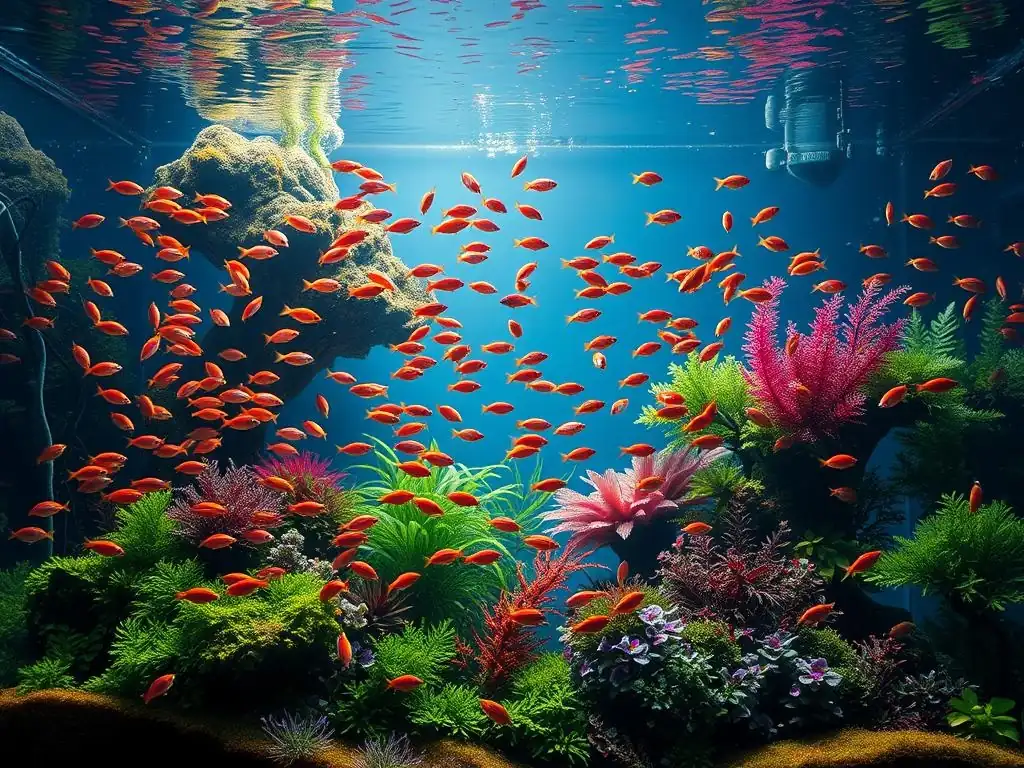
Welcome to Aquarium Mastery, where we dive deep into the art and science of aquarium keeping!
Ever wondered how the pros achieve consistent success in Tetra breeding? Unlock the secrets with our advanced recordkeeping guide, a game-changer for any aquarist looking to document and optimize their breeding projects. Get ready to elevate your freshwater fish breeding to a whole new level! What insights will you uncover?
- Documenting Neon Tetra Breeding Projects: Aquarium Mastery's Advanced RecordKeeping
- The Importance of Neon Tetra Breeding Recordkeeping for Aquarium Success
- Setting Up Your Neon Tetra Breeding Recordkeeping System
- Detailed Guide to Recording Neon Tetra Breeding Parameters
- Managing Neon Tetra Fry: Tracking Growth and Health
- Analyzing Your Neon Tetra Breeding Data for Continuous Improvement
- Advanced Neon Tetra Breeding Techniques and Recordkeeping
-
Frequently Asked Questions
- How important is recordkeeping in a Tetra breeding project?
- What kind of information should be included in a Tetra breeding recordkeeping aquarium guide?
- How can Aquarium Mastery's resources help with understanding Tetra breeding recordkeeping aquarium guide?
- What are some common challenges that effective Tetra breeding recordkeeping aquarium guide can help address?
- Where can I find templates or examples of Tetra breeding recordkeeping aquarium guide?
- Final Reflection: Cultivating Life, Documenting Growth
- Unlock Your Tetra Breeding Potential
Documenting Neon Tetra Breeding Projects: Aquarium Mastery's Advanced RecordKeeping
The Importance of Neon Tetra Breeding Recordkeeping for Aquarium Success
Why Detailed Records are Crucial for Neon Tetra Breeding
Detailed records are absolutely crucial for anyone serious about successfully breeding Neon Tetras. These small, iridescent fish are notoriously challenging to breed in captivity, primarily due to their specific water parameter requirements, delicate egg viability, and the minuscule size of their fry.
Without a systematic approach to documenting every variable – from water chemistry fluctuations to feeding regimens and spawning behaviors – breeders are left to guess which factors contributed to success or failure. This lack of data makes it nearly impossible to replicate positive outcomes or troubleshoot issues effectively, turning each breeding attempt into a series of isolated, often frustrating, experiments.
Furthermore, the biological processes involved in Neon Tetra reproduction are complex and interconnected. A slight deviation in temperature, an overlooked ammonia spike, or an inadequate diet for the parent fish can all derail a breeding project. Comprehensive recordkeeping provides a historical log that allows aquarists to identify subtle patterns and correlations that would otherwise go unnoticed. For instance, if a breeding pair consistently fails to spawn, reviewing past records might reveal a correlation with a specific pH level or a particular type of food offered during conditioning, guiding precise adjustments for future attempts.
Benefits of Meticulous Aquarium Recordkeeping for Neon Tetra
Meticulous aquarium recordkeeping offers tangible benefits that significantly increase the likelihood of success in Neon Tetra breeding. One primary advantage is the ability to dramatically improve hatch rates and fry survival. By consistently logging water parameters, diet, and environmental conditions during successful spawns, breeders can establish an optimal baseline. For example, a breeder might discover that maintaining a precise pH of 5.8 and a GH of 2 dGH, combined with daily feedings of live microworms for the conditioning pair, consistently yields an 80% hatch rate, whereas deviations lead to a drop to 30% or less. This precision is invaluable.
Beyond enhanced success rates, detailed records lead to greater efficiency and reduced waste. Instead of repeatedly purchasing expensive live foods or specialized water conditioners without understanding their true impact, breeders can use their data to confirm which inputs deliver the best results. This data-driven approach minimizes trial-and-error, saving both time and financial resources. Over the long term, consistent Neon Tetra breeding recordkeeping also facilitates selective breeding, allowing aquarists to identify and propagate individuals with desirable traits such as enhanced coloration or increased resilience, thereby contributing to healthier captive populations.
Setting Up Your Neon Tetra Breeding Recordkeeping System
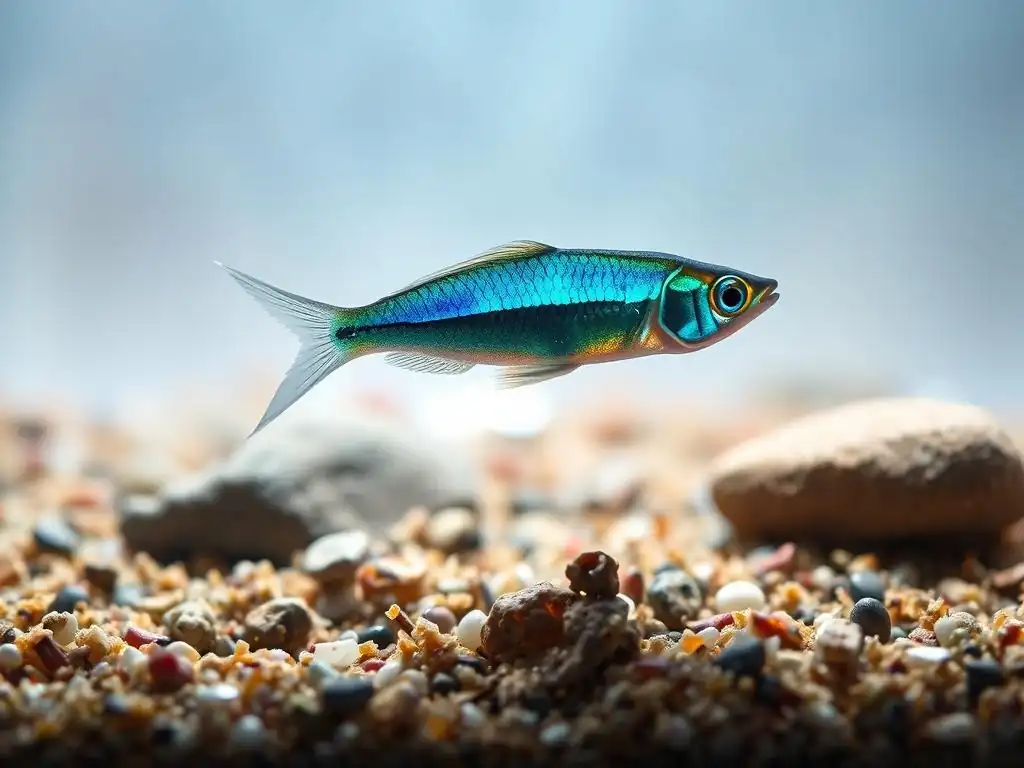
Choosing the Right Recordkeeping Method: Digital vs. Physical
When establishing a Neon Tetra breeding recordkeeping system, aquarists have a fundamental choice between digital and physical methods, each with its own set of advantages and disadvantages. Physical methods, such as dedicated notebooks, binders, or index cards, are straightforward to implement and require no special technology. They allow for quick, on-the-spot jottings and can be easily accessed during tank maintenance.
However, physical records are susceptible to damage from water, can be misplaced, and become cumbersome to search through as data accumulates. They are generally best suited for hobbyists with a small number of breeding projects or those who prefer a tactile approach.
Conversely, digital recordkeeping, often utilizing spreadsheets (like Microsoft Excel or Google Sheets) or specialized aquarium management software, offers significant long-term benefits for serious Neon Tetra breeders. Digital formats allow for vast amounts of data to be stored, easily searched, sorted, and analyzed. Trends can be visualized through charts, and calculations (e.g., average hatch rates, water parameter stability) can be automated.
While they require an initial setup and a device (computer, tablet, or smartphone), digital records can be backed up to prevent loss and shared easily, making them ideal for detailed analysis and long-term breeding programs. For comprehensive Neon Tetra breeding recordkeeping, digital tools are often superior.
Essential Data Points for Neon Tetra Breeding Logs: A Comprehensive Guide
A comprehensive Neon Tetra breeding log is the cornerstone of a successful project, providing a granular view of every variable that might influence breeding outcomes. It's not enough to simply note "spawned"; rather, precise and consistent data collection is paramount. Your log should cover all aspects from the initial setup of the breeding tank and conditioning of parent fish, through the spawning event, egg incubation, and the delicate period of fry development. Each entry should be dated and, ideally, timed to allow for accurate chronological analysis and correlation of events.
The level of detail can vary, but a robust system for your Neon Tetra breeding recordkeeping aquarium guide should include quantitative measurements wherever possible, such as specific water parameter readings, estimated egg counts, and precise feeding quantities. Qualitative observations, like changes in fish behavior or the appearance of eggs and fry, are also vital. The goal is to build a rich dataset that, over time, reveals the exact conditions and practices that lead to optimal breeding success for these particular fish.
Key Metrics to Track in Your Neon Tetra Breeding Journal
- Date and Time of Entry: Crucial for chronological analysis and identifying patterns over time.
- Tank ID: If managing multiple breeding setups, clearly identify the specific tank (e.g., "Breeding Tank 1," "QT Tank 3").
- Parent Fish IDs/Notes: Record details of the breeding pair (e.g., "Male A, Female B," "Wild-caught pair," "F1 Generation").
- Water Parameters (Daily/Bi-daily):
- pH: Log before and after water changes; target 5.5-6.5.
- GH (General Hardness): Record weekly; aim for 1-5 dGH (17.9-89.5 ppm).
- KH (Carbonate Hardness): Record weekly; aim for 0-3 dKH (0-53.7 ppm).
- Temperature: Daily; ideal breeding temperature is 75-78°F (24-26°C).
- Ammonia, Nitrite, Nitrate: Weekly or more frequently during cycling or if issues arise. Ammonia and nitrite should always be 0 ppm, nitrates below 10-20 ppm.
- Feeding Details:
- Food Type: Specific live, frozen, or dry foods (e.g., "live brine shrimp," "frozen daphnia," "high-quality micro-pellets").
- Quantity: Estimated amount (e.g., "small pinch," "1 pipette full," "approx. 0.2g").
- Frequency: Number of feedings per day (e.g., "3x daily").
- Notes on Consumption: Observe if food was eagerly eaten or left over.
- Spawning Event Details:
- Date and Time of Spawning: Exact time if observed.
- Estimated Egg Count: Approximate number of eggs laid (e.g., "50-100 eggs").
- Egg Location: Where eggs were laid (e.g., "spawning mop," "Java moss").
- Parent Behavior: Describe interactions (e.g., "chasing," "quivering").
- Egg Development:
- Hatch Date/Time: Exact time of first hatch. Neon Tetra eggs typically hatch within 24-36 hours at optimal temperatures.
- Estimated Hatch Rate: Percentage of eggs that successfully hatched (e.g., "75% hatch rate").
- Notes on Unhatched Eggs: Describe appearance (e.g., "fungused," "clear but infertile").
- Fry Development:
- Initial Fry Count: Estimated number of free-swimming fry.
- Fry Mortality: Daily count of deceased fry.
- Fry Growth Observations: Notes on size, activity, and coloration changes.
- First Feeding: Date and type of first fry food offered.
- Water Change Details:
- Date and Time: Exact timing.
- Volume Changed: Percentage or exact liters/gallons (e.g., "20%," "4 liters").
- Source Water Treatment: How new water was prepared (e.g., "RO water + remineralizer," "dechlorinated tap water").
- Parameters Before/After Change: Record key parameters to assess stability.
- Tank Maintenance:
- Filter Cleaning Date: Type of cleaning (e.g., "rinse sponges," "replace carbon").
- Heater/Air Stone Check: Dates checked.
- Substrate Vacuuming: Date and observations.
- General Observations/Notes: Any unusual behavior, signs of stress or disease, or changes to the setup.
Using a Spreadsheet for Neon Tetra Breeding Data Analysis
A spreadsheet program is an invaluable tool for effective Neon Tetra breeding recordkeeping and subsequent data analysis. By organizing your data into columns for each metric (e.g., Date, pH, GH, Food Type, Hatch Rate) and rows for each observation or event, you create a structured database. This structure allows for powerful functionalities that are cumbersome or impossible with physical logs. For instance, you can easily sort your entries by date, tank ID, or even by specific water parameters, quickly locating all instances where pH was below 5.5 or where a particular diet was used.
Beyond simple sorting, spreadsheets enable advanced data analysis that can reveal critical insights into your breeding success. You can use built-in functions to calculate averages (e.g., average hatch rate per breeding pair), track minimum and maximum parameter fluctuations, and even create charts to visualize trends over time. For example, plotting fry survival rates against water temperature or feeding frequency can visually highlight correlations, helping you pinpoint optimal conditions. This systematic approach transforms raw data into actionable intelligence, allowing you to refine your breeding protocols and consistently improve your outcomes as part of your comprehensive Tetra breeding recordkeeping aquarium guide.
Detailed Guide to Recording Neon Tetra Breeding Parameters
Water Chemistry: The Foundation of Successful Neon Tetra Breeding
Water chemistry is arguably the single most critical factor in successful Neon Tetra breeding, influencing everything from egg viability to fry survival. Neon Tetras originate from soft, acidic blackwater environments in South America, and replicating these conditions as closely as possible is essential for stimulating spawning and ensuring successful development.
Even minor deviations from their preferred parameters can stress the fish, inhibit egg production, or lead to high mortality rates among eggs and fry. Therefore, meticulous and frequent logging of key water parameters is not just recommended; it is absolutely indispensable for any serious Neon Tetra breeding recordkeeping aquarium guide.
The stability of water parameters is often as important as the specific values themselves. Wild Neon Tetras experience remarkably stable water conditions in their natural habitats. In a breeding tank, sudden swings in pH, hardness, or temperature can be detrimental, causing osmotic shock or preventing proper egg development.
For instance, a sudden drop in pH from 6.0 to 5.0 during egg incubation can cause eggs to fail, while maintaining a consistent temperature within their preferred range (75-78°F or 24-26°C) significantly improves the chances of successful hatching and fry survival. Your records will serve as a historical reference, allowing you to identify any inconsistencies and refine your water management strategies.
Logging pH, GH, KH, and Temperature Fluctuations
- pH: Record daily, especially before and after water changes or if buffers are added. Neon Tetras prefer a pH range of 5.5 to 6.5 for breeding. Note any significant deviations and the actions taken to correct them.
- GH (General Hardness): Test and log weekly, or more frequently if adjusting hardness. Ideal GH for breeding is 1-5 dGH (17.9-89.5 ppm). This directly impacts egg shell permeability and successful hatching.
- KH (Carbonate Hardness): Test and log weekly. A very low KH (0-3 dKH or 0-53.7 ppm) is preferred for Neon Tetra breeding to allow for pH stability in acidic conditions, but it also means less buffering capacity, making careful monitoring crucial.
- Temperature: Monitor and log daily. Maintain a stable temperature between 75-78°F (24-26°C). Fluctuations of more than 2°F (1°C) can stress fish and impact egg development.
- Ammonia, Nitrite, Nitrate: Test weekly or whenever a problem is suspected. Ammonia and Nitrite should always be 0 ppm. Nitrates should be kept below 10 ppm for breeding tanks, as higher levels can inhibit spawning and harm fry.
Understanding the Impact of Water Quality on Neon Tetra Fry Survival
The survival of Neon Tetra fry is profoundly dependent on pristine and stable water quality. Unlike adult fish, fry are extremely delicate and possess underdeveloped osmoregulation systems, making them highly susceptible to even minute concentrations of toxins. For instance, an ammonia level as low as 0.25 ppm, which might be tolerated by adult fish, can be lethal to young fry within hours, causing mass casualties. Similarly, high nitrate levels, even if seemingly low for an adult tank (e.g., 20 ppm), can significantly stunt fry growth and compromise their immune systems, leading to increased susceptibility to disease.
Furthermore, the specific hardness of the water directly impacts egg hatching. Neon Tetra eggs require very soft water to properly develop and hatch; in hard water, the egg membrane can become too rigid, preventing the embryo from breaking free.
Breeders often report that maintaining GH below 3 dGH can increase hatch rates from a mere 30% to over 70% compared to attempts in moderately hard water. Consistent logging of these parameters allows breeders to correlate water quality data with fry survival rates, identifying critical thresholds and fine-tuning their water management protocols to maximize the success of their Neon Tetra breeding recordkeeping aquarium guide.
Neon Tetra Diet and Feeding Schedules: Documenting Nutritional Strategies
The diet and feeding schedule of parent Neon Tetras play a pivotal role in their reproductive success, directly influencing their conditioning, egg production, and overall vitality. A varied and high-quality diet provides the necessary nutrients—proteins, fats, vitamins, and minerals—to stimulate spawning and ensure the production of healthy, viable eggs. Without proper nutrition, females may fail to develop eggs, or the eggs produced may be of poor quality, leading to low fertilization rates or underdeveloped fry. Documenting every aspect of the feeding regimen is therefore a critical component of effective Neon Tetra breeding recordkeeping.
Beyond the type of food, the quantity and frequency of feeding are equally important. Overfeeding can quickly foul the breeding tank, leading to dangerous ammonia and nitrite spikes that are detrimental to both parents and potential eggs. Conversely, underfeeding can leave the parent fish too weak or malnourished to produce a successful spawn. By meticulously recording what, how much, and how often you feed, you can establish an optimal feeding strategy that maximizes egg production without compromising water quality. This precision allows for data-driven adjustments, ensuring your fish are perfectly conditioned for breeding.
Recording Food Types, Quantities, and Feeding Frequency
- Food Type: Be specific about the type of food offered. Examples include "live brine shrimp nauplii," "frozen daphnia," "high-quality micropellets," "spirulina flakes," or "live microworms."
- Quantity: Estimate the amount given. This could be a "small pinch," "1 pipette full (approx. 0.5 ml)," or a visual estimate like "enough for 2 minutes of feeding." Consistency in estimation is key.
- Frequency: Note how many times per day food is offered (e.g., "3x daily," "morning and evening").
- Time of Day: Record approximate feeding times (e.g., "8 AM, 1 PM, 6 PM").
- Notes: Include observations on how eagerly the food was consumed, if any was left uneaten, or any changes in fish appetite. This helps assess the effectiveness of the diet.
Assessing the Impact of Diet on Neon Tetra Egg Development
The nutritional quality of the parent fish's diet has a direct and measurable impact on the quantity, quality, and viability of Neon Tetra eggs. A diet rich in live and high-protein foods, such as live brine shrimp, daphnia, or microworms, is known to significantly enhance egg production and fertility. For instance, breeders often observe that females conditioned on a diet predominantly of live foods for two weeks prior to spawning can produce 1.5 to 2 times more eggs per spawn compared to those fed only dry flakes, with a noticeably higher percentage of clear, viable eggs.
Your detailed feeding records, when cross-referenced with spawning outcomes and egg development, can reveal crucial correlations. If you consistently observe low egg counts or a high percentage of cloudy, infertile eggs, reviewing your dietary logs might indicate a need to increase protein content or introduce more varied live foods. Conversely, if a particular diet consistently yields abundant, healthy eggs, that information becomes a cornerstone of your Neon Tetra breeding recordkeeping aquarium guide, allowing you to replicate success and optimize future conditioning strategies.
Spawning Behavior and Egg Development: Observing and Documenting
Observing and meticulously documenting the spawning behavior of Neon Tetras is a fascinating and crucial step in successful breeding. Neon Tetras are egg-scatterers, typically spawning in pairs or small groups. They often prefer to lay their eggs among fine-leaved plants or spawning mops, usually at dawn. Recognizing the subtle cues that indicate an impending spawn allows breeders to prepare and maximize egg collection. This behavioral data, combined with detailed notes on egg development, forms a vital part of your Neon Tetra breeding recordkeeping.
Once eggs are laid, their delicate nature requires careful monitoring. Neon Tetra eggs are typically clear and non-adhesive, falling to the bottom of the tank or adhering lightly to fine plant leaves. Documenting the estimated number of eggs, their appearance (clear vs. cloudy/fungused), and their location helps assess the success of the spawn and guides subsequent steps, such as removing parent fish to prevent egg consumption. Precise timing of hatching and initial fry development stages is also critical for preparing appropriate first foods.
Recognizing Spawning Cues in Neon Tetra
- Increased Activity and Chasing: Males may become more active, vigorously chasing and nudging females, particularly towards fine-leaved plants or spawning mops.
- Vibrant Colors: Both males and females may display more intense and vibrant coloration, particularly the iridescent blue and red stripes. Males might appear particularly shimmering.
- Plump Females: Females will appear noticeably plumper and rounder as they become gravid with eggs.
- Paired Behavior: While Neon Tetras are schooling fish, a specific male and female might separate from the group and engage in closer, more intimate interactions.
- "Quivering" or "Shaking" Behavior: Males may exhibit a rapid trembling or quivering motion when attempting to entice a female to spawn.
- Darting into Spawning Medium: The pair will repeatedly dart into and out of the chosen spawning medium (e.g., Java moss, spawning mop), often with the male wrapping around the female to facilitate egg release.
Documenting Egg Hatching Rates and Fry Development Stages
- Date/Time of Spawning: Record the precise date and, if observed, the time the eggs were laid.
- Estimated Egg Count: Provide an approximate number of eggs observed (e.g., "approx. 70-100 eggs").
- Egg Appearance Notes: Describe clarity, any signs of fungus, or unfertilized eggs.
- Hatch Date/Time: Record the exact date and time the first fry are observed hatching. Neon Tetra eggs typically hatch within 24-36 hours at 75-78°F (24-26°C).
- Estimated Hatch Rate: Calculate the percentage of eggs that successfully hatched (e.g., "65% hatch rate").
- Fry Stage 1 (Wrigglers):
- Date Observed: Note when fry are first seen as tiny "wrigglers" attached to surfaces or the tank glass, feeding off their yolk sacs.
- Behavioral Notes: Describe their limited movement and attachment.
- Fry Stage 2 (Free-swimming):
- Date Observed: Mark the date when fry become free-swimming and begin actively seeking food (typically 3-5 days post-hatch, after yolk sac absorption). This is the critical stage for introducing first foods like infusoria.
- First Food Offered: Record the type and quantity of the initial fry food.
- Fry Stage 3 (Juvenile):
- Date Observed: Note when fry start to develop their adult coloration and body shape (typically around 3-4 weeks post-hatch).
- Growth Notes: Record observations on their size progression.
Managing Neon Tetra Fry: Tracking Growth and Health
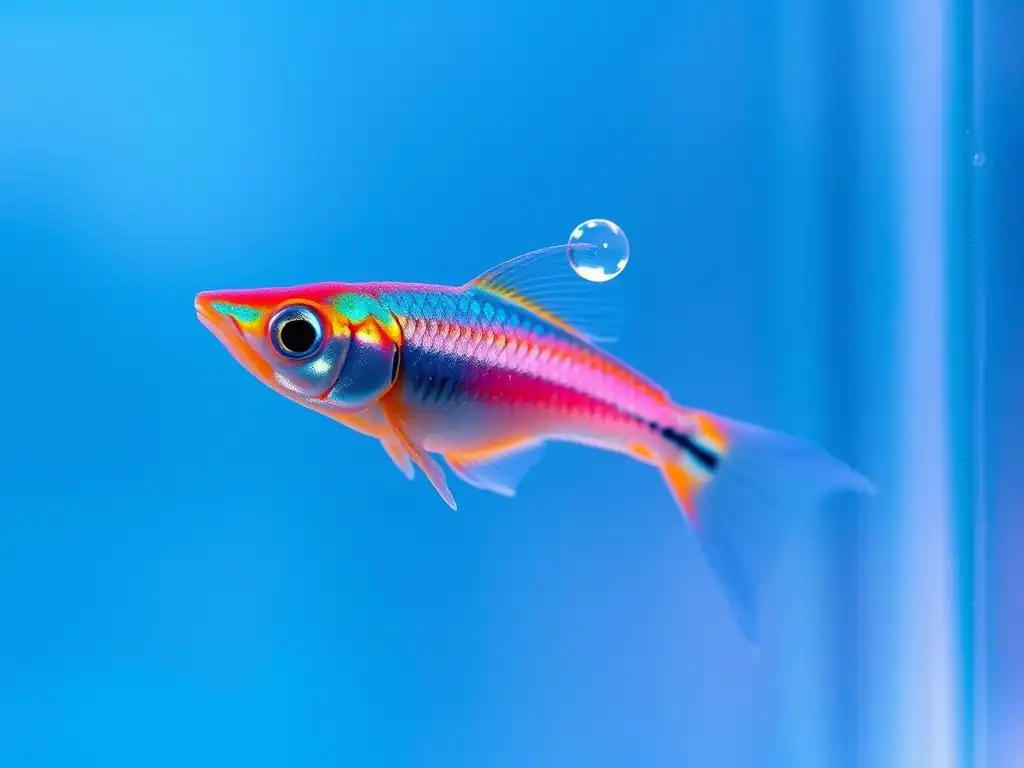
Monitoring Neon Tetra Fry Growth Rates and Survival
Monitoring the growth rates and survival of Neon Tetra fry is a delicate yet essential aspect of successful breeding. Neon Tetra fry are incredibly tiny and fragile, making them highly susceptible to environmental changes, water quality issues, and inadequate feeding. Their initial survival rate can be as low as 10-20% without optimal conditions, highlighting the critical need for meticulous tracking. While counting every single fry is often impractical, consistent estimation and observation of their numbers and vigor are paramount for your Neon Tetra breeding recordkeeping.
Documenting their progress allows you to identify critical periods of high mortality and correlate them with specific tank conditions or feeding practices. For example, if you consistently experience a significant drop in fry numbers around day 7, it might indicate an issue with the transition to a new food source or a specific water parameter fluctuation. By accurately logging these observations, you can adjust your care protocols, such as introducing different fry foods or increasing water change frequency, potentially raising survival rates from 20% to over 60% in subsequent batches.
Using Photo Documentation to Track Neon Tetra Fry Development
- Date-Stamped Photos: Take regular, date-stamped photographs of your fry, ideally weekly or bi-weekly. This provides a visual record of their growth and development.
- Size Comparison: Include a known object or a ruler in the photo for scale to accurately gauge their size progression.
- Behavioral Observations: Complement photos with written notes on their schooling behavior, feeding activity, and general vitality.
- Coloration Changes: Document the gradual appearance of the iridescent blue and red stripes as they mature, noting the age at which these colors become prominent.
Identifying and Addressing Common Fry Health Issues Through Record Analysis
Detailed records are invaluable for identifying and addressing common fry health issues before they become catastrophic. If you observe a sudden spike in fry mortality, your comprehensive Neon Tetra breeding recordkeeping allows you to quickly cross-reference this event with recent changes in water parameters, feeding schedules, or tank maintenance activities. For instance, if records show a sudden drop in pH from 6.0 to 5.0 after a water change, this could directly explain mass fry deaths due to osmotic shock.
Similarly, if fry are growing slowly or exhibiting signs of disease (e.g., shimmies, clamped fins), reviewing past feeding logs might reveal a consistent lack of varied nutrition. A diet lacking essential fatty acids, for example, could lead to underdeveloped fry more susceptible to pathogens. By correlating symptoms with specific logged data points, you can pinpoint the root cause of the problem, implement targeted solutions (e.g., increasing infusoria density, adjusting mineral content), and improve future fry survival rates, potentially from 40% to 70% or higher.
Managing Water Changes and Tank Maintenance: A Logistical Approach
Managing water changes and tank maintenance for Neon Tetra fry tanks is a delicate logistical challenge that demands meticulous recordkeeping. Fry are extremely sensitive to organic waste and ammonia, making frequent, small water changes essential. However, these changes must be carefully executed to avoid shocking the fragile fry with sudden shifts in temperature or water chemistry. Documenting every water change, including volume, frequency, and water parameters before and after, is crucial for maintaining a stable, pristine environment.
Beyond water changes, regular maintenance of filtration systems and tank cleanliness is vital. A clogged filter can quickly lead to dangerous ammonia spikes, while accumulated detritus on the substrate provides breeding grounds for harmful bacteria. Logging filter cleaning dates, heater checks, and any other equipment adjustments ensures that all critical systems are functioning optimally. This systematic approach, central to any effective Neon Tetra breeding recordkeeping aquarium guide, prevents oversights and contributes significantly to the overall health and survival of the delicate fry.
Recording Water Change Schedules and Volume
- Date and Time: Log the exact date and time of each water change.
- Volume Changed: Record the precise volume or percentage of water removed and replaced (e.g., "10%," "2 liters"). For fry tanks, frequent small changes (e.g., 10-15% daily) are often preferred over larger, less frequent ones.
- Source Water Treatment: Document how the new water was prepared (e.g., "RO water remineralized to GH 2, KH 0," "dechlorinated tap water aged 24 hrs").
- Parameters Before/After: Test and record pH, GH, KH, temperature, and nitrates immediately before and after the water change to monitor stability.
- Observations: Note any immediate changes in fry or parent behavior post-change.
Documenting Filter Maintenance and Water Parameter Adjustments
- Filter Cleaning Date: Record when the filter media was cleaned (e.g., "rinse sponges in tank water," "replaced carbon bag"). Note the type of cleaning performed.
- Heater Check: Log the date the heater was checked for proper function and temperature calibration. Ensure the temperature remains stable at 75-78°F (24-26°C).
- Air Stone/Pump Check: Date checked for adequate aeration and flow.
- Substrate Vacuuming: Date of any light vacuuming of the substrate (if applicable in the breeding tank) and notes on debris removed.
- Chemical Additions: Record the date, type, and quantity of any water conditioners, buffers, mineral supplements, or medications added to the tank. (e.g., "5ml Seachem Replenish," "1 drop almond leaf extract").
Analyzing Your Neon Tetra Breeding Data for Continuous Improvement
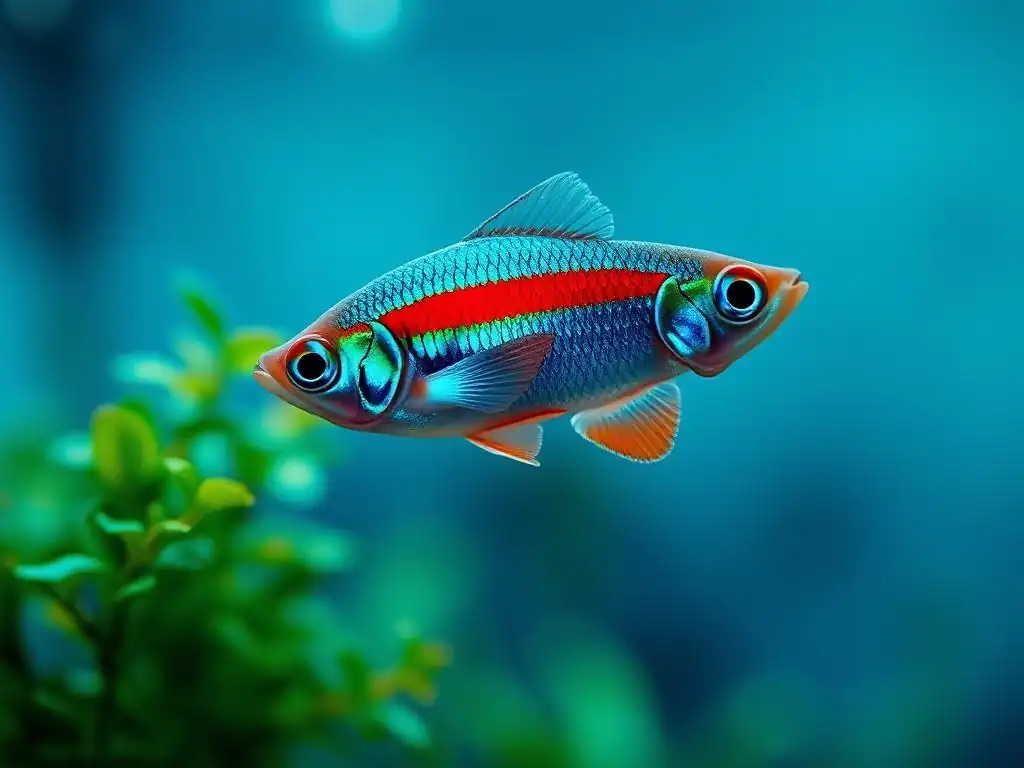
Identifying Trends and Patterns in Your Neon Tetra Breeding Data
Raw breeding data, no matter how meticulously collected, only becomes truly powerful when it is analyzed to identify trends and patterns. By systematically reviewing your Neon Tetra breeding recordkeeping, you can move beyond anecdotal observations and gain a data-driven understanding of what truly influences your breeding outcomes.
This involves looking for correlations between specific input variables—such as a particular water parameter range, a new diet, or a change in lighting—and the resulting outputs, like egg count, hatch rate, or fry survival. For example, you might discover that breeding attempts conducted at a consistent temperature of 78°F (25.5°C) consistently yield a 15% higher hatch rate than those at 75°F (24°C).
Furthermore, analyzing data over multiple breeding cycles allows you to identify long-term patterns, such as seasonal influences on breeding activity or the reproductive lifespan of specific breeding pairs. You might notice that a particular pair consistently produces larger spawns, or that fry from certain parents exhibit faster growth rates. This kind of insight allows you to refine your breeding protocols, optimize conditions, and make informed decisions that continually improve your success rates, moving from sporadic spawns to consistent, predictable breeding results.
Using Data Analysis to Optimize Breeding Conditions
- A/B Testing: Design controlled experiments by varying one parameter (e.g., two different conditioning diets, slightly different temperatures) across different breeding attempts and comparing the outcomes.
- Correlation Analysis: Look for relationships between water parameters (e.g., pH, GH) and key metrics like egg viability or fry survival. For example, does a GH above 3 dGH consistently lead to lower hatch rates?
- Trend Lines and Charts: Utilize spreadsheet functions to create graphs that visualize the progression of growth rates, mortality rates, or water parameters over time, making patterns easier to spot.
- Success Rate Tracking: Calculate average hatch rates, fertilization rates, and fry survival rates across all your breeding attempts to establish benchmarks and track improvement.
Recognizing Early Warning Signs of Potential Problems
- Gradual Decline in Egg Production: A consistent decrease in the estimated number of eggs laid per spawn, despite maintaining previous successful conditions.
- Increased Incidence of Unfertilized or Fungused Eggs: A rising percentage of eggs that appear cloudy or develop fungus, indicating potential issues with water quality, male fertility, or egg collection methods.
- Slower Fry Growth Than Previous Batches: If fry from a new batch are noticeably smaller or developing slower at a specific age compared to previous, successful batches under similar conditions.
- Unexplained Fry Mortality Spikes: Sudden, uncharacteristic increases in daily fry deaths that don't immediately correlate with a known event like a water change.
- Consistent Off-Target Water Parameters: Despite adjustments, water parameters (e.g., pH, GH) consistently drift outside the optimal range, indicating a deeper underlying issue with source water or buffering capacity.
Troubleshooting Common Neon Tetra Breeding Challenges with Data
When faced with common Neon Tetra breeding challenges, relying on intuition or anecdotal advice can be frustrating and inefficient. This is where your comprehensive Neon Tetra breeding recordkeeping truly shines, transforming guesswork into a systematic problem-solving process.
If, for example, you are experiencing persistently low hatch rates, your detailed records allow you to methodically review all relevant variables from previous attempts—water parameters during spawning, parent conditioning diet, the specific type of spawning mop used, or even the time of day eggs were collected. If your records show that successful hatches occurred consistently at a pH of 5.8, but recent attempts were at 6.5, this immediately points to a critical area for adjustment, removing the need for broad, undirected changes.
Furthermore, data allows you to isolate variables and conduct more effective troubleshooting. Instead of changing multiple aspects of your setup simultaneously, which makes it impossible to identify the true cause of a problem, you can use your records to make one targeted adjustment at a time. By logging the result of each change, you build a clear picture of cause and effect. This systematic, data-driven approach not only helps you solve current problems more efficiently but also builds a robust knowledge base, making you a more effective and successful Neon Tetra breeder in the long run.
Solving Hatch Rate Issues using Neon Tetra Breeding Records
- Review Water Parameters: Analyze logged pH, GH, KH, and temperature during the spawning period and egg incubation. Ensure they consistently fall within the optimal range (e.g., pH 5.5-6.5, GH 1-5 dGH, 75-78°F). Deviations are common culprits.
- Check Parent Conditioning: Cross-reference hatch rates with the parent fish's diet and conditioning period. Was there a change in food type or feeding frequency prior to the failed spawn? Inadequate nutrition can lead to infertile eggs.
- Evaluate Spawning Setup: Review notes on the spawning medium used (e.g., type of mop, plant density). Was it sufficient to protect eggs? Was lighting appropriate (dim)?
- Analyze Egg Collection/Transfer: Check records for details on how eggs were collected and transferred to the incubation tank. Rough handling can damage delicate eggs.
- Look for Consistent Patterns: Identify if low hatch rates are recurring under specific conditions, suggesting a systemic issue rather than an isolated incident.
Improving Fry Survival Rates Through Data-Driven Adjustments
- Examine Daily Mortality Logs: Correlate spikes in fry mortality with specific events like water changes, introduction of new foods, or sudden temperature drops.
- Correlate with Water Quality: Review water parameters (ammonia, nitrite, nitrate, pH, GH) in the fry tank daily. Even minor ammonia spikes (e.g., 0.25 ppm) can be lethal to fry.
- Review Feeding Protocols: Analyze feeding frequency, quantity, and type of fry food offered. Is the food source appropriate for their mouth size? Are they getting enough? Insufficient infusoria or newly hatched brine shrimp is a common cause of fry loss.
- Assess Predation/Competition: If parents were not removed, records might indicate whether they consumed eggs or fry. If multiple fry batches are in the same tank, competition for food could be a factor.
- Check for Disease: Note any visual signs of disease in the fry and compare with water quality records. Poor water quality often precedes disease outbreaks.
Advanced Neon Tetra Breeding Techniques and Recordkeeping
Implementing Selective Breeding Programs with Detailed Records
Implementing selective breeding programs for Neon Tetras elevates your breeding efforts from simple reproduction to purposeful genetic improvement. This advanced technique aims to enhance desirable traits—such as more vibrant coloration, larger size, increased disease resistance, or unique finnage—over successive generations. However, selective breeding is entirely dependent on exceptionally detailed Neon Tetra breeding recordkeeping. Without comprehensive lineage tracking and precise documentation of the traits exhibited by each parent and their offspring, it is impossible to identify and isolate the genetic lines that consistently produce superior characteristics.
Your records must extend beyond basic breeding parameters to include specific phenotypic observations for each individual fish used in a breeding project. For example, if you are attempting to enhance the intensity of the blue stripe, you would rate the vibrancy of this trait in both parents and a significant portion of their offspring.
Over several generations, if your records consistently show that pairing two fish with a "9/10" blue stripe rating yields offspring with an average "8/10" rating, while other pairings yield "6/10", you have identified a promising genetic line. This meticulous documentation allows you to make informed decisions about which fish to breed next, progressively refining the desired traits in your Neon Tetra population.
Using Genetic Information to Enhance Neon Tetra Breeding Outcomes
While advanced genetic testing (like DNA sequencing for specific markers) is not typically accessible or practical for the average hobbyist Neon Tetra breeder, understanding basic genetic principles and applying them through meticulous recordkeeping can significantly enhance breeding outcomes. For traits that follow simple Mendelian inheritance patterns—such as certain color mutations or fin variations (though less common in wild-type Neon Tetras)—documenting the phenotypes (observable traits) of parents and their offspring over multiple generations allows you to infer genotypes and predict the likelihood of expressing specific traits in future spawns.
For example, if you were working with a rare recessive gene that causes an albino or long-fin variant, your records would track which pairings produce carriers or express the trait. If a "normal" appearing pair consistently produces a small percentage of albino fry, your records would suggest they are both carriers of the recessive albino gene.
By then pairing two identified carriers, your records would predict a 25% chance of producing albino offspring, guiding your breeding choices and maximizing the expression of these unique traits. This data-driven, pseudo-genetic approach, built on robust Neon Tetra breeding recordkeeping, allows for more targeted and efficient breeding strategies, even without laboratory-level genetic analysis.
Sharing your meticulously documented Neon Tetra breeding data is a valuable contribution to the wider aquarium community, fostering collective knowledge and accelerating progress in captive breeding efforts. Individual breeding successes and failures, when aggregated, can reveal universal truths about Neon Tetra care and reproduction that would be difficult for any single aquarist to discover alone. Platforms such as online forums, specialized breeding groups, or personal blogs offer excellent avenues for sharing anonymized or generalized data, along with insights gained from your Neon Tetra breeding recordkeeping.
For instance, if you discover through your records that a specific type of infusoria culture consistently yields a 15% higher fry survival rate compared to commercial liquid fry food, sharing this data, backed by your detailed logs, provides actionable advice for other breeders struggling with fry mortality. Conversely, if numerous breeders share their detailed water parameter logs for successful spawns, it can help establish a more precise "gold standard" for breeding conditions, benefiting everyone.
This collaborative spirit not only enriches the collective knowledge base but also helps to demystify the challenging process of Neon Tetra breeding, making it more accessible and successful for aquarists worldwide.
Frequently Asked Questions
How important is recordkeeping in a Tetra breeding project?
Recordkeeping is crucial for successful Tetra breeding. It allows you to track which pairs are most productive, identify potential genetic issues, and optimize breeding conditions over time. Without records, you're relying on memory, which is unreliable.
What kind of information should be included in a Tetra breeding recordkeeping aquarium guide?
Your Tetra breeding recordkeeping aquarium guide should include dates, pair identification, water parameters (temperature, pH, hardness), fry counts, and any observations about fry development or parental behavior. Detailed notes are essential.
How can Aquarium Mastery's resources help with understanding Tetra breeding recordkeeping aquarium guide?
Aquarium Mastery provides information on water chemistry, Tetra species profiles, and troubleshooting guides. This knowledge is vital for creating the optimal environment and addressing any problems that arise during the breeding and rearing process.
What are some common challenges that effective Tetra breeding recordkeeping aquarium guide can help address?
Poor recordkeeping can lead to repeating mistakes, such as using incompatible pairs or failing to identify suboptimal water conditions. Aquarium Mastery can help address this by providing a structured approach to document every step of the Tetra breeding process.
Where can I find templates or examples of Tetra breeding recordkeeping aquarium guide?
While Aquarium Mastery doesn't explicitly provide templates, the site offers guidance on what information to track. The Tetra breeding recordkeeping aquarium guide can be designed to fit your specific needs, but must contain detailed data on your breeding pairs.
Final Reflection: Cultivating Life, Documenting Growth
The journey into Tetra breeding recordkeeping is more than just data entry; it's a testament to our dedication to understanding and nurturing life within the confines of our aquariums. In a world increasingly disconnected from the natural rhythms, the act of meticulously documenting each stage of a Tetra's life cycle becomes a powerful act of observation and respect, reminding us of the intricate beauty hidden within these miniature ecosystems.
This pursuit has profoundly influenced my understanding of the delicate balance within aquariums, highlighting the importance of consistent monitoring and informed intervention. It's a constant reminder that success in breeding isn't just about luck, but about the diligent application of knowledge and the unwavering commitment to providing optimal conditions. The best way to predict the future is to create it.
- Peter Drucker. This quote resonates deeply, as meticulous recordkeeping empowers us to shape the future of our Tetra populations, learning from past successes and failures to refine our breeding techniques.
Now, I invite you to reflect on your own journey in the aquarium hobby. How can you elevate your practice through more detailed recordkeeping? Embrace the challenge of documenting every nuance, every change, every success, and every setback. By doing so, you not only become a more skilled aquarist but also contribute to a deeper understanding of these fascinating creatures, ensuring their continued thriving in our care and inspiring others to join this rewarding endeavor.
Unlock Your Tetra Breeding Potential
Thank you for diving into the world of tetra breeding with us! Now that you're armed with advanced record-keeping knowledge, it's time to put that expertise into action and elevate your aquarium mastery.
Here are a few ways to take your breeding project to the next level:
- Implement a Detailed Tetra Journal: Start documenting your breeding projects immediately using a digital spreadsheet or a dedicated notebook. Track parameters, behaviors, and results meticulously.
- Share Your Insights: Join our Aquarium Mastery community forum and share your record-keeping strategies or challenges to learn from other breeders.
- Conduct a Mini-Experiment: Test a single variable (e.g., lighting, diet) while meticulously documenting the outcomes to uncover hidden insights.
What surprising data points have you uncovered while tracking your tetra breeding projects, and what changes did it provoke?