
Your First Severum Aquarium: From Bare Tank to a Hero Cichlid Habitat

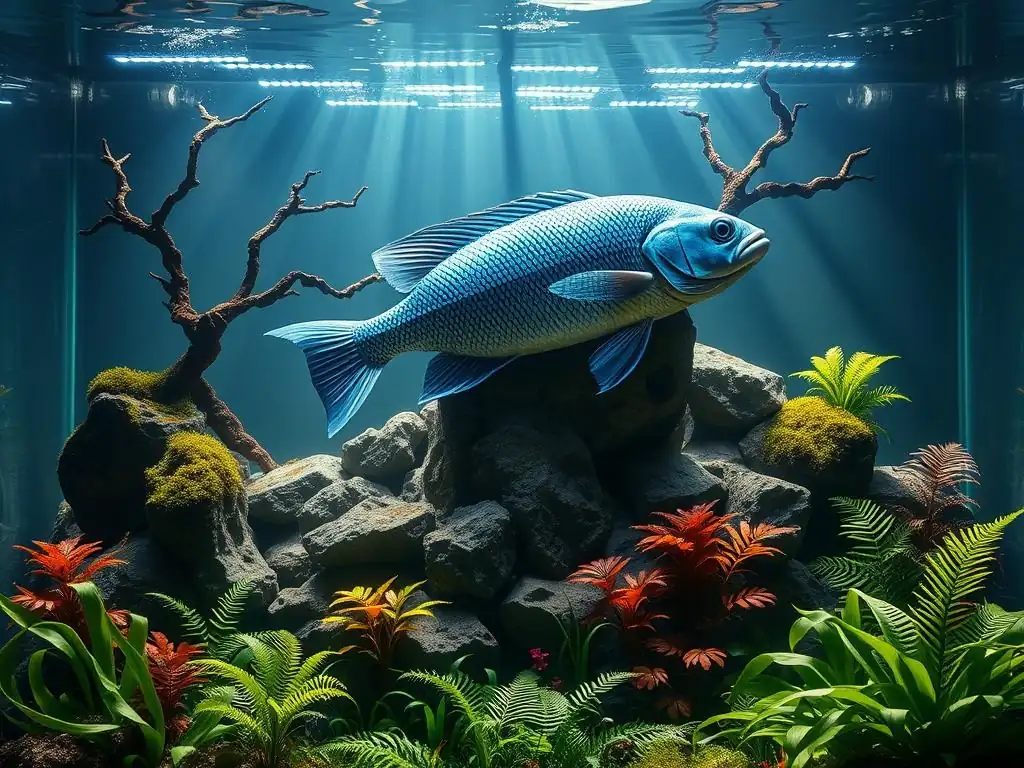
Welcome to Aquarium Mastery!
Ever wondered how to create the perfect home for a truly majestic fish? Dive into our Severum Aquarium Setup Guide and discover the secrets to transforming a bare tank into a thriving haven for these captivating cichlids. Get ready to unlock the mysteries of water parameters, tank mates, and everything you need to know to raise a healthy and happy Severum. Ready to become a Severum master? Let's begin!
- Introduction to Severum Cichlids and Aquarium Keeping
- Planning Your Severum Aquarium: Essential Considerations
- The Severum Aquarium Setup Guide: A Step-by-Step Approach
- Cycling Your Severum Aquarium: Establishing a Healthy Ecosystem
- Introducing Your Severum Cichlids: Acclimation and Initial Care
- Severum Care Guide: Maintaining a Healthy Aquarium
- Severum Tank Mates: Choosing Compatible Species
- Common Severum Health Issues and Prevention
- Troubleshooting Your Severum Aquarium: Addressing Common Problems
- Advanced Severum Keeping: Breeding and Raising Fry
- Conclusion: Enjoying Your Thriving Severum Aquarium
- Frequently Asked Questions
- Final Reflection: Cultivating Harmony in Your Severum Aquarium
- Unleash Your Inner Aquascaper!
Introduction to Severum Cichlids and Aquarium Keeping
Why Choose Severums for Your First Cichlid Tank?
Severum cichlids, scientifically known as Heros efasciatus and closely related species, offer an excellent entry point into the world of large cichlid keeping. Unlike their more aggressive cousins such as Oscars or Flowerhorns, Severums possess a relatively peaceful demeanor, making them more manageable for novice aquarists. Their striking appearance, with variations including the popular "Rotkeil" (Red Shoulder) and "Gold" Severums, adds significant visual appeal to any freshwater setup. They generally grow to a size of 8-10 inches (20-25 cm), large enough to be impressive without requiring the colossal tanks needed for some of the truly giant cichlid species.
Their appeal extends beyond their beauty and temperament. Severums are known for their intelligence and interactive behavior, often recognizing their owners and even responding to feeding cues. With proper care, these robust fish can live for 10-15 years, providing long-term enjoyment. Their adaptability to a range of water parameters, within reason, also makes the Severum aquarium setup guide less daunting for beginners, allowing them to focus on foundational aquarium husbandry practices.
Understanding Severum Temperament and Compatibility
Severums are typically classified as semi-aggressive cichlids. This means while they can exhibit territorial behavior, especially during breeding or if housed in cramped conditions, they are generally not outright bullies. Their aggression is usually directed towards conspecifics or similar-looking fish, and often manifests as chasing or fin-nipping rather than severe physical harm. Individual personalities can vary, with some Severums being more docile than others.
When considering a Severum aquarium setup guide, understanding their social dynamics is crucial for successful tank mate selection. They prefer to live in pairs or small groups, but a single Severum can also thrive if provided with ample space and enrichment. They tend to be more peaceful with fish that are too large to be considered prey and too small or different in appearance to be seen as a threat. Providing plenty of visual barriers and hiding spots can significantly reduce potential aggression.
Planning Your Severum Aquarium: Essential Considerations
Aquarium Size: How Big Should Your Severum Tank Be?
The cornerstone of a successful Severum aquarium setup guide is selecting an appropriately sized tank. For a single adult Severum, a minimum tank size of 55 gallons (approximately 208 liters) is often recommended, though 75 gallons (284 liters) is significantly better, providing more swimming space and reducing stress. If you plan to keep a pair of Severums, a 75-gallon tank should be considered the absolute minimum, with 125 gallons (473 liters) or larger being ideal to accommodate their adult size and potential breeding behavior.
Larger tanks are always preferable for cichlids like Severums, as they offer several advantages. More water volume dilutes waste products more effectively, contributing to more stable water parameters and reducing the frequency of water changes. Additionally, increased space allows for better territorial partitioning, which minimizes aggression among tank mates and between Severums themselves. A tank that is wider and deeper, rather than just tall, is particularly beneficial as it provides more floor space for these bottom-dwelling and digging cichlids.
Budgeting for Your Severum Setup: Initial and Ongoing Costs
Setting up a Severum aquarium involves both initial capital expenditure and ongoing operational costs. Initial costs can range significantly based on tank size and equipment quality. For a 75-gallon setup, expect to spend approximately $200-$400 for the glass tank itself, plus an additional $100-$250 for a sturdy stand. Essential equipment like a high-quality canister filter can cost $100-$300, heaters $30-$80, and lighting $40-$150. Substrate typically runs $20-$50, and various decor items (rocks, driftwood) can add another $50-$150. Don't forget a reliable water test kit ($20-$50) and, of course, the Severum fish themselves, which usually cost $15-$40 each for juveniles.
Ongoing costs are primarily for food, water conditioners, and electricity. High-quality cichlid pellets and flakes, supplemented with frozen or fresh foods, might cost $10-$20 per month. Water conditioners, essential for treating tap water, typically cost $5-$15 every few months. Electricity consumption for heaters, filters, and lights can range from $10-$30 per month or more, depending on tank size, equipment efficiency, and local electricity rates. Budgeting for potential medications or replacement parts should also be considered, ensuring a comprehensive Severum aquarium setup guide.
The Severum Aquarium Setup Guide: A Step-by-Step Approach
Step 1: Selecting the Right Aquarium for Severums
As discussed, tank size is paramount. For a single Severum, a 55-gallon (208L) tank is the minimum, while a pair or small group truly thrives in 75 gallons (284L) or larger. When selecting a tank, consider its dimensions: wider and deeper tanks (e.g., a 48" L x 18" W x 21" H 75-gallon tank) are superior to tall, narrow ones, offering more swimming room and floor space for these active cichlids. Glass tanks are generally more affordable and scratch-resistant than acrylic, though acrylic is lighter and offers better insulation.
Always ensure the tank comes with a sturdy, purpose-built stand capable of supporting its immense weight when filled. A 75-gallon tank, filled with water, substrate, and decor, can easily weigh over 800 pounds (360 kg). Before purchasing, inspect used tanks for any cracks, chips, or signs of silicone degradation, and always perform a leak test by filling it with water outside your home for at least 24 hours. This initial step is critical for a safe and successful Severum aquarium setup guide.
Step 2: Choosing the Best Filtration System for Severums
Severum cichlids are relatively messy eaters and produce a significant bio-load, necessitating a robust and efficient filtration system. Canister filters are widely considered the best choice for Severum aquariums due to their large media capacity, excellent mechanical, biological, and chemical filtration capabilities, and quiet operation. For a 75-gallon Severum tank, select a canister filter rated for at least 150-225 gallons to ensure sufficient turnover and waste processing.
A comprehensive filtration system for a Severum aquarium setup guide should include all three types of filtration. Mechanical filtration, typically sponges or filter floss, physically removes particulate matter. Biological filtration, provided by ceramic rings, bio-balls, or porous media, harbors beneficial bacteria essential for the nitrogen cycle. Chemical filtration, such as activated carbon, removes odors, discoloration, and certain toxins. Consider supplementing your main filter with a large sponge filter or a powerhead for additional water movement and aeration, further enhancing water quality.
Step 3: Heating and Lighting for a Thriving Severum Environment
As tropical fish, Severums require stable water temperatures. The ideal range for Severums is between 76-82°F (24-28°C). For larger tanks, using two smaller heaters rather than a single large one is recommended. This provides more even heat distribution and acts as a failsafe; if one heater malfunctions, the other can help prevent a drastic temperature drop. For a 75-gallon tank, two 150-watt heaters or a single high-quality 300-watt heater should suffice. Always use a reliable aquarium thermometer to monitor the water temperature accurately.
Lighting for a Severum aquarium setup guide is less critical for the fish themselves than for plant growth, if live plants are desired. Severums do not have specific lighting requirements beyond a regular day/night cycle. A standard LED or fluorescent light fixture providing 8-10 hours of light per day is generally sufficient to observe your fish and promote moderate plant growth. Avoid excessive lighting, as it can contribute to nuisance algae blooms. If you plan to keep demanding aquatic plants, you may need a more specialized high-intensity plant light, but for a fish-centric Severum tank, basic illumination is fine.
Step 4: Substrate Selection: What's Best for Severums?
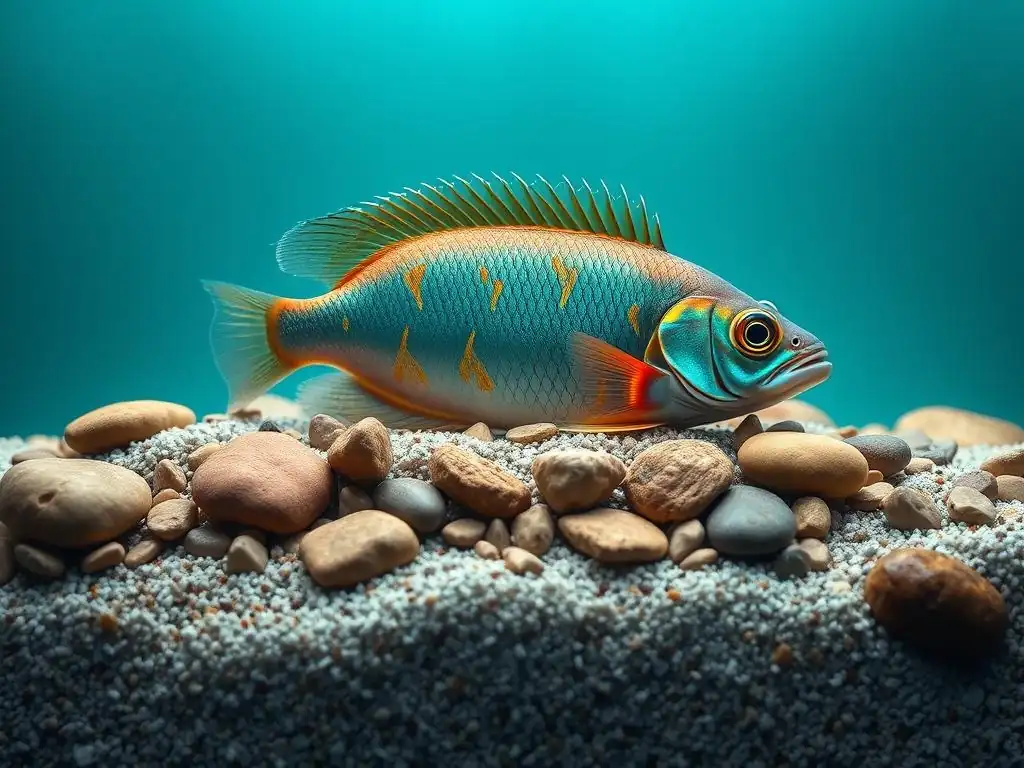
The choice of substrate for your Severum aquarium is important for both aesthetics and the well-being of your fish. Fine to medium-sized gravel or sand is generally suitable. Severums are known to sift through substrate and rearrange it, especially during breeding, so very coarse or sharp materials should be avoided to prevent injury to their mouths and barbels. A substrate depth of 2-3 inches (5-7.5 cm) is typically adequate, providing enough depth for plant rooting if desired and offering surface area for beneficial bacteria.
Sand, such as pool filter sand or fine play sand, mimics their natural riverbed habitat and is aesthetically pleasing. However, it requires careful vacuuming to prevent the buildup of anaerobic pockets. Gravel is generally easier to clean and maintain. Darker substrates can help to enhance the vibrant colors of your Severums, making them appear more striking. Avoid substrates that significantly alter water chemistry unless you are specifically aiming for a certain parameter, which is usually not necessary for a standard Severum aquarium setup guide.
Step 5: Decorating Your Severum Tank: Creating a Natural Habitat
Decorating a Severum tank involves more than just aesthetics; it's about creating a functional habitat that caters to their natural behaviors. Severums appreciate a well-structured environment with plenty of hiding spots, visual barriers, and potential territories. Use smooth river rocks, large pieces of driftwood, and sturdy artificial or live plants. Arrange decor to create distinct zones and break up lines of sight, which can help minimize aggression among tank inhabitants. Ensure all decor is inert and safe for aquarium use, thoroughly rinsing it before introduction.
Caves, crevices, and large pieces of driftwood are particularly appreciated by Severums, offering security and potential spawning sites. If incorporating live plants, choose hardy species that can withstand some digging or are best attached to decor, such as Anubias, Java Fern, or larger Amazon Swords. Avoid plants with delicate root systems unless they are heavily protected or potted. The thoughtful arrangement of decor is a crucial element in any comprehensive Severum aquarium setup guide, promoting both fish well-being and visual appeal.
Cycling Your Severum Aquarium: Establishing a Healthy Ecosystem
Understanding the Nitrogen Cycle: Crucial for Severum Health
The nitrogen cycle is the fundamental biological process that makes an aquarium safe for fish. It's a natural process where toxic ammonia, produced by fish waste, uneaten food, and decaying organic matter, is converted into less harmful substances. First, beneficial bacteria (Nitrosomonas) convert ammonia (NH3) into nitrite (NO2-), which is still highly toxic to fish. Then, another group of beneficial bacteria (Nitrobacter) converts nitrite into nitrate (NO3-), which is much less toxic and can be managed through regular water changes.
For a Severum aquarium setup guide, a fully established nitrogen cycle is non-negotiable. High levels of ammonia or nitrite will rapidly stress, sicken, and ultimately kill your Severums. A properly cycled tank provides a stable environment where these harmful compounds are continuously processed, ensuring the long-term health and vitality of your fish. Without a mature bacterial colony, the water will quickly become lethal, underscoring the absolute importance of this biological process.
Cycling a Tank with and Without Fish: The Pros and Cons
There are two primary methods for cycling an aquarium: fishless cycling and fish-in cycling. Fishless cycling involves adding an ammonia source (e.g., pure ammonia solution, a pinch of fish food) to the empty tank to feed the beneficial bacteria, without any fish present. This method is highly recommended for a Severum aquarium setup guide because it is completely safe for fish, preventing their exposure to toxic ammonia and nitrite. It typically takes 4-6 weeks and allows for precise control over the cycling process.
Fish-in cycling, conversely, uses hardy fish to produce ammonia, thereby kickstarting the cycle. While it might seem faster initially, this method exposes the fish to harmful levels of ammonia and nitrite, causing immense stress, weakening their immune systems, and often leading to illness or death. It requires diligent daily water changes and constant water parameter monitoring. Given the sensitivity of Severums, fish-in cycling is strongly discouraged. Always opt for a fishless cycle or use established filter media from a healthy, cycled tank to safely prepare your Severum aquarium.
Introducing Your Severum Cichlids: Acclimation and Initial Care
Acclimation Techniques: Minimizing Stress for Your New Severums
Proper acclimation is a critical step in any Severum aquarium setup guide, minimizing stress and preventing shock when introducing new fish. Fish are highly sensitive to sudden changes in water parameters such as temperature, pH, and hardness. Improper acclimation can lead to severe physiological stress, immune suppression, and susceptibility to disease. The drip acclimation method is highly recommended as the safest and most effective technique for sensitive fish like Severums.
To perform drip acclimation, first, float the sealed bag containing your Severums in the aquarium for 15-20 minutes to equalize the water temperature. After this, open the bag and secure it in a container (like a clean bucket) that can hold a significant amount of water. Using a piece of airline tubing and an air stone or a simple knot, create a siphon to slowly drip water from your main aquarium into the bag.
Aim for a drip rate that doubles the volume of water in the bag over 30-60 minutes. Once acclimated, gently net the Severums and release them into the tank, discarding the bag water to prevent introducing any potential pathogens or undesirable water parameters.
Initial Feeding and Observation: Monitoring Your Severums' Health
After successfully acclimating your new Severums, it's generally advisable to wait at least 12-24 hours before offering them food. This allows them sufficient time to settle into their new environment, explore their surroundings, and recover from the stress of transportation. When you do feed them, offer only a small amount of high-quality flake or pellet food. Observe if they are eating, but avoid overfeeding, as uneaten food will quickly foul the water.
The first few days are crucial for observing your new Severums. Look for signs of stress, such as clamped fins, rapid breathing, excessive hiding, or swimming erratically. Monitor for any signs of disease, including white spots (Ich), frayed fins (fin rot), lesions, or unusual growths. Healthy Severums should exhibit active, curious behavior, good color, and a healthy appetite within a few days. Vigilant observation during this initial period is a vital component of any Severum aquarium setup guide, allowing for early intervention if issues arise.
Severum Care Guide: Maintaining a Healthy Aquarium
Water Quality: Testing and Maintaining Optimal Parameters for Severums
Maintaining pristine water quality is the single most important aspect of a Severum care guide. Severums thrive in soft to moderately hard water with a slightly acidic to neutral pH. Ideal parameters include a pH range of 6.0-7.0, General Hardness (GH) between 5-12 dGH (89-214 ppm), and Carbonate Hardness (KH) between 3-8 dKH (53-143 ppm). The temperature should be consistently maintained between 76-82°F (24-28°C). Crucially, ammonia and nitrite levels must always be 0 ppm, and nitrates should be kept below 20 ppm.
Regular water testing is essential. Invest in a reliable liquid test kit (e.g., API Freshwater Master Test Kit) and test your water parameters weekly, especially during the initial months. Implement a consistent water change schedule of 25-30% of the tank volume weekly to manage nitrate buildup and replenish essential trace elements. Always use a high-quality dechlorinator to treat tap water before adding it to the tank, and ensure the new water is temperature-matched to prevent shocking your Severums. This continuous monitoring and maintenance are cornerstones of a successful Severum aquarium setup guide.
Feeding Your Severums: Diet and Nutritional Needs
Severums are omnivores with a hearty appetite, requiring a diverse and balanced diet to maintain their health and vibrant coloration. High-quality cichlid-specific pellets or flakes should form the staple of their diet (e.g., Hikari Cichlid Gold, New Life Spectrum Cichlid Formula). Supplement this with a variety of fresh and frozen foods. Blanched vegetables like zucchini, peas, and spinach provide essential roughage and vitamins.
For protein, offer occasional treats such as bloodworms, brine shrimp, Mysis shrimp, or chopped earthworms. Avoid feeding live feeder fish, as they can introduce diseases and often lack nutritional value. Feed your Severums small amounts 2-3 times a day, only what they can consume within 2-3 minutes. Overfeeding is a common mistake that leads to poor water quality and potential digestive issues for the fish. A well-rounded diet is vital for a thriving Severum aquarium setup guide.
Regular Maintenance: Water Changes and Tank Cleaning for Severums
Consistent regular maintenance is paramount for the long-term health of your Severum aquarium. Weekly water changes of 25-30% of the tank volume are crucial for diluting nitrates, removing accumulated organic waste, and refreshing the water's mineral content. Always use a quality water conditioner to neutralize chlorine and chloramines in tap water and ensure the new water's temperature closely matches the tank's to prevent temperature shock.
During water changes, use an aquarium gravel vacuum to siphon waste from the substrate, paying attention to areas where uneaten food or debris might accumulate. Clean your filter media regularly, but avoid cleaning all media at once, especially biological media, to prevent disrupting the beneficial bacterial colonies. Rinse sponges and mechanical media in old tank water removed during the water change, never in chlorinated tap water. Wipe down the inside of the tank glass to remove any algae buildup. This diligent routine is a fundamental part of any effective Severum aquarium setup guide.
Severum Tank Mates: Choosing Compatible Species
Ideal Tank Mates for Severums: Peaceful Community Fish
While Severums are generally considered peaceful for cichlids, they can exhibit territorial behavior, especially during breeding. The key to successful tank mates in a Severum aquarium setup guide is selecting fish that are similarly sized, robust enough not to be intimidated, and occupy different parts of the water column, minimizing direct competition. Avoid anything extremely small that could be seen as food or overly aggressive species.
Excellent choices for Severum tank mates include larger, peaceful tetras like Congo Tetras or Silver Dollars, which are active mid-to-upper level swimmers. Various peaceful catfish species, such as Bristlenose Plecos, Corydoras (if the tank is large enough for a school), or Synodontis catfish, make good bottom dwellers. Other medium-sized, relatively peaceful cichlids like Angelfish can sometimes work in very large tanks if the Severums are not overly aggressive. Rainbowfish, such as Boeseman's or Turquoise Rainbowfish, also make vibrant and compatible companions.
Fish to Avoid: Aggressive or Incompatible Tank Mates
When planning your Severum aquarium setup guide, it's equally important to know which fish to avoid to prevent conflict and stress. Highly aggressive New World cichlids, such as Oscars, Flowerhorns, or Midas Cichlids, are generally unsuitable tank mates. Their territoriality and propensity for extreme aggression will almost certainly lead to bullying, injury, or severe stress for your Severums, often resulting in their demise.
Furthermore, avoid very small fish species like Neon Tetras or Guppies, as Severums will likely view them as food, especially as they grow to their adult size. Fin-nipping species, such as Tiger Barbs, should also be avoided, as they can damage the Severum's long, flowing fins, leading to stress and potential secondary infections. Similarly, extremely shy or delicate fish are not good choices, as they will struggle to compete for food and may be stressed by the Severums' presence.
Common Severum Health Issues and Prevention
Identifying Common Diseases in Severums
Like all freshwater fish, Severums are susceptible to various diseases, often triggered by poor water quality, stress, or the introduction of new, infected fish. One of the most common parasitic infections is Ich (Ichthyophthirius multifiliis), characterized by small white spots resembling salt grains on the body and fins. Fin rot, a bacterial infection, appears as frayed, ragged, or discolored fins. Bloat, often caused by poor diet or internal bacterial infections, results in a swollen abdomen and lethargy.
Other issues can include Hole-in-the-Head disease (HITH), a condition often linked to poor water quality, nutritional deficiencies, or specific parasites, which manifests as pitting or lesions on the head and lateral line. When observing your Severums, look for changes in behavior (e.g., hiding, lethargy, rapid breathing, rubbing against decor), appearance (e.g., discoloration, spots, lesions, clamped fins), or appetite. Early detection is crucial for successful treatment and is a key component of any comprehensive Severum aquarium setup guide.
Preventive Measures: Maintaining a Healthy Aquarium Environment
Prevention is always the best approach to fish health. The most effective preventive measure is maintaining consistently pristine water quality through regular water changes (25-30% weekly) and robust filtration. Ensure stable water parameters (temperature, pH) and avoid sudden fluctuations that can stress fish. Providing a balanced and varied diet, avoiding overfeeding, and quarantining all new fish are also critical.
Quarantine involves housing new fish in a separate, smaller tank for 2-4 weeks before introducing them to your main Severum aquarium. This allows you to observe them for signs of disease and treat them if necessary, preventing the introduction of pathogens to your established tank. Minimize stress in your Severums by providing adequate tank space, appropriate tank mates, and plenty of hiding spots. A well-maintained, stress-free environment is the best defense against disease and is a cornerstone of any effective Severum aquarium setup guide.
Troubleshooting Your Severum Aquarium: Addressing Common Problems
Cloudy Water: Identifying and Resolving the Issue
Cloudy water is a common issue in new and established aquariums, and understanding its cause is key to resolution. A milky or hazy cloudiness often indicates a bacterial bloom, common during the initial cycling of a new tank or when there's a sudden increase in organic waste (e.g., overfeeding). Green cloudy water, on the other hand, is usually a sign of a free-floating algae bloom. Other causes can include insufficient filtration or decaying organic matter.
For bacterial blooms, ensure your tank is fully cycled and avoid overfeeding. Performing several small, frequent water changes (e.g., 10-15% daily for a few days) can help. For general cloudiness, increase the frequency and volume of water changes, reduce feeding, and thoroughly clean your filter media (rinsing in old tank water). Ensure your filtration system is adequately sized for your Severum's bio-load. While water clarifiers offer a temporary fix, they do not address the underlying cause, which is crucial for a successful Severum aquarium setup guide.
Algae Blooms: Control and Prevention Strategies
Algae blooms are a common nuisance in aquariums, typically caused by an imbalance of light and nutrients. Excessive light, either too intense or for too long a duration, is a primary culprit. High levels of nitrates and phosphates, often resulting from infrequent water changes or overfeeding, also fuel algae growth. Common types include green spot algae, brown diatom algae, and stubborn black beard algae.
To control and prevent algae, first, reduce your aquarium's lighting duration to 8-10 hours per day. Perform more frequent or larger water changes to lower nitrate levels. Strictly avoid overfeeding and ensure all uneaten food is removed promptly. Introducing appropriate algae-eating tank mates, such as Bristlenose Plecos or Otocinclus catfish (ensure compatibility and tank size), can help. Manual removal of algae during your regular maintenance routine is also effective. Addressing the root causes is the most sustainable approach, as emphasized in any comprehensive Severum aquarium setup guide.
Aggression Issues: Addressing Conflicts in Your Severum Tank
While Severums are generally peaceful for cichlids, aggression can arise due to several factors, including overcrowding, insufficient hiding spots, breeding behavior, or incompatible tank mates. A single Severum may also become aggressive if it feels unchallenged or bored in a tank that's too small or lacks enrichment. Aggression often manifests as chasing, fin-nipping, or territorial displays.
To address aggression in your Severum aquarium, first evaluate tank size. If it's too small, consider upgrading to a larger one. Add more hiding spots and visual barriers using rocks, driftwood, and sturdy plants to break up lines of sight and create distinct territories. Rearranging existing decor can also disrupt established territories and alleviate tension. If aggression is severe or persistent, it may be necessary to separate the aggressor or re-evaluate your tank mate choices. Ensuring adequate space and proper environmental enrichment is a fundamental aspect of any Severum aquarium setup guide.
Advanced Severum Keeping: Breeding and Raising Fry
Creating Breeding Conditions for Severums
Breeding Severums can be a rewarding experience for the dedicated aquarist. To encourage spawning, provide ideal water conditions: slightly acidic pH (6.0-6.8) and soft water (GH 3-8 dGH). Pristine water quality is paramount, so perform frequent partial water changes (e.g., 25-30% every 2-3 days). A slight increase in temperature to 80-82°F (27-28°C) can also act as a spawning trigger. A high-quality, varied diet rich in protein will condition the breeding pair.
Severums are substrate spawners and prefer flat, smooth surfaces for egg laying, such as large flat rocks, pieces of slate, or even broad plant leaves. Provide multiple potential spawning sites within the tank. While breeding can occur in a community tank, a dedicated breeding tank (50-75 gallons) is highly recommended to protect the eggs and fry from other tank inhabitants. A healthy, mature pair typically lays between 300 and 1000 eggs, which they will diligently guard and fan. This specialized knowledge is a component of an advanced Severum aquarium setup guide.
Raising Severum Fry: A Detailed Guide
Severum parents exhibit excellent parental care, diligently guarding and fanning their eggs to ensure proper oxygenation and prevent fungal growth. Eggs typically hatch within 3-5 days. The newly hatched "wrigglers" are then often moved by the parents to pre-dug pits in the substrate. They will remain in these pits, absorbing their yolk sacs, for another 4-7 days before becoming free-swimming. During this period, the parents will aggressively defend their brood.
Once the Severum fry are free-swimming, they can be fed newly hatched brine shrimp, microworms, or finely crushed high-quality flake food. Feed small amounts multiple times a day (e.g., 4-6 times) to support their rapid growth. Maintaining impeccable water quality is crucial for fry survival; perform small daily water changes (e.g., 10-15%) using temperature-matched, dechlorinated water. As the fry grow, gradually transition them to larger foods like crushed pellets. Successfully raising Severum fry is the ultimate accomplishment in mastering a Severum aquarium setup guide.
Conclusion: Enjoying Your Thriving Severum Aquarium
The Rewards of Keeping Severum Cichlids
Keeping Severum cichlids is an incredibly rewarding experience that goes far beyond simply owning fish. These "hero cichlids" are intelligent, interactive, and possess a captivating beauty with their vibrant colors and graceful movements. Many aquarists find immense joy in observing their unique behaviors, from their careful sifting of substrate to their dedicated parental care, and even their ability to recognize and interact with their owners. They bring a dynamic and engaging presence to any home aquarium.
With a proper Severum aquarium setup guide and consistent, diligent care, these robust fish can grace your tank for well over a decade. The satisfaction of creating a thriving, balanced ecosystem where these magnificent creatures can flourish is immense. Your bare tank transforms into a living, breathing piece of art, showcasing the beauty and complexity of the aquatic world. The journey of keeping Severums is one of continuous learning and deep personal fulfillment.
Resources for Further Learning about Severum Care
To further your knowledge and expertise in Severum care, numerous valuable resources are available. Engaging with online forums, local aquarium clubs, and social media groups dedicated to cichlids or freshwater aquariums can provide invaluable peer support, troubleshooting advice, and opportunities to connect with experienced aquarists. These communities often share practical tips, personal experiences, and insights that go beyond basic guides.
Additionally, consult authoritative books on cichlid husbandry and comprehensive online resources that specialize in freshwater fish care. Always cross-reference information from multiple reputable sources to ensure accuracy and gain a well-rounded understanding of best practices. Continuous learning is an integral part of being a responsible and successful aquarist, ensuring you can provide the best possible environment for your Severums and truly master your Severum aquarium setup guide.
Frequently Asked Questions
What size tank is recommended for a Severum aquarium?
A minimum of 55 gallons is recommended for a single Severum, but a 75-gallon tank or larger is preferable, especially if you plan to keep tank mates. Severums grow relatively large, needing space to thrive.
What are the ideal water parameters for a Severum aquarium?
Severums prefer a water temperature between 75-82°F (24-28°C), a pH of 6.0-7.5, and a water hardness of 5-12 dGH. Regular water changes are essential to maintain water quality.
What type of substrate and decorations should I use in a Severum aquarium?
Use a smooth sand or gravel substrate to prevent injuries, as Severums like to sift through the bottom. Include driftwood, rocks, and hardy plants like Anubias and Java Fern to provide hiding places.
What are some suitable tank mates for Severums?
Good tank mates include other peaceful to semi-aggressive fish of similar size, such as larger tetras, peaceful community cichlids, and Corydoras catfish. Avoid small or aggressive fish that could be bullied.
What should I feed my Severum?
Severums are omnivores, so offer a varied diet including high-quality cichlid pellets or flakes, frozen foods like bloodworms and brine shrimp, and vegetable matter like blanched spinach or zucchini. Feed them 2-3 times daily in small portions.
Final Reflection: Cultivating Harmony in Your Severum Aquarium
This journey through the intricacies of setting up a Severum aquarium, from the initial bare tank to a thriving habitat, highlights the profound connection between responsible fishkeeping and the well-being of our aquatic companions. Understanding the specific needs of these magnificent cichlids is not merely about following a guide, but about creating an environment where they can truly flourish, showcasing their natural beauty and behaviors.
The impact of informed aquascaping extends far beyond aesthetics; it directly influences the health and happiness of our Severums. Witnessing these fish thrive in a carefully crafted environment is a deeply rewarding experience, fostering a sense of connection and responsibility. The best aquarium is not just a display case, but a miniature ecosystem, a balanced world where life can thrive.
This quote encapsulates the essence of what we strive for as aquarists: to create not just a tank, but a living, breathing ecosystem.
Now, as you embark on your own Severum aquarium adventure, remember that knowledge is your most powerful tool. Let this guide serve as a foundation, but never cease to learn, to observe, and to adapt. Embrace the challenges, celebrate the successes, and always prioritize the well-being of your Severums. Your dedication will not only create a stunning display, but also provide a sanctuary where these remarkable fish can truly thrive, enriching your life and theirs.
Unleash Your Inner Aquascaper!
Thanks for diving deep into the world of Severums with us! We hope you’re now feeling confident and inspired to create the perfect home for these stunning fish. The journey from a bare tank to a thriving Severum habitat is incredibly rewarding, and the best part is just beginning.
Ready to take the plunge? Here's how to get started:
- Start Planning Your Dream Layout: Sketch out your aquarium design. Consider hardscape elements like driftwood and rocks, and plan where you'll position plants to create a natural, enriching environment.
- Share your Severum scape ideas on social media using #AquariumMastery – inspire others with your vision!
- Research local aquarium clubs or online forums dedicated to cichlids and connect with fellow Severum enthusiasts. Learn from their experiences and build your aquarium community.
What's the first design element you'll be adding to your Severum's new home? Share your plans in the comments below!