
The Role of Plants in Breeding Small Schooling Cyprinids: Spawning Mops & More

Welcome to Aquarium Mastery!
Ever wondered how to truly unlock the secrets to breeding those dazzling small schooling Cyprinids in your home aquarium? This isn't just about spawning; it's about creating a thriving ecosystem where these fish feel safe and stimulated. Dive in as we explore the crucial role of plants in Cyprinid breeding plant care, from spawning mops to carefully chosen flora, and discover how to transform your tank into a breeding paradise. Curious to learn more? Let's get started!
- Understanding the Breeding Needs of Small Schooling Cyprinids
- Cyprinid Breeding Plant Care: A Detailed Guide
- Spawning Mops: An Alternative to Live Plants for Cyprinid Breeding
- Combining Plants and Spawning Mops for Optimal Cyprinid Breeding Results
- Maintaining Water Quality During Cyprinid Spawning and Fry Development
- Post-Spawning Care: Protecting Eggs and Raising Cyprinid Fry
- Troubleshooting Common Cyprinid Breeding Problems
- Advanced Techniques in Cyprinid Breeding and Plant Management
- Conclusion: Mastering Cyprinid Breeding with Plants and Spawning Mops
-
Frequently Asked Questions
- How do plants aid in the breeding of small schooling Cyprinids?
- What types of plants are best suited for Cyprinid breeding tanks?
- How does plant density affect Cyprinid breeding success?
- What role does water chemistry play in conjunction with plants for Cyprinid breeding?
- Can artificial plants be used instead of live plants for Cyprinid breeding?
- Final Reflection: Cultivating Life, One Leaf at a Time
- Cultivate Your Cyprinid Paradise!
Understanding the Breeding Needs of Small Schooling Cyprinids
Creating the Ideal Spawning Environment for Danios, Rasboras, and White Clouds
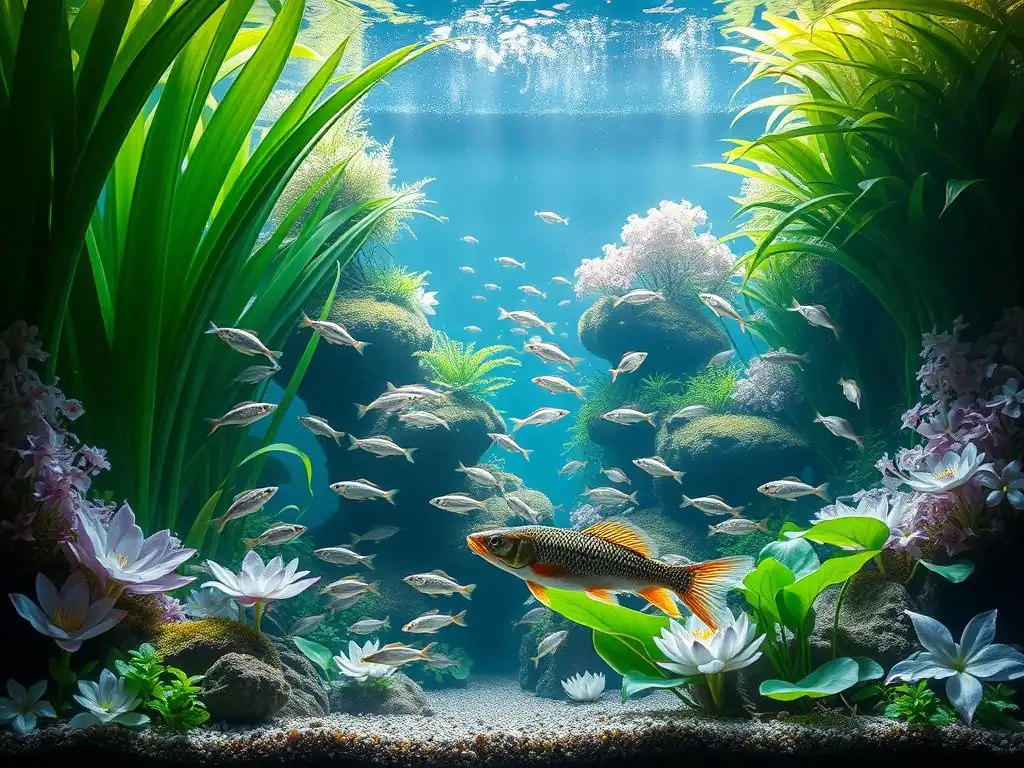
Small schooling cyprinids such as Danios ( Danio rerio), Rasboras ( Trigonostigma heteromorpha), and White Clouds ( Tanichthys albonubes) are egg scatterers in their natural habitats. They typically release their adhesive or semi-adhesive eggs among dense vegetation, which provides both a substrate for attachment and protection from predation by the parents themselves. Replicating this environment in a breeding tank requires attention to detail, often involving a dedicated setup with dim lighting, calm water flow, and an abundance of fine-leaved plants or suitable artificial alternatives to encourage natural spawning behaviors.
A dedicated breeding tank, typically 5-10 gallons (approximately 19-38 liters) for a small group of 3-5 fish, is often recommended to maximize egg yield and fry survival. The tank should be set up with minimal substrate or a bare bottom to facilitate easy egg collection, as many cyprinids will readily consume their own eggs if given the opportunity. Providing ample dense cover, whether through live plants or spawning mops, is paramount to offer the fish a sense of security and a suitable surface for egg deposition, which is a core aspect of successful Cyprinid breeding plant care.
Water Parameters Crucial for Cyprinid Breeding Success
Optimal water parameters are critical for stimulating spawning and ensuring the viability of eggs and subsequent fry development in small schooling cyprinids. For many common species like Zebra Danios, a temperature range of 72-78°F (22-26°C) is ideal, while White Clouds may prefer slightly cooler temperatures around 68-74°F (20-23°C). The pH level should generally be slightly acidic to neutral, typically between 6.5 and 7.5, and water hardness soft to moderately hard, ranging from 5-12 dGH (89-214 ppm). These specific parameters mimic their native waters and reduce stress, encouraging the fish to enter breeding condition.
Beyond temperature, pH, and hardness, pristine water quality is non-negotiable. Ammonia and nitrite levels must be undetectable (0 ppm), and nitrates kept very low, ideally below 10-20 ppm. Regular, small water changes using aged or reverse osmosis (RO) water remineralized to the target parameters help maintain stability and dilute any waste products, which are particularly toxic to delicate eggs and fry. Consistent water quality is a foundational element that underpins all effective Cyprinid breeding plant care strategies.
Cyprinid Breeding Plant Care: A Detailed Guide
Selecting the Right Plants for Cyprinid Spawning
When it comes to Cyprinid breeding plant care, the selection of appropriate aquatic plants is vital for egg-scattering species. The best plants are those with finely divided leaves or dense, bushy structures that provide numerous surfaces for adhesive eggs to attach to, while also offering cover for the spawning adults. Examples include species from genera like Cabomba, Myriophyllum, and Ceratophyllum, which naturally form thickets. These plants not only serve as a substrate for egg deposition but also contribute to the overall water quality by absorbing nitrates and releasing oxygen, creating a healthier environment conducive to breeding.
The health and density of these plants directly impact spawning success. Robust, well-established plants are more likely to encourage fish to spawn and provide better protection for the eggs. Ensuring proper lighting and nutrient availability for the plants themselves is an indirect but important part of Cyprinid breeding plant care, as stressed or sparse plants will be less effective. Aim for a dense "forest" in the breeding tank, covering at least 50-70% of the tank bottom if planted, or a significant volume if free-floating.
Fine-leaved Plants: Ideal for Egg Scattering Cyprinids
Fine-leaved plants are exceptionally well-suited for egg-scattering cyprinids due to their intricate structures. Species such as Anacharis ( Egeria densa), Water Wisteria ( Hygrophila difformis), and Ambulia ( Limnophila sessiliflora) offer a multitude of tiny crevices and surfaces where eggs can adhere and remain hidden from hungry adult fish. The dense foliage acts as a natural sieve, allowing eggs to fall through while making it difficult for parents to reach and consume them. This increases the survival rate of the eggs significantly, making them a cornerstone of Cyprinid breeding plant care.
Beyond their physical utility, these plants also contribute to the biological stability of the breeding tank. Their photosynthetic activity helps oxygenate the water, which is crucial for egg development, and they absorb excess nutrients, helping to maintain low nitrate levels. This natural ecosystem support reduces stress on the fish, potentially leading to more frequent and successful spawning events.
Java Moss and Hornwort: Popular Choices for Cyprinid Breeding Tanks
Java Moss ( Taxiphyllum barbieri) is arguably one of the most popular and effective plants for Cyprinid breeding plant care. Its dense, tangled, and low-growing structure provides an ideal substrate for eggs to cling to and offers excellent refuge for newly hatched fry. It can be easily weighted down or allowed to float, adapting to various breeding setups.
Java Moss is also extremely hardy, tolerating a wide range of water parameters and low light conditions, making it simple to maintain in a dedicated breeding tank. A large clump, perhaps 4-6 inches (10-15 cm) in diameter, can effectively collect hundreds of eggs from a pair of Celestial Pearl Danios ( Danio margaritatus).
Hornwort ( Ceratophyllum demersum) is another highly recommended plant due to its rapid growth rate and dense, needle-like foliage. It can be planted or left free-floating, forming thick mats that are excellent egg traps. Hornwort also actively absorbs nitrates and releases substantial oxygen, contributing to a healthy water column. Its resilience means it can withstand the sometimes vigorous spawning activities of fish and can be easily propagated to ensure a continuous supply for future breeding attempts, further enhancing your Cyprinid breeding plant care efforts.
Preparing Plants for the Cyprinid Breeding Tank
Proper preparation of aquatic plants before introducing them to a breeding tank is a critical step in preventing the introduction of unwanted pests or diseases that could jeopardize the delicate eggs and fry. Thoroughly rinsing new plants under running tap water is the first step to remove any visible debris, snail eggs, or small invertebrates. For an added layer of security, a brief dip in a mild disinfectant solution is often recommended.
Rinsing and Acclimation of Aquatic Plants
After rinsing, a common practice is to perform a plant dip using a diluted solution. For instance, a potassium permanganate dip (approximately 1 mg per liter of water for 10-15 minutes, until the water turns light pink) can effectively kill snails, planaria, and some algae without harming the plants. Alternatively, an alum dip (1 tablespoon of alum powder per gallon of water for 15-20 minutes) is also effective against snails.
Always rinse the plants thoroughly with clean, dechlorinated water after any dip. Following this, plants should be gently acclimated to the breeding tank's water temperature by floating them in the tank for about 30 minutes before planting or anchoring, minimizing shock.
Avoiding Pests and Diseases in Your Cyprinid Breeding Plants
The introduction of pests like snails, hydra, or planaria can be detrimental to cyprinid eggs and fry. Snails, even small ones, can consume eggs, while hydra can sting and kill newly hatched fry. To avoid these issues, a quarantine period for new plants, typically 2-4 weeks in a separate container with appropriate lighting and nutrients, is highly advisable. During this time, you can observe for any signs of pests or diseases and treat them proactively. Starting with healthy, pest-free plants ensures that your Cyprinid breeding plant care contributes positively to the breeding effort, rather than introducing new challenges.
Spawning Mops: An Alternative to Live Plants for Cyprinid Breeding
What are Spawning Mops and Why Use Them?
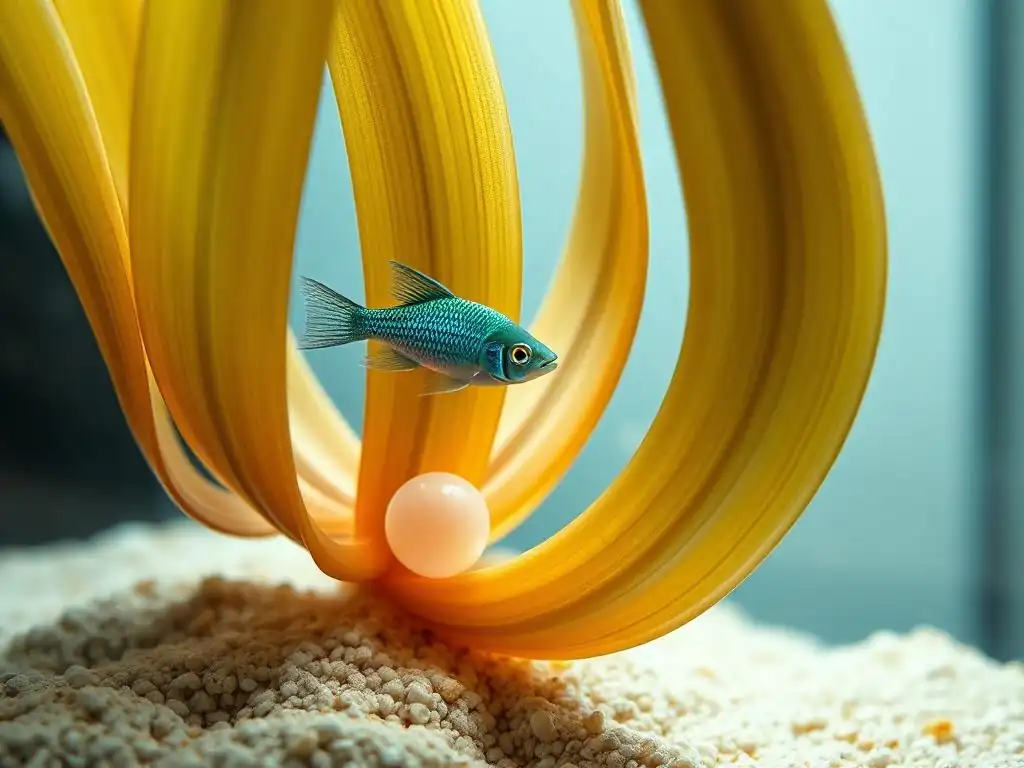
Spawning mops are artificial substrates, typically crafted from synthetic yarn, designed to mimic the dense, fibrous structure of fine-leaved aquatic plants. They serve as an excellent alternative or supplement to live plants in a breeding setup, providing an ideal surface for egg-scattering cyprinids to deposit their eggs. The primary advantage of using spawning mops lies in their ease of use for egg collection. Once spawning is complete, the mops, laden with eggs, can be easily removed from the breeding tank and transferred to a separate hatching container, thereby protecting the eggs from predation by the parent fish.
Their reusability and sterile nature make them a popular choice for aquarists focused on maximizing fry yield. Unlike live plants, mops don't require specific lighting or nutrient conditions, simplifying the breeding tank setup. For prolific species like Zebra Danios, where hundreds of eggs might be laid in a single spawning session, spawning mops provide a highly efficient and manageable method for egg retrieval, streamlining the Cyprinid breeding plant care process even when live plants aren't the primary focus.
How to Make and Use Spawning Mops for Cyprinid Reproduction
Making your own spawning mops is a straightforward and cost-effective process. You will need 100% acrylic yarn (avoiding wool or cotton, which can rot in water), scissors, and a small weight or suction cup if you intend to make weighted mops. Darker colored yarn, such as green or brown, is often preferred as it can help camouflage the eggs, making them less visible to opportunistic egg-eating parents.
To construct a mop, wrap the yarn around a piece of cardboard or your fingers (e.g., 4-6 fingers wide) approximately 50-100 times. Slide the wrapped yarn off, then tie a separate piece of yarn tightly around the middle of the bundle. Finally, cut the loops at both ends, creating a mop-like fringe.
For a floating mop, a small cork can be tied to one end. For a weighted mop, a lead-free fishing weight or a small suction cup can be attached to the tied end, allowing it to sink to the bottom. These mops, typically 6-8 inches (15-20 cm) in length, are then simply placed or anchored in the breeding tank where fish are likely to spawn.
Materials Needed for DIY Spawning Mops
The essential materials for crafting DIY spawning mops are readily available and inexpensive. The most crucial component is 100% acrylic yarn, which is inert, does not leach chemicals into the water, and provides a soft, non-abrasive surface ideal for egg adhesion. It also resists degradation in water, ensuring the mops remain functional for multiple breeding cycles. Approximately 50-100 yards (45-90 meters) of yarn can yield several mops. You will also need a sharp pair of scissors for cutting the yarn loops.
For weighted mops, small, inert weights are necessary. Lead-free fishing weights, glass beads, or even small, clean stones can be used. Some aquarists prefer to tie the mop to a small suction cup, allowing it to be easily attached to the tank bottom or side. The simplicity of these materials makes Cyprinid breeding plant care accessible and adaptable, even for those preferring artificial spawning substrates.
Attaching Spawning Mops in the Breeding Tank
The placement of spawning mops within the breeding tank can influence their effectiveness. Floating mops can simply be placed on the water surface, where they will drift and provide top-down egg-laying sites, which many cyprinids will utilize. For weighted mops, they should be strategically placed on the tank bottom or gently anchored to the sides with suction cups. Positioning mops in areas of gentle water flow, away from strong filter outputs, is crucial to prevent eggs from being dislodged or swept away.
Many aquarists find success by placing multiple mops in the tank, increasing the available surface area for egg deposition. For instance, in a 10-gallon breeding tank, 3-5 mops distributed throughout the tank can significantly increase egg yield. This setup provides ample opportunity for the fish to choose their preferred spawning sites, maximizing the efficiency of the breeding attempt.
Combining Plants and Spawning Mops for Optimal Cyprinid Breeding Results
Creating a Natural and Functional Spawning Habitat
The most effective approach to Cyprinid breeding plant care often involves a synergistic combination of live aquatic plants and artificial spawning mops. Live plants, such as Java Moss or Hornwort, contribute significantly to the overall health and stability of the breeding environment by oxygenating the water, absorbing nitrates, and providing a natural aesthetic that reduces stress on the fish. This natural setting encourages fish to display their full range of breeding behaviors.
Simultaneously, strategically placed spawning mops offer highly accessible and easily removable egg-laying sites. This dual approach caters to the varying preferences of individual fish within a spawning group; some may prefer the natural cover of plants for security, while others might readily utilize the mops. This combination not only enhances the overall success rate of spawning but also simplifies the subsequent egg collection process, providing the best of both worlds for prolific egg-scattering cyprinids.
Benefits of Plant and Spawning Mop Combinations
The integration of live plants and spawning mops in a breeding tank offers numerous benefits for Cyprinid breeding plant care. Firstly, it significantly increases the total surface area available for egg deposition, potentially leading to a higher yield of eggs per spawning event. For example, a 10-gallon tank densely planted with Java Moss and containing three floating spawning mops can yield upwards of 200-300 eggs from a healthy pair of Zebra Danios over a few days.
Secondly, this combination provides enhanced protection for the eggs. While plants offer natural camouflage and physical barriers against predation, mops allow for quick and gentle removal of eggs once spawning is complete, further safeguarding them from adult fish. This holistic approach promotes natural breeding behavior while maximizing the chances of successful egg hatching and fry survival, making it an ideal strategy for dedicated aquarists.
Maintaining Water Quality During Cyprinid Spawning and Fry Development
Regular Water Changes and Filtration in Breeding Tanks
Maintaining impeccable water quality is paramount during the cyprinid spawning and fry development stages, as eggs and newly hatched fry are extremely sensitive to pollutants. Regular, small water changes are far more beneficial than infrequent large ones. For instance, a daily 10-20% water change using aged or dechlorinated water with matching parameters is highly recommended. This practice helps to dilute any waste products from the adult fish or unhatched eggs without causing sudden shifts in water chemistry that could stress the delicate fry.
For filtration, air-driven sponge filters are ideal for breeding tanks. They provide gentle biological filtration without creating strong currents that could harm or dislodge eggs and fry. A sponge filter suitable for a 10-gallon tank typically processes about 20-30 gallons per hour (75-115 liters per hour) gently, ensuring adequate oxygenation and biological breakdown of waste while being completely safe for the smallest fry. This gentle approach to water management is a crucial aspect of successful Cyprinid breeding plant care and fry rearing.
Avoiding Ammonia and Nitrite Spikes During Fry Development
Newly hatched cyprinid fry are incredibly vulnerable to ammonia and nitrite, even at very low concentrations, which can be lethal. During the initial days of fry development, when they begin free-swimming and feeding, the risk of these toxic spikes increases due to their waste products and uneaten food. It is essential to monitor water parameters daily using a reliable liquid test kit, especially ammonia and nitrite levels.
To prevent spikes, overfeeding must be strictly avoided; fry should receive very small amounts of food multiple times a day (e.g., 3-5 times), only enough for them to consume within a few minutes. Any uneaten food should be promptly siphoned out using an airline tube. Consistent small water changes, as mentioned previously, are the most effective defense against ammonia and nitrite accumulation, ensuring a safe environment for the fragile fry to grow. This meticulous attention to water quality is as vital as any direct Cyprinid breeding plant care.
Post-Spawning Care: Protecting Eggs and Raising Cyprinid Fry
Removing Adult Fish After Spawning
The immediate removal of adult fish from the breeding tank after spawning is a critical step to ensure high egg and fry survival rates. Most small schooling cyprinids, including Danios and Rasboras, are opportunistic egg eaters and will readily consume their own eggs if left in the same tank. This natural behavior, while effective in the wild for population control, is counterproductive in a breeding setup aimed at maximizing yield.
Once spawning activity ceases, which may take anywhere from a few hours to a couple of days, the adult fish should be gently netted and returned to their main community tank. If using spawning mops, the mops laden with eggs can be carefully removed and transferred to a separate, dedicated hatching tank. This physical separation is the most effective method to protect the vulnerable eggs and forms a cornerstone of successful cyprinid breeding.
Feeding Newly Hatched Cyprinid Fry
Newly hatched cyprinid fry are incredibly tiny and require microscopic food sources during their first few days of free-swimming. For the initial 24-48 hours post-hatch, most fry will absorb their yolk sac and do not require external feeding. However, once they become free-swimming, typically around day 2-3, they will actively seek food. Their mouths are often too small for conventional flake food, even finely crushed.
The first food for these delicate fry must be microscopic. Infusoria, a collective term for various microscopic protozoa and rotifers, are an ideal first food. They can be cultured easily at home. Liquid fry foods, commercially available as suspensions of finely ground nutrients, are another convenient option. These initial feeding strategies are crucial for the survival and growth of the fry, directly impacting the success of the breeding project.
Infusoria and Liquid Fry Food Options
Infusoria can be cultured by placing a few decaying lettuce leaves, banana peels, or a few grains of rice into a jar of aged aquarium water and allowing it to sit for several days. This process encourages the growth of microscopic organisms that are perfectly sized for the fry's first meals. A small amount of this culture water, typically a few milliliters, can be added to the fry tank 3-5 times daily.
Commercially available liquid fry foods, such as those from Hikari or Sera, provide a convenient and nutritious alternative. These products often contain a blend of phytoplankton, zooplankton, or finely ground particles suspended in liquid. Administering these foods requires precision: only a few drops or a tiny squirt should be given at a time, ensuring it is consumed within minutes to prevent water fouling. Regular, small feedings are key to successful fry development, complementing the efforts of Cyprinid breeding plant care by providing adequate nutrition.
Protecting Fry from Predators and Strong Currents
Beyond the parent fish, newly hatched cyprinid fry are vulnerable to various other threats. Any other fish, even small bottom dwellers or snails, present in the fry tank can predate on them. Therefore, the fry grow-out tank should be dedicated solely to the fry and completely free of any other aquatic life forms. Even microscopic organisms like hydra, often introduced with live plants, can sting and kill fry, necessitating careful plant preparation.
Strong water currents pose another significant danger. Delicate fry can be exhausted, injured, or even sucked into filter intakes by powerful flow. As previously mentioned, air-driven sponge filters set to a very low flow are the safest option, providing gentle aeration and filtration. The tank should also be covered to prevent fry from jumping out and to maintain stable temperature and humidity, further safeguarding their fragile lives.
Troubleshooting Common Cyprinid Breeding Problems
Addressing Egg Fungus Issues
Egg fungus is a common and frustrating problem in cyprinid breeding, often appearing as a white, fuzzy growth on eggs. It primarily affects infertile or damaged eggs, but if left unchecked, the fungus can quickly spread to healthy, viable eggs, leading to significant losses. The presence of fungus indicates either poor water quality, too many infertile eggs, or insufficient water circulation around the egg cluster.
Solutions involve proactive measures and immediate treatment. Maintaining pristine water quality with daily small water changes is crucial. If fungus appears, very small doses of a mild antifungal agent, such as methylene blue (following manufacturer instructions carefully, as it stains everything), can be added to the water. Alternatively, daily manual removal of fungused eggs using a pipette can help prevent its spread. Ensuring gentle water movement around the eggs, often achieved with a small air stone, can also deter fungal growth by preventing stagnation.
Preventing Predation of Eggs and Fry
Predation is the single largest factor in low fry yields for egg-scattering cyprinids. As discussed, adult fish are the primary culprits. The most effective preventative measure is the immediate removal of adult fish from the breeding tank once spawning is complete. For setups where eggs are laid directly into the main tank, strategies like using an egg crate or marbles on the tank bottom allow eggs to fall through, out of reach of the parents.
Beyond the parents, other tank inhabitants can be predatory. Ensure the fry grow-out tank is completely sterile and free of any other fish, snails, or even larger invertebrates that might prey on the minuscule fry. A thorough cleaning and preparation of the fry tank before introducing eggs or newly hatched fry is essential to eliminate any potential threats, maximizing the survival rate.
Algae Overgrowth Inhibiting Spawning
Excessive algae growth in a breeding tank can inhibit spawning by covering the preferred surfaces for egg deposition, making them less appealing or even inaccessible to the fish. Algae can also compete with desirable aquatic plants for nutrients and light, potentially stressing the plants that are crucial for Cyprinid breeding plant care. Green spot algae or hair algae can be particularly problematic, forming a thick layer on plant leaves and spawning mops.
To combat algae overgrowth, adjust the lighting duration and intensity. Many breeding tanks do not require high light. Reducing the photoperiod to 6-8 hours a day can significantly curb algae growth without harming the fish or plants. Ensuring proper nutrient balance for the plants (without over-fertilizing) and maintaining consistent, small water changes also helps. In some cases, introducing a few algae-eating snails (like Nerite snails, which do not reproduce in freshwater) before spawning can help control algae, but they must be removed before eggs are laid to prevent egg consumption.
Advanced Techniques in Cyprinid Breeding and Plant Management
Optimizing Lighting for Plant Growth and Cyprinid Well-being
Optimizing lighting in a cyprinid breeding tank is a delicate balance between supporting robust plant growth and providing conditions conducive to spawning. Healthy plants are integral to Cyprinid breeding plant care, as they offer spawning surfaces, absorb nitrates, and oxygenate the water. For most common aquatic plants used in breeding setups, a moderate light intensity for 8-10 hours a day is sufficient to promote vigorous growth without encouraging excessive algae. LED lights with adjustable intensity or spectrum are ideal for fine-tuning.
However, many small cyprinids, particularly Rasboras and some Danios, prefer slightly dimmer conditions for spawning, as this mimics their natural, often densely vegetated, habitats. Overly bright lighting can stress the fish and deter breeding. A common advanced technique is to use floating plants like Dwarf Water Lettuce ( Pistia stratiotes) or Frogbit ( Limnobium laevigatum) to diffuse the light reaching the lower levels of the tank, providing shade and additional cover. This creates a more natural and secure environment, encouraging the fish to feel safe enough to spawn.
Selective Breeding for Enhanced Traits and Plant Compatibility
Selective breeding is an advanced technique where aquarists intentionally choose parent fish with desirable traits to produce offspring that inherit or enhance those characteristics. In the context of cyprinid breeding, this might involve selecting for vibrant coloration, specific finnage, disease resistance, or even a higher propensity to spawn in a captive environment. By consistently breeding the best individuals from each generation, aquarists can gradually improve the quality and hardiness of their fish lines.
Furthermore, selective breeding can also be applied to enhance plant compatibility. This involves observing which fish individuals or lines show a stronger preference for spawning among specific plant types or structures. For example, if a particular line of Celestial Pearl Danios consistently lays eggs on Java Moss, breeding those individuals may lead to future generations that are even more reliable in utilizing this specific plant for spawning. This integration of genetic selection with tailored Cyprinid breeding plant care can significantly increase breeding consistency and success over time.
Conclusion: Mastering Cyprinid Breeding with Plants and Spawning Mops
Achieving Consistent Breeding Success with Proper Plant Care and Husbandry
Mastering the art of breeding small schooling cyprinids is a rewarding endeavor that hinges on a comprehensive approach encompassing proper plant care, environmental conditioning, and meticulous post-spawning husbandry. The synergistic role of healthy aquatic plants and/or artificial spawning mops cannot be overstated; they provide the essential physical structure for egg deposition, offering protection from predation and contributing to a stable, oxygenated environment. Without these critical elements, successful spawning and egg viability would be significantly compromised.
Ultimately, consistent breeding success is achieved through a holistic strategy. This includes providing precise water parameters tailored to the specific cyprinid species, implementing a robust Cyprinid breeding plant care regimen to ensure lush and healthy vegetation, and maintaining pristine water quality throughout the delicate egg and fry development stages. By diligently applying these principles, aquarists can reliably achieve high yields of healthy fry, transforming the challenge of cyprinid reproduction into a consistently rewarding experience.
Frequently Asked Questions
How do plants aid in the breeding of small schooling Cyprinids?
Plants provide essential spawning sites and offer refuge for eggs and fry. Certain plants also contribute to water quality, crucial for successful breeding.
What types of plants are best suited for Cyprinid breeding tanks?
Fine-leaved plants like Java moss or artificial spawning mops are excellent choices. They provide ample surface area for egg deposition and protection from predation.
How does plant density affect Cyprinid breeding success?
Adequate plant density is vital; too few plants may lead to stress and low spawning rates. However, too many plants can hinder water circulation and increase the risk of algae growth.
What role does water chemistry play in conjunction with plants for Cyprinid breeding?
Maintaining stable water parameters is critical. Plants help by absorbing nitrates, but regular water changes are still necessary to keep the water pristine and conducive to spawning.
Can artificial plants be used instead of live plants for Cyprinid breeding?
Yes, artificial plants, especially spawning mops, can be effective. However, they lack the water purifying benefits of live plants, so water quality management becomes even more important.
Final Reflection: Cultivating Life, One Leaf at a Time
The journey we've undertaken, exploring the intricate dance between Cyprinid breeding and plant care, reveals a profound truth: the success of these miniature ecosystems hinges on our understanding and respect for the natural world. The principles outlined, from selecting the right spawning mops to optimizing water parameters, are not merely technical guidelines, but a testament to the power of symbiotic relationships in fostering life. The vibrant energy of a thriving aquarium, teeming with healthy Cyprinids, is a direct reflection of the care and attention we invest in its botanical foundation.
This exploration has underscored the vital role of plants in not only providing spawning substrates but also in maintaining water quality and offering refuge for fry. Beyond the practical applications, it reminds us of the interconnectedness of all living things. Look deep into nature, and then you will understand everything better.
- Albert Einstein. This quote resonates deeply, urging us to move beyond surface-level observations and truly appreciate the complex web of life within our aquariums, and indeed, within the world around us.
As you embark on your own Cyprinid breeding journey, remember that you are not simply a keeper of fish, but a steward of a miniature ecosystem. Let the lessons learned here inspire you to cultivate not only healthy fish, but also a deeper appreciation for the delicate balance of nature. Consider how you can further enhance your aquariums with thoughtful plant selection and care, and how you can apply these principles of symbiotic harmony to other aspects of your life. Nurture the life around you, and you will find that it, in turn, nurtures you.
Cultivate Your Cyprinid Paradise!
Thank you for exploring the vital role plants play in successfully breeding small schooling cyprinids! We hope you've gained valuable insights to enhance your aquarium hobby. Ready to take your breeding efforts to the next level?
Here are a few steps you can take now:
- Start a 'spawning mop' garden: Gather various plant types and arrange them in your breeding tank to mimic a natural spawning environment and observe your cyprinids' preferences.
- Explore different plant species known to induce spawning in cyprinids, such as Java moss or Hornwort, and document the results.
- Share your experiences! Post pictures and details of your plant setups and breeding successes on our community forum to inspire others.
What unique plant will you try first to encourage spawning in your cyprinids, and what do you hope to achieve with it?