
The Molly Shimmy: Causes and Cures for This Common Ailment


Welcome to Aquarium Mastery!
Ever noticed your Molly looking a little... shaky? The dreaded "Molly Shimmy" can be a real worry for aquarists. Unravel the mystery behind this common ailment and discover effective Molly shimmy treatment causes and solutions. Dive in to learn how to keep your Mollies happy and healthy in our complete guide!
- Molly Shimmy: Causes, Treatment, and Prevention
- Understanding Molly Shimmy
- Common Causes of Molly Shimmy
- Diagnosing Molly Shimmy
- Treating Molly Shimmy
- Preventing Molly Shimmy
- Advanced Molly Care: Specific Considerations
-
Frequently Asked Questions
- What exactly is the "Molly Shimmy" and how can I identify it in my fish?
- What are the primary causes of the Molly Shimmy that I should be aware of?
- What steps should I take immediately if I notice my Molly exhibiting the Shimmy?
- Are there any specific medications or treatments recommended for the Molly Shimmy?
- How can I prevent the Molly Shimmy from occurring in my aquarium in the future?
- Final Reflection: Embracing Stability and Finding Your Ground
- Revitalize Your Tank: End the Molly Shimmy!
Molly Shimmy: Causes, Treatment, and Prevention
Understanding Molly Shimmy
Identifying Molly Shimmy: Signs and Symptoms
Molly shimmy is a common behavioral symptom in Molly fish, characterized by an erratic, jerky, or "shaking" swimming motion, often observed from side to side. Unlike typical swimming, the fish appears to be struggling to maintain its position or move fluidly, sometimes resembling a dance. This abnormal movement is a clear indicator of underlying stress or illness, and early identification is crucial for effective Molly shimmy treatment.
Beyond the distinctive shimmying, affected Mollies may exhibit other distress signals. These include clamped fins (held tightly against the body), lethargy (unusual inactivity or resting at the bottom), loss of appetite, and rubbing their bodies against tank decorations or substrate (known as "flashing"). Rapid gill movement, indicative of labored breathing, and a fading of their vibrant colors are also common signs, all pointing towards the need for immediate attention and investigation into the Molly shimmy causes.
Differentiating Molly Shimmy from Other Fish Ailments
While Molly shimmy is a prominent symptom, it's essential to distinguish it from other fish ailments that might present with different or overlapping signs. For instance, swim bladder issues typically manifest as a loss of buoyancy, causing the fish to float uncontrollably at the surface or sink to the bottom, rather than the characteristic side-to-side shaking. Similarly, parasitic infections like Ich (Ichthyophthirius multifiliis) are identified by visible white spots resembling salt grains on the body and fins, often accompanied by flashing, but not necessarily the persistent shimmying.
Bacterial infections like Columnaris, often called "mouth rot" or "cotton wool disease," present with fuzzy white patches or growths, particularly around the mouth or fins, along with lethargy. The key distinction for Molly shimmy is that it is primarily a behavioral manifestation of stress, poor water quality, or an underlying disease, rather than a specific disease itself. Understanding this difference is vital to accurately diagnose the Molly shimmy causes and apply the correct Molly shimmy treatment.
Common Causes of Molly Shimmy
Water Quality Issues
The primary driver behind many fish ailments, including Molly shimmy, is often compromised water quality. Mollies, like all freshwater fish, are highly sensitive to their aquatic environment, and any deviation from optimal parameters can induce significant stress, making them susceptible to various health problems. Poor water quality directly impacts their respiratory system and overall physiological functions, leading to visible signs of distress such as shimmying.
Even seemingly minor fluctuations or chronic sub-optimal conditions can severely weaken a Molly's immune system, making them vulnerable to secondary infections. Addressing water quality is almost always the first and most critical step in any Molly shimmy treatment plan, as it tackles a fundamental root cause of the issue.
Ammonia and Nitrite Toxicity
Ammonia (NH3/NH4+) and nitrite (NO2-) are highly toxic compounds that are byproducts of fish waste, uneaten food, and decaying plant matter. In a healthy, cycled aquarium, beneficial bacteria convert ammonia into nitrite, and then nitrite into less harmful nitrate. However, in new tanks, overcrowded tanks, or those with insufficient filtration, these compounds can accumulate rapidly. Even at low concentrations, ammonia and nitrite burn fish gills, impairing their ability to absorb oxygen, leading to severe respiratory distress and cellular damage.
The accumulation of these toxins is a leading Molly shimmy cause. Affected Mollies will appear stressed, gasp at the surface, exhibit clamped fins, and often display the characteristic shimmying as their bodies struggle under the toxic burden. Maintaining zero parts per million (ppm) for both ammonia and nitrite is paramount for Molly health, and frequent testing is crucial to prevent this dangerous scenario.
Nitrate Buildup and Its Impact
Nitrate (NO3-) is the final product of the nitrogen cycle and, while significantly less toxic than ammonia or nitrite, high levels can still cause chronic stress and health issues over time. In a well-maintained aquarium, nitrate levels are controlled through regular partial water changes and the presence of live plants, which absorb nitrates. However, in tanks with infrequent water changes, overfeeding, or heavy stocking, nitrates can accumulate to dangerous concentrations.
Prolonged exposure to elevated nitrates (typically above 20-40 ppm, though ideally below 10-20 ppm for sensitive species like Mollies) can weaken a Molly's immune system, making them more susceptible to diseases and general malaise. This chronic stress often manifests as a Molly shimmy, along with dull coloration and reduced activity. Addressing nitrate buildup through consistent maintenance is a key aspect of preventing and treating Molly shimmy.
Environmental Stressors
Beyond water chemistry, a fish's immediate physical environment plays a significant role in its well-being. External factors such as unstable temperatures, aggressive tank mates, or inadequate space can create chronic stress, directly contributing to the onset of Molly shimmy. These stressors can compromise the fish's immune system and lead to behavioral changes as they try to cope with their surroundings.
Recognizing and mitigating these environmental pressures is crucial for effective Molly shimmy treatment and prevention. A stable, comfortable, and safe environment allows Mollies to thrive and express their natural behaviors without the burden of constant stress.
Temperature Fluctuations and Their Effect
Molly fish thrive in stable water temperatures, ideally ranging between 72-78°F (22-26°C). Sudden or drastic temperature swings, even a few degrees in a short period, can induce thermal shock, which severely stresses their physiological systems. This stress weakens their immune response, making them highly vulnerable to opportunistic pathogens and often leading to immediate behavioral changes like shimmying.
Consistent temperature is vital for Mollies, especially for species that prefer slightly warmer water. A reliable aquarium heater and thermometer are essential tools to maintain a steady temperature, thereby eliminating a significant Molly shimmy cause. Gradual acclimatization to any temperature changes is also critical when introducing new fish or performing large water changes.
Aggressive Tank Mates and Bullying
The social dynamics within an aquarium significantly impact the well-being of its inhabitants. Mollies are generally peaceful fish, but they can become stressed if housed with aggressive or overly boisterous tank mates. Constant nipping, chasing, or territorial displays by other fish can lead to chronic stress, fin damage, and a reluctance to feed. This persistent harassment depletes the Molly's energy reserves and weakens its immune system.
When Mollies are subjected to bullying, they often exhibit signs of fear and stress, including hiding, clamped fins, and the characteristic shimmying as a direct response to their unsafe environment. Selecting compatible tank mates that share similar temperamental and water parameter requirements is paramount to prevent this stress-induced Molly shimmy. Examples of incompatible fish include some cichlids or larger, fin-nipping species.
Overcrowding and Limited Space
Overcrowding is a multifaceted stressor that can quickly lead to Molly shimmy. When too many fish are housed in a small tank, several negative consequences arise simultaneously. Firstly, the bioload increases dramatically, leading to a faster accumulation of waste products like ammonia, nitrite, and nitrate, thereby exacerbating water quality issues. Secondly, limited space can lead to increased aggression and territorial disputes among tank mates, even normally peaceful species.
Furthermore, insufficient space prevents fish from establishing their own territories or finding adequate hiding spots, leading to constant stress and a feeling of insecurity. A general guideline for Mollies is to provide at least 2-3 gallons of water per adult fish, with a minimum tank size of 10-20 gallons for a small group. When Mollies are confined, their immune systems weaken, and their behavior becomes erratic, often resulting in Molly shimmy as a direct consequence of their confined and stressful living conditions.
Parasitic and Bacterial Infections
While water quality issues and environmental stressors are common Molly shimmy causes, direct infections by parasites or bacteria can also lead to this symptom. These pathogens can directly impair a fish's ability to swim properly, or they can cause systemic illness that weakens the fish to the point where it struggles with basic movements. Diagnosing these infections often requires careful observation and sometimes more advanced methods.
Effective Molly shimmy treatment in these cases hinges on accurately identifying the specific pathogen and administering the appropriate medication. Indiscriminate use of medications can do more harm than good, emphasizing the need for a precise diagnosis.
Internal Parasites and Their Role
Internal parasites, such as nematodes (roundworms), cestodes (tapeworms), and flagellates (e.g., Hexamita), can infest the digestive tract or other internal organs of Molly fish. These parasites typically consume the host's nutrients, leading to emaciation despite the fish eating normally, lethargy, and sometimes white, stringy feces. As the infection progresses, the fish becomes weaker and more stressed.
The debilitation caused by internal parasites can directly impact a Molly's swimming ability. The constant discomfort, nutrient depletion, and systemic stress can manifest as an erratic, struggling swim, leading to the characteristic Molly shimmy. Effective Molly shimmy treatment in such cases involves specific anti-parasitic medications targeted at the identified type of worm or protozoan.
Bacterial Infections Affecting Swimming
Various bacterial infections can also cause Molly shimmy, particularly those that become systemic or directly affect the fins, gills, or nervous system. Common bacterial culprits include Columnaris (Flavobacterium columnare), which can cause cottony growths, lesions, and rapid tissue necrosis, and Aeromonas or Pseudomonas species, which can lead to septicemia (blood poisoning) or internal organ damage.
When bacteria invade the bloodstream or cause severe tissue damage, a Molly's overall health rapidly declines. Symptoms can include red streaks on the body, ulcers, fin and tail rot, and severe lethargy. The fish's physical state becomes so compromised that its swimming becomes impaired, resulting in the shimmying motion as it struggles to maintain balance and movement. Antibiotics may be required for Molly shimmy treatment when bacterial infections are the underlying cause, often in a dedicated hospital tank.
Dietary Deficiencies
A balanced and nutritious diet is fundamental to the overall health, vitality, and immune function of Molly fish. Just like any living organism, Mollies require a full spectrum of essential vitamins, minerals, and macronutrients to thrive. When their diet is lacking in these crucial components, they become malnourished, leading to a weakened immune system and a general state of poor health that can manifest in various ways, including Molly shimmy.
Addressing dietary deficiencies is a critical, yet often overlooked, component of Molly shimmy treatment and long-term prevention. A healthy diet not only prevents illness but also enhances their natural resilience against environmental stressors and pathogens.
Lack of Essential Vitamins and Minerals
Mollies require a diverse array of vitamins and minerals for optimal health, including Vitamin A for vision and skin integrity, Vitamin D for bone development, and Vitamin C for immune system function and stress reduction. A diet solely consisting of low-quality flakes, or one that is monotonous, can lead to chronic deficiencies. For example, a lack of Vitamin C can impair a fish's ability to cope with stress, making them more susceptible to disease.
When Mollies are deficient in these vital nutrients, their metabolic processes are compromised, their immune systems weaken, and their overall physical condition deteriorates. This systemic weakness can manifest as lethargy, dull coloration, and an inability to swim normally, leading to the characteristic Molly shimmy. Providing high-quality, vitamin-enriched foods is a crucial part of addressing these Molly shimmy causes.
Inadequate Fiber Intake
Mollies are omnivores with a significant need for plant-based matter in their diet. Their natural diet often includes algae and other vegetable material, which provides essential fiber. An inadequate intake of fiber can lead to digestive issues such as constipation, bloating, and internal discomfort. Mollies experiencing such digestive distress may appear sluggish, have difficulty passing waste, and exhibit abnormal swimming behaviors.
The physical discomfort and internal pressure caused by a lack of fiber can directly contribute to the Molly shimmy, as the fish struggles to alleviate its discomfort. Incorporating spirulina flakes, algae wafers, or blanched vegetables like zucchini or peas into their diet can ensure sufficient fiber intake, promoting healthy digestion and preventing this specific Molly shimmy cause.
Diagnosing Molly Shimmy
Accurately diagnosing the root cause of Molly shimmy is the most critical step before initiating any Molly shimmy treatment. Since shimmying is a symptom, not a disease, a thorough investigation is required to identify the underlying stressor or pathogen. This diagnostic process involves a combination of careful observation, precise water quality testing, and, in some advanced cases, microscopic examination.
A systematic approach ensures that all potential Molly shimmy causes are considered, leading to the most effective and targeted intervention. Rushing to medicate without a proper diagnosis can worsen the situation or create new problems for your fish.
Observing Fish Behavior and Appearance
The first step in diagnosing Molly shimmy is a comprehensive and detailed observation of the affected fish and its tank mates. Note exactly when the shimmying started: Is it constant, or does it occur only at specific times (e.g., after feeding, during lights-on)? Observe the specific nature of the shimmy – is it a rapid vibration, a slow sway, or a jerky movement? Beyond the shimmy, look for other concurrent symptoms: Are the fins clamped? Is there labored breathing (rapid gill movement)? Is the fish lethargic or unusually active?
Examine the Molly's physical appearance closely for any visible signs of illness: Is its color faded or unusually dark? Are there any spots (white, black, or fuzzy), lesions, ulcers, or torn fins? Is the fish eating normally, or has its appetite decreased? Observing interaction with other fish – is it being bullied, or is it isolated? These detailed observations provide crucial clues about the potential Molly shimmy causes.
Water Quality Testing Procedures
Immediate and thorough water quality testing is non-negotiable when a Molly exhibits shimmying. Using a reliable liquid-based test kit (not test strips, which can be less accurate), measure the following parameters: ammonia (NH3/NH4+), nitrite (NO2-), nitrate (NO3-), pH, and temperature. For Mollies, ideal ranges are typically 0 ppm for ammonia and nitrite, nitrate below 20 ppm (ideally lower), pH between 7.0-8.5, and a stable temperature between 72-78°F (22-26°C).
Also, consider testing general hardness (GH) and carbonate hardness (KH), as Mollies prefer harder, more alkaline water (GH 10-25 dGH, KH 10-20 dKH). Any readings outside these optimal ranges are strong indicators of a primary Molly shimmy cause and must be addressed immediately as part of the Molly shimmy treatment plan. High ammonia, nitrite, or nitrate levels are particularly critical and require immediate partial water changes.
Microscopic Examination for Parasites (If Possible)
For advanced hobbyists, or ideally, in consultation with an aquatic veterinarian, microscopic examination can provide a definitive diagnosis for parasitic Molly shimmy causes. If external parasites are suspected (e.g., based on flashing or visible spots), a skin scrape or fin clip can be gently taken from the affected fish and examined under a microscope. This can reveal the presence of protozoans like Ich, Oodinium (Velvet), or external flukes (Gyrodactylus, Dactylogyrus).
For suspected internal parasites, a fecal sample can be examined for the presence of worm eggs or internal flagellates. While not always feasible for every hobbyist, this diagnostic step offers unparalleled accuracy in identifying specific parasitic infections that may be contributing to the shimmy, allowing for highly targeted and effective anti-parasitic Molly shimmy treatment.
Treating Molly Shimmy
Once the underlying Molly shimmy causes have been diagnosed, a targeted treatment plan can be implemented. The approach to Molly shimmy treatment is multifaceted, often requiring a combination of improving water quality, reducing environmental stressors, addressing infections, and making dietary adjustments. It's crucial to act promptly and methodically to ensure the best possible outcome for the affected fish.
Consistency and patience are key, as recovery may not be instantaneous. Monitoring the fish's response to treatment and making adjustments as needed is also vital for successful resolution of the shimmy.
Improving Water Quality: Immediate Steps
Regardless of other potential Molly shimmy causes, improving water quality is almost always the first and most critical step in Molly shimmy treatment. Poor water parameters directly stress the fish and weaken its immune system, making it vulnerable to various ailments. Addressing this fundamental issue creates a healthier environment for recovery.
Consistent and targeted efforts to optimize water chemistry are paramount for the Molly's immediate well-being and long-term health. This foundation allows other treatments to be more effective.
Water Changes and Gravel Vacuuming
If water quality tests reveal elevated levels of ammonia, nitrite, or high nitrates, immediate and significant partial water changes are necessary. For severe cases, a 25-50% water change daily or every other day may be required until parameters stabilize. Always use dechlorinated water that is temperature-matched to the aquarium to avoid further stress.
Simultaneously, thoroughly gravel vacuum the substrate to remove accumulated uneaten food, fish waste, and decaying plant matter. This reduces the organic load in the tank, which is a major source of toxins. Regular water changes and gravel vacuuming are foundational practices for effective Molly shimmy treatment and preventing recurrence.
Biological Filtration Enhancement
A robust biological filter is essential for processing toxic ammonia and nitrite. If the Molly shimmy is linked to persistent water quality issues, it may indicate an underdeveloped or compromised biological filter. To enhance biological filtration, ensure your filter media (sponges, ceramic rings, bio-balls) are clean but not sterilized (avoid rinsing with tap water, use tank water).
Consider adding additional filter media with a high surface area for beneficial bacteria to colonize. In severe cases or new setups, adding a high-quality liquid beneficial bacteria supplement can help kickstart or boost the nitrogen cycle. Adequate biological filtration is a long-term solution to prevent water quality-related Molly shimmy causes.
Reducing Stress Factors
Addressing environmental stressors is a crucial component of Molly shimmy treatment. Even with perfect water quality, persistent stress from external factors can prevent a Molly from recovering and continue to manifest as shimmying. Creating a calm, stable, and safe environment is paramount for their well-being.
This involves careful management of temperature, social dynamics, and available space, ensuring the Molly can thrive without constant anxiety. Eliminating these stressors allows the fish's natural immune system to function optimally.
Adjusting Tank Temperature Gradually
If temperature fluctuations or an inappropriate temperature range are identified as Molly shimmy causes, stabilize the water temperature within the ideal range of 72-78°F (22-26°C). Use a reliable, appropriately sized heater and a separate thermometer to monitor consistency. If adjustments are needed, make them very gradually – no more than 1-2 degrees Fahrenheit per hour – to prevent thermal shock, which can further stress the fish.
Maintaining a consistent temperature is vital for the Molly's metabolism and immune system. Ensure the heater is functioning correctly and is not experiencing power fluctuations.
Separating Aggressive Fish
If bullying or aggressive tank mates are contributing to the Molly shimmy, immediate action is required. The most effective solution is to remove the aggressive fish from the main tank and either rehome it or place it in a separate, dedicated tank. If separation is not feasible, consider adding more hiding spots (plants, caves, decor) to provide refuge for the Mollies, though this is often a temporary solution.
Long-term, research and select tank mates that are known to be peaceful and compatible with Mollies, sharing similar water parameter requirements. Reducing this chronic stress factor is essential for the Molly's recovery and overall health.
Increasing Tank Space or Rehoming Fish
When overcrowding is identified as a significant Molly shimmy cause, addressing the space constraint is paramount. The ideal solution is to upgrade to a larger aquarium that can comfortably accommodate all your fish with adequate space (e.g., minimum 2-3 gallons per adult Molly). If upgrading is not an option, the most humane and effective solution is to rehome some of the fish to reduce the bioload and alleviate stress.
Adequate space allows fish to establish territories, reduces aggression, and helps maintain stable water quality. Providing sufficient room for Mollies to swim freely without constant competition or confinement is a key preventative measure and a vital part of effective Molly shimmy treatment.
Treating Infections
If parasitic or bacterial infections are diagnosed as the underlying Molly shimmy causes, specific medications will be required. However, it is crucial to accurately identify the pathogen before administering any treatment. Misuse of medications can be harmful, leading to resistant strains or damaging the beneficial bacteria in your tank.
Always follow the manufacturer's instructions carefully for dosage and duration. Treating in a separate hospital tank is often recommended to protect the main tank's biological filter and its inhabitants.
Anti-Parasitic Medications for Specific Parasites
Once a specific internal or external parasite is identified (e.g., through microscopic examination), select an anti-parasitic medication targeted at that pathogen. For internal flagellates like Hexamita, medications containing Metronidazole (e.g., Seachem MetroPlex) are often effective. For external flukes or tapeworms, Praziquantel-based treatments (e.g., PraziPro) are commonly used.
If Ich (white spot disease) or Velvet (Oodinium) are present and causing stress and shimmying, treatments with Malachite Green and/or Formalin (e.g., Ich-X) or copper-based medications may be necessary. Always ensure the medication is safe for Mollies and follow the dosage instructions precisely to ensure effective Molly shimmy treatment.
Antibiotics for Bacterial Infections (With Caution)
Bacterial infections should ideally be diagnosed by an aquatic veterinarian, as indiscriminate use of antibiotics can lead to resistance and harm beneficial bacteria. If a bacterial infection is confirmed as the Molly shimmy cause, broad-spectrum antibiotics like Furan-2 (nitrofurazone), Kanaplex (kanamycin), or Maracyn (erythromycin) may be prescribed.
It is highly recommended to treat bacterial infections in a separate hospital tank to prevent damage to the main tank's nitrogen cycle. Administer the full course of treatment as directed, even if symptoms improve, to ensure the infection is fully eradicated and prevent a relapse of the Molly shimmy.
Dietary Adjustments
Nutritional deficiencies can significantly contribute to a Molly's susceptibility to stress and illness, leading to shimmying. Therefore, dietary adjustments are an important part of Molly shimmy treatment and long-term prevention. A well-balanced and varied diet supports the fish's immune system and overall vitality, enabling them to recover more effectively.
Focusing on high-quality foods rich in essential nutrients ensures that the Molly receives all the necessary building blocks for good health. This nutritional support is crucial for bolstering their natural defenses.
Providing Vitamin-Enriched Foods
Ensure the Molly's primary diet consists of high-quality flake or pellet food specifically formulated for omnivorous community fish. These foods should list fish meal or spirulina as primary ingredients. To further boost their nutritional intake, consider supplementing with liquid vitamin drops designed for aquarium fish (e.g., Seachem Vita-Chem or GarlicGuard), which can be soaked into the food before feeding.
These vitamin supplements help replenish essential vitamins and minerals that may be lacking, thereby strengthening the Molly's immune system and improving its overall resilience. A robust immune system is better equipped to fight off potential infections and cope with environmental stressors that lead to Molly shimmy.
Offering a Variety of Food Sources
A varied diet is crucial to ensure Mollies receive a complete nutritional profile and prevent deficiencies that could contribute to Molly shimmy. In addition to high-quality flakes, regularly offer a mix of live or frozen foods such as brine shrimp, daphnia, or bloodworms (in moderation). These provide essential proteins and fats.
Equally important is providing sufficient vegetable matter. Mollies are avid algae eaters, so spirulina-based flakes, algae wafers, or blanched fresh vegetables like zucchini, cucumber, or shelled peas should be included in their diet several times a week. This variety ensures they receive all necessary vitamins, minerals, and fiber, promoting healthy digestion and preventing diet-related Molly shimmy causes.
Preventing Molly Shimmy
Preventing Molly shimmy is far more effective and less stressful than treating it. A proactive approach to aquarium maintenance and fish care significantly reduces the likelihood of this symptom appearing. By consistently providing an optimal environment and balanced nutrition, you can ensure your Mollies remain healthy, vibrant, and free from the stress that leads to shimmying.
Regular monitoring and adherence to best practices are the cornerstones of a thriving Molly aquarium, minimizing the need for Molly shimmy treatment.
Maintaining Stable Water Parameters
The most critical preventative measure against Molly shimmy is maintaining stable and optimal water parameters. This means consistently keeping ammonia and nitrite at 0 ppm, nitrates below 20 ppm (ideally 10 ppm), pH within the 7.0-8.5 range, and a stable temperature between 72-78°F (22-26°C). Fluctuations in any of these parameters can cause significant stress.
Invest in a reliable liquid-based test kit and perform regular weekly tests, even if the tank appears healthy. This proactive monitoring allows you to catch any deviations early and correct them before they become significant Molly shimmy causes. Consistency is key to a stable environment.
Regular Water Changes and Monitoring
Routine partial water changes are essential for preventing the buildup of nitrates and other dissolved organic compounds that can stress Mollies and lead to shimmying. A weekly 25% water change is generally recommended for most Molly tanks, though heavily stocked tanks may benefit from more frequent or larger changes. Always use dechlorinated, temperature-matched water.
Beyond water changes, regularly monitor your fish for any subtle changes in behavior or appearance. Early detection of lethargy, clamped fins, or reduced appetite can signal an impending issue before it escalates to full-blown Molly shimmy, allowing for prompt intervention.
Selecting Compatible Tank Mates
Careful selection of tank mates is crucial to prevent stress-induced Molly shimmy. Research the temperament, adult size, and water parameter requirements of any fish you plan to introduce to your Molly tank. Choose peaceful, similarly sized species that thrive in hard, alkaline water, such as other livebearers (Guppies, Platies), peaceful tetras (e.g., Neon Tetras), or bottom dwellers like Corydoras catfish.
Avoid aggressive, fin-nipping, or excessively large fish that could bully or intimidate your Mollies. A harmonious community tank prevents chronic stress, which is a major Molly shimmy cause, ensuring your Mollies feel secure and display natural behaviors.
Quarantine Procedures for New Fish
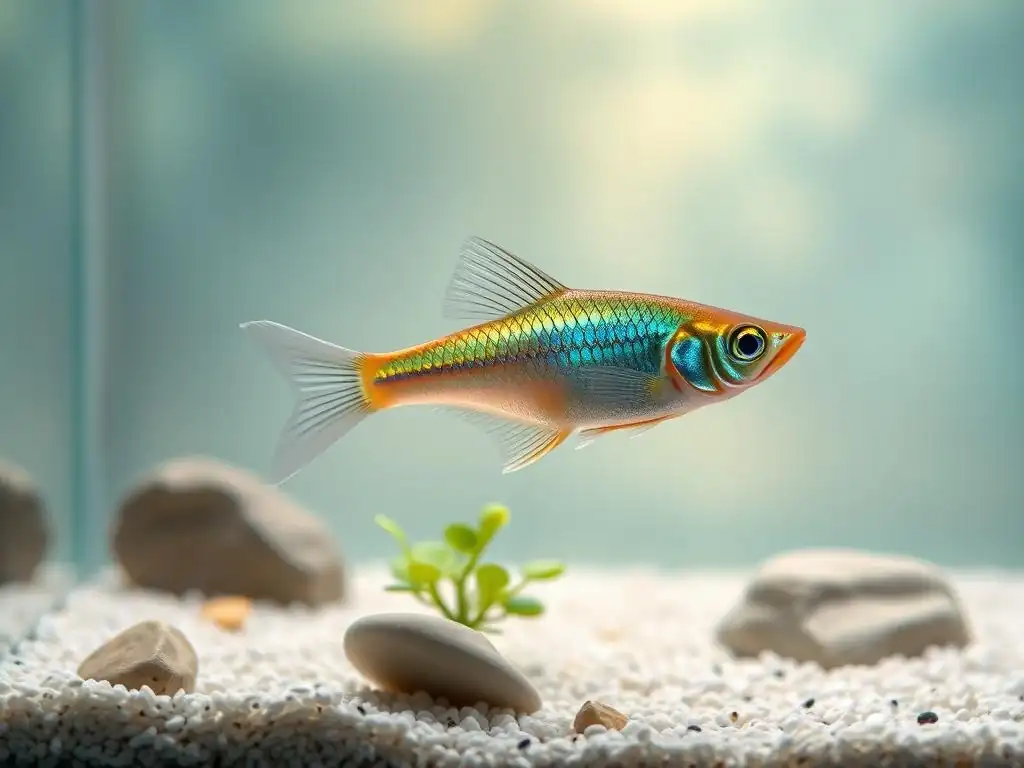
Implementing a strict quarantine procedure for all new fish before introducing them to your main display tank is one of the most effective ways to prevent disease-related Molly shimmy. Set up a separate, smaller quarantine tank (e.g., 10-20 gallons) with basic filtration and heating. New fish should be kept in this tank for a minimum of 2-4 weeks.
During quarantine, observe the fish closely for any signs of illness, parasites, or unusual behavior. You can also perform prophylactic treatments for common ailments like Ich or internal parasites. This practice prevents the introduction of pathogens that could spread to your established Mollies and become a new Molly shimmy cause.
Providing a Balanced and Varied Diet
A consistently high-quality and varied diet is fundamental to preventing Molly shimmy. Feed your Mollies a diverse range of foods, including high-quality flakes or pellets, supplemented with frozen or live foods (like brine shrimp or bloodworms) and plenty of vegetable matter (spirulina flakes, algae wafers, blanched vegetables). This ensures they receive all essential vitamins, minerals, proteins, and fiber.
Avoid overfeeding, as excess food quickly breaks down and pollutes the water, leading to poor water quality – a common Molly shimmy cause. Feed small amounts multiple times a day, only what they can consume in a few minutes, to promote optimal health and prevent dietary deficiencies that weaken their immune system.
Advanced Molly Care: Specific Considerations
Beyond the general preventative measures, certain advanced considerations are particularly relevant for Molly fish, given their unique physiological and genetic characteristics. Understanding these nuances can further enhance their long-term health and significantly reduce the likelihood of encountering the Molly shimmy. These specific factors often differentiate standard care from truly optimal conditions for these fascinating livebearers.
Addressing these specialized needs demonstrates a deeper commitment to Molly husbandry, moving beyond basic survival to genuine thriving within the aquarium environment.
Brackish Water Requirements for Certain Mollies
While many common Molly varieties (e.g., short-finned Mollies, certain Black Mollies) are perfectly content in pure freshwater, several species, particularly the larger Sailfin Mollies (Poecilia latipinna and Poecilia velifera) and their hybrids, naturally originate from brackish estuaries and coastal waters. For these specific types, maintaining them in purely freshwater conditions can be a chronic stressor, making them more susceptible to disease, fin rot, and the characteristic Molly shimmy.
Introducing aquarium salt (not table salt) gradually to achieve a low-end brackish specific gravity (e.g., 1.005-1.010) can significantly improve the long-term health and vitality of these species. This slightly saline environment helps their osmoregulation, reducing stress on their kidneys and gills, thereby preventing a common Molly shimmy cause related to improper water chemistry for their specific needs.
Genetic Factors and Selective Breeding Considerations
The genetic background of Molly fish can play a significant role in their overall hardiness and susceptibility to issues like Molly shimmy. Many Mollies available in the hobby are extensively inbred or come from mass-breeding operations where health and genetic diversity are not prioritized. Such fish may inherit weaker immune systems or predispositions to stress, making them more prone to shimmying even under conditions that well-bred Mollies would tolerate.
When sourcing Mollies, choosing fish from reputable breeders or local fish stores that prioritize healthy, robust stock can make a substantial difference. While selective breeding for specific color patterns or fin shapes is common, responsible breeders also consider disease resistance and overall vitality. Understanding that genetic factors can influence a Molly's resilience helps in recognizing that sometimes, despite best efforts in husbandry, a fish's inherent constitution can contribute to its health challenges, including the tendency to exhibit Molly shimmy.
Frequently Asked Questions
What exactly is the "Molly Shimmy" and how can I identify it in my fish?
The Molly Shimmy refers to a trembling or shaking behavior often seen in mollies. It's usually identified by observing the fish's body vibrating rapidly, particularly in the head and body, while the tail may remain still.
What are the primary causes of the Molly Shimmy that I should be aware of?
The most frequent cause is poor water quality, including elevated levels of ammonia, nitrites, or nitrates. Other potential causes include stress, sudden temperature changes, and parasitic infections.
What steps should I take immediately if I notice my Molly exhibiting the Shimmy?
First, perform a partial water change of around 25-50% to improve water quality. Next, test your water parameters (ammonia, nitrite, nitrate, pH) to identify any imbalances.
Are there any specific medications or treatments recommended for the Molly Shimmy?
If the shimmy is caused by poor water quality, improving the water parameters is the primary treatment. If parasites are suspected, appropriate anti-parasitic medication (available at aquarium stores) can be used following instructions carefully.
How can I prevent the Molly Shimmy from occurring in my aquarium in the future?
Regularly test your water and perform water changes to maintain optimal water quality. Also, acclimate new fish carefully and avoid overcrowding your aquarium.
Okay, here's a final reflection crafted to fit your article's theme and target keyword, following the structure you provided:
Final Reflection: Embracing Stability and Finding Your Ground
The insights shared throughout this article, detailing the causes and potential treatments for the Molly Shimmy, resonate deeply in a world often characterized by instability and uncertainty. Understanding the underlying factors that contribute to this "shimmy" – be they physical, emotional, or environmental – is crucial not just for addressing the immediate discomfort, but for cultivating a more grounded and balanced existence. The ability to identify and mitigate these triggers empowers us to regain control and find our footing, both literally and figuratively.
The concept of the Molly Shimmy, while seemingly specific, serves as a powerful metaphor for the broader human experience of feeling unsteady or out of sync. Recognizing the interconnectedness of our physical and emotional well-being is paramount in achieving lasting stability. The only way to do great work is to love what you do. If you haven't found it yet, keep looking. Don't settle.
- Steve Jobs. This quote reminds us that finding our passion and purpose can be a powerful antidote to the "shimmy" of life, providing a solid foundation upon which to build.
Now, as you reflect on the information presented in this article regarding Molly shimmy treatment causes, consider how you can apply these principles to your own life. Are there areas where you feel unsteady or out of balance? What steps can you take to identify the root causes and implement strategies for greater stability? Embrace the journey of self-discovery and empowerment, and remember that even the smallest adjustments can lead to profound and lasting improvements in your overall well-being. Find your ground, and let your inner stability shine.
Revitalize Your Tank: End the Molly Shimmy!
Thanks for diving into the world of Molly health! You've now got the knowledge to diagnose and address the dreaded shimmy. Ready to take action?
Here's how to put that knowledge to work immediately:
- Immediately test your aquarium water parameters! This is the single most important step to identify the underlying cause.
- Research uncommon Molly diseases. You might be surprised!
- Share this article with fellow aquarium enthusiasts to help them tackle the Molly Shimmy!
What water parameter will you test first after reading this article? Share in the comments below!