
Feeding Frenzy: Dietary Differences Between Tiger, Cherry, and Denison Barbs

Welcome to Aquarium Mastery!
Ever wondered if you're really feeding your tiger barbs the right stuff? Get ready to dive deep! This article uncovers crucial dietary nuances between tiger barbs, cherry barbs, and denison barbs, and it all starts with understanding their unique needs. Could you be overlooking a vital element in your tiger barbs' diet? Let's find out – and keep them thriving!
- Barb Dietary Needs: A Guide to Feeding Tiger, Cherry, and Denison Barbs
- Understanding Barb Diet Needs for a Thriving Aquarium
- Tiger Barb Diet: A Comprehensive Guide
- Cherry Barb Diet: Maintaining Vibrant Colors Through Proper Nutrition
- Denison Barb Diet: Meeting the Nutritional Needs of These Active Fish
- Comparing the Diets of Tiger, Cherry, and Denison Barbs
- Practical Tips for Feeding All Three Barb Species
- Creating a Balanced Diet Plan for a Barb Community Tank
-
Frequently Asked Questions
- How often should I feed my Tiger Barbs?
- What types of food are best for Tiger Barbs to ensure optimal health and vibrant colors?
- Are there any foods I should specifically avoid feeding my Tiger Barbs?
- How does the diet of a Tiger Barb differ from that of a Cherry Barb or a Denison Barb?
- What are the signs that I am overfeeding or underfeeding my Tiger Barbs?
- Final Reflection: The Delicate Balance of Aquatic Ecosystems
- Unleash Your Barb's Best Life!
Barb Dietary Needs: A Guide to Feeding Tiger, Cherry, and Denison Barbs
Understanding Barb Diet Needs for a Thriving Aquarium
Providing the correct diet is fundamental to the health, vibrancy, and longevity of any aquarium fish, and barbs are no exception. While they are often grouped due to their shared family (Cyprinidae), different barb species, such as the popular Tiger, Cherry, and Denison barbs, possess unique nutritional requirements shaped by their natural habitats and behaviors. Understanding these specific dietary needs is crucial for any aquarist aiming to cultivate a thriving aquatic environment.
A well-planned feeding regimen not only supports physical growth and immune function but also enhances the fish's natural coloration and activity levels. For instance, catering to the specific Tiger barbs diet needs will differ significantly from the approach required for the more herbivorous Cherry barb, or the high-energy Denison barb. This article will delve into the distinct dietary profiles of these three fascinating species, offering comprehensive guidance to ensure each fish receives optimal nutrition.
Tiger Barb Diet: A Comprehensive Guide
Wild Diet: Mimicking Their Natural Omnivorous Diet
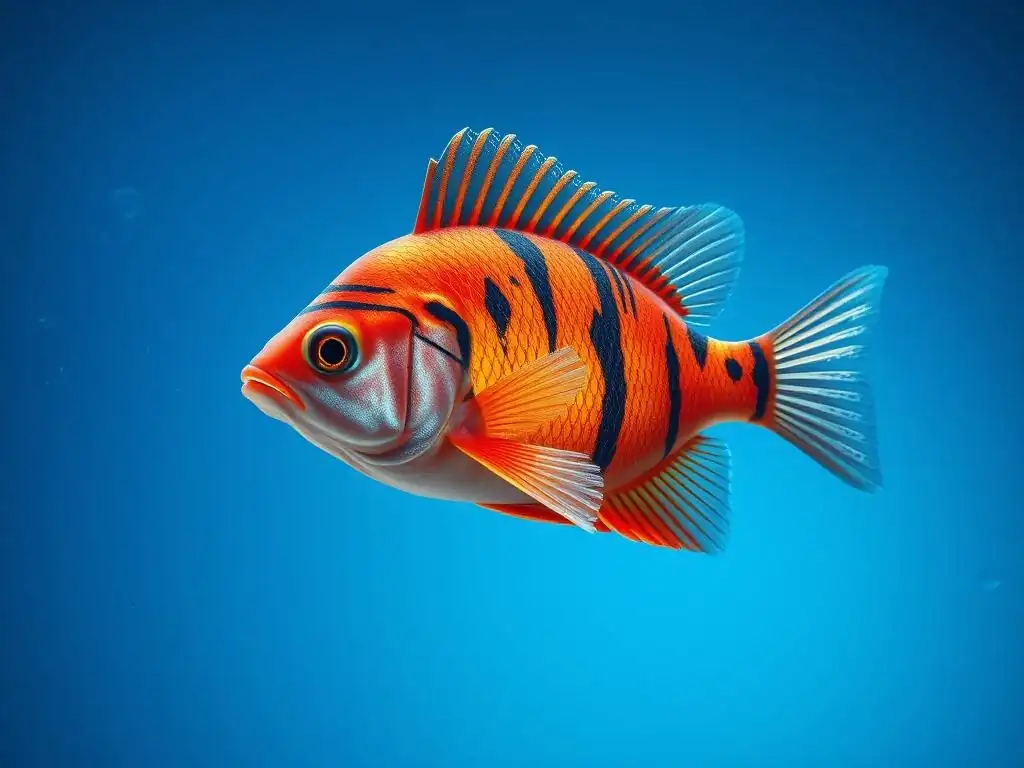
In their native habitats across Sumatra and Borneo, Tiger barbs (Puntigrus tetrazona) are opportunistic omnivores, foraging for a diverse range of food sources. Their natural diet primarily consists of small invertebrates such as insect larvae, small crustaceans like daphnia, and worms found in the substrate. They also consume a significant amount of plant matter, including algae and decaying vegetation, which contributes to their digestive health and overall well-being.
Replicating this varied wild diet in a home aquarium is paramount to meeting the Tiger barbs diet needs and promoting their vibrant coloration and robust health. A diet lacking in variety or specific nutrients can lead to dull colors, stunted growth, and increased susceptibility to disease. Therefore, a balanced approach that incorporates both animal and plant-based foods is essential for these active and sometimes boisterous fish.
Feeding Schedule: Frequency and Quantity
Establishing an appropriate feeding schedule is vital for Tiger barbs to prevent both underfeeding and, more commonly, overfeeding. For juvenile Tiger barbs, feeding two to three times daily is often recommended to support their rapid growth. Adult Tiger barbs, however, typically thrive on one to two feedings per day. The key principle for both age groups is to provide only as much food as they can consume within a short timeframe, generally two to three minutes.
Overfeeding is a common pitfall in aquarium keeping and can lead to significant water quality issues, including elevated ammonia and nitrite levels, as well as contributing to obesity and swim bladder problems in the fish themselves. Observing the fish's feeding behavior closely and adjusting the quantity of food accordingly is crucial. If any food remains uneaten after the recommended consumption period, it indicates that the portion size should be reduced in subsequent feedings.
Recommended Foods: Flakes, Pellets, and Live/Frozen Options
To fulfill the complete Tiger barbs diet needs, a combination of high-quality staple foods and supplementary options is ideal. Premium omnivore flakes and small pellets should form the foundation of their diet, providing essential proteins, carbohydrates, and vitamins. Look for products with a protein content ranging from 35% to 45%, which is suitable for their active metabolism and growth. These staples should be offered daily to ensure consistent nutrient intake.
Beyond commercial dry foods, incorporating a variety of live or frozen options significantly enhances their diet. Excellent choices include frozen bloodworms, brine shrimp, daphnia, and Mysis shrimp, which offer rich protein sources and essential fatty acids. These can be offered two to three times per week. Additionally, blanched vegetables like spinach or spirulina flakes can be provided occasionally to supplement their plant matter intake, mimicking their natural foraging habits.
Addressing Feeding Problems: Overfeeding and Competition
Overfeeding is a prevalent issue that can severely impact the health of Tiger barbs and their aquatic environment. Signs of overfeeding include uneaten food accumulating on the substrate, cloudy water, and a noticeable increase in algae growth. Internally, overfed fish may develop bloat, lethargy, and a weakened immune system, making them more susceptible to common fish diseases. It’s critical to scoop out any uneaten food within minutes to maintain water quality.
Competition for food is another significant consideration, especially in community tanks. Tiger barbs are known for their active and sometimes aggressive feeding behavior, often outcompeting slower or shyer tank mates. To mitigate this, consider spreading food across the water surface or offering food at multiple points simultaneously. This strategy helps ensure that all fish, including the more timid individuals, have an equal opportunity to access their portion of the meal, fulfilling their specific Tiger barbs diet needs without undue stress.
Cherry Barb Diet: Maintaining Vibrant Colors Through Proper Nutrition
Natural Diet: Algae, Small Invertebrates, and Plant Matter
Cherry barbs (Puntius titteya) originate from the lush, slow-moving streams and shaded waters of Sri Lanka. In their natural habitat, their diet is primarily composed of detritus, algae, and various forms of plant matter. They are also known to consume tiny invertebrates such as small insect larvae and copepods, making them omnivores with a distinct preference for plant-based foods. This dietary inclination is crucial for maintaining their health and, notably, their signature vibrant red coloration.
The emphasis on plant matter in their wild diet highlights the importance of providing a similar composition in the aquarium. A diet rich in vegetable components not only aids in their digestion but also ensures they receive the necessary nutrients, like carotenoids, that contribute to their striking appearance. Neglecting this aspect can lead to duller coloration and potential digestive issues, compromising their overall well-being.
Foods for Color Enhancement: Spirulina and Carotenoid-Rich Options
To truly enhance and maintain the Cherry barb's vivid red hues, specific dietary components are essential. Spirulina-based flakes or pellets are highly recommended as a staple, given their rich content of plant proteins and natural pigments. Spirulina, a blue-green algae, is packed with carotenoids, which are vital for the synthesis of red and orange pigments in fish. Incorporating these into their daily meals will significantly improve their color intensity.
Beyond spirulina, other carotenoid-rich foods can be offered as supplements. Examples include high-quality flakes or small pellets that specifically list ingredients like astaxanthin or krill meal. Additionally, blanched vegetables such as zucchini slices, shelled peas, or finely chopped spinach can be provided a few times a week. These natural sources of plant matter not only boost color but also provide essential fiber, aiding digestion and preventing common issues like constipation.
Feeding Guide: Portion Control and Frequency
Cherry barbs are relatively small and less aggressive feeders compared to their Tiger barb cousins, necessitating careful portion control. It is generally advised to feed them one to two times per day, offering only a small pinch of food that they can entirely consume within one to two minutes. Their delicate size means they require much less food than larger, more active species, and overfeeding can quickly lead to health problems.
Consistency in feeding times can also help reduce stress for these peaceful fish. Providing meals at predictable intervals allows them to anticipate feeding, which can make them more comfortable and less prone to shyness. Always observe their behavior during feeding; if they appear sluggish or if food remains uneaten, adjust the quantity downwards. A well-managed feeding schedule contributes significantly to their long-term health and vibrant appearance.
Preventing Dietary Issues: Avoiding Overfeeding and Bloat
Cherry barbs are particularly susceptible to dietary issues, with overfeeding being the most common culprit leading to bloat. Bloat, characterized by a swollen abdomen, often results from an excessive intake of food, especially high-protein foods, or a diet lacking sufficient fiber. This condition can lead to severe internal distress and, if left untreated, can be fatal. It is crucial to monitor their body condition regularly.
To prevent bloat and other digestive problems, ensure their diet is well-balanced with a good proportion of vegetable matter. Supplementing with blanched vegetables or spirulina-rich foods helps maintain a healthy digestive tract. Additionally, consider incorporating a fasting day once a week. This allows their digestive systems to clear out, reducing the risk of bloat and promoting overall gut health. A lean, active Cherry barb is a healthy one.
Denison Barb Diet: Meeting the Nutritional Needs of These Active Fish
Natural Food Sources: Insects, Algae, and Plant Material
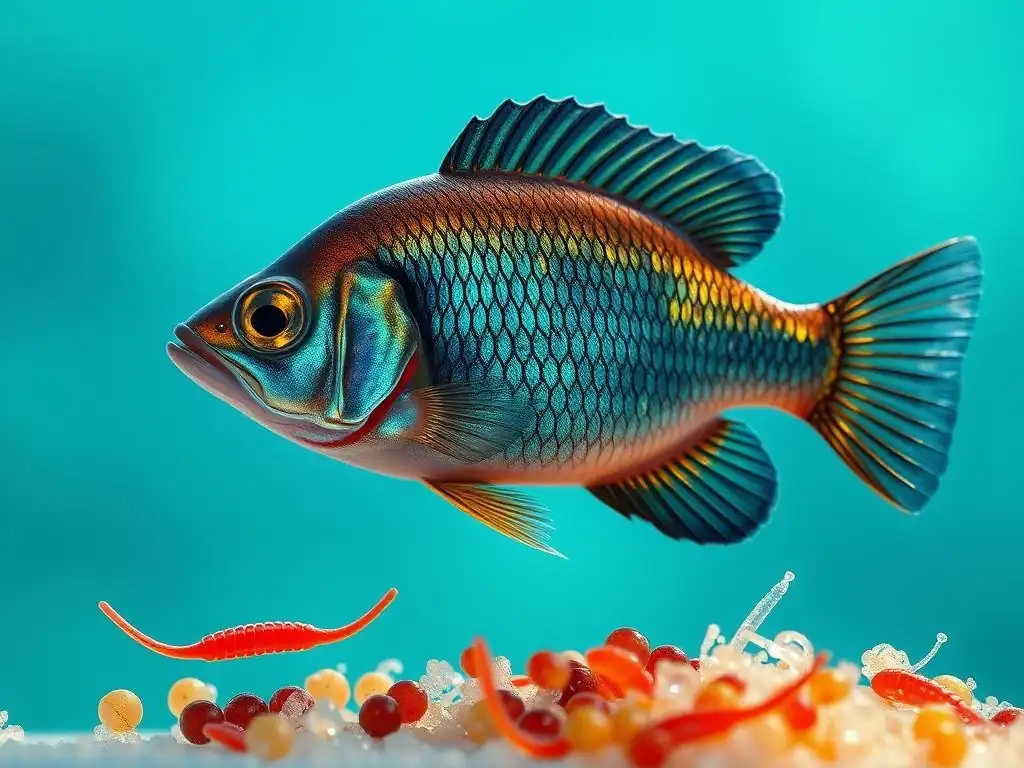
Denison barbs (Sahyadria denisonii), also known as Red-line Torpedo Barbs, hail from the fast-flowing rivers and streams of the Western Ghats in India. Their natural environment dictates a diet that supports their high metabolism and constant activity. In the wild, they are primarily insectivores, actively hunting and consuming a variety of small aquatic insects, insect larvae, and terrestrial insects that fall into the water. They also graze on algae and other plant material found on rocks and submerged vegetation.
This combination of high-protein insect matter and plant-based foods is essential for their energy levels and overall health. Their swift, torpedo-like swimming style demands a consistent intake of nutrient-dense food. Replicating this diverse and energy-rich diet in captivity is crucial for the successful long-term keeping of these magnificent fish, ensuring they maintain their striking colors and active behavior.
Ideal Foods: High-Quality Pellets, Flakes, and Live/Frozen Foods
Given their high energy requirements, Denison barbs thrive on a diet rich in protein. High-quality sinking pellets or flakes specifically formulated for active omnivores or carnivores should form the cornerstone of their daily meals. Look for products with a protein content in the range of 45% to 55%, as this provides the necessary building blocks for their muscular bodies and supports their fast metabolism. Sinking foods are often preferred as Denison barbs tend to feed in the mid-to-bottom water columns.
Supplementing their diet with live or frozen foods is not just beneficial but often essential for their optimal health and vigor. Excellent options include frozen bloodworms, Mysis shrimp, brine shrimp, and daphnia. These foods not only provide superior nutrition but also stimulate their natural hunting instincts, offering valuable enrichment. Offering these live or frozen foods two to four times a week will significantly contribute to their vibrant coloration and overall well-being.
Feeding Strategies: Ensuring Adequate Food for Fast Swimmers
Denison barbs are incredibly fast and agile swimmers, which means they can quickly consume food, sometimes outcompeting slower tank mates. To ensure all Denison barbs in a tank receive adequate nutrition, it is advisable to feed them two to three times a day with smaller, frequent meals rather than one large meal. This approach helps to meet their high metabolic demands throughout the day without overfeeding at any single instance.
When feeding, scatter the food widely across the water surface or introduce it rapidly to prevent dominant individuals from monopolizing the meal. Since they are mid-water feeders, ensuring food reaches them before it settles too quickly or is lost in the filter current is also important. Observing their feeding behavior will allow aquarists to fine-tune the quantity and method of delivery, ensuring these active fish get their full share.
Addressing Nutritional Deficiencies: Recognizing and Treating Symptoms
Nutritional deficiencies in Denison barbs can manifest in several ways, often due to an inadequate diet lacking in protein or essential micronutrients. Common symptoms include faded or dull coloration, lethargy, a noticeable loss of muscle mass (emaciation), and an increased susceptibility to various fish diseases. Given their active nature, a sudden decrease in swimming activity or appetite should prompt a review of their current diet.
If signs of deficiency are observed, the first step is to reassess the quality and variety of the food being offered. Supplementing their diet with high-quality frozen foods, such as enriched Mysis shrimp or nutrient-dense bloodworms, can often rapidly improve their condition. Additionally, consider using vitamin-enriched flakes or liquid vitamin supplements added to their food to boost their overall nutrient intake and help them regain their vitality and striking appearance.
Comparing the Diets of Tiger, Cherry, and Denison Barbs
Protein Requirements: A Comparative Analysis for Growth
The protein requirements vary significantly among these three barb species, largely reflecting their activity levels and natural diets. Denison barbs, with their high metabolism and constant swimming, demand the highest protein content, ideally between 45% and 55% of their diet, to support their robust musculature and energy needs. Tiger barbs, being active omnivores, thrive on a moderate protein intake of around 35% to 45%, which fuels their growth and boisterous behavior.
In contrast, Cherry barbs, while omnivorous, have a slightly lower protein requirement, typically benefiting from a diet where protein accounts for 30% to 40% of their intake, balanced with a higher proportion of vegetable matter. Understanding these distinct protein needs is crucial for formulating a diet that promotes optimal growth, strong immune systems, and overall health for each species, whether focusing on Tiger barbs diet needs or those of their cousins.
Vegetable Matter: Importance for Digestion and Health
The role of vegetable matter in the diet also differs across these species, yet remains important for all. Cherry barbs have the most significant requirement for plant-based foods, with algae and various plant detritus forming a substantial part of their natural diet. Providing ample spirulina and blanched greens helps prevent digestive issues like bloat and enhances their vibrant coloration.
Tiger barbs, as omnivores, also benefit from the inclusion of some vegetable matter, which aids digestion and provides essential fiber. While not as dominant as in the Cherry barb's diet, occasional spirulina flakes or blanched vegetables contribute to their gut health. Denison barbs, despite their carnivorous leanings, also graze on algae in the wild, indicating that a small percentage of plant material in their diet is beneficial for overall digestive well-being.
Live and Frozen Foods: Supplementing for Variety and Enrichment
Live and frozen foods serve as invaluable supplements for all three barb species, offering a nutritional boost and crucial behavioral enrichment. For Tiger barbs, options like bloodworms, brine shrimp, and daphnia mimic their opportunistic foraging in the wild, providing essential proteins and fatty acids that complement their Tiger barbs diet needs. These should be offered a few times a week to maintain peak condition.
Denison barbs, being natural insectivores, particularly benefit from live or frozen bloodworms, Mysis shrimp, and other small crustaceans, which satisfy their predatory instincts and provide concentrated energy. For Cherry barbs, smaller live or frozen foods such as daphnia and brine shrimp are excellent for providing variety and vital nutrients that enhance their color, without overwhelming their smaller mouths. These supplements are key to a well-rounded and engaging diet for any barb.
Food Type: Considerations for Size and Nutritional Content
Selecting the appropriate food type and size is critical for effective feeding across all three barb species. Cherry barbs, being the smallest, require finely crushed flakes or micro-pellets that can be easily ingested without causing choking or difficulty. Their delicate mouths necessitate smaller particle sizes to ensure they receive adequate nutrition.
Tiger barbs can handle slightly larger flakes and small pellets due to their more robust build and mouth size. For both Tiger and Denison barbs, small sinking pellets are often beneficial, especially for Denison barbs which prefer to feed in the mid-to-lower water column. Regardless of the species, always prioritize high-quality foods from reputable brands. These products typically offer better nutritional profiles, are more digestible, and produce less waste, contributing to cleaner water and healthier fish.
Practical Tips for Feeding All Three Barb Species
Minimizing Food Aggression: Diversions and Multiple Feeding Spots
In a community tank housing multiple barb species, particularly the famously boisterous Tiger barbs, food aggression can be a significant challenge. Tiger barbs are known to be enthusiastic eaters and can quickly monopolize food, leaving less for shyer or slower species like Cherry barbs. To mitigate this, consider scattering food widely across the water surface rather than concentrating it in one spot. This forces the more aggressive feeders to spread out, allowing others a chance to eat.
Another effective strategy is to use multiple feeding spots. You can introduce food simultaneously at opposite ends of the tank, or even use a feeding ring in one area while sprinkling food directly into another. This diversion tactic helps ensure that all fish, regardless of their position in the pecking order, have access to adequate nutrition and that their specific Tiger barbs diet needs are met without undue competition or stress.
Water Quality Management: Preventing Overfeeding and Waste Build-up
Overfeeding is arguably the single largest contributor to poor water quality in an aquarium. Uneaten food quickly breaks down, releasing ammonia and nitrites into the water, which are highly toxic to fish. This decay also fuels unsightly algae blooms and can lead to cloudy, foul-smelling water. It is imperative to feed only what your fish can consume within a few minutes, typically 2 to 3 minutes for most barbs.
Regularly monitor your water parameters using a reliable test kit. If you notice a persistent rise in ammonia or nitrite, it's a strong indicator of overfeeding. Promptly remove any uneaten food from the tank using a net or gravel vacuum after each feeding. Complementing good feeding practices with consistent partial water changes (e.g., 25% weekly) and maintaining an efficient filtration system are non-negotiable for preserving pristine water quality and the long-term health of your barbs.
Food Size Selection: Matching Food to Mouth Size
Proper food size selection is a fundamental aspect of successful fish keeping. Food particles that are too large can lead to choking, partial consumption, or outright refusal by the fish, resulting in wasted food and potential health issues. Conversely, food that is too small might not be sufficiently nutritious or may be difficult for larger fish to effectively capture.
For Cherry barbs, which have small mouths, tiny flakes or micro-pellets are ideal. Tiger barbs can handle slightly larger flakes and small pellets, while Denison barbs, with their active feeding and slightly larger size, can manage small to medium-sized pellets and larger live/frozen foods like bloodworms. Always observe how your fish consume the food. If they struggle to ingest it, or if a significant amount is left untouched, adjust the food size accordingly.
Vitamin and Mineral Supplementation: Enhancing Health and Vitality
While a high-quality, varied diet forms the backbone of good nutrition, occasional vitamin and mineral supplementation can provide an extra boost, especially during times of stress, recovery from illness, or for fish that show signs of dull coloration or lethargy. Many commercial fish foods are fortified with essential vitamins, but these can degrade over time once the package is opened.
Liquid vitamin supplements designed for aquarium fish can be added directly to the water or, more effectively, soaked into dry or frozen foods just before feeding. This ensures the fish directly ingest the supplements. For instance, enriching their food with a vitamin complex can boost their immune system, enhance their natural colors, and generally improve their vitality, contributing to a more robust and disease-resistant population of barbs.
Creating a Balanced Diet Plan for a Barb Community Tank
Assessing Species-Specific Needs in the Tank
When maintaining a community tank with multiple barb species, a successful feeding strategy begins with a thorough assessment of each species' unique dietary requirements. For example, a tank containing Tiger, Cherry, and Denison barbs will have varied needs: the high protein demands of Denison barbs, the omnivorous, slightly more plant-inclined diet of Tiger barbs, and the significant vegetable matter requirement of Cherry barbs.
Consider the total biomass of fish in the tank and their individual activity levels. A tank with a large school of active Denison barbs will consume more food overall and require higher protein content than a tank predominantly housing smaller, less active Cherry barbs. Understanding these individual nuances, including specific Tiger barbs diet needs, is the first step in crafting a comprehensive and effective feeding plan for the entire community.
Developing a Feeding Schedule for All Inhabitants
Creating a cohesive feeding schedule for a mixed barb community tank requires careful planning to ensure all inhabitants receive adequate nutrition. One effective approach is to offer a mix of food types throughout the day or week. For instance, you might start the day with high-protein sinking pellets for the active Denison barbs, followed by a lighter feeding of spirulina flakes later for the Cherry barbs, and a general omnivore flake or frozen food for the Tiger barbs.
Varying the types of food offered daily or every other day ensures a broad spectrum of nutrients. For example, Monday could be high-quality flake day, Tuesday frozen bloodworms, Wednesday blanched vegetables, and so on. This rotational schedule not only provides comprehensive nutrition but also keeps the fish engaged and prevents boredom, encouraging them to feed enthusiastically.
Observing Fish Health Through Dietary Indicators
Continuous observation of your fish's health is the ultimate indicator of whether your dietary plan is effective. Healthy barbs will exhibit vibrant colors specific to their species—intense reds for Cherry barbs, striking stripes for Tiger barbs, and vivid lines for Denison barbs. They will also be active, alert, and display healthy body shapes, neither emaciated nor bloated. Their fins should be intact, and their eyes clear.
Conversely, signs of dietary deficiencies or imbalances include faded coloration, lethargy, stunted growth, or a visibly unhealthy body condition (e.g., pinched stomach, swollen abdomen). If any of these symptoms appear, it's a strong signal that your feeding regimen needs adjustment. Regularly checking for uneaten food and monitoring water parameters will also provide indirect indicators of proper feeding.
Managing Competition for Food in a Community Tank
Competition for food is an inherent challenge in a community tank, especially with species like Tiger barbs that can be quite assertive during feeding times. To ensure all fish, including the more timid or slower ones, receive their share, employ strategic feeding techniques. Spreading food across the entire water surface or using multiple feeding locations simultaneously can help distribute the food more evenly, reducing the ability of dominant fish to monopolize the meal.
Another tactic is to feed the most aggressive eaters first, perhaps in a specific area, allowing them to consume their initial hunger before introducing food for the rest of the tank. For fish that prefer mid-water or bottom feeding, ensure sinking pellets are part of the diet. By understanding the feeding habits and social dynamics of each species, you can fine-tune your approach to minimize competition and create a more equitable feeding environment for your entire barb community.
Frequently Asked Questions
How often should I feed my Tiger Barbs?
Tiger Barbs should be fed two to three times a day with small portions. Avoid overfeeding as this can lead to water quality issues and health problems.
What types of food are best for Tiger Barbs to ensure optimal health and vibrant colors?
Tiger Barbs are omnivores and thrive on a varied diet. Offer them a mix of high-quality flake food, supplemented with live or frozen foods like bloodworms and daphnia.
Are there any foods I should specifically avoid feeding my Tiger Barbs?
Avoid feeding Tiger Barbs foods that are high in fat or fillers, as these offer little nutritional value. Also, ensure food particles are small enough for them to consume easily.
How does the diet of a Tiger Barb differ from that of a Cherry Barb or a Denison Barb?
While all three are omnivores, Tiger Barbs may require more frequent feeding due to their active nature. Cherry Barbs can often graze on algae and Denison Barbs benefit from larger food pieces as they grow.
What are the signs that I am overfeeding or underfeeding my Tiger Barbs?
Signs of overfeeding include cloudy water and uneaten food accumulating. Underfeeding can be indicated by thin or listless fish and increased aggression within the tank.
Okay, here's a final reflection designed to close your article "Feeding Frenzy: Dietary Differences Between Tiger, Cherry, and Denison Barbs," optimized for the keyword "Tiger barbs diet needs" and following the structure you provided:
Final Reflection: The Delicate Balance of Aquatic Ecosystems
The exploration of dietary needs across Tiger, Cherry, and Denison Barbs underscores a crucial point: understanding the specific nutritional requirements of each species is paramount for responsible fishkeeping. Neglecting these nuances can lead to health problems, stunted growth, and ultimately, a compromised aquatic ecosystem within your own tank. This understanding extends beyond mere feeding; it's about creating a thriving environment where these vibrant creatures can flourish.
The subtle yet significant differences in diet highlight the interconnectedness of life, even within the confines of an aquarium. My own experience observing the feeding habits of these barbs has reinforced the importance of diligent research and attentive care. The greatness of a nation and its moral progress can be judged by the way its animals are treated.
- Mahatma Gandhi. This quote, though often applied to larger animals, resonates deeply with the responsibility we undertake when caring for any living creature, no matter how small. It's a reminder that our actions have consequences, and informed choices are essential for ensuring the well-being of our aquatic companions.
Now, consider how you can apply this knowledge to your own aquarium. Are you truly meeting the Tiger barbs diet needs, or are there adjustments you can make to optimize their health and vibrancy? Take a moment to reflect on your current feeding practices and commit to providing the best possible nutritional foundation for your fish. By doing so, you're not just feeding fish; you're cultivating a thriving ecosystem and fostering a deeper appreciation for the delicate balance of life within your care.
Unleash Your Barb's Best Life!
Thank you for diving into the dietary world of barbs! We hope you now have a clearer understanding of how to keep your Tiger, Cherry, and Denison Barbs thriving. Ready to put your newfound knowledge to the test?
Here are a few ways to take action:
- Craft a customized feeding schedule: Design a weekly meal plan that caters to the specific nutritional needs of each barb species in your aquarium. Don't just sprinkle food and hope for the best!
- Explore alternative live food options: Research and try offering blackworms or daphnia to your barbs for a stimulating and nutritious treat.
- Share your Barb feeding success story: What innovative feeding techniques have worked for your barbs? Head over to our community forum and share your secrets!
What's the most surprising thing you learned about barb diets, and how will you change your feeding habits based on it?