
WildCaught vs. CaptiveBred Angelfish: Pros, Cons, and Ethical Choices

Welcome to Aquarium Mastery!
Dive into the fascinating world of angelfish! Ever wondered about the ethical implications of choosing wild-caught versus captive-bred specimens? This article explores the pros and cons, guiding you toward responsible choices in ethical captivebred angelfish selection for your saltwater aquarium. Discover the factors that contribute to the health and sustainability of the hobby, and unlock the secrets to a thriving, ethically-sourced aquarium. Keep reading to learn more!
- Ethical captivebred angelfish selection: A guide for responsible aquarists
-
Frequently Asked Questions
- What are the key differences between wild-caught and captive-bred angelfish?
- Why is ethical captive-bred angelfish selection important?
- How can I identify if an angelfish is captive-bred?
- What are the pros and cons of choosing wild-caught angelfish?
- What factors should I consider when selecting captive-bred angelfish?
- Final Reflection: A Ripple of Responsibility
- Ignite Your Aquarium Passion!
Ethical captivebred angelfish selection: A guide for responsible aquarists
Prioritizing captive-bred angelfish for sustainable aquariums
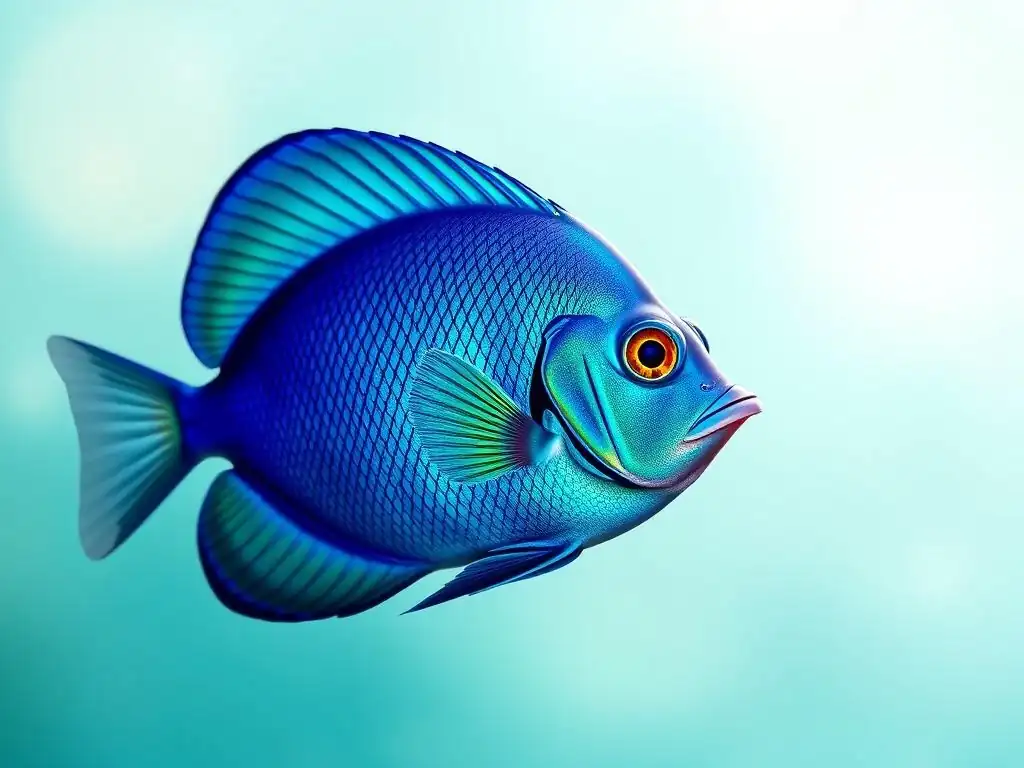
Prioritizing captive-bred angelfish for your aquarium is a cornerstone of sustainable aquaculture and responsible hobby keeping. This choice directly alleviates pressure on wild reef populations, which are increasingly vulnerable to over-collection and habitat degradation. For instance, while exact figures fluctuate, studies suggest that for popular species, the demand met by wild-caught individuals can significantly impact local ecosystems, leading to depletion of certain fish populations in specific reef areas. By opting for captive-bred specimens, aquarists contribute to reducing this ecological footprint, ensuring that the beauty of angelfish can be enjoyed without compromising the health of natural marine environments.
Furthermore, the focus on ethical captivebred angelfish selection supports the growth and innovation within the aquaculture industry. As more hobbyists choose captive-bred fish, it incentivizes breeders to expand their operations, research new breeding techniques, and increase the availability of diverse species. This not only provides a more stable supply chain for the hobby but also creates a robust system where fish are raised in controlled environments, often leading to healthier, more robust individuals better adapted to aquarium life. This commitment helps secure the future of the angelfish hobby in an environmentally conscious manner.
Understanding the importance of ethical sourcing in the angelfish trade
Understanding the importance of ethical sourcing in the angelfish trade extends beyond simply choosing captive-bred specimens; it involves a deeper look into the entire supply chain. Ethical sourcing means supporting suppliers and breeders who adhere to stringent welfare standards, transparent practices, and environmentally sound methods. This includes ensuring that breeding facilities maintain optimal water quality, appropriate nutrition, and adequate space for their fish, preventing stress and disease outbreaks before the fish even reach the retail market. For example, reputable breeders often have clear documentation regarding their breeding lines and health protocols, providing peace of mind to the end consumer.
The implications of unethical sourcing can be severe, ranging from the spread of virulent diseases due to poor husbandry to the perpetuation of illegal or environmentally damaging collection practices for wild counterparts. By making informed decisions about ethical captivebred angelfish selection, aquarists can actively discourage these harmful practices.
Every purchase of an ethically sourced, captive-bred angelfish sends a clear message to the industry: that responsible stewardship of marine life and habitats is paramount. This collective consumer power is vital in shaping a more sustainable and ethical future for the entire aquarium trade, protecting both the fish and the fragile ecosystems they originate from.
Frequently Asked Questions
What are the key differences between wild-caught and captive-bred angelfish?
Wild-caught angelfish are taken from their natural habitats, while captive-bred angelfish are bred in captivity. This affects their adaptability to aquarium life and their impact on wild populations. Captive-bred angelfish are generally hardier in aquariums.
Why is ethical captive-bred angelfish selection important?
Choosing captive-bred angelfish supports sustainable aquarium practices and helps to protect wild angelfish populations from being depleted. It also ensures you are getting a fish adapted to aquarium conditions, leading to a healthier pet.
How can I identify if an angelfish is captive-bred?
Ask the retailer for documentation or information about the angelfish's origin. Reputable breeders will readily provide this information. Also, captive-bred angelfish often have more vibrant colors due to selective breeding.
What are the pros and cons of choosing wild-caught angelfish?
While wild-caught angelfish might have greater genetic diversity, they are more prone to disease and have lower survival rates in aquariums. Their removal from the wild also negatively impacts their natural ecosystem.
What factors should I consider when selecting captive-bred angelfish?
Look for angelfish with bright colors, clear eyes, and healthy body shape. Observe their behavior to ensure they are active and eating well. Purchasing from reputable breeders or stores is also crucial.
Okay, here's a final reflection designed for your article "WildCaught vs. CaptiveBred Angelfish: Pros, Cons, and Ethical Choices," targeting the keyword "Ethical captivebred angelfish selection."
Final Reflection: A Ripple of Responsibility
The journey through the world of angelfish, from the vastness of their natural habitats to the controlled environments of captive breeding, reveals a crucial intersection of passion and responsibility. The choice between wild-caught and captive-bred angelfish is not merely a matter of preference, but a conscious decision that directly impacts the health of wild populations and the sustainability of the aquarium hobby. Understanding the nuances of each option empowers us to become more informed and ethical aquarists.
This exploration has undoubtedly shifted perspectives on the seemingly simple act of choosing a fish. The realization that our purchasing decisions can contribute to either the depletion or the conservation of a species is a powerful one, and it underscores the interconnectedness of our actions with the natural world. We are tied to the ocean. And when we go back to the sea, whether it is to sail or to watch it, we are going back from whence we came.
- John F. Kennedy. This quote reminds us of our inherent connection to aquatic life and the responsibility we bear to protect it.
Ultimately, the future of angelfish, and indeed many other species in the aquarium trade, rests in our hands. Let us not simply be consumers, but conscious stewards. Consider the information presented here, research further, and choose wisely. By prioritizing ethical captive-bred angelfish selection, we can contribute to a more sustainable and compassionate future for these magnificent creatures and the ecosystems they call home. Let the ripple of your responsible choices create waves of positive change.
Ignite Your Aquarium Passion!
Thanks for diving deep into the world of Angelfish with us! We hope you found valuable insights to help you make the best choice for your aquarium. Now, it's time to turn that knowledge into action!
- Embark on a quest to find a local breeder and support sustainable practices within the aquarium hobby!
- Share this article with fellow aquarists to spark conversations about responsible sourcing and ethical aquarium keeping.
- Record your aquarist's journey and share to our social media accounts with tag @aquariummastery using the hashtag #EthicalAquarist
What steps will you take today to ensure your Angelfish's well-being and promote ethical practices within the aquarium hobby?