
Creating the Perfect Angelfish Habitat: Tall Tanks & Ideal Conditions

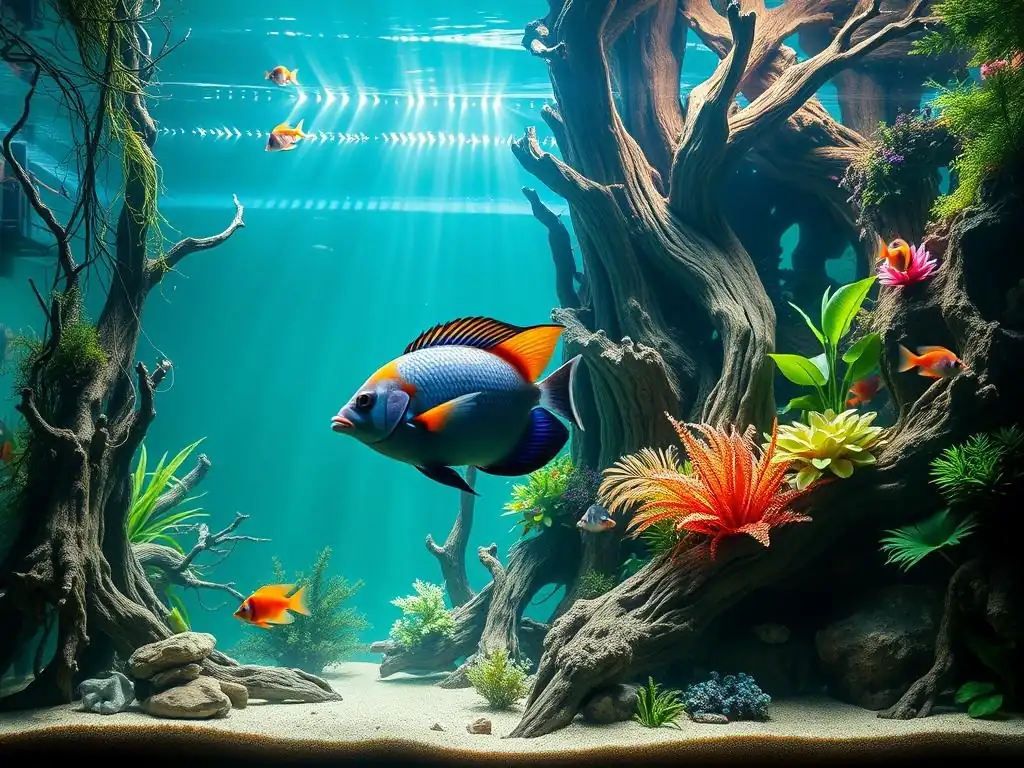
Welcome to Aquarium Mastery, your ultimate guide to thriving aquatic ecosystems!
Ever wondered if your angelfish could be truly happy in their home? Dive in and discover the secrets to a stunning and healthy Angelfish tall tank setup. We're about to unlock the key to creating the ideal environment for these majestic creatures, so get ready to transform your aquarium into a slice of paradise!
- Understanding Angelfish Needs for a Thriving Aquarium
- Selecting the Right Tall Tank for Your Angelfish
- Establishing Ideal Water Parameters for Angelfish Health
- Choosing the Right Filtration System for Angelfish
- Substrate and Decorations for a Natural Angelfish Environment
- Angelfish Tank Mates: Choosing Compatible Species
- Feeding Your Angelfish for Optimal Health and Growth
- Lighting Considerations for Angelfish Aquariums
- Preventing and Treating Common Angelfish Diseases
-
Frequently Asked Questions
- What tank size is absolutely necessary for an Angelfish tall tank setup?
- What are the key considerations for water chemistry in an Angelfish tank?
- What type of plants are best suited for an Angelfish tall tank setup?
- Besides tank size, what else contributes to an ideal Angelfish habitat?
- What are some common problems encountered in Angelfish tanks and how can I address them?
- Final Reflection: Cultivating Aquatic Harmony
- Cultivate Your Angelfish Paradise!
Understanding Angelfish Needs for a Thriving Aquarium
Why Tall Tanks are Essential for Angelfish
Angelfish (Pterophyllum scalare) possess a distinctive, disc-shaped body and long, flowing fins that require ample vertical swimming space to thrive. In their natural habitat, they navigate through submerged tree roots and dense vegetation, utilizing vertical dimensions. A standard, shorter aquarium can restrict their natural movement, leading to stress, fin damage, and even stunted growth. For an optimal angelfish tall tank setup, the height of the aquarium is paramount, allowing these elegant fish to fully extend their dorsal and anal fins without constantly brushing against the substrate or tank bottom, which can cause irritation or infection.
Furthermore, a tall angelfish tank setup facilitates more natural social dynamics and reduces aggression. Angelfish establish territories, and the verticality of a tall tank provides more distinct zones for individual fish or pairs, minimizing confrontations. This increased verticality also allows for more complex aquascaping with tall plants, driftwood, and rock formations, which angelfish use for cover, exploration, and as breeding sites. Without sufficient height, the angelfish's unique beauty and natural behaviors cannot be fully appreciated or maintained, making a tall tank a fundamental requirement for their long-term health and well-being.
Angelfish Natural Habitat and Tank Requirements
Angelfish originate from the slow-moving, warm, and often acidic blackwater rivers and floodplains of the Amazon Basin, particularly in countries like Brazil, Peru, and Colombia. Their natural environment is characterized by dense submerged root systems, fallen branches, and thick aquatic vegetation. These elements provide crucial hiding spots from predators and serve as visual barriers for territorial disputes. Mimicking this environment is key to a successful angelfish tall tank setup, promoting natural behaviors and reducing stress.
Translating these natural conditions into aquarium requirements means providing a stable environment with specific water parameters, ample vertical structure, and open swimming areas. While angelfish are somewhat adaptable, maintaining water temperatures between 76-82°F (24-28°C) and a slightly acidic to neutral pH of 6.0-7.5 is ideal. The inclusion of tall plants like Amazon Swords (Echinodorus amazonicus), Vals (Vallisneria spiralis), and large pieces of driftwood or Mopani wood within the tall angelfish tank setup will provide the necessary vertical cover and contribute to the blackwater effect, enhancing their colors and encouraging breeding.
Selecting the Right Tall Tank for Your Angelfish
Minimum Angelfish Tank Size: Height, Width, and Depth Considerations
When planning an angelfish tall tank setup, the tank dimensions are more critical than just the gallon capacity. For a single adult angelfish or a breeding pair, a 29-gallon "tall" aquarium (approximately 30 inches long x 12 inches wide x 24 inches high) is often considered the absolute minimum.
However, for a small group of 3-5 angelfish, a 55-gallon tank (approximately 48 inches long x 13 inches wide x 21 inches high) or a 75-gallon tank (approximately 48 inches long x 18 inches wide x 21 inches high) is far more suitable. The crucial aspect for these fish, which can reach 6 inches or more in height, is the vertical space.
A minimum height of 20-24 inches (50-60 cm) is highly recommended for any angelfish tall tank setup to allow their long fins to fully extend without being constricted. While height is paramount, width and depth are also important for adequate swimming room and territorial establishment.
A tank that is too narrow will restrict their turning radius, while insufficient depth limits the aquascape possibilities. For instance, a 40-gallon breeder tank, while not explicitly "tall" (often around 16 inches high), has a larger footprint (36 inches long x 18 inches wide), which can be beneficial for horizontal swimming space, but would still ideally be supplemented with a taller tank for adult angelfish.
Best Tall Tank Materials for Angelfish: Glass vs. Acrylic
Choosing between glass and acrylic for your angelfish tall tank setup involves weighing several factors. Glass tanks are generally more scratch-resistant, which is a significant advantage for long-term clarity, especially when cleaning. They are also typically less expensive upfront, making them a popular choice for hobbyists. However, glass tanks are considerably heavier, which can be a concern for larger tall aquariums, and they offer less insulation compared to acrylic, potentially leading to more temperature fluctuations if ambient room temperature varies significantly. For a standard 55-gallon glass tank, the glass thickness is typically around 1/4 inch (6mm).
Acrylic tanks, conversely, are much lighter and stronger than glass, making them less prone to shattering. Their superior insulation properties can help maintain more stable water temperatures, which is beneficial for sensitive fish like angelfish. However, acrylic is highly susceptible to scratching, requiring careful cleaning techniques to avoid permanent marks.
They are also generally more expensive than their glass counterparts. For very large angelfish tall tank setups (e.g., 150 gallons or more), acrylic's lighter weight and structural integrity might make it the preferred material, but for most home aquarists, glass remains a practical and cost-effective option for a durable angelfish tall tank.
Tall Aquarium Brands and Models Recommended for Angelfish
Several reputable aquarium brands offer tanks suitable for an angelfish tall tank setup, providing the necessary vertical dimensions. Brands like Aqueon, Marineland, and Tetra are widely available and offer standard glass tanks that work well. For example, the Aqueon 29-gallon Tall (approx. 30"L x 12"W x 24"H) is a common choice for a pair of angelfish, offering the essential height. The standard 55-gallon tank (approx. 48"L x 13"W x 21"H) from these brands is also an excellent option, providing more horizontal swimming space while maintaining adequate height for a small group of angelfish.
For those seeking even more generous vertical and horizontal space, a 75-gallon tank (approx. 48"L x 18"W x 21"H) is often considered ideal for a thriving angelfish tall tank setup, especially if you plan to keep a larger group or introduce tank mates.
While specialized "column" or "extra high" tanks exist, it's crucial to ensure they also provide sufficient width and depth to prevent the angelfish from feeling cramped. When selecting a tank, always verify the precise dimensions, prioritizing height of at least 20-24 inches (50-60 cm) to ensure your angelfish can grow to their full potential and display their natural elegance.
Establishing Ideal Water Parameters for Angelfish Health
Maintaining Optimal Angelfish Water Temperature
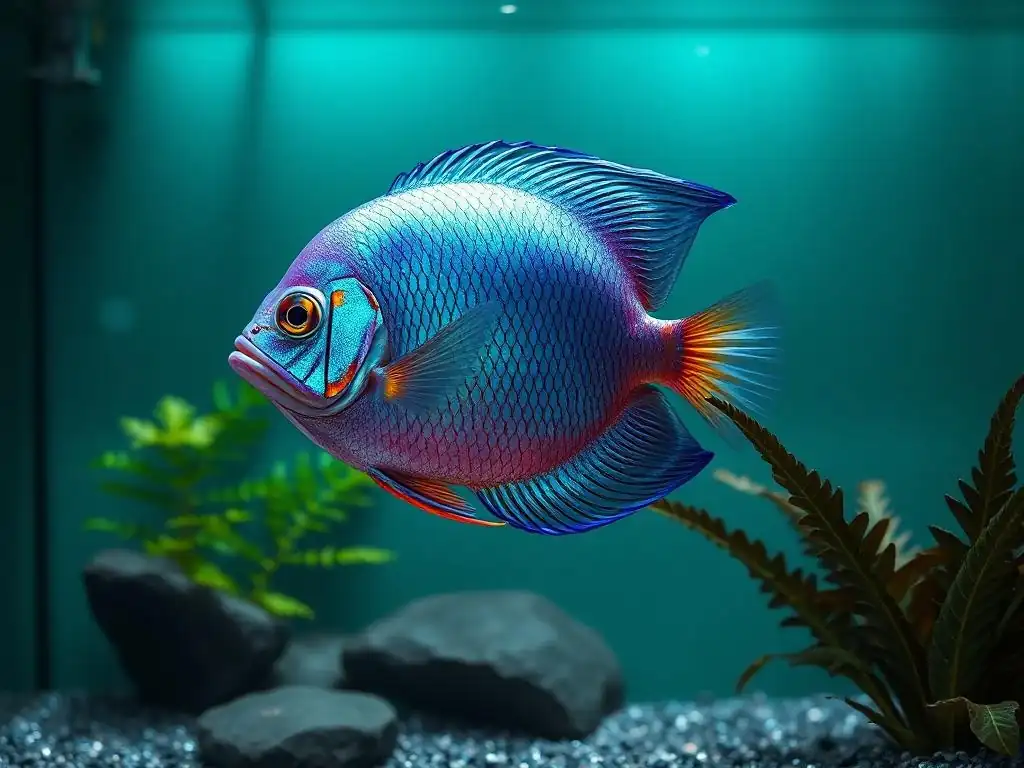
Maintaining a stable and optimal water temperature is paramount for the health and vitality of angelfish in any angelfish tall tank setup. Angelfish thrive in warm, tropical conditions, with an ideal temperature range of 76°F to 82°F (24°C to 28°C). Fluctuations outside this range, especially rapid drops, can cause significant stress, weaken their immune system, and make them susceptible to various diseases, such as Ich (white spot disease). It's crucial to use a reliable aquarium heater, appropriately sized for your angelfish tall tank, and a thermometer to monitor the temperature accurately.
For larger angelfish tall tank setups, two smaller heaters placed at opposite ends of the tank can provide more even heat distribution and act as a backup in case one fails. Regular monitoring, ideally daily, ensures the temperature remains within the desired range. During water changes, it's also important to ensure the new water is conditioned and matches the tank's temperature to avoid shocking the fish. Consistent temperature management is a cornerstone of preventing stress and promoting robust health in your angelfish.
Achieving the Correct Angelfish Water pH Levels
The pH level of the water is another critical parameter for a successful angelfish tall tank setup. Angelfish prefer slightly acidic to neutral water, with an ideal pH range of 6.0 to 7.5. While they can tolerate a slightly wider range (e.g., 5.5 to 8.0) if acclimated slowly, maintaining consistency within their preferred range is more important than hitting an exact number. Wild angelfish often inhabit waters with a pH closer to 6.0-6.5 due to the presence of humic acids from decaying organic matter.
To achieve and maintain the correct pH, regular testing with a reliable liquid test kit is essential. If your tap water pH is outside the desired range, methods like using reverse osmosis (RO) water mixed with tap water, adding driftwood (which can naturally lower pH over time), or using pH-buffering substrates can be considered.
Avoid drastic pH swings, as these are far more detrimental than a stable pH slightly outside the ideal range. For instance, a sudden drop from pH 7.5 to 6.0 could be fatal, whereas a stable pH of 7.8 might be tolerated if the fish are properly acclimated.
Understanding Angelfish Water Hardness (GH and KH)
Water hardness, specifically General Hardness (GH) and Carbonate Hardness (KH), plays a significant role in an angelfish tall tank setup. GH measures the concentration of dissolved mineral salts, primarily calcium and magnesium, while KH measures the buffering capacity of the water, preventing rapid pH fluctuations. Angelfish generally prefer soft to moderately hard water, with an ideal GH range of 3-10 dGH (50-180 ppm) and a KH of 3-8 dKH (50-140 ppm). For breeding angelfish, softer water (e.g., GH 2-5 dGH) is often preferred as it can improve egg viability.
Monitoring GH and KH with a liquid test kit is crucial. If your tap water is very hard, diluting it with RO or distilled water can help lower both GH and KH. Conversely, if your water is too soft and lacks buffering capacity (low KH), it can lead to unstable pH. In such cases, specialized buffering products or crushed coral (used sparingly in a filter bag) can help stabilize KH, though this might also slightly increase GH and pH. Understanding and managing these parameters contribute significantly to the overall health and longevity of angelfish in their tall tank environment.
Regular Water Changes for Angelfish Tank Maintenance
Regular water changes are arguably the most critical aspect of maintaining pristine water quality in an angelfish tall tank setup. They remove accumulated nitrates, phosphates, and other dissolved organic compounds that can become toxic to fish over time, even with a robust filtration system. For a healthy, moderately stocked angelfish tank, a weekly water change of 25-30% is generally recommended. For heavily stocked tanks or those with larger angelfish, a 30-50% weekly change might be necessary.
When performing water changes, always use a gravel vacuum to remove detritus from the substrate, and ensure the new water is dechlorinated and temperature-matched to the aquarium water to prevent shocking the fish. For a 55-gallon angelfish tall tank, a 25% water change would mean replacing approximately 13.75 gallons of water. Consistency is key; establishing a routine and sticking to it will significantly contribute to the long-term health, vibrant coloration, and breeding success of your angelfish. Neglecting water changes is a common cause of stress and disease in aquarium fish.
Choosing the Right Filtration System for Angelfish
Selecting an Angelfish Tank Filter Based on Tank Size
Selecting an appropriately sized and powerful filter is fundamental for maintaining the pristine water quality necessary for an angelfish tall tank setup. The filter's capacity should be rated for the volume of your tank, and often, it's beneficial to choose a filter rated for a tank size larger than your actual aquarium, especially if you plan to keep a group of angelfish or other tank mates. For instance, if you have a 55-gallon angelfish tall tank, consider a filter rated for 75-100 gallons to ensure adequate mechanical, chemical, and biological filtration.
The flow rate of the filter is also important. Angelfish prefer calm to moderate water flow, so avoid filters with excessively strong currents that can stress them or make swimming difficult. Many modern filters allow for flow rate adjustments. For a 55-gallon angelfish tall tank, a filter with a flow rate of around 200-300 GPH (gallons per hour) is often suitable, providing good circulation without creating excessive turbulence. Proper filter selection ensures that waste products are efficiently removed, maintaining a healthy and stable environment for your angelfish.
Types of Filters Suitable for Tall Angelfish Tanks: Canister, HOB, Sponge
Several types of filters are suitable for an angelfish tall tank setup, each with its own advantages.
- Hang-on-Back (HOB) Filters: These are popular for their ease of installation and maintenance. They provide good mechanical and chemical filtration and some biological filtration. For a 29-gallon or 55-gallon angelfish tall tank, a powerful HOB filter can be very effective. However, their biological filtration capacity might be limited for heavily stocked tanks.
- Canister Filters: These are excellent for larger angelfish tall tank setups (e.g., 55 gallons and above) due to their large media capacity, allowing for superior mechanical, chemical, and biological filtration. They are typically placed under the aquarium stand, offering a cleaner aesthetic and quieter operation. Canister filters provide powerful filtration and are highly recommended for the best water quality.
- Sponge Filters: Often used as primary filters in smaller breeding tanks or as supplemental biological filters in larger setups, sponge filters are gentle, provide excellent biological filtration, and are very affordable. While they might not be sufficient as the sole filter for a large angelfish tall tank, they are ideal for breeding setups or as an additional source of beneficial bacteria. Combining a sponge filter with a HOB or canister filter can create a robust filtration system for your angelfish.
Maintaining a Healthy Biological Filter for Angelfish
The biological filter is the cornerstone of a healthy angelfish tall tank setup, responsible for converting harmful ammonia and nitrites into less toxic nitrates through the nitrogen cycle. This process relies on beneficial bacteria that colonize filter media, substrate, and tank surfaces. To establish and maintain a robust biological filter, proper tank cycling before introducing angelfish is crucial. This involves allowing the bacteria colonies to grow sufficiently to process the fish waste.
Once established, maintaining the biological filter requires careful attention. Avoid over-cleaning filter media; when rinsing sponges or ceramic rings, use old tank water instead of tap water (which contains chlorine) to preserve the bacterial colonies. Replace chemical filter media (like activated carbon) regularly, but mechanical media (sponges, filter floss) should be rinsed frequently to prevent clogging. Never replace all filter media at once, as this can crash the nitrogen cycle. A healthy biological filter is essential for stable water parameters, preventing ammonia and nitrite spikes that are highly toxic to angelfish.
Substrate and Decorations for a Natural Angelfish Environment
Best Substrate Options for Angelfish Aquariums: Sand, Gravel
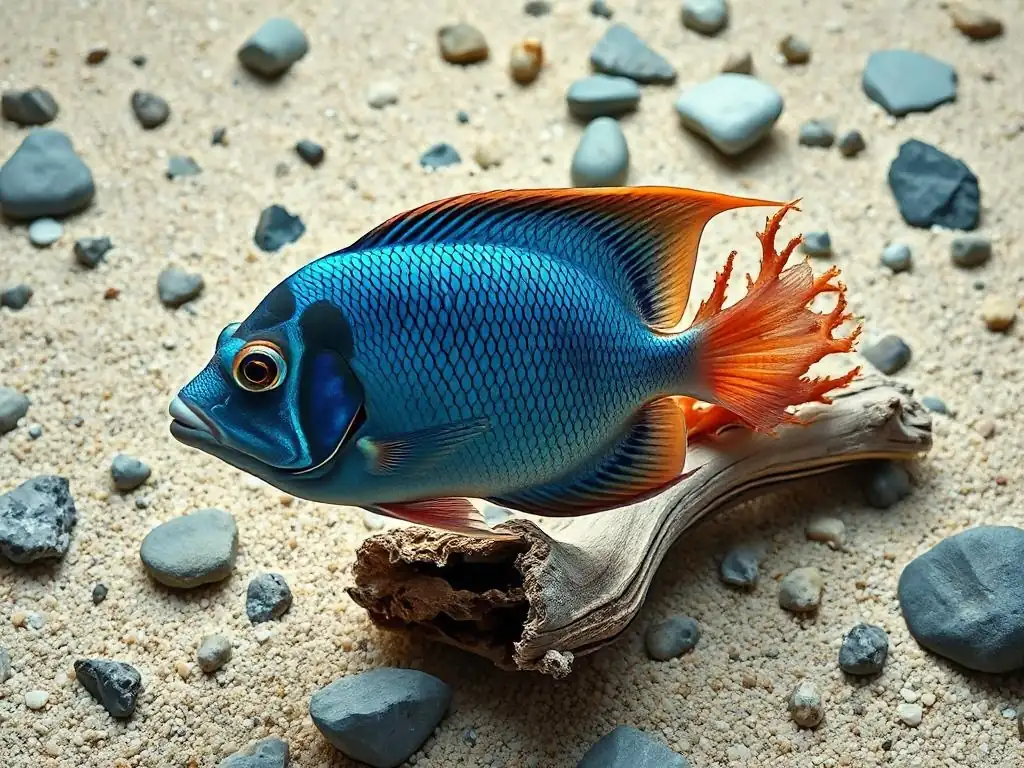
The choice of substrate for an angelfish tall tank setup impacts both aesthetics and water chemistry. Fine sand is an excellent option as it closely mimics the natural riverbeds angelfish inhabit. It's gentle on their delicate barbels if they forage near the bottom, and it's ideal for rooting live plants that contribute to the natural environment. A layer of 1-2 inches (2.5-5 cm) of fine sand, such as pool filter sand or specialized aquarium sand, is generally sufficient. While sand can sometimes compact and trap detritus, regular gravel vacuuming during water changes can mitigate this.
Alternatively, smooth, small-grade gravel (e.g., 2-3 mm) can also be used. Gravel is easier to clean as detritus tends to settle on top rather than being trapped within. However, very coarse or sharp gravel should be avoided as it can injure angelfish's sensitive fins or mouths. Regardless of the choice, ensure the substrate is inert and won't significantly alter water parameters. For planted angelfish tall tank setups, a nutrient-rich substrate designed for plants can be used beneath a cap of sand or inert gravel to support lush growth, which is highly beneficial for angelfish.
Creating a Natural Angelfish Habitat with Plants and Driftwood
Creating a natural angelfish habitat within your angelfish tall tank setup is crucial for their well-being, providing security, spawning sites, and visual barriers. Live plants are highly recommended. Tall, broad-leaved plants like Amazon Swords (Echinodorus species), Cryptocoryne, and various Anubias species are excellent choices, offering vertical cover that angelfish appreciate. Floating plants like Amazon Frogbit or Dwarf Water Lettuce can also be beneficial, diffusing light and providing additional cover from above, mimicking their natural shaded environments.
Driftwood, particularly large, branching pieces, is another essential element. It provides visual interest, offers numerous hiding spots, and can release tannins that slightly lower pH and create a natural "blackwater" effect, further mimicking their Amazonian origins. Mopani wood, Malaysian driftwood, and Manzanita branches are popular choices. Ensure any wood is thoroughly pre-soaked to prevent excessive tannins and sink properly. These natural decorations not only enhance the aesthetic appeal of your angelfish tall tank but also contribute significantly to the angelfish's sense of security and natural behavior.
Safe and Suitable Decorations for Angelfish Tanks
Beyond plants and driftwood, other decorations can enhance your angelfish tall tank setup, but safety is paramount. Smooth, non-porous rocks, such as river stones or slate, can be used to create caves or territorial markers. Always ensure rocks are stable and cannot topple, potentially harming fish or cracking the tank. Avoid rocks with sharp edges that could tear angelfish's delicate fins. For a 55-gallon angelfish tall tank, a few well-placed large rocks can provide excellent visual breaks.
Artificial decorations, such as resin ornaments, can also be used, provided they are specifically designed for aquariums and have no sharp edges or toxic paints. Choose decorations that are appropriately sized for the angelfish tall tank, allowing plenty of swimming space. Overcrowding the tank with too many decorations can limit swimming room and make cleaning difficult. Ultimately, the best decorations are those that provide function (hiding spots, visual barriers) while complementing the natural aesthetic and ensuring the safety and comfort of your angelfish.
Angelfish Tank Mates: Choosing Compatible Species
Identifying Peaceful Angelfish Tank Companions
Choosing the right tank mates is crucial for a harmonious angelfish tall tank setup, as angelfish can be semi-aggressive, especially during breeding. Peaceful, medium-sized schooling fish that occupy different levels of the water column are generally the best companions. Good options include various species of Tetras, such as Rummy Nose Tetras, Cardinal Tetras, and Lemon Tetras, which are active but typically too large to be seen as food by adult angelfish. A school of 6-10 individuals of these species in a 55-gallon angelfish tall tank can create a vibrant display.
Other suitable tank mates include peaceful bottom dwellers like Corydoras catfish (e.g., Panda Corys, Bronze Corys), which are excellent scavengers and generally ignore angelfish. Bristlenose Plecos are also good algae eaters that remain relatively small and peaceful. Dwarf Gouramis can sometimes work, though their long fins might occasionally invite nipping from angelfish. The key is to select fish that are not prone to fin-nipping themselves and are large enough not to be considered prey by angelfish, ensuring a balanced and peaceful community in your angelfish tall tank.
Fish to Avoid Housing with Angelfish
Certain fish species are entirely unsuitable as tank mates for an angelfish tall tank setup and should be avoided. Small, delicate fish like Neon Tetras or Guppies are often seen as food by adult angelfish, leading to predation. Fin-nippers, such as Tiger Barbs, Serpae Tetras, and certain types of Danios, are also poor choices as they will relentlessly nip at the angelfish's long, flowing fins, causing stress, injury, and susceptibility to disease.
Highly aggressive or territorial cichlids, even if similar in size, should generally be avoided unless you have extensive experience with cichlid aggression management and a very large angelfish tall tank. Similarly, very large or boisterous fish that require different water parameters or are simply too active for the serene angelfish environment can cause stress. For instance, species like African Cichlids are completely incompatible due to vastly different water parameter needs and aggressive tendencies. Thorough research on potential tank mates is always recommended to ensure the well-being of all inhabitants in your angelfish tall tank.
Introducing New Fish to Your Angelfish Tank
Introducing new fish to an established angelfish tall tank setup requires careful planning to minimize stress and prevent disease transmission. Always quarantine new fish in a separate tank for at least 2-4 weeks before introducing them to the main aquarium. This allows you to observe them for signs of illness (e.g., Ich, fin rot, bacterial infections) and treat them if necessary, preventing the spread of pathogens to your established angelfish. During quarantine, you can also slowly acclimate them to your main tank's water parameters.
When it's time to introduce the quarantined fish, turn off the lights in the main angelfish tall tank to reduce stress and territorial aggression. Float the bag containing the new fish in the tank for 15-20 minutes to equalize temperature, then slowly introduce small amounts of tank water into the bag over an hour to acclimate them to the water chemistry.
Finally, net the fish into the tank, discarding the bag water. Adding new fish, especially schooling fish, in groups of 3-5 can help them feel more secure and distribute any initial aggression from the angelfish, promoting a smoother integration into the angelfish tall tank community.
Feeding Your Angelfish for Optimal Health and Growth
Angelfish Diet: What to Feed Your Angelfish
Providing a varied and nutritious diet is essential for the optimal health, vibrant coloration, and proper growth of angelfish in your angelfish tall tank setup. Angelfish are omnivores, meaning their diet should consist of both meaty and plant-based foods. A high-quality flake or pellet food specifically formulated for cichlids or angelfish should form the staple of their diet. Look for foods with a good protein content (around 40-50%) and essential vitamins.
Supplementing their staple diet with a variety of frozen and live foods is highly beneficial. Frozen brine shrimp, bloodworms, daphnia, and mysis shrimp are excellent sources of protein and can be fed 2-3 times per week. Live foods like blackworms or small feeder fish (only if you are confident in their source and health to avoid disease introduction) can also be offered as occasional treats, particularly to condition breeding pairs.
For plant matter, spirulina flakes or blanched vegetables like zucchini or peas can be offered occasionally. A diverse diet ensures your angelfish receive all necessary nutrients for a robust angelfish tall tank environment.
Feeding Schedule and Portion Control for Angelfish
Establishing a consistent feeding schedule and practicing proper portion control are crucial to prevent overfeeding, which can lead to poor water quality and health issues in your angelfish tall tank setup. Angelfish should typically be fed 2-3 times per day, offering small amounts that they can consume within 2-3 minutes. This ensures they eat all the food, preventing excess from decaying and polluting the water, which can lead to ammonia and nitrite spikes.
For example, for a small group of angelfish in a 55-gallon angelfish tall tank, a pinch of high-quality flakes in the morning, a small cube of frozen bloodworms in the afternoon, and another pinch of flakes in the evening might be an appropriate schedule. Observe your fish during feeding; if food remains after a few minutes, you are likely overfeeding. Adjust the quantity accordingly. Skipping a day of feeding once a week can also be beneficial, allowing their digestive systems to clear and preventing issues like bloat.
Supplementing Your Angelfish Diet with Vitamins
While a high-quality, varied diet covers most nutritional needs, supplementing your angelfish's diet with vitamins can further enhance their health, immune system, and coloration in an angelfish tall tank setup. Especially if you are feeding primarily dry foods, which can lose some nutritional value over time, vitamin supplements can fill potential gaps. Liquid vitamin supplements specifically designed for aquarium fish can be added to the fish food just before feeding.
For instance, a few drops of a vitamin solution can be soaked into frozen foods or flakes for 10-15 minutes before offering them to the angelfish. This ensures the vitamins are ingested directly. These supplements often contain essential vitamins like Vitamin A, C, D, and E, as well as B-complex vitamins, which are vital for metabolic functions, stress reduction, and disease resistance. Regular vitamin supplementation, perhaps once or twice a week, can contribute significantly to the long-term vitality and resilience of your angelfish in their tall tank environment.
Lighting Considerations for Angelfish Aquariums
Selecting the Right Aquarium Lighting for Angelfish and Plants
Selecting appropriate lighting for your angelfish tall tank setup is a balance between meeting the needs of your angelfish and any live plants you choose to include. Angelfish prefer subdued lighting, mimicking the shaded, vegetated areas of their natural habitat. Harsh, bright light can stress them and cause them to hide. However, if you plan to grow live plants, especially those that require moderate to high light levels (e.g., certain stem plants or carpeting plants), you'll need a lighting system that can provide sufficient intensity.
For a planted angelfish tall tank, a full-spectrum LED light fixture is often the best choice. LEDs are energy-efficient, produce minimal heat, and many models offer adjustable intensity and spectrum, allowing you to dim the light for your angelfish while still providing the necessary PAR (Photosynthetically Active Radiation) for your plants. For instance, a 55-gallon angelfish tall tank with moderate light plants might benefit from a 30-48 inch LED fixture with a wattage equivalent of 20-30 watts of fluorescent lighting. Always choose a light fixture that spans the length of your angelfish tall tank to ensure even light distribution.
Lighting Schedule for a Healthy Angelfish Tank Environment
Establishing a consistent lighting schedule is crucial for the health of both your angelfish and any live plants in your angelfish tall tank setup. A photoperiod of 8-10 hours per day is generally recommended. This duration provides sufficient light for plant growth without promoting excessive algae growth, which can become a nuisance and indicate an imbalance in the tank. Using a timer is highly recommended to ensure a consistent on/off cycle, as irregular lighting can stress fish and disrupt plant photosynthesis.
For example, setting the lights to turn on at 9:00 AM and off at 7:00 PM provides a 10-hour photoperiod. Consistency helps angelfish establish a natural day-night cycle, which is important for their behavior and overall well-being. Prolonged periods of light (e.g., 12-14+ hours) can lead to significant algae blooms and stress your fish. Conversely, too little light can stunt plant growth. A well-managed lighting schedule contributes significantly to a stable and aesthetically pleasing angelfish tall tank environment.
Preventing and Treating Common Angelfish Diseases
Recognizing Early Signs of Angelfish Illness
Early detection of illness is critical for successful treatment and preventing disease spread in your angelfish tall tank setup. Daily observation of your angelfish's behavior and appearance is essential. Common signs of illness include changes in swimming patterns (e.g., erratic swimming, lethargy, clamping fins close to the body), loss of appetite or refusal to eat, and unusual hiding behavior. Physical symptoms might include white spots (Ich), frayed or ragged fins (fin rot), cloudy eyes, red streaks on the body, or abnormal growths.
Changes in coloration, such as fading or darkening, can also indicate stress or disease. For instance, a healthy angelfish will have vibrant colors, whereas a stressed or sick one might appear dull. Swelling of the body, scales sticking out (pineconing), or difficulty breathing at the water surface are severe signs requiring immediate attention. Regularly checking water parameters in your angelfish tall tank is also a preventative measure, as poor water quality is a leading cause of fish illness.
Common Angelfish Diseases and Treatments: Ich, Fin Rot
Angelfish, like all aquarium fish, can be susceptible to various diseases, with Ich (Ichthyophthirius multifiliis) and Fin Rot being among the most common in an angelfish tall tank setup.
- Ich (White Spot Disease): This parasitic infection appears as tiny white spots, resembling salt grains, scattered across the fish's body and fins. It's often triggered by stress or rapid temperature changes. Treatment typically involves slowly raising the angelfish tall tank temperature to 82-86°F (28-30°C) over 24 hours (if compatible with tank mates and plants) and using an Ich medication like malachite green or formalin-based treatments, following manufacturer instructions. Increasing aeration during treatment is crucial.
- Fin Rot: This bacterial infection causes the fins to appear frayed, ragged, or develop a white, fuzzy edge. It's often caused by poor water quality, overcrowding, or injury. Treatment involves improving water quality through daily small water changes (e.g., 25% daily for several days) and using a broad-spectrum antibiotic or antibacterial medication specifically for fin rot. Removing the underlying cause, such as high nitrates or aggressive tank mates, is essential for long-term recovery. Always complete the full course of medication, even if symptoms improve, to prevent recurrence and antibiotic resistance.
Maintaining a Clean Angelfish Tank to Prevent Disease
Maintaining impeccable water quality and a clean environment is the most effective preventative measure against diseases in your angelfish tall tank setup. Regular weekly water changes of 25-30% are paramount to remove accumulated nitrates and other pollutants that stress fish and weaken their immune systems. For a 55-gallon angelfish tall tank, this means removing approximately 14-16 gallons of water weekly. Consistent gravel vacuuming during water changes removes uneaten food and fish waste from the substrate, further preventing the build-up of harmful compounds.
Proper filtration, as discussed earlier, is also key. Ensure your filter is adequately sized and regularly maintained (rinsing mechanical media, replacing chemical media as needed) to keep the water crystal clear and free of toxins. Avoid overfeeding, as excess food decays and contributes to poor water quality. Quarantining new fish before introducing them to the angelfish tall tank is a non-negotiable step to prevent the introduction of pathogens. By adhering to these practices, you significantly reduce the risk of disease outbreaks and ensure a healthy, thriving environment for your angelfish.
Frequently Asked Questions
What tank size is absolutely necessary for an Angelfish tall tank setup?
A tall tank is essential, but specifically, a minimum of 30 gallons is required for a single Angelfish. For a pair, aim for at least 55 gallons, emphasizing height over length to accommodate their vertical growth.
What are the key considerations for water chemistry in an Angelfish tank?
Maintaining stable water parameters is crucial. Ideal conditions include a pH between 6.0 and 7.0, a temperature of 78-84°F, and very low levels of ammonia and nitrites achieved through proper filtration.
What type of plants are best suited for an Angelfish tall tank setup?
Angelfish appreciate a densely planted environment. Consider plants like Amazon Swords, Java Fern, and Anubias. These plants offer hiding places and help maintain water quality.
Besides tank size, what else contributes to an ideal Angelfish habitat?
Providing a varied diet, including high-quality flakes, frozen foods, and occasional live foods, is key. Also, ensure gentle water flow and avoid aggressive tank mates.
What are some common problems encountered in Angelfish tanks and how can I address them?
Ich and fin rot are common issues. Early detection and treatment with appropriate medications are vital. Maintaining excellent water quality through regular water changes is the best preventative measure.
Final Reflection: Cultivating Aquatic Harmony
The principles of creating a thriving angelfish habitat, as explored throughout this article, resonate far beyond the glass walls of an aquarium. Understanding the specific needs of a living creature and meticulously crafting an environment to meet those needs is a microcosm of responsible stewardship. Just as a tall tank and ideal conditions are crucial for angelfish well-being, thoughtful consideration and proactive action are essential for fostering harmony in any ecosystem, be it a home, a community, or the planet itself.
The dedication required to establish and maintain a perfect angelfish habitat reflects a deeper appreciation for the delicate balance of nature. This pursuit, seemingly focused on a single species, underscores the interconnectedness of all living things and the profound impact we have on their survival. The greatness of a nation and its moral progress can be judged by the way its animals are treated.
- Mahatma Gandhi. This quote reminds us that our empathy and care extend beyond our own species, shaping our character and defining our legacy.
Now, consider the lessons learned in creating the perfect angelfish tall tank setup. How can you apply this same level of dedication and mindful design to other areas of your life? What environments can you cultivate, both literally and figuratively, to foster growth, well-being, and harmony? Let the pursuit of aquatic perfection inspire you to become a more conscious and compassionate steward of the world around you, creating spaces where all can thrive.
Cultivate Your Angelfish Paradise!
Thank you for diving into the world of angelfish habitats! We hope this article has equipped you with the knowledge to create the perfect environment for these majestic creatures. Now, it’s time to transform that knowledge into action.
- Plan the ultimate angelfish tank: Carefully measure and select a tank that prioritizes vertical space. Consider the mature size of your angelfish and choose a tank that will comfortably accommodate them as they grow.
- Share your habitat dreams! What plants would you add to make your angelfish feel at home?
- Research rare angelfish color morphs. Could a surprise addition to your tank be in your future?
What unique decor element will you include to make your angelfish tank truly stand out?