
The Angelfish Spawning Ritual: Understanding Their Mating Behavior

Welcome to Aquarium Mastery!
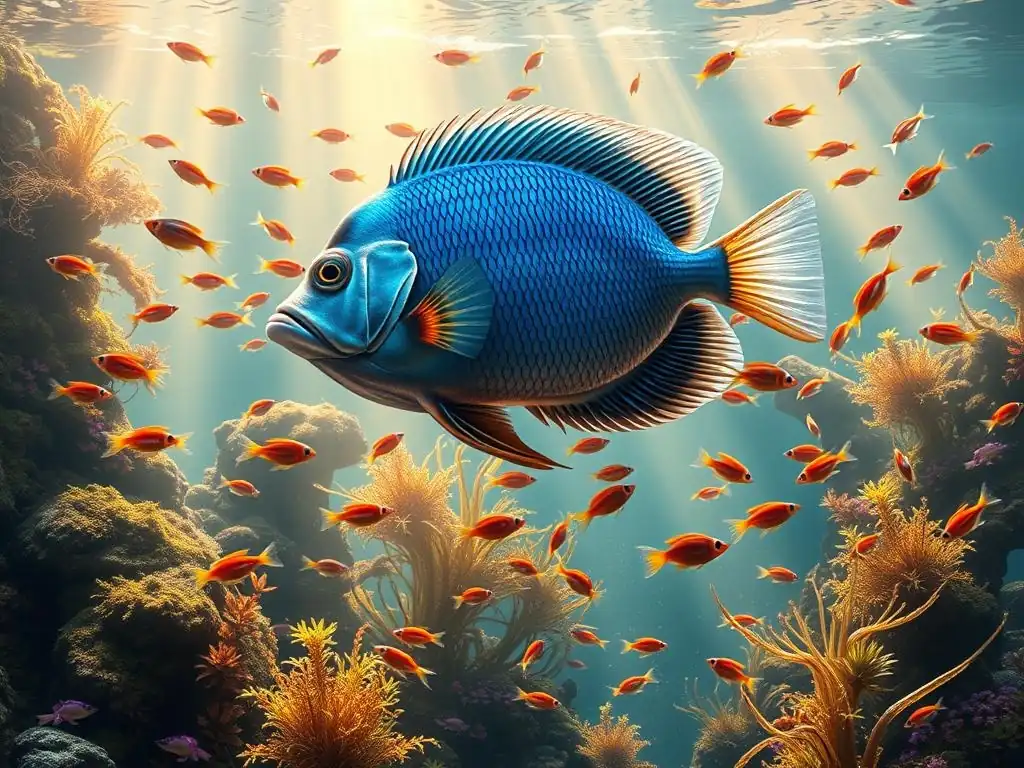
Ever wondered about the intricate dance of courtship and creation that unfolds within your aquarium? Dive deep into the fascinating world of Angelfish spawning with our comprehensive guide. Unravel the secrets of their mating behavior, learn essential tips to encourage successful breeding, and witness the miracle of life right in your own tank! Ready to unlock the mysteries? Let's begin!
- Understanding Angelfish Breeding: An Introduction to Spawning
- Preparing for Angelfish Spawning: Setting Up the Breeding Tank
- The Angelfish Spawning Process: A Step-by-Step Guide
- Angelfish Spawning Guide Tips: Maximizing Your Success
- Post-Spawning Care: Protecting the Eggs and Fry
- Raising Angelfish Fry: From Hatching to Juvenile Stage
- Troubleshooting Angelfish Spawning Issues: Common Problems and Solutions
- Advanced Angelfish Breeding Techniques: Improving Your Success Rate
- The Angelfish Spawning Cycle: Understanding Reproductive Behavior
- Conclusion: Mastering the Art of Angelfish Spawning
-
Frequently Asked Questions
- How do I identify a mature pair of Angelfish ready to spawn?
- What are the ideal water parameters for encouraging Angelfish spawning?
- What type of spawning substrate should I provide for my Angelfish?
- What should I do with the Angelfish eggs after they are laid?
- What do I feed Angelfish fry once they hatch?
- Final Reflection: The Delicate Dance of Life
- Unveil the Secrets: Become an Angelfish Advocate!
Understanding Angelfish Breeding: An Introduction to Spawning
Why Breed Angelfish? The Rewards of Successful Spawning
Breeding Angelfish is a deeply rewarding aspect of the freshwater aquarium hobby, offering aquarists a unique opportunity to observe the intricate life cycle of these majestic cichlids. Beyond the sheer fascination of witnessing new life emerge, successfully spawning Angelfish allows hobbyists to contribute to the diversity of available strains, potentially developing unique color patterns or finnage types. It's a hands-on learning experience that deepens one's understanding of fish behavior, water chemistry, and genetics.
Furthermore, breeding Angelfish can be a modest source of income or a way to share the beauty of the hobby with others. A healthy pair can produce hundreds of eggs per spawn, often yielding dozens of viable fry. While the initial investment in a dedicated breeding setup is required, the joy of raising a batch of healthy Angelfish from microscopic eggs to free-swimming juveniles far outweighs the effort, solidifying the breeder's connection to their aquatic charges.
Key Indicators of Angelfish Readiness for Spawning
Recognizing when your Angelfish are ready to spawn is crucial for successful breeding. Typically, Angelfish reach sexual maturity between 6 to 12 months of age, with some larger varieties taking slightly longer. A primary indicator is a noticeable change in their behavior: potential breeding pairs will often separate themselves from the main group, claiming a specific territory within the tank. They might be observed cleaning a chosen spawning site, such as a broad plant leaf, a piece of slate, or a spawning cone, meticulously rubbing their bodies against the surface.
Physically, a female Angelfish ready to spawn will show a more rounded abdomen due to the presence of eggs, and her ovipositor (a small, blunt tube) will become visible and protrude slightly. The male will develop a more pointed, slender genital papilla. Both fish will exhibit enhanced coloration and engage in courtship rituals, which can include fin flaring, head-butting, and "lip-locking" – a seemingly aggressive but often part of their bonding behavior. Observing these subtle yet distinct cues provides invaluable Angelfish spawning guide tips for aspiring breeders.
Preparing for Angelfish Spawning: Setting Up the Breeding Tank
Choosing the Right Breeding Tank Size for Angelfish
Selecting an appropriately sized breeding tank is paramount for Angelfish spawning success and the subsequent raising of fry. For a single Angelfish breeding pair, a tank ranging from 20 to 30 gallons (approximately 75 to 115 liters) is generally considered ideal. This size provides ample space for the pair to establish a territory, perform their courtship rituals, and spawn without feeling overly confined, which can lead to stress or aggression.
A larger tank, while seemingly beneficial, can sometimes make it harder for the pair to locate and defend their spawning site, or for the breeder to manage water quality for the delicate fry. Conversely, a tank smaller than 20 gallons can induce stress, lead to poor egg production, or even cause the parents to consume their own eggs due to cramped conditions. The chosen tank size should also accommodate a stable environment for the fry once they hatch, ensuring adequate swimming room and ease of maintenance.
Essential Equipment for Angelfish Spawning Success
To facilitate a successful Angelfish spawning ritual, several pieces of essential equipment are required in the breeding tank. A reliable aquarium heater is critical for maintaining a stable water temperature, typically between 78-82°F (25.5-27.8°C), which is optimal for spawning and egg development. A gentle filtration system, such as a sponge filter, is highly recommended. Sponge filters provide excellent biological filtration without creating strong currents that could stress the breeding pair or dislodge delicate eggs and fry.
Furthermore, an air stone connected to an air pump is beneficial for oxygenating the water, particularly important for the developing eggs and fry. A thermometer is essential for accurate temperature monitoring. Finally, a suitable spawning substrate must be provided; this could be a terracotta spawning cone, a vertical piece of slate, or even a broad-leafed artificial or live plant like an Amazon Sword. These elements combined form a robust environment, crucial Angelfish spawning guide tips for any serious breeder.
Water Parameters for Optimal Angelfish Breeding Conditions
Maintaining precise water parameters is one of the most critical Angelfish spawning guide tips for encouraging successful breeding and healthy egg development. Angelfish typically thrive and spawn best in soft, slightly acidic to neutral water. An ideal pH range for breeding is generally between 6.5 and 7.0, while water hardness (GH) should be kept relatively low, ideally between 3-8 dGH (50-150 ppm Total Dissolved Solids, or TDS). These conditions mimic their natural Amazonian habitat and promote egg viability.
Temperature stability is equally vital; a consistent temperature of 78-82°F (25.5-27.8°C) is often used to stimulate spawning and ensure proper embryonic development. Fluctuations can cause stress and lead to unsuccessful spawns. Regular water testing with reliable kits for pH, ammonia, nitrite, nitrate, and GH is indispensable. Ammonia and nitrite levels must be undetectable (0 ppm), and nitrates kept very low (below 10 ppm) through frequent, small water changes to maintain pristine conditions essential for the delicate eggs and fry.
Selecting a Spawning Substrate: Providing the Ideal Surface
The choice of spawning substrate significantly influences the Angelfish spawning ritual. Angelfish are known for their preference for vertical or angled surfaces upon which to deposit their eggs. The most common and effective choices include terracotta spawning cones, pieces of slate, or even large, broad-leafed plants like the Amazon Sword (Echinodorus bleheri) or Anubias. These surfaces provide a firm, clean area for the female to meticulously place her eggs and for the male to follow, fertilizing them.
Many breeders opt for terracotta spawning cones due to their ease of cleaning and stability. Slates can be propped vertically against the tank wall or secured with suction cups. If using live plants, ensure they are well-established and robust enough to support the eggs without wilting. The chosen substrate should be positioned in a calm area of the tank, away from strong currents, and easily accessible for the breeding pair to clean and defend. Providing an appropriate spawning surface is a fundamental Angelfish spawning guide tip that directly impacts a pair's willingness to breed.
The Angelfish Spawning Process: A Step-by-Step Guide
Identifying Angelfish Pairs Ready to Spawn
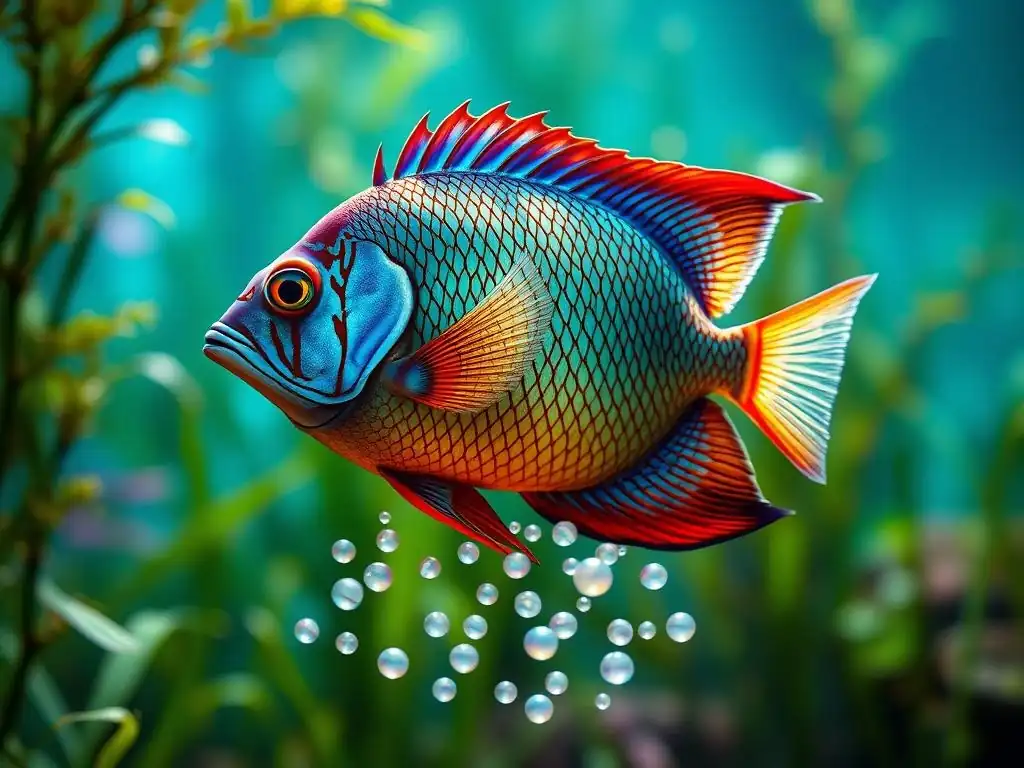
Identifying an Angelfish pair ready to spawn involves keen observation of their behavior and subtle physical changes. While sexing Angelfish can be challenging outside of spawning, a true pair will exhibit distinct bonding behaviors. They will often swim together, isolate themselves from other tank inhabitants, and aggressively defend a chosen territory. This territoriality might manifest as chasing away other fish or even nipping at them if they approach too closely.
Physically, the female's abdomen will appear noticeably swollen or rounded, indicating the development of eggs. Just before spawning, both the male and female will develop prominent breeding tubes, also known as papillae, near their anal fins. The female's ovipositor will be blunt and thicker, while the male's will be thinner and more pointed. Observing these combined behavioral and physical cues confirms that a pair is on the verge of the Angelfish spawning ritual, making them prime candidates for a dedicated breeding setup.
The Pre-Spawning Courtship Ritual: Recognizing the Signs
The pre-spawning courtship ritual of Angelfish is a fascinating display of their complex social behavior, providing clear signs that a spawn is imminent. This ritual typically begins with the pair "cleaning" a chosen spawning site, such as a slate, a broad plant leaf, or a spawning cone. They will meticulously rub their bodies against the surface, often using their mouths to pick at perceived debris, ensuring it is spotless for egg deposition. This cleaning can last for several hours or even a full day.
During this period, the pair will engage in various bonding behaviors, including fin flaring, where they display their fins to each other, and mock "lip-locking," where they appear to be fighting but are actually reinforcing their pair bond. The male will often "shimmy" or vibrate his body next to the female, attempting to entice her to the spawning site. These elaborate displays are essential for synchronizing the pair for the successful Angelfish spawning ritual.
The Egg-Laying Process: A Detailed Look at Angelfish Spawning Behavior
The egg-laying process in Angelfish is a methodical and synchronized effort between the male and female. Once the spawning site is thoroughly cleaned and the courtship ritual culminates, the female will begin to lay her eggs in precise rows on the chosen surface. She typically moves slowly, pressing her abdomen against the substrate and depositing a line of adhesive, typically yellowish-white, eggs. Each pass usually results in a dozen or more eggs.
Immediately after the female lays a row of eggs, the male follows directly behind her, fertilizing them with his milt. This process is repeated numerous times, often over a period of one to two hours, until several hundred eggs are laid. A productive pair can lay anywhere from 200 to 800 eggs in a single spawn, depending on their size, age, and health. Throughout the process, both parents will fan the eggs with their fins, providing fresh, oxygenated water and removing any debris, a testament to their dedicated parental care during the Angelfish spawning ritual.
Fertilization and Incubation: Angelfish Egg Development
Following the meticulous egg-laying process, the fertilization and subsequent incubation of Angelfish eggs are critical phases in their development. As the female deposits her eggs, the male immediately follows, releasing his milt to fertilize them. Successful fertilization is indicated by the eggs remaining clear and translucent; unfertilized eggs will typically turn opaque white within 12-24 hours. The parents tirelessly guard the eggs, fanning them with their fins to ensure proper oxygenation and prevent fungal growth. They also meticulously pick off any infertile or fungused eggs to protect the healthy ones.
The incubation period for Angelfish eggs is relatively short, usually lasting between 48 to 72 hours (2 to 3 days) at an optimal temperature of 78-80°F (25.5-26.7°C). During this time, the tiny embryos develop within the eggs. Just before hatching, the eggs may appear to darken slightly as the fry develop pigmentation. Observing the parents' diligent care and the subtle changes in the eggs during this period provides invaluable insight into the delicate initial stages of the Angelfish spawning ritual.
Angelfish Spawning Guide Tips: Maximizing Your Success
Optimizing Water Quality for Successful Spawning
Optimizing water quality is arguably the most crucial of all Angelfish spawning guide tips. Pristine water conditions directly influence the health of the breeding pair, the viability of the eggs, and the survival rate of the fry. Ammonia, nitrite, and nitrate levels must be meticulously controlled. Ammonia and nitrite should always register at 0 ppm, as even trace amounts are highly toxic to sensitive fish and developing eggs. While nitrates are less immediately harmful, they should be kept below 10 ppm for breeding tanks.
To achieve and maintain these ideal conditions, frequent, small water changes are far more effective than infrequent large ones. For a breeding tank, performing a 10-20% water change every 1-2 days, or at minimum every other day, is highly recommended. This practice removes accumulated waste, replenishes essential minerals, and prevents the buildup of harmful compounds. Using a reliable water conditioner that neutralizes chlorine and chloramines is also vital. Consistent monitoring with accurate test kits allows for proactive adjustments, ensuring a stable and healthy environment for the Angelfish spawning ritual.
Temperature Control: Maintaining Ideal Spawning Temperatures
Temperature control plays a significant role in triggering and sustaining the Angelfish spawning ritual. A stable water temperature is key, as fluctuations can stress the fish and deter breeding. For optimal spawning, a consistent temperature range of 78-82°F (25.5-27.8°C) is generally recommended. Within this range, Angelfish are most likely to feel comfortable enough to breed and their eggs to develop properly.
Some breeders find that a slight increase in temperature (e.g., from 78°F to 80°F) over a day or two can act as a stimulant, mimicking natural environmental cues that signal favorable breeding conditions. However, rapid or extreme temperature changes must be avoided, as they can lead to stress, disease, or even death. A high-quality, submersible heater with an accurate thermostat is essential for maintaining this critical parameter. Regular checks with a separate thermometer confirm the heater's accuracy, providing important Angelfish spawning guide tips for successful reproduction.
Lighting Considerations for Angelfish Breeding
Lighting considerations for Angelfish breeding tanks are often overlooked but are an important part of a comprehensive Angelfish spawning guide tips strategy. While Angelfish do not require intense lighting, a consistent photoperiod is beneficial for their overall health and helps regulate their natural biological rhythms, including spawning cycles. A moderate, consistent light cycle of 12 to 14 hours of light followed by 10 to 12 hours of darkness is generally ideal.
Excessively bright or erratic lighting can cause stress to the breeding pair, potentially inhibiting spawning or leading to egg consumption. A dimmable LED light can be useful for gradually increasing and decreasing light intensity, mimicking dawn and dusk and further reducing stress. Positioning the tank in a quiet area away from direct sunlight or constant household activity also contributes to a calm environment, encouraging the pair to feel secure enough to engage in their delicate Angelfish spawning ritual.
Feeding the Breeding Pair: Nutrition for Healthy Eggs and Fry
Proper nutrition for the breeding pair is a fundamental Angelfish spawning guide tip that directly impacts the quantity and quality of eggs produced, as well as the overall health of the parents. A varied, high-protein diet is crucial for conditioning the fish for spawning. This should include a mix of high-quality flake or pellet foods specifically formulated for cichlids, supplemented with live or frozen foods.
Excellent protein sources include bloodworms, brine shrimp, daphnia, and Mysis shrimp. Feeding these rich foods 2-3 times a day in small amounts ensures the fish receive ample nutrients for egg development and energy for the spawning process. Overfeeding should be avoided, as it can lead to poor water quality. A well-nourished pair is more likely to produce a larger number of viable eggs and exhibit stronger parental instincts, leading to a more successful Angelfish spawning ritual.
Post-Spawning Care: Protecting the Eggs and Fry
Protecting Angelfish Eggs from Predation
Protecting Angelfish eggs from predation is a critical phase in ensuring a successful spawn. While Angelfish parents are generally diligent in guarding their eggs, factors like stress, inexperience, or the presence of other tank inhabitants can lead to the eggs being eaten. In a community tank, it's almost certain that other fish, and even the parents themselves under stress, will consume the eggs.
To maximize survival rates, many breeders opt to remove the eggs or the entire spawning substrate to a separate hatching tank immediately after the Angelfish spawning ritual is complete. If the eggs are left with the parents, ensure the breeding tank is free of other fish and provide a calm, undisturbed environment. Dimming the lights slightly and ensuring stable water parameters can help reduce parental stress, encouraging them to protect their precious clutch.
Preventing Fungus: Maintaining Egg Health
Preventing fungus is a significant challenge when raising Angelfish eggs and is a key focus of effective Angelfish spawning guide tips. Unfertilized eggs, dead eggs, or eggs damaged during the spawning process are highly susceptible to fungal growth, which can quickly spread and consume healthy, viable eggs. The parents will typically attempt to remove fungused eggs, but in a separate hatching tank, this responsibility falls to the breeder.
To combat fungus, several strategies are employed. Maintaining pristine water quality with zero ammonia and nitrite is paramount. Adding a small amount of methylene blue to the hatching tank water is a common practice; this mild anti-fungal agent dyes the water blue and inhibits fungal growth. Ensuring gentle aeration (e.g., from an air stone) near the eggs helps maintain oxygen levels and prevents stagnant water, further deterring fungus. Daily inspection and careful removal of any white, fungused eggs with a pipette are also essential for successful Angelfish egg incubation.
Hatching and Fry Care: Raising Baby Angelfish
The hatching of Angelfish eggs marks the transition from embryo to fry, and proper care during this delicate stage is crucial for their survival. Typically, within 2-3 days of the Angelfish spawning ritual, tiny "wrigglers" will emerge from the eggs. At this stage, they are not free-swimming but remain attached to the spawning surface, absorbing nourishment from their yolk sacs. They will twitch and wriggle, which helps to keep their gills oxygenated.
After another 3-5 days, once the yolk sac is fully absorbed, the fry will become free-swimming. This is the critical moment when they require their first external food source. Maintaining impeccable water quality is non-negotiable throughout this period; daily small water changes (10-20%) are often necessary to remove waste and provide fresh water. Gentle aeration, stable temperature, and a quiet environment are also vital for these tiny, vulnerable creatures as they begin their journey as independent Angelfish fry.
Raising Angelfish Fry: From Hatching to Juvenile Stage
First Foods for Angelfish Fry: Starting Them Off Right
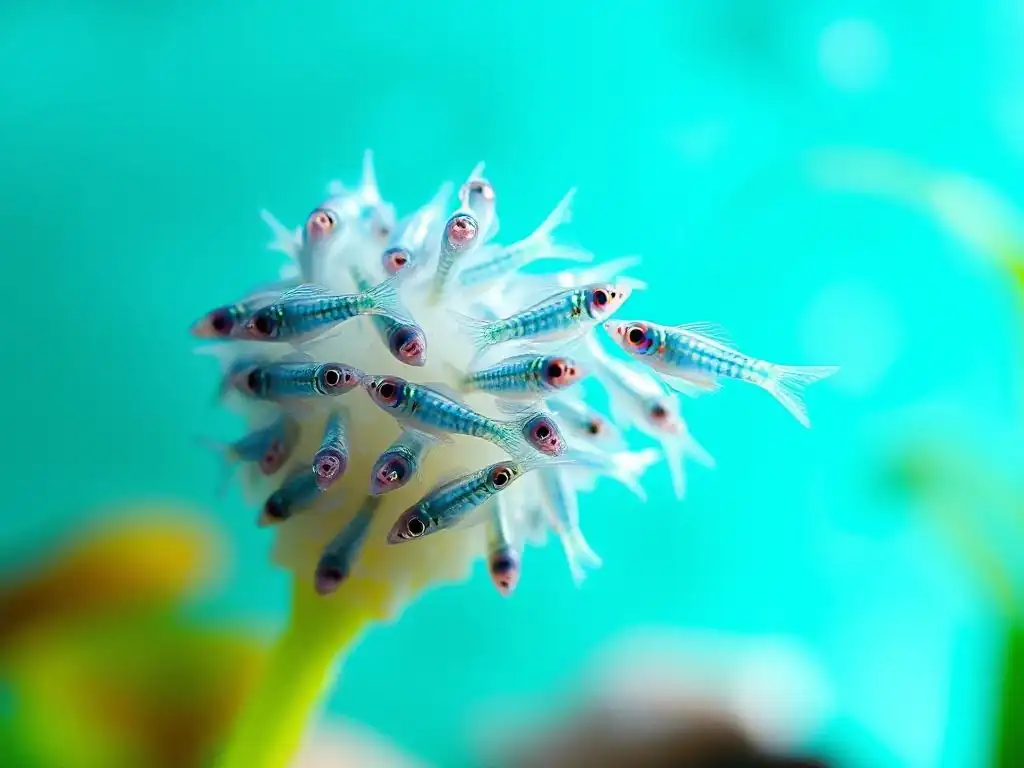
Providing the correct first foods for Angelfish fry is a critical Angelfish spawning guide tip that directly impacts their survival and growth rate. Once the fry become free-swimming and their yolk sacs are fully absorbed (typically 5-7 days post-spawn), they require tiny, protein-rich live foods. Newly hatched brine shrimp nauplii are widely considered the gold standard. These tiny crustaceans are highly nutritious, swim actively, and are small enough for Angelfish fry to consume.
Other excellent first food options include microworms and vinegar eels, though brine shrimp nauplii are generally preferred due to their superior nutritional profile and ease of hatching. Fry should be fed small amounts frequently, typically 5-6 times per day, to ensure a constant supply of food. Their rapid metabolism means they need to eat almost continuously to support their fast growth. Consistent feeding of appropriate first foods is vital for transforming fragile fry into robust juveniles.
Maintaining Water Quality for Growing Fry
Maintaining pristine water quality is even more critical for growing Angelfish fry than it is for adults, making it a cornerstone of any effective Angelfish spawning guide tips. Due to their high metabolic rate and the frequent feedings required, fry tanks can quickly accumulate waste, leading to dangerous ammonia and nitrite spikes. These compounds are highly toxic to young fish and can cause significant mortality.
Daily water changes are often necessary, typically 20-30% of the tank volume. When performing water changes, a small airline tubing can be used to gently siphon out waste and uneaten food from the bottom of the tank, a process known as "spot cleaning." The replacement water must be perfectly conditioned, temperature-matched, and added slowly to avoid shocking the delicate fry. Consistent monitoring of ammonia, nitrite, and nitrate levels using reliable test kits is essential to ensure the fry thrive in a clean, stable environment.
Identifying and Addressing Common Fry Problems
Even with diligent care, Angelfish fry can encounter common problems that require prompt identification and intervention. One frequent issue is stunted growth, where some fry grow significantly slower than their siblings. This can be caused by inadequate feeding, poor water quality, or genetic factors. Addressing it often involves increasing feeding frequency, improving water changes, or culling the weakest fry to reduce competition.
Another common problem is "bloat" or digestive issues, often indicated by a swollen abdomen and lethargy. This can be caused by overfeeding, feeding inappropriate foods, or bacterial infections. Reducing feeding, offering live foods like daphnia (which act as a laxative), and maintaining excellent water quality are key preventative measures. Finally, unexplained fry mortality can often be traced back to fluctuating water parameters, sudden temperature drops, or the presence of ammonia/nitrite, underscoring the importance of rigorous water quality management as a primary Angelfish spawning guide tip.
Troubleshooting Angelfish Spawning Issues: Common Problems and Solutions
Angelfish Not Spawning: Identifying the Cause
When Angelfish pairs fail to spawn, identifying the underlying cause is the first step in troubleshooting. One common reason is simply that the fish are not a compatible pair; despite appearances, not all male and female Angelfish will bond and breed successfully. Providing a choice of several young Angelfish to naturally pair off is often more effective than attempting to force a pairing. Age also plays a role; fish may be too young (under 6 months) or too old (over 3-4 years for consistent breeding).
Environmental factors are another frequent culprit. Suboptimal water parameters, such as incorrect pH, hardness, or temperature, can inhibit spawning. Stress from a busy tank, aggressive tank mates, or inadequate hiding spots can also prevent breeding. Ensuring the breeding tank is quiet, peaceful, and has stable, ideal water conditions is paramount. Sometimes, simply increasing the temperature slightly (by 1-2°F) or performing a large water change with slightly cooler water can stimulate a reluctant pair. Consistent attention to these Angelfish spawning guide tips can resolve many non-spawning issues.
Egg Fungus and Loss: Prevention and Treatment
Egg fungus and subsequent egg loss are frustrating but common problems in Angelfish breeding. The primary cause of fungal growth on eggs is the presence of unfertilized or dead eggs, which provide a substrate for opportunistic fungi. Poor water quality, particularly high organic waste or insufficient oxygen, exacerbates the issue. When parents are present, they often remove fungused eggs, but in a separate hatching tank, the breeder must intervene.
Prevention is key:
- Pristine Water: Maintain immaculate water quality with zero ammonia and nitrite.
- Aeration: Ensure gentle aeration (e.g., an air stone) near the eggs to provide oxygen and prevent stagnation.
- Methylene Blue: Add a small amount of methylene blue to the hatching tank water. This mild antifungal agent is widely used to inhibit fungal growth.
- Removal of Bad Eggs: Daily inspection and careful siphoning or pipetting out any white, opaque (unfertilized or dead) eggs prevents fungus from spreading to healthy, clear eggs.
Consistent application of these Angelfish spawning guide tips significantly reduces the risk of egg loss due to fungus.
Fry Mortality: Minimizing Losses
Fry mortality can be disheartening for Angelfish breeders, but understanding common causes and implementing preventative measures can significantly minimize losses. One of the leading causes is poor water quality. Fry are incredibly sensitive to ammonia, nitrite, and even high nitrates. Overfeeding, which leads to uneaten food decaying and polluting the water, is a frequent contributor to poor water conditions.
Another common issue is inadequate or inappropriate feeding. Fry need tiny, live foods like newly hatched brine shrimp nauplii, offered multiple times a day. Underfeeding leads to starvation and stunted growth, while feeding foods that are too large or not nutritious enough also results in high mortality. Aggression from other tank mates (if not in a dedicated fry tank) or even from parents can also cause losses. Ensuring a dedicated, clean fry tank, consistent small water changes, and a continuous supply of appropriate food are paramount Angelfish spawning guide tips for maximizing fry survival.
Advanced Angelfish Breeding Techniques: Improving Your Success Rate
Selective Breeding: Enhancing Desirable Traits
Selective breeding is an advanced Angelfish spawning guide tip that allows breeders to enhance desirable traits over generations. This involves carefully choosing parent fish that exhibit specific characteristics, such as vibrant color, unique finnage (e.g., veiltail, super veiltail), or robust health and growth rates. By consistently breeding individuals with these preferred traits and culling offspring that do not meet the desired standards, breeders can gradually fix these characteristics within a line.
This process requires meticulous record-keeping, tracking parentage, spawn dates, egg counts, and fry development. For instance, if a breeder aims for a more intense marble pattern, they would select the most highly patterned individuals from a spawn for future breeding. Selective breeding contributes to the diversity and quality of Angelfish available in the hobby, creating stable strains with predictable characteristics, often taking several generations to achieve significant results.
Hybridization: Creating New Angelfish Varieties
While the term "hybridization" might suggest crossing different species, in the context of Angelfish breeding, it typically refers to cross-breeding different strains or varieties of the same species (Pterophyllum scalare) to create new combinations of existing traits. For example, crossing a black Angelfish with a pearlscale Angelfish could result in a new variety that combines the black coloration with the pearlscale gene, producing a "Black Pearlscale" Angelfish. This differs from selective breeding, which focuses on enhancing traits already present within a specific line.
This technique is used to introduce new genetic material into existing lines, potentially creating novel color patterns, fin types, or even improving vigor by introducing "hybrid vigor." It requires a deep understanding of Angelfish genetics and the dominant/recessive nature of various traits. While exciting, it's important to approach hybridization with a clear goal and careful planning, as not all crosses yield desirable or stable results. Mastering these Angelfish spawning guide tips can lead to truly unique contributions to the hobby.
Record Keeping: Tracking Spawning Data for Better Results
Meticulous record keeping is an often-underestimated yet highly effective Angelfish spawning guide tip for improving breeding success over the long term. Detailed records provide invaluable insights into a breeding pair's performance, the viability of their offspring, and the effectiveness of various breeding strategies. Essential data to track includes the date of each spawn, the estimated number of eggs laid, the number of eggs that successfully hatch, and the number of free-swimming fry.
Beyond basic counts, notes on water parameters during spawning, feeding regimens, and any observed behavioral anomalies can be crucial. For instance, if a pair consistently produces infertile eggs, reviewing past water parameters might reveal a recurring issue. Records also help in identifying the most productive and genetically sound breeding pairs, guiding selective breeding decisions. Over time, these records create a comprehensive database that allows breeders to refine their techniques, troubleshoot recurring problems, and consistently improve their Angelfish spawning ritual outcomes.
The Angelfish Spawning Cycle: Understanding Reproductive Behavior
Frequency of Spawning: What to Expect
Understanding the frequency of spawning is a key aspect of managing the Angelfish spawning cycle. A healthy, well-conditioned Angelfish pair can spawn quite regularly, often every 7 to 10 days if their eggs or fry are removed immediately after spawning. This consistent rhythm is due to the female's continuous egg production when conditions are favorable. If the eggs are left with the parents to raise, the spawning frequency will naturally decrease.
When parents are allowed to raise their own fry, they will typically spawn less often, as their energy is diverted to fanning, guarding, and eventually caring for the free-swimming fry. This can extend the interval between spawns to several weeks or even a month or more. Breeders aiming for maximum fry production often remove the eggs, allowing the pair to re-condition and spawn again quickly. Managing this frequency is a practical Angelfish spawning guide tip for optimizing production.
Factors Affecting Spawning Frequency
Several factors significantly influence the frequency of the Angelfish spawning ritual. The most prominent is the overall health and conditioning of the breeding pair. Fish that are well-fed with a high-quality, varied diet rich in protein will have the energy reserves necessary for frequent egg production and spawning. Poor nutrition, conversely, can lead to infrequent spawns or even a complete cessation of breeding.
Water parameters also play a critical role. Consistent, optimal water quality (stable temperature, appropriate pH and hardness, zero ammonia/nitrite) signals to the fish that conditions are safe and favorable for reproduction. Stress, whether from incompatible tank mates, fluctuating water parameters, or excessive activity around the tank, can suppress spawning frequency. Finally, the age of the fish is a factor; younger, mature pairs (6 months to 2 years) tend to spawn more frequently than older individuals. Addressing these factors is essential for consistent Angelfish spawning guide tips.
Maintaining a Healthy Breeding Pair Long-Term
Maintaining a healthy Angelfish breeding pair long-term requires dedicated care beyond just successful spawning. Consistent high-quality nutrition is paramount; continue to offer a varied diet of high-protein flakes, pellets, and live or frozen foods to replenish their energy stores. Regular, small water changes are crucial not only for spawning but for the pair's ongoing health, preventing stress and disease.
Allowing the pair "rest periods" can also extend their breeding life. If eggs are consistently removed for artificial hatching, the pair may spawn weekly, which can be taxing. After several consecutive spawns, some breeders provide a break by slightly lowering the temperature or reducing the frequency of water changes for a week or two, allowing the fish to recover. Observing their behavior and physical condition for any signs of stress or exhaustion is key to ensuring they remain productive and healthy for many breeding cycles, a vital Angelfish spawning guide tip for sustained success.
Conclusion: Mastering the Art of Angelfish Spawning
Mastering the art of Angelfish spawning is a journey that combines scientific understanding with patient observation and dedicated care. From setting up the optimal breeding environment and recognizing the subtle cues of a ready pair to meticulously caring for the delicate eggs and fry, each step of the Angelfish spawning ritual presents unique challenges and rewards. The ability to consistently produce healthy offspring is a testament to an aquarist's skill and commitment to the well-being of their fish.
By diligently applying the Angelfish spawning guide tips discussed – focusing on pristine water quality, precise temperature control, superior nutrition, and careful post-spawning management – hobbyists can significantly increase their success rates. The journey of breeding Angelfish offers an unparalleled opportunity to connect with the aquatic world, fostering a deeper appreciation for the intricate life cycles within our aquariums.
Resources for Further Learning About Angelfish Breeding
For those looking to delve even deeper into the intricacies of the Angelfish spawning ritual and advanced breeding techniques, a wealth of information is available. Consult reputable aquarium forums and online communities dedicated to cichlid breeding, where experienced hobbyists share their insights and troubleshooting advice. Comprehensive aquarium books focusing specifically on Angelfish or cichlid breeding often provide detailed diagrams, genetic explanations, and in-depth care guides.
Additionally, attending local aquarium club meetings can offer opportunities to learn from seasoned breeders and even acquire quality breeding stock. Exploring these resources will further enhance your knowledge and practical skills, ensuring continued success in your Angelfish breeding endeavors.
Frequently Asked Questions
How do I identify a mature pair of Angelfish ready to spawn?
Mature Angelfish, ready to spawn, often display increased courtship behavior and vent tubes become visible. Pay attention to their interaction and check for these physical indicators.
What are the ideal water parameters for encouraging Angelfish spawning?
Ideal spawning conditions include a temperature of around 82°F (28°C), a pH between 6.0 and 7.0, and soft, slightly acidic water. These parameters mimic their natural habitat.
What type of spawning substrate should I provide for my Angelfish?
Angelfish prefer smooth, vertical surfaces like slate, broad-leafed plants, or even a piece of PVC pipe. A clean and stable surface is crucial for egg attachment.
What should I do with the Angelfish eggs after they are laid?
You can either leave the eggs with the parents or remove them to a separate tank with antifungal medication. The parental care decision depends on the pair's history.
What do I feed Angelfish fry once they hatch?
Newly hatched Angelfish fry require small live foods such as baby brine shrimp or microworms. Offer multiple small feedings throughout the day for optimal growth.
Okay, here's a final reflection designed to close your article "The Angelfish Spawning Ritual: Understanding Their Mating Behavior," optimized for the keyword "Angelfish spawning guide tips," and following the structure you provided:
Final Reflection: The Delicate Dance of Life
The intricacies of angelfish spawning, as we've explored, are far more than just a biological process; they represent a delicate dance of life, a testament to the power of instinct and the beauty of the natural world. Understanding these nuances is crucial for any aquarist hoping to successfully breed these majestic creatures, and ultimately, contribute to their well-being in captivity. The tips and insights shared throughout this guide are not merely instructions, but rather a pathway to fostering a thriving aquatic ecosystem within your own home.
This journey into the angelfish spawning ritual has undoubtedly deepened our appreciation for the complexities of aquatic life. Witnessing this process, even vicariously through research and observation, reminds us of the interconnectedness of all living things and the responsibility we bear as custodians of the natural world. As the renowned marine biologist Sylvia Earle once said: Even if you never have the chance to see or touch the ocean, the ocean touches you with every breath you take, every drop of water you drink, every bite you consume. Everyone, everywhere is inextricably connected to and utterly dependent upon the existence of the sea.
This holds true for the smaller ecosystems we create in our aquariums.
Now, armed with a deeper understanding of angelfish spawning, I encourage you to reflect on your role in this delicate process. Consider how you can apply these Angelfish spawning guide tips not only to successfully breed these fish, but also to create a more enriching and sustainable environment for all your aquatic inhabitants. Let the knowledge gained here inspire you to become a more informed, compassionate, and responsible aquarist, ensuring that the beauty and wonder of the angelfish spawning ritual can be appreciated for generations to come.
Unveil the Secrets: Become an Angelfish Advocate!
Thank you for diving deep into the fascinating world of angelfish spawning! Now that you're equipped with knowledge of their intricate mating rituals, let's put that understanding to good use.
Here are a few ways you can further connect with these amazing creatures:
- Replicate the Romance: Based on your understanding of their spawning preferences, enrich your aquarium and observe if you can create conditions conducive to angelfish breeding. Note any changes in your setup, and share those observations!
- Share your passion! Educate someone new about the nuances of angelfish mating behaviors and dispel common myths.
- Dive into the Community: Head to our community forum to discuss unique behaviors you've noticed or challenges you've faced while caring for angelfish.
What's one subtle change you'll implement in your aquarium setup this week, inspired by what you've learned today?