
Flame Angel vs. Coral Beauty: Which Dwarf Angel Reigns Supreme for Your Reef?

Welcome to Aquarium Mastery!
Ever wondered if your reef tank is ready for the vibrant splash of color only a dwarf angel can provide? Dive in and discover which reigns supreme: the fiery Flame Angel or the captivating Coral Beauty. We're unlocking the secrets to successful dwarf angel care, starting with a head-to-head comparison that will help you choose the perfect finned friend. Get ready to elevate your saltwater aquarium game!
- Introduction: Choosing the Right Dwarf Angelfish for Your Reef Tank
-
Frequently Asked Questions
- ### What are the primary differences between Flame Angels and Coral Beauty Angels that a reef aquarist should consider?
- ### How crucial is tank size when considering keeping either a Flame Angel or a Coral Beauty Angel in a reef aquarium?
- ### What are some of the best practices for acclimating a new Dwarf Angel (Flame or Coral Beauty) to a reef tank environment to minimize stress and aggression?
- ### Are there specific coral types that Flame Angels or Coral Beauty Angels are more likely to nip at, and how can I mitigate this risk?
- ### What are some signs of illness to watch out for in Dwarf Angels, and what are some common treatment options available?
- Final Reflection: Embracing the Nuances of Reefkeeping
- Unleash Your Reef's Potential!
Introduction: Choosing the Right Dwarf Angelfish for Your Reef Tank
Understanding the Popularity of Dwarf Angelfish in Reef Aquariums
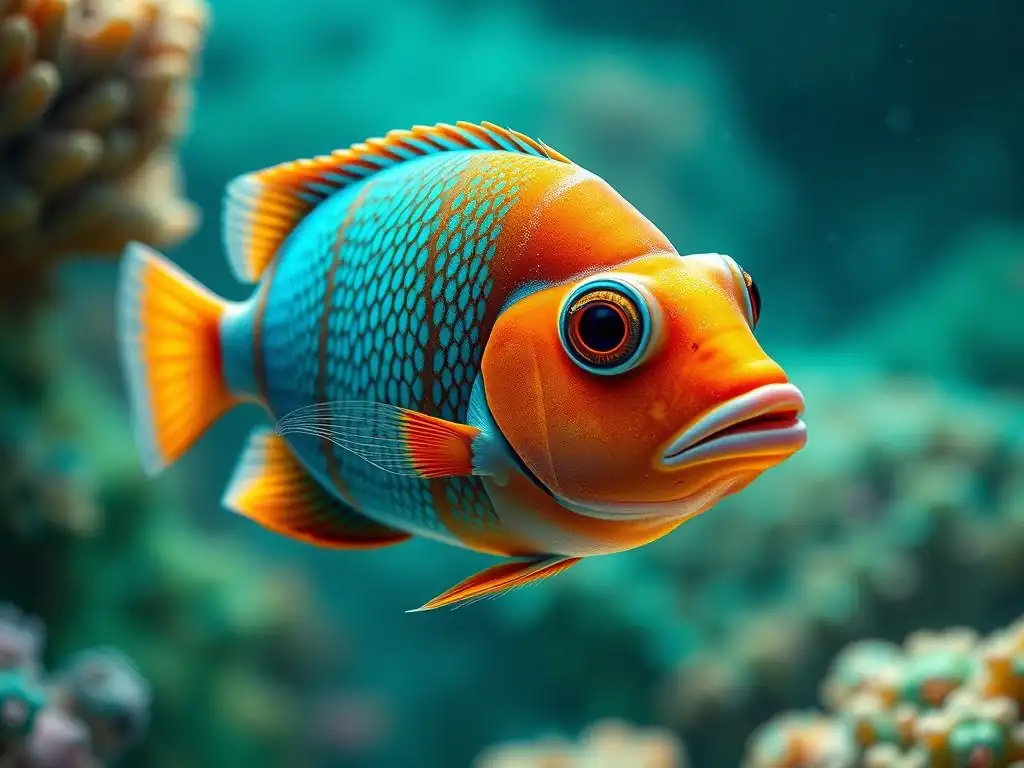
Dwarf angelfish, primarily from the genus Centropyge, have long been a cornerstone of the marine aquarium hobby, particularly for reef enthusiasts. Their immense popularity stems from a compelling combination of factors: their relatively small size, typically ranging from 3 to 5 inches (approximately 7.5 to 12.5 cm) as adults, allows them to be housed in tanks smaller than those required for their larger angelfish cousins, often starting from 50-75 gallons (around 190-280 liters).
Beyond their manageable dimensions, these fish boast an incredible spectrum of vibrant colors and intricate patterns, transforming any aquarium into a dynamic, living art piece. Mastering dwarf angel care tips is essential for their long-term health and successful integration into a diverse reef ecosystem.
Despite their widespread appeal, keeping dwarf angelfish successfully requires a nuanced understanding of their specific needs and potential behaviors. While many species are generally considered "reef-safe with caution," their individual personalities can vary, with some exhibiting a propensity for nipping at corals, especially SPS (Small Polyp Stony) corals or clam mantles. This characteristic makes diligent research and adherence to expert dwarf angel care tips paramount. Enthusiasts are often drawn to the challenge and reward of providing an optimal environment for these captivating creatures, contributing to their enduring presence in marine aquariums worldwide.
Overview: Flame Angel and Coral Beauty - Two Reef Tank Favorites
Among the diverse array of dwarf angelfish species, the Flame Angel ( Centropyge loriculus) and the Coral Beauty ( Centropyge bispinosa) stand out as perennial favorites. Both species are renowned for their striking coloration and active swimming patterns, making them highly desirable additions to many reef aquariums. The Flame Angel, with its fiery orange-red body accented by vertical black stripes and iridescent blue fins, is a showstopper, often considered one of the most beautiful dwarf angels available. Its vibrant appearance makes it a focal point in any tank it inhabits.
Conversely, the Coral Beauty Angelfish offers a more subdued yet equally stunning palette, typically displaying a rich, deep blue or purple body with a contrasting orange or red splash across its midsection and face. This elegant coloration, combined with its generally more placid demeanor, has solidified its status as a consistently popular choice.
While both species are members of the Centropyge genus, their distinct appearances and differing reputations regarding reef compatibility necessitate a detailed comparison. Understanding the specific dwarf angel care tips for each, including their dietary needs, tank requirements, and behavioral tendencies, is crucial for aquarists aiming to make an informed decision for their reef environment.
Frequently Asked Questions
### What are the primary differences between Flame Angels and Coral Beauty Angels that a reef aquarist should consider?
The main differences are their temperament and coloration. Flame Angels are known for their vibrant red-orange hues, while Coral Beauties have a more subdued, but still beautiful, blue and orange pattern. Temperament varies, but both can nip at corals, with Coral Beauties sometimes being less aggressive.
### How crucial is tank size when considering keeping either a Flame Angel or a Coral Beauty Angel in a reef aquarium?
Tank size is critical. A minimum of 70 gallons is generally recommended for either species to provide ample swimming space and reduce aggression. Overcrowding can exacerbate nipping behavior towards corals.
### What are some of the best practices for acclimating a new Dwarf Angel (Flame or Coral Beauty) to a reef tank environment to minimize stress and aggression?
Slow acclimation is key. Use a drip acclimation method over several hours to gradually introduce the fish to your tank's water parameters. Providing plenty of hiding places can also reduce stress and aggression.
### Are there specific coral types that Flame Angels or Coral Beauty Angels are more likely to nip at, and how can I mitigate this risk?
Angels are more likely to nip at LPS corals and soft corals like zoanthids and leathers. Mitigate risk by providing a varied diet with plenty of algae-based foods and observing the fish closely for any signs of coral nipping.
### What are some signs of illness to watch out for in Dwarf Angels, and what are some common treatment options available?
Signs of illness include loss of appetite, cloudy eyes, and white spots (ich). Common treatment options include copper-based medications (use with caution in reef tanks) and quarantine tanks with appropriate medication. Ensure proper water quality at all times to prevent disease outbreaks.
Final Reflection: Embracing the Nuances of Reefkeeping
The vibrant world of reef aquariums, as we've explored, demands a delicate balance and informed choices. Understanding the specific needs of each species, especially when considering the captivating dwarf angels, is paramount to creating a thriving and harmonious ecosystem. The decision between a Flame Angel and a Coral Beauty, or any other reef inhabitant, is not merely aesthetic; it's a commitment to responsible stewardship.
This journey into dwarf angel care has highlighted the importance of diligent research and mindful observation. The long-term success of a reef tank hinges on our ability to anticipate potential challenges and adapt our approach accordingly. The sea, once it casts its spell, holds one in its net of wonder forever.
- Jacques Cousteau. This quote resonates deeply, reminding us that our fascination with the underwater world carries a responsibility to protect and preserve its beauty, even within the confines of our own aquariums.
As you embark on, or continue, your reefkeeping adventure, remember that knowledge is your greatest asset. Let the insights shared here inspire you to delve deeper into the intricacies of each species you consider adding to your underwater haven. By prioritizing responsible research and thoughtful planning, you can create a breathtaking reef aquarium where both the Flame Angel and the Coral Beauty, in their own unique ways, can truly thrive.
Unleash Your Reef's Potential!
Thank you for diving deep into the world of Flame and Coral Beauty Angelfish! We hope this comparison has empowered you to make the best choice for your reef aquarium. Now, let’s take action to create the thriving reef of your dreams.
Here's how to get started:
- Boldly select and introduce your chosen dwarf angel to your reef, closely monitoring its behavior and interactions with other inhabitants.
- Explore less common dwarf angel species like the Potter's Angelfish or the Lemonpeel Angelfish, researching their compatibility and care requirements before considering them.
- Share this guide with fellow reef enthusiasts to spark a lively discussion about their experiences with different dwarf angelfish.
Which unique combination of tank mates are you planning to introduce alongside your new dwarf angel to create a balanced and vibrant ecosystem?